How To Grow Celery Non-Stop In A Container In Oregon
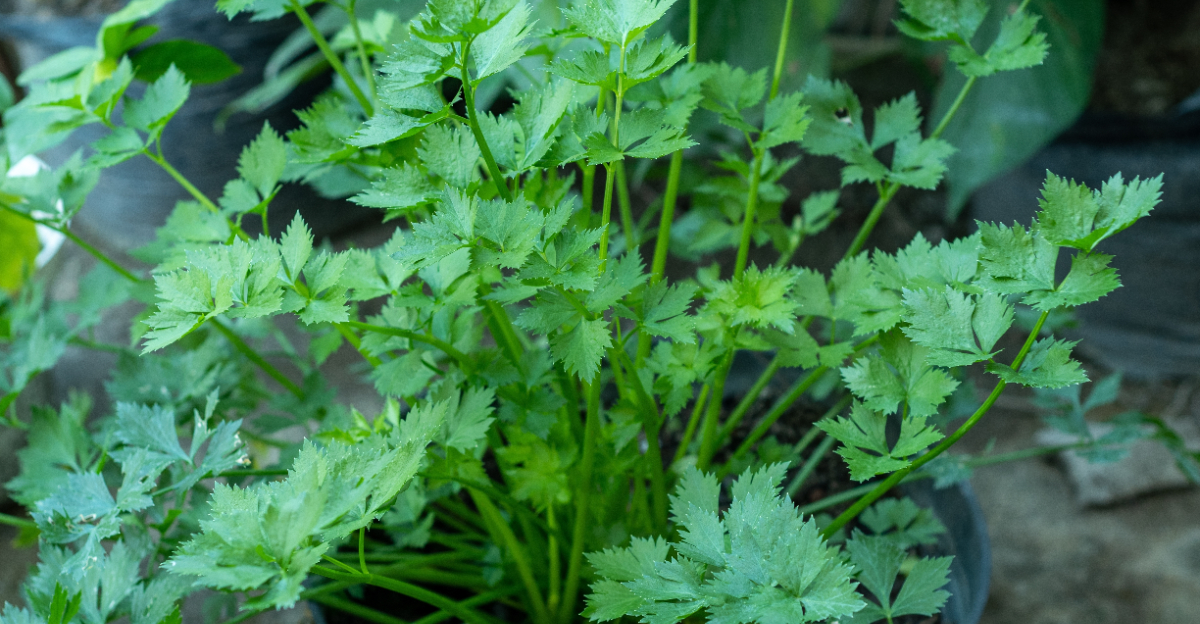
Fresh, crunchy celery right outside your kitchen door? Yes, please. Oregon’s mild temperatures and steady moisture create a great environment for growing celery in containers, even in small spaces.
A single pot on a patio, balcony, or sunny porch can keep you stocked for soups, salads, and afternoon snacks.
The secret is giving celery consistent water, rich soil, and a little regular attention so it keeps producing crisp stalks instead of turning stringy or stressed. Container growing also makes it easier to control drainage and soil quality, which celery truly appreciates.
With the right setup, you can harvest stalks again and again without replanting every few weeks. Ready to turn a simple container into a nonstop celery station that thrives through Oregon’s long growing season?
Grab a sturdy pot and let’s get those vibrant green stalks growing strong and steady right at home.
Pick The Right Container Size
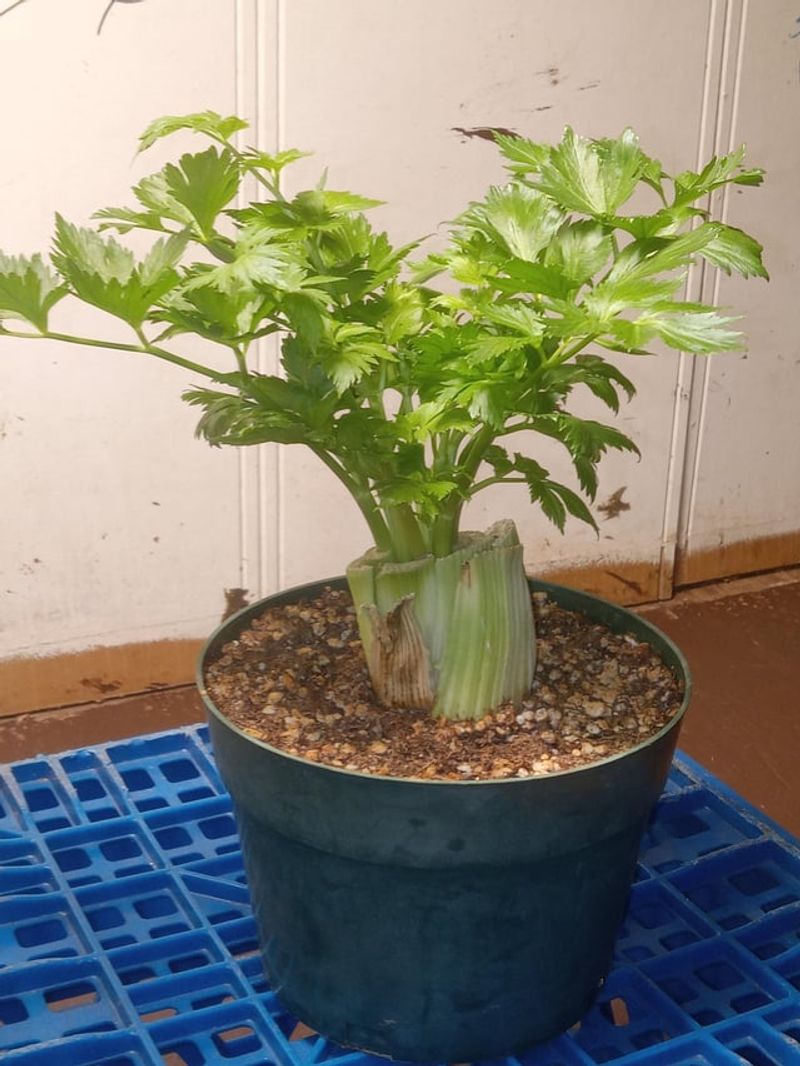
Most people grab whatever pot is sitting in the garage, but with celery, container size really matters. Celery has long roots that need room to grow down deep.
A shallow pot will stress the plant and slow down your harvest.
For best results in Oregon, choose a container that is at least 12 inches deep and 18 inches wide. This gives each plant enough space to spread its roots without competing for water and nutrients.
You can fit about two to three celery plants in a container this size.
Bigger containers also hold moisture longer, which is great during Oregon’s drier summer months. Make sure your container has drainage holes at the bottom.
Standing water can cause root rot and ruin your plants fast.
Plastic containers are lightweight and hold moisture well, making them a smart pick for Oregon gardeners who move their pots around. Fabric grow bags also work great because they allow air to reach the roots.
Whatever you choose, just make sure it is large enough to support healthy, non-stop growth throughout the season.
Use The Best Soil Mix For Celery
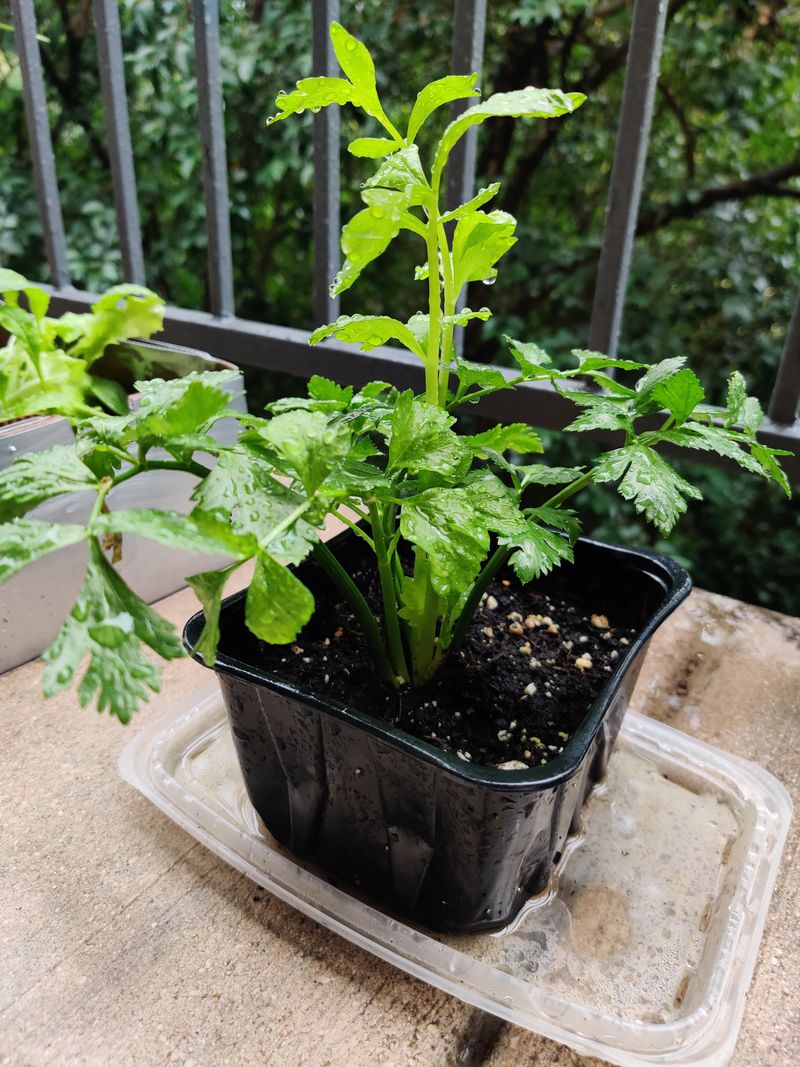
Celery is a hungry plant. It needs rich, well-draining soil packed with nutrients to grow strong stalks.
Regular garden soil from your yard is too heavy for container growing and can compact quickly.
The best mix for container celery in Oregon is a blend of high-quality potting mix, compost, and a little perlite. The potting mix gives a light base, the compost feeds the plant, and the perlite keeps the soil from getting waterlogged.
Oregon’s rainy season can make drainage even more important.
Aim for a soil pH between 6.0 and 7.0. Celery prefers slightly acidic to neutral soil.
You can find simple pH test kits at most garden centers across Oregon.
Refresh your soil mix each growing season. Old potting soil loses nutrients and can harbor pests or disease.
Starting fresh gives your celery the best possible foundation for non-stop growth. Adding a slow-release fertilizer into the soil at planting time is a smart move.
It gives the plant a steady supply of food right from the start, setting you up for a strong harvest all season long.
Your Oregon Garden Changes Every Week. Your Plan Should Too.
Gardening in Oregon changes quickly throughout the season. Every Friday you’ll receive a simple weekly plan showing exactly what to plant, prune, fertilize, harvest, and protect so you never miss the right timing.
Start With Transplants Or Regrow From Scraps
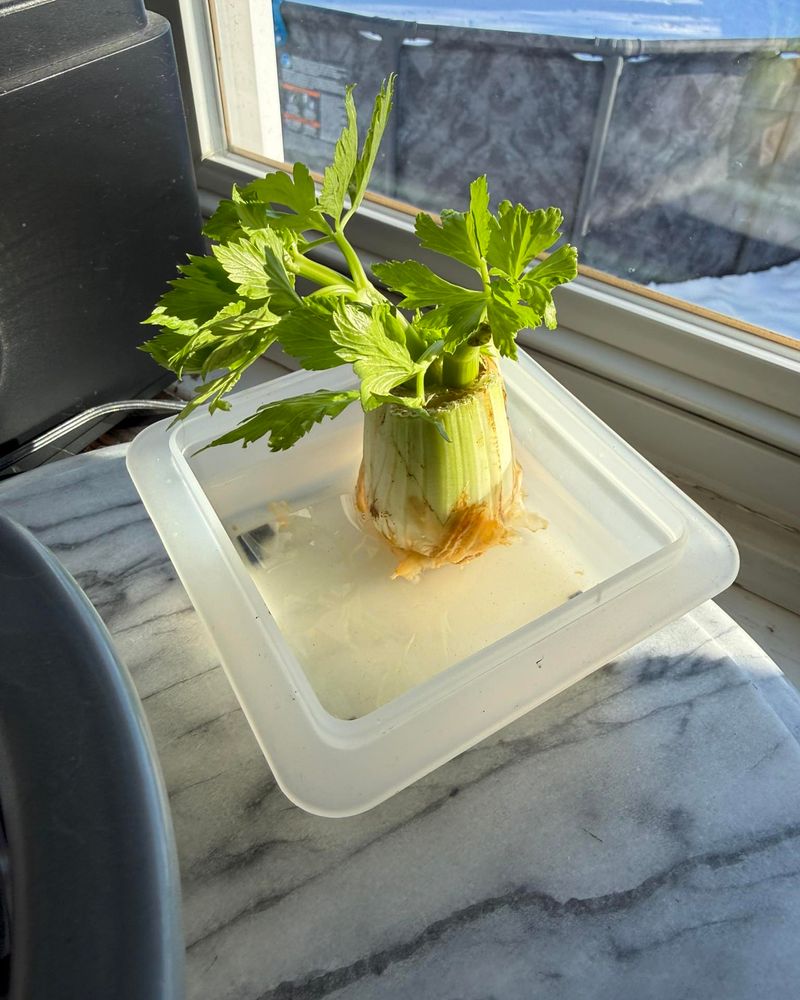
Did you know you can regrow celery from the base of a store-bought bunch? Just place the cut base in a shallow bowl of water, set it in a sunny spot, and watch new shoots sprout in just a few days.
Oregon gardeners love this trick because it costs almost nothing.
Once the new shoots are about two inches tall, you can transplant the base into your prepared container. Cover it with soil, leaving the green tips exposed.
Water it gently and keep it in a spot that gets at least six hours of sunlight each day.
If you prefer a faster start, buy celery transplants from a local Oregon nursery. Transplants are already a few weeks ahead of seed-started plants, which means you will be harvesting sooner.
Look for healthy, deep green plants with firm stems.
Starting from seeds is another option, but celery seeds are slow and need warmth to sprout. In Oregon, starting seeds indoors in late winter gives them the head start they need.
No matter which method you choose, getting your plants off to a strong beginning is the key to a non-stop harvest all season.
Water Consistently To Keep Stalks Crisp
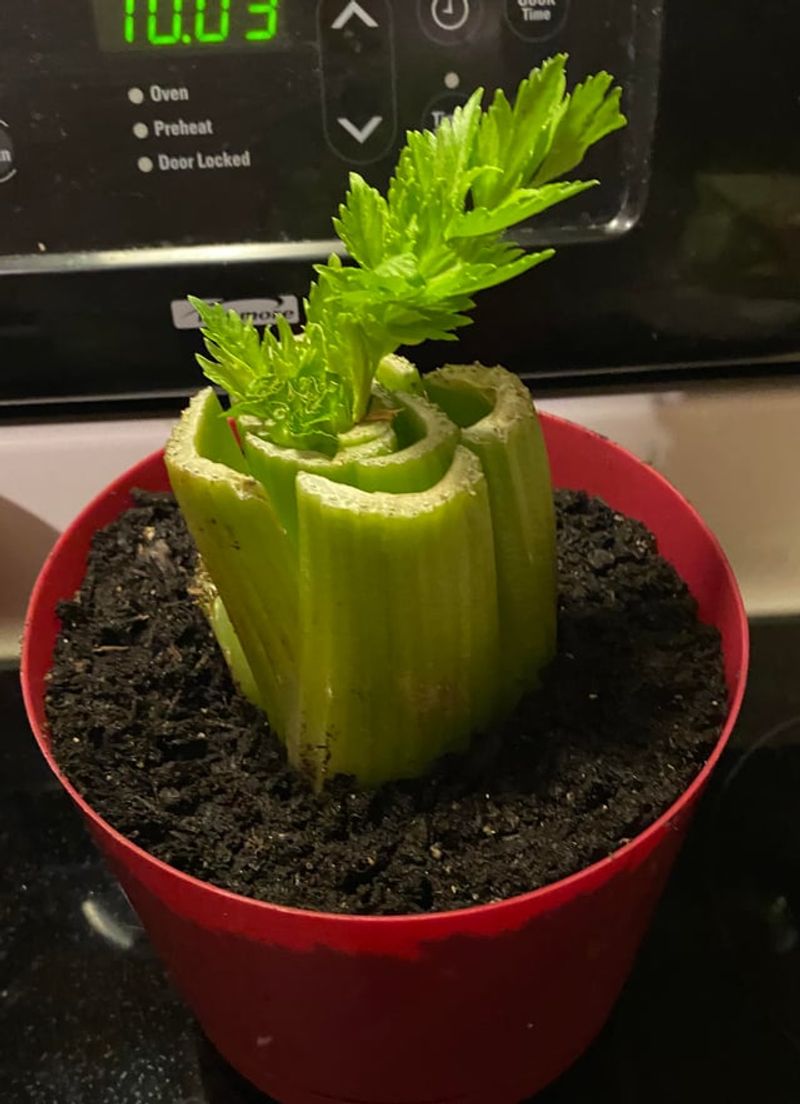
Celery is made up of about 95 percent water, so it should come as no surprise that consistent watering is one of the most important parts of growing it in a container. Letting the soil dry out even once can cause the stalks to become stringy and bitter.
In Oregon, rainfall helps during the cooler months, but summer can bring dry stretches that require regular hand watering. Check your container soil daily by sticking your finger about an inch into the soil.
If it feels dry, it is time to water.
Water slowly and deeply so the moisture reaches all the way to the roots. Shallow watering encourages roots to stay near the surface, which makes the plant weaker and less productive.
A drip tray under your container can help retain extra moisture on hot Oregon days.
Mulching the top of your container soil with straw or wood chips also helps lock in moisture between waterings. This is especially useful during Oregon’s warmer summer weeks.
Consistent moisture keeps the stalks crunchy, flavorful, and ready to harvest. Think of watering as your most important daily garden task when growing celery non-stop in a container.
Feed Your Celery With The Right Fertilizer
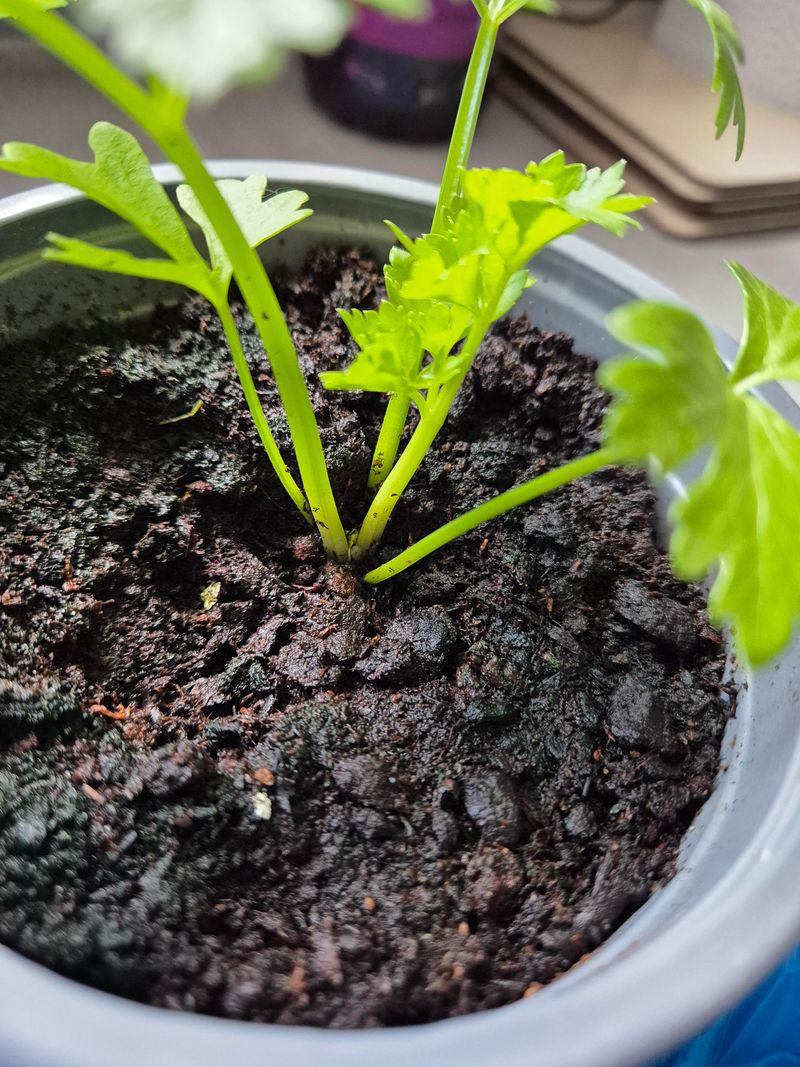
Celery is one of the heaviest feeders in the vegetable world. Without regular nutrients, the plants grow slowly, produce thin stalks, and lose their rich flavor.
Feeding your container celery properly is what separates a good harvest from a great one.
Start with a balanced slow-release fertilizer mixed into the soil at planting time. After that, switch to a liquid fertilizer every two weeks.
A fertilizer with higher nitrogen content works best for leafy, stalk-heavy vegetables like celery.
Organic options like fish emulsion or compost tea work really well for Oregon gardeners who prefer natural growing methods. These options feed the plant gently without the risk of burning the roots.
They also improve soil health over time.
Watch your plants for signs of nutrient deficiency. Yellow leaves often mean the plant needs more nitrogen.
Slow growth can signal low phosphorus. Catching these signs early lets you adjust your feeding routine before it affects your harvest.
Oregon’s cool climate slows down nutrient absorption in the soil, so feeding consistently through the season is extra important. A well-fed celery plant keeps pushing out new growth, which means you get to keep harvesting fresh stalks non-stop all season long.
Find The Perfect Sunlight Spot
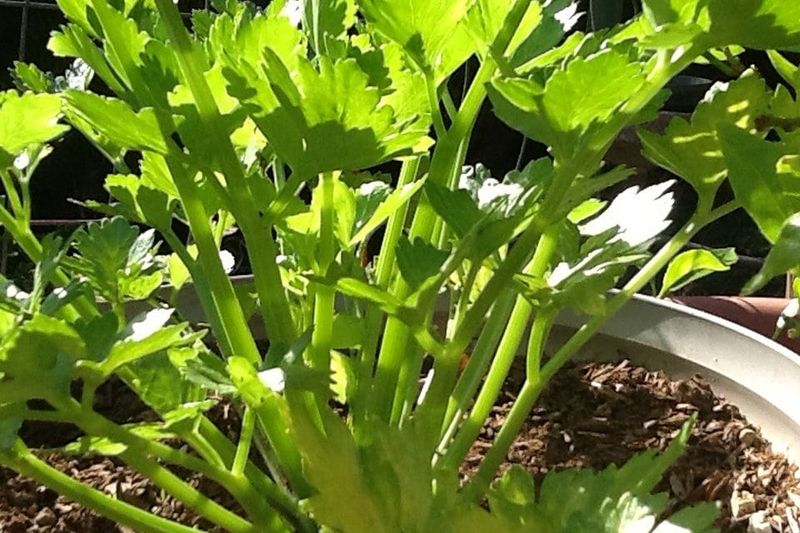
Oregon’s weather can be tricky. The Pacific Northwest is known for cloudy skies and rainy stretches, especially from fall through spring.
Knowing where to place your container can make a huge difference in how well your celery grows.
Celery needs at least six hours of direct sunlight each day. In Oregon, south-facing patios, porches, or balconies tend to get the most sun exposure.
Placing your container in one of these spots gives your plants the best chance at steady, strong growth.
During Oregon’s summer months, afternoon shade can actually be helpful. Celery prefers cool temperatures between 60 and 70 degrees Fahrenheit.
Too much heat can cause the plant to bolt, meaning it sends up a flower stalk and stops producing edible stalks.
One of the best things about container gardening is that you can move your pot around. If a spot gets too hot in July, simply slide the container to a shadier location.
If spring brings too many cloudy days, move it to the brightest corner of your yard.
Flexibility is your biggest advantage as a container gardener in Oregon. Use it to keep your celery in its sweet spot all season long and enjoy a truly non-stop harvest.
Harvest Outer Stalks To Keep Plants Producing
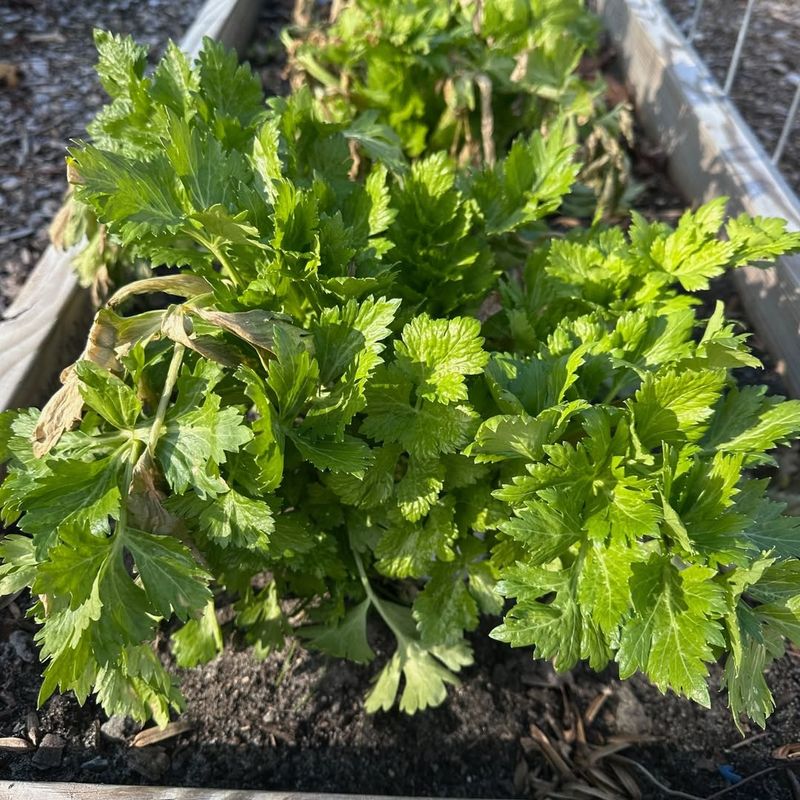
Here is the secret that keeps celery growing non-stop in your Oregon container garden: always harvest from the outside in. Removing the outer stalks first allows the inner stalks to keep growing and maturing.
Never cut the whole plant at once if you want continuous production.
Once your celery stalks are at least eight inches tall, they are ready to harvest. Use a sharp knife or clean scissors to cut individual stalks right at the base.
Be careful not to damage the center crown of the plant, where new growth comes from.
You can harvest a few stalks every week throughout the growing season. In Oregon’s mild climate, celery can produce from late spring all the way through fall.
Some gardeners in western Oregon even manage to keep their plants going into early winter with a little protection.
After harvesting, give your plant a good drink of water and a light feeding. This encourages the plant to bounce back quickly and push out fresh new growth.
The more you harvest thoughtfully, the more the plant produces.
Keeping up with regular harvesting also prevents the plant from getting too large and woody. Fresh, tender stalks taste far better, and consistent picking is what makes non-stop container celery growing in Oregon so rewarding.