Shady Oregon Garden? Here’s How To Grow A Whimsical Mushroom Spot
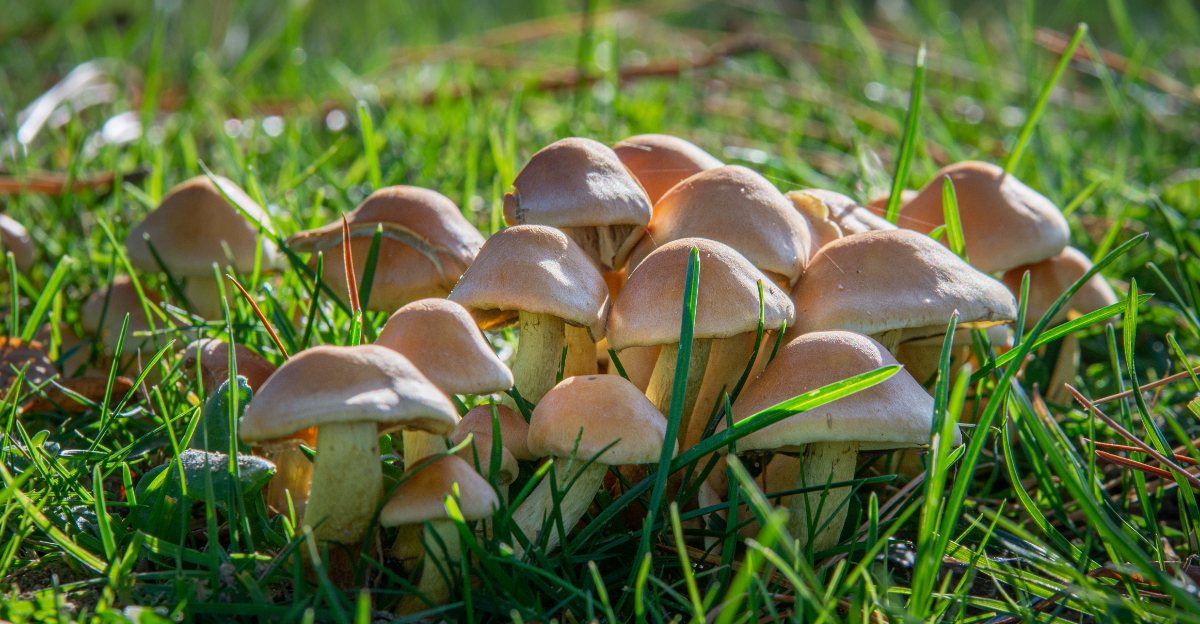
Got a cool, shady corner in your Oregon garden that feels a little mysterious and full of possibility? Perfect.
Mushrooms love the same damp, gentle conditions that make moss thrive and ferns unfurl, which means you already have the beginnings of something magical.
Growing mushrooms at home feels part gardening, part forest adventure, and the result can turn an ordinary patch of shade into a storybook scene.
Imagine clusters of charming caps peeking through rich soil, adding texture, curiosity, and a touch of woodland wonder to your space. It is easier than most people think, and you do not need a huge yard or fancy setup to get started.
With the right materials and a little patience, that quiet shady spot can become a thriving mushroom nook that feels whimsical, lush, and alive.
1. Choose The Right Mushrooms
Not every mushroom is a good fit for every garden, and choosing the right species is the most important first step you will take. Oregon’s cool, moist climate is a dream come true for certain types of fungi.
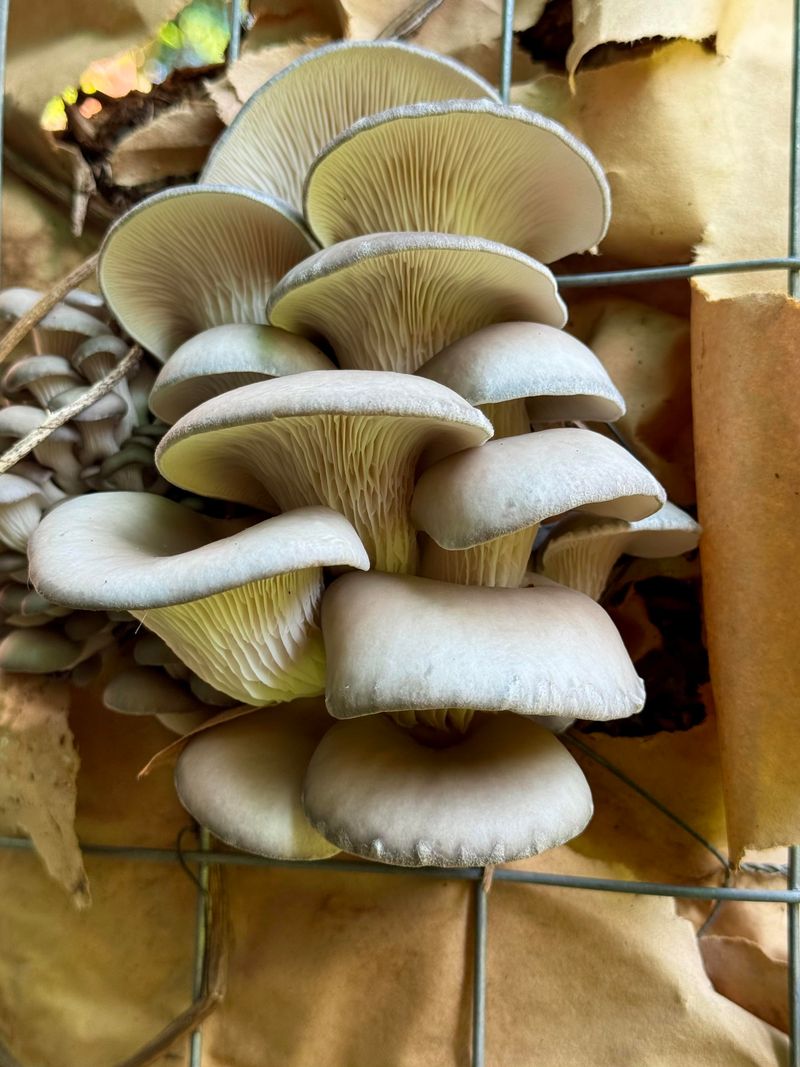
Oyster mushrooms, shiitake, wine caps, and lion’s mane are all excellent choices for Oregon gardens.
Oyster mushrooms are especially easy for beginners. They grow fast, they love shade, and they thrive in the Pacific Northwest’s naturally humid air.
Wine cap mushrooms, also called Stropharia, are another favorite because they grow directly in wood chips and garden beds.
Shiitake mushrooms prefer hardwood logs, which are easy to find all over Oregon. Lion’s mane mushrooms look wild and magical, like something from a fantasy novel, making them a perfect fit for a whimsical garden theme.
Before you buy anything, think about what you want from your mushroom spot. Do you want something to eat, something beautiful to look at, or both?
Oregon gives you the freedom to grow a wide variety of species, so do a little research and pick the ones that excite you the most.
2. Find The Perfect Shady Spot
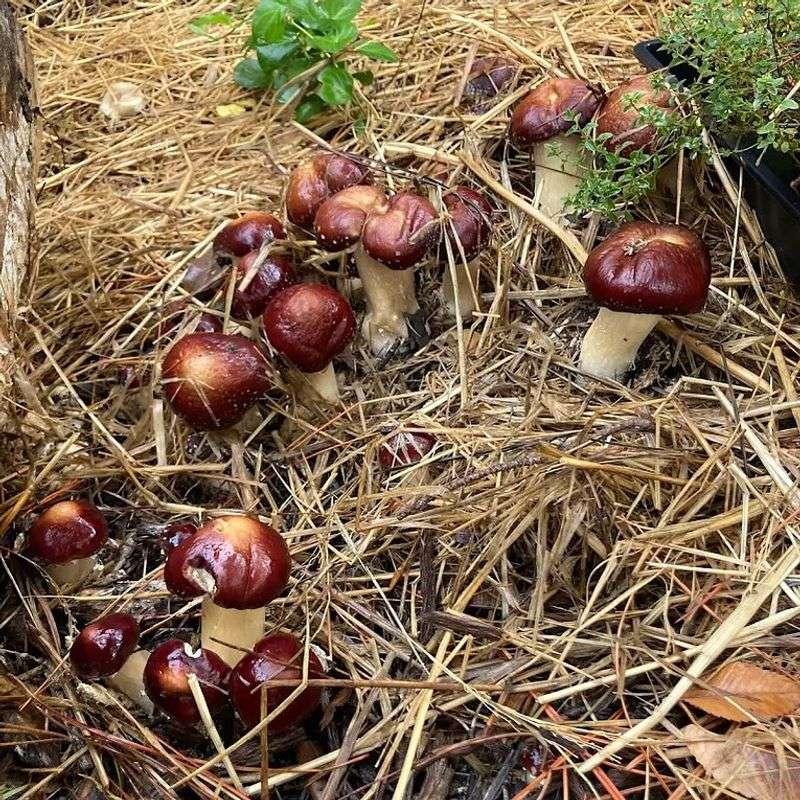
Mushrooms do not want sunshine the way tomatoes or roses do. They actually prefer cool, dim, and moist environments, which makes Oregon yards practically tailor-made for them.
Look around your yard for spots that stay shaded for most of the day.
Under large trees like Douglas firs, cedars, or maples are perfect locations. North-facing garden beds that rarely see direct sun are also great candidates.
The key is finding a place that stays consistently moist without becoming waterlogged or flooded after heavy Oregon rains.
Good airflow matters too. A spot that is completely enclosed with no air movement can lead to problems with unwanted molds or bacteria.
You want gentle shade with just a little bit of natural airflow to keep things balanced. If your chosen spot gets a little morning light and then shade for the rest of the day, that is honestly ideal for most mushroom varieties.
Walk around your Oregon garden at different times of day to see where the shadows fall. Once you find that sweet, shady pocket, you have found your future mushroom paradise.
Your Oregon Garden Changes Every Week. Your Plan Should Too.
Gardening in Oregon changes quickly throughout the season. Every Friday you’ll receive a simple weekly plan showing exactly what to plant, prune, fertilize, harvest, and protect so you never miss the right timing.
Mark it, measure it, and get ready to transform it into something magical.
3. Prepare Your Substrate Like A Pro
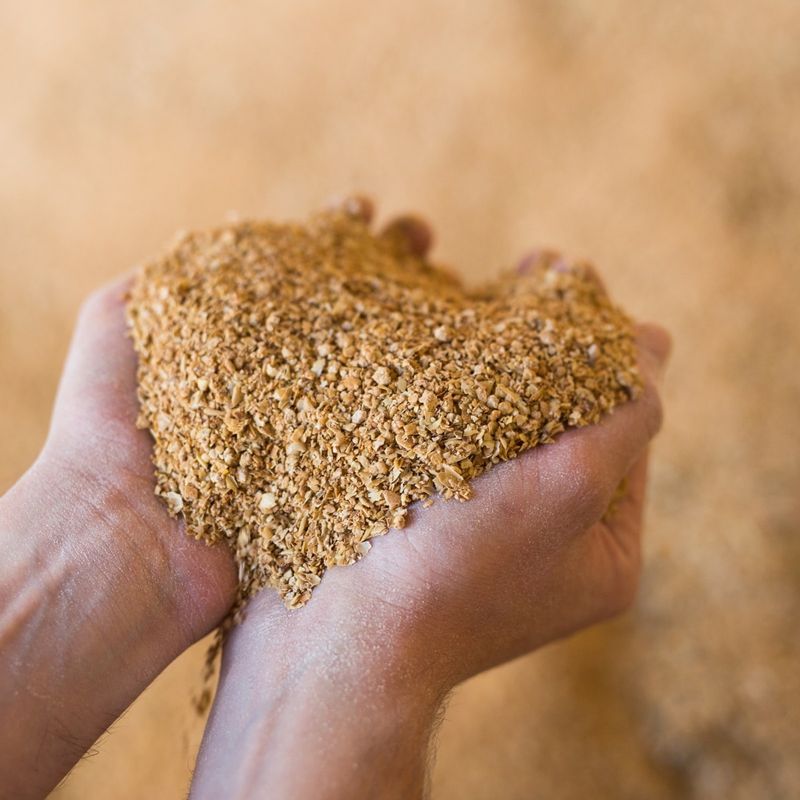
Substrate is just a fancy word for the material mushrooms grow in and eat. Getting your substrate right is one of the biggest keys to a successful mushroom garden in Oregon.
Different mushroom species prefer different substrates, so your choice here connects directly to the species you picked in step one.
Wine cap mushrooms absolutely love a thick layer of wood chips. Spread them about four to six inches deep over your shady garden bed.
Straw works well for oyster mushrooms, especially when packed into a raised bed or container. Hardwood logs are the go-to substrate for shiitake and lion’s mane mushrooms.
Oregon is full of fallen hardwood trees and wood chip sources, so sourcing your substrate locally is usually easy and affordable. Avoid using cedar or pine chips as your main substrate because their natural oils can slow mushroom growth.
Fresh wood chips from deciduous trees like alder, oak, or maple are your best bet in the Pacific Northwest region. Layering your substrate properly, keeping it moist, and refreshing it every season will keep your mushroom garden producing for years to come.
Think of the substrate as your mushroom’s food supply and home all in one.
4. Inoculate Logs And Beds With Mushroom Spawn
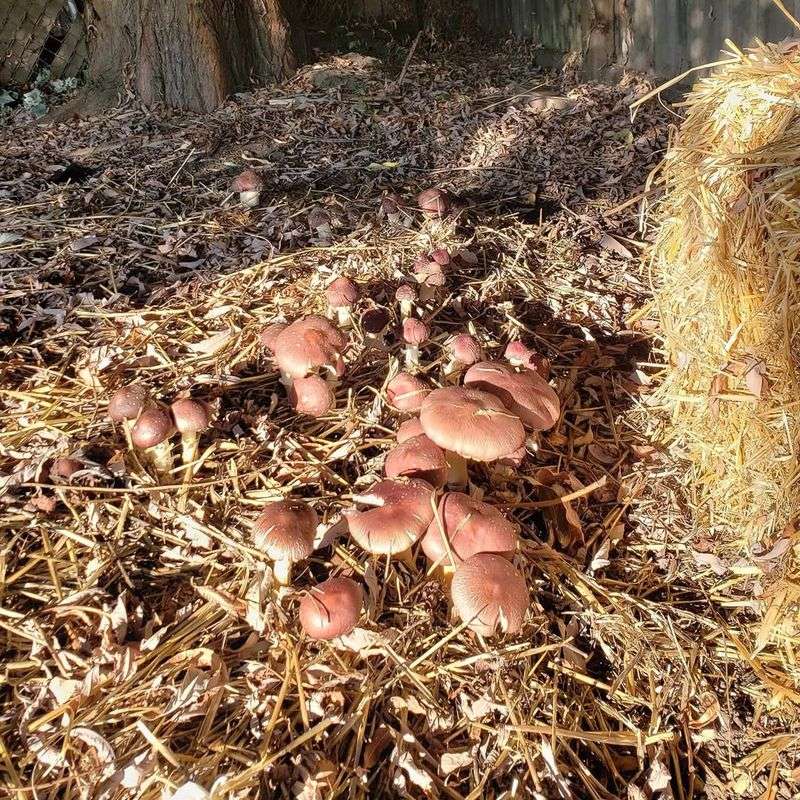
Mushroom spawn is like the seed of the mushroom world. It is the living material you use to get your mushroom garden started, and inoculating your logs or beds with it is genuinely one of the most exciting steps of the whole process.
It feels like planting magic.
For hardwood logs, you will drill small holes in a diamond pattern along the length of the log. Then you hammer in small wooden plugs that are already filled with mushroom mycelium, which is the root-like network that mushrooms grow from.
Seal the holes with cheese wax to keep moisture in and contaminants out.
For wood chip beds, you simply mix the spawn directly into the substrate by hand or with a garden fork. It is quick, easy, and satisfying.
Oregon’s naturally cool and moist spring and fall seasons are the best times to inoculate because the conditions help the mycelium spread quickly and settle in. Many Oregon garden centers and online suppliers sell high-quality mushroom spawn for local species.
Once inoculated, your logs or beds need a few months of patience before the first mushrooms appear. But when they do, the reward is absolutely worth the wait.
5. Keep Moisture Levels Consistent
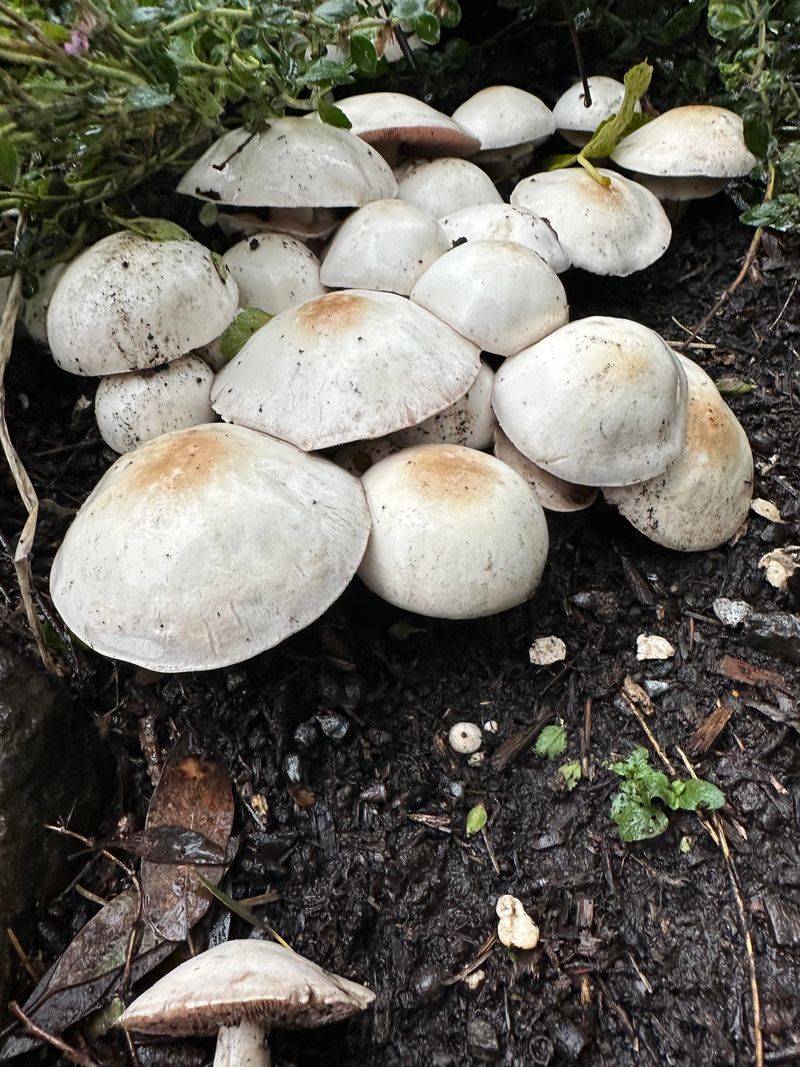
Moisture is everything when it comes to growing mushrooms. These fungi need consistent hydration to develop properly, and while Oregon’s rainy season does a lot of the heavy lifting, you still need to pay attention during drier stretches.
Even in the Pacific Northwest, summer months can bring dry spells that stress your mushroom garden.
A simple soaker hose or a gentle misting nozzle on your garden hose works beautifully for keeping mushroom beds hydrated. Water deeply but not too often.
The goal is to keep the substrate consistently damp, like a wrung-out sponge, not soaking wet. Overwatering can cause the substrate to become anaerobic and smelly, which is not good for your mushrooms or your garden neighbors.
Mulching around your logs and beds with extra wood chips or straw helps lock in moisture between watering sessions. During Oregon’s famously rainy winters and springs, you may not need to water at all.
Just monitor the substrate by pressing your hand into it. If it feels dry an inch below the surface, it is time to water.
Staying consistent with moisture management is truly one of the simplest ways to keep your whimsical Oregon mushroom garden thriving all season long.
6. Add Some Garden Decor
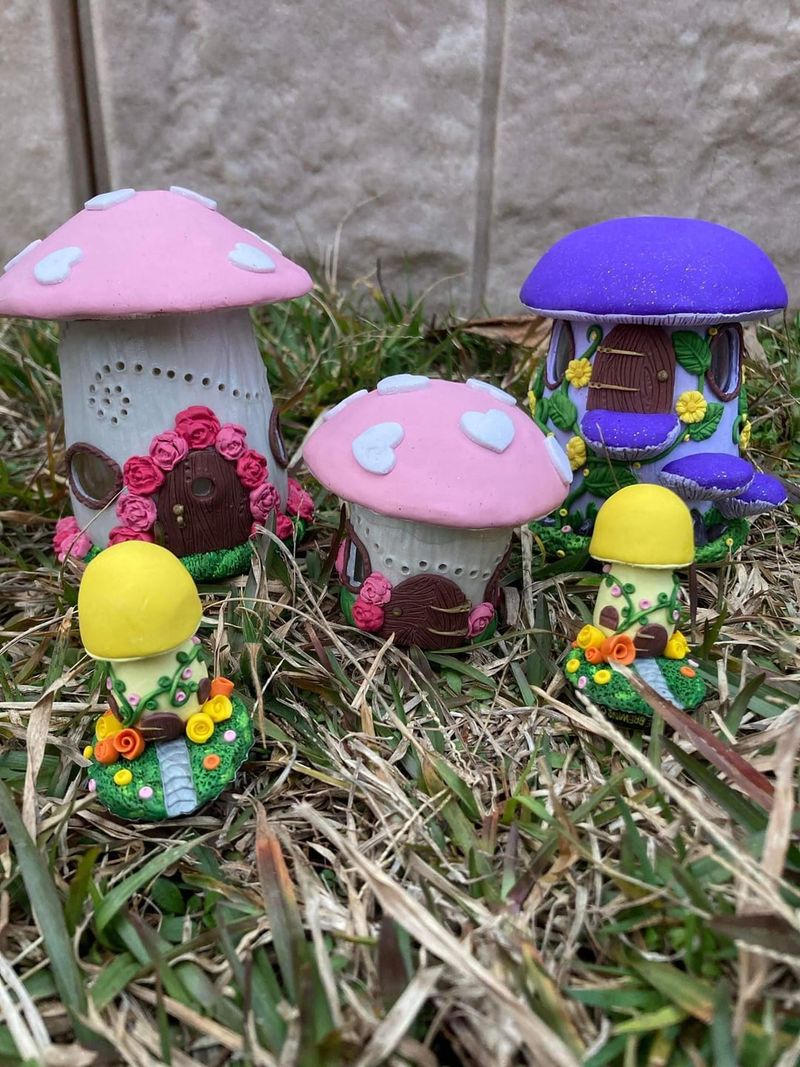
Growing mushrooms is already magical on its own, but adding some fun garden decor takes your Oregon mushroom spot from cool to completely enchanting. A little creativity goes a long way when it comes to turning a shady garden corner into a fairy-tale world that everyone wants to visit.
Fairy doors attached to the base of tree trunks are an incredibly popular touch. Tiny gnome figurines peeking out from behind mushroom clusters add a sense of story and wonder.
Mossy stepping stones, small lanterns, and miniature benches scattered throughout the space create a sense of scale that makes the whole area feel like a secret world.
You can also plant companion plants around your mushroom logs to add color and texture. Ferns, hostas, and astilbe all thrive in the same shady, moist conditions that Oregon mushrooms love.
These plants frame your mushroom garden beautifully and make the whole space feel lush and layered. Painted rocks with mushroom designs are another easy and affordable way to add personality.
Oregon has a strong arts and crafts community, so local markets are a great place to find unique handmade garden decorations. Let your imagination run free and build a mushroom garden that tells a story.
7. Harvest At The Right Time
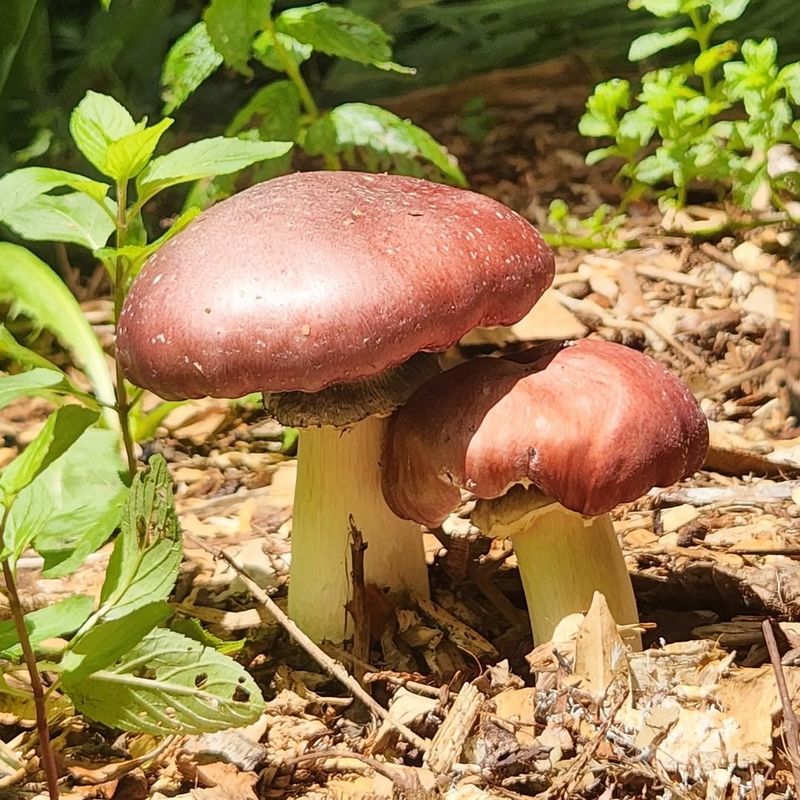
Harvesting your mushrooms at the right moment makes a huge difference in flavor, texture, and the long-term health of your garden. Most mushrooms are best picked just before or right as the caps fully open.
If you wait too long, they drop spores, which can actually help seed new areas of your garden naturally.
For oyster mushrooms, harvest when the edges of the caps are still slightly curled inward. Shiitake mushrooms are ready when the cap is about 50 to 70 percent open.
Wine caps should be picked when they are firm and the veil under the cap is still intact. Twist and pull gently rather than cutting to avoid leaving stubs that can attract unwanted bacteria.
After harvesting, your Oregon mushroom garden is not finished. With proper care, logs can produce mushrooms for three to seven years.
Refresh wood chip beds annually by adding a fresh layer of substrate and new spawn if needed. Oregon’s climate naturally supports multiple fruiting seasons each year, especially in fall and spring when moisture and temperatures align perfectly.
Keep a simple garden journal to track when your mushrooms fruit and how much you harvest. Over time you will develop a deep rhythm with your garden that makes every season more productive than the last.