Should Oregon Gardeners Keep Or Pull Dandelions This Spring?
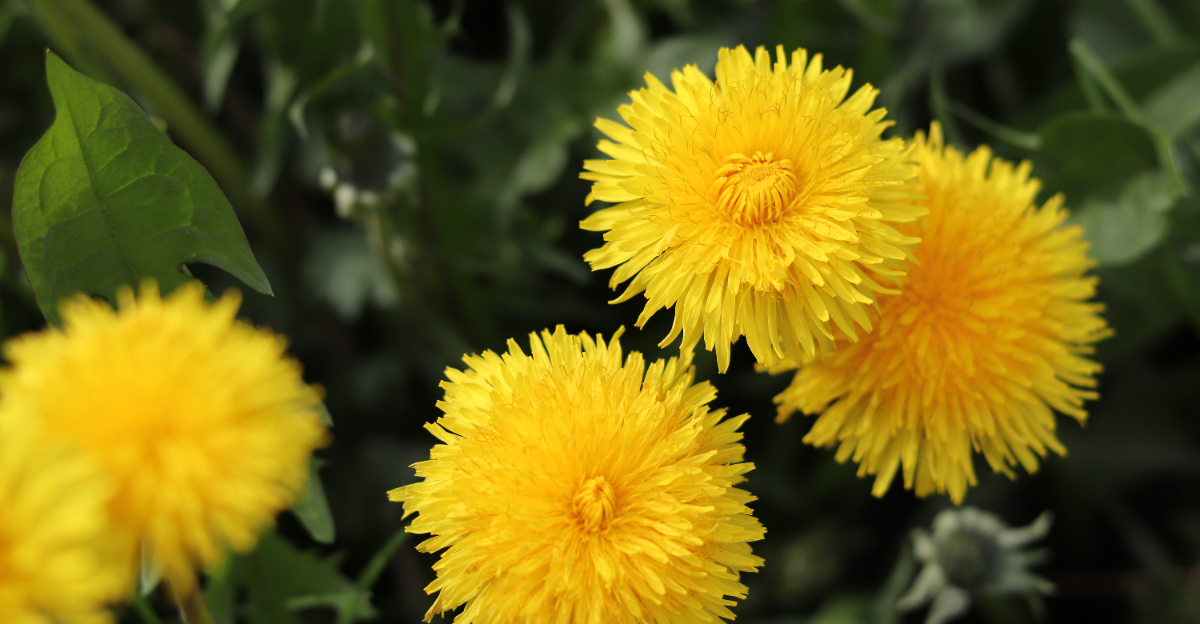
If you’ve spent any time in an Oregon garden in spring, you’ve likely seen them: those defiant, sun-yellow heads popping up through the mulch like they own the place.
The humble dandelion is the ultimate horticultural Rorschach test for Pacific Northwest homeowners.
To some, they are a cheery sign that the long, gray drizzle is finally lifting. To others, they are a high-speed invasive species threatening to turn a manicured lawn into a wild meadow before the first lawnmower pull of the season.
Deciding whether to embrace the golden glow or reach for the weeding fork is a classic springtime dilemma.
You deserve a landscape that aligns with your vision, but also one that plays nice with the local ecosystem.
Between their deep taproots that break up our stubborn clay soil and their role as a “convenience store” for early-rising bees, these persistent plants bring more to the table than just fluff. It is time to weigh the environmental perks against the aesthetic chaos.
1. Keep Or Pull?
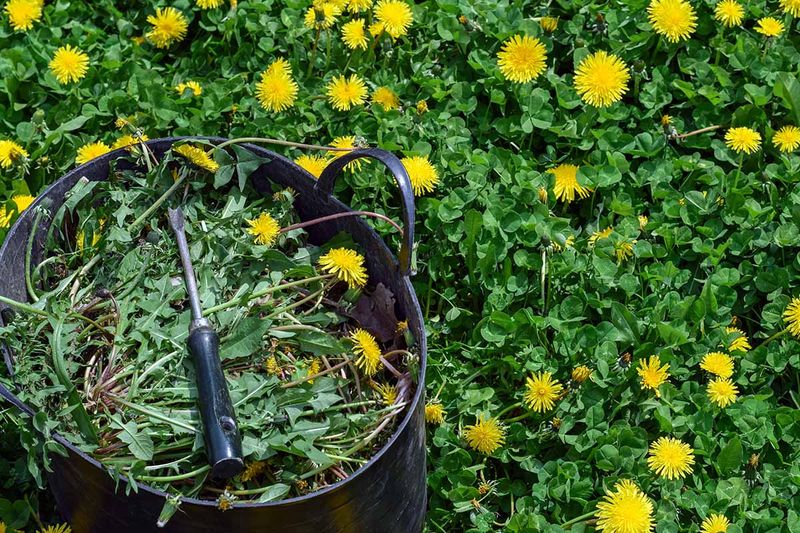
Every Oregon gardener faces this question at least once a year. You walk outside, spot a patch of bright yellow flowers, and wonder what to do next.
Keep them or pull them? The honest answer is that it depends on your goals.
If you care about pollinators, dandelions are one of the first food sources available in early spring. Bees and other insects need that nectar after a long winter.
Letting a few dandelions grow can actually help your whole garden do better.
On the other hand, dandelions spread fast. One plant can release hundreds of seeds into the wind.
If you have a vegetable bed or a carefully planned flower garden, dandelions can crowd out the plants you actually want.
The good news is that you do not have to make an all-or-nothing choice. Many Oregon gardeners keep dandelions in one part of the yard and manage them in another.
Think about what matters most to you. A healthy lawn, a pollinator-friendly space, or maybe both?
Once you know your goal, the decision becomes much easier. There is no single right answer here.
2. Why Some Gardeners Love Them
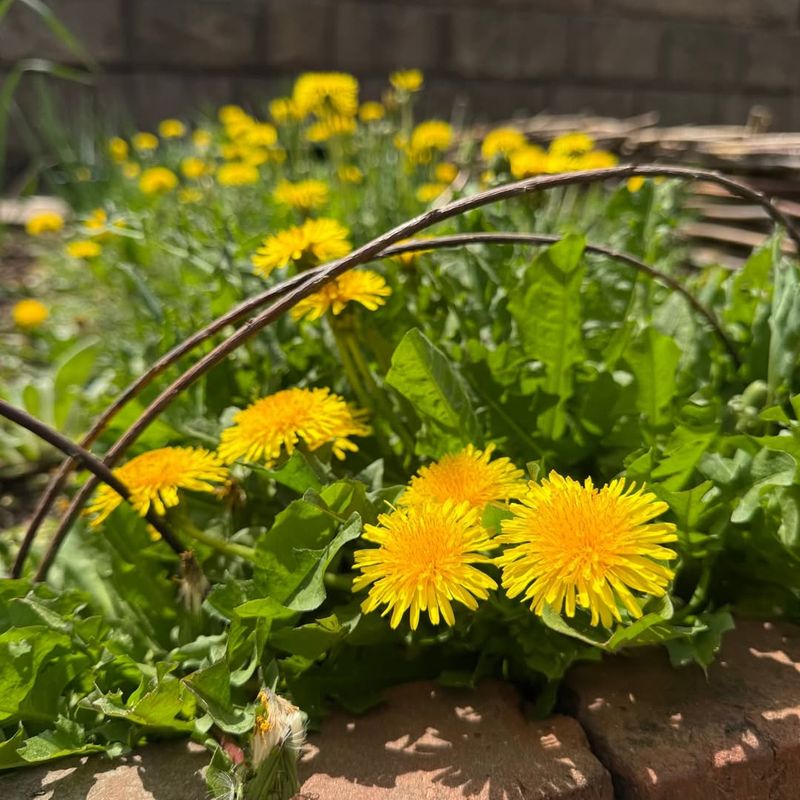
Not everyone sees a weed when they look at a dandelion. Plenty of Oregon gardeners genuinely enjoy having them around, and for good reason.
Dandelions are tough, cheerful, and surprisingly useful plants that ask for nothing in return.
For starters, they bloom early. In Oregon, dandelions often pop up before most other flowers have even started growing.
That bright yellow color is a welcome sight after months of gray, rainy weather. They make a yard feel alive again.
Many gardeners also appreciate how low-maintenance dandelions are. You do not need to water them, fertilize them, or give them any special care.
They just grow. For busy people who want a little color without a lot of effort, that is a real bonus.
Some gardeners even grow dandelions on purpose near their vegetable beds. The deep roots bring up nutrients from far underground, which can improve soil quality over time.
Your Oregon Garden Changes Every Week. Your Plan Should Too.
Gardening in Oregon changes quickly throughout the season. Every Friday you’ll receive a simple weekly plan showing exactly what to plant, prune, fertilize, harvest, and protect so you never miss the right timing.
Others enjoy picking the flowers for teas, salads, and simple homemade recipes. In Oregon, where many people value natural and sustainable living, dandelions fit right in.
They are free, familiar, and far more helpful than most people realize.
3. Why Some Gardeners Hate Them
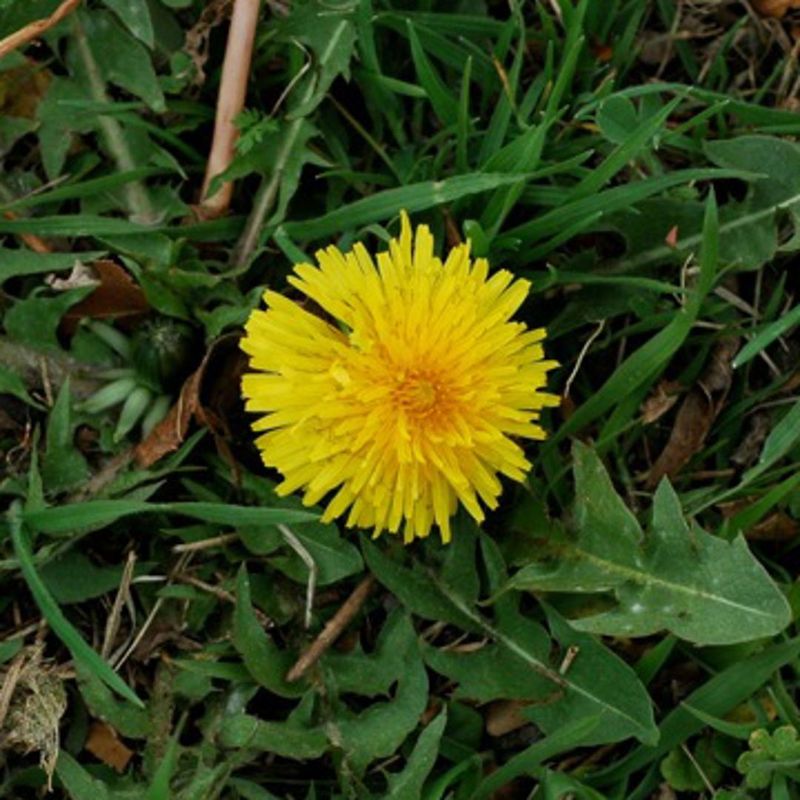
Not everyone is a fan. For many Oregon homeowners, dandelions are the number one frustration of spring gardening.
They show up uninvited, spread quickly, and seem impossible to get rid of completely. It is easy to understand why some people want them gone.
The biggest complaint is how fast they take over. A single dandelion plant can produce up to 200 seeds, and those seeds float through the air and land everywhere.
Before you know it, your tidy lawn or flower bed is covered in them. Neighbors sometimes worry about seeds drifting into their yards too.
Another issue is the taproot. Dandelions grow a thick, deep root that can reach several inches into the ground.
If you pull the plant and leave even a small piece of the root behind, the plant will grow right back. That can feel incredibly frustrating after spending an afternoon weeding.
For gardeners in Oregon who put serious time and money into their lawns or cultivated beds, dandelions can feel like a setback. They compete with grass and garden plants for water and nutrients.
Managing them takes real effort, especially in wetter parts of Oregon where conditions are perfect for dandelion growth all spring long.
4. Helping Bees And Butterflies
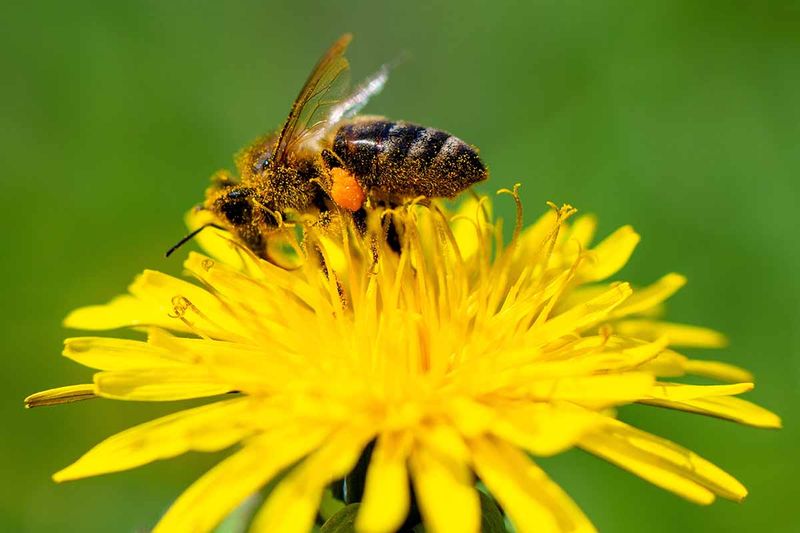
Here is something worth knowing: dandelions are one of the most important early-season food sources for bees in Oregon. When most flowers are still months away from blooming, dandelions are already open and ready.
Bees that wake up hungry in early spring rely on them more than most people realize.
Honey bees, native bees, and even some butterfly species visit dandelion flowers for nectar and pollen. Oregon is home to hundreds of native bee species, many of which are already under pressure from habitat loss.
Keeping a few dandelions around can make a real difference for these pollinators.
Pollinators do not just help wildflowers. They also help your vegetable garden produce more food.
More bees visiting your yard means better pollination for your tomatoes, squash, berries, and fruit trees. So in a way, letting dandelions grow is actually an investment in your whole garden.
You do not need to let dandelions take over your entire yard to make a difference. Even a small patch near a garden bed or along a fence line can provide valuable habitat.
Oregon gardeners who care about wildlife and sustainability often find that welcoming dandelions is one of the easiest and most rewarding choices they can make each spring.
5. Good For The Soil
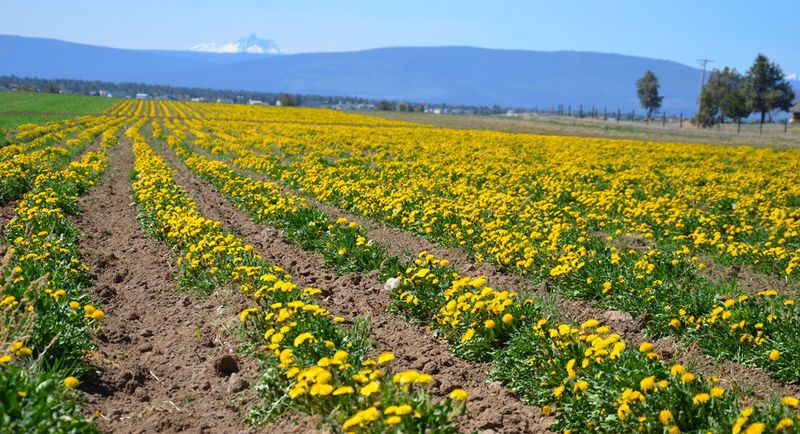
Dandelions do something underground that most people never think about. Their taproots can grow six to eighteen inches deep into the soil.
That might sound like a problem, but it actually helps loosen compacted ground and improves drainage over time.
In Oregon, especially in areas with heavy clay soil, compaction is a real issue. Water sits on the surface instead of soaking in, and plant roots struggle to grow deep.
Dandelion roots naturally break up that hard layer, making it easier for other plants to take hold. It is like free aeration without any special tools.
Dandelion roots also pull up minerals like calcium, potassium, and iron from deep in the ground. When the plant sheds its leaves or gets composted, those nutrients return to the surface where other plants can use them.
This natural recycling process can genuinely improve soil health over a full growing season.
Gardeners who practice no-till or organic methods in Oregon sometimes deliberately leave dandelions in place for exactly this reason. Rather than fighting the plant, they let it do the hard work.
If you compost your garden waste, adding dandelion leaves and roots is a great way to return nutrients to your beds without spending a dime on fertilizer.
6. When They Take Over
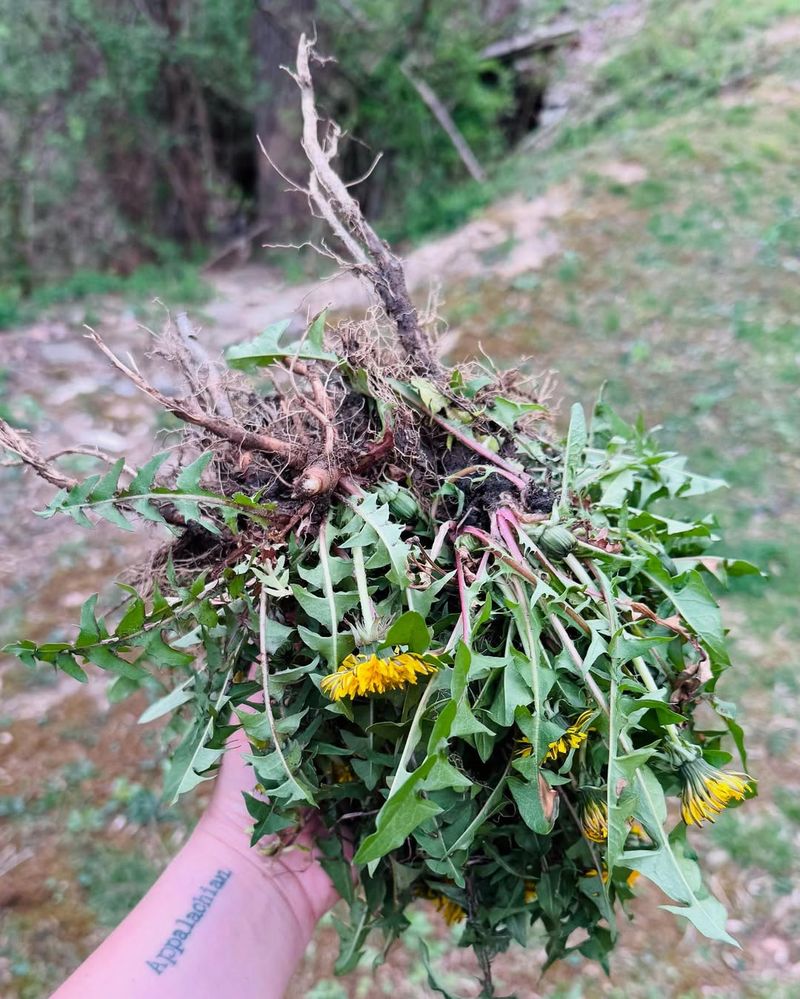
There is a tipping point with dandelions. A few scattered plants are manageable and even helpful.
But when they spread across your entire lawn or crowd out your vegetable starts, it becomes a real problem that needs attention fast.
Oregon’s wet spring weather creates perfect growing conditions for dandelions. The soil stays moist, temperatures are mild, and there is plenty of light.
Under these conditions, dandelions can go from a handful of plants to a full-blown invasion within just a few weeks. Once the white seed heads form, the situation spreads even faster.
If dandelions are taking over, the most effective approach is physical removal. Use a weeding tool or a long-handled fork to dig out the entire plant, including as much of the taproot as possible.
Do this before the flowers turn to seed to prevent spreading. Removing them after rain makes the job easier because the soil is softer.
For large areas, Oregon State University recommends using herbicides carefully and following label instructions to protect the environment and nearby plants. Spot-treating specific problem areas works better than treating your whole yard.
Staying consistent with removal throughout the spring season is the key to keeping dandelion populations under control without letting them take over your Oregon garden completely.
7. Eating Dandelions

Most people do not realize that dandelions are completely edible from root to flower. Every part of the plant can be used in the kitchen, and they taste surprisingly good when prepared right.
Oregon gardeners who forage or cook with wild plants often treat dandelions like a free gift from the garden.
Young dandelion leaves have a slightly bitter flavor, similar to arugula. They work well in salads, especially when mixed with milder greens and a tangy dressing.
Older leaves get more bitter, but they can be blanched or sauteed with garlic and olive oil to mellow out the taste.
Dandelion flowers are mild and slightly sweet. You can toss them fresh into salads, use them to make dandelion jelly, or batter and fry them as a fun snack.
The roots can be roasted and brewed into a coffee-like drink that many people enjoy as a caffeine-free alternative.
One important rule: only eat dandelions that have not been treated with herbicides or pesticides. If you are not sure what has been sprayed in your yard or a neighbor’s yard, play it safe and skip the foraging.
Oregon gardeners with clean, chemical-free gardens are in the best position to enjoy dandelions as a tasty and nutritious seasonal food.
8. Easy Tips Before Pulling
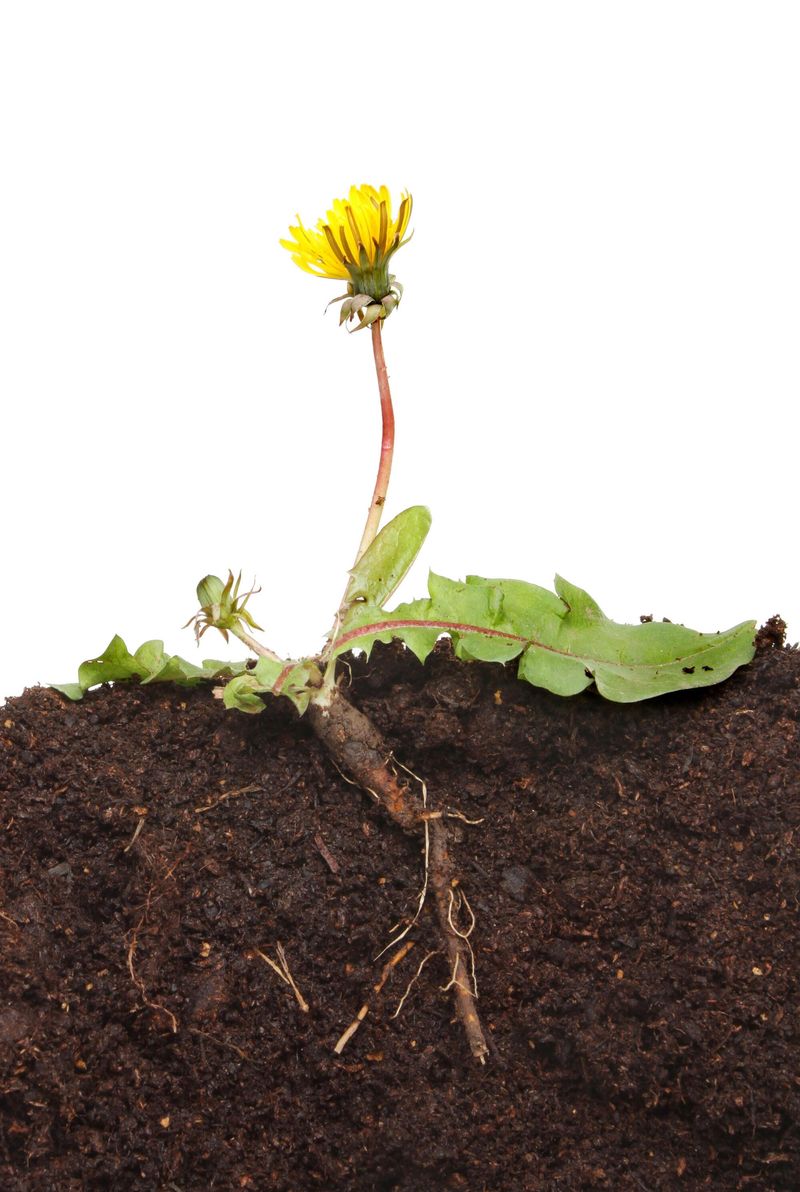
Before you start pulling every dandelion in sight, a few simple steps can save you time and make the job much more effective. Rushing into it without a plan often means the plants grow right back within a few weeks, which is frustrating for any Oregon gardener.
First, try to pull dandelions after a good rain or after watering your garden. Wet soil is much softer, which makes it easier to get the whole taproot out in one piece.
If you break the root and leave part of it in the ground, the plant will regrow from that piece.
Use the right tool. A narrow weeding fork or a dandelion puller works much better than your hands alone.
These tools let you dig down deep alongside the root without disturbing the surrounding soil too much. They are inexpensive and available at most garden centers across Oregon.
Pull dandelions before they flower if possible. Once the yellow flowers turn into white seed heads, every gentle breeze sends hundreds of seeds into the air.
Removing plants early in the season stops that cycle before it starts. Finally, dispose of pulled dandelions in a yard waste bin rather than your compost pile if they have already flowered, to avoid accidentally spreading seeds around your garden.
9. Your Garden, Your Choice
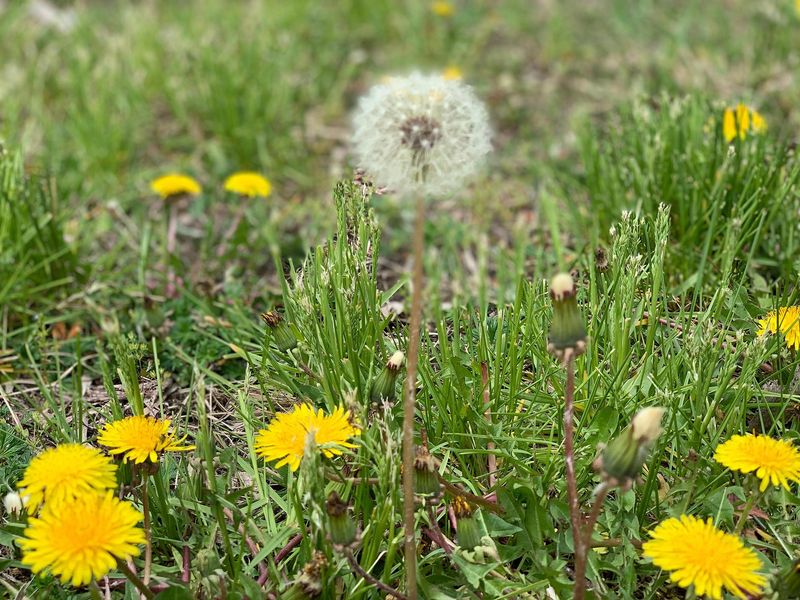
At the end of the day, what you do with dandelions in your Oregon garden is completely up to you. There is no law that says you must pull them, and there is no rule that says you have to keep them.
Your garden reflects your values, your lifestyle, and what you want from your outdoor space.
Some Oregon gardeners find joy in a perfectly manicured lawn where every plant is intentional. Others prefer a wilder, more natural look that welcomes whatever grows.
Both approaches are valid. What matters is that you feel good about the space you are tending.
If you are still on the fence, try a middle-ground approach. Keep dandelions in a low-visibility corner or near a pollinator garden.
Pull them from areas where they compete with vegetables or prized flowers. That balance lets you enjoy the benefits without feeling overwhelmed by the spread.
Spring in Oregon is short and beautiful. Spending too much energy stressing over dandelions takes away from the real joy of gardening.
Whatever you choose, make sure it works for your schedule, your goals, and your sense of what a good garden looks like. Your yard is your space, and you get to decide what belongs in it this season and every season after.