How To Protect Hydrangeas From Late Frost In North Carolina Gardens
North Carolina gardeners live in a constant state of suspense during March and April, never quite knowing when a rogue mountain frost might sweep through the Piedmont.
This unpredictable thermal rollercoaster is the primary enemy of the hydrangea, a shrub that often wakes up far too early for its own safety.
While these plants are structurally hardy, their tender emerging flower buds are incredibly fragile and can be decimated by a single hour of sub-freezing temperatures.
Watching months of careful soil prep and watering vanish in one overnight cold snap is a heartbreak every local grower understands.
Protecting your investment requires more than just throwing a random sheet over the branches. You need a tactical defense strategy that accounts for our state’s high humidity and sudden pressure shifts.
These eight essential survival facts provide the blueprint for shielding your blooms from late-season frost, ensuring your garden remains a vibrant sanctuary despite the volatile Southern weather.
1. Monitor Local Frost Dates
Frost dates in North Carolina are not one-size-fits-all, and that surprises a lot of new gardeners.
The state is divided into three main climate zones, and each one experiences the last frost at a different time of year.
Coastal areas typically see their last frost around early April, while Piedmont regions push that date to mid-April or even early May.
Mountain communities can face frost well into mid-May, which means hydrangea growers in Asheville or Boone need to stay on high alert much longer than gardeners near Wilmington.
Knowing your specific zone helps you plan ahead with confidence. Your county cooperative extension office is a fantastic resource for pinpointing local frost dates with accuracy.
Many North Carolina gardeners also rely on apps like Weather.com or the National Weather Service for real-time updates and ten-day forecasts.
Staying plugged into the forecast keeps you one step ahead of any cold surprise. Hydrangeas put out tender new buds in early spring, making them especially vulnerable during this critical window.
A single night of freezing temperatures can damage those fresh buds before they ever get a chance to open.
Marking your local last frost date on a calendar and setting a weather alert on your phone are two simple habits that can protect your entire garden from unnecessary setbacks this season.
2. Cover Hydrangeas With Frost Cloth
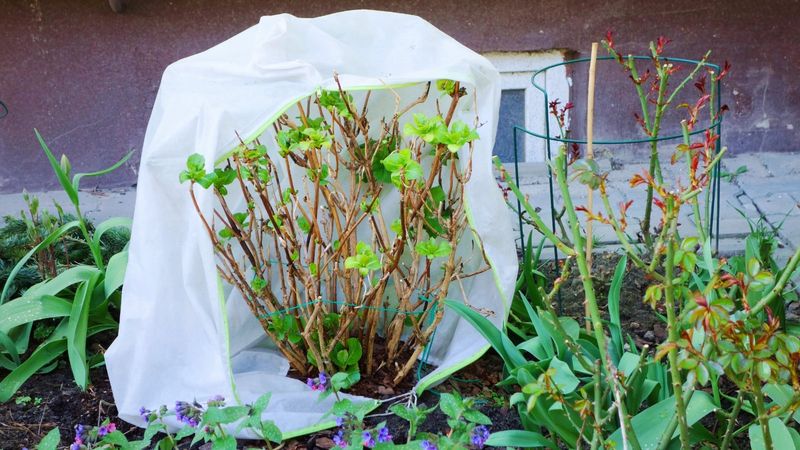
Frost cloth is one of the most reliable tools in a North Carolina gardener’s spring toolkit, and it works remarkably well for hydrangeas.
Sometimes called row cover fabric, this lightweight material lets air and sunlight pass through while creating a warm pocket of air around the plant.
That small temperature difference, even just a few degrees, can be enough to protect tender buds from a damaging freeze overnight.
When you drape frost cloth over your hydrangeas, make sure the cover reaches all the way down to the ground.
Trapping the warmth rising from the soil is actually where most of the protection comes from. Secure the edges with garden stakes, rocks, or soil to keep wind from lifting the fabric away during the night.
Your North Carolina Garden Changes Every Week. Your Plan Should Too.
Gardening in North Carolina changes quickly throughout the season. Every Friday you’ll receive a simple weekly plan showing exactly what to plant, prune, fertilize, harvest, and protect so you never miss the right timing.
One common mistake gardeners make is allowing the cloth to rest directly on the plant, which can transfer cold from the fabric to the leaves and buds.
Always remove frost cloth during the daytime hours once temperatures climb back above freezing.
Leaving it on too long can trap excess heat or moisture, which creates its own set of problems.
Keep a few extra yards of frost cloth folded in your shed throughout spring so you are always ready to act fast when North Carolina weather throws you a curveball. Being prepared ahead of time saves your blooms every single time.
3. Use Burlap For Large Hydrangeas
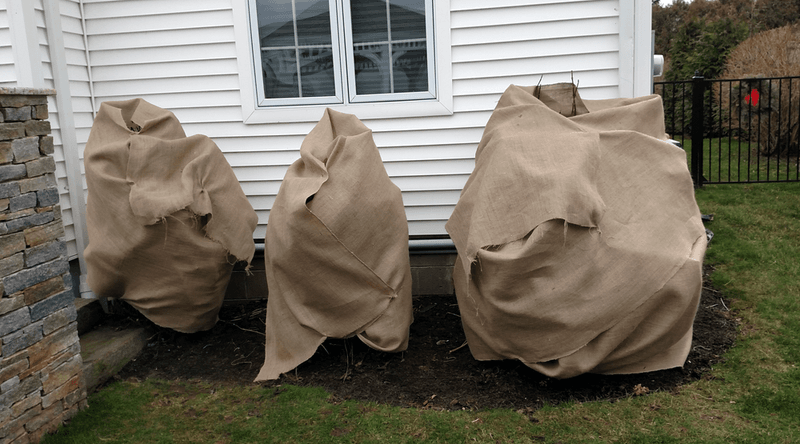
Big, established hydrangea bushes need a different approach when frost threatens, and burlap is the go-to solution for many experienced North Carolina gardeners.
Burlap is a natural, breathable fabric that wraps around large shrubs without cutting off airflow, which is exactly what you want.
Unlike plastic sheeting, burlap does not trap condensation against the plant, reducing the risk of fungal issues or rot developing under the wrap.
To use burlap effectively, wrap it loosely around the entire shrub and secure it with garden twine or zip ties. The goal is to create an insulating layer, not a tight cocoon.
Wrapping too snugly can damage branches, especially if the plant shifts in the wind or if ice builds up on the fabric.
A loose wrap also allows any moisture inside to evaporate naturally once temperatures rise in the morning.
Burlap works especially well for hydrangeas that are too large or too established to move, which is a common situation in many North Carolina gardens where shrubs have been growing for years.
You can find burlap rolls at most garden centers and home improvement stores throughout the state. Reuse the same rolls season after season by storing them in a dry location once spring fully arrives.
It is an affordable, eco-friendly investment that pays off every time a late frost rolls through your neighborhood.
4. Water Hydrangeas Before Frost
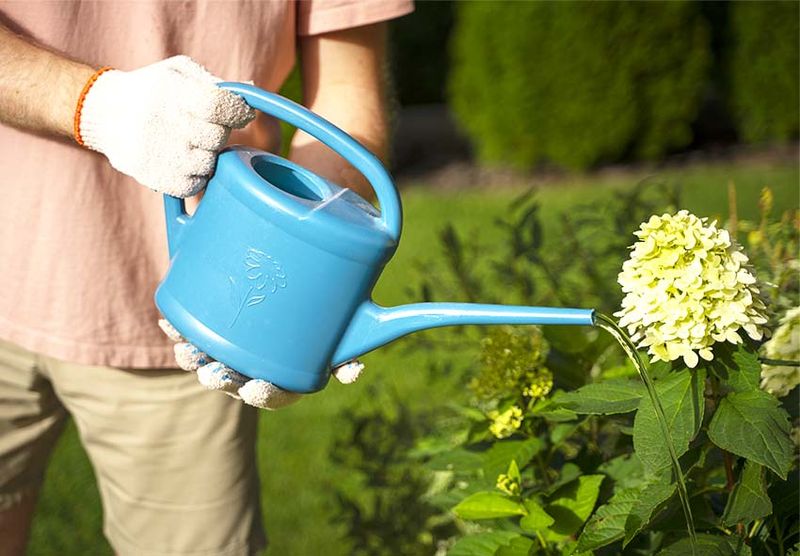
Watering your hydrangeas the afternoon before a forecasted frost might sound counterintuitive, but it is actually one of the smartest moves you can make.
Moist soil holds heat far more effectively than dry soil, acting almost like a natural thermal battery that slowly releases warmth through the night.
That stored heat can raise the temperature around the plant’s roots and base by several degrees, which makes a real difference on a borderline freezing night.
Aim to water deeply rather than just wetting the surface. A thorough watering allows moisture to penetrate several inches into the soil, maximizing the heat-retention effect.
Try to water in the early to mid-afternoon so the soil has time to absorb the moisture before temperatures drop after sunset.
Watering too late in the evening can leave standing water on leaves and stems, which may actually freeze and cause additional problems.
North Carolina gardeners dealing with unpredictable spring weather patterns will find this tip especially useful during those tricky weeks in April and May.
Combining pre-frost watering with another protective measure, like frost cloth or mulch, creates a layered defense that gives hydrangeas the best possible chance of coming through a cold snap unharmed.
Healthy, well-hydrated plants are naturally more resilient and bounce back faster after temperature stress, so keeping up with consistent watering throughout the season helps build that strength over time.
5. Move Potted Hydrangeas Indoors Or Under Shelter

Container-grown hydrangeas face a tougher challenge during frost events than their in-ground cousins.
The roots of a potted plant have no surrounding soil to buffer them from the cold, which means freezing temperatures can reach the root system much faster and cause serious harm.
Fortunately, the biggest advantage of a potted hydrangea is also the simplest solution: you can pick it up and move it somewhere safe.
When a late frost is in the forecast for your area of North Carolina, move your potted hydrangeas into a garage, covered porch, or shed before nightfall. These spaces do not need to be heated to make a difference.
Even an unheated garage stays several degrees warmer than the open air outside, and that buffer is often enough to keep your plant comfortable through the night.
Place the pots away from drafty doors or windows where cold air might seep in. Once daytime temperatures climb back above freezing and stabilize, move the plants back outside gradually to help them readjust to the outdoor environment.
Avoid placing them in direct sunlight immediately after bringing them back out, as the sudden transition can stress the plant.
Gardeners across North Carolina who grow hydrangeas in containers often say the flexibility of being able to move their plants is the single greatest advantage of container gardening during the unpredictable spring season.
6. Mulch Around The Base Of Hydrangeas

Mulching is one of those gardening habits that quietly does a lot of heavy lifting, and it is especially valuable during North Carolina’s unpredictable spring frost season.
Spreading a two to three inch layer of organic mulch around the base of your hydrangeas helps insulate the soil, keeping the root zone warmer during cold nights.
Pine straw is a popular choice across North Carolina because it is widely available, affordable, and breaks down slowly over time to enrich the soil.
Shredded bark, wood chips, and shredded leaves are also excellent mulch options that work well in the Piedmont and mountain regions of the state.
The key is to spread the mulch evenly around the plant, extending it out to the drip line where the roots spread.
Keep the mulch a few inches away from the main stem or crown of the plant to allow air circulation and prevent moisture from sitting against the wood, which can encourage rot over time.
Beyond frost protection, mulch offers a bonus set of benefits that make it worth applying every single spring.
It reduces weed competition, helps the soil retain moisture during dry spells, and gradually improves soil structure as it breaks down.
Applying fresh mulch each spring is a simple ritual that takes only a few minutes but pays off in healthier, more resilient hydrangeas throughout the entire growing season in your North Carolina garden.
7. Prune Carefully After The Risk Of Frost
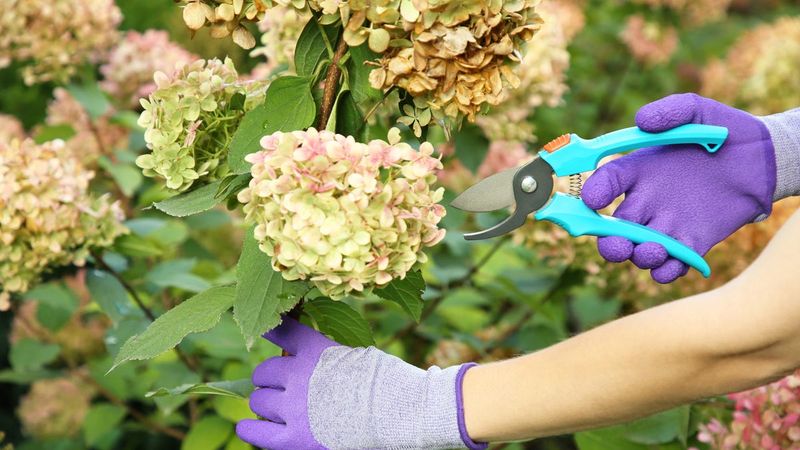
Timing is everything when it comes to pruning hydrangeas in North Carolina, and getting it wrong can cost you an entire season of blooms.
Cutting back your hydrangeas too early in the year, before the last frost has passed, exposes freshly cut stems and tender new buds to freezing temperatures.
Those young, vulnerable growth points have very little natural protection and can suffer significant damage from even a light frost event.
The safest approach is to wait until after your region’s average last frost date before picking up the pruning shears.
For gardeners in the Piedmont, that typically means waiting until late April or early May. Mountain gardeners in areas like Brevard or Hendersonville should hold off until late May to be safe.
Coastal North Carolina gardeners have a bit more flexibility and can often start pruning in mid to late April without too much risk.
When you do prune, focus first on removing any stems that look dried out or did not produce new growth.
Scratch the bark lightly with your fingernail on any stem you are unsure about. If you see green underneath, that branch is still alive and worth keeping.
Pruning at the right time, with clean and sharp tools, encourages strong new growth and sets your hydrangeas up for a spectacular blooming season that makes all your careful spring preparation completely worth it.
8. Consider Container Hydrangeas For Flexibility

Growing hydrangeas in containers is a game-changer for North Carolina gardeners who want more control over how they respond to late frost threats.
The ability to simply pick up a plant and move it out of harm’s way is something in-ground gardeners can only dream about.
Container hydrangeas give you the freedom to react quickly when the forecast changes, without any of the stress that comes from watching a planted shrub brave the cold overnight.
Choosing the right container matters just as much as choosing the right plant. Larger pots hold more soil volume, which means they retain heat better and provide more insulation for the roots on cold nights.
Terra cotta pots, while beautiful, can be more porous and allow cold air to penetrate the root zone faster than thick plastic or glazed ceramic containers.
Wrapping the outside of a pot with bubble wrap or burlap on especially cold nights adds an extra layer of insulation.
Container gardening also allows North Carolina gardeners in mountain regions, where frost risk extends well into May, to keep their hydrangeas thriving without the constant worry of an unexpected cold snap causing permanent harm.
Place your containers on wheeled plant caddies so moving them in and out becomes effortless, even for large and heavy pots.
The flexibility that comes with container growing makes it one of the smartest strategies for protecting hydrangeas throughout the unpredictable North Carolina spring season.