The Plants Oregon Gardeners Think Are Easy But Usually Aren’t
You know that feeling when you buy a plant labeled “low-maintenance,” set it in your garden, and a few weeks later it’s sulking or worse, dying?
Every gardener who’s spent a spring in Oregon has been there, juggling rainy days, unexpected frost, and soil that sometimes feels like it has a mind of its own.
Some plants look friendly on the nursery shelf but quietly harbor challenges that catch even seasoned hands off guard.
Whether it’s tricky watering needs, pest magnet tendencies, or temperature sensitivity, these seemingly easy choices can turn into tiny battles in your backyard.
Keep your gloves handy and your curiosity sharp – we’re about to spotlight the plants that quietly test Oregon gardeners’ patience and reveal the surprises hiding in plain sight.
1. Russian Olive With Its Silvery, Sneaky Leaves
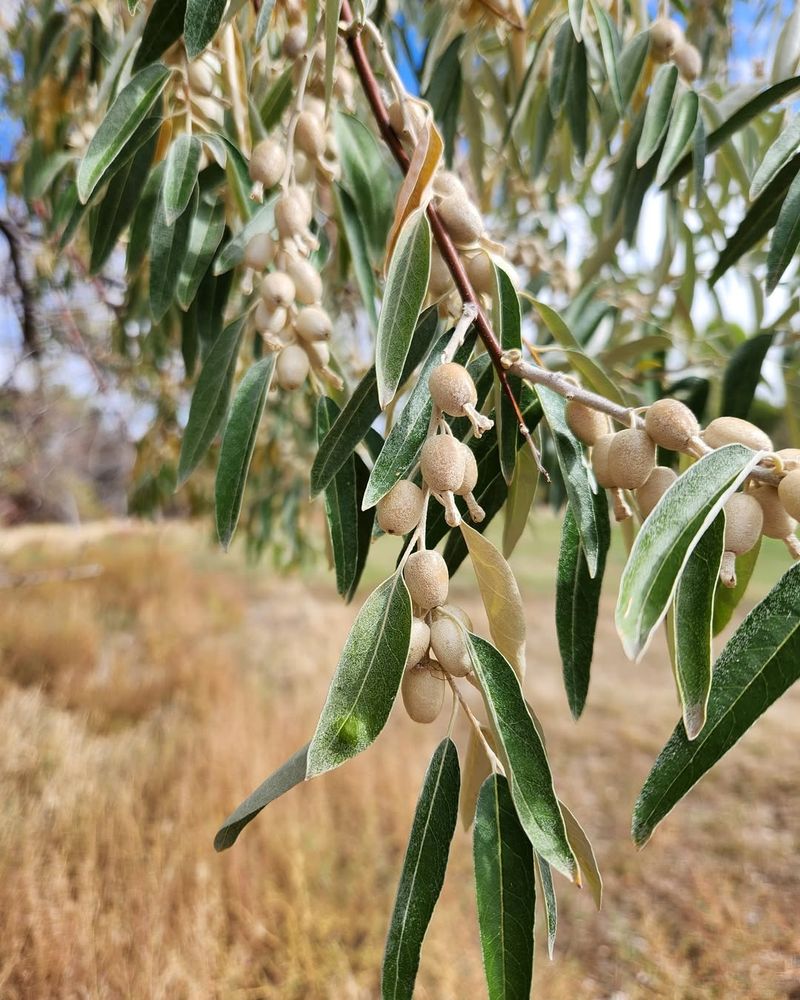
At first glance, Russian Olive seems like a striking addition to a garden. Its silvery leaves shimmer in the breeze, catching the light beautifully.
Many Oregon gardeners plant it thinking they’ve found a tough, low-fuss tree for their yard.
The reality is a bit more complicated. Russian Olive is classified as an invasive species in Oregon and several other western states.
Its seeds spread easily through waterways and wildlife, allowing it to take over riverbanks and crowd out native plants that local birds and insects depend on.
Oregon’s Department of Agriculture actually restricts its sale and planting in many areas. Gardeners who already have one on their property often find it nearly impossible to fully remove, since the tree resprouts aggressively from cut stumps.
Pulling seedlings requires consistent effort over several seasons.
If you love the look of silvery foliage, consider planting native alternatives like Oregon white oak or big-leaf maple instead. These trees offer beautiful texture without the ecological baggage.
Checking with your local OSU Extension office before planting any unfamiliar tree species is always a smart move, especially in Oregon where the natural ecosystem is so carefully protected.
2. English Holly That Spreads Like Holiday Cheer
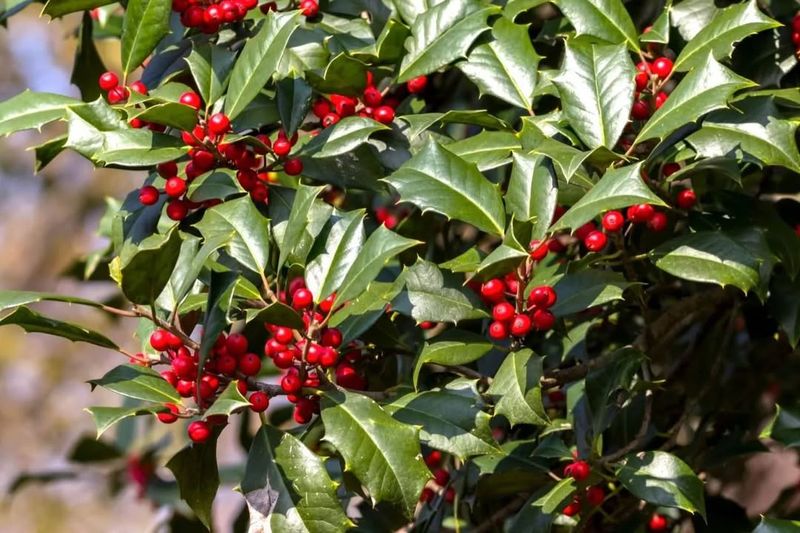
With its glossy leaves and cheerful red berries, English Holly looks like it belongs on a Christmas card. Oregon gardeners often plant it as a hedge or accent shrub, expecting it to stay neat and manageable with minimal effort.
Spoiler: it does not.
English Holly is one of Oregon’s most problematic invasive plants. Birds absolutely love the berries, which means seeds get scattered far and wide across forests, parks, and natural areas throughout the state.
Once established in the wild, holly forms dense thickets that block sunlight and push out native understory plants.
In your own yard, holly grows much faster than most people expect. Without regular, heavy pruning, it can quickly overtake a garden bed or smother nearby shrubs.
The sharp leaf edges make pruning an unpleasant task, and the plant produces so much growth that keeping it tidy feels like a part-time job.
Oregon’s natural areas, especially around Portland and the Willamette Valley, have seen significant holly invasion. Volunteer removal crews spend countless hours pulling it from forest floors each year.
Your Oregon Garden Changes Every Week. Your Plan Should Too.
Gardening in Oregon changes quickly throughout the season. Every Friday you’ll receive a simple weekly plan showing exactly what to plant, prune, fertilize, harvest, and protect so you never miss the right timing.
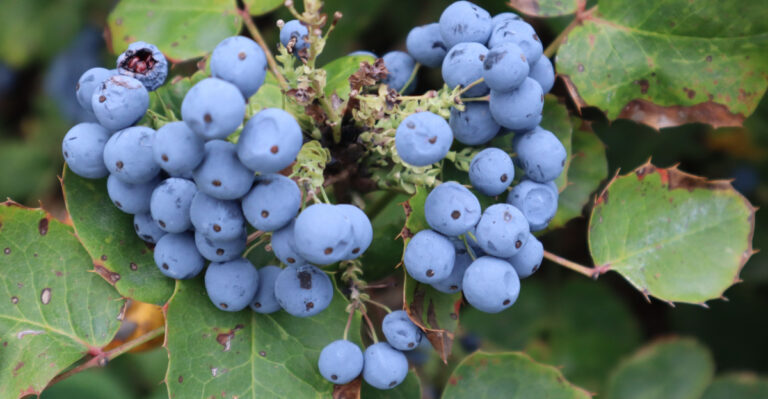
If you want a similar look, try native Oregon grape, which offers attractive foliage and berries without the invasive tendencies. Always check Oregon’s invasive species list before adding new shrubs to your landscape.
3. Yellow Archangel That Turns Shady Corners Into Takeover Zones
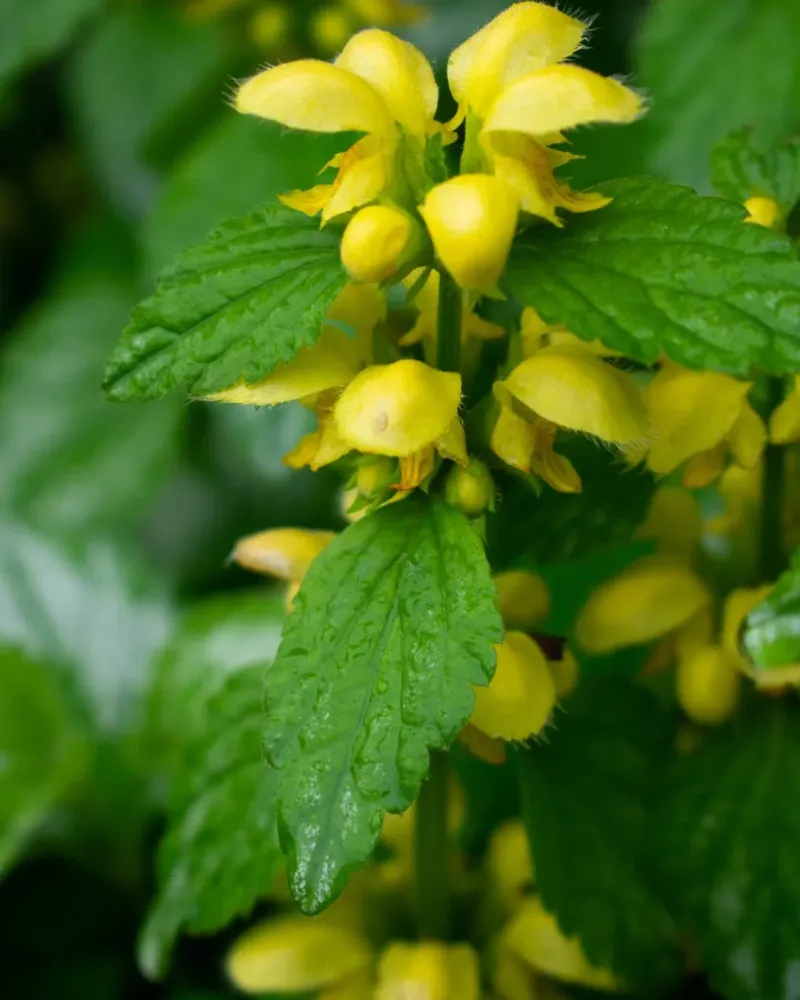
Its silvery-patterned leaves look almost magical, giving Yellow Archangel a certain charm. Garden centers across Oregon have sold it for years as an easy-to-grow ground cover that fills shady spots quickly.
That last part is absolutely true, though not in the way most gardeners hope.
This plant spreads so aggressively that it has earned a spot on Oregon’s noxious weed list. Once it gets going, Yellow Archangel smothers everything in its path, including native wildflowers, ferns, and woodland plants.
It spreads both by seed and by creeping stems that root wherever they touch the ground, making containment extremely difficult.
Many gardeners in the Portland metro area have spent years trying to reclaim garden beds after planting Yellow Archangel just once. Even pulling it up by hand leaves tiny stem fragments behind that quickly regrow.
Herbicide treatments often require multiple applications over several seasons to make a real dent.
Oregon’s lush, wet climate is practically a superpower for this plant. The moist soil and mild temperatures that make Oregon so beautiful for gardening also give Yellow Archangel everything it needs to go wild.
Better choices for shady ground cover include native vanilla leaf or wild ginger, both of which stay polite and support local wildlife. Always ask your nursery whether a ground cover has invasive tendencies before you buy.
4. Yellow Flag Iris With Its Golden, Mischievous Blooms
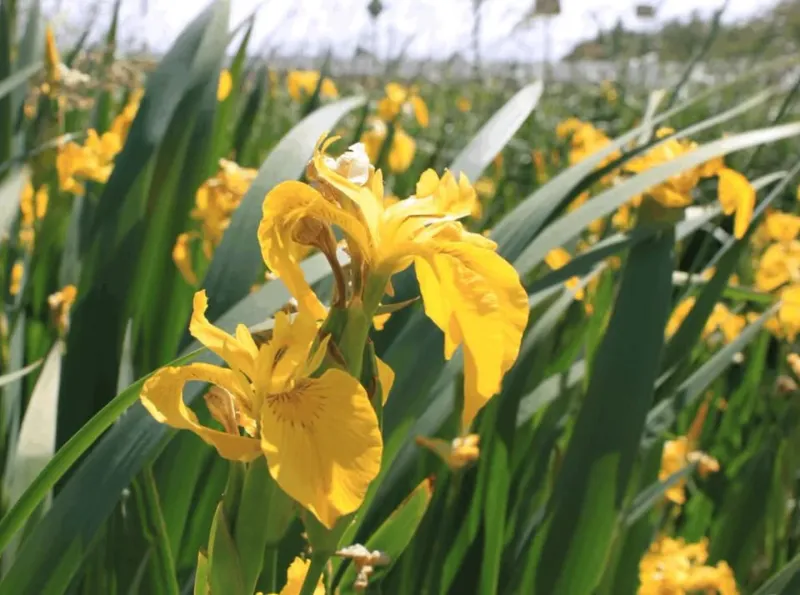
Few plants look as stunning as Yellow Flag Iris blooming along a pond’s edge. The bright yellow flowers are genuinely gorgeous, and it thrives in wet conditions, which makes it seem perfectly suited to Oregon’s famously rainy climate.
That’s exactly what makes it so tempting, and so problematic.
Yellow Flag Iris is listed as a noxious weed in Oregon. It grows explosively in wetlands, stream banks, and marshy areas, forming thick mats that crowd out native plants like cattails, rushes, and sedges.
Those native plants are critical habitat for frogs, waterfowl, and countless insects that Oregon’s wetland ecosystems depend on.
Even in a backyard water garden, Yellow Flag Iris can be a nightmare to control. Its thick, tangled rhizomes spread rapidly and are very difficult to remove completely.
Fragments left behind in the soil will regrow into new plants, meaning one removal session is rarely enough.
Oregon’s Department of Agriculture strongly discourages planting Yellow Flag Iris near any natural waterway or wetland. If you want a water-loving iris for your garden, look for native blue flag iris or Siberian iris varieties, which offer similar beauty without the ecological risk.
Checking with your local Oregon nursery about water-wise native plants is a great way to find stunning alternatives that won’t cause headaches down the road.
5. Spinach That Bolts When You Least Expect It
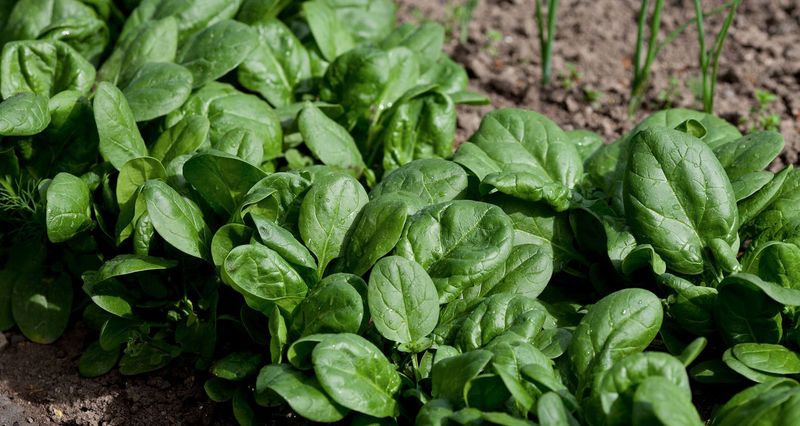
Toss some seeds in the ground, water occasionally, and harvest fresh greens in weeks – spinach has a reputation as one of the easiest vegetables to grow. That’s the dream, anyway.
In Oregon, gardeners often discover that reality involves a lot more timing and frustration than the seed packet suggests.
The biggest challenge with spinach in Oregon is bolting. As soon as temperatures warm up in late spring, spinach races to produce flowers and seeds instead of the leafy growth you actually want.
Oregon’s spring weather can shift quickly, and one warm week is often all it takes to ruin an entire planting. The leaves turn bitter and tough almost overnight once bolting begins.
Oregon’s wet winters also make early planting tricky. Spinach seeds need soil temperatures above 40 degrees Fahrenheit to germinate reliably.
Getting the timing just right requires paying close attention to local weather patterns in your specific part of Oregon.
Choosing bolt-resistant varieties like Tyee or Space spinach gives you a better shot at success. Planting in partial shade during warmer months can also slow bolting.
Many Oregon gardeners have the best luck with a fall planting, taking advantage of the cooler temperatures and reliable moisture that the Pacific Northwest delivers so generously from September onward.
6. Peas That Seem Innocent But Keep You Guessing
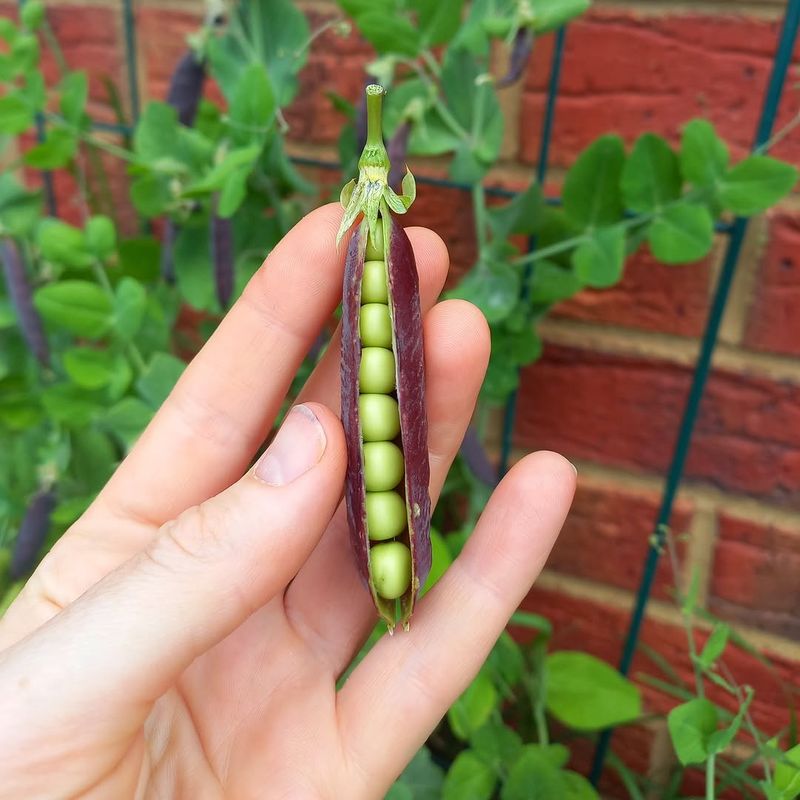
Practically a symbol of the easy home garden, kids love growing them, beginners feel confident planting them, and every gardening book lists them as a great starter crop. Oregon seems like the perfect place for them too, with its cool springs and reliable moisture.
But ask any experienced gardener in the state, and you’ll hear a few cautionary tales about peas.
Powdery mildew is pea enemy number one in Oregon. The combination of cool nights and warm days that arrives in late spring creates ideal conditions for this fungal disease to spread rapidly across pea vines.
By the time most Oregon gardeners are ready to harvest a full crop, the plants are often already looking rough around the edges.
Timing is everything with peas in the Pacific Northwest. Plant too early and cold, wet soil slows germination to a crawl.
Wait too long and the heat arrives before plants can fully produce. Oregon’s window for a successful pea harvest can feel surprisingly narrow, especially in the Willamette Valley where spring temperatures fluctuate unpredictably.
Selecting mildew-resistant varieties like Oregon Sugar Pod or Cascadia makes a significant difference. Getting seeds in the ground by mid-March in most Oregon valleys gives plants the best chance to mature before summer heat arrives.
Supporting vines with a sturdy trellis also improves air circulation, which helps keep powdery mildew from taking hold too early in the season.
7. Beans That Play Hard To Grow in Oregon Springs
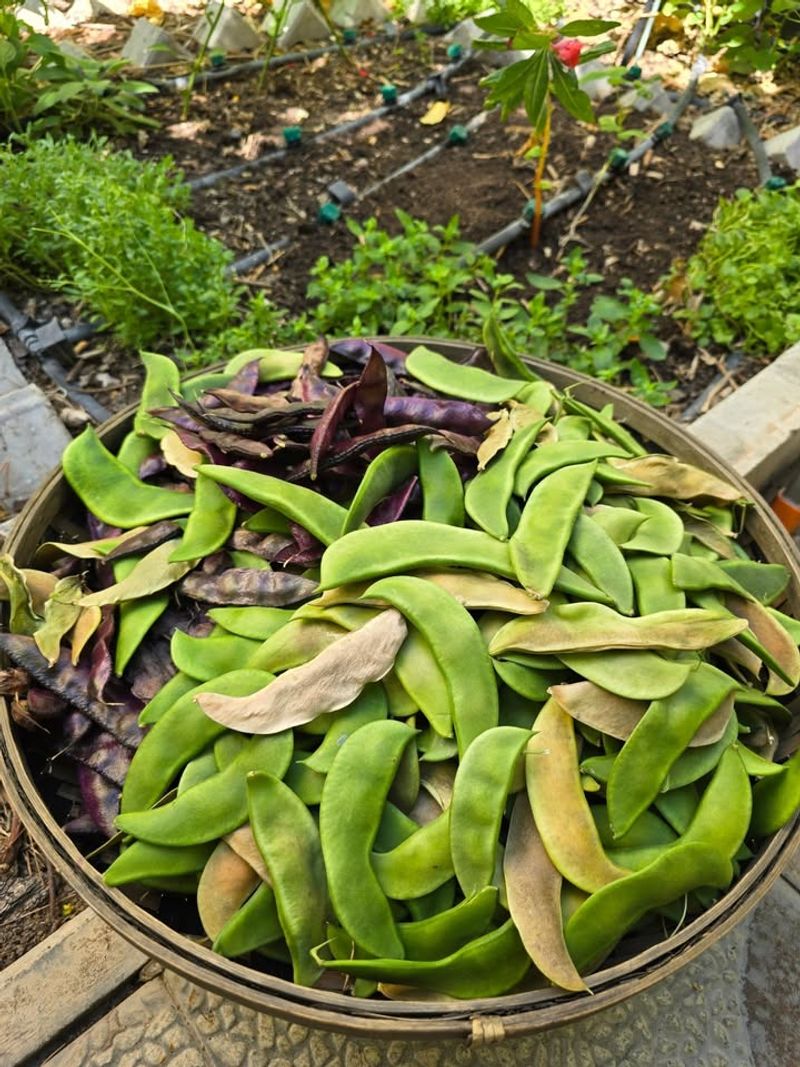
Dropping a seed in the ground, giving it some sun and water, and watching it grow seems almost foolproof – at least in sunnier, warmer climates. Oregon, however, has a way of reminding gardeners that beans have some very specific preferences that the Pacific Northwest doesn’t always deliver.
Beans need warm soil to germinate well, ideally above 60 degrees Fahrenheit. Oregon’s spring soil often doesn’t reach that temperature until late May or even early June in some regions.
Gardeners who get impatient and plant too early end up with seeds that rot in cold, wet ground before they ever have a chance to sprout.
Slugs are another serious challenge for bean growers across Oregon. The same rainy conditions that make Oregon’s forests so lush also create paradise for slugs, which will happily munch through bean seedlings before most gardeners even notice.
Protecting young plants with copper tape, diatomaceous earth, or iron phosphate bait is often necessary just to get the crop established.
Once beans do get growing in Oregon, the season feels shorter than many gardeners expect. Choosing fast-maturing varieties like Provider or Contender gives you the best chance of a solid harvest before fall rains arrive.
Starting seeds indoors a few weeks early and transplanting carefully can also help extend your growing window in Oregon’s unpredictable climate.
8. Artichokes With Their Dramatic, Tricky Globe-Shaped Buds
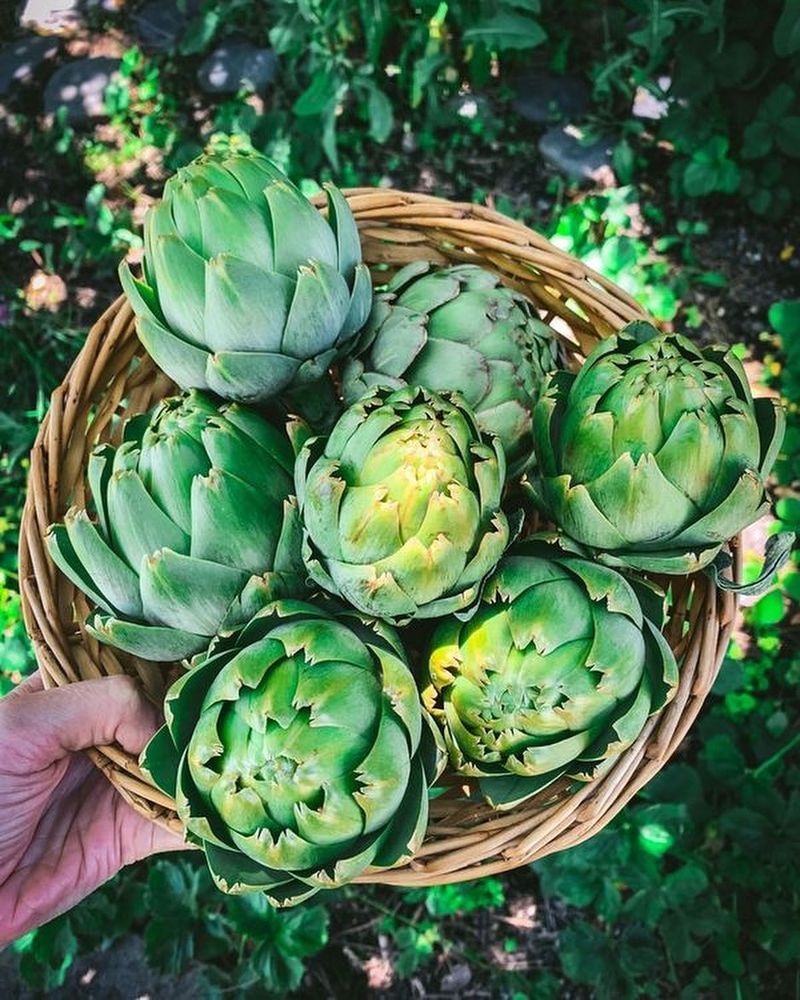
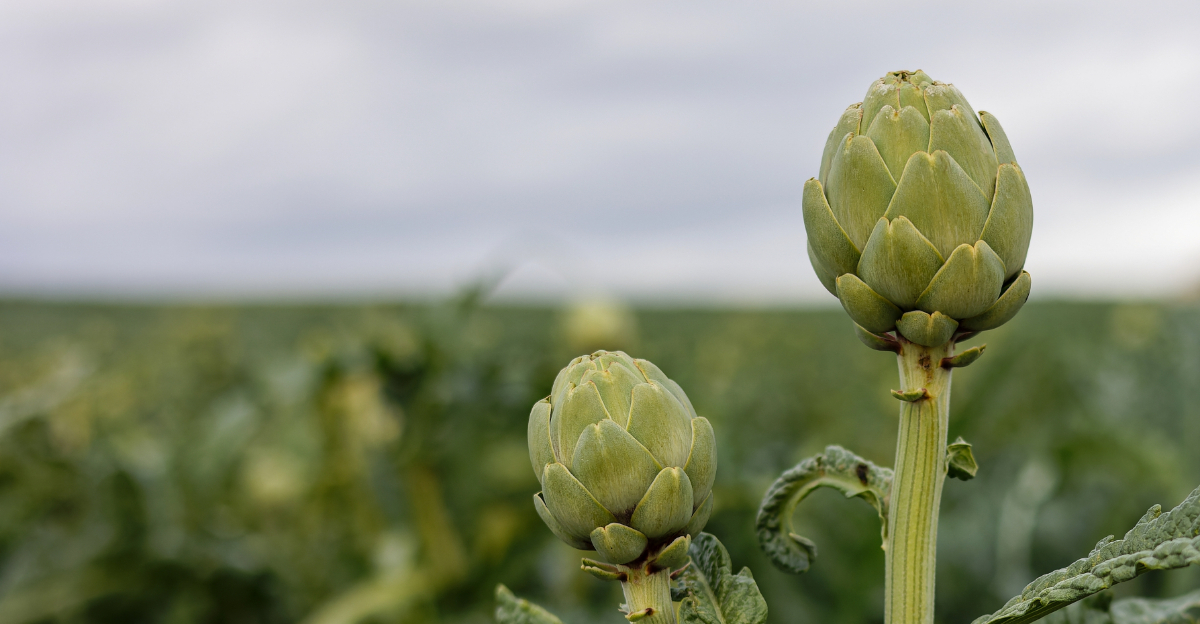
Their dramatic, silvery-green leaves and impressive globe-shaped buds make artichokes absolutely spectacular in a garden. Oregon’s mild coastal climate actually suits them reasonably well, which is why so many gardeners assume growing artichokes will be easy.
The truth, however, requires a bit more patience and protection than most people plan for.
Artichokes are perennials in mild coastal areas of Oregon, but in the Willamette Valley and inland regions, winter cold can damage or completely knock back the crowns. Gardeners in Eugene or Salem often need to mulch heavily around the base of the plant in fall to protect the roots from hard freezes.
Without that protection, you might find yourself starting over from scratch each spring.
Getting artichokes to produce in their first year requires exposure to winter cold.Without this cold period, many artichoke plants will grow plenty of leaves but produce very few, if any, edible buds. It’s a step many first-time growers skip entirely.
Starting with established transplants rather than seeds gives Oregon gardeners a head start. Green Globe and Imperial Star are varieties that perform well in the Pacific Northwest climate.
Planting in a sunny, well-drained spot and giving plants plenty of room to spread, since mature artichokes can reach five feet wide, sets you up for a much more rewarding harvest.
9. Mint That Spreads Faster Than You Can Catch It
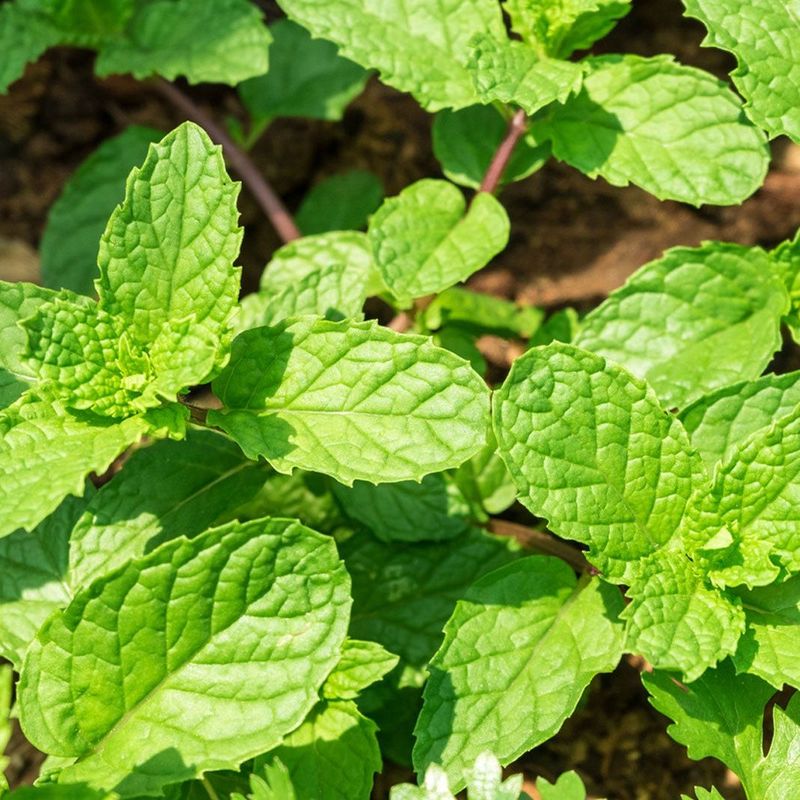
Almost every beginner gardener tries this plant first. It smells amazing, is useful in the kitchen, and grows fast.
That last trait is exactly what turns it into a headache in Oregon gardens, where the moist soil and mild temperatures create conditions that mint loves to exploit.
Once mint gets established in Oregon’s ground, it spreads underground through an aggressive network of runners called rhizomes.
These runners travel surprisingly far from the original plant, popping up in the middle of flower beds, through cracks in paving, and even into neighboring garden sections.
Pulling mint by hand rarely gets all the roots, and any fragment left behind will happily regrow into a new plant.
Oregon’s long, mild growing season gives mint more time to spread than it would have in harsher climates. Gardeners in the Willamette Valley and along the coast often report that a small mint planting purchased in spring has taken over an entire raised bed by fall.
Reclaiming that space typically takes multiple seasons of persistent effort.
The smartest approach for Oregon gardeners is to grow mint exclusively in containers with solid bottoms, never in the ground. A large pot placed on a patio or deck keeps mint contained while still giving you easy access to fresh leaves for cooking and tea.
Refreshing the container with new soil every couple of years keeps the plant vigorous and prevents it from becoming completely root-bound. Mint can absolutely be a joy to grow when it stays in its lane.