The 10 Oregon Native Plants That Attract Bees, Butterflies, And Hummingbirds
If you’ve ever sat on your back porch with a cold drink and wished for a bit more wildlife action, it is time to look beyond the birdfeeder.
Transforming your Oregon yard into a bustling sanctuary for bees, butterflies, and hummingbirds doesn’t require a degree in ecology; it just takes a few strategic local favorites.
While many high-maintenance garden center imports look pretty, they often lack the high-octane nectar and pollen that our Pacific Northwest neighbors actually need to survive.
You deserve a vibrant, low-stress garden that hums with life from the first spring thaw until the last autumn leaf drops.
By leaning into the plants that have called the Willamette Valley and the Cascades home for centuries, you are essentially setting out a five-star buffet for pollinators.
These resilient natives are built to handle our signature drizzle and stubborn clay soil without missing a beat.
From the electric red of a columbine to the early-season blooms of the Oregon grape, these selections do the heavy lifting for you. It is time to trade the lawnmower for a pair of binoculars and enjoy the show.
1. Red-Flowering Currant
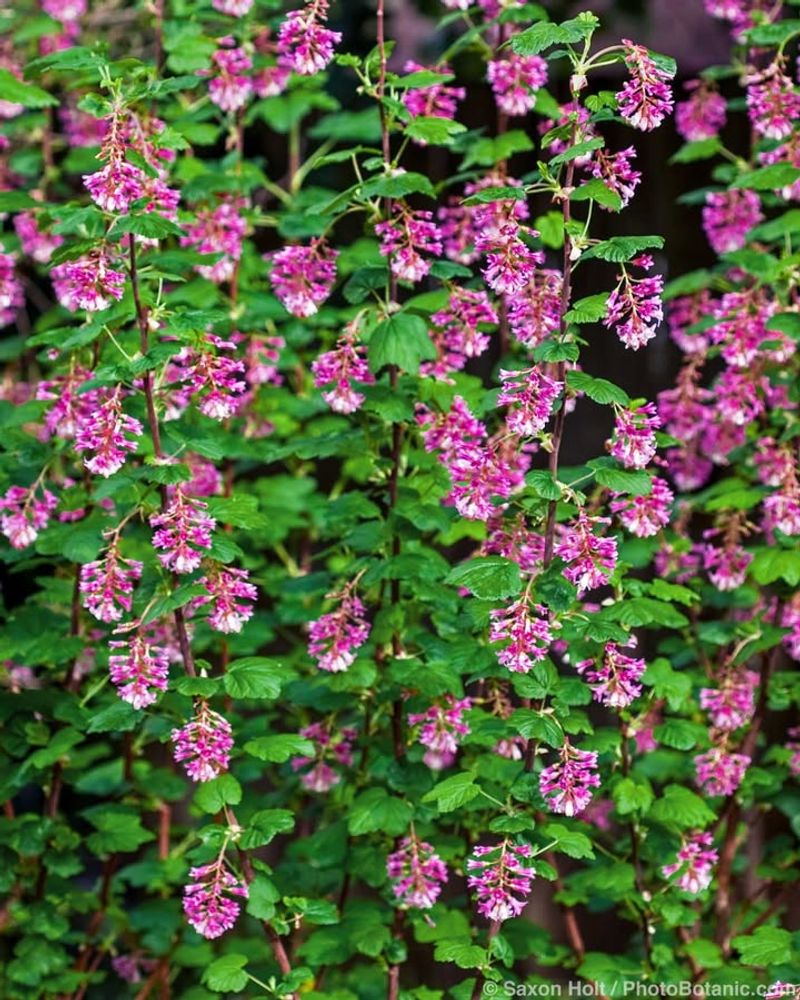
Few plants announce the arrival of spring in Oregon quite like the Red-Flowering Currant. Its bold, drooping clusters of pink to deep red flowers burst open before most other plants have even woken up, making it one of the most important early-season food sources for hungry pollinators.
Hummingbirds absolutely love this shrub. The tubular flowers are perfectly shaped for a hummingbird’s long beak, and the birds will visit again and again throughout the blooming season.
Butterflies and native bees also flock to it for nectar.
Gardeners across Oregon appreciate how easy this plant is to grow. It handles partial shade and dry summers without much fuss.
Plant it along a fence, near a porch, or as a natural hedge and watch the wildlife show begin. It grows to about six to twelve feet tall, so it also works well as a privacy screen.
After the flowers fade, small blue-black berries appear. Birds love these fruits too, which means your yard becomes a year-round wildlife destination.
Red-Flowering Currant is truly one of the most rewarding native plants you can add to an Oregon garden.
2. Western Trillium
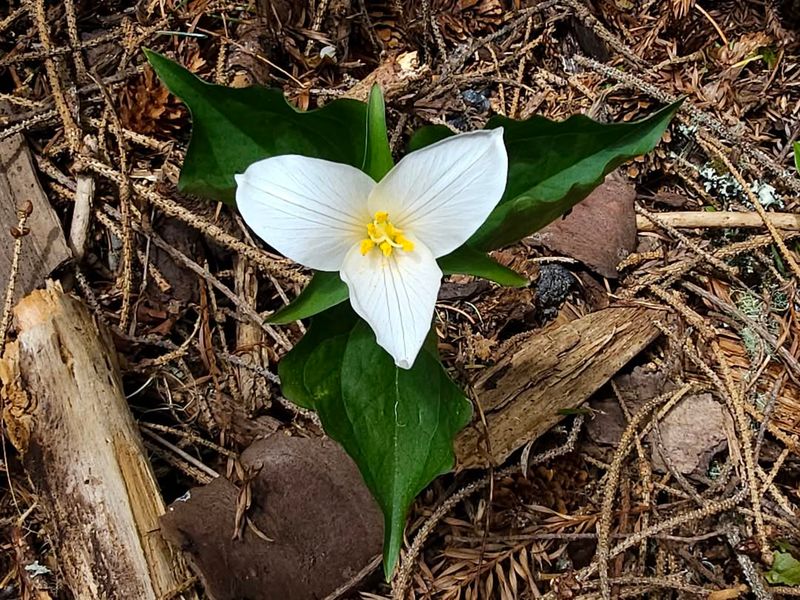
Walking through an Oregon forest in early spring and spotting a Western Trillium feels like finding a small treasure. Its three bright white petals sit perfectly above three broad green leaves, creating one of the most elegant natural displays in the Pacific Northwest.
This woodland wildflower is a quiet pollinator magnet. Early-season bees, especially native bumblebees, seek out its nectar when few other flowers are available.
The blooms slowly shift from white to pink or purple as they age, giving the plant a changing, almost magical look over the course of the season.
Western Trillium grows best in shaded, moist spots with rich soil, making it ideal for planting under trees or along the north side of a building. It pairs beautifully with ferns and other woodland plants that thrive in Oregon’s cooler, shadier garden corners.
Your Oregon Garden Changes Every Week. Your Plan Should Too.
Gardening in Oregon changes quickly throughout the season. Every Friday you’ll receive a simple weekly plan showing exactly what to plant, prune, fertilize, harvest, and protect so you never miss the right timing.
One fun fact: ants actually help spread Trillium seeds by carrying them to new locations. So planting one can slowly lead to a whole colony spreading naturally through your yard.
Patience is key, since Trillium grows slowly, but the reward of watching it multiply over the years is absolutely worth it.
3. Oregon Sunshine
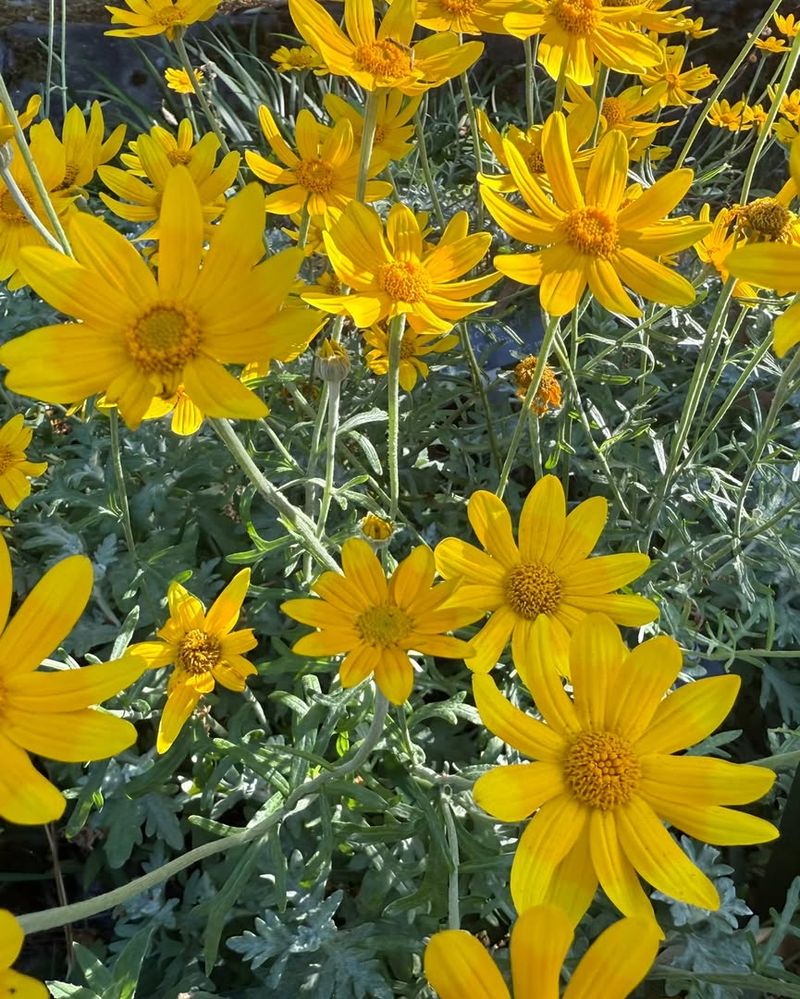
Bright, cheerful, and tough as nails, Oregon Sunshine lives up to its name in every way. This low-growing native perennial explodes with golden yellow, daisy-like flowers from late spring through summer, flooding sunny garden spots with color that rivals anything you’d find at a nursery.
Bees go absolutely wild for Oregon Sunshine. Native bees, bumblebees, and even honeybees visit the flowers constantly throughout the blooming period.
Butterflies are also frequent visitors, drawn in by the generous supply of pollen and nectar packed into each cheerful bloom.
One of the best things about this plant is how little it asks of you. Oregon Sunshine thrives in dry, rocky, or poor soils where other plants struggle.
It’s incredibly drought-tolerant once established, which makes it a smart choice for gardeners in drier parts of Oregon like the Willamette Valley or the high desert near Bend.
Plant it along pathways, in rock gardens, or at the edge of a sunny border for a low-maintenance splash of color. It stays relatively compact at one to two feet tall, so it works well in small spaces too.
Oregon Sunshine is proof that native plants can be both beautiful and incredibly easy to care for.
4. Pacific Bleeding Heart
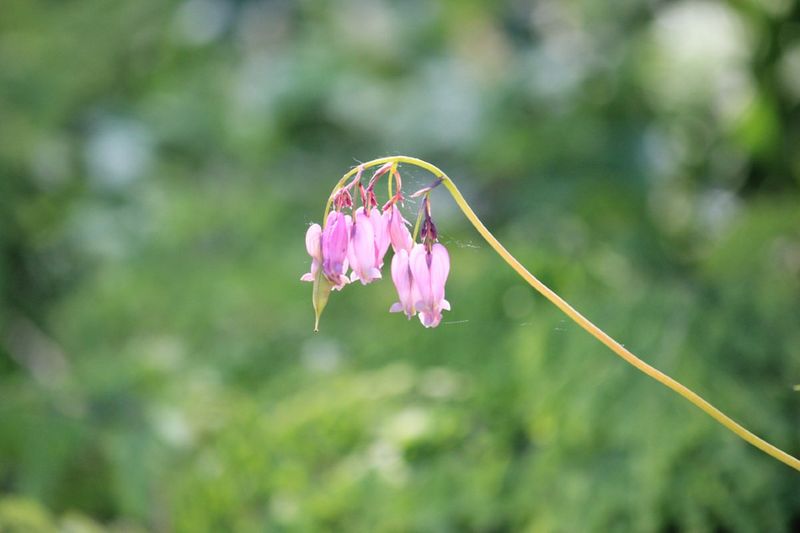
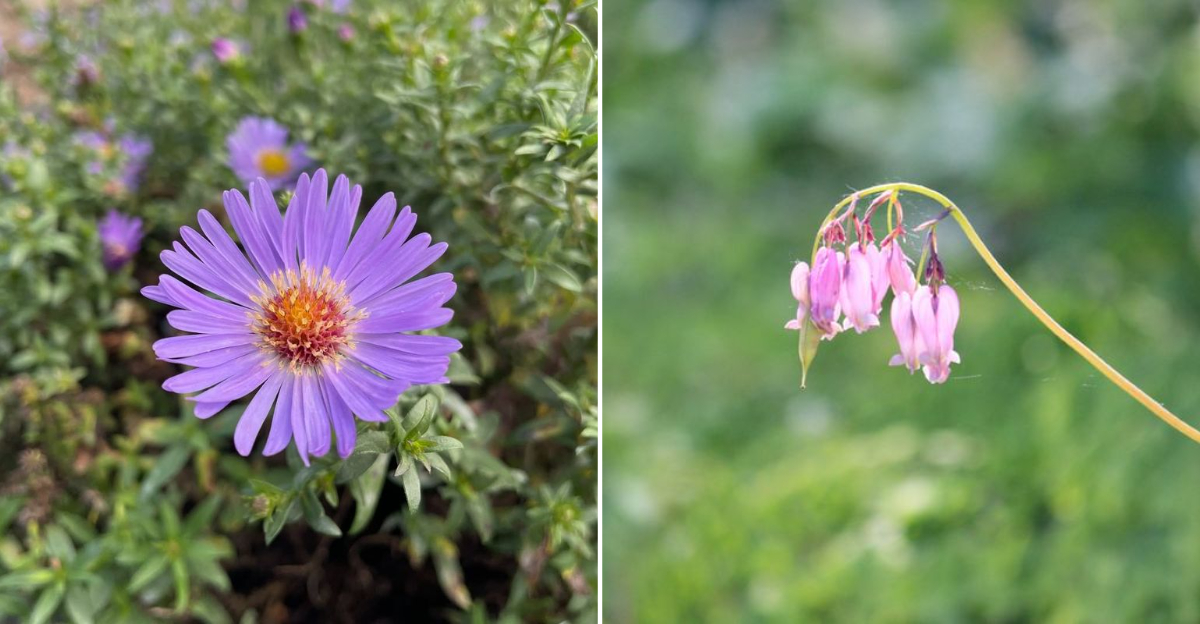
There’s something almost poetic about the Pacific Bleeding Heart. Its delicate, heart-shaped pink flowers dangle in graceful clusters above lacy, fern-like leaves, creating a soft and romantic look that feels right at home in an Oregon shade garden.
Hummingbirds are especially fond of this plant. The long, tubular flower shape is perfectly designed for a hummingbird’s beak, and the birds will hover and sip from one flower to the next with impressive speed and agility.
Bumblebees with long tongues also manage to reach the nectar inside.
Pacific Bleeding Heart loves moist, shaded spots, which makes it a natural fit for the wetter parts of western Oregon. It spreads slowly by rhizomes, gradually filling in bare shady areas where little else wants to grow.
Over time, it can create a lush, ground-covering carpet of foliage and blooms.
Even after the flowers fade in summer, the foliage stays attractive for much of the season. In some areas with regular moisture, it may even bloom again in fall.
Pair it with ferns, trillium, or Oregon grape for a layered, naturalistic planting that looks like it came straight from an old-growth forest floor.
5. Douglas Iris
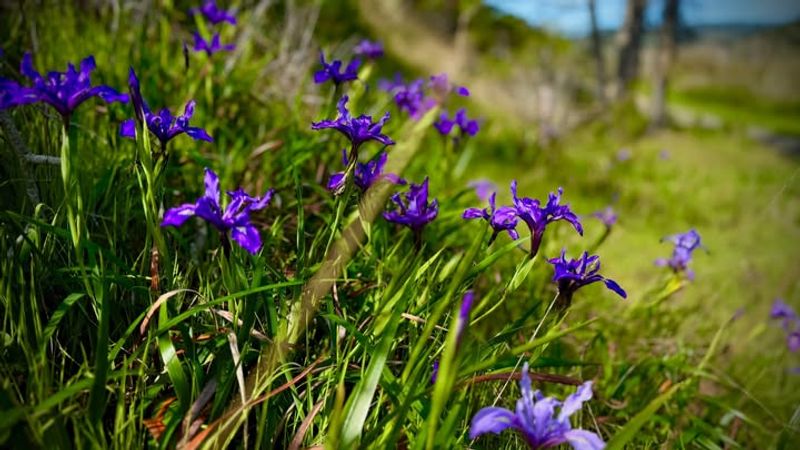
Bold, striking, and surprisingly tough, the Douglas Iris is one of Oregon’s most eye-catching native wildflowers. Its blooms range from deep purple and lavender to pale cream, often with delicate veining that gives each flower a one-of-a-kind look.
No two plants look exactly alike.
Native bees are the primary pollinators of Douglas Iris, and they are very good at their job. The flower’s structure guides bees directly to the pollen and nectar, making each visit highly efficient.
Some butterfly species also stop by for a quick nectar fix during their travels through Oregon gardens.
What makes this iris especially appealing to gardeners is its toughness. It handles dry summers, poor soils, and coastal winds without complaint.
You’ll find it growing naturally along Oregon’s coast and in grassy hillsides throughout the western part of the state, which gives you a good clue about where it thrives best.
Douglas Iris forms attractive clumps of dark green, strap-like leaves that look good even when the plant isn’t blooming. It’s deer-resistant too, which is a huge bonus for gardeners in rural Oregon areas where deer pressure is a constant challenge.
Plant it in a sunny or lightly shaded spot and enjoy years of reliable beauty.
6. Blue Camas
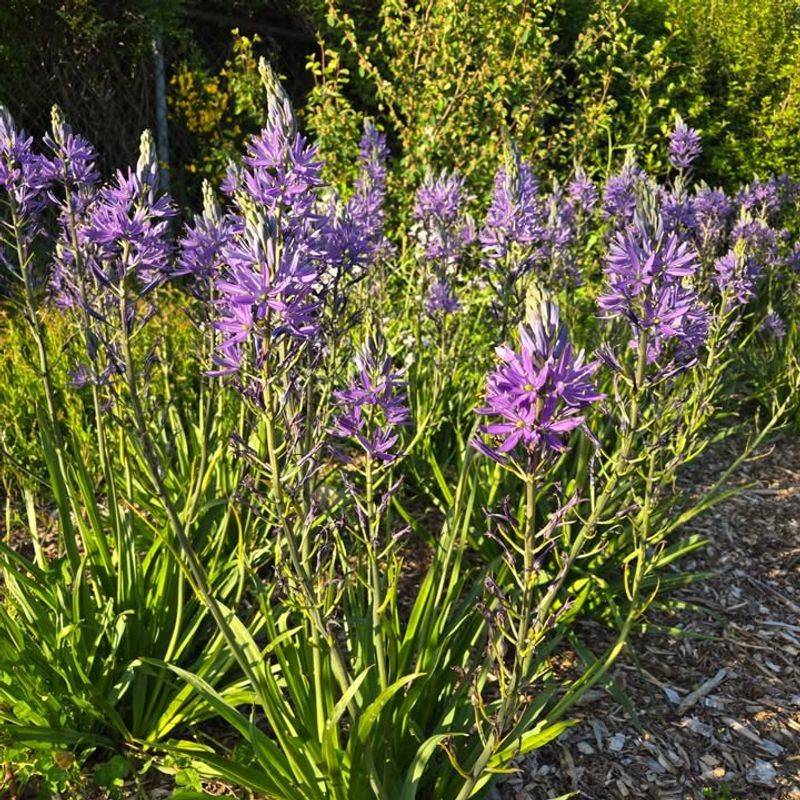
Picture a wet Oregon meadow in spring, completely flooded with shimmering blue-violet flowers stretching as far as the eye can see. That’s the magic of Blue Camas in full bloom.
This stunning native bulb has been part of Oregon’s landscape for thousands of years and holds deep cultural significance for many Indigenous peoples of the Pacific Northwest.
Bees are absolutely wild about Blue Camas. Native bumblebees and sweat bees visit the star-shaped flowers in huge numbers, collecting both pollen and nectar.
Butterflies also make regular stops, drawn by the rich color and sweet scent of the blooms.
Blue Camas grows best in moist, low-lying areas that stay wet in spring and dry out a bit in summer. It’s perfect for rain gardens, wet meadow plantings, or low spots in the yard where water tends to collect.
In the right conditions, it naturalizes beautifully and spreads over time without much help.
Planting Blue Camas in drifts of ten or more bulbs creates the most dramatic effect. The blooms appear in April and May, bridging the gap between early spring wildflowers and summer perennials.
It’s a real showstopper in any Oregon pollinator garden and a wonderful nod to the state’s natural heritage.
7. Hummingbird Sage
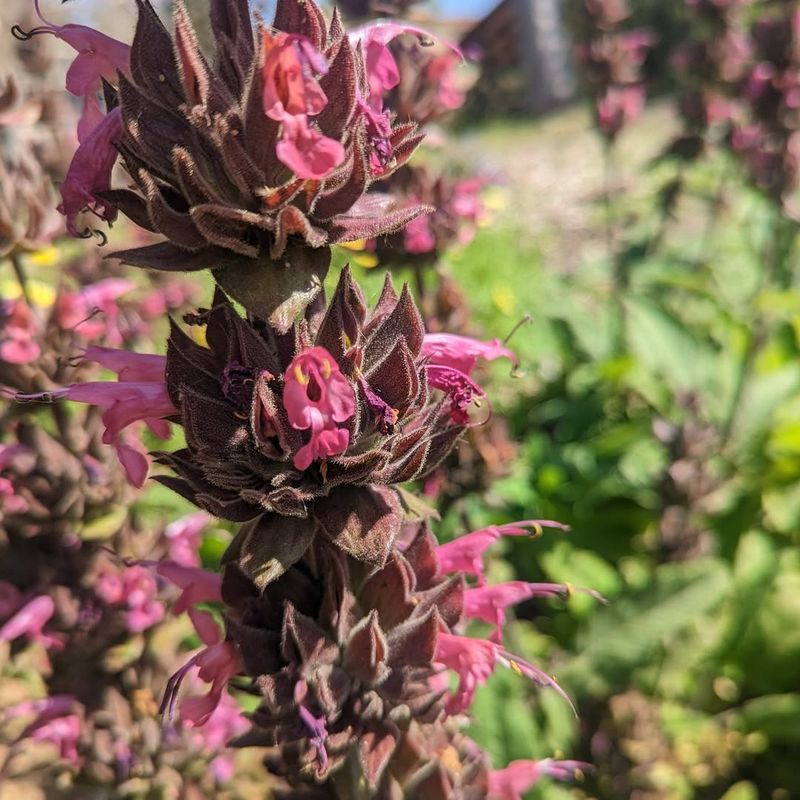
The name says it all. Hummingbird Sage was practically designed with hummingbirds in mind.
Its tall spikes of deep magenta-red tubular flowers are impossible for these tiny birds to resist, and once you plant it in your Oregon garden, you can expect regular visits from Anna’s hummingbirds and Rufous hummingbirds throughout the blooming season.
Beyond hummingbirds, this plant is also a hit with native bees and bumblebees. The large, aromatic leaves release a pleasant, fruity scent when brushed, making it a sensory delight for both wildlife and gardeners alike.
Butterflies occasionally stop by as well, especially in warmer parts of Oregon where the plant really thrives.
Hummingbird Sage is a tough, spreading perennial that handles dry shade remarkably well. It’s a smart choice for those tricky spots under oak trees or along the dry side of a building where most plants give up.
Once established, it spreads by underground rhizomes, slowly filling in bare areas with lush foliage.
Gardeners in southern Oregon and the Willamette Valley will find it especially rewarding. Give it well-drained soil, some protection from the harshest winter freezes, and occasional water during the driest months.
In return, it delivers season after season of spectacular blooms that keep the pollinators coming back.
8. Chocolate Lily
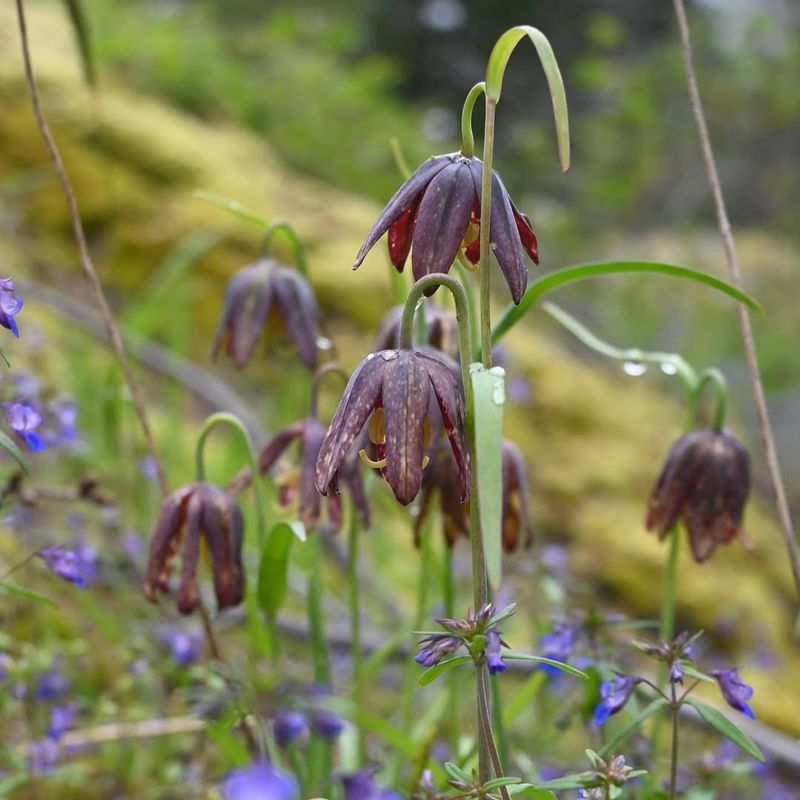
Quirky, mysterious, and utterly fascinating, the Chocolate Lily is one of Oregon’s most unusual native wildflowers. Its nodding, bell-shaped flowers are mottled in shades of dark brown, maroon, and greenish-yellow, giving them a look unlike anything else blooming in a Pacific Northwest garden in spring.
The pollination story behind this plant is genuinely interesting. Chocolate Lily produces a faint smell that attracts flies and beetles looking for decaying organic matter.
These insects end up covered in pollen as they explore the flower, then carry it to the next bloom. Native bees also visit for pollen, adding to the plant’s pollinator appeal.
In Oregon, Chocolate Lily grows naturally in grassy meadows, open woodlands, and rocky slopes. It prefers well-drained soil and a sunny to partially shaded spot.
It goes dormant in summer, so plant it alongside later-blooming plants that can fill the gap when the foliage disappears.
Growing Chocolate Lily from bulbs takes patience, but the results are rewarding. Over time, each bulb produces small offsets that gradually increase your colony.
It’s a conversation starter in any garden, and visitors always want to know what that unusual dark flower is. For anyone who loves plants with personality, this Oregon native is a must-have.
9. Oregon Grape
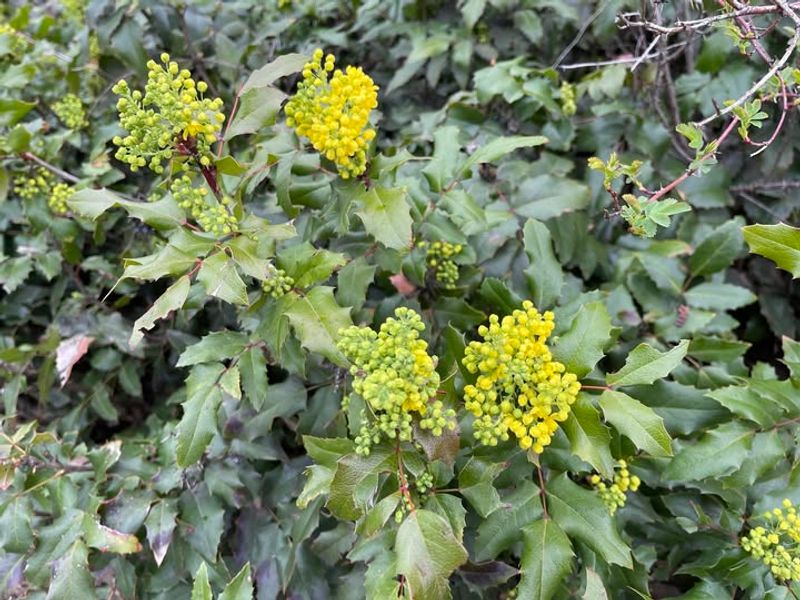
As Oregon’s official state flower, Oregon Grape holds a special place in the hearts of native plant enthusiasts across the region. Its clusters of bright yellow flowers appear in early spring, often before most other plants have even started to stir, making it a critical early food source for pollinators emerging from winter.
Native bees swarm Oregon Grape when it’s in bloom, buzzing loudly from cluster to cluster. Hummingbirds visit regularly too, and some butterfly species use it as an important nectar stop during spring migration through Oregon.
After the flowers fade, clusters of blue-purple berries form, attracting a whole new wave of birds and wildlife.
Oregon Grape is one of the most versatile native shrubs you can plant. It thrives in full sun, partial shade, and even deep shade under large trees where little else grows.
It’s evergreen, so it provides year-round structure and color in the garden, with the glossy, holly-like leaves turning reddish-bronze in winter.
There are several varieties to choose from, ranging from low-growing ground covers to tall, upright shrubs reaching six feet or more. All of them are tough, drought-tolerant once established, and virtually maintenance-free.
For a plant that gives so much to Oregon’s ecosystems, it asks remarkably little in return.
10. Pacific Aster
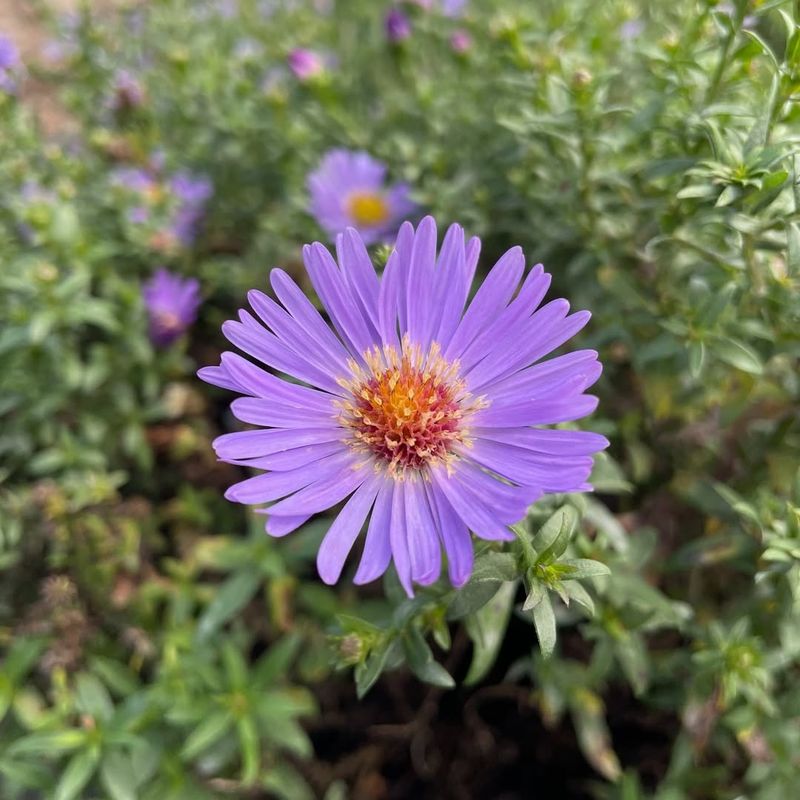
When most summer flowers are starting to fade, Pacific Aster is just getting warmed up.
This cheerful native perennial bursts into bloom in late summer and keeps going well into fall, filling Oregon gardens with clouds of lavender-purple, daisy-like flowers at exactly the time when pollinators need food the most before winter arrives.
Bees absolutely love Pacific Aster. Native bumblebees, sweat bees, and mining bees all visit heavily during the fall blooming period, stocking up on pollen and nectar.
Painted Lady butterflies and other late-season species also rely on it heavily during their fall migration through Oregon.
Pacific Aster is a natural along Oregon’s coast, where it grows in meadows, roadsides, and coastal bluffs. It handles salty air, wind, and poor soils with ease.
Inland gardeners in the Willamette Valley and beyond will find it equally happy in average garden soil with regular watering during the driest months.
Left to its own devices, Pacific Aster spreads by both rhizomes and seeds, gradually forming impressive colonies that put on a stunning show each fall. Cut it back hard after blooming to keep it tidy and encourage fresh growth the following season.
It’s a plant that rewards you generously for very little effort, making it a perfect closer to any Oregon pollinator garden.