How To Revive Hydrangeas After Winter Damage In Michigan Gardens
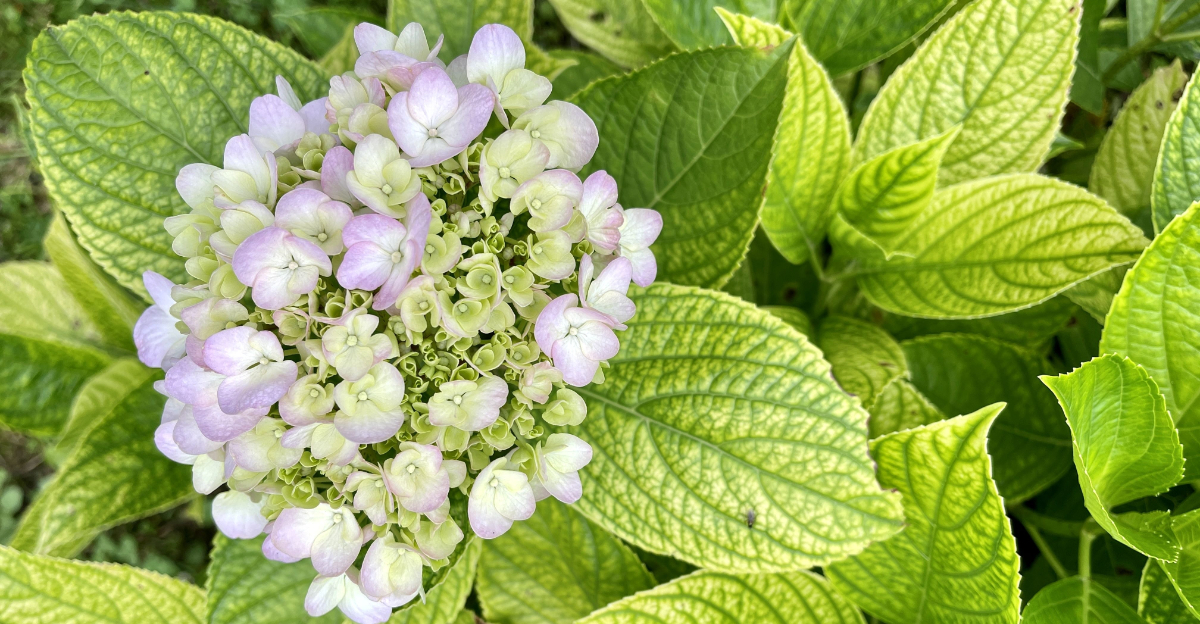
The brutal combination of polar vortex winds and heavy lake-effect snow can leave Michigan hydrangeas looking like a skeletal disaster by late March.
For gardeners from Grand Rapids to Traverse City, the sight of brittle, gray stalks poking through the receding slush is a familiar spring anxiety.
While these shrubs are genetically programmed for northern resilience, the sheer weight of a Great Lakes winter often inflicts deep structural damage and desiccation that stops blooms before they even start.
However, the true secret to a summer comeback lies in how you handle these battered plants during the critical weeks of the spring thaw.
Most homeowners make the fatal mistake of aggressive pruning too early, but a strategic, patient approach can trigger a massive surge of new growth.
By following these eight recovery tactics tailored for our unique Mitten State climate, you can transition your hydrangeas from winter survivors to the lush, flower-heavy anchors of your July garden.
1. Assess The Extent Of Winter Damage
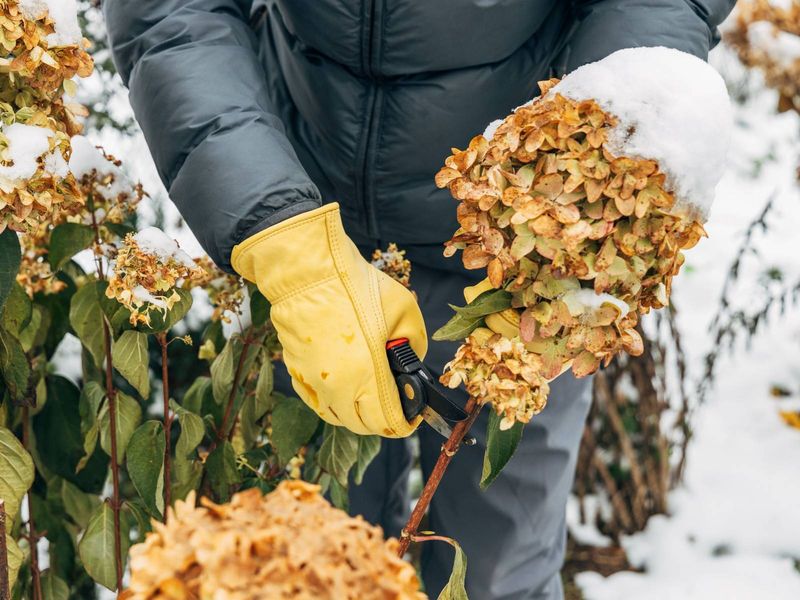
Before you grab your pruning shears, take a slow walk around your hydrangea and look at every branch up close. Michigan winters can be brutal, and frost damage often shows up as brown, mushy buds or brittle stems that snap easily when bent.
Start your inspection in late March or early April, when temperatures begin to climb and you can finally see what made it through the cold.
Scratch the bark of a stem gently with your fingernail. If you see green underneath, that stem is still alive and full of potential.
If the inside looks brown or dry all the way through, that section likely needs to come off. Work your way from the tips inward, checking each branch carefully before making any decisions.
Some varieties popular in Michigan gardens, like Hydrangea macrophylla, store next season’s flower buds on old wood. Losing those buds to frost means fewer blooms this year, so knowing exactly what you are working with helps you plan your next steps wisely.
Do not rush this process. Taking your time during the assessment stage saves you from accidentally removing healthy growth that still has plenty of life left in it. A thorough inspection is always the smartest first move.
2. Prune Dead Or Damaged Stems
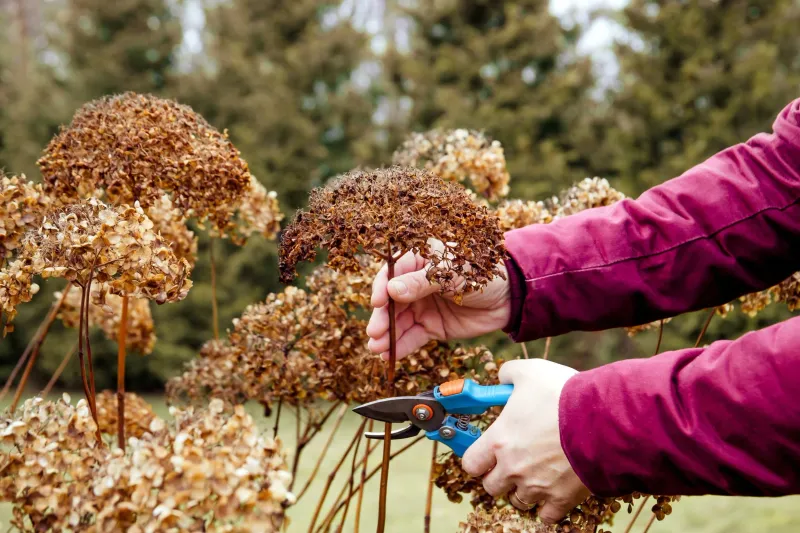
Once you know which stems did not survive the Michigan winter, it is time to grab a clean pair of sharp pruning shears and get to work. Cutting away damaged wood is one of the most effective ways to encourage fresh, healthy growth to push through in spring.
Always make clean cuts just above a visible healthy bud or a spot where green tissue is still present inside the stem.
For varieties like Hydrangea paniculata and Hydrangea arborescens, which bloom on new wood, you can prune much more aggressively.
Cutting these back to about two to three feet above the ground signals the plant to put all its energy into producing vigorous new shoots.
This approach works especially well in Michigan, where these varieties handle cold winters better than most.
Your Michigan Garden Changes Every Week. Your Plan Should Too.
Gardening in Michigan changes quickly throughout the season. Every Friday you’ll receive a simple weekly plan showing exactly what to plant, prune, fertilize, harvest, and protect so you never miss the right timing.
Hydrangea macrophylla is a different story since it blooms on old wood, so prune only the clearly damaged portions and leave anything that still shows signs of life.
Use rubbing alcohol to clean your pruning shears between cuts so you do not accidentally spread any fungal issues from stem to stem.
Sharp, clean tools make the whole process smoother and reduce stress on the plant. Proper pruning sets the foundation for a strong and colorful recovery season ahead.
3. Leave Healthy Wood Intact
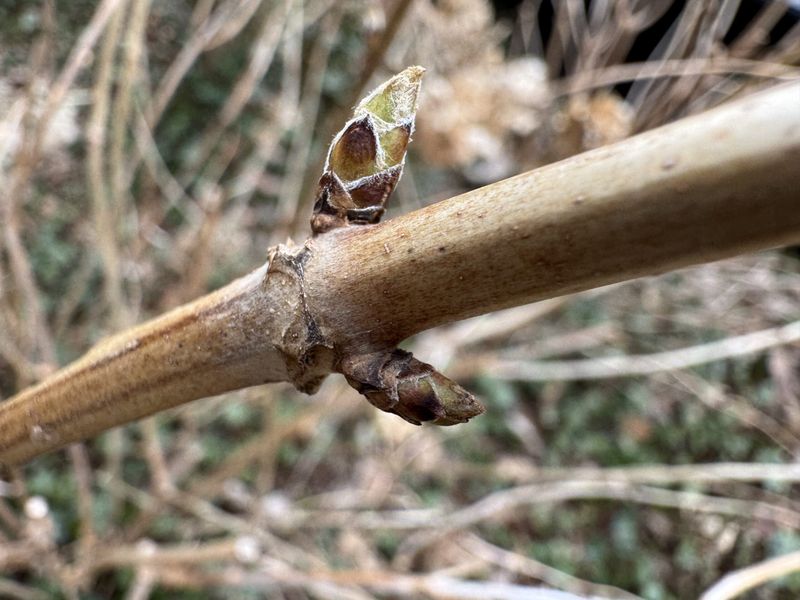
Not everything on a winter-damaged hydrangea needs to come off, and knowing what to keep is just as important as knowing what to remove.
Healthy stems are the backbone of your plant’s recovery, providing stored energy and structure that support new growth as temperatures warm up across Michigan. Removing too much at once can set the plant back significantly and delay blooming by a full season.
Look for stems that still have firm, green tissue when scratched and buds that appear plump and intact.
These are worth protecting at all costs, especially on old wood bloomers like Hydrangea macrophylla, which rely on last year’s growth to produce this summer’s flowers. Keeping those stems in place gives the plant its best shot at a full and colorful bloom season.
A helpful trick is to use small pieces of garden tape or soft ties to mark the healthy stems before you start cutting. This way, you will not accidentally snip something valuable in the middle of a busy pruning session.
Think of healthy wood as your hydrangea’s savings account. It holds resources built up over the previous growing season, and spending it wisely makes all the difference.
Preserve what is working, remove what is not, and your Michigan garden hydrangeas will reward you with lush growth through the warmer months ahead.
4. Provide Extra Mulch For Protection
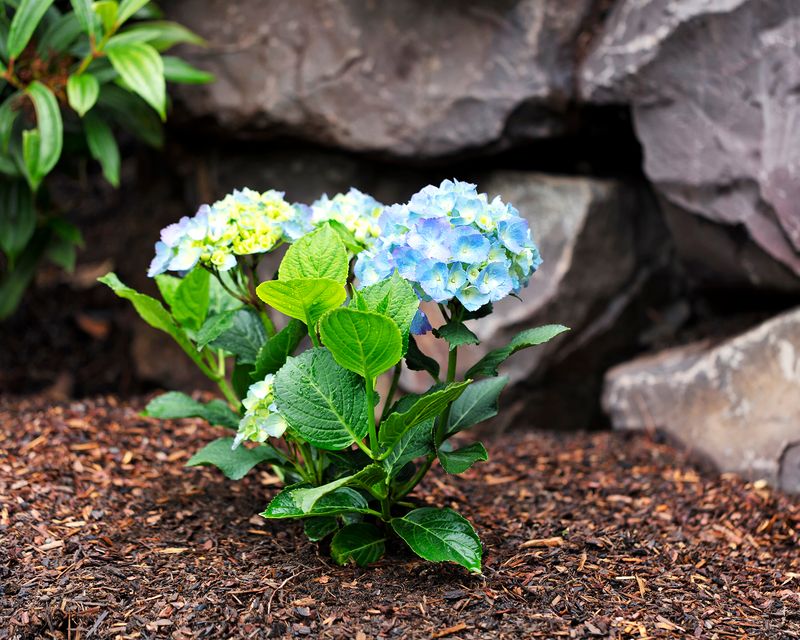
Spring weather in Michigan can be wildly unpredictable, swinging from warm sunny afternoons to surprise late frosts within the same week.
Adding a fresh layer of mulch around your hydrangeas after pruning helps buffer those temperature swings and gives the roots a stable environment to recover in.
Organic mulch like bark chips or shredded wood works especially well because it breaks down slowly and feeds the soil over time.
Aim for a layer about three to four inches thick, spreading it evenly in a ring around the base of the plant without piling it directly against the stems.
Mulch that touches the stem can trap moisture and create conditions where fungal issues thrive, so keep a small gap between the mulch and the main trunk.
This simple step also helps the soil hold onto moisture longer between watering sessions, which is a big win during dry spring stretches.
Mulching right after you finish pruning creates a clean, tidy look in the garden while doing serious protective work underneath the surface.
Michigan gardeners who mulch consistently tend to see faster recovery times and healthier root systems season after season.
If you already have old mulch from last year, rake it back, check for any matted or moldy clumps, and replace it with fresh material. Fresh mulch works harder and smells amazing too.
5. Water Hydrangeas Regularly After Winter
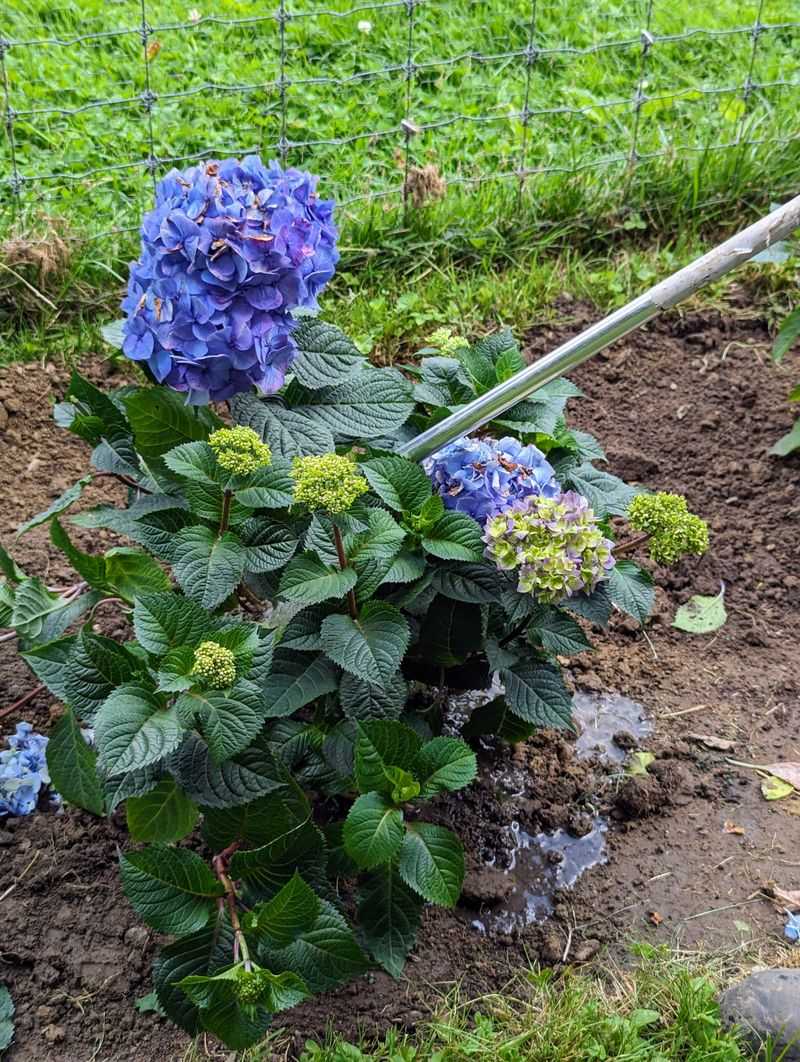
Water is one of the most powerful recovery tools available to any Michigan gardener bringing hydrangeas back after a rough winter.
As the soil thaws and temperatures rise, the plant begins pushing energy into new growth, and that process demands a steady supply of moisture. Without consistent watering, even the healthiest-looking stems can struggle to push out new leaves and flower buds.
Water deeply at the base of the plant rather than giving it a quick sprinkle from above. Deep watering encourages roots to grow downward, making the plant more stable and better at finding moisture on its own during dry spells.
A good rule of thumb is to water slowly until the top eight to ten inches of soil feel consistently moist but not waterlogged.
Morning is the best time to water hydrangeas because it gives the foliage a chance to dry out before cooler evening temperatures arrive. Wet leaves overnight can invite fungal problems, which is the last thing a recovering plant needs.
During unusually warm or dry spring weeks in Michigan, you may need to water two to three times per week to keep things on track. Pay attention to how the leaves look.
Slightly droopy foliage in the afternoon heat is normal, but leaves that stay limp into the evening are a clear sign your plant is thirsty and needs more consistent care right away.
6. Fertilize In Late Spring
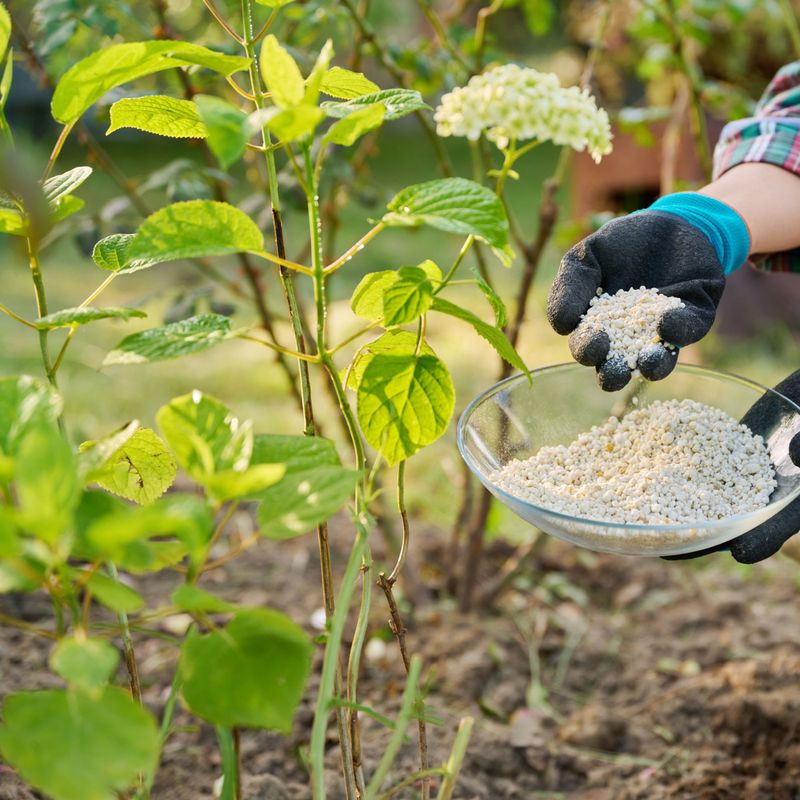
Patience is key when it comes to fertilizing hydrangeas after winter damage in Michigan. Feeding too early, before the plant shows clear signs of new growth, can stress the root system and do more harm than good.
Wait until you see fresh green leaves pushing out from the stems, which usually happens somewhere between late May and early June depending on your part of the state.
Choose a balanced fertilizer with equal parts nitrogen, phosphorus, and potassium, something like a 10-10-10 or 16-16-16 formula works well for most hydrangea varieties.
Nitrogen supports leafy growth, phosphorus encourages strong root development, and potassium helps the plant handle stress and produce vibrant blooms.
Apply the fertilizer evenly around the base of the plant in a wide ring, following the package directions for the correct amount.
Keep the granules away from direct contact with the stems to avoid burning the tender new tissue. After applying, water the area thoroughly to help the nutrients soak down to the root zone where they can actually do their job.
Avoid over-fertilizing since too much nitrogen pushes the plant to grow lots of leaves but very few flowers, which defeats the whole purpose.
One well-timed application in late spring is usually enough to give Michigan hydrangeas the boost they need for a strong and colorful bloom season.
7. Check For Pests Or Disease After Winter
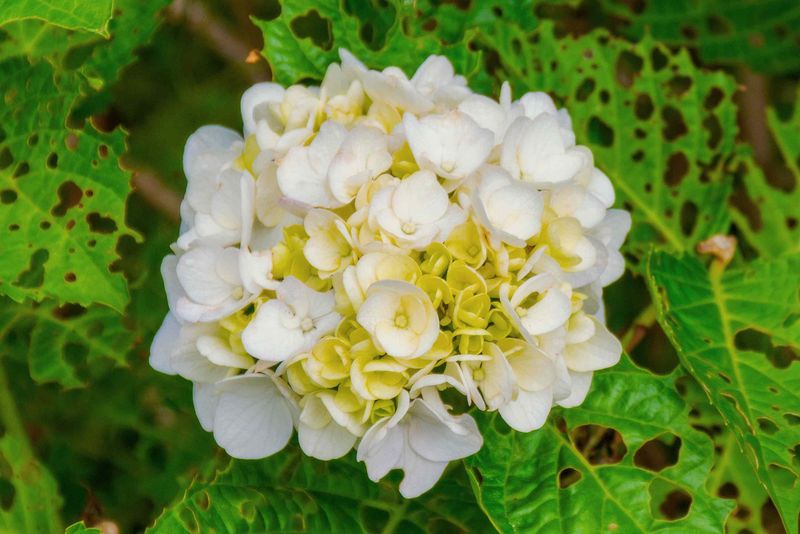
Winter-stressed hydrangeas are a bit like a person recovering from a long illness. Their defenses are lower than usual, making them easier targets for pests and fungal issues that might not bother a fully healthy plant.
Once spring arrives in Michigan, make a habit of checking your hydrangeas every few days for early signs of trouble before small problems turn into bigger ones.
Aphids are one of the most common pests to watch for on recovering hydrangeas. These tiny insects cluster on new shoots and undersides of leaves, sucking out plant sap and slowing growth at the worst possible time.
A strong spray of water from the hose can knock them loose, or you can apply insecticidal soap for more persistent infestations. Neem oil is another great organic option that handles both insects and some fungal issues at the same time.
Powdery mildew and leaf spot are two fungal conditions that show up frequently on hydrangeas in Michigan, especially during cool, damp spring weather. Look for white powdery patches on leaves or dark circular spots that spread across the foliage.
Remove affected leaves promptly and avoid overhead watering to slow the spread. Good air circulation around the plant also helps keep fungal issues from taking hold.
Catching problems early gives your hydrangeas a much better shot at a healthy and bloom-filled recovery season.
8. Provide Temporary Shade If Necessary
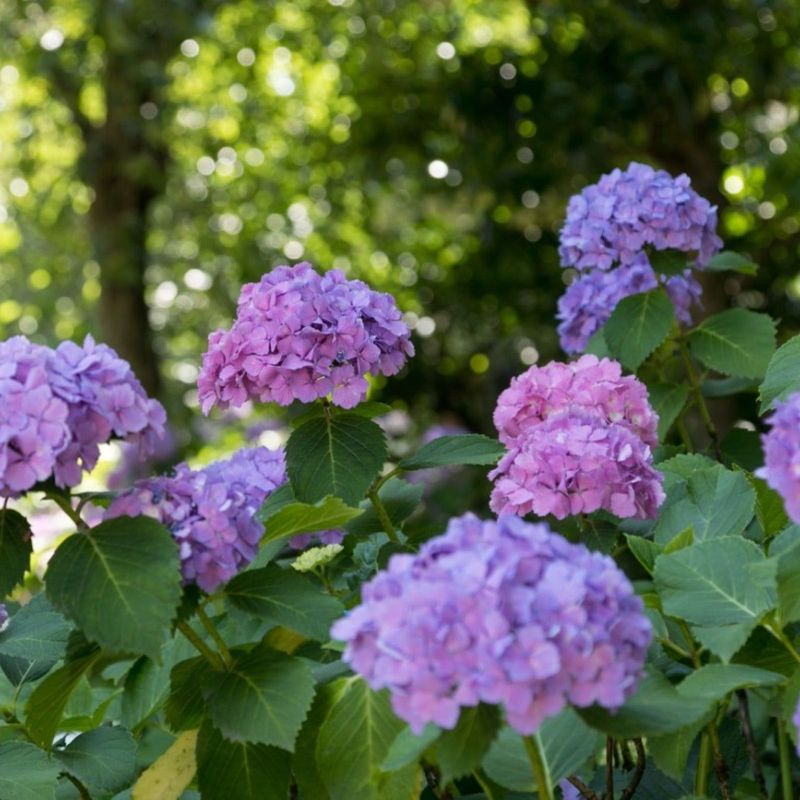
Early spring sunlight in Michigan can catch recovering hydrangeas off guard, especially when the plants have been through a rough winter.
Frost-damaged stems and newly emerging buds are more sensitive to intense sunlight than fully established growth, and too much direct sun too soon can cause a condition called sunscald that damages the tender new tissue just as it is trying to push out.
Shade cloth or lightweight row covers draped loosely over the plant can make a real difference during those first few weeks of spring recovery. You are not trying to block all light, just soften the intensity during the brightest part of the day.
A cover that filters about thirty to forty percent of sunlight is usually the right balance for most Michigan gardens, giving the plant enough light to grow while protecting it from stress.
Set up stakes around the plant before draping the cover so the fabric does not press directly against the new buds or stems.
Check under the cover regularly to monitor new growth and remove the shade cloth once the plant has pushed out several sets of healthy leaves and looks strong enough to handle full sun on its own.
Most recovering hydrangeas in Michigan need this kind of temporary protection for only two to four weeks in early spring. After that, they are usually ready to soak up the sunshine and grow like champions through the rest of the season.