What Seeds To Start Indoors In March In Lansing, Michigan For Early Success
While the Grand River might still carry a winter chill, March in Lansing serves as the starting gun for the most strategic gardeners in Ingham County.
Our local climate is a notorious gambler, with the last frost typically clinging to the mid-Michigan landscape until early May.
This compressed growing season means that any homeowner waiting for the soil to thaw before planting is already falling behind the curve.
By initiating your seed starting indoors right now, you are essentially buying an extra month of summer vibrancy and structural strength.
These seedlings will develop the robust root systems necessary to hit the ground running once our Capital City humidity finally arrives.
Whether you are prepping a small backyard plot or a community garden bed, this early indoor head start is the ultimate insurance policy against the unpredictable Michigan spring.
These tactical moves in March are what separate a struggling July garden from a lush, flower-packed sanctuary.
1. Tomatoes
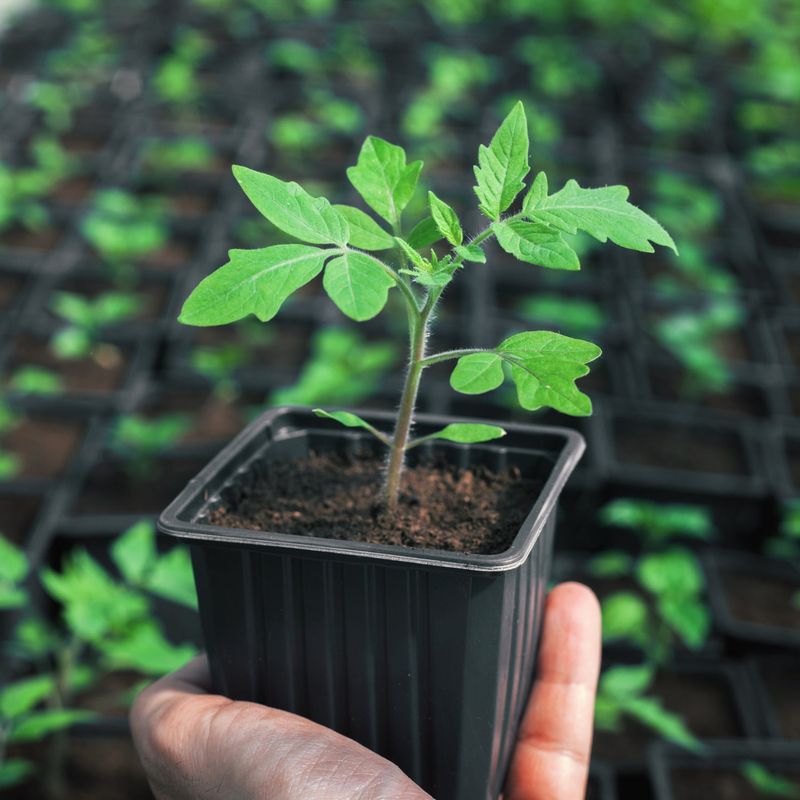
Nothing says summer garden quite like a ripe, juicy tomato fresh from your own backyard. In Lansing, Michigan, tomatoes need every advantage they can get, and starting them indoors in March gives them exactly that.
Tomatoes require 6 to 8 weeks of indoor growth before they are ready to head outside, which lines up perfectly with Lansing’s frost-free window in mid-to-late May.
Sow your tomato seeds about a quarter inch deep in a good quality seed-starting mix. Keep the soil consistently moist but never soggy, and place the trays in a warm spot where temperatures stay around 70 to 75 degrees Fahrenheit.
Once the seedlings pop up, they need plenty of bright light, at least 14 to 16 hours per day, so a grow light placed just a few inches above them works really well.
Thin your seedlings once they develop their first true leaves, keeping only the strongest one per cell. About a week before transplanting outdoors, begin hardening them off by setting them outside in a sheltered spot for a few hours each day.
Gradually increase their outdoor time so they adjust to wind, direct sun, and cooler temperatures. Lansing gardeners who start tomatoes in March often enjoy their first harvest weeks earlier than neighbors who wait to plant directly outside.
2. Peppers
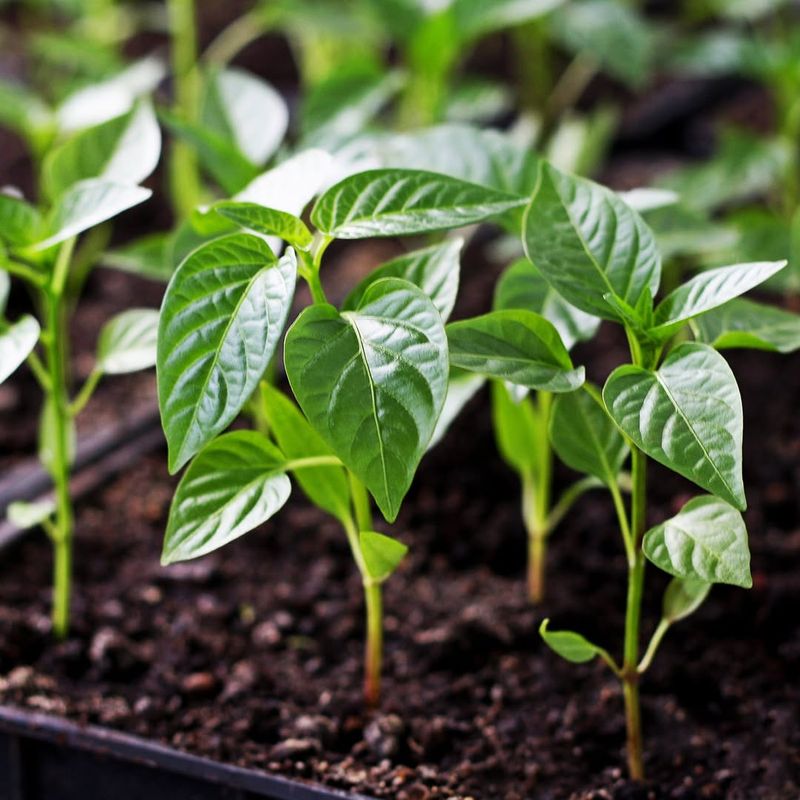
Peppers are one of those crops that truly reward patience, and starting them in March is the secret weapon for Lansing gardeners who want a full, productive harvest.
Unlike tomatoes, peppers need 8 to 10 weeks indoors before they are strong enough to face Michigan’s outdoor conditions. That longer lead time makes March the ideal month to get them going inside your home.
Warmth is the number one priority when germinating pepper seeds. Aim to keep the soil temperature around 70 to 80 degrees Fahrenheit, and consider using a seedling heat mat to maintain that warmth consistently.
Cold soil is one of the main reasons pepper seeds take forever to sprout, so keeping things cozy makes a huge difference in how quickly you see those first green shoots emerge.
Once your pepper seedlings are up and growing, make sure they receive full, bright light for at least 14 hours a day. A south-facing window can work in a pinch, but a dedicated grow light gives much more reliable results during Lansing’s still-cloudy March days.
Your Michigan Garden Changes Every Week. Your Plan Should Too.
Gardening in Michigan changes quickly throughout the season. Every Friday you’ll receive a simple weekly plan showing exactly what to plant, prune, fertilize, harvest, and protect so you never miss the right timing.
Water carefully, letting the top layer of soil dry slightly between waterings to prevent root problems.
When the last frost has safely passed and nighttime temperatures in Lansing stay above 55 degrees, your pepper transplants will be robust, well-developed, and ready for a long, productive season in the garden.
3. Broccoli
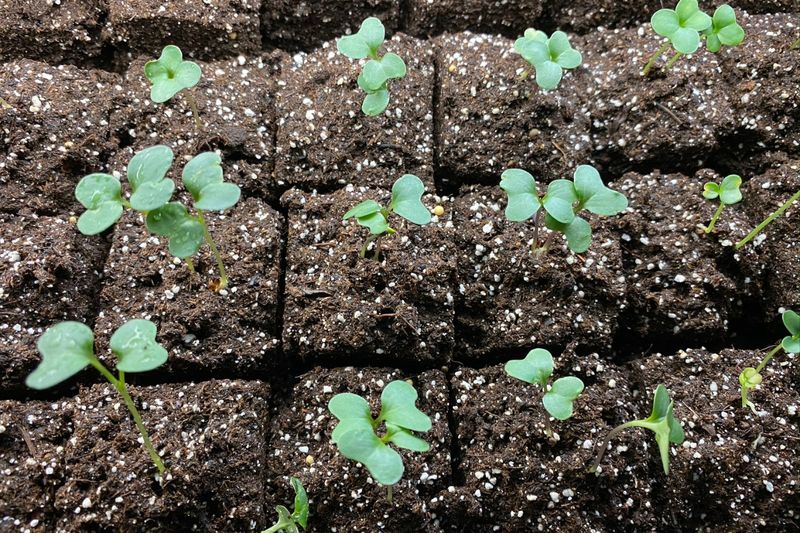
Broccoli is one of the coolest cool-season crops you can grow, and in Lansing, Michigan, starting it indoors in March gives it a real edge.
Unlike warm-season vegetables, broccoli actually prefers cooler outdoor temperatures and can be transplanted outside 4 to 6 weeks before the last frost.
That means your March-started seedlings could be heading into the garden as early as mid-April when daytime temps are still mild and comfortable for this crop.
Sow broccoli seeds about a quarter inch deep in moist seed-starting mix. Germination happens quickly, often within 5 to 10 days, especially if you keep the trays in a cool but bright location around 60 to 65 degrees Fahrenheit.
Avoid overly warm conditions because broccoli seedlings that grow in too much heat tend to get tall and leggy rather than short and stocky, which is exactly what you want for strong transplants.
Good air circulation also matters a lot when growing broccoli seedlings indoors. A small fan running nearby for a few hours each day strengthens the stems and reduces the risk of fungal issues. Water from the base of the plant when possible to keep the foliage dry.
Lansing gardeners who start broccoli in March can often enjoy beautiful heads of fresh broccoli well before summer heat sets in, making it one of the most rewarding early-season crops to grow in Michigan.
4. Lettuce
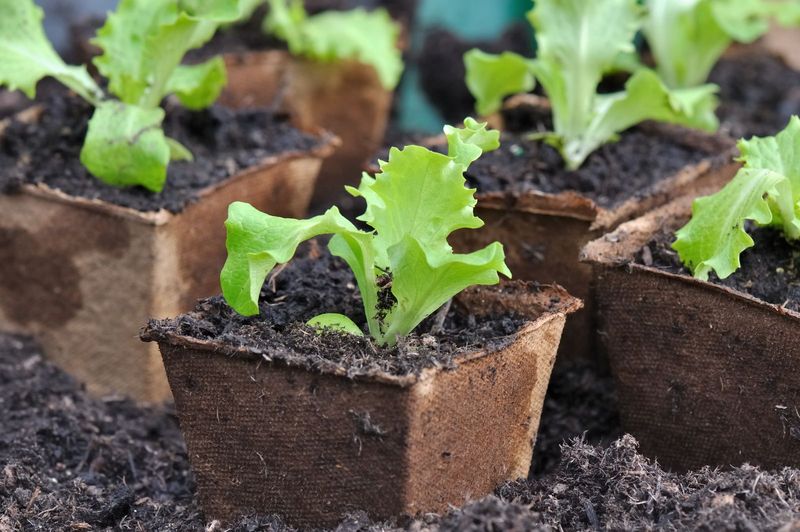
Fresh salad greens straight from your own garden are one of spring’s greatest pleasures, and lettuce is one of the easiest crops to start indoors in March in Lansing, Michigan.
Lettuce loves cool weather and actually grows best when temperatures stay between 45 and 65 degrees Fahrenheit outdoors.
Starting it inside in March means you can have transplants ready for the garden by mid-April, perfectly timed for Lansing’s cool spring days before summer heat arrives.
Sow lettuce seeds about half an inch deep in moist seed-starting mix, and do not pack the soil down too firmly because lettuce seeds need a little light to help trigger germination.
Keep the trays near a bright window or under a grow light, and maintain consistent moisture throughout the germination period.
Lettuce sprouts fast, often within 7 to 10 days, and the seedlings grow quickly once they get going.
One smart trick for Lansing gardeners is to start a second small tray of lettuce two weeks after the first. This staggered approach gives you a continuous harvest of fresh leaves over a longer period rather than everything maturing at once.
Lettuce also does well in containers on a porch or patio if garden space is limited. Thin seedlings to about 6 to 8 inches apart when transplanting so each plant has enough room to fill out into a full, leafy head worth harvesting.
5. Cauliflower
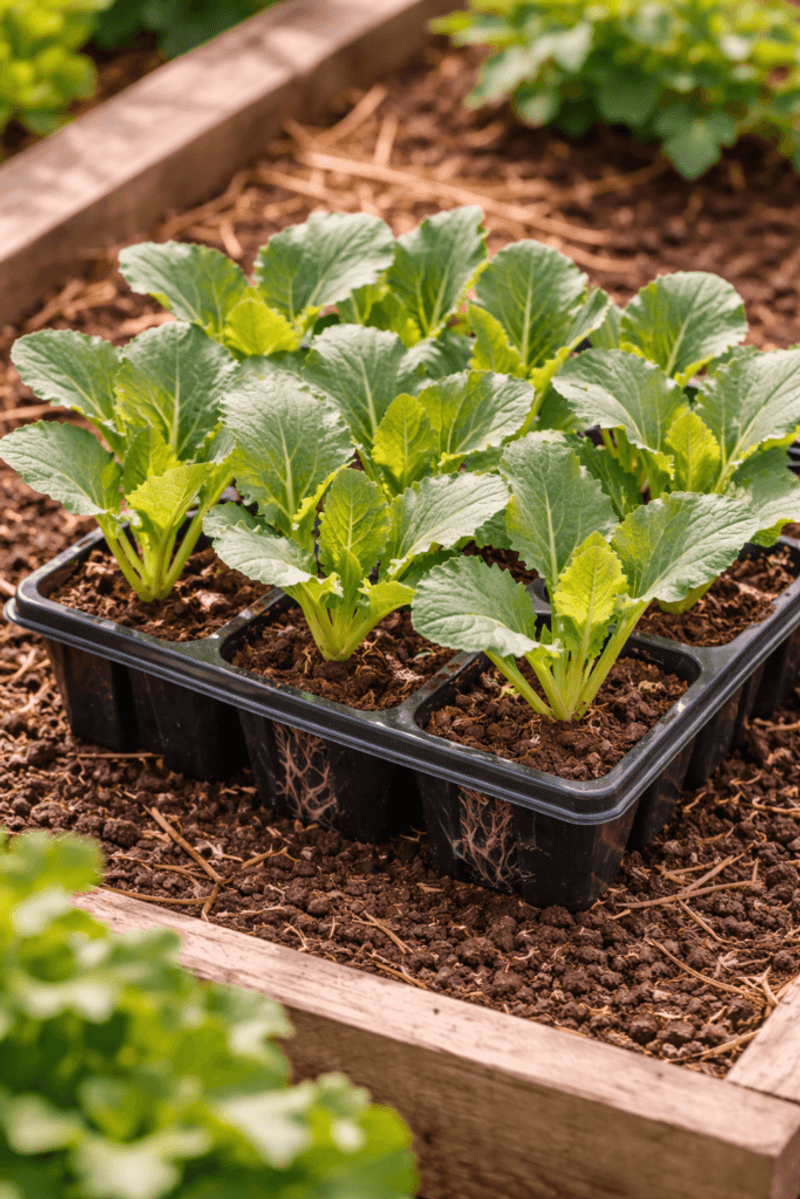
Cauliflower has a reputation for being a little fussy, but starting it indoors in March in Lansing, Michigan, takes a lot of the guesswork out of growing it successfully.
Just like broccoli, cauliflower is a cool-season crop that benefits from being transplanted outdoors 4 to 6 weeks before the last frost.
Getting those seedlings started inside in early March puts you right on schedule for a strong spring planting in Lansing.
Sow cauliflower seeds about a quarter inch deep in a quality seed-starting mix and keep the environment bright and slightly cool, around 60 to 65 degrees Fahrenheit.
Cauliflower seedlings that experience too much warmth can become weak and stretched, so resist the urge to crank up the heat in the room where your trays are sitting.
A sunny window combined with a small supplemental grow light works beautifully for growing strong, compact seedlings.
Air circulation is especially important for cauliflower because poor airflow can encourage damping off and other fungal issues that wipe out young seedlings fast. Run a small fan near your trays for a couple of hours daily to keep the air moving and the stems strong.
Water at the base of the plants rather than overhead to keep leaves dry. When it is time to move your cauliflower transplants outside, harden them off gradually over 7 to 10 days so they adjust smoothly to Lansing’s variable spring weather without stress.
6. Celery
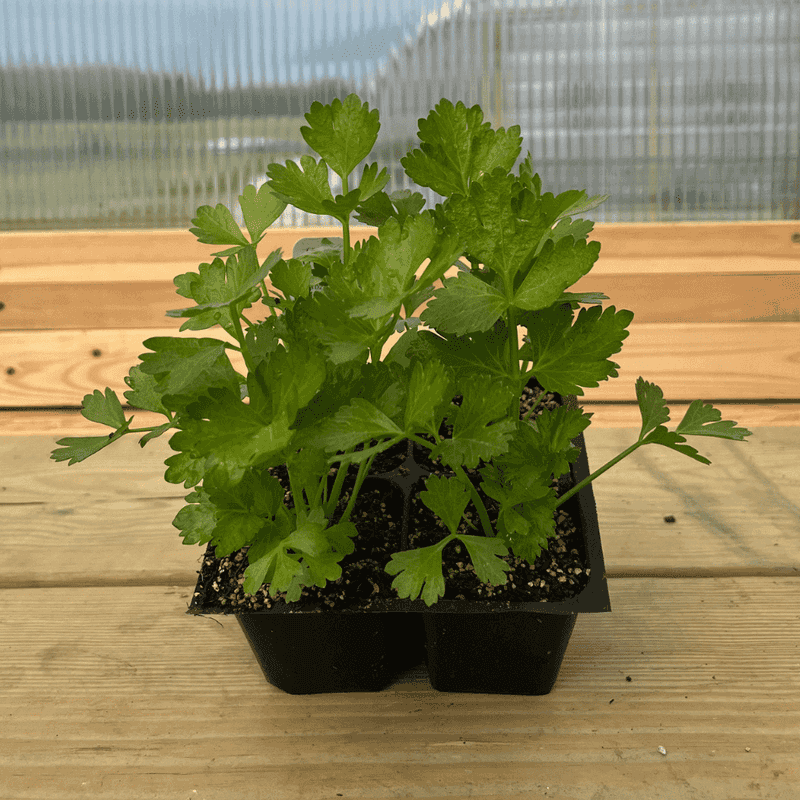
Celery is one of the most rewarding yet underrated vegetables to grow at home, and Lansing, Michigan gardeners who want to grow it successfully absolutely need to start it indoors in March.
Celery has one of the longest growing seasons of any common vegetable, often requiring 100 to 130 days from seed to harvest.
Starting indoors in March gives celery the long runway it needs to develop properly before being transplanted outdoors in late May after Lansing’s last frost has passed.
Celery seeds are tiny, so sow them on the surface of moist seed-starting mix and press them down gently without covering them completely. Light actually helps celery germinate, so keeping the tray uncovered near a bright light source is the right approach.
Germination can take 2 to 3 weeks, so patience is key. Keep the soil consistently moist throughout this period because celery is very sensitive to drying out at the seedling stage.
Once your celery seedlings are up, thin them carefully to give each plant enough space to develop a strong root system. Maintain temperatures around 70 degrees Fahrenheit indoors and provide 14 to 16 hours of light daily using a grow light.
Celery is a heavy feeder, so start giving seedlings a diluted liquid fertilizer every two weeks once they have their second set of true leaves.
Lansing gardeners who commit to starting celery in March often enjoy a surprisingly abundant harvest by late summer that makes every effort worthwhile.
7. Herbs (Basil, Parsley, Oregano)
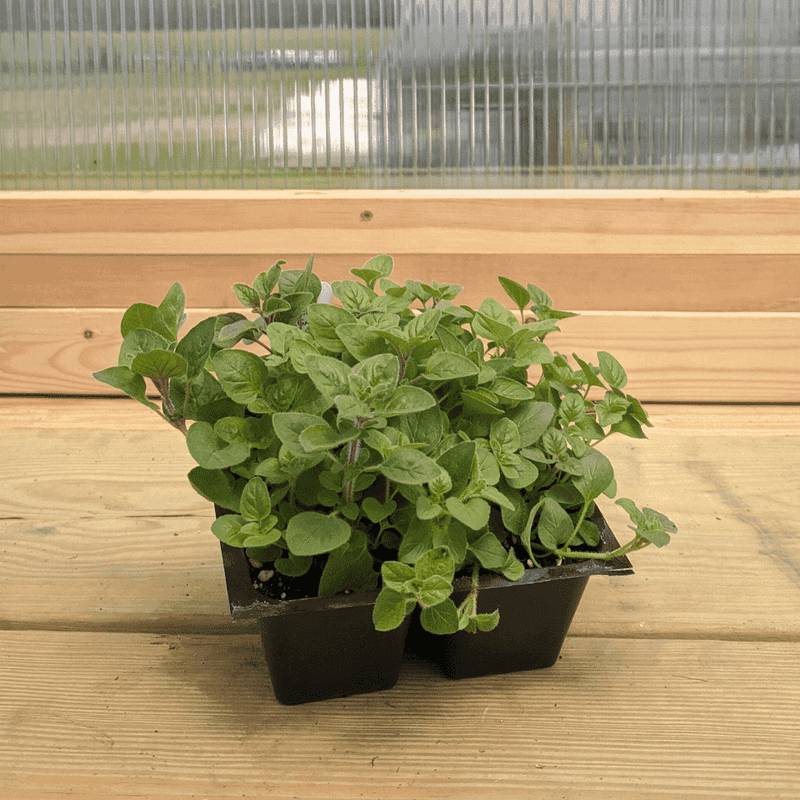
Growing your own fresh herbs is one of the most satisfying parts of gardening, and starting basil, parsley, and oregano indoors in March in Lansing, Michigan, sets you up for a full season of flavor.
Basil is a warm-season herb that cannot handle frost at all, so it needs those 6 to 8 weeks of indoor growth before Lansing’s outdoor temperatures are reliably warm enough. Parsley and oregano are a bit hardier but still benefit greatly from an early indoor start.
Sow herb seeds about half an inch deep in individual small pots or a divided seed tray filled with moist seed-starting mix.
Basil seeds germinate quickly in warm conditions, usually within 5 to 7 days at 70 degrees Fahrenheit, while parsley can take 2 to 3 weeks and requires consistent moisture throughout.
Oregano falls somewhere in between and is generally the easiest of the three to coax along with minimal fuss.
All three herbs thrive with plenty of bright light, so position them under a grow light or in your sunniest south-facing window. Once basil seedlings develop two sets of true leaves, pinch the tips to encourage bushy growth rather than a tall, spindly plant.
Transplant herbs outdoors in Lansing after the last frost, usually by mid-to-late May, and continue pinching and harvesting regularly through the season to keep plants productive and flavorful all the way through early fall.
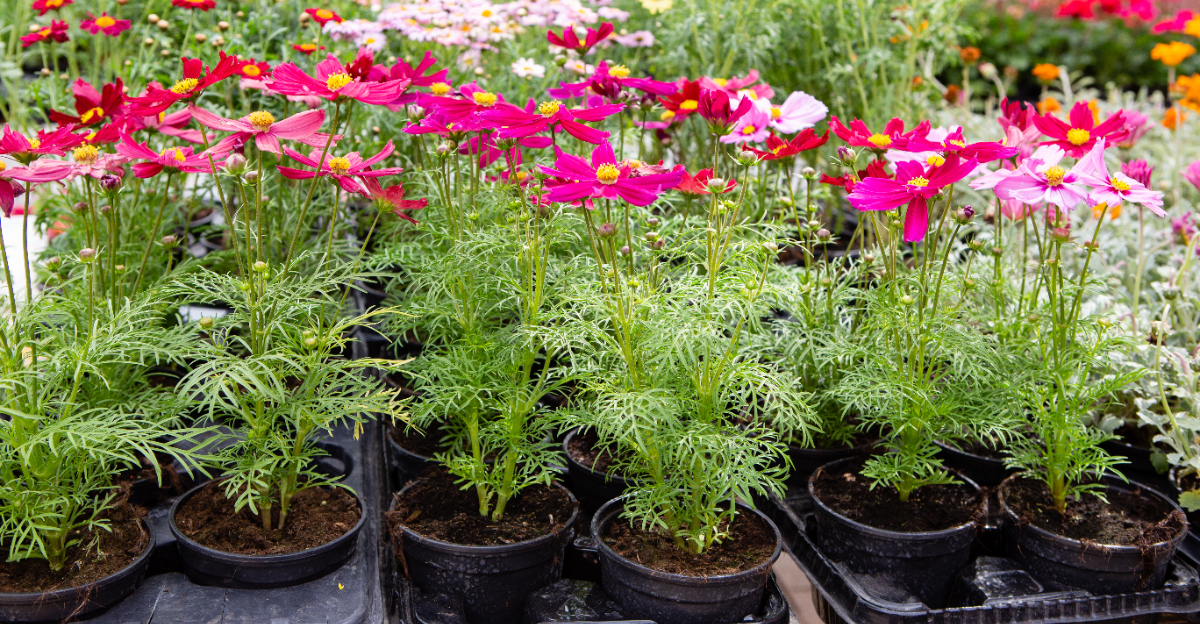
8. Cosmos
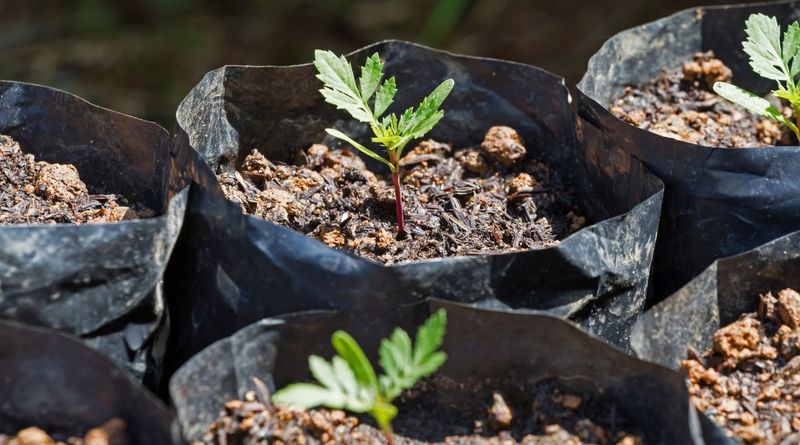
Cosmos are one of the most cheerful and carefree flowers you can grow, and starting them indoors in March in Lansing, Michigan, gives you a stunning head start on a colorful summer garden.
These fast-growing annuals only need 6 to 8 weeks indoors before they are ready to transplant outside after Lansing’s last frost.
Starting in March means you could have cosmos blooming in your garden weeks before neighbors who wait to direct sow outdoors.
Sow cosmos seeds about a quarter inch deep in seed-starting mix and keep them in a warm, bright location.
Germination is impressively quick, often happening within 7 to 10 days, which makes cosmos a fun and encouraging seed to start for gardeners of all experience levels.
Once the seedlings emerge, they grow rapidly and need lots of direct light to stay compact and strong rather than stretching toward any available source of brightness.
One thing to keep in mind with cosmos is that they do not love being overfertilized. Rich soil and too many nutrients actually encourage lots of leafy growth at the expense of flowers, so use a light hand with any fertilizer during the seedling stage.
When transplanting your cosmos outdoors in Lansing, choose a sunny spot with well-draining soil.
Cosmos are incredibly drought-tolerant once established and will reward you with waves of pink, white, and magenta blooms that attract pollinators and brighten any garden space all season long.
9. Marigolds
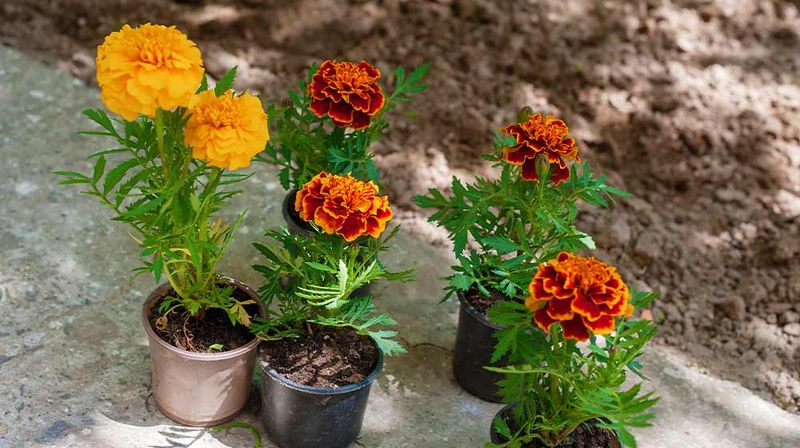
Marigolds are practically the official flower of the home vegetable garden, and for good reason.
Starting them indoors in March in Lansing, Michigan, means you will have bold, colorful transplants ready to go into the ground right after the last frost, giving your garden a beautiful and functional boost from the very start of the season.
Marigolds are also well known for repelling certain garden pests, making them a smart companion plant for tomatoes and peppers.
Starting marigolds from seed is genuinely easy, even for beginners. Sow seeds about a quarter inch deep in moist seed-starting mix and place the tray in a warm, bright spot.
Germination usually happens within 5 to 7 days at temperatures around 70 degrees Fahrenheit, which makes marigolds one of the most satisfying seeds to watch sprout.
Thin seedlings to one per cell once they have their first set of true leaves so each plant develops a strong individual root system.
Provide marigold seedlings with 14 to 16 hours of bright light daily to keep them compact and sturdy. Leggy marigold seedlings that do not get enough light tend to flop over after transplanting, so good lighting from the start really pays off.
Before moving your transplants outside in Lansing, harden them off over about a week by gradually increasing their outdoor exposure.
Once planted in a sunny garden bed, marigolds practically take care of themselves and bloom continuously from early summer right through the first frost of fall.