Michigan Gardeners Can Grow More Food In Less Space With These 9 Vegetables
Maximizing a Michigan harvest no longer requires sprawling acreage or a traditional farmhouse plot.
From the urban balconies of Grand Rapids to compact backyard corners in Ann Arbor, a new wave of strategic gardening is transforming small footprints into prolific food sources.
Our Great Lakes climate, with its rapid spring warming and humid summer peaks, provides the perfect thermal engine for high-yield, space-saving vegetables.
These nine specific varieties are genetically engineered to thrive in containers or raised beds, bypassing the heavy clay soils that often hinder traditional Michigan gardening.
By selecting these compact powerhouses, you gain total control over nutrient levels and drainage, ensuring your plants reach their full potential without competing for space.
This approach allows any resident to cultivate a lush, edible sanctuary that delivers fresh produce from the first June thaw through the crisp September harvest.
Embracing these miniature champions ensures your limited outdoor area becomes a high-performance engine for homegrown nutrition.
1. Tomatoes
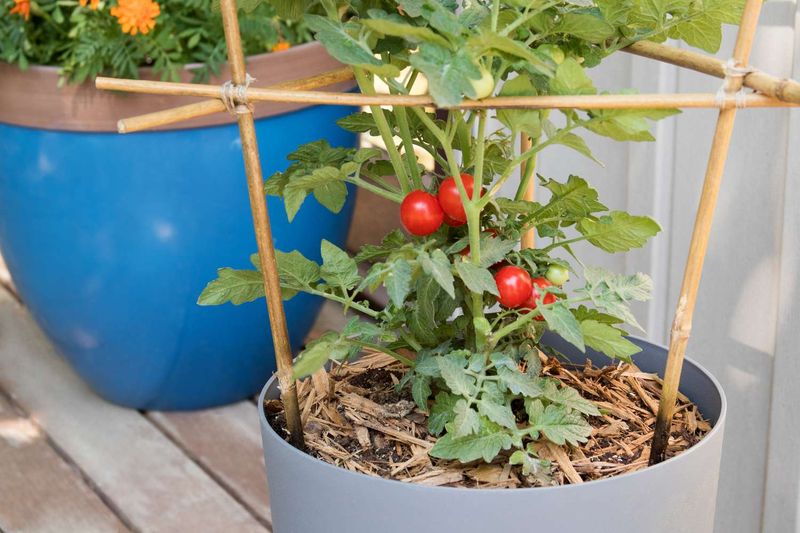
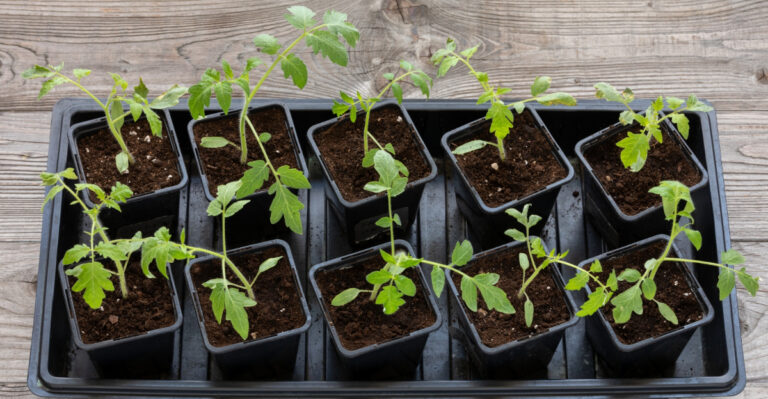
Few things beat the taste of a homegrown tomato picked fresh from your own container garden. Michigan gardeners have a real advantage here because compact tomato varieties like Patio Princess and Tiny Tim were practically made for small-space growing.
These plants thrive beautifully in 5-gallon pots or larger containers, producing juicy, flavorful fruit without needing a sprawling garden bed.
The key to success starts with choosing the right soil. Always use a well-draining potting mix rather than regular garden dirt, which tends to compact too much inside containers.
Place your pot somewhere it can soak up at least six to eight hours of direct sunlight each day, since tomatoes are sun-lovers that produce far better fruit when they get plenty of warmth and light.
Supporting your tomato plant with a sturdy stake or small cage is also important. As the plant grows taller and heavier with fruit, it needs something to lean on so the stems do not snap under the weight.
Water consistently, keeping the soil moist but not waterlogged, and feed with a balanced fertilizer every couple of weeks during the growing season.
With a little attention and the right setup, Michigan gardeners can enjoy an incredible harvest of homegrown tomatoes all summer long straight from their patio or balcony.
2. Lettuce
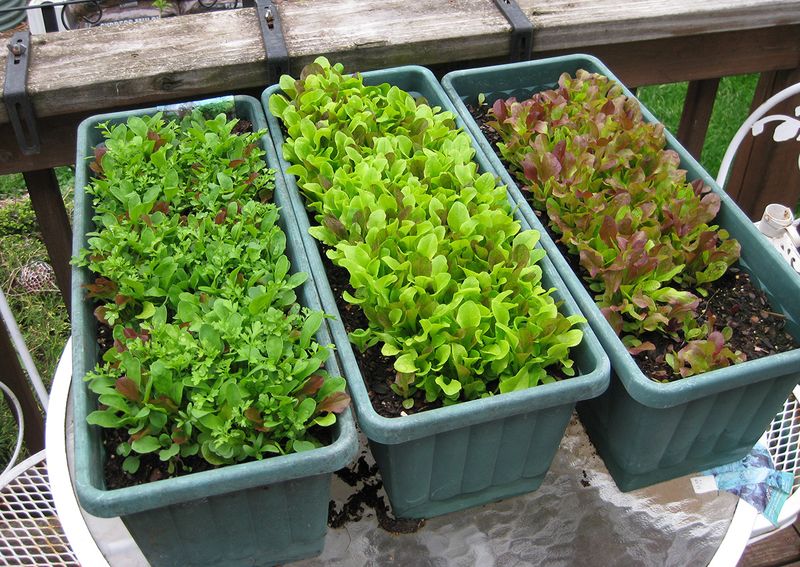
Crisp, colorful, and incredibly easy to grow, lettuce is one of the best vegetables Michigan gardeners can add to a small-space setup.
It grows well in shallow containers that are only six to eight inches deep, making it a natural fit for window boxes, balcony planters, or any small patio corner.
Varieties like Buttercrunch, Black-Seeded Simpson, and Red Leaf all perform wonderfully in containers throughout Michigan’s cooler months.
Spring and fall are the golden seasons for growing lettuce in Michigan. The plant actually prefers temperatures between 45 and 65 degrees Fahrenheit, which lines up perfectly with the state’s early and late growing windows.
During warmer stretches, placing your containers in partial shade helps prevent the plant from bolting, which causes the leaves to turn bitter and the plant to stop producing.
Your Michigan Garden Changes Every Week. Your Plan Should Too.
Gardening in Michigan changes quickly throughout the season. Every Friday you’ll receive a simple weekly plan showing exactly what to plant, prune, fertilize, harvest, and protect so you never miss the right timing.
One of the smartest tricks with container lettuce is succession planting. Every two to three weeks, sow a fresh batch of seeds in a new container so you always have young, tender leaves coming in while older plants finish up.
Harvest outer leaves regularly rather than pulling the whole plant, and it will keep producing for weeks. With minimal space and even less effort, lettuce gives Michigan gardeners a steady supply of fresh salad greens right outside their door all season long.
3. Radishes
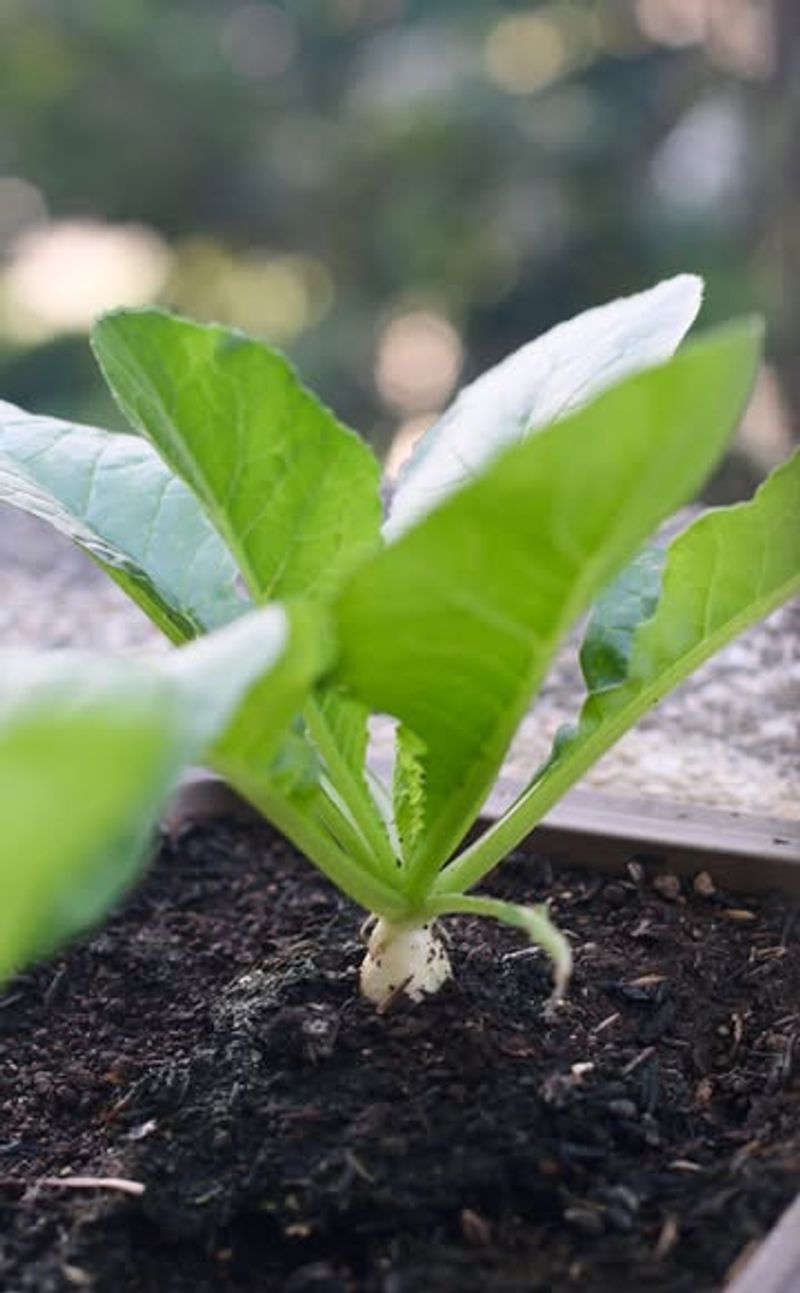
If you want fast results and zero wasted space, radishes are your best friend in the garden. These speedy little root vegetables are ready to harvest in as little as 20 to 30 days after planting, making them one of the quickest crops any Michigan gardener can grow.
Varieties like Cherry Belle and French Breakfast are especially well-suited for container growing and deliver satisfying results with very little fuss.
Radishes do not need deep pots, which makes them incredibly practical for tight spaces. A container that is just four to six inches deep filled with loose, well-drained soil is all they need to develop strong, flavorful roots.
Sow seeds about an inch apart, water regularly, and watch them take off. They grow so quickly that you can squeeze in multiple rounds of planting throughout Michigan’s spring and fall seasons.
Another huge benefit is that radishes work brilliantly as companion plants. Tuck them in between slower-growing vegetables like carrots or spinach to use every bit of available container space efficiently.
By the time the radishes are ready to pull, the neighboring plants are just getting started, so nothing goes to spare. For Michigan gardeners who want quick wins and maximum use of their small garden space, radishes deliver results that feel almost too good to be true.
4. Spinach
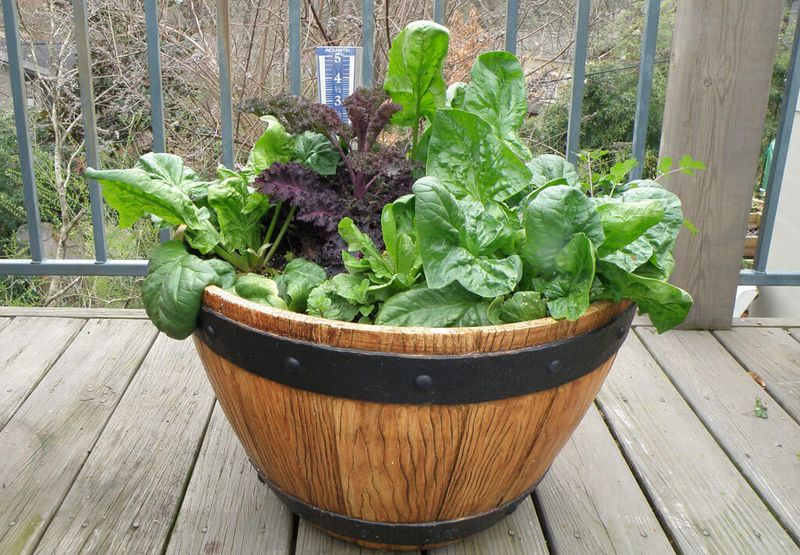
Spinach is the kind of vegetable that makes small-space gardening feel genuinely rewarding. Packed with nutrients and surprisingly easy to grow, it thrives in compact containers and performs especially well during Michigan’s cool spring and fall seasons.
You do not need a big garden bed or raised planter to enjoy a healthy spinach harvest; a shallow pot that is six to eight inches deep is more than enough to get started.
One thing spinach really appreciates is consistent moisture and cooler air temperatures. When the weather heats up past 75 degrees Fahrenheit, spinach tends to bolt, sending up a flower stalk and turning bitter almost overnight.
To avoid this in Michigan, start seeds indoors in late winter and transplant them outside in early April, or wait until late summer to plant a fall crop that matures as temperatures drop back down.
Varieties like Bloomsdale Long Standing and Tyee are popular choices for Michigan container gardens because they hold up well in fluctuating spring temperatures without bolting too quickly.
Harvest leaves from the outside of the plant first, leaving the center to keep producing fresh growth.
Regular watering, a little balanced fertilizer, and a shady afternoon spot during warm spells will keep your spinach thriving for weeks. It is one of the most nutritious and satisfying crops a Michigan gardener can grow in a small space.
5. Green Beans
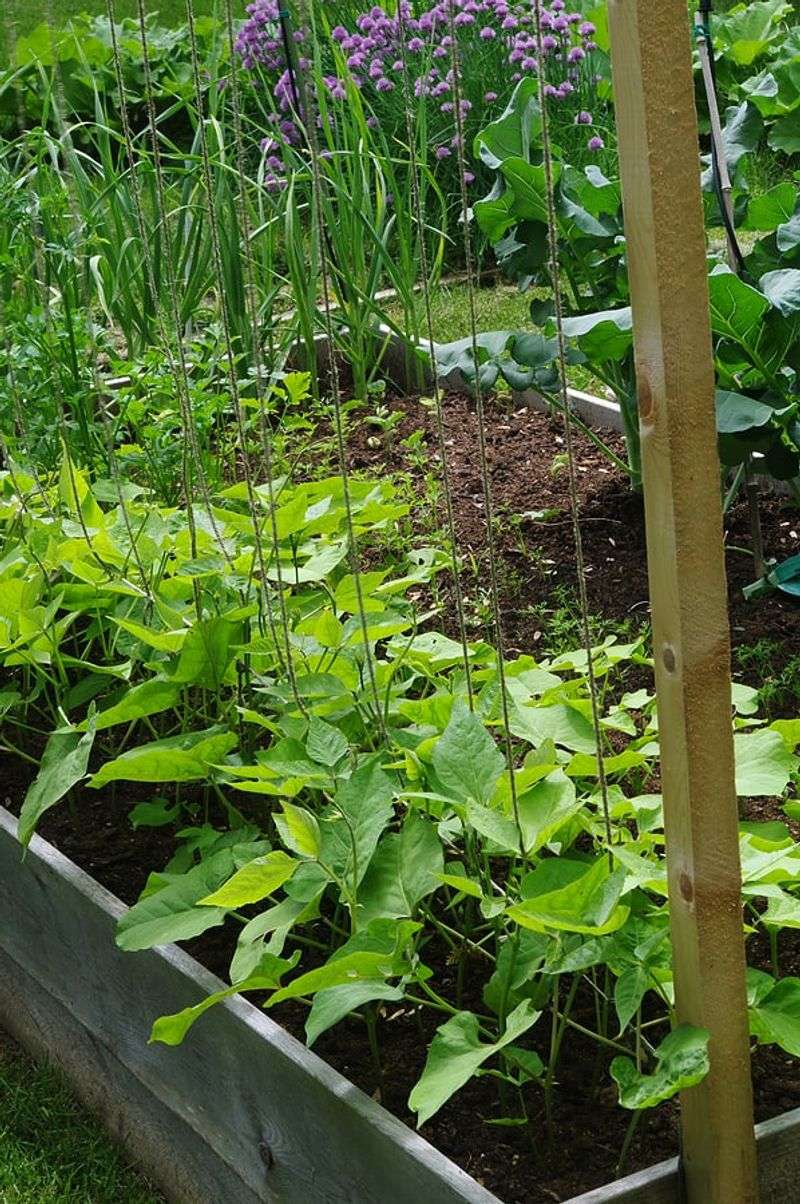
Growing green beans vertically is one of the cleverest space-saving moves a Michigan gardener can make.
Pole bean varieties like Kentucky Wonder or Blue Lake Pole climb naturally upward along a trellis or simple stake system, which means they take up very little ground space while producing a generous harvest of fresh beans.
A single large container paired with a six-foot support structure gives these plants everything they need to thrive.
Green beans love full sun, and Michigan summers deliver plenty of it during peak growing months.
Plant seeds directly into a container that holds at least five gallons of well-draining potting mix after the last frost date, which typically falls in mid-May across most of Michigan.
Within about 60 days, you can expect a steady stream of tender, flavorful pods ready for picking.
The more you harvest, the more the plant produces, so check your container beans every couple of days once they start coming in.
Picking pods while they are still young and slender encourages the plant to keep flowering and setting new beans throughout the season.
Bush bean varieties are another solid option if you prefer a no-trellis setup, as they stay compact and self-supporting in smaller containers. Either way, green beans offer Michigan gardeners an impressive return on a very small footprint of growing space.
6. Peppers
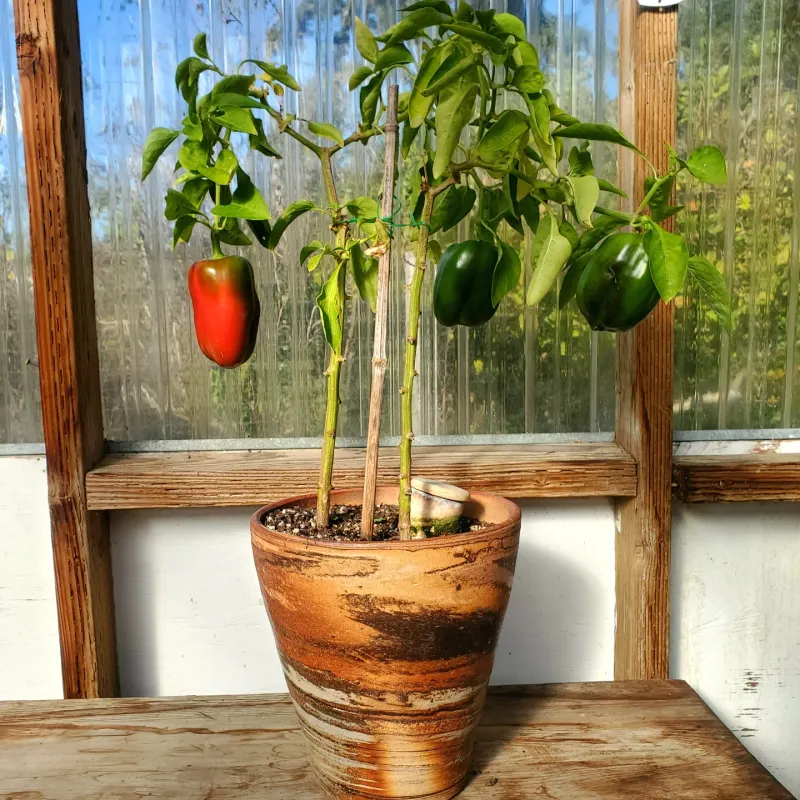
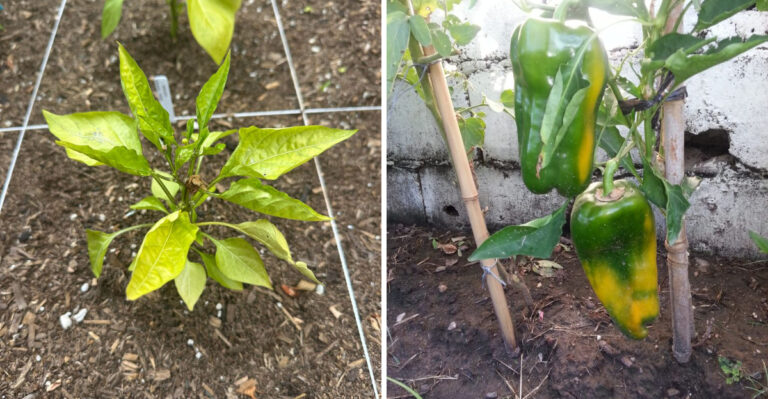
There is something almost magical about watching a pepper plant loaded with bright, glossy fruits sitting right on your Michigan patio in midsummer.
Peppers are outstanding container vegetables because they stay relatively compact while still producing an impressive number of fruits throughout the warm season.
Sweet varieties like California Wonder and Banana Pepper work beautifully in containers, and hot varieties like Jalapeño or Cayenne do just as well with the same basic care.
A five to ten gallon container is the sweet spot for growing peppers in Michigan. Anything smaller tends to restrict root growth and limits how many fruits the plant can support at one time.
Fill your container with a rich, well-draining potting mix and place it somewhere that gets a solid six to eight hours of direct sunlight each day. Michigan summers can be warm and sunny enough to keep pepper plants very happy from June through September.
Peppers do appreciate warmth more than some other vegetables, so starting seeds indoors about eight to ten weeks before Michigan’s last frost date gives them a strong head start.
Transplant seedlings outside once nighttime temperatures stay consistently above 55 degrees Fahrenheit.
Water regularly but avoid letting the container sit in standing water, as soggy roots can cause problems quickly. With proper care, a single pepper plant in a container can produce dozens of fruits across one Michigan growing season.
7. Herbs: Basil, Parsley, And Oregano
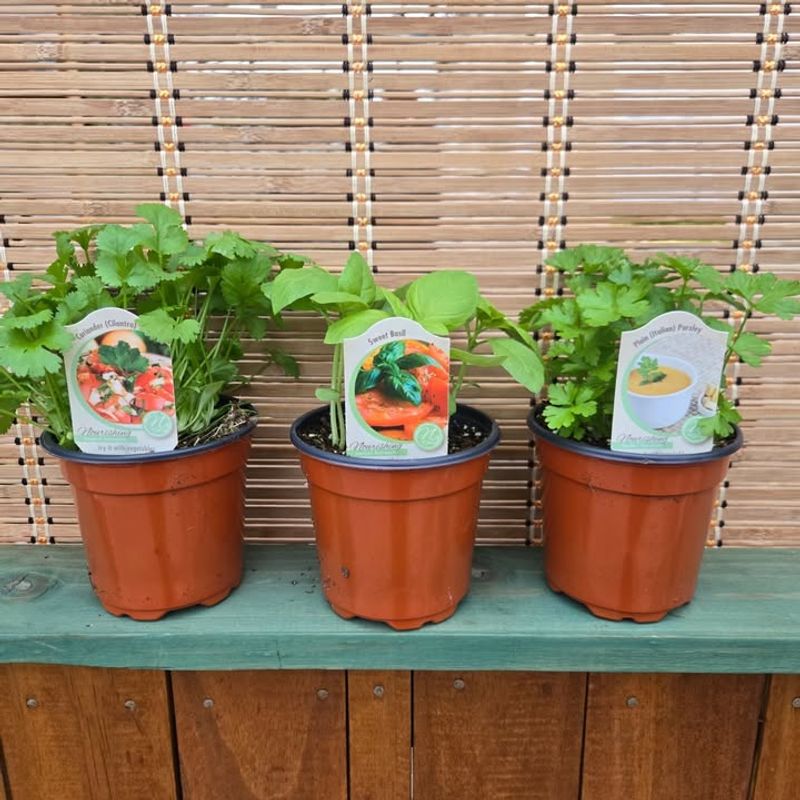
Herbs might be small, but they punch well above their weight when it comes to flavor and usefulness in the kitchen.
Basil, parsley, and oregano are three of the most popular herbs Michigan gardeners grow, and the best part is that all three thrive in small containers placed on a patio, balcony, or even a sunny kitchen windowsill.
You do not need a garden bed or a big outdoor space to enjoy a fresh, fragrant herb supply all season long.
Each of these herbs has slightly different preferences, but they all share a love of well-draining soil and plenty of sunlight. Basil is the most heat-loving of the three and thrives in Michigan’s warm summer months when placed in full sun for at least six hours a day.
Parsley is a bit more flexible and can handle partial shade, while oregano is tough and drought-tolerant once established, making it almost effortless to maintain in a small pot.
Regular harvesting is one of the best things you can do to keep these herbs producing abundantly. Pinching off the tops of basil plants prevents them from flowering too early, which keeps the leaves flavorful and plentiful.
For parsley and oregano, snipping stems frequently encourages bushy, healthy growth rather than long, leggy plants. Growing all three together in a cluster of small pots creates a charming and highly functional herb garden that any Michigan home can enjoy.
8. Carrots
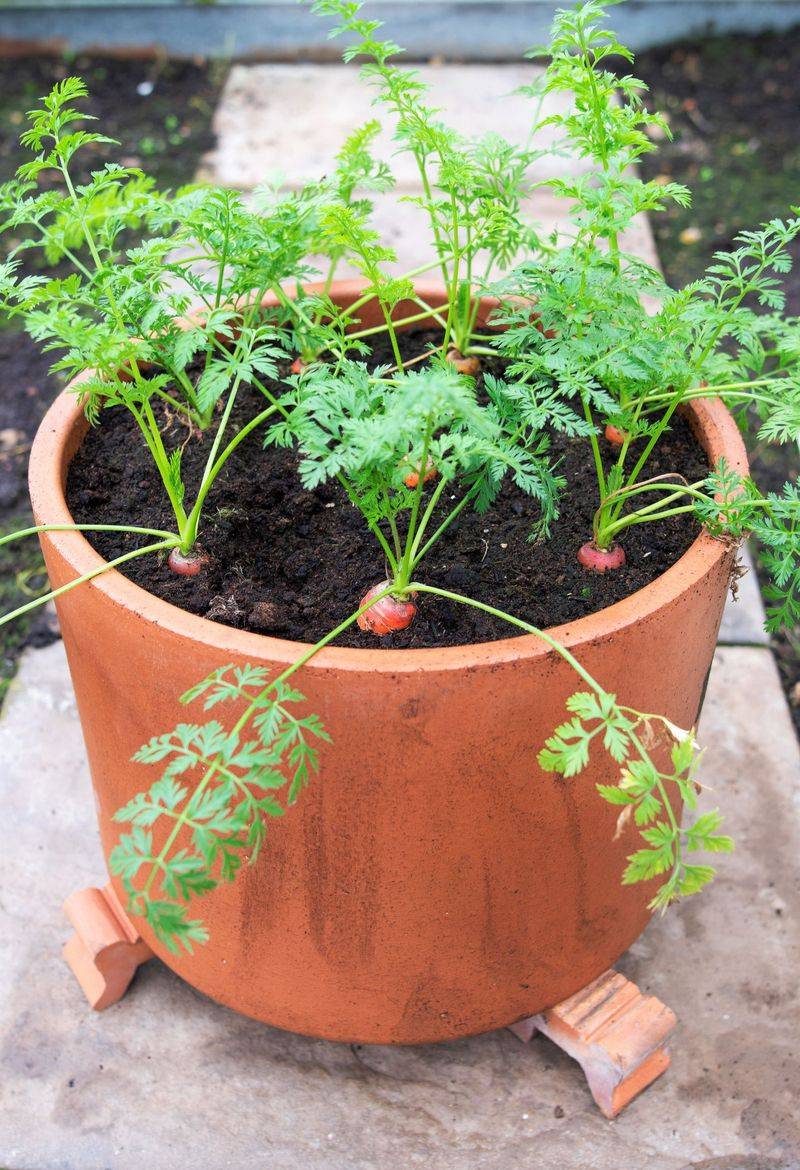
Carrots might seem like a vegetable that needs a lot of space, but shorter varieties prove that idea completely wrong.
Types like Paris Market, Romeo, and Chantenay are specifically bred to grow in compact spaces and containers, reaching their full size in just 12 to 18 inches of soil depth.
Michigan gardeners who have never tried growing carrots in pots are often amazed by how well these varieties perform with the right setup.
The most important factor for container-grown carrots is soil texture. Carrots need loose, sandy soil that allows their roots to push downward without hitting resistance.
If the soil is too dense or compacted, roots will fork, twist, or stay short and stubby instead of growing straight and full. Mixing potting soil with coarse sand or a bag of specialty root vegetable mix creates the ideal growing environment inside a deep container.
Plant carrot seeds about half an inch deep and thin seedlings to about two inches apart once they sprout. Michigan’s cool spring and fall temperatures are ideal for carrot development, as roots actually develop better flavor when they mature in cooler soil.
Most container carrot varieties are ready to harvest in 60 to 80 days, and pulling them fresh from your own pot is one of the most satisfying moments in a Michigan gardener’s season.
Sweet, crunchy, and completely homegrown, these little roots are absolutely worth growing.
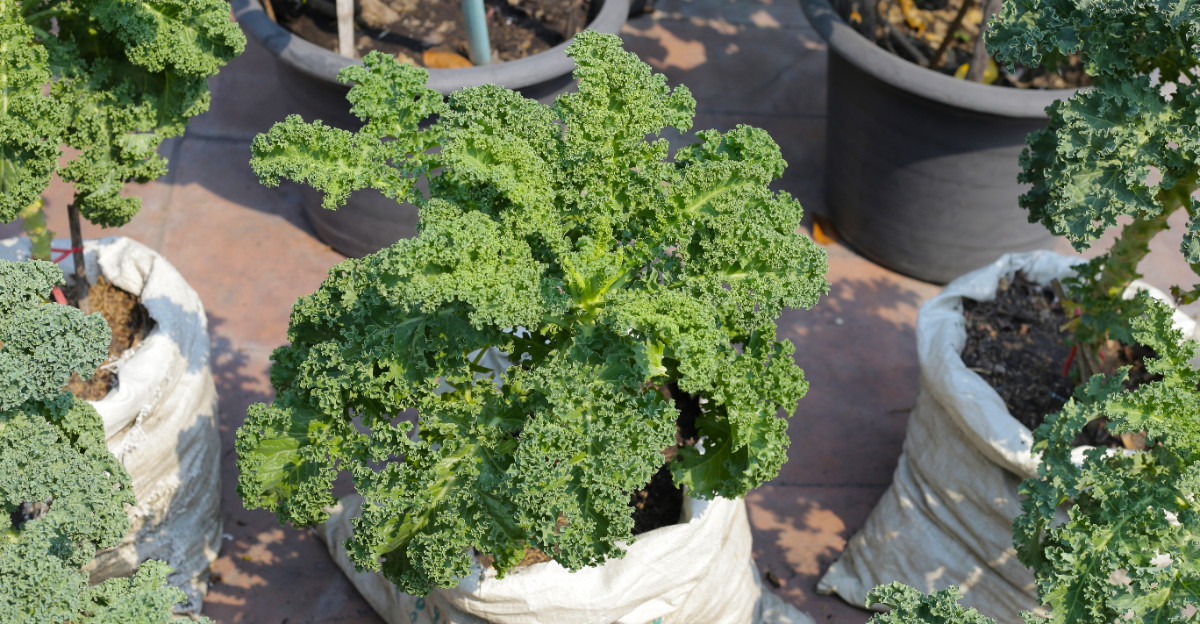
9. Kale
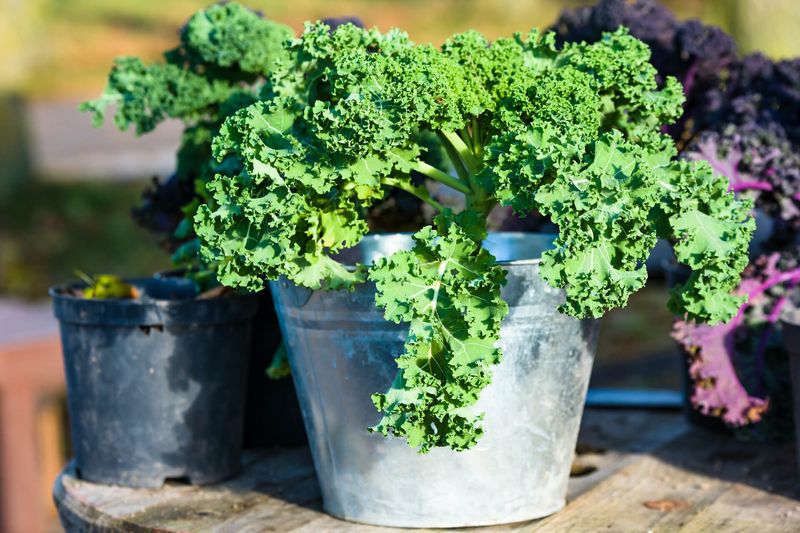
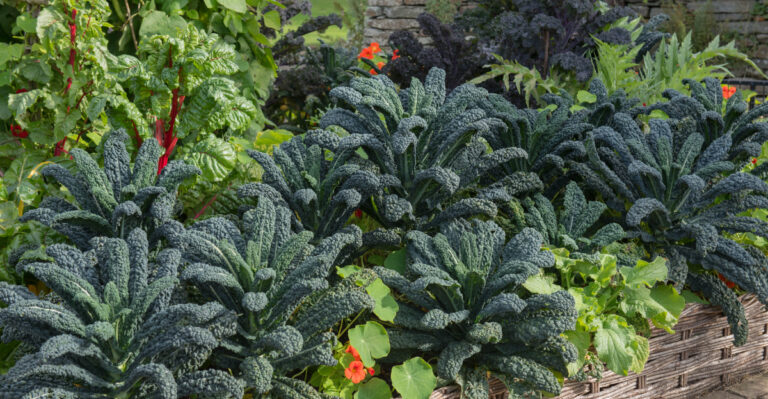
Kale has earned its reputation as one of the toughest and most rewarding vegetables a Michigan gardener can grow in a small space.
This leafy green actually gets better as the weather cools down, developing a sweeter, more mellow flavor after Michigan’s first light frost touches the leaves.
Few vegetables can make that claim, which makes kale uniquely valuable for extending your harvest well into autumn when most other plants have finished for the year.
Medium-sized containers work perfectly for kale, and the plant does not need an enormous amount of root space to thrive.
A pot that is at least 12 inches deep and wide gives the roots enough room to anchor the plant firmly while the large, ruffled leaves spread outward above.
Varieties like Lacinato, also called Dinosaur Kale, and Red Russian are both excellent choices for container growing in Michigan’s variable climate.
One of the best habits to develop with container kale is regular harvesting. Picking outer leaves consistently encourages the plant to keep pushing out new growth from the center, which means one plant can keep producing for months rather than weeks.
Start harvesting when leaves are about the size of your hand for the best flavor and tenderness.
Place your container in a spot with full sun during spring and partial shade during warmer stretches to keep the plant growing strong throughout Michigan’s entire cool-season gardening window.