20 Louisiana Plants Perfect For Propagation From Cuttings
Louisiana is a gardener’s paradise!
Its warm, humid climate and rich soil make it perfect for growing plants from cuttings. From bayous to backyard gardens, the Pelican State is full of plants that root quickly and thrive with minimal care.
Propagating from cuttings is one of the easiest and most budget-friendly ways to grow more of the plants you already love.
Instead of buying new ones, you can turn a single healthy plant into several more with just a few simple steps. It is an easy gardening trick that saves money, wastes less, and helps fill your garden or containers faster.
Some of the most reliable plants are also the easiest to propagate from cuttings, making them perfect for gardeners who want more for less.
1. Crape Myrtle
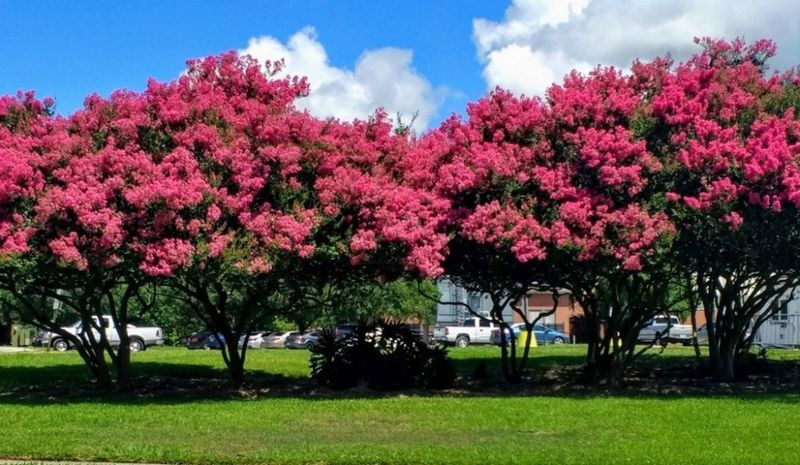
Few plants capture a Louisiana summer like crape myrtle. Its pink, red, or white blooms light up streets and yards all season.
Softwood cuttings taken in late spring or early summer root surprisingly fast. Snip a 6-inch cutting just below a leaf node, strip the lower leaves, and plant it in moist potting mix.
Keep the soil consistently damp and place the cutting in bright, indirect light. Within a few weeks, you’ll have a brand-new tree ready to brighten your landscape for years to come.
2. Gardenia
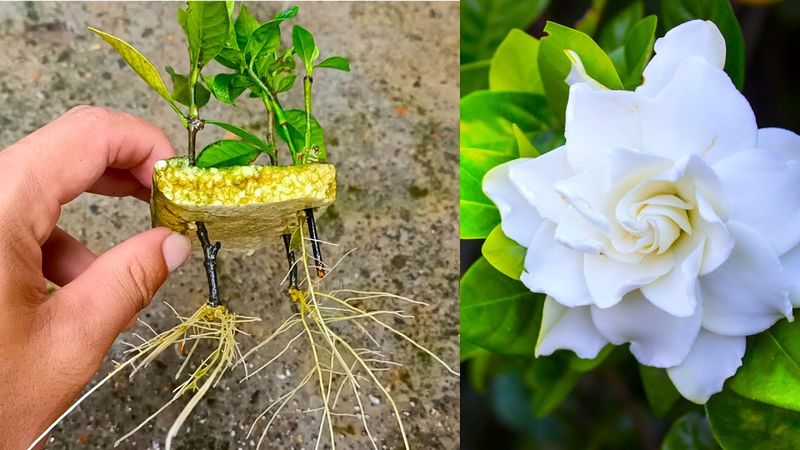
Gardenias have been a garden favorite for generations. Even better, they are surprisingly easy to propagate.
Take 4-to-6-inch stem cuttings in late spring, just after the blooming season wraps up. Remove the lower leaves, dip the cut end in rooting hormone, and push it into a well-draining mix of perlite and peat.
Gardenias love humidity, which makes muggy climate a natural advantage. Cover your cutting with a clear plastic bag to trap moisture, and roots should appear within four to six weeks.
3. Confederate Jasmine
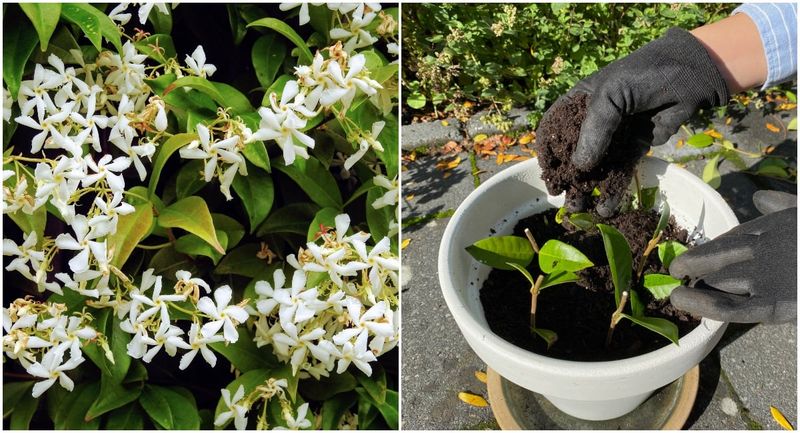
Confederate jasmine is basically sweetheart vine, filling fences and trellises with sweet-smelling white blossoms every spring.
Propagating it from cuttings is almost foolproof. Snip a 4-to-6-inch semi-hardwood cutting in summer, remove the bottom leaves, and dip it in rooting hormone before planting in a moist, well-draining mix.
Warmth and humidity are this vine’s best friends, and Louisiana has both in abundance. Place your cutting in a shaded spot outdoors or on a bright windowsill, and you’ll see roots forming in just a few weeks with minimal effort.
4. Wax Myrtle
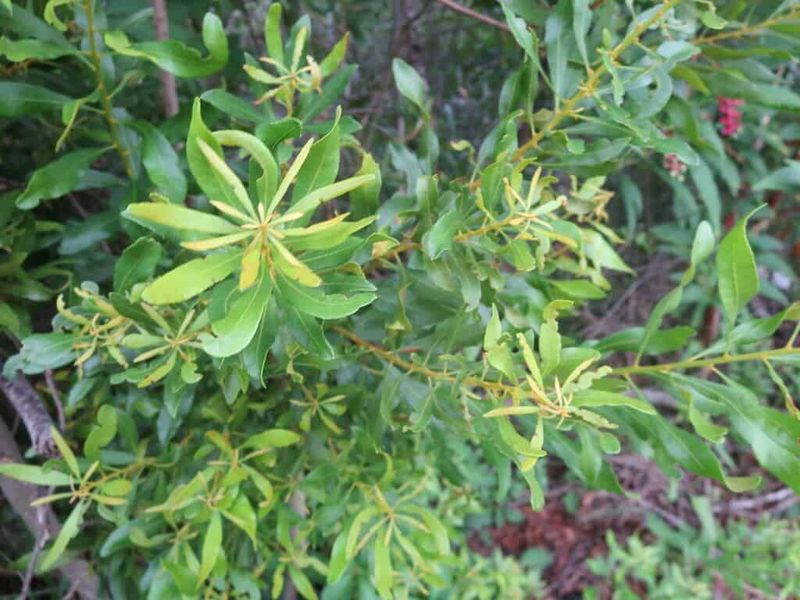
Reliable, hardy, and native, wax myrtle is a smart choice for gardens. It also propagates easily from cuttings with very little effort.
Grab semi-hardwood cuttings in mid-to-late summer, cutting just below a leaf node on a healthy stem. Strip the lower half of leaves, apply rooting hormone, and stick the cutting into a mix of perlite and coarse sand.
This plant thrives in coastal and inland environments alike, making it a smart, eco-friendly choice for any garden. Keep the soil moist and provide partial shade until strong roots develop, usually within four to eight weeks.
5. Firebush
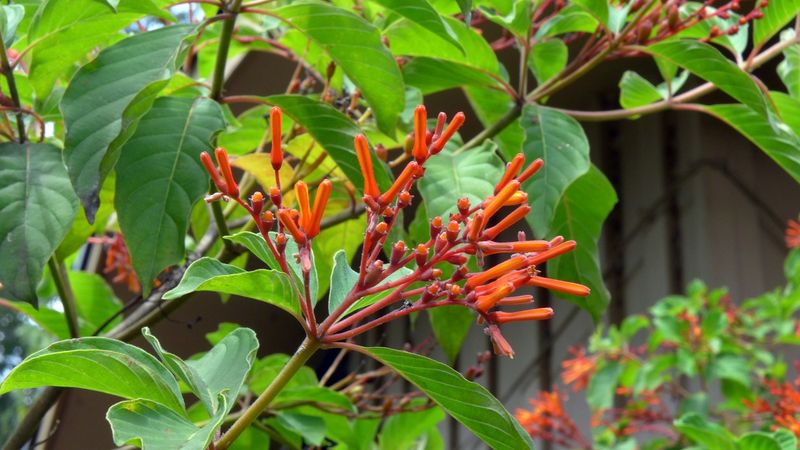
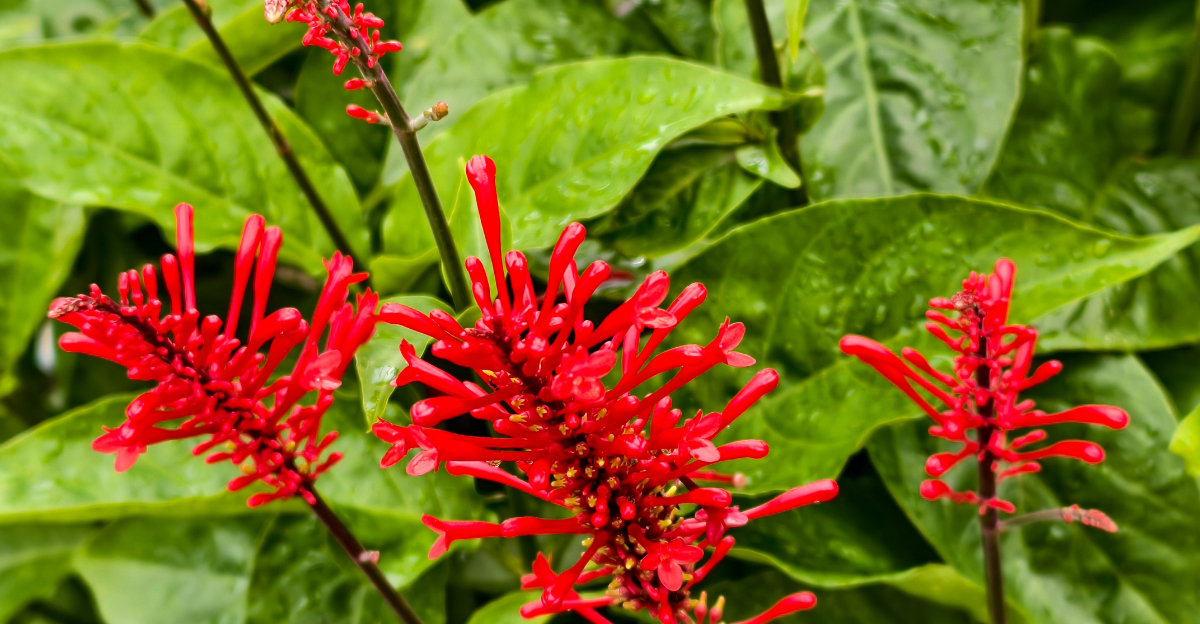
How do you add bold color to a garden in the heat of summer? Firebush does it with blazing orange-red blooms that hummingbirds love.
Your Louisiana Garden Changes Every Week. Your Plan Should Too.
Gardening in Louisiana changes quickly throughout the season. Every Friday you’ll receive a simple weekly plan showing exactly what to plant, prune, fertilize, harvest, and protect so you never miss the right timing.
Softwood cuttings taken in late spring root quickly in warm conditions. Cut a 4-to-6-inch tip cutting, remove the lower leaves, and plant in a well-draining potting mix with a little rooting hormone for a boost.
Louisiana’s long, hot growing season gives firebush plenty of time to establish strong roots before the weather cools. Water regularly but avoid soggy soil, and within a month you’ll have a vibrant new plant ready for the garden.
6. Beautyberry
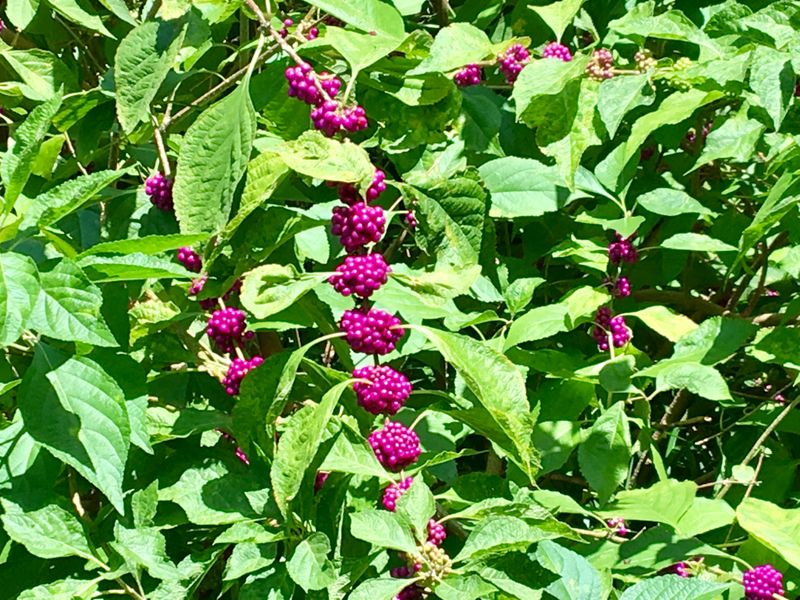
Nothing about beautyberry blends into the background in fall. Its bright purple berries steal the show in woodlands and gardens.
Softwood cuttings taken in early summer are the easiest way to multiply this stunning native shrub. Cut 4-to-6-inch tips from healthy stems, strip the lower leaves, and set them in moist potting mix after dipping in rooting hormone.
Beautyberry is wonderfully low-maintenance once established, thriving in heat and partial shade. Keep cuttings consistently moist and out of direct sun until roots form, which typically happens within three to five weeks.
7. Turk’s Cap
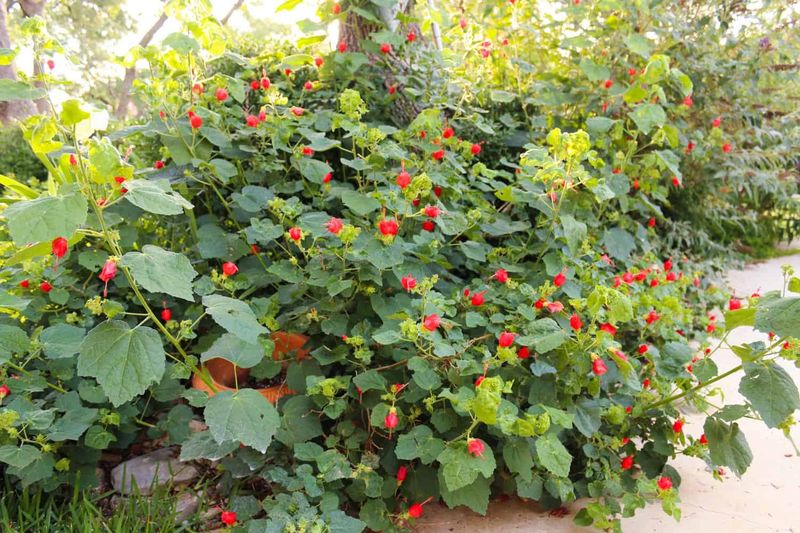
Want a plant that feels effortless in a garden? Turk’s cap grows with ease, and propagating it from cuttings is even simpler than you might expect.
Snip 4-to-6-inch softwood cuttings in spring or early summer, remove the lower leaves, and plant them in a mix of perlite and potting soil. Rooting hormone helps speed things up, but this tough plant often roots even without it.
Butterflies and hummingbirds will thank you for every new plant you grow. Turk’s cap handles humidity and summer heat like a champ, making it a must-have for any pollinator-friendly yard.
8. Bougainvillea
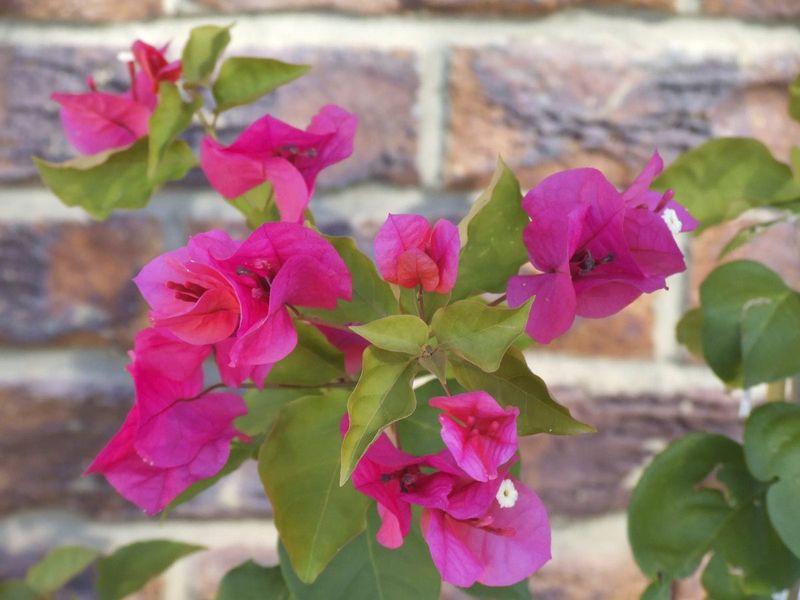
Bougainvillea turns fences, walls, and trellises into works of art with its stunning, papery blooms, and it actually roots well from cuttings in warm climate.
Take hardwood cuttings in late fall or softwood cuttings in spring, each about 6 inches long. Remove lower leaves, dip in rooting hormone, and plant in a fast-draining mix of sand and potting soil.
Bougainvillea hates wet feet, so make sure the pot drains freely. Louisiana summers provide the intense heat and sunlight this tropical beauty craves, helping your new cuttings establish quickly and burst into bloom within the first season.
9. Plumbago
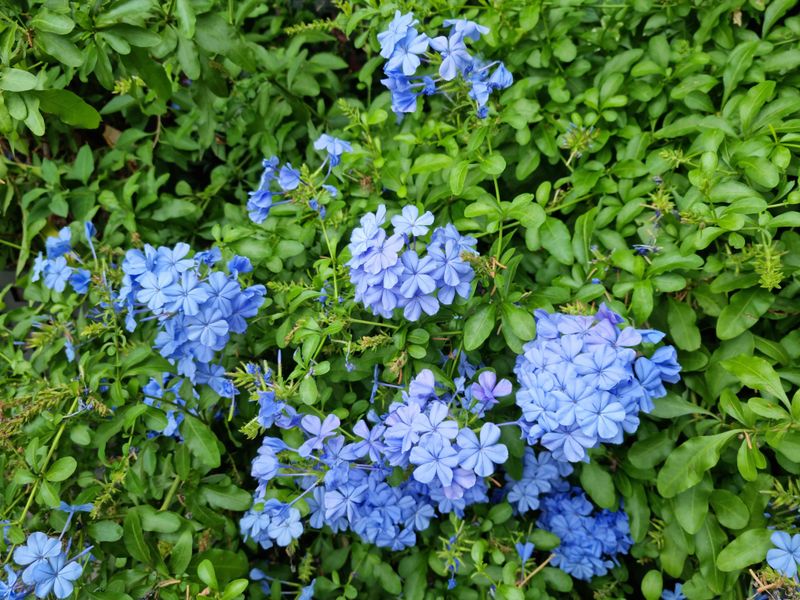
A soft splash of sky blue can brighten a garden for months. Plumbago delivers that color from spring through fall and is easy to propagate too.
Softwood cuttings taken in late spring or summer root reliably in warm, humid conditions. Cut 4-to-5-inch tip cuttings, strip the lower leaves, and plant in moist, well-draining potting mix after applying rooting hormone.
Heat suits plumbago perfectly, helping cuttings establish quickly without much babysitting. Place them in a spot with bright indirect light, water consistently, and expect to see roots and new growth within three to four weeks.
10. Althea (Rose of Sharon)
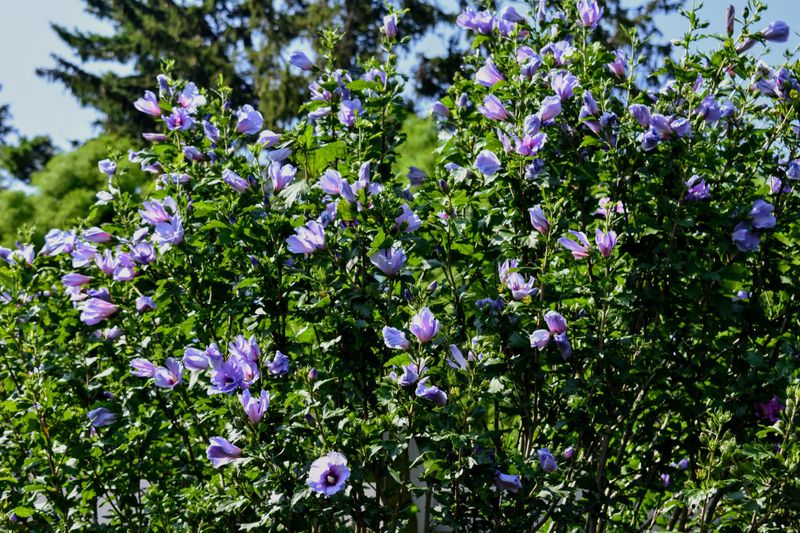
Althea, also called Rose of Sharon, is a cottage-garden classic that thrives in Louisiana’s climate and rewards gardeners with months of cheerful blooms.
Softwood cuttings taken in late spring to early summer are the easiest way to get new plants started. Snip 4-to-6-inch cuttings from healthy, non-flowering stems, remove the lower leaves, and stick them in moist perlite or potting mix after a quick dip in rooting hormone.
Roots develop within four to six weeks in warm, humid air. Once rooted, these plants grow quickly and will be blooming beautifully in your garden before you know it.
11. Tropical Sage (Salvia Coccinea)
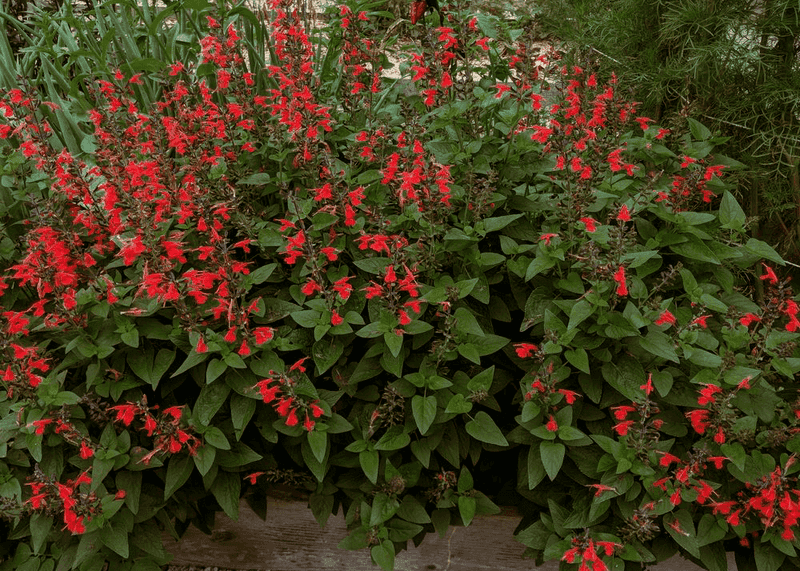
Tropical sage is a garden favorite for good reason: its bold red flower spikes attract hummingbirds and butterflies all season long.
Propagating from softwood cuttings is quick and rewarding. Take 3-to-5-inch cuttings from the tips of healthy stems in late spring, strip the lower leaves, and plant in moist potting mix.
Rooting hormone gives an extra nudge, but this plant is eager to root on its own.
Long warm season means your new plants will have plenty of time to grow and bloom. Expect roots in two to four weeks, and enjoy the hummingbird show all summer.
12. Esperanza (Yellow Bells)
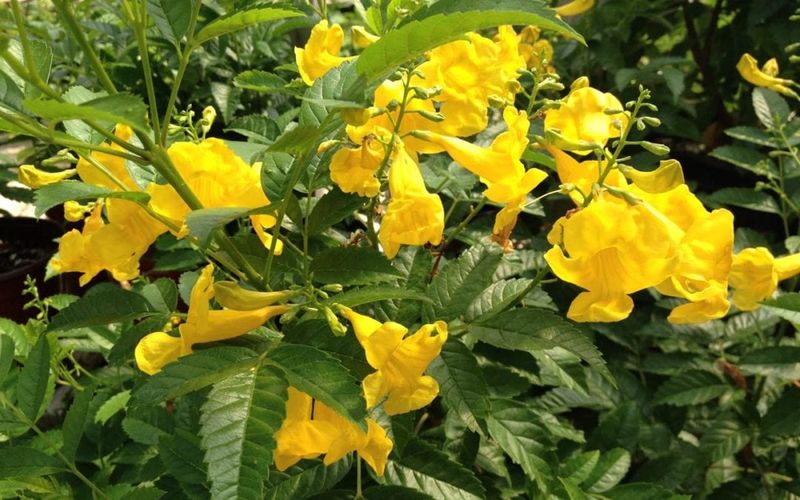
Want to give your garden a tropical look? Esperanza does it with bold, buttery-yellow trumpet flowers that steal the show.
Softwood cuttings taken in late spring root well in warm conditions. Cut 4-to-6-inch stems from healthy new growth, strip the lower leaves, and place in a well-draining potting mix after dipping in rooting hormone.
Heat and sunshine are exactly what this plant craves. Keep cuttings in a warm, bright spot and water moderately to avoid soggy soil.
You’ll have a rooted plant ready to transplant into the garden in about four to six weeks.
13. Camellia
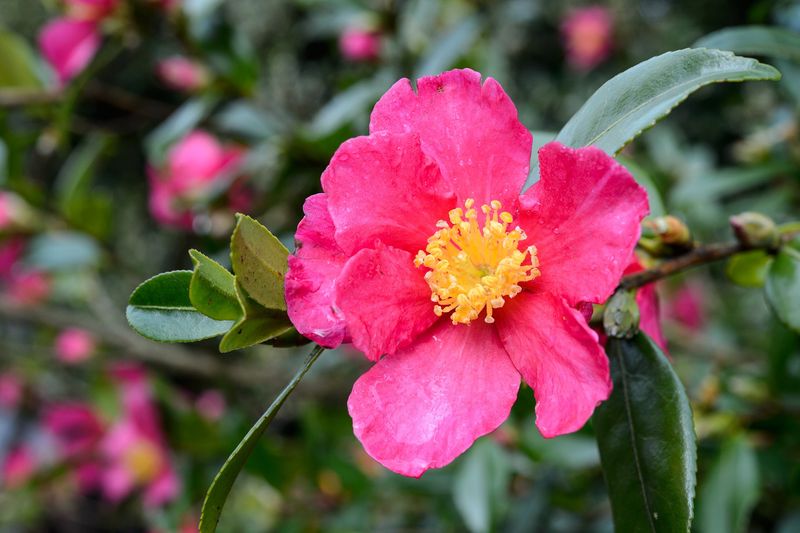
Camellias are practically royalty in gardens, offering gorgeous blooms in winter and early spring when almost nothing else is flowering.
Semi-hardwood cuttings taken in mid-to-late summer give the best results. Cut 4-to-6-inch stems from healthy growth, remove the lower leaves, and dip in rooting hormone before planting in a mix of perlite and peat moss.
Patience is key with camellias since rooting can take two to three months. Keep cuttings in a warm, humid environment, which Louisiana naturally provides.
Mist regularly and avoid direct sun until the roots are strong enough to support new growth.
14. Duranta
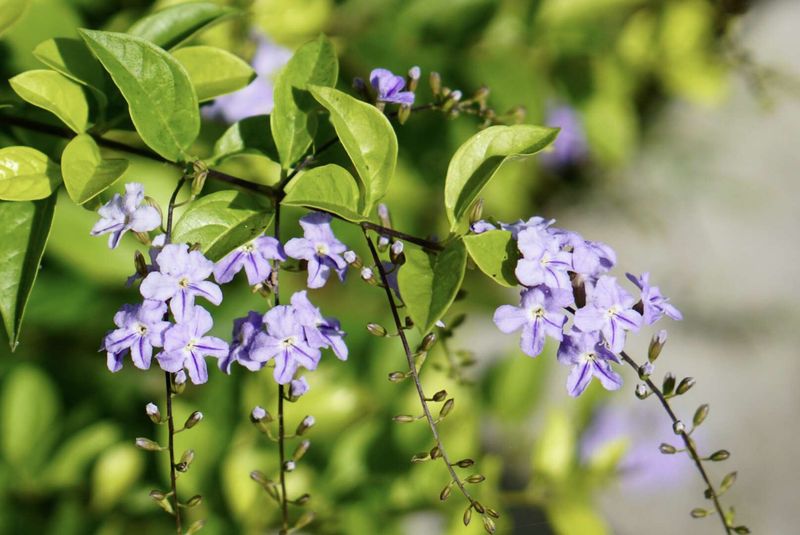
Duranta is one of those plants that makes neighbors stop and ask questions, thanks to its cascading clusters of blue-purple flowers and golden berries.
Softwood cuttings taken in spring or early summer root easily in warm climate. Snip 4-to-6-inch cuttings from healthy stem tips, remove the lower leaves, dip in rooting hormone, and plant in moist, well-draining potting mix.
Heat and humidity create the perfect rooting environment for duranta. Place cuttings in bright, indirect light and keep the soil evenly moist.
Expect roots to form within three to five weeks, and enjoy the beautiful blooms soon after transplanting.
15. Vitex (Chaste Tree)
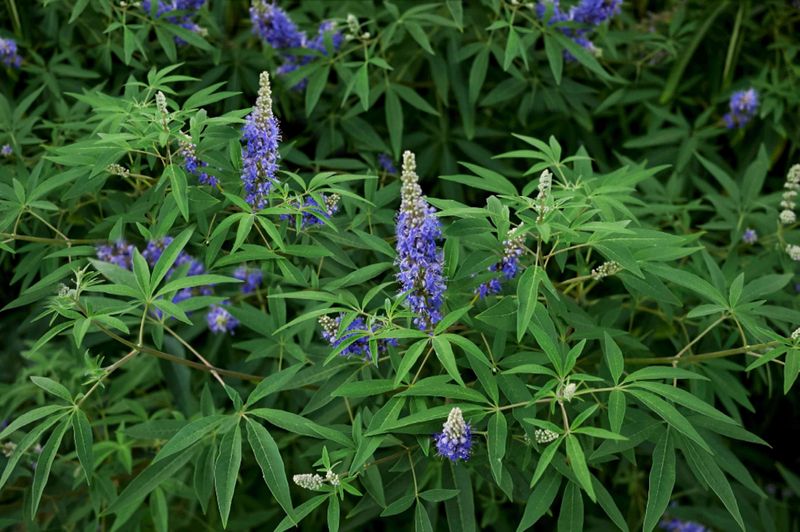
Vitex, the chaste tree, is a heat-loving favorite that produces tall spikes of lavender-purple blooms all summer long, drawing in bees and butterflies by the dozens.
Softwood cuttings taken in late spring root reliably in warm conditions. Cut 4-to-6-inch tips from healthy new growth, strip the lower leaves, and plant in moist perlite or potting mix after applying rooting hormone.
Summers give vitex exactly the warmth it needs to root quickly. Keep cuttings in a bright, sheltered spot and maintain consistent moisture.
Roots typically develop within four to six weeks, producing a vigorous young tree ready to grow.
16. Loropetalum
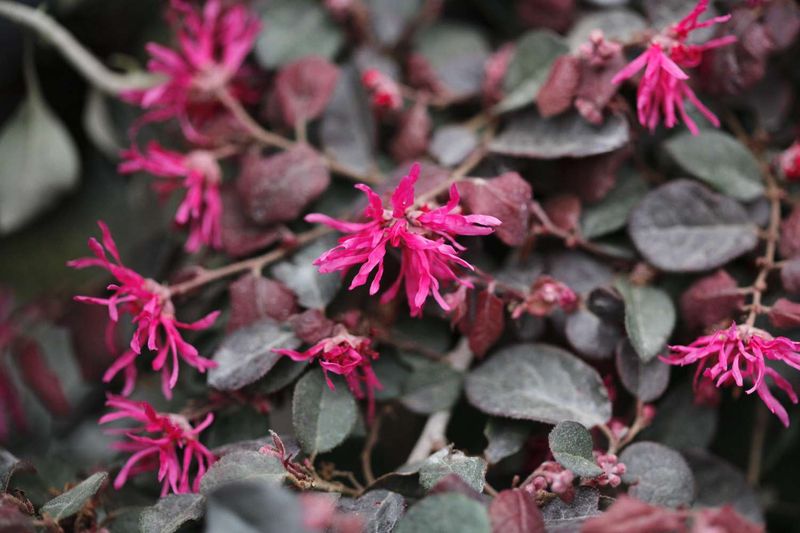
Loropetalum is a standout shrub in landscapes, offering year-round color with its deep burgundy-purple foliage and hot-pink fringe-like flowers in spring.
Semi-hardwood cuttings taken in summer root well with a little patience. Snip 4-to-6-inch cuttings, remove the lower leaves, dip in rooting hormone, and plant in a well-draining mix of perlite and peat.
Cover with a plastic bag to maintain humidity.
Warm nights and mild winters make it an ideal place to establish new loropetalum plants. Roots usually form within six to eight weeks, and the resulting shrubs grow quickly into lush, colorful additions to any yard.
17. Banana Shrub (Michelia Figo)
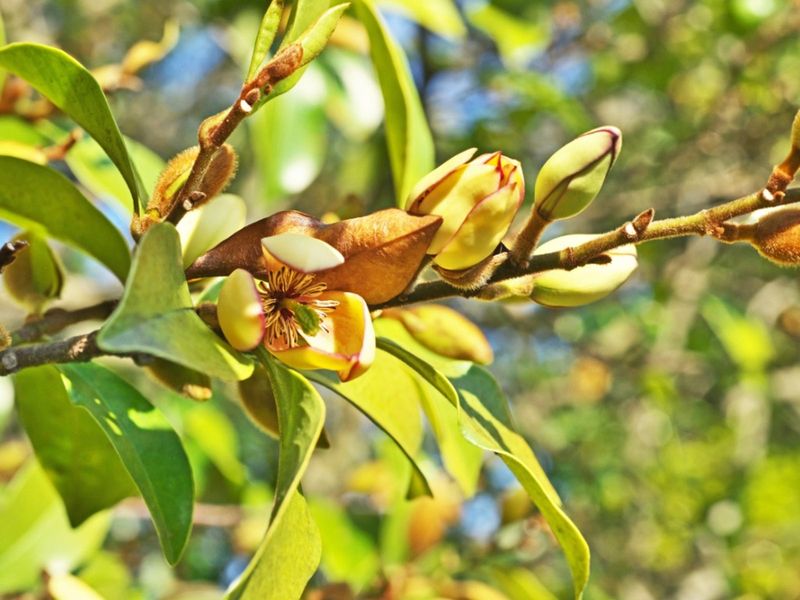
If you’ve ever caught a whiff of ripe banana drifting through a garden on a warm afternoon, chances are there’s a banana shrub nearby.
Michelia figo roots from semi-hardwood cuttings taken in summer. Cut 4-to-6-inch stems from healthy growth, strip the lower leaves, dip in rooting hormone, and plant in a mix of perlite and potting soil in a humid spot.
Louisiana’s climate suits this fragrant evergreen beautifully. Cuttings typically root within six to ten weeks.
Once established, banana shrub grows into a dense, attractive hedge that perfumes the entire yard every time the breeze picks up.
18. Passionflower
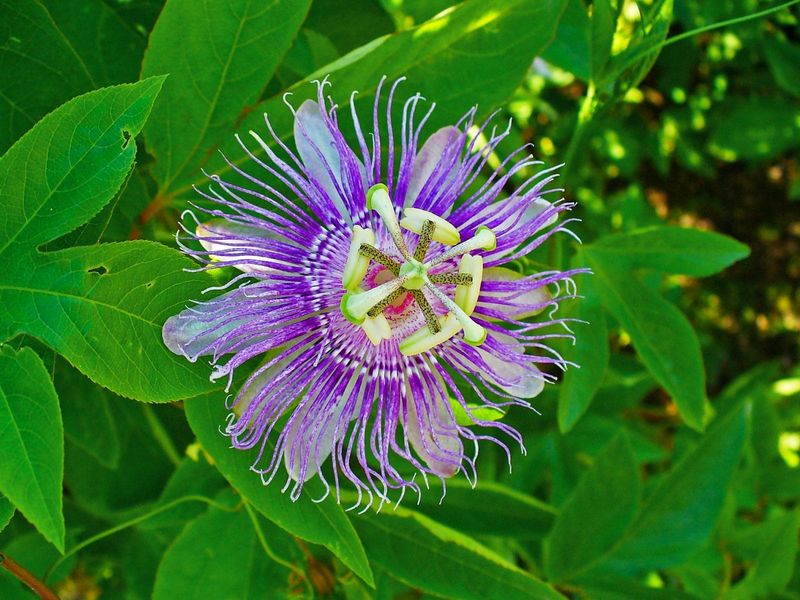
Louisiana’s native passionflower is one of the most jaw-dropping vines you can grow, with its alien-looking purple and white blooms that seem almost too exotic to be real.
Softwood cuttings taken in spring or early summer root quickly in warm, moist conditions. Snip 4-to-6-inch tip cuttings, remove the lower leaves, and plant in moist potting mix after dipping in rooting hormone.
Passionflower is also the host plant for gulf fritillary butterfly caterpillars, making it a double win for gardeners. Roots develop within three to five weeks, and vines grow fast once established, quickly covering fences and trellises.
19. Elderberry
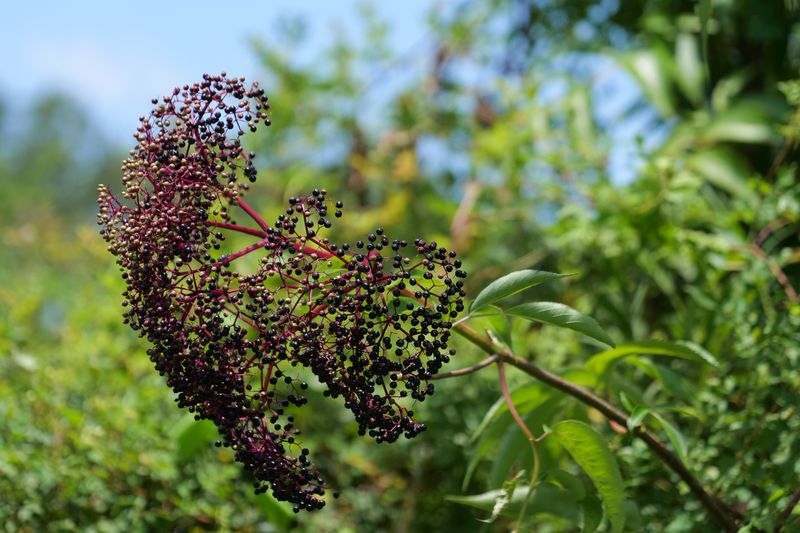
Elderberry is becoming a favorite in gardens for good reason. Its airy white flowers, dark berries, and wellness appeal give it plenty of charm.
Hardwood cuttings taken in late winter or early spring root with impressive ease. Cut 6-to-8-inch sections of healthy stems, plant them directly in moist soil or potting mix, and keep them consistently watered in a sheltered spot.
Mild winters and warm springs make elderberry propagation straightforward. Roots develop quickly, often within three to four weeks.
Once established, elderberry grows vigorously and can reward you with flowers and berries within the very first season.
20. Oleander
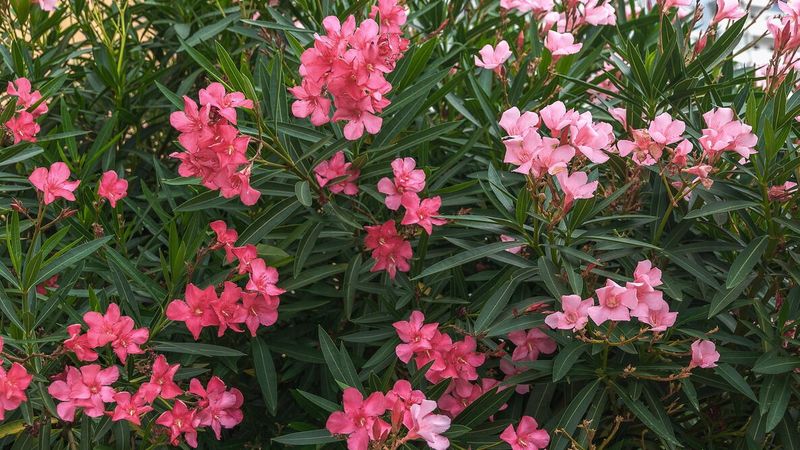
Oleander is practically indestructible, thriving in the heat, salt air, and occasional drought that would challenge most other flowering shrubs.
Propagating oleander from cuttings is wonderfully simple. Take 6-to-8-inch stem cuttings in summer, remove the lower leaves, and place them in a glass of water or directly in moist sand.
Roots often appear within two to three weeks without any rooting hormone needed.
Gardeners have relied on oleander for generations to create fast-growing, colorful hedges and borders. Once rooted, transplant into well-draining soil in a sunny spot and watch it take off with almost no extra effort from you.