10 Beginner-Friendly Plants For Michigan Gardeners
Spring in Michigan has a way of pulling everyone outdoors. The snow has finally melted, the soil is workable, and the first hints of green begin to show.
Many gardeners remember the excitement of those early spring days – checking garden beds, brushing off debris, and wondering which plants will thrive this season.
For beginners, starting with plants that are low-maintenance, hardy, and forgiving can make the gardening experience more enjoyable.
These plants don’t demand constant attention, allowing you to focus on the simple pleasures of planting, watering, and watching growth unfold.
Choosing the right varieties also helps ensure success even if you’re new to gardening or only have a few hours each week to tend your yard.
If you want a garden that looks full and vibrant without being overwhelming, these beginner-friendly Michigan selections provide dependable color, texture, and growth, helping you create a welcoming outdoor space that you’ll enjoy all season long.
1. Black‑Eyed Susan With Sunny Blooms
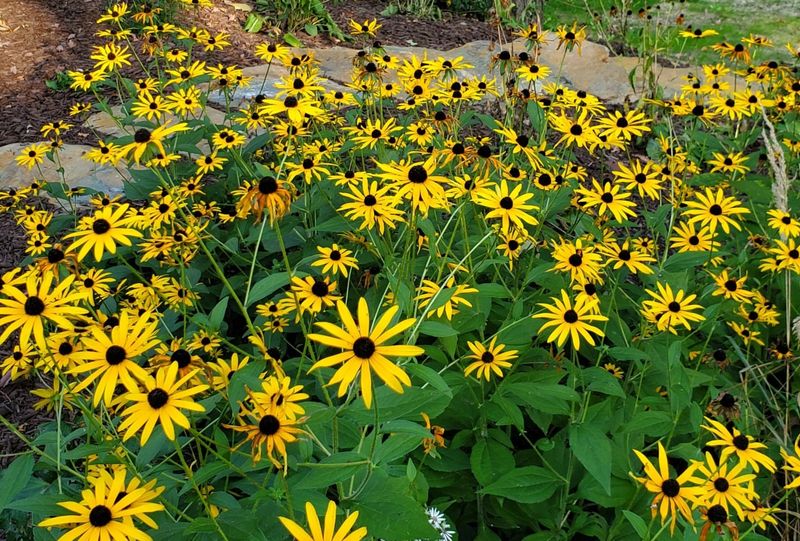
Few plants say “Michigan summer” quite like the cheerful Black-Eyed Susan. With its bold yellow petals surrounding a rich, dark brown center, this native perennial is one of the most recognizable wildflowers across the state.
It blooms from July all the way through October, giving your garden a long stretch of color when many other plants have already faded.
Black-Eyed Susans grow well in full sun and well-drained soil, making them an excellent low-maintenance choice for beginner gardeners. They are extremely drought-tolerant once established, so you won’t need to water them constantly.
Plant them along borders, in meadow-style beds, or even in containers for a cheerful pop of color anywhere in your yard.
One of the best things about this plant is how much it supports local wildlife. Bees, butterflies, and other pollinators absolutely love the nectar-rich blooms.
Even after the flowers fade, the seed heads attract goldfinches and other birds through the fall and winter months. Hardy in Michigan’s zones 3 through 9, Black-Eyed Susans are practically built for life here in the Great Lakes State.
2. Coneflower Attracting Butterflies
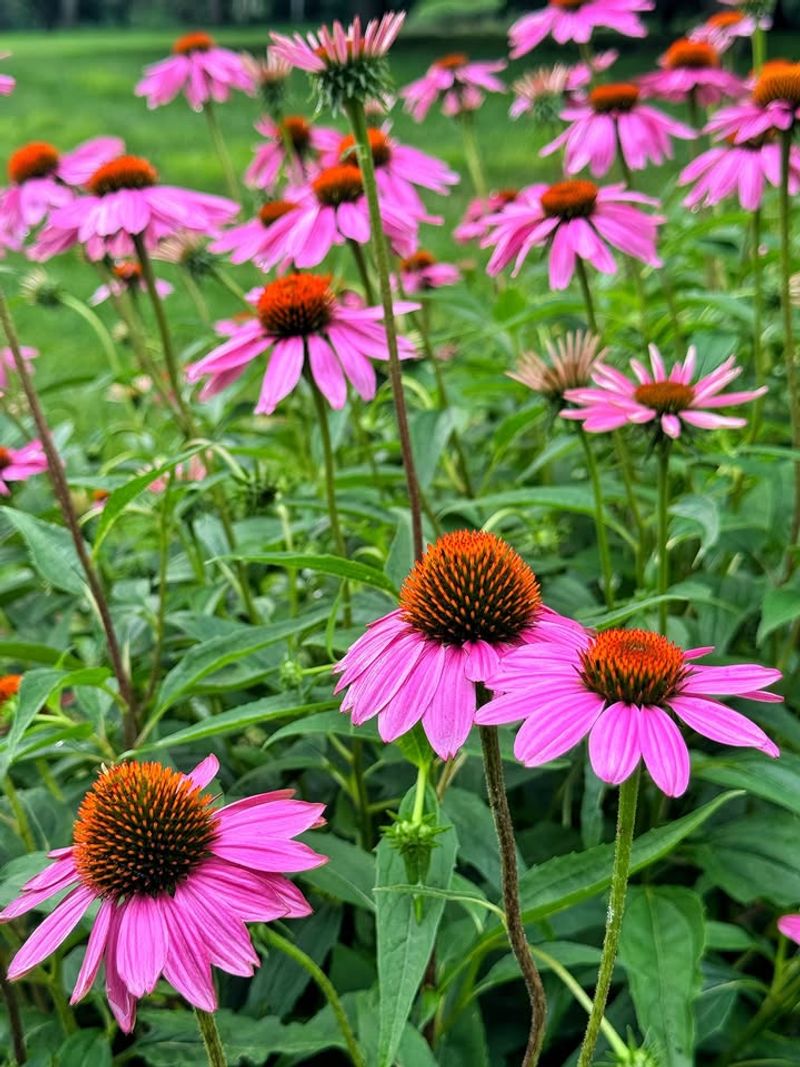
Also known as Echinacea, coneflower is one of those plants that earns its place in any Michigan garden through sheer toughness and beauty. The signature drooping pink-to-purple petals surrounding a spiky orange-brown cone make it instantly recognizable.
Blooming from June through August, it brings a long season of color and charm to borders, raised beds, and pollinator gardens across the state.
Growing coneflowers is refreshingly simple. They prefer full sun to partial shade and do well in average, well-drained soil.
Once established, they are remarkably drought-resistant, meaning you can step back and let nature do most of the work. Michigan’s climate, particularly zones 4 through 8, provides ideal conditions for growing coneflowers.
Butterflies and bees flock to coneflowers throughout the blooming season, making them a star player in any pollinator-friendly garden. Fun fact: Echinacea has been used in herbal medicine for centuries, often credited with immune-supporting properties.
After the blooms fade, leave the seed heads standing through fall and winter. Birds like chickadees and finches will thank you for the easy snack, and you’ll enjoy the added garden texture even in the colder Michigan months.
Your Michigan Garden Changes Every Week. Your Plan Should Too.
Gardening in Michigan changes quickly throughout the season. Every Friday you’ll receive a simple weekly plan showing exactly what to plant, prune, fertilize, harvest, and protect so you never miss the right timing.
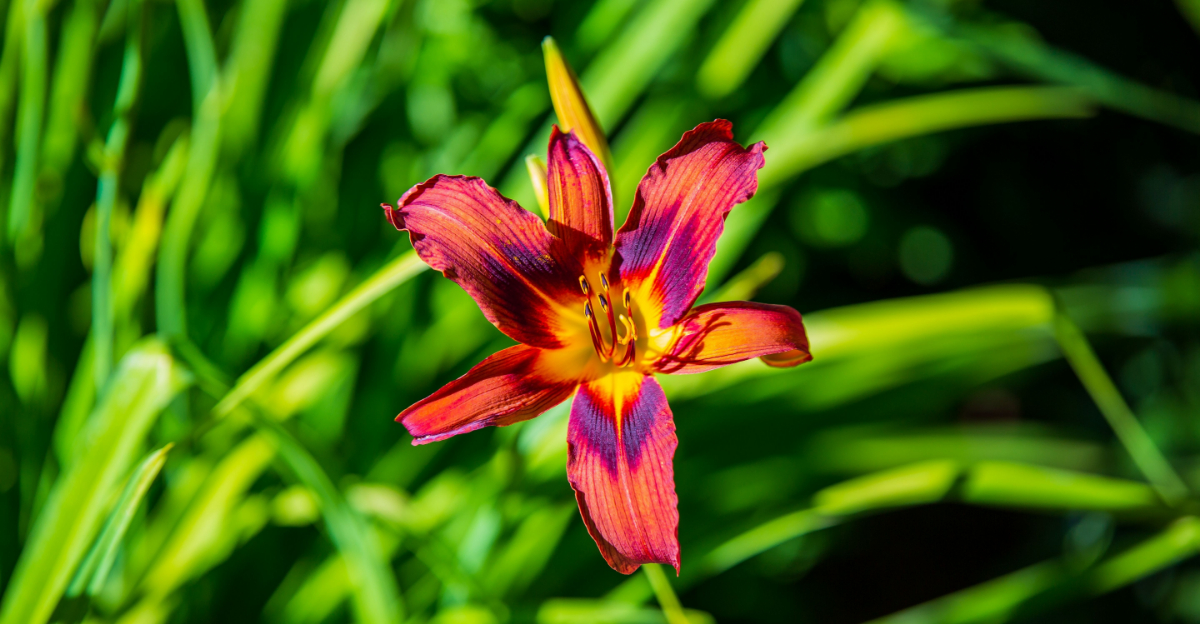
3. Daylily With Vibrant Flowers
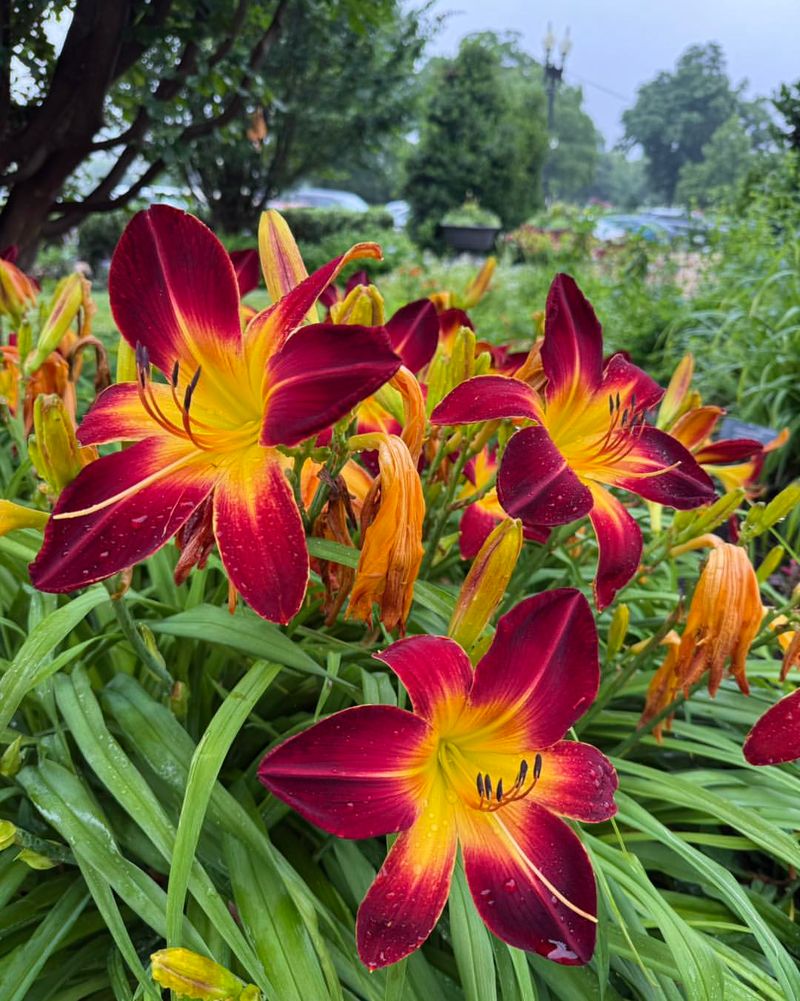
Tough, adaptable, and stunning, they produce trumpet-shaped blooms in shades of orange, yellow, red, pink, and purple throughout the summer months. Each individual flower lasts just one day, but the plant produces so many buds that you’ll enjoy weeks of continuous color.
That’s where the name “daylily” comes from, and it’s a charming quirk that makes them even more interesting to grow.
One reason beginners love daylilies so much is how little attention they need. They perform well in full sun to partial shade and tolerate a variety of soil types, from sandy to clay-heavy soils.
Michigan gardeners in zones 3 through 9 can plant them with confidence, knowing they’ll come back stronger each spring without much intervention.
Daylilies spread naturally over time, filling in empty spaces and creating lush, full garden beds. You can divide clumps every few years to share with neighbors or expand your own planting.
They also work beautifully as a ground cover on slopes, helping prevent soil erosion. Whether you’re starting your very first garden or adding to an established one, daylilies are a reliable, rewarding choice for any Michigan yard.
4. Hosta With Lush Leaves
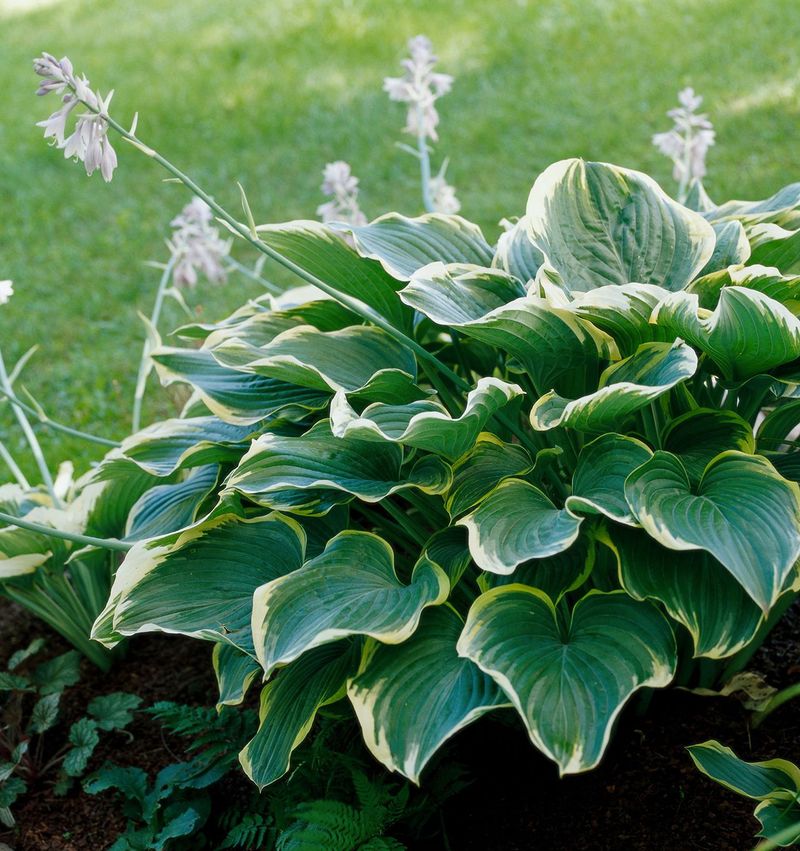
Shady spots in the garden can feel like a challenge, but hostas turn that problem into an opportunity. Known for their stunning, textured foliage in shades of green, blue-green, gold, and variegated patterns, hostas are the royalty of the shade garden.
They thrive in areas where most other plants struggle, making them an absolute lifesaver for Michigan gardeners dealing with tree-heavy yards or north-facing beds.
Hostas are generally low-maintenance and easy to care for in suitable conditions. They prefer moist, well-drained soil and do best in partial to full shade, though some varieties can handle more sun if they receive enough water.
Michigan’s climate, with its reliable spring rains and moderate summers, provides near-ideal growing conditions for hostas across most of the state’s hardiness zones.
Beyond their foliage, hostas also produce tall flower stalks with delicate lavender or white blooms in midsummer, adding an unexpected bonus of color. They come in an enormous range of sizes, from tiny miniature varieties to giant types with leaves as wide as a dinner plate.
Slugs can occasionally be a nuisance, but a layer of coarse mulch around the base helps deter them. For any beginner gardener in Michigan, hostas are a must-have addition to shaded spaces.
5. Yarrow With Colorful Clusters
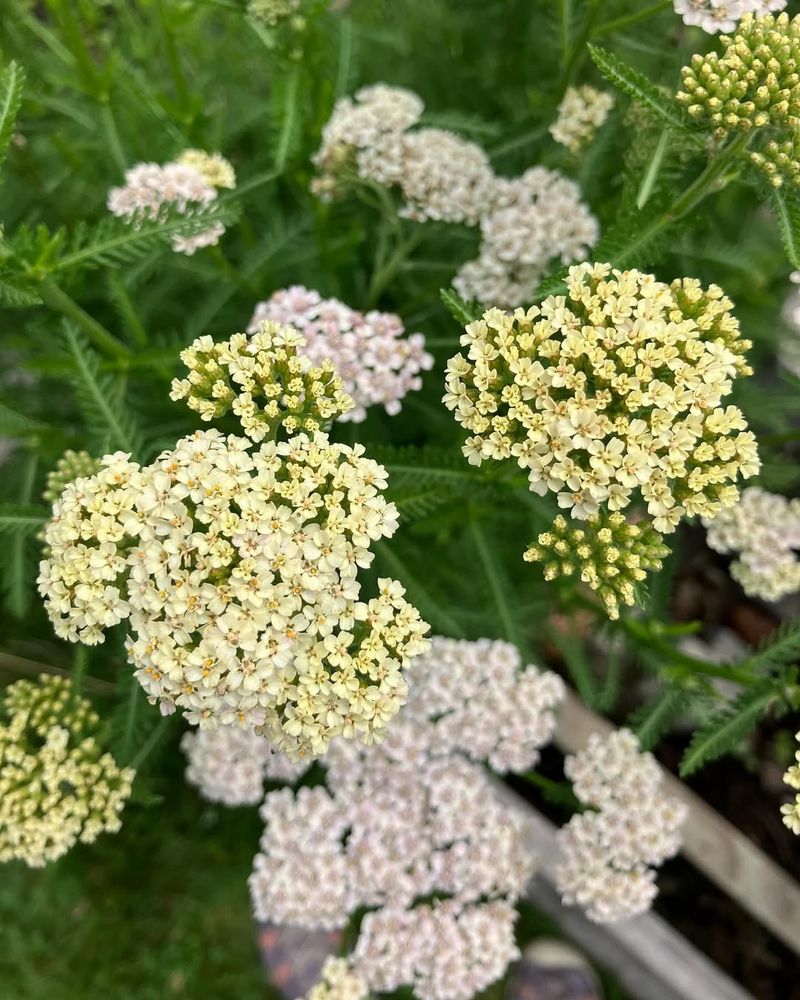
This adaptable perennial produces flat-topped clusters of tiny flowers in shades of yellow, white, pink, and red, creating a soft, cottage-garden look that feels both natural and intentional. Blooming from June through September, yarrow offers one of the longest flowering seasons of any plant on this list.
From a care standpoint, yarrow is almost foolproof. It thrives in full sun and prefers dry to medium, well-drained soil.
Overly rich or wet soil can actually cause it to flop over, so lean soil suits it just fine. Michigan gardeners in zones 3 through 9 will find that yarrow establishes quickly and spreads steadily over time, filling in garden beds with minimal effort on your part.
Pollinators, especially bees and butterflies, are huge fans of yarrow’s nectar-packed flower heads. The dried flower clusters also hold their color beautifully, making yarrow a popular choice for dried flower arrangements.
Did you know yarrow has been used medicinally for thousands of years? Ancient Greeks reportedly used it to help treat wounds on the battlefield.
Today, it’s simply a beautiful, tough plant that asks very little and gives back a lot to any Michigan garden.
6. Sedum With Hardy Foliage
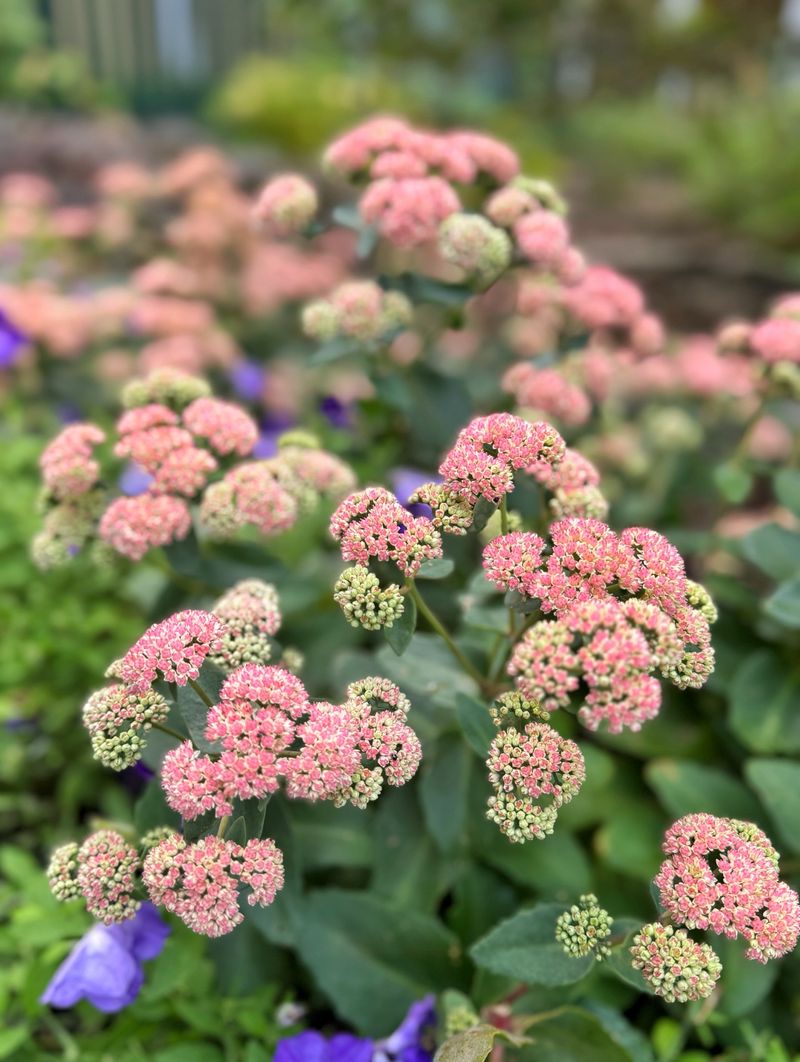
If you’ve ever forgotten to water a plant for a week or two and felt terrible about it, sedum is about to become your new best friend. Also known as stonecrop, sedum is a succulent perennial that stores water in its thick, fleshy leaves, making it incredibly drought-tolerant.
It’s one of the most forgiving plants a Michigan beginner could possibly choose, thriving in full sun and poor, well-drained soil where other plants simply give up.
Sedum is available in a variety of sizes and growth forms. Low-growing varieties creep along the ground and work wonderfully in rock gardens, between stepping stones, or along the edges of pathways.
Upright varieties like the popular ‘Autumn Joy’ grow into tidy mounds that produce large, rosy-pink flower heads in late summer and fall, right when many other Michigan garden plants are winding down for the season.
The fall color show is one of sedum’s most impressive qualities. As temperatures drop, the flower heads deepen from pink to a rich coppery-red, and the foliage often takes on warm reddish tones as well.
Bees and butterflies love the late-season blooms, and if you leave the seed heads standing through winter, they add beautiful structure to your Michigan garden even under a light dusting of snow.
7. Lupine With Eye-Catching Spikes
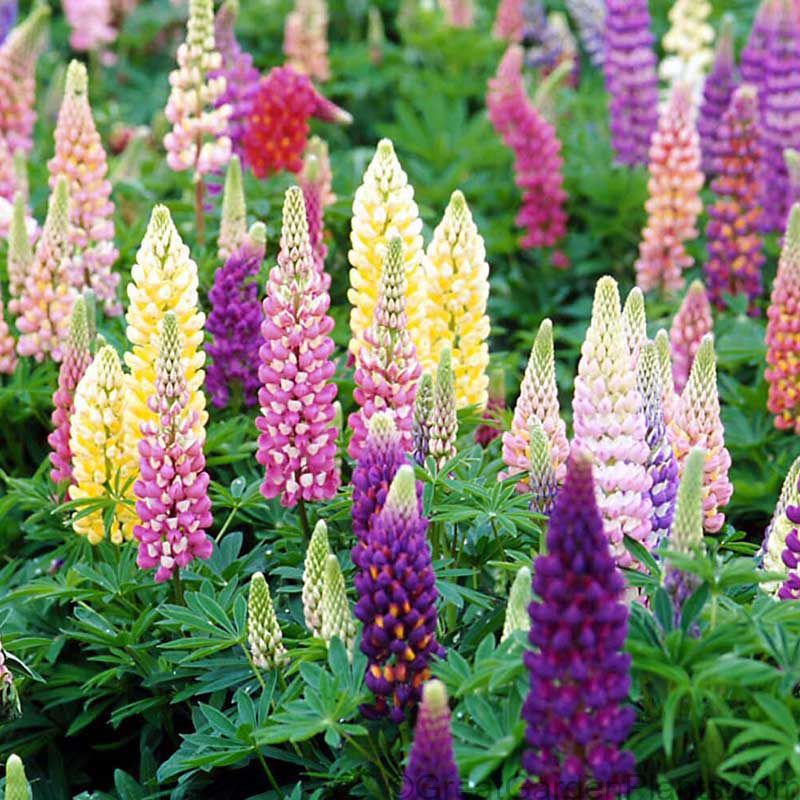
Walking past a garden full of lupines in bloom is one of those genuinely breathtaking moments that makes you want to stop and stare. Their tall, dramatic spikes of pea-like flowers in shades of purple, pink, blue, yellow, and white create a bold vertical display unlike anything else in the spring garden.
Lupines typically bloom in late May through June in Michigan, bridging the gap between early spring bulbs and summer perennials beautifully.
Lupines prefer cool weather, full sun to light shade, and slightly acidic, well-drained soil. Michigan’s cooler spring temperatures in zones 4 through 6 suit them especially well, particularly in the northern parts of the state.
They don’t love being moved once established, so choose your planting spot thoughtfully and let them settle in for a few seasons.
An interesting quality of lupines is that they are nitrogen-fixers, meaning their roots work with soil bacteria to pull nitrogen from the air and add it back into the ground. This actually improves the soil over time, benefiting neighboring plants in your Michigan garden.
Lupines can be grown from seed or transplants and may self-seed, creating colorful drifts that return year after year.
8. Bee Balm With Fragrant Blooms
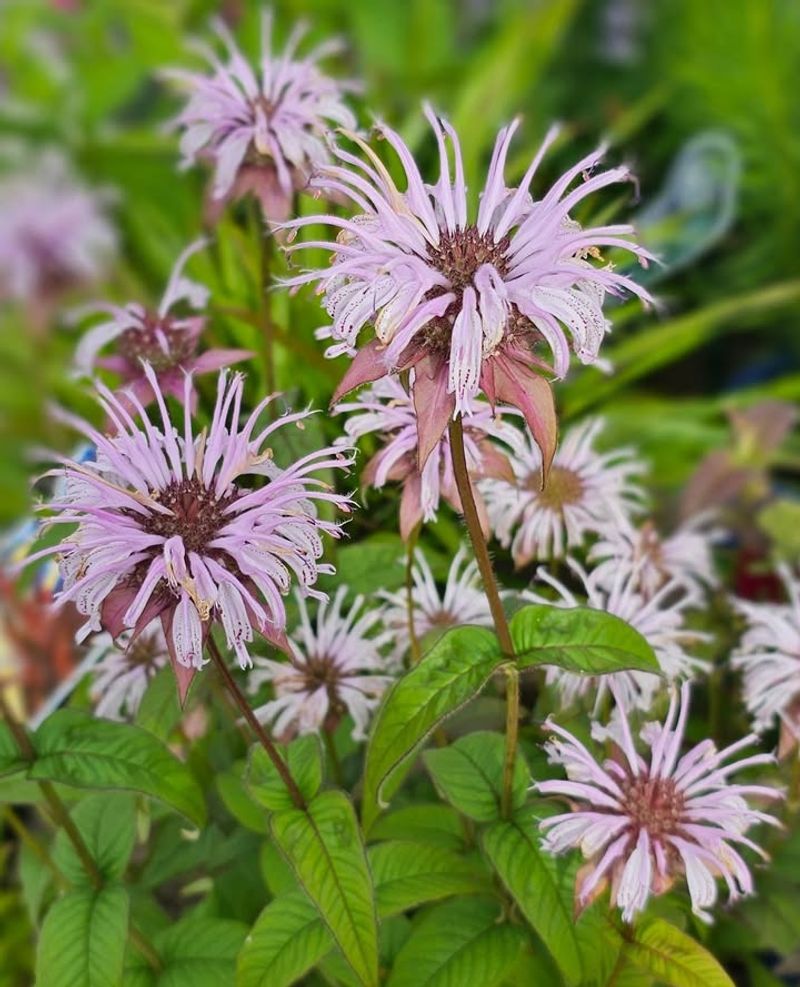
With its wild, spiky flower heads in shades of red, pink, purple, and white, bee balm has an almost exotic look that draws attention from across the yard. It belongs to the mint family, and if you crush a leaf between your fingers, you’ll catch a lovely, herbal fragrance that explains why it has been used in teas and cooking for generations.
Blooming from July through August, bee balm adds vibrant color and attracts pollinators during mid-summer. It grows best in full sun to partial shade and prefers moist, fertile soil.
Michigan’s naturally humid summers in many parts of the state suit bee balm quite well, though good air circulation around the plants helps prevent powdery mildew, which can occasionally be a concern.
Beyond hummingbirds, bee balm attracts butterflies, native bees, and sphinx moths, making it one of the most wildlife-friendly plants you can grow in Michigan. It spreads gradually through underground runners, so you can divide clumps every few years to keep it tidy and share extras with friends.
Plant it near a patio or window where you can watch the parade of pollinators up close all summer long.
9. Astilbe With Feathery Plumes
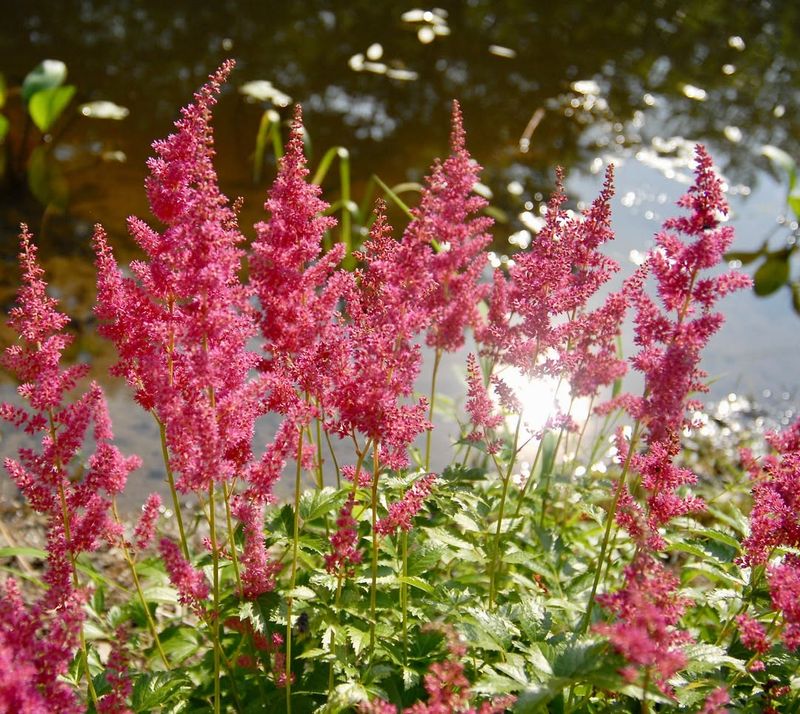
Astilbe adds elegance and structure to shaded Michigan gardens. Its feathery, plume-like flower spikes rise above finely textured, fern-like foliage in shades of white, pink, red, lavender, and coral.
Few plants can match this level of elegance in a low-light setting, and the fact that astilbe is also incredibly easy to grow makes it even more appealing for beginner gardeners across the state.
Moisture is the key to happy astilbe. It thrives in partial to full shade and prefers consistently moist, humus-rich soil.
Michigan gardeners near streams, low-lying areas, or shaded spots that tend to hold moisture will find astilbe absolutely thrives in those conditions. In drier locations, regular watering and a good layer of mulch help keep the soil from drying out between rain events.
Astilbe blooms from late spring through midsummer, depending on the variety, and the dried flower plumes remain attractive well into fall, adding texture and structure to the garden even after the color fades. Planting a mix of early, mid, and late-blooming varieties extends the show across several months.
Hardy in Michigan’s zones 4 through 9, astilbe is a shade-garden superstar that rewards patient, attentive beginners with truly stunning results season after season.
10. Garden Phlox With Summer Color
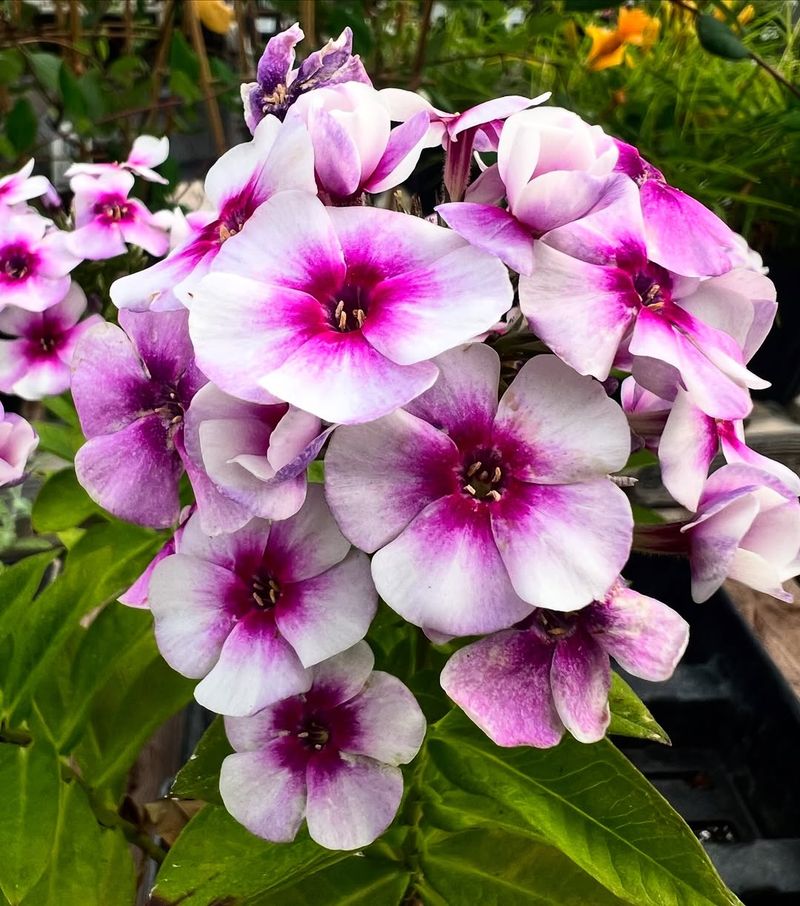
Its large, rounded clusters of fragrant flowers in shades of white, pink, red, purple, and bicolors create a spectacular display from midsummer through early fall. The sweet, light fragrance carries on warm Michigan evenings, making it a wonderful choice near patios, walkways, or bedroom windows where you can enjoy the scent fully.
Growing garden phlox successfully comes down to a few simple habits. It prefers full sun, at least six hours a day, and moist, fertile, well-drained soil.
Good air circulation between plants is important for keeping powdery mildew at bay, so avoid overcrowding. Michigan gardeners in zones 4 through 8 will find it reliably hardy, returning each spring with increasing vigor as the clumps mature and fill out.
Butterflies are especially drawn to garden phlox, and hummingbirds occasionally visit as well, making it a lively, dynamic addition to any Michigan pollinator garden. Deadheading spent flower clusters encourages the plant to push out fresh blooms and extends the season noticeably.
With so many named varieties available, from compact types to tall, dramatic selections, there’s a garden phlox perfectly suited to nearly every Michigan garden style and size.