These Outdoor Potted Plants Thrive In Michigan’s Changing Weather
Selecting the right greenery for a Michigan porch means finding varieties that can weather a frosty April morning and a sweltering July afternoon without missing a beat.
Our Great Lakes climate is notoriously fickle, but these ten container-ready plants are built to handle the rapid temperature swings that define the transition from spring to fall.
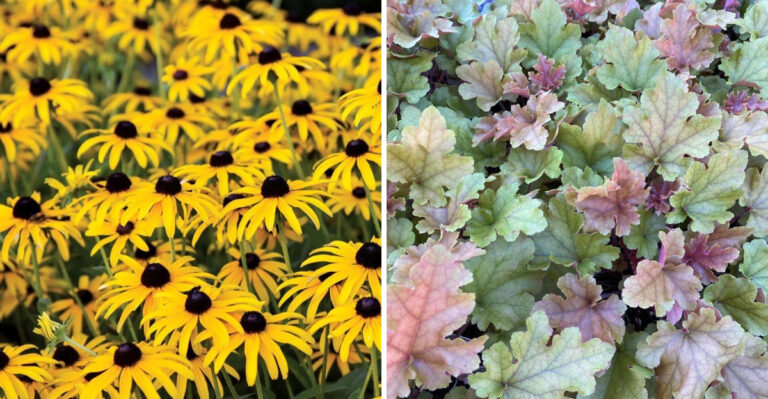
Instead of struggling with delicate imports that wilt at the first sign of a breeze, smart gardeners in Grand Rapids and beyond lean into rugged performers like coral bells and ornamental kale.
These choices provide consistent structural beauty and reliable color, even when the forecast takes an unexpected turn.
By choosing varieties that embrace the local humidity and shifting sun, you can maintain a professional-grade display that remains vibrant and full through the entire growing season.
It is time to swap high-maintenance fuss for a resilient, high-impact collection that makes your outdoor space look stunning from the first thaw to the final harvest.
1. Coleus
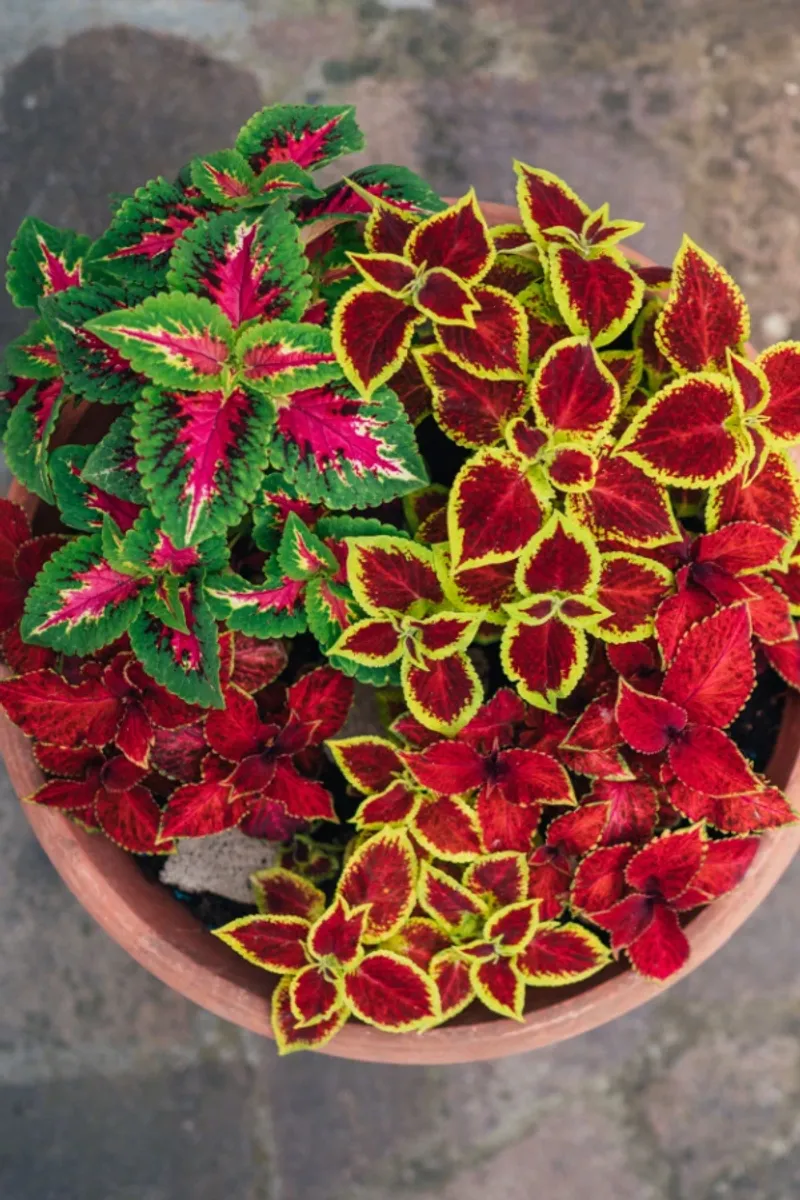
Few plants put on a color show quite like coleus does. Known scientifically as Solenostemon scutellarioides, this stunning foliage plant comes in an almost dizzying range of color combinations, from deep burgundy and lime green to hot pink and gold.
Michigan gardeners love it because it adapts beautifully to the state’s unpredictable weather swings.
Coleus performs well in both full sun and partial shade, which makes it incredibly flexible for different spots around your yard or patio.
As Michigan transitions from cool spring temperatures into the heat of summer, coleus keeps its bold look without much fuss.
Plant it in a pot with well-drained soil to prevent root rot, which can sneak up on container plants during Michigan’s wetter spring months.
Watering consistently is the key to keeping coleus happy, especially during dry July and August stretches.
Pinching off any flower buds that appear will redirect the plant’s energy into producing even more vivid foliage instead.
A slow-release fertilizer added to the pot at the start of the season gives coleus the nutrition boost it needs to stay lush all summer long.
Whether you line them along your deck railing or mix them into a large container arrangement, coleus delivers serious visual impact from the first warm day right through early fall in Michigan.
2. Geranium
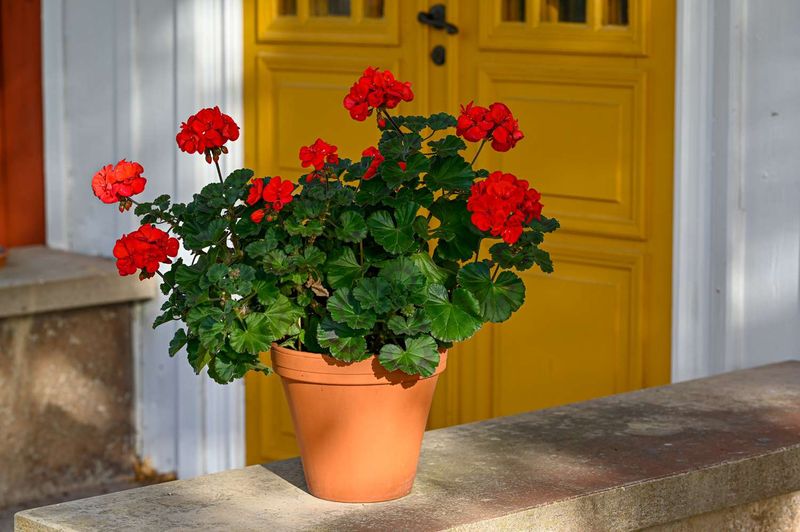
Walk through almost any Michigan neighborhood in June and you will spot geraniums stealing the show on front porches and patios.
Pelargonium hortorum, the classic garden geranium, has earned its reputation as one of the most reliable warm-weather potted plants around.
Its cheerful blooms in red, pink, white, and salmon brighten up outdoor spaces from late spring all the way through summer.
Geraniums absolutely love full sun, so pick the sunniest spot on your porch or deck for the best results.
One of the smartest things you can do to keep them blooming longer is regular deadheading, which simply means removing spent flower clusters as soon as they fade.
This small habit signals the plant to push out fresh new blooms instead of putting energy into seeds, keeping your pots looking full and colorful all season.
Your Michigan Garden Changes Every Week. Your Plan Should Too.
Gardening in Michigan changes quickly throughout the season. Every Friday you’ll receive a simple weekly plan showing exactly what to plant, prune, fertilize, harvest, and protect so you never miss the right timing.
Michigan’s cooler summer evenings, which are common in northern parts of the state, actually suit geraniums quite well.
They handle the temperature dips gracefully without dropping leaves or losing their color. Make sure your pots have drainage holes and use a quality potting mix to keep roots healthy.
During hot dry spells, water deeply at the base rather than splashing the foliage, which helps prevent common fungal issues.
Geraniums are genuinely one of Michigan’s most rewarding container plants, combining low maintenance with maximum visual payoff all summer long.
3. Petunia
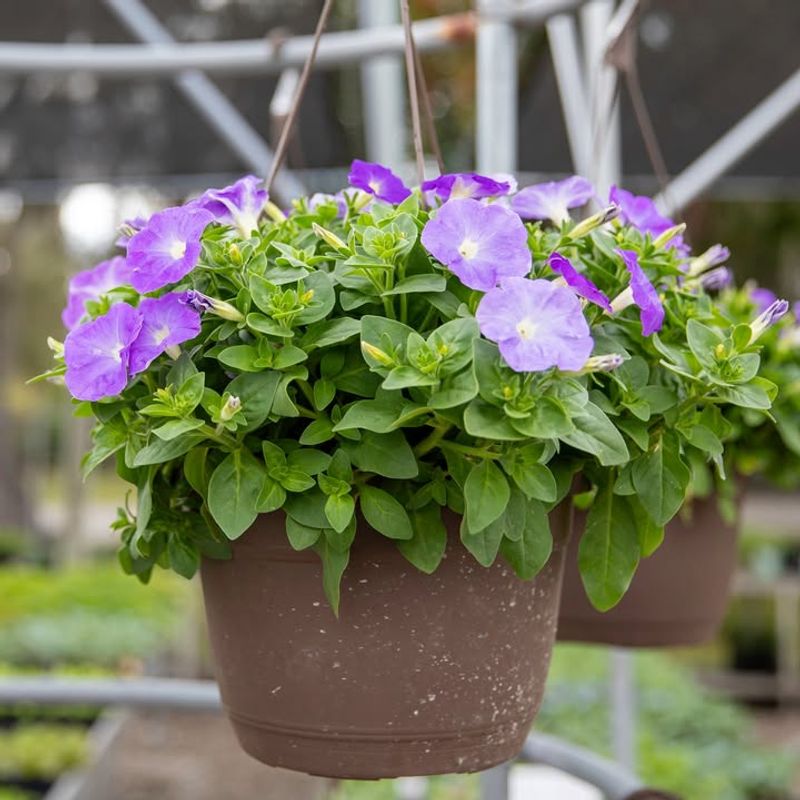
Petunias are basically the overachievers of the Michigan container garden world.
Petunia hybrida produces wave after wave of colorful trumpet-shaped blooms from late spring all the way through the first frost, making them one of the longest-performing potted plants you can grow in Michigan.
They come in nearly every color imaginable, including stripes and bicolors that add serious personality to any outdoor space.
Full sun is where petunias truly shine, so aim for at least six hours of direct sunlight daily for the best bloom production.
Michigan’s temperature swings from cool May mornings to hot August afternoons do not slow petunias down much at all when they are planted in containers.
Pots actually give petunias an advantage because you can move them around to capture the best light as the season shifts.
Trailing varieties like Wave petunias look spectacular spilling over the edges of large pots or hanging baskets, creating a waterfall of color that catches everyone’s attention.
Regular watering is important since petunias in containers dry out faster than those planted in the ground.
Adding a balanced liquid fertilizer every two weeks keeps the blooms coming in strong. Pollinators including hummingbirds and butterflies are naturally drawn to petunia flowers, turning your Michigan patio into a lively little ecosystem.
Trimming leggy stems back by about a third in midsummer encourages a fresh flush of growth and blooms through fall.
4. Fuchsia
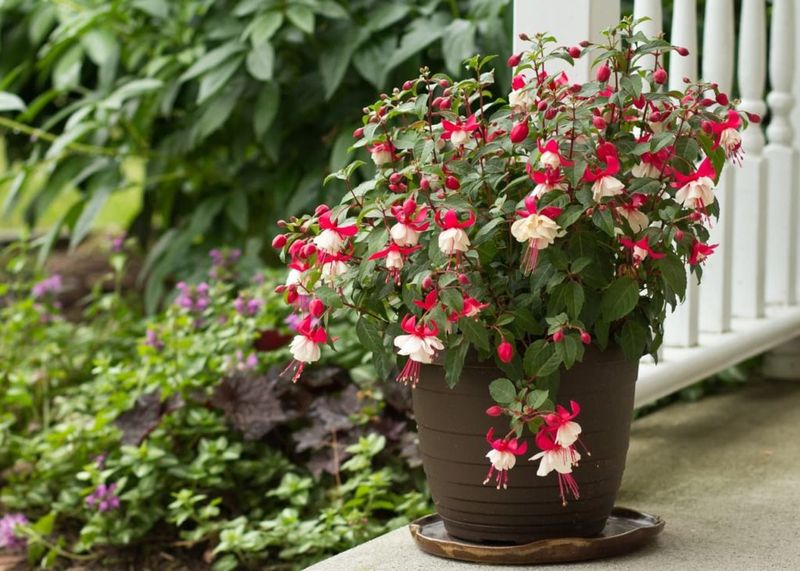
Fuchsia plants look like something straight out of a fairy tale, with their dramatic two-toned pendulous flowers dangling from cascading stems.
Fuchsia spp. thrives in the kind of dappled, shady spots that challenge many other flowering plants, making it a standout choice for Michigan gardens where afternoon shade is plentiful.
Northern Michigan especially offers the cooler summer conditions that fuchsia genuinely loves. Partial to full shade is the sweet spot for fuchsia, so position your pots under a covered porch, beneath a large tree, or along the north side of your house for best results.
Moist, well-drained soil is essential since fuchsia roots do not like sitting in waterlogged conditions.
During Michigan’s warmer summer periods, you may need to water your fuchsia pots daily, especially if they are hanging baskets that dry out faster than ground-level containers.
Michigan’s cooler summer evenings, especially in July and August in areas near the Great Lakes, create near-perfect conditions for fuchsia to produce its most spectacular blooms.
Pinching back stem tips early in the season encourages bushier growth and more flower production throughout summer.
A balanced liquid fertilizer applied every ten to fourteen days keeps fuchsia fueled for continuous blooming.
Hummingbirds are famously attracted to fuchsia flowers, so hanging a pot near a window gives you a front-row seat to one of Michigan’s most delightful natural shows all season long.
5. Calibrachoa (Million Bells)
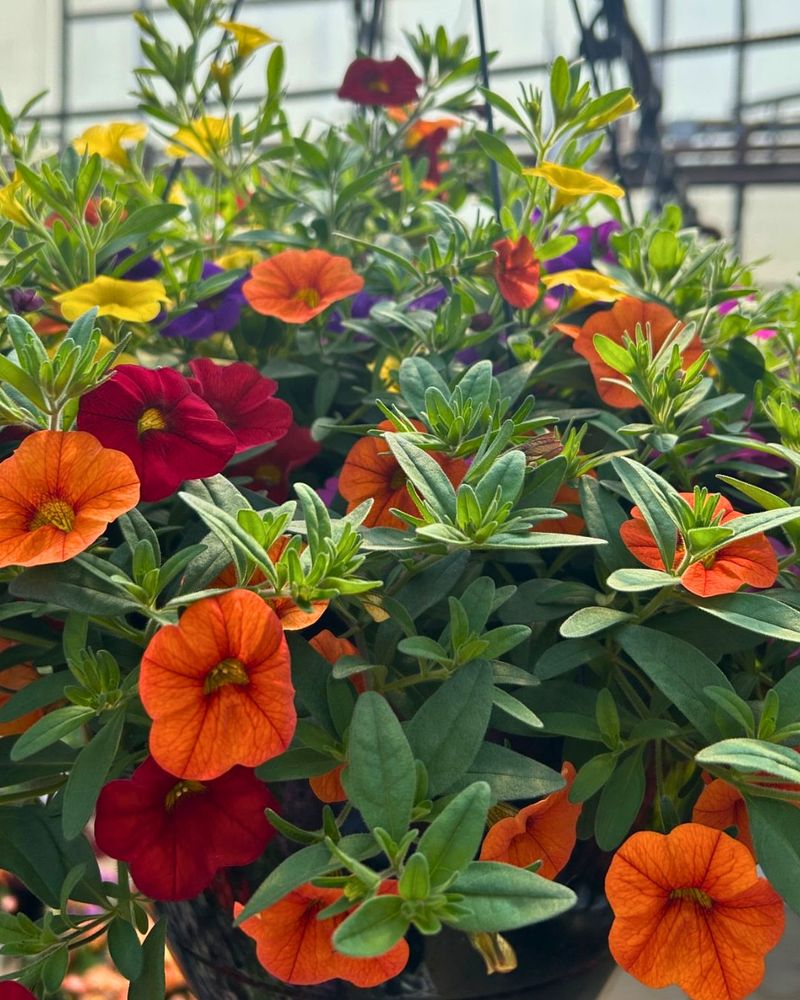
Imagine a plant that blooms so freely it looks like someone scattered a thousand tiny bells across your pots, and you have Calibrachoa.
Nicknamed Million Bells for good reason, this low-maintenance powerhouse produces nonstop color from spring all the way through Michigan’s first autumn frost.
It requires surprisingly little attention while delivering one of the most impressive flowering displays of any container plant available.
Full sun brings out the best in Calibrachoa, so place your pots where they will soak up at least six hours of direct light each day.
Michigan’s spring and summer weather suits Million Bells well, and the plant handles temperature fluctuations without skipping a beat.
The trailing habit of Calibrachoa makes it perfect for the edges of mixed container arrangements or on its own in a hanging basket where its cascading stems can flow freely.
Consistent watering is important since Calibrachoa dislikes both bone-dry soil and soggy roots, so well-drained pots are a must for Michigan gardeners.
Fertilizing every week or two with a water-soluble fertilizer high in iron helps prevent yellowing leaves, which can sometimes occur in alkaline water conditions common in parts of Michigan.
Unlike some flowers, Calibrachoa is self-cleaning, meaning spent blooms fall away on their own without needing deadheading.
Bees and butterflies visit the tiny flowers regularly, adding extra life and movement to your Michigan patio or deck throughout the growing season.
6. Hosta
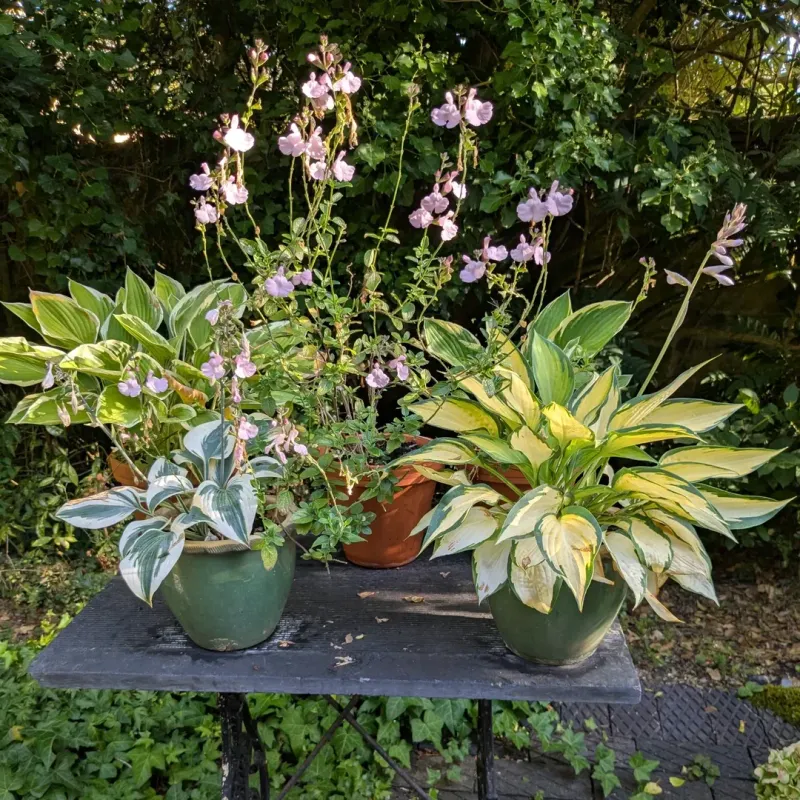
Hostas are the undisputed champions of the shady Michigan garden, and they look just as impressive in a pot as they do in a traditional garden bed.
Hosta spp. is prized for its bold, textured foliage that comes in shades of deep green, blue-green, gold, and variegated combinations that add serious visual depth to shaded outdoor spaces.
Michigan’s cool spring temperatures are practically tailor-made for hostas, which start pushing up their elegant leaves as soon as the ground warms.
Partial to full shade is where hostas feel most at home, making them ideal for covered patios, shaded decks, or spots under mature trees that are common throughout Michigan’s residential landscapes.
Moist, well-drained potting mix keeps hosta roots healthy through the season. Avoid letting pots dry out completely during Michigan’s summer dry spells since hostas prefer consistent moisture to maintain their lush appearance.
One of the best things about growing hostas in containers is that you can move them around to find the perfect light level, since too much direct afternoon sun can scorch their leaves.
Cold tolerance is another major strength of this plant, which handles Michigan’s chilly spring nights without any fuss at all.
Larger hosta varieties like Sum and Substance or Empress Wu create truly dramatic focal points in big decorative pots.
Even in a season with unpredictable Michigan weather, hostas remain reliably beautiful from late spring through early fall without demanding much from the gardener.
7. Lavender
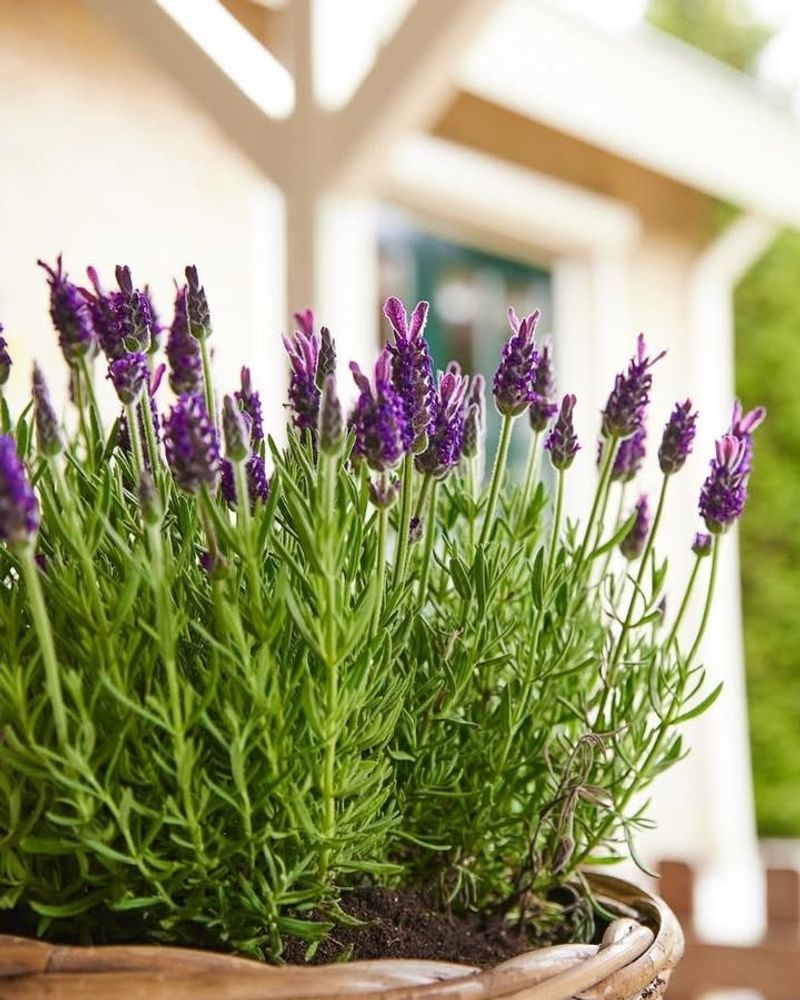
There is something almost magical about a pot of lavender in full bloom, filling the air with its calming, sweet fragrance on a warm Michigan afternoon.
Lavandula angustifolia is a Mediterranean native that has found a very happy home in Michigan containers, where its need for excellent drainage and full sun can be easily met.
Beyond its gorgeous purple flower spikes, lavender is one of the toughest, most drought-tolerant plants you can grow in a pot.
Full sun is non-negotiable for lavender, so place your pot in the sunniest location available on your porch, deck, or patio.
Michigan does experience dry spells during summer, and lavender actually handles those stretches better than most plants once it has settled into its pot.
Using a gritty, fast-draining potting mix, or mixing regular potting soil with perlite or coarse sand, prevents the waterlogged conditions that lavender absolutely cannot tolerate.
Bees and butterflies flock to lavender flowers in impressive numbers, making it a fantastic choice for Michigan gardeners who want to support local pollinators.
Harvesting the flower stems just before they fully open preserves both the fragrance and color, and dried lavender bundles make wonderful natural air fresheners for the home.
Trimming the plant back by about one-third after the first flush of blooms encourages a second round of flowering later in summer.
For Michigan gardeners who want beauty, fragrance, and function all in one pot, lavender is hard to beat.
8. Impatiens
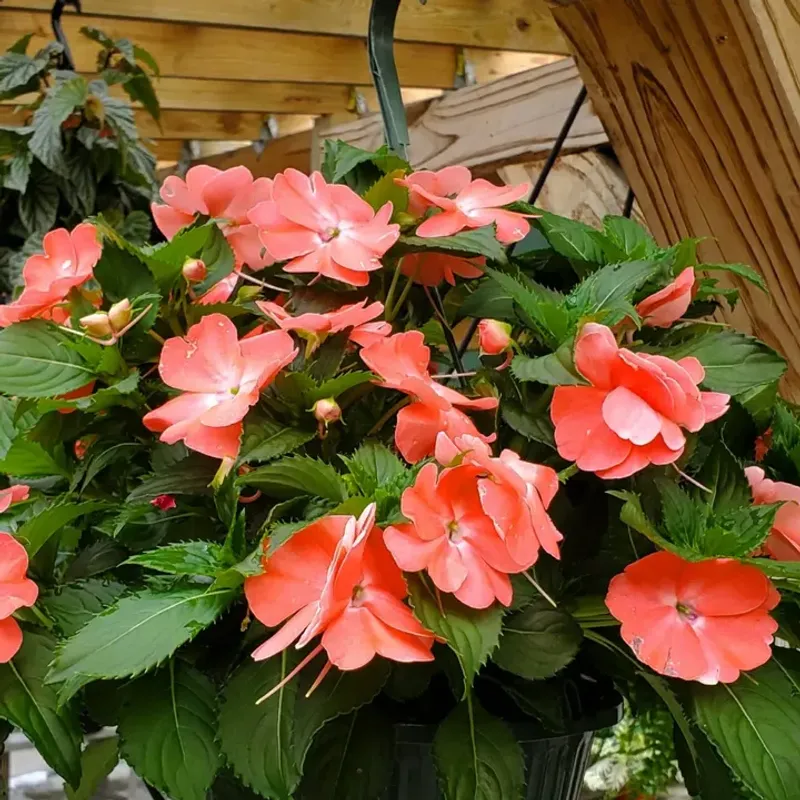
Shady spots in a Michigan garden do not have to look dull, and impatiens prove that point every single summer.
Impatiens walleriana is one of the most popular shade-loving flowering plants in the country, beloved for its ability to pump out vivid blooms in pink, red, orange, coral, white, and lavender even without a single ray of direct sunlight.
Michigan gardeners with north-facing porches or heavily shaded backyards count on impatiens to deliver nonstop color all season.
Partial to full shade is the ideal environment for impatiens, and they actually struggle when exposed to too much direct afternoon sun, which can cause their leaves to wilt and their blooms to fade quickly.
Michigan’s naturally cooler and cloudier spring and early summer weather gives impatiens a strong start before the heat of July and August arrives.
Keeping the soil consistently moist is the single most important care step for impatiens growing in containers.
Mulching the top of the pot with a thin layer of bark or moss helps retain moisture between waterings, which is especially helpful during warmer Michigan summer stretches.
Impatiens are naturally self-cleaning, dropping spent blooms on their own so you never need to deadhead them to keep the display looking fresh.
Mixing impatiens with ferns or caladiums in a large shady container creates a layered, lush look that feels like a mini woodland garden right on your Michigan porch. They truly are a shade gardener’s best friend in this state.
9. Ornamental Cabbage
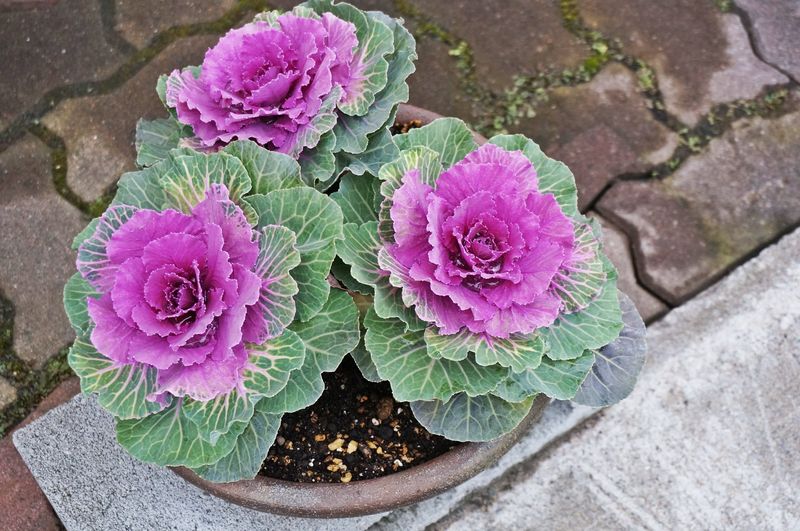
When most summer flowers start to fade with the arrival of Michigan’s cool autumn air, ornamental cabbage steps up and steals the spotlight.
Brassica oleracea, grown for its striking rosette-shaped leaves in shades of purple, pink, white, and cream, actually looks better as temperatures drop rather than worse.
The cool fall weather in Michigan triggers the plant to intensify its leaf colors, turning ordinary pots into vivid autumn centerpieces.
Ornamental cabbage thrives in temperatures between 45 and 65 degrees Fahrenheit, which aligns perfectly with Michigan’s September and October weather patterns.
Plant it in well-drained containers with rich potting mix and place pots in full sun for the most intense color development.
Unlike many summer annuals, ornamental cabbage genuinely improves as the nights get colder, making it one of the smartest investments for fall container gardening in Michigan.
Pairing ornamental cabbage with mums, ornamental kale, or trailing ivy in large pots creates a layered fall display that looks professionally designed. Water regularly but avoid overwatering since soggy roots weaken the plant quickly.
Ornamental cabbage can handle light frosts with ease, often staying attractive well into November in southern Michigan, long after most other outdoor plants have called it a season.
Placing pots near your front door or along walkways gives neighbors and visitors a warm, colorful welcome during the quieter, cooler stretch of Michigan’s gardening year.
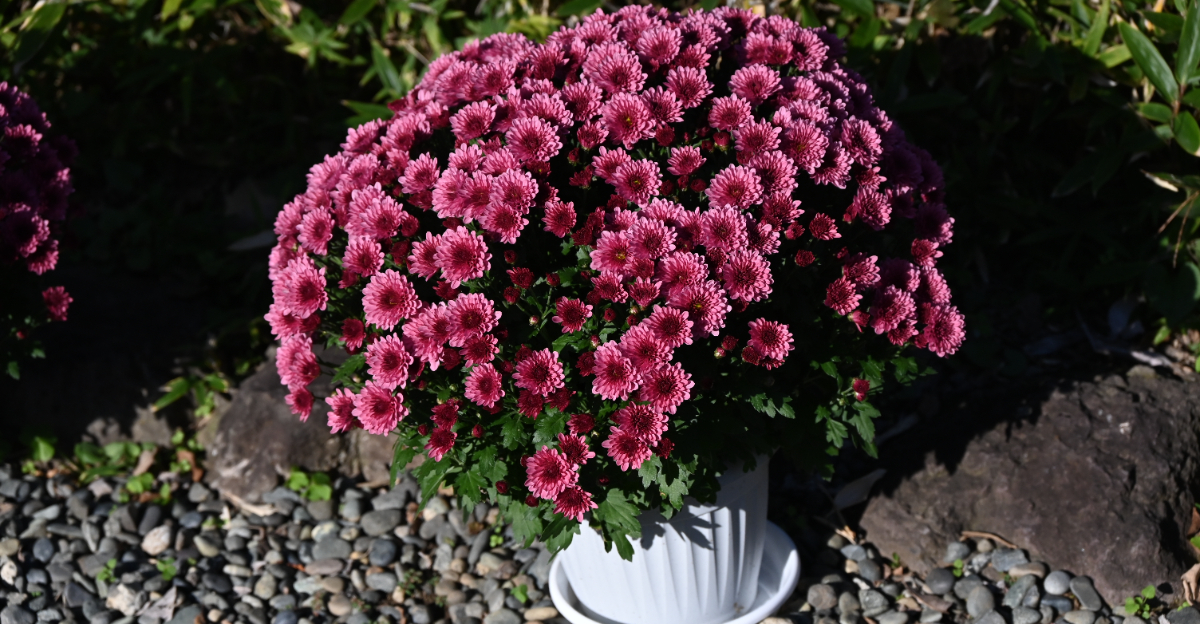
10. Chrysanthemum (Mum)
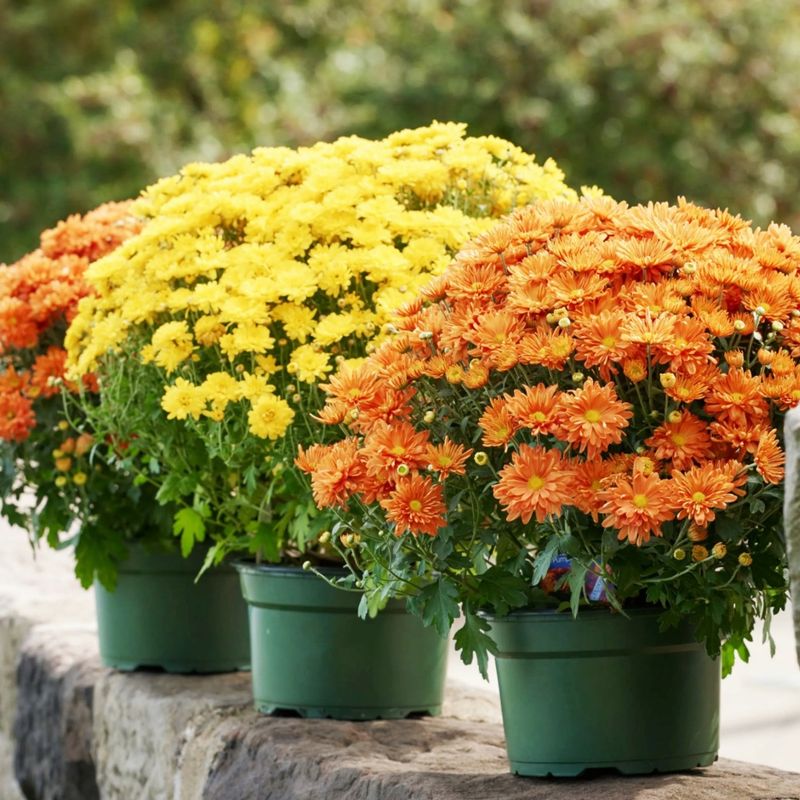
Nothing says Michigan fall quite like a porch lined with pots of brilliantly colored chrysanthemums.
Chrysanthemum morifolium, commonly called mums, are the gold standard of autumn container gardening across the state, offering blooms in every warm shade from deep burgundy and burnt orange to bright yellow and soft lavender.
They show up just when the rest of the garden starts winding down, making them genuinely invaluable to Michigan gardeners.
Mums perform best in full sun, so choose a spot that gets at least five to six hours of direct light daily to maximize bloom production.
Michigan’s cool fall temperatures, especially the crisp nights of September and October, are exactly the conditions mums were built for.
One of their most impressive qualities is the ability to withstand light frosts without losing their blooms, extending the color season well into late autumn across much of Michigan.
Choosing mums that are still in bud when you buy them rather than already in full bloom gives you a much longer display period since the flowers open gradually over several weeks.
Water mums at the base of the plant to keep foliage dry and reduce the chance of fungal issues during Michigan’s damp fall weather.
Grouping several mum pots together in different colors creates a bold, eye-catching display that photographs beautifully against fall foliage backdrops.
For pure seasonal impact and reliability in Michigan’s autumn climate, chrysanthemums are simply unmatched in the container gardening world.