How To Plant Roses In Pennsylvania For Stunning Blooms That Last For Years

Roses are a timeless garden classic, and when planted correctly in Pennsylvania, they can reward you with stunning blooms year after year.
Whether you’re planting a rose bush for the first time or looking to upgrade your garden, getting the right foundation in place is key to ensuring your roses thrive in Pennsylvania’s climate.
Roses may seem fussy, but with a little attention to detail, they can become the crown jewel of your landscape.
From choosing the right variety to preparing the soil and picking the perfect planting spot, these steps will help you create a garden that bursts with color and fragrance.
In Pennsylvania, the right timing and care are crucial to a successful rose garden. With the right planting techniques, you’ll be rewarded with vibrant, long-lasting blooms that elevate your outdoor space.
Let’s get those roses blooming beautifully, starting from the ground up!
1. Choose The Right Rose Variety For Pennsylvania’s Climate
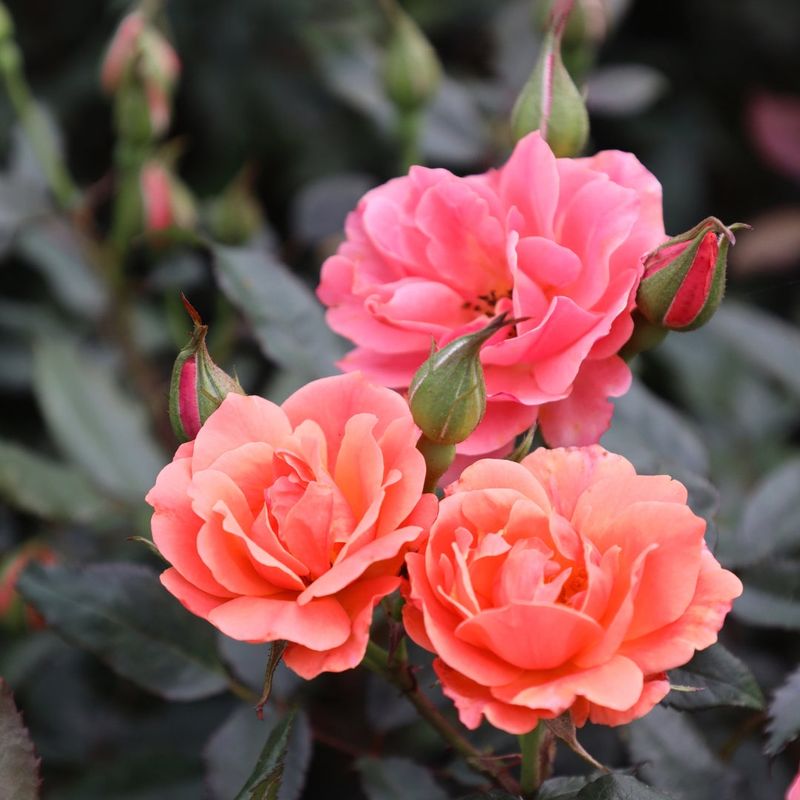
Not all roses are created equal, and picking the wrong variety for Pennsylvania’s climate can lead to a frustrating growing season. Pennsylvania falls within USDA Hardiness Zones 5a to 7b, which means winters can get seriously cold.
The good news is that plenty of rose varieties actually love these conditions. Knock Out roses are one of the most popular choices for Pennsylvania gardeners. They are tough, disease-resistant, and bloom repeatedly from spring all the way through fall.
You barely need to fuss over them, making them a great option for anyone new to growing roses.
Floribunda roses are another excellent pick. They produce clusters of flowers and handle Pennsylvania’s wet springs and chilly winters pretty well.
Hybrid Tea roses are also widely grown across the state, offering large, classic blooms that look stunning in any garden.
When shopping for roses, look for varieties labeled as disease-resistant. Pennsylvania’s humid summers can encourage fungal problems like black spot, so starting with a resistant variety saves you a lot of headaches later.
Local garden centers in Pennsylvania often carry varieties that are already suited to your region, so asking for advice there is always a smart move.
Also consider the size of your space. Some roses grow tall and wide, while others stay compact.
Miniature roses work well in smaller yards or containers on a patio. Climbing roses are a gorgeous option if you have a fence or trellis to work with.
Matching the right variety to your space sets the foundation for a rose garden that truly thrives.
2. Plant Roses In Full Sun For Maximum Blooms
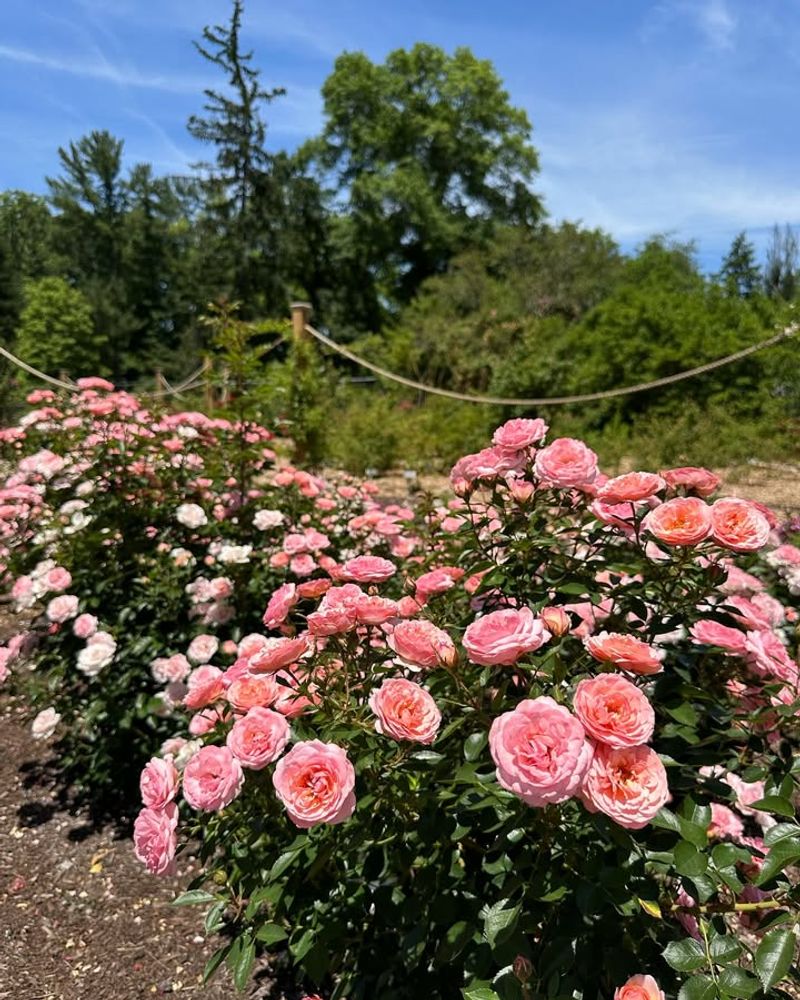
Sunlight is like fuel for roses. Without enough of it, your plants will struggle to produce the full, vibrant blooms that make rose gardens so breathtaking.
Roses need a minimum of six hours of direct sunlight each day, and honestly, more is better when it comes to these sun-loving plants.
When choosing a spot in your Pennsylvania yard, spend a day watching how sunlight moves across your garden. Areas that get morning sun are especially valuable because the light helps dry dew off the leaves quickly.
Your Pennsylvania Garden Changes Every Week. Your Plan Should Too.
Gardening in Pennsylvania changes quickly throughout the season. Every Friday you’ll receive a simple weekly plan showing exactly what to plant, prune, fertilize, harvest, and protect so you never miss the right timing.
Wet leaves in the morning can encourage fungal diseases, which are already a concern in Pennsylvania’s sometimes humid climate.
Avoid planting roses too close to large trees or tall shrubs that cast heavy shade. Competition for light and nutrients can weaken your roses over time.
Open garden beds or south-facing spots in your yard tend to offer the most consistent sun exposure throughout the growing season.
If your yard has limited sunny spots, do not worry too much. Some rose varieties, like Knock Out roses, can handle a bit of partial shade and still produce decent blooms. However, for the most impressive flower display, full sun is always the goal.
Pennsylvania summers can bring some intense heat, especially in areas like Philadelphia and the southeastern part of the state. In these regions, a spot that gets afternoon shade can actually protect your roses from scorching during the hottest part of the day.
Finding that sweet spot of morning sun with some afternoon relief can make a noticeable difference in how well your roses perform all season long.
3. Prepare The Soil Properly Before Planting
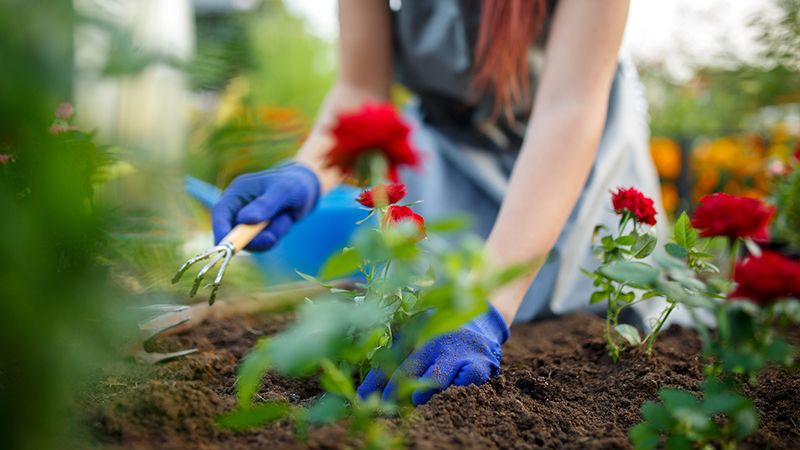
Good soil is the secret behind any thriving rose garden. Roses are a bit picky about where they put down roots, and giving them the right soil from the start makes a massive difference.
Most Pennsylvania soils can work well for roses, but they often need a little improvement before planting.
Roses prefer loamy, well-draining soil with a slightly acidic pH between 6.0 and 6.5. If your soil is too sandy, it drains too fast and does not hold enough nutrients.
If it is too clay-heavy, water can pool around the roots and cause problems. Mixing in compost or organic matter helps fix both of these issues.
Before planting, dig your garden bed about 12 to 18 inches deep. Work in a generous amount of compost to improve soil structure and add natural nutrients.
You can find compost at most garden centers across Pennsylvania, or you can make your own from kitchen and yard waste.
Getting a soil test is a smart step that many gardeners skip. Your local Penn State Extension office offers affordable soil testing services.
The results tell you exactly what your soil needs, whether that is lime to raise the pH or sulfur to lower it. Adjusting your soil based on real data takes the guesswork out of gardening.
Adding a slow-release granular fertilizer to the soil at planting time gives your roses a steady supply of nutrients as they settle in. Look for a fertilizer formulated specifically for roses.
This small investment early in the process pays off with stronger plants and more blooms throughout the Pennsylvania growing season.
4. Plant At The Right Depth For Healthy Roots

Planting depth might not sound like a big deal, but it is one of the most important steps in giving your roses a strong start. Get it wrong, and even a healthy plant can struggle to establish itself properly in Pennsylvania’s soil.
The key thing to pay attention to is the bud union. That is the swollen, knobby area near the base of the rose where the top of the plant was grafted onto the rootstock.
In Pennsylvania’s climate, the bud union should sit about one to two inches above the soil surface. This positioning helps prevent rot and gives the plant room to breathe.
When planting bare-root roses, soak the roots in water for at least two hours before putting them in the ground. This rehydrates the plant and helps reduce transplant shock. Dig a hole wide enough to spread the roots out naturally without cramping them.
For potted roses, the process is a bit simpler. Dig a hole about twice as wide as the container.
Gently loosen any tightly bound roots before placing the plant in the hole. Backfill with a mix of your native soil and compost, firming it gently around the roots as you go.
After planting, water the rose thoroughly to help settle the soil and eliminate any air pockets around the roots. Air pockets can dry out roots quickly and slow down establishment.
A layer of mulch around the base, kept a few inches away from the stem, helps retain moisture and keeps the soil temperature stable during Pennsylvania’s unpredictable spring weather. Starting right at this stage sets your roses up for years of healthy growth.
5. Water Deeply And Regularly To Encourage Strong Roots
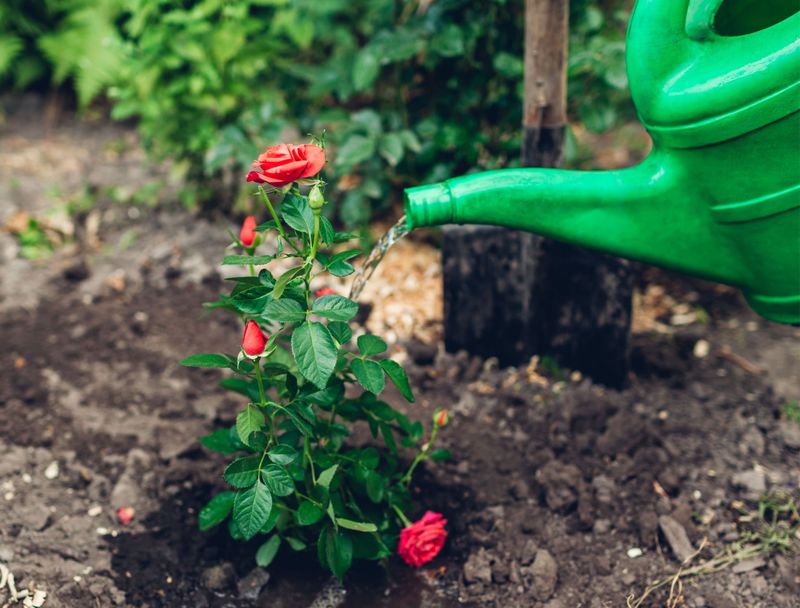
Watering roses sounds simple, but doing it the right way makes a real difference in how healthy and productive your plants become.
Roses are thirsty plants, especially during their first season in the ground when they are working hard to establish their root systems in Pennsylvania’s soil.
Aim to give your roses about one to two inches of water per week. During dry spells in Pennsylvania summers, you may need to water more frequently.
Deep, slow watering is far better than a quick sprinkle. Deep watering pushes moisture down into the soil, encouraging roots to grow downward and anchor the plant firmly.
Always water at the base of the plant, not from above. Wetting the leaves creates the perfect environment for fungal diseases like black spot and powdery mildew, both of which are common headaches for rose growers in Pennsylvania.
A soaker hose or drip irrigation system is an excellent tool for keeping water right where it belongs.
Morning is the best time to water your roses. Any moisture that accidentally lands on the leaves has time to dry off before evening, reducing disease risk.
Watering late in the day leaves plants damp overnight, which is an open invitation for fungal problems.
Mulching around your rose bushes is a simple trick that works wonders. A two to three inch layer of wood chips or shredded bark helps the soil hold onto moisture longer between waterings.
It also keeps weeds down and regulates soil temperature during Pennsylvania’s hot summers and cool spring nights. Consistent watering combined with good mulching gives your roses the hydration they need to produce bloom after bloom all season long.
6. Prune Regularly To Encourage Strong Growth And Blooms
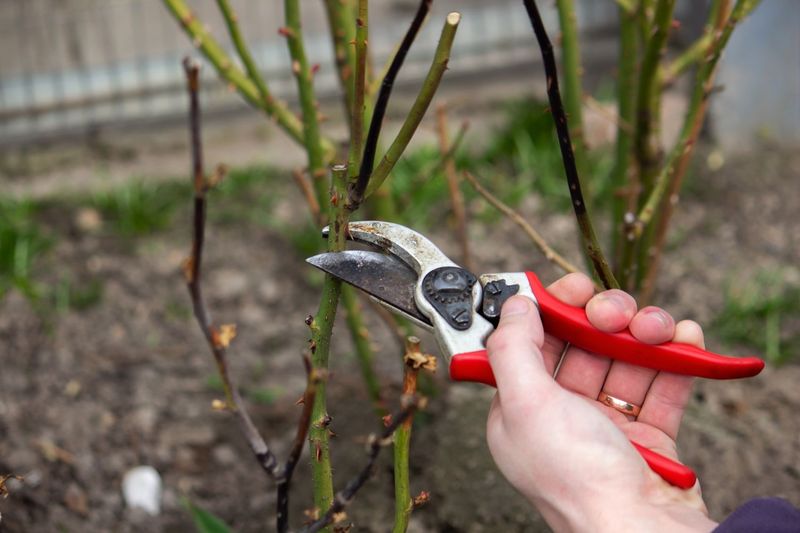
Pruning is one of those gardening tasks that feels a little intimidating at first, but once you get the hang of it, it becomes one of the most satisfying parts of caring for roses.
Done right, pruning encourages your rose bushes to grow stronger, produce more blooms, and stay healthier over the long term.
In Pennsylvania, early spring is the ideal time to prune most rose varieties. A good rule of thumb is to wait until forsythia starts blooming in your area.
That cheerful burst of yellow signals that temperatures are warming up and your roses are ready to be shaped for the new growing season.
Start by removing any canes that look damaged, discolored, or weak. Cut them back to healthy wood, which should appear white or light green on the inside.
Once the damaged growth is cleared away, cut back the remaining healthy canes by about one-third of their total length. This encourages the plant to push out new, vigorous growth.
Make your cuts at a 45-degree angle, about a quarter inch above an outward-facing bud. Angled cuts allow water to run off rather than pool on the cut surface, which helps prevent disease.
Always use sharp, clean pruning shears to make smooth cuts that heal quickly. Throughout the growing season, practice deadheading. That means snipping off spent flowers as soon as they fade.
Removing old blooms signals the plant to produce new ones rather than putting energy into forming seeds.
For repeat-blooming varieties common in Pennsylvania gardens, regular deadheading can dramatically extend your blooming season well into the fall months, rewarding you with color for as long as possible.