What Arizona Ocotillo Needs In March For A Better Bloom Season
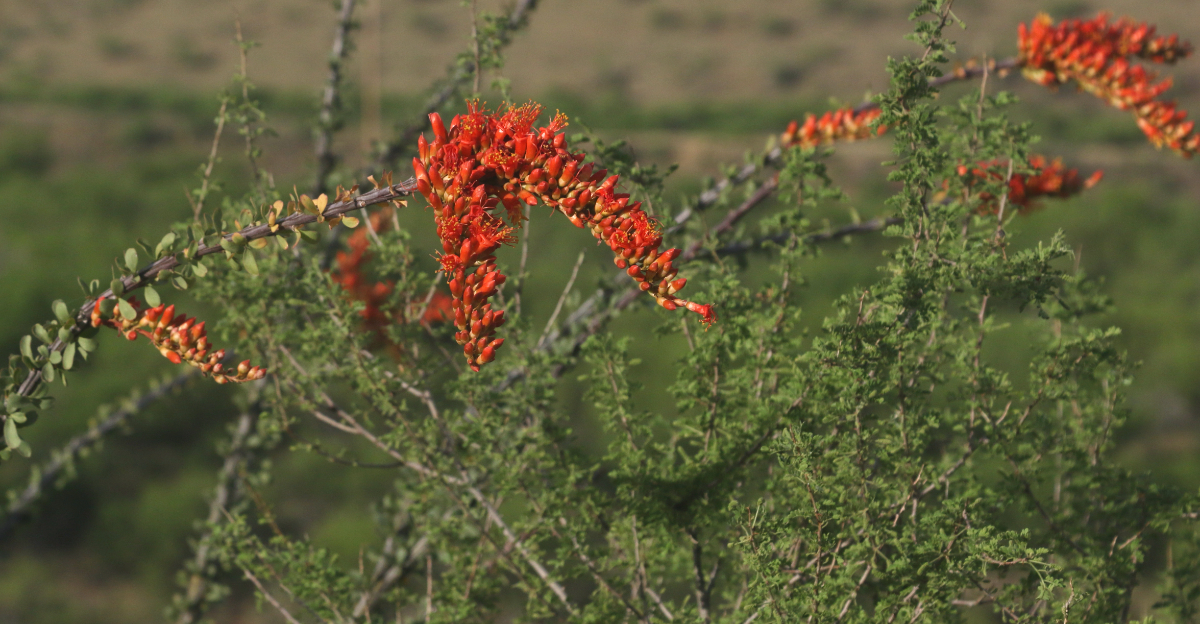
Arizona yards have a way of looking half asleep one week and suddenly full of life the next, and ocotillo is one of the best examples of that change.
For most of the year, it can seem like a bundle of thorny canes with little going on, then spring starts building momentum and everything begins to shift.
That is part of what makes this plant so interesting in Arizona landscapes. It never really blends into the background once the season starts moving in the right direction.
March is when that change starts to matter more. Small details during this part of the season can affect how strong, healthy, and impressive an ocotillo looks as the weeks go on.
A lot of gardeners admire the bright blooms when they appear, but fewer think about what helps the plant get to that point in the first place.
That is where timing, care, and a better understanding of Arizona growing conditions start to make a noticeable difference.
1. Full Sun Exposure To Support Strong Spring Growth
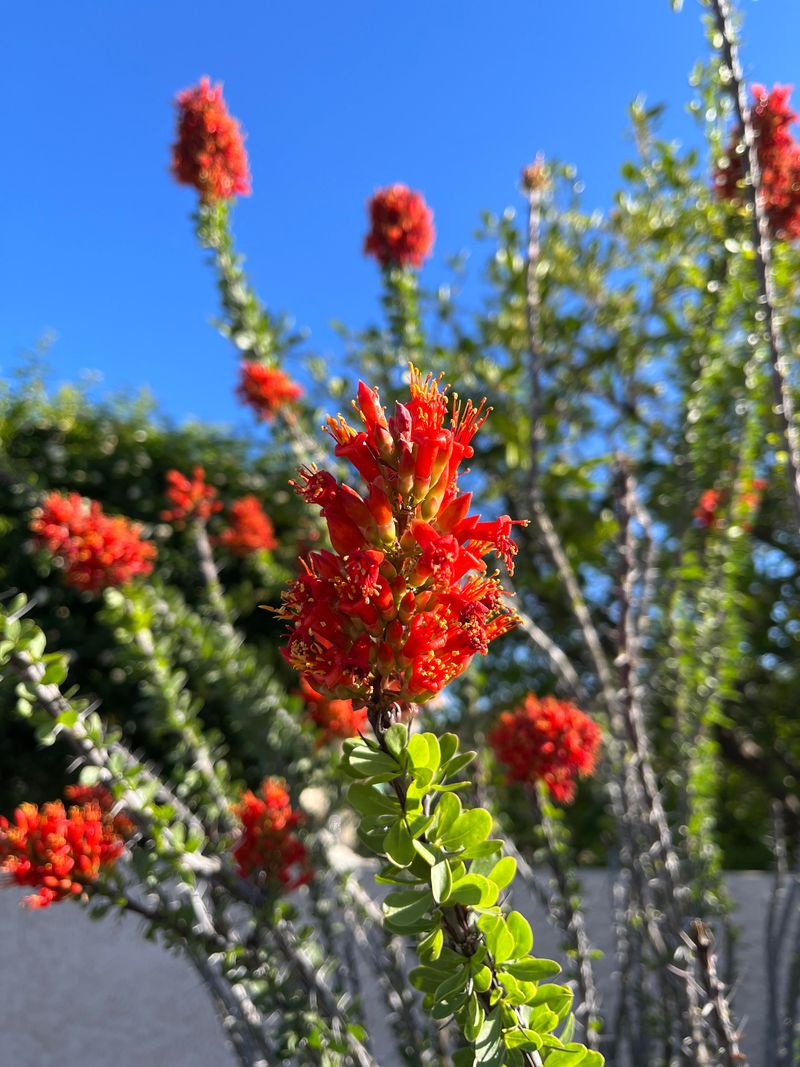
Shade is one of the worst things you can give an ocotillo in Arizona, especially when March rolls around and the plant is gearing up to bloom. Full, unfiltered sunlight is not just helpful for this plant, it is absolutely necessary.
Without strong direct sun hitting those canes all day long, the bloom cycle can stall out before it even gets started.
Ocotillos planted in spots with morning shade or afternoon shadow from walls and trees tend to produce fewer blooms and push out leaves later than plants sitting in wide-open desert sun.
If you have one near a structure that blocks light for part of the day, that is worth paying attention to.
Arizona gets plenty of intense sunshine in March, and your ocotillo wants every bit of it.
Full sun also helps the soil around the plant warm up faster, which signals the root system to get active again after the cooler winter months. Warm soil combined with strong overhead light is basically the trigger the plant needs to start pushing energy up into those canes.
You do not need to do anything special to give your ocotillo more sunlight. Just make sure nothing is growing up around it or blocking its exposure.
Trim back any nearby shrubs that may have gotten bushy over winter. In the Sonoran Desert, sunlight is free and unlimited, so let your ocotillo take full advantage of it right now when it matters most for spring blooming.
2. Very Light Watering Only If Winter Has Been Extremely Dry
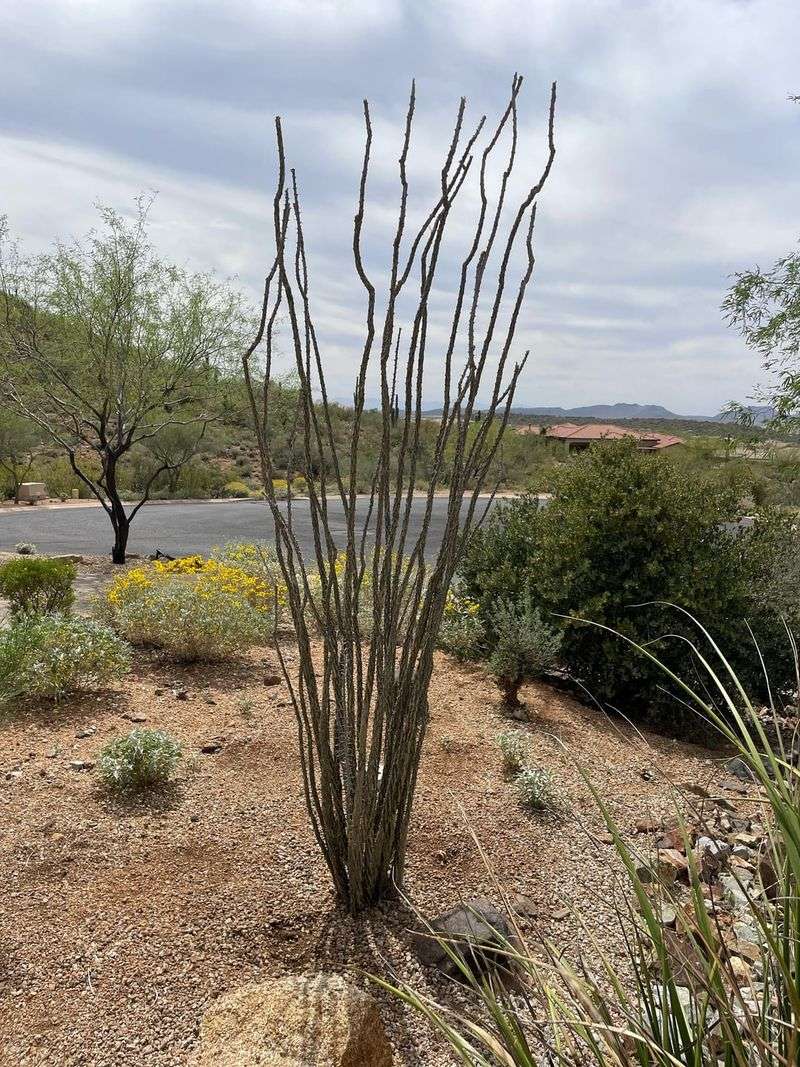
Grab a hose and walk away, because overwatering an ocotillo in March is a real problem that a lot of well-meaning Arizona gardeners run into. These plants evolved in dry desert conditions, and their roots do not handle sitting in wet soil well at all.
Unless this past winter was unusually dry with almost no rainfall, your ocotillo probably does not need any extra water right now at all.
Check what the winter actually looked like in your part of Arizona before you even think about watering. If Tucson or Phoenix got decent winter rains, the soil still has moisture stored at depth, and adding more water on top of that just creates stress for the root system.
Your Arizona Garden Changes Every Week. Your Plan Should Too.
Gardening in Arizona changes quickly throughout the season. Every Friday you’ll receive a simple weekly plan showing exactly what to plant, prune, fertilize, harvest, and protect so you never miss the right timing.
If the season was unusually dry and the soil feels bone-dry several inches down, one slow, deep soak can help nudge the plant into its bloom cycle.
When you do water, keep it light and infrequent. A slow trickle at the base for about twenty minutes every few weeks is plenty.
Spraying the canes with water is also something some growers swear by, as it mimics the moisture that ocotillos absorb through their bark after desert rains.
Root rot is a quiet enemy for ocotillos in Arizona, and it almost always comes from too much water rather than too little. Trust the desert.
These plants are built for dry stretches, and March is not the time to start babying them with extra irrigation they simply do not need.
3. Fast Draining Soil To Prevent Root Stress
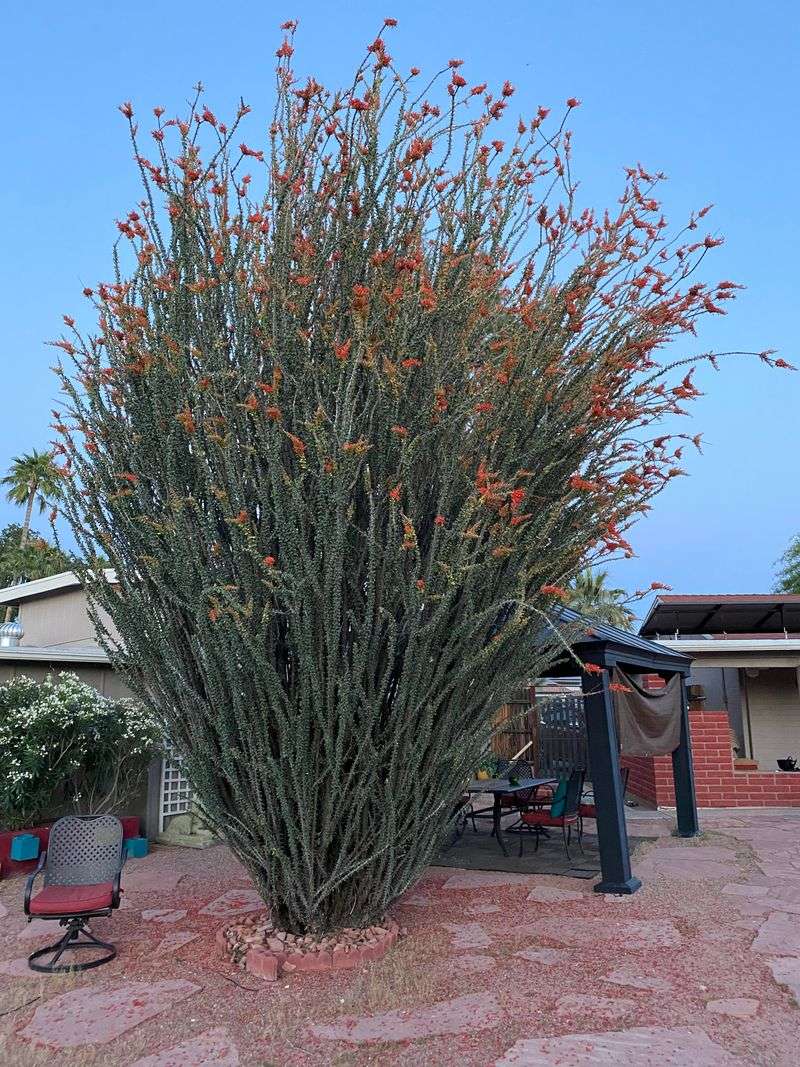
Rocky, sandy, gravelly soil that water runs straight through is exactly what an ocotillo wants under its roots. If your Arizona yard has heavy clay or compacted ground that holds moisture after rain, your plant is already working against some tough conditions.
Soil drainage is one of those things that makes a huge difference in whether an ocotillo thrives or just barely survives through a bloom season.
In March, as temperatures rise and the plant starts pushing new leaves and flower stalks, the roots need to breathe. Waterlogged soil cuts off oxygen to the root zone, which slows everything down.
You might notice fewer leaves coming in, weak bloom stalks, or canes that look dull instead of healthy and firm. Poor drainage is often the hidden reason behind an ocotillo that just never seems to bloom well.
If you are in an area of Arizona where the native soil is more clay-heavy, like some parts of the Tucson basin or Phoenix metro, you can improve drainage around an existing plant by working coarse gravel or decomposed granite into the top few inches of soil nearby.
Do not bury the base or pile material up against the canes though.
For anyone thinking about adding a new ocotillo this spring, pick the spot carefully. A slight slope or raised area in your yard will naturally shed water faster than a flat or low-lying patch.
Good drainage costs nothing to plan ahead for, and your ocotillo will reward you with a much stronger bloom response come late March and April.
4. Avoid Fertilizer To Keep Natural Growth Balanced
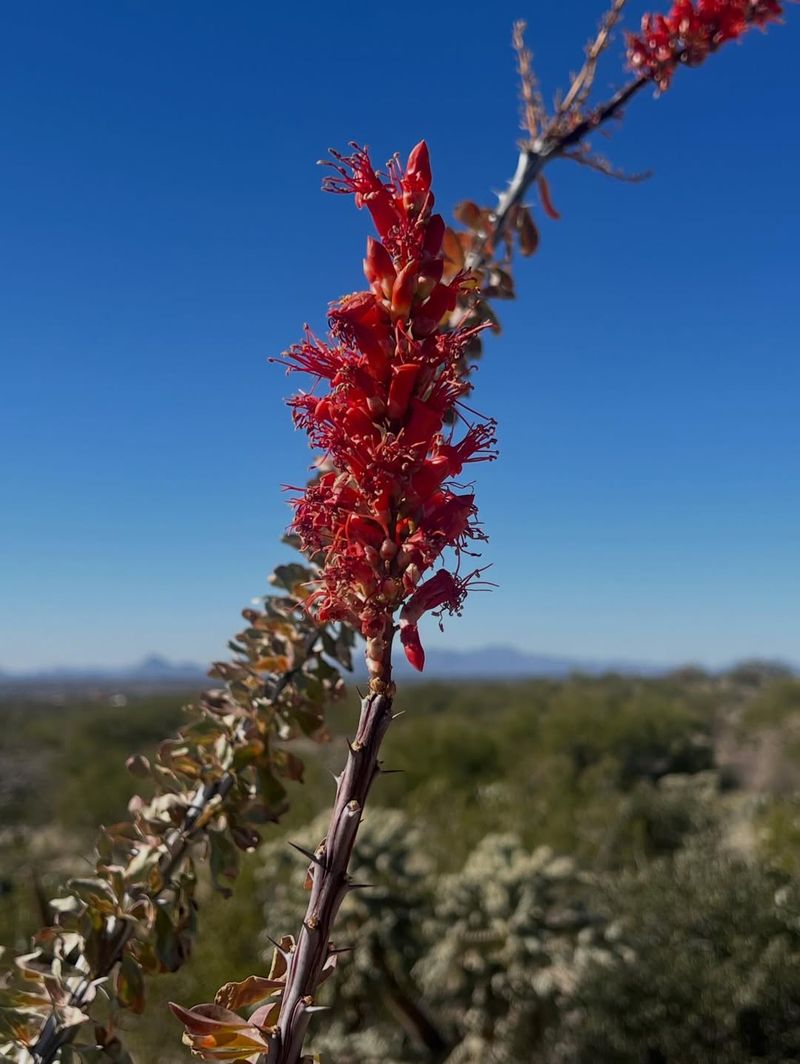
Fertilizer and ocotillos are not a good match, and March is definitely not the time to start experimenting with plant food on these desert natives.
Ocotillos evolved in some of the leanest, nutrient-poor soils in North America, and pushing extra nutrients into the root zone can actually throw off the natural rhythm the plant relies on to bloom properly.
When you add fertilizer, especially anything high in nitrogen, you encourage the plant to push out fast green growth at the expense of flowers.
You might end up with taller, leafier canes but far fewer of those brilliant orange-red blooms that make ocotillo such a showstopper in an Arizona spring landscape.
Bloom production takes a specific kind of energy balance, and fertilizer disrupts that.
Arizona soils already contain the minerals ocotillo roots are adapted to. There is no nutritional gap that needs filling.
Healthy ocotillos planted in appropriate desert soil and getting enough sunlight do not need any supplemental feeding to produce a strong bloom season. Adding fertilizer is really just solving a problem that does not exist.
Skip the fertilizer aisle entirely this spring. Put that energy toward checking your drainage, clearing any shade obstructions, and making sure your plant is in a spot where it gets uninterrupted sunlight.
Those things will do far more for your bloom season than any bag of granules or liquid plant food could ever do. In the desert, less input usually means better results, and ocotillo is a perfect example of that truth.
5. Minimal Pruning To Protect Developing Flower Stalks
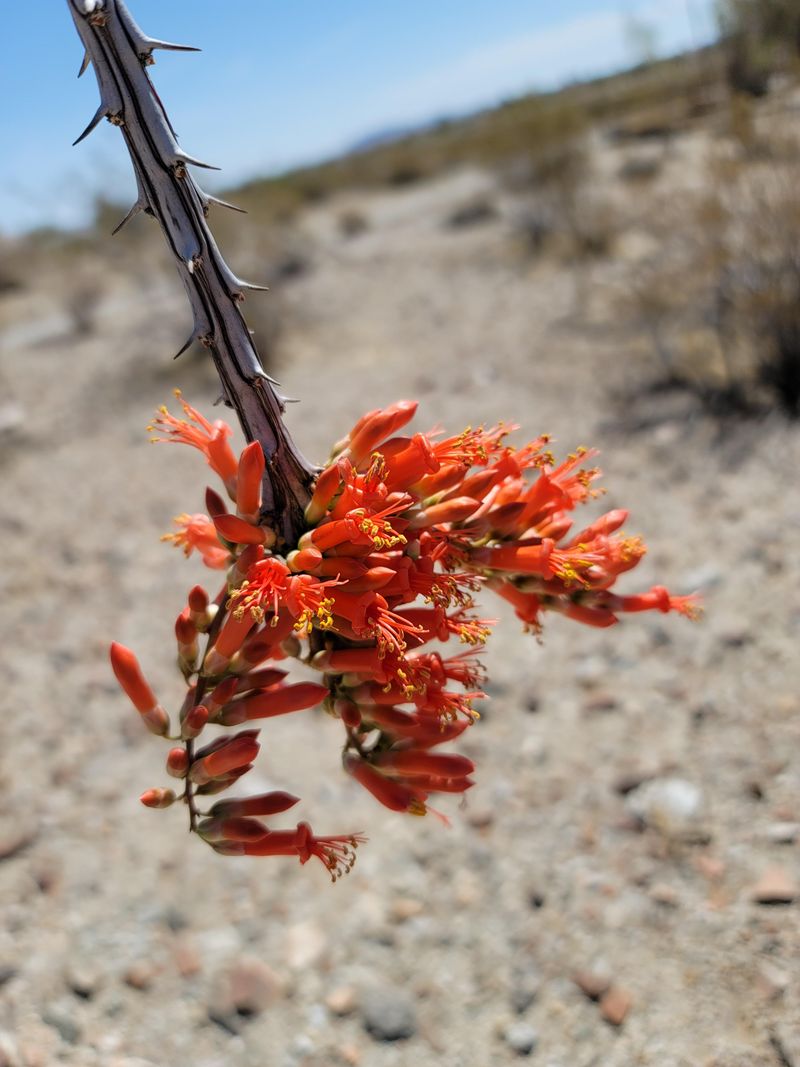
Put the pruning shears down, at least for now. March is the worst possible time to start cutting back your ocotillo, because those cane tips are exactly where the flowers are going to come from.
Every cane you cut in early spring is a bloom you will not get to see this season, and that is a trade-off not worth making.
Ocotillo flower stalks emerge right at the tips of the canes, so any trimming that shortens those tips removes the blooming potential for that particular cane entirely.
Some Arizona gardeners prune in winter thinking they are tidying up the plant, not realizing they are cutting off next season’s flowers before they even have a chance to form.
Timing with this plant really does matter.
If there is a cane that is genuinely damaged, broken, or clearly not going to produce anything this season, removing it is fine. But do not prune for shape or aesthetics in March.
Wait until after the bloom cycle is fully finished, usually late spring or early summer, before doing any real cleanup work on the plant.
Younger ocotillos, especially anything planted within the last couple of years in your Arizona yard, should be left completely alone. Let every cane develop naturally without interference.
Older, more established plants are a bit more forgiving, but even then, restraint is the right approach in spring. Fewer cuts now means more color later, and that is really the whole point of caring for an ocotillo through the bloom season.
6. Warm Temperatures To Trigger New Leaf And Bloom Cycles
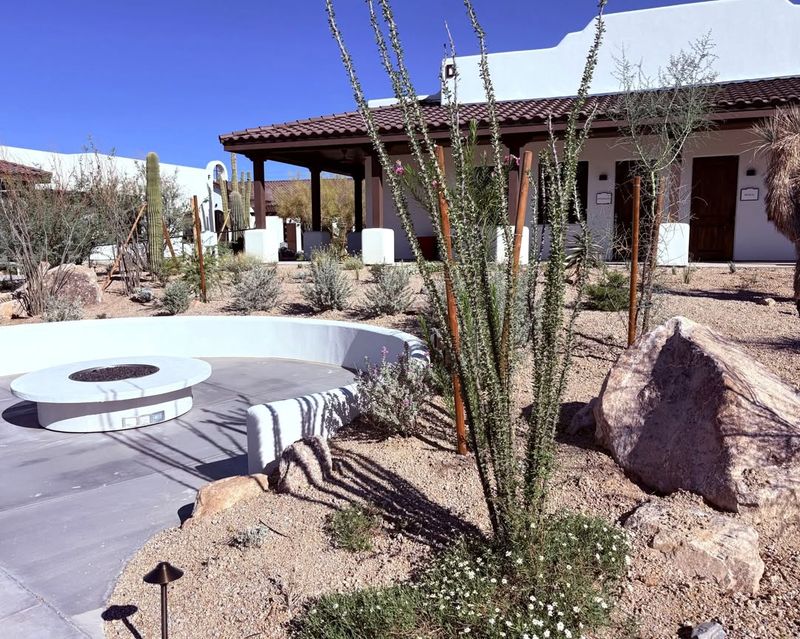
Watch your ocotillo closely as daytime temperatures in Arizona start climbing consistently above 70 degrees Fahrenheit in March, because that warming trend is the signal the plant has been waiting for all winter.
Ocotillos are incredibly temperature-responsive, meaning they read the weather and react fast.
Within days of a warm stretch, you can often see tiny green leaves pushing out along the length of every cane.
That rapid leaf response is one of the most remarkable things about this plant. It can go from looking like a bundle of bare sticks to fully leafed out in under a week when the conditions are right.
The same warming temperatures that trigger leaf production also start the process that pushes flower stalks up at the cane tips, so the two events tend to happen close together in a good spring.
Arizona is known for its warm springs, but temperatures can swing quite a bit in March, especially at higher elevations around Tucson or in areas north of Phoenix. On days when temperatures drop back into the 50s, growth slows.
When warmth returns, so does the momentum. Just be patient and let the natural temperature pattern do its job.
You cannot force warmth, but you can avoid things that might cool the root zone unnecessarily, like heavy mulching or shading the ground around the base of the plant.
Bare, sun-warmed desert soil around your ocotillo helps hold heat overnight and keeps the root zone in the temperature range the plant responds best to during the bloom season buildup.
7. Protection From Late Cold Snaps That Can Slow Growth
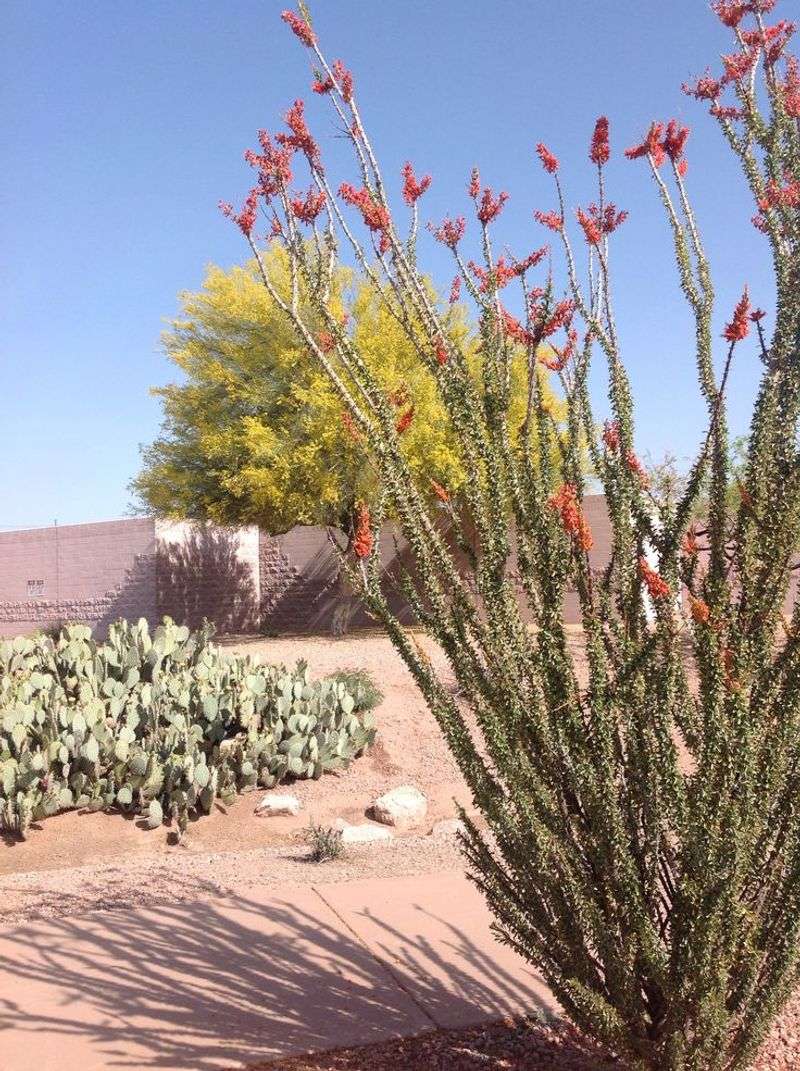
March in Arizona feels warm most days, but late cold snaps are not unheard of, and they can put the brakes on a bloom cycle that was just getting started.
A sudden dip into the low 30s Fahrenheit overnight, especially if it lasts more than one night in a row, can stress the tender new growth that ocotillos push out in early spring.
Protecting your plant during those brief cold events makes a real difference.
Flower stalks and fresh new leaves are the most vulnerable parts. If a cold snap catches your ocotillo right when those tips are actively developing, you might lose some of that early bloom potential for the season.
Established plants in the lower desert around Phoenix tend to handle brief cold better than younger plants or those growing at higher elevations near Prescott or the Tucson foothills.
Keep an eye on the forecast in March rather than assuming warm weather is locked in. When overnight temps are predicted to drop sharply, a layer of frost cloth draped loosely over the cane tips can buffer the cold enough to protect the developing blooms.
Remove it the next morning so the plant gets full sun during the day.
You do not need to panic over every cool night, but a hard late frost is worth responding to.
Arizona gardeners who pay attention to that late-season weather window and take simple steps to protect their ocotillo during cold snaps often end up with noticeably fuller, longer-lasting bloom displays than those who just leave everything to chance and hope for the best.