How To Stop Ants From Taking Over Your Arizona Garden This Spring
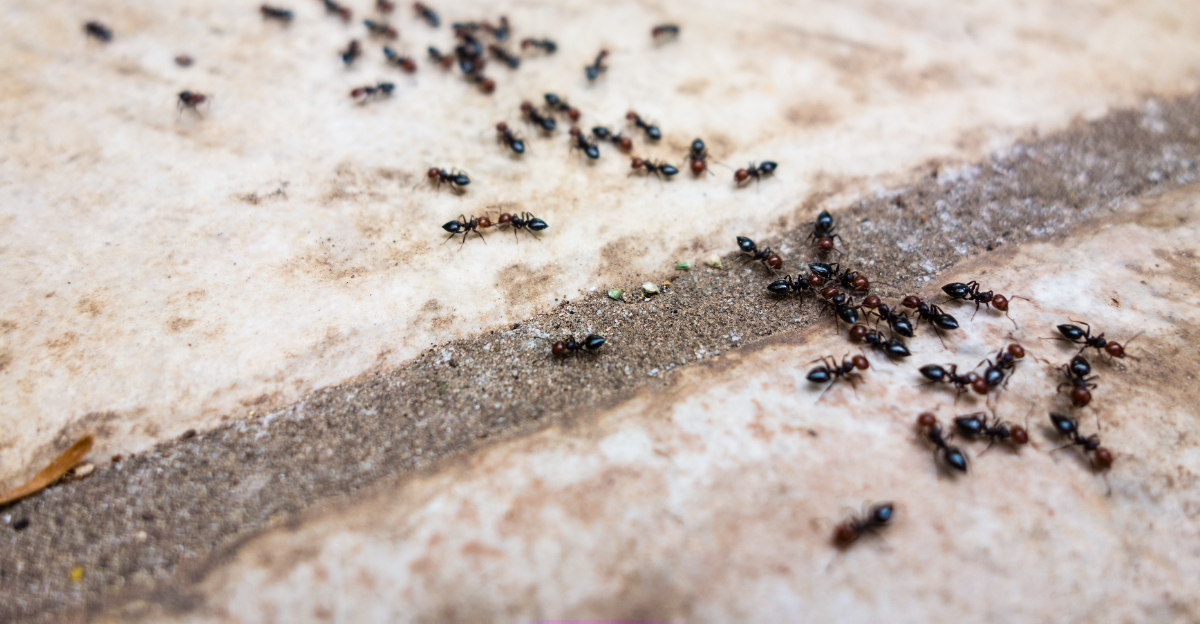
Ants can go from barely noticeable to completely everywhere before a gardener has time to think twice.
One day the soil looks fine, and the next there are trails moving through beds, climbing containers, and showing up in places that suddenly feel impossible to ignore.
In an Arizona garden, that shift can happen fast once spring starts warming everything up.
What makes it more frustrating is that ants do not always seem like a major problem at first. They are small, common, and easy to brush off.
But when their numbers build, they can start disrupting the look of the garden and making routine watering, planting, and cleanup a lot more annoying than it should be.
Spring is usually when that activity becomes harder to ignore, especially as Arizona gardens begin waking up and fresh growth starts drawing more attention outdoors.
That is when it becomes clear that a small issue is turning into something much bigger than expected.
1. Control Aphids And Other Sap Pests That Increase Ant Activity
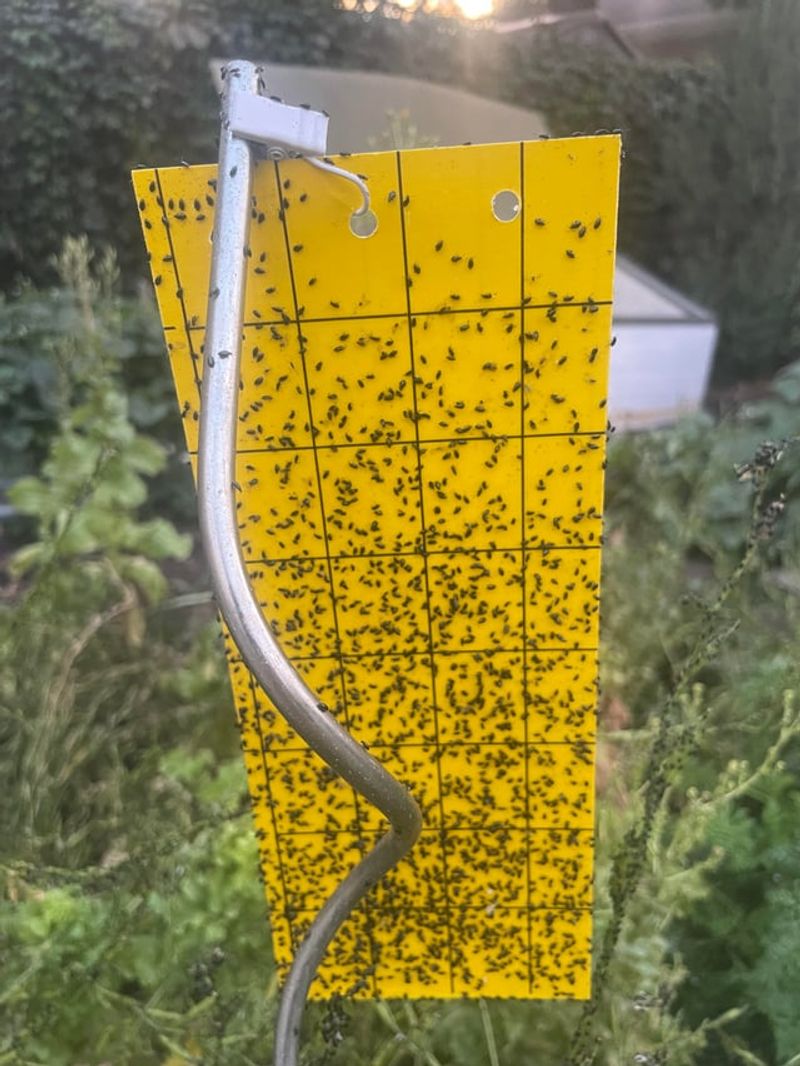
Ants and aphids have a relationship that works against every Arizona gardener. Aphids produce a sticky liquid called honeydew, and ants love it so much that they actually protect aphid colonies from predators to keep the supply going.
Spot ants crawling up your plants and there is a good chance aphids are already there too.
Check the undersides of leaves regularly, especially on roses, peppers, and citrus trees. Aphids cluster in soft, hidden spots and multiply quickly in warm spring weather.
Catching them early is the difference between a quick fix and a full infestation.
Neem oil spray works well without disrupting the beneficial insects you actually want in your garden. Mix it with water and a small drop of dish soap, then spray directly on affected leaves in the early morning or evening.
Avoid midday application in Arizona heat since it can stress plants.
Insecticidal soap is another solid option, especially for heavy aphid clusters. It breaks down the outer coating of soft-bodied insects without leaving harmful residue.
Two or three applications spaced a few days apart usually clears things up.
Ladybugs and lacewings are natural predators that feed on aphids. Planting dill, fennel, or alyssum nearby encourages these beneficial insects to stick around.
In the Sonoran Desert climate, building that kind of natural balance in your garden is a long-term strategy that actually pays off over multiple seasons.
2. Remove Food Sources That Attract Ants Early In The Season
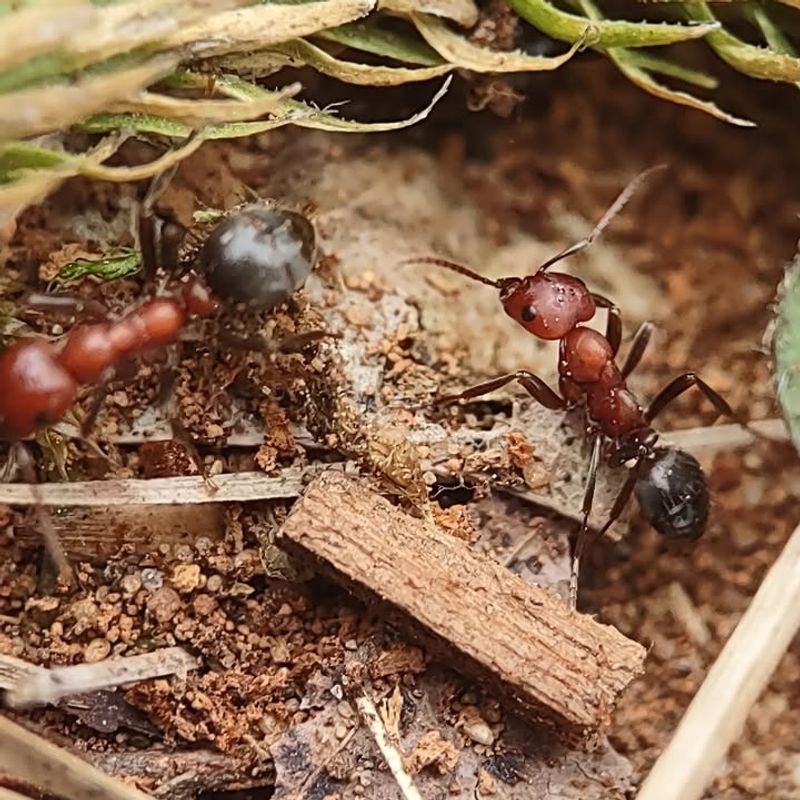
Ants do not show up randomly. They follow food, and Arizona gardens in spring offer plenty of it if you are not paying attention.
Fallen citrus, overripe tomatoes left on the vine, and sticky residue from sap-producing plants are all open invitations.
Start walking your garden every few days and picking up anything that has dropped to the ground. Rotting fruit draws ants fast, especially once temperatures start climbing in April and May.
Even a few pieces of forgotten produce can bring a whole trail within hours.
Pet food left near garden areas is another issue that gets overlooked constantly. If you feed outdoor animals near your garden, switch to a dish with a water moat around the base.
Your Arizona Garden Changes Every Week. Your Plan Should Too.
Gardening in Arizona changes quickly throughout the season. Every Friday you’ll receive a simple weekly plan showing exactly what to plant, prune, fertilize, harvest, and protect so you never miss the right timing.
Ants cannot cross standing water, so that simple trick cuts off one of their easiest food sources.
Compost bins near garden beds also need attention. Open or loosely sealed bins are basically a buffet.
Use a bin with a tight-fitting lid and keep it at least ten feet from your main planting areas. In Phoenix and surrounding desert communities, compost heats up quickly, which can help, but it also concentrates smells that attract insects.
Cleaning up is not glamorous work, but it is honestly the most effective first step. Ants are opportunists.
Cut off the food supply early in the season and you remove the main reason they bother showing up in the first place.
3. Water Deeply Instead Of Frequently To Limit Nesting Areas
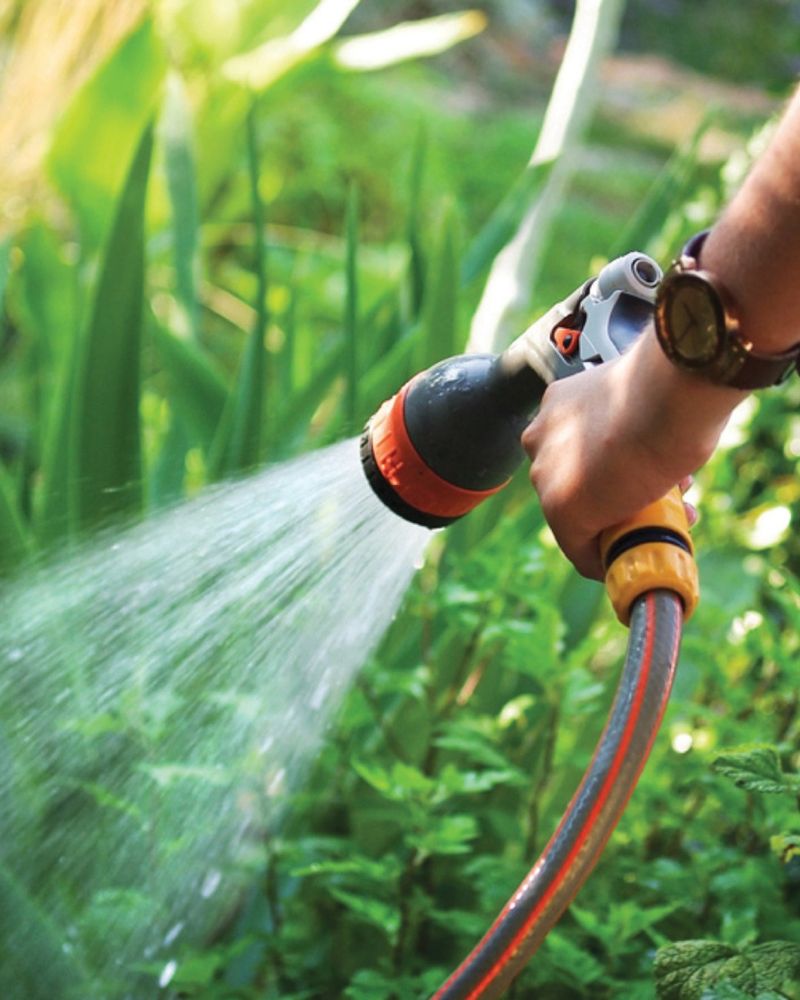
Shallow, frequent watering is one of the biggest mistakes Arizona gardeners make, and it does more than stress your plants. It also creates perfect conditions for ant colonies to nest near the surface.
Ants prefer dry, undisturbed soil, and a garden that gets light sprinkles every day gives them exactly that just below the crust.
Deep watering pushes moisture down into the root zone, which is where your plants actually need it. It also makes the top few inches of soil less hospitable for nesting.
Colonies need stable, dry chambers to function, and consistently damp soil disrupts that structure.
Drip irrigation is worth the setup cost for most Arizona gardeners. It delivers water directly to the base of each plant slowly and deeply, which reduces surface moisture and limits the dry patches ants gravitate toward.
It also cuts down on the standing water issues that come with overhead sprinklers.
A good rule for desert gardens is to water less often but longer each time. For established vegetable beds, watering every three to four days deeply is far more effective than a quick daily rinse.
Your plants develop stronger roots and the soil stays less ant-friendly overall.
Checking soil moisture with your finger before watering is a habit worth building. If the top two inches are still damp, hold off.
In Tucson and the Phoenix metro area, spring temperatures can vary a lot week to week, so flexibility in your watering schedule really matters.
4. Seal Cracks And Gaps Around Garden Edges And Structures
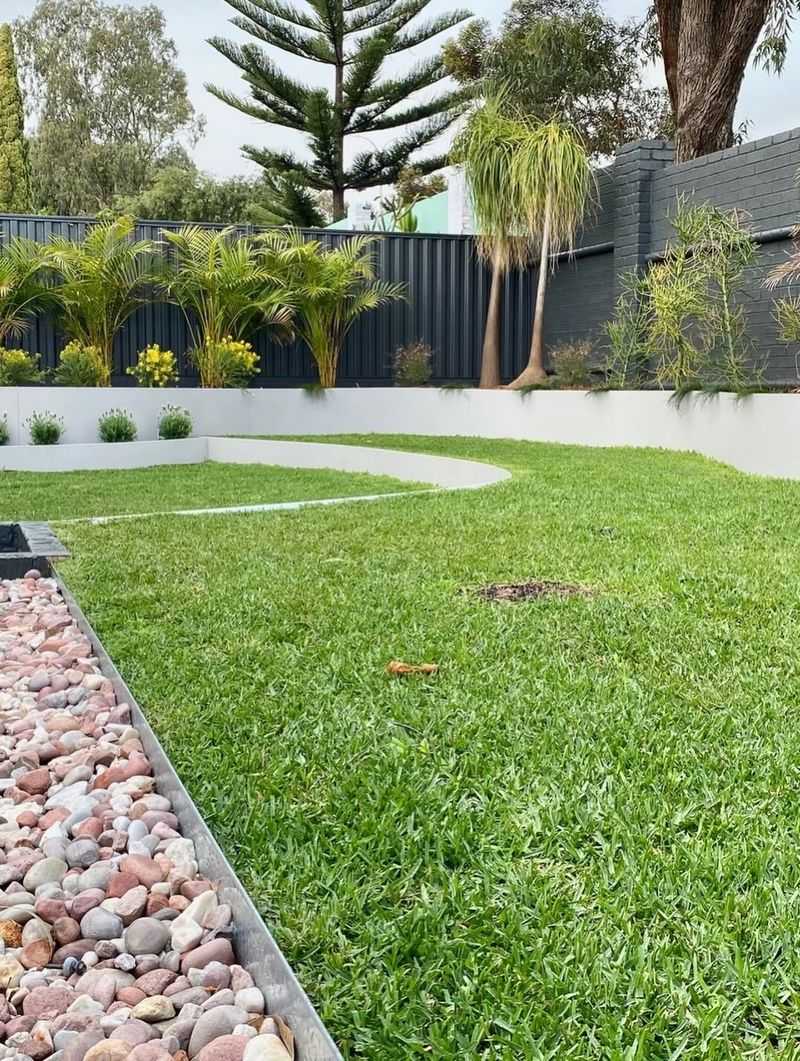
Raised beds, garden walls, wooden borders, and storage sheds all develop small cracks over time, especially with Arizona’s extreme temperature swings between seasons. Those gaps are not just cosmetic problems.
Ants use them as protected entry points and nesting spots that are hard to reach and easy to defend.
Walk your garden perimeter at the start of spring and look carefully at the base of raised beds, the edges where pavers meet soil, and any wooden structures touching the ground. Even a crack the width of a pencil is enough for most ant species found in the Sonoran Desert region.
Hardware store caulk works fine for sealing gaps in wood or masonry. For areas where soil meets hardscape, a layer of fine gravel pressed tightly along the edge can block access without looking out of place in a desert-style garden.
It also improves drainage, which is a bonus.
Check irrigation line entry points too. Where drip lines pass through walls or raised bed frames, small openings often get ignored.
Stuffing steel wool into those gaps before sealing with caulk adds an extra layer of resistance since ants will not chew through it.
Repeating this check every spring is more important than most people realize. Wood expands and contracts with temperature, and gaps that were sealed last year may have reopened.
In Arizona, that freeze-thaw and heat cycle is aggressive enough to undo repairs faster than in more temperate climates, so staying consistent pays off.
5. Use Mulch Carefully To Avoid Creating Nesting Spots
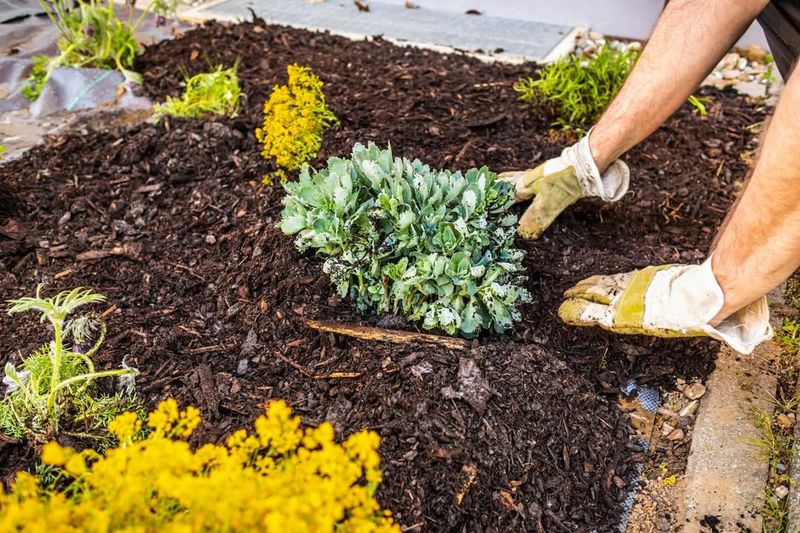
Mulch is genuinely useful in an Arizona garden. It keeps roots cool, slows moisture loss, and suppresses weeds.
But pile it on too thick or push it right up against plant stems and you have just built a cozy home for ants and a range of other pests.
Wood chip mulch in particular holds moisture and warmth, which ant colonies find attractive for nesting. If you are dealing with recurring ant problems, consider switching to decomposed granite or coarse gravel in the areas closest to your plants.
Both options still moderate soil temperature without creating the soft, sheltered conditions that organic mulch does.
When using organic mulch, keep it no deeper than two to three inches. Pull it back a few inches from the base of each plant so there is a dry, exposed gap.
That exposed zone is harder for ants to cross and reduces the chance of moisture-related issues at the crown of your plants.
Rake through your mulch layer periodically to disrupt any colonies that may have started settling in.
In the spring, when Arizona ant species are at their most active, a quick weekly disturbance can prevent a small problem from becoming a large one without much effort at all.
Placement matters too. Avoid thick mulch rings around the base of trees near your garden since those rings are popular nesting zones for fire ants and carpenter ants, both of which are common in the greater Phoenix and Tucson areas during warm months.
6. Apply Natural Barriers Around Plants And Entry Points
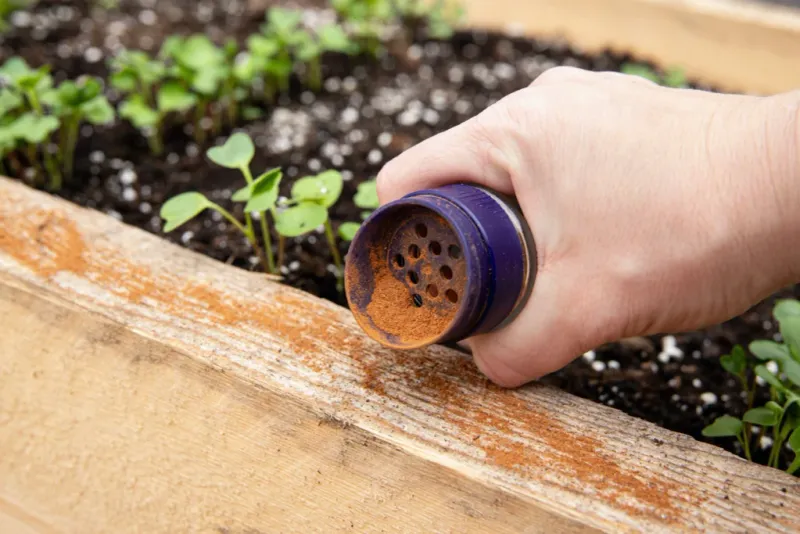
Not every ant solution needs to come from a spray can. Several natural materials create effective barriers that slow or stop ants from reaching your plants, and most of them are cheap, safe for edible gardens, and easy to apply around the yard.
Diatomaceous earth is one of the most reliable options. Sprinkle a ring of food-grade diatomaceous earth around the base of individual plants or along the edges of garden beds.
It works by damaging the exoskeletons of insects that walk through it, causing them to dehydrate. It is completely safe for people, pets, and beneficial insects like bees as long as you avoid applying it directly on flowers.
Cinnamon is worth trying along ant trails and around entry points. It disrupts the chemical signals ants use to navigate, which breaks up their organized movement.
Coffee grounds work similarly and have the added benefit of slightly acidifying the soil, which some Arizona garden plants appreciate.
Peppermint oil diluted in water and sprayed along the base of garden walls and raised bed edges creates a scent barrier that ants tend to avoid. Reapply every few days, especially after watering or rain during Arizona’s brief spring storm season.
Sticky barriers like Tanglefoot applied around the base of tree trunks physically stop ants from climbing. Wrap a piece of tape or paper around the trunk first to protect the bark, then apply the sticky substance on top.
It works particularly well for protecting citrus trees, which are common across Arizona yards.
7. Treat Visible Nests Early To Reduce Colony Growth
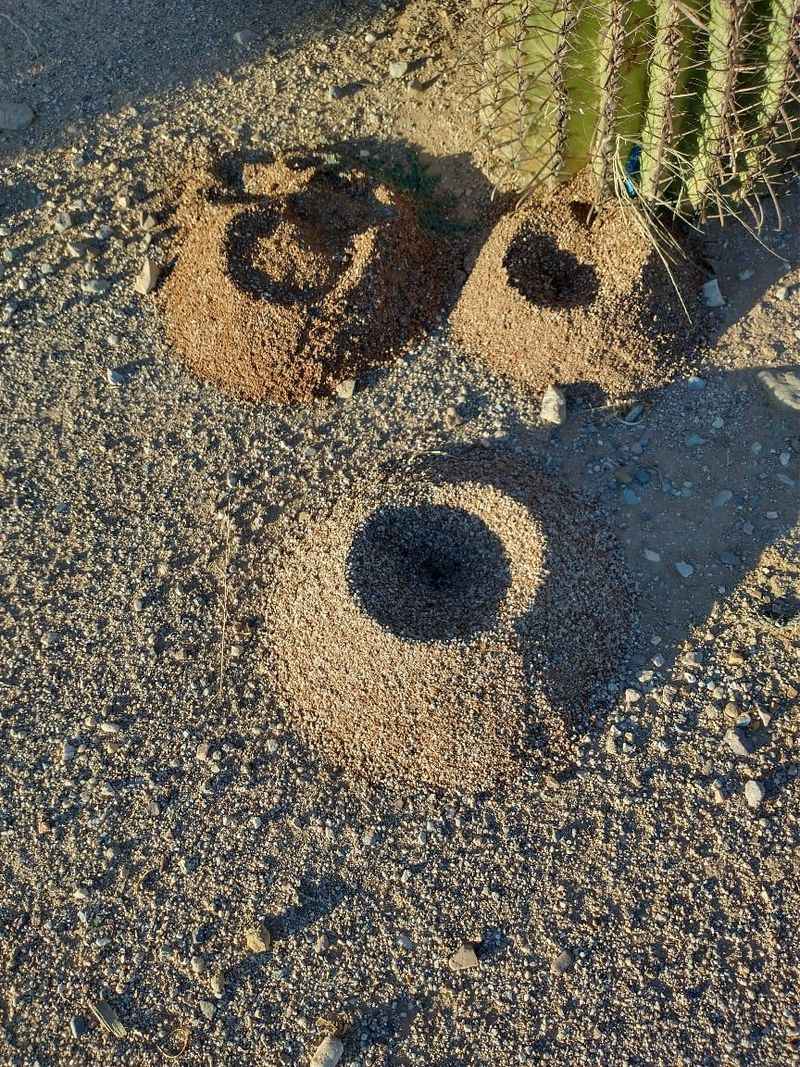
Spotting a mound in your garden is actually good news in a way. It means the colony is visible and accessible, which gives you a real chance to address it before it expands.
Arizona ant colonies can grow remarkably fast once spring warmth sets in, so early action matters more than most people expect.
Borax bait is one of the most effective approaches for targeting a whole colony without disrupting the rest of your garden. Mix a small amount of borax with a sugary substance like jelly or sugar water and place it near the mound on a flat surface.
Worker ants carry the bait back to the nest, which eventually reaches the queen and disrupts the entire colony structure.
Patience is required with bait methods. Results take several days to a week, and it is important not to disturb the mound while the bait is being taken.
Resist the urge to pour anything directly on the mound while the bait is active since it will scatter the colony and make treatment harder.
For fast-acting treatment, pouring boiling water directly into the mound is a straightforward method that does not involve chemicals. Use several gallons to reach deep into the tunnels.
Be careful around nearby plant roots, especially with shallow-rooted vegetables common in Arizona spring gardens.
Checking your garden every week during spring is the simplest habit you can build. Catching a new mound when it is still small, just a few inches across, is far easier to manage than dealing with an established colony that has had weeks to spread through your garden beds.