7 Simple Ways To Save New Growth From Late Frost In Georgia Gardens
Georgia gardens can look full of promise this time of year, which is exactly why a late frost feels so frustrating. One stretch of warm weather pushes out tender new growth, everything starts waking up, and it finally seems like spring is here to stay.
Then the temperature drops again, and suddenly all that fresh progress feels vulnerable overnight.
That is the part many gardeners know too well. Healthy new leaves, soft stems, and early buds can be the first things hit when the weather shifts at the wrong moment.
In Georgia, that back and forth is often what makes early spring so unpredictable. The garden starts moving ahead, but the season is not always fully settled yet.
What makes the situation even harder is how fast it can happen. A plant that looked perfectly fine in the afternoon can look stressed by the next morning.
Knowing how to step in before that cold snap does too much damage can make all the difference for everything just starting to grow.
1. Cover New Growth Overnight With Breathable Frost Cloth
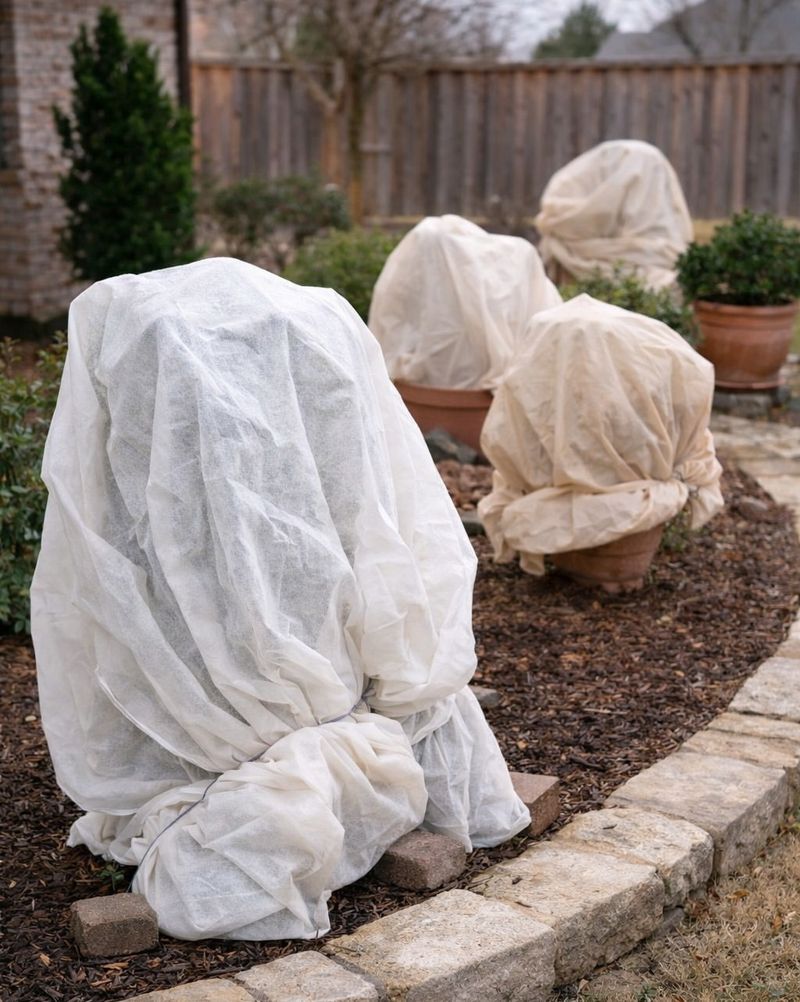
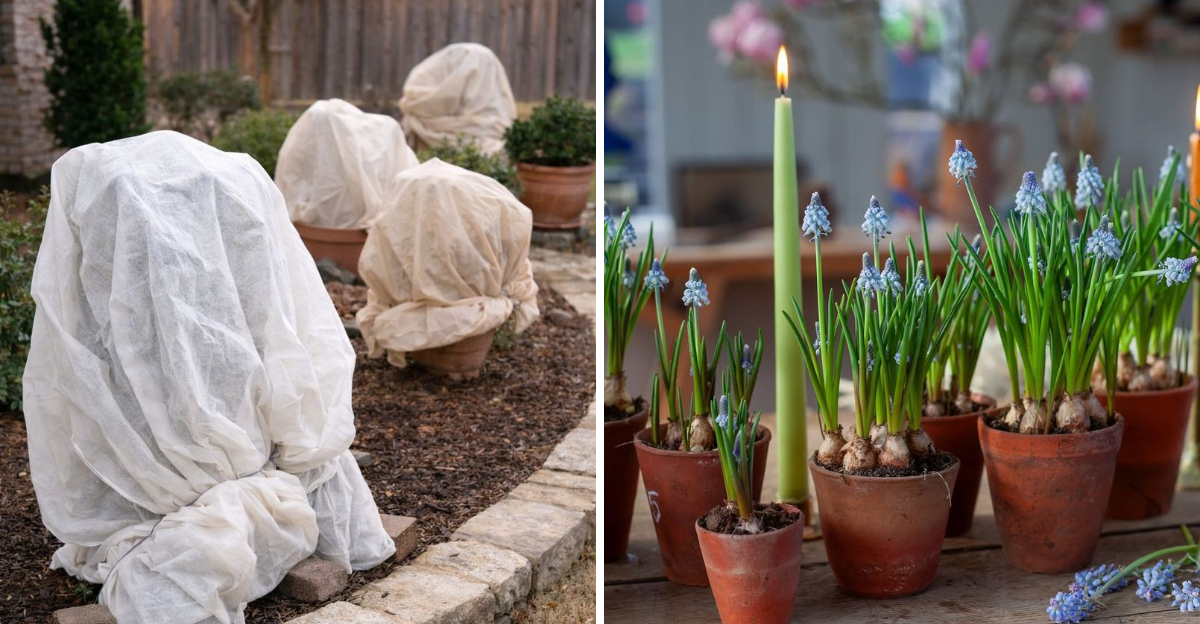
Frost cloth might be the single most useful thing you can keep in your garden shed if you live in Georgia.
Unlike plastic sheeting, breathable frost fabric lets air and a little moisture pass through while still trapping enough warmth around your plants to keep new growth from freezing on a cold night.
You can find it at most garden centers, and it is worth having a few yards on hand every spring.
Drape it loosely over your plants before the sun goes down, making sure the edges reach all the way to the ground. Tucking the sides under a few rocks or bricks keeps it from blowing off in the wind.
Leaving air space between the fabric and the plant tips actually helps, because that trapped air acts as a small insulating pocket around the new growth.
Breathable frost cloth can protect plants down to about 28 degrees Fahrenheit depending on the thickness you buy. That covers most late frost events Georgia gardeners deal with in March and early April.
Heavier frost cloth gives more protection, while lighter row cover works fine for mild cold snaps. Reusing the same cloth over several seasons makes it an affordable solution compared to replacing frost-damaged plants every year.
Just be careful not to pull the fabric too tight against tender stems or buds. Crushing new growth defeats the whole purpose.
Lay it over gently, secure the edges, and let the cloth do its job overnight without smothering what you worked hard to grow.
2. Water Soil Before Frost To Help Retain Ground Heat
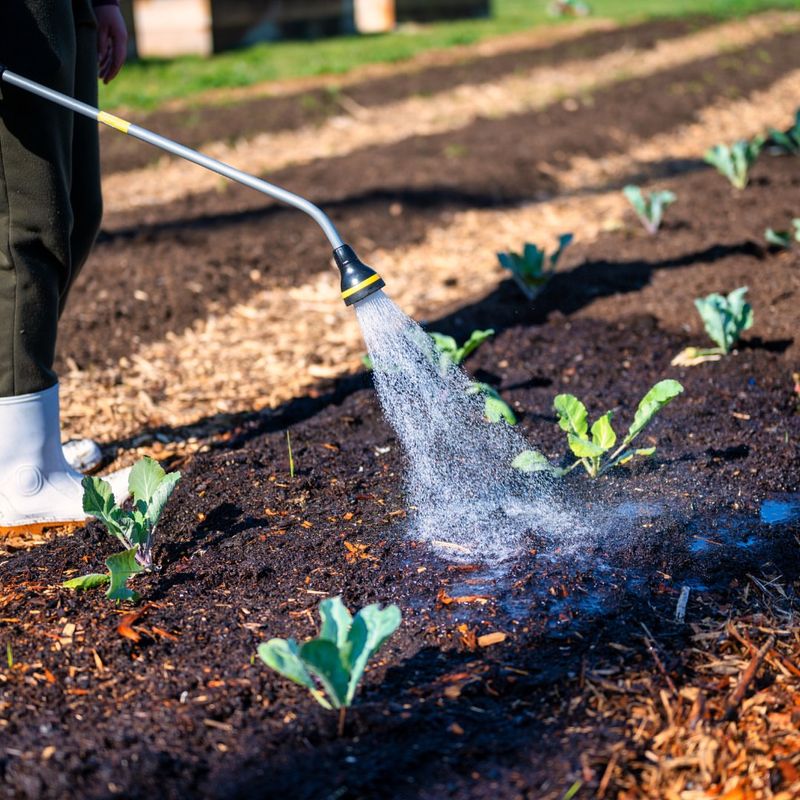
Dry soil loses heat fast once the sun drops. Moist soil, on the other hand, holds onto warmth much longer and slowly releases it back up through the night, creating a slightly warmer environment right around your plant roots and the base of new growth.
It sounds almost too simple, but watering your garden beds the afternoon before a frost warning can make a real difference.
Your Georgia Garden Changes Every Week. Your Plan Should Too.
Gardening in Georgia changes quickly throughout the season. Every Friday you’ll receive a simple weekly plan showing exactly what to plant, prune, fertilize, harvest, and protect so you never miss the right timing.
Give your beds a thorough watering a few hours before sunset so the water has time to soak in rather than sitting on top. Soggy surface water is not what you want.
What helps is moisture deep enough in the soil that it stores the day’s warmth and radiates it upward slowly after dark. Sandy Georgia soils drain quickly, so those gardens may need a little extra water to hold enough moisture through the night.
Raised beds tend to dry out and cool down faster than in-ground beds, so pay extra attention to those if you have them.
Containers sitting on hard surfaces like patios or driveways lose heat from every side, which is why watering alone is not always enough for pots.
Pairing soil moisture with a cover gives you the best protection on especially cold nights.
Skip watering the foliage itself before a frost. Wet leaves heading into freezing temperatures can actually cause more damage than dry ones.
Keep the water focused at the base, right where it can do the most good for roots and new growth pushing up from the soil.
3. Add Mulch Around Plants To Insulate Roots And Base Growth
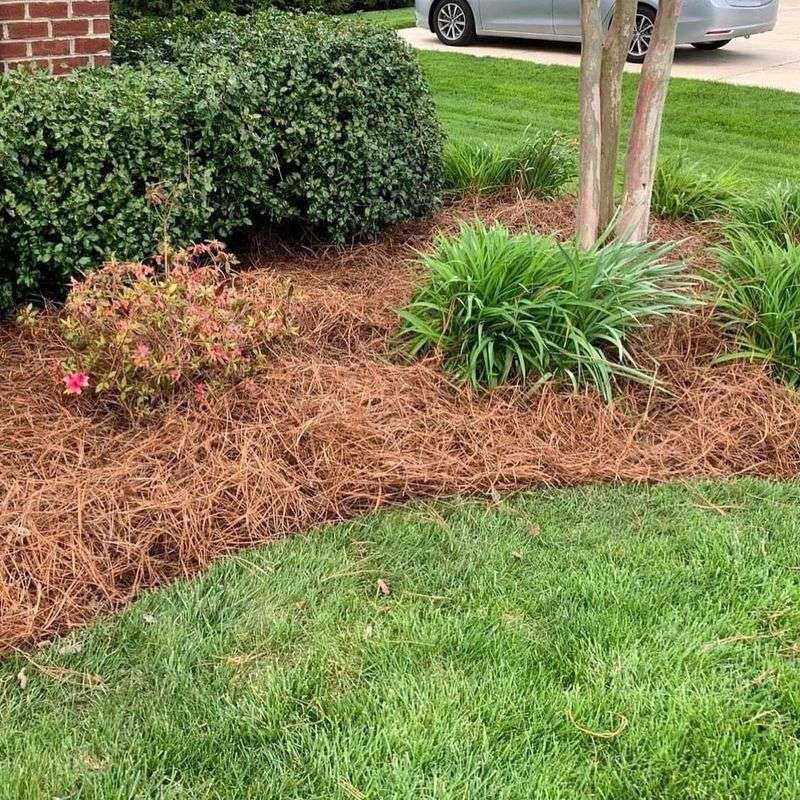
Pine straw is everywhere in Georgia, and it turns out that makes it one of the most practical mulching options you already have access to.
Spreading a two to three inch layer of pine straw, bark chips, or shredded leaves around the base of your plants acts like a blanket for the soil, slowing down heat loss through the night and keeping root zones from swinging between extreme temperatures.
Roots are more vulnerable to cold than most people realize. When the soil freezes and thaws repeatedly, it can heave young plants right out of the ground or stress root systems enough to stunt new growth for weeks.
A solid layer of mulch buffers those temperature swings and keeps the ground more stable during those unpredictable late-winter and early-spring nights Georgia is known for.
Pull the mulch back just a little from the very base of the stem or trunk so moisture does not build up right against the bark. A small gap of an inch or two around the crown prevents rot while still letting the surrounding soil benefit from the insulation.
Once frost season passes, you can spread that mulch back out evenly across the bed.
Fresh mulch applied in late February or early March gives your garden a head start before the last frost threats arrive.
Older mulch that has been sitting all winter may have compacted, so fluffing it up or adding a fresh layer on top helps it do its job properly when cold nights roll back in unexpectedly.
4. Bring Potted Plants Indoors Or Under Shelter Before Cold Nights
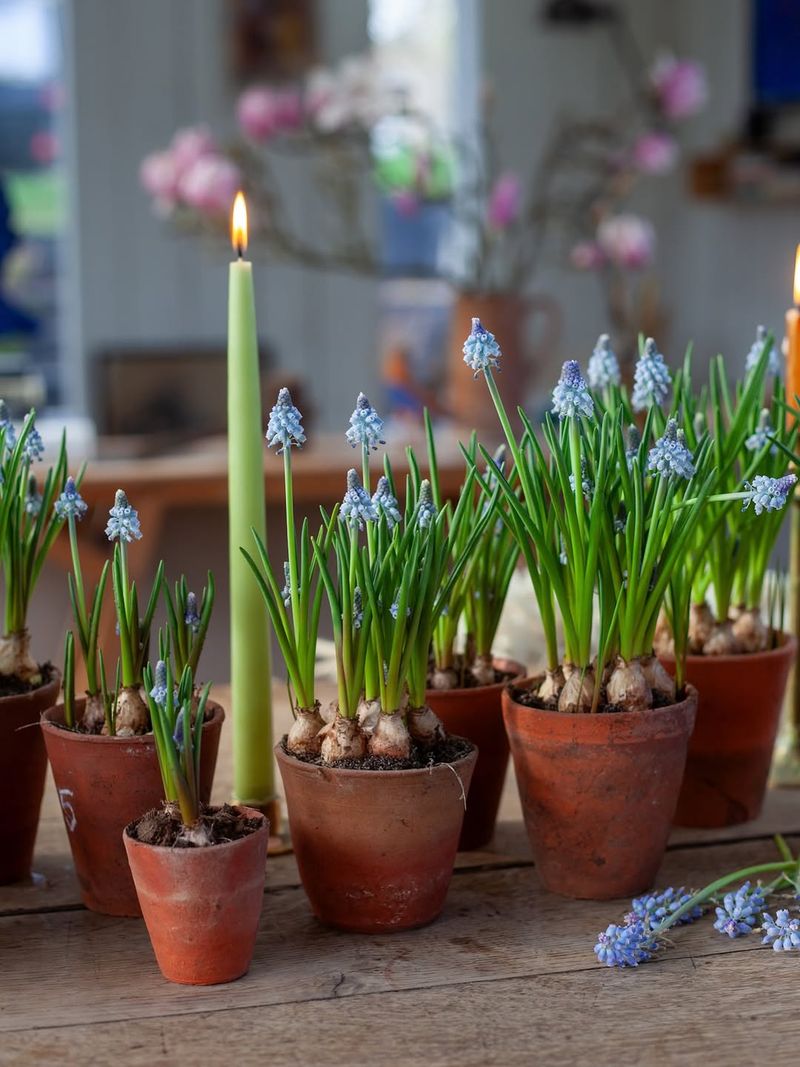
Pots have no ground beneath them to borrow warmth from. Every side of a container is exposed to cold air, which means potted plants chill down much faster than anything growing in the ground.
If a frost warning is coming and your pots are sitting out on the porch or patio, getting them under shelter is the fastest and most effective move you can make.
A garage, covered carport, screened porch, or even a spot just inside the back door works well for one or two cold nights. You do not need a climate-controlled space.
Just getting the plant out of direct frost exposure and away from freezing wind is usually enough to protect new growth through a typical Georgia late frost event. Even a covered porch blocks a surprising amount of cold on a night that dips into the low thirties.
Grouping pots together when you bring them in helps too. Plants release a small amount of heat and moisture, and clustering them creates a slightly warmer microclimate among the group.
Set them near a window so they still get light during the day if they will be inside for more than one night.
Heavy pots that are too difficult to move deserve a little extra attention. Wrap them in burlap or old towels and push them up against a wall or fence where they get some wind protection.
Adding a layer of mulch over the soil surface in the pot helps insulate the roots from the cold air hitting the container walls on all sides.
5. Use Sheets Or Blankets Instead Of Plastic For Better Protection
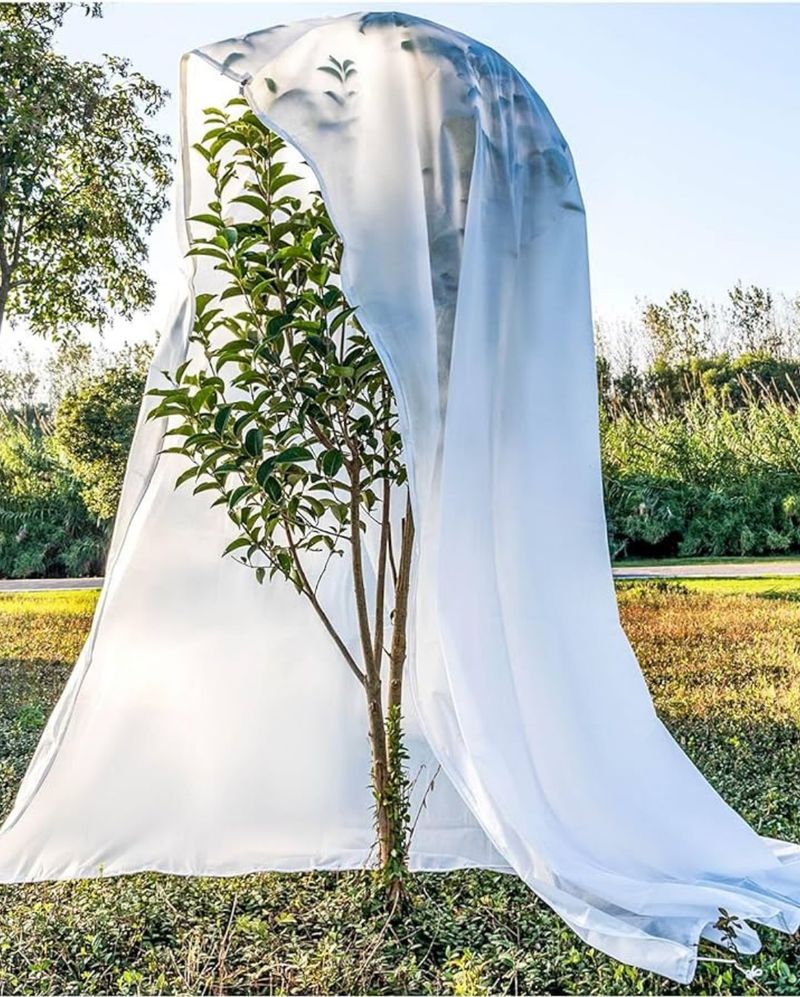
Plastic garbage bags and tarps are a tempting quick fix because most people already have them, but plastic is actually one of the worst things you can put directly over plants before a frost.
It traps moisture against the leaves and stems, and when temperatures drop, that trapped moisture freezes and causes more damage than the frost would have on its own.
Old bed sheets, cotton blankets, or even burlap work far better.
Fabric breathes. It lets some air exchange happen while still holding warmth close to the plant.
A cotton sheet draped over a shrub or small tree can protect new buds and tender growth on nights that dip into the upper twenties without causing the smothering effect that plastic creates.
Most Georgia gardeners who have been at it for a few years keep a pile of old sheets specifically for this purpose.
Drape the fabric generously so it hangs down to the soil on all sides. Heat rising from the warm ground gets trapped under the cover, and that rising warmth is what actually does most of the protecting overnight.
If the sheet sits too high above the soil and lets cold air flow in underneath, it loses most of its effectiveness.
Weight the edges down with bricks, rocks, or garden stakes so wind does not pull the cover off in the middle of the night. A cover that blows off at two in the morning when temperatures hit their lowest point offers no protection at all.
Take a minute to secure it properly before heading inside for the night.
6. Remove Covers In The Morning Once Temperatures Rise
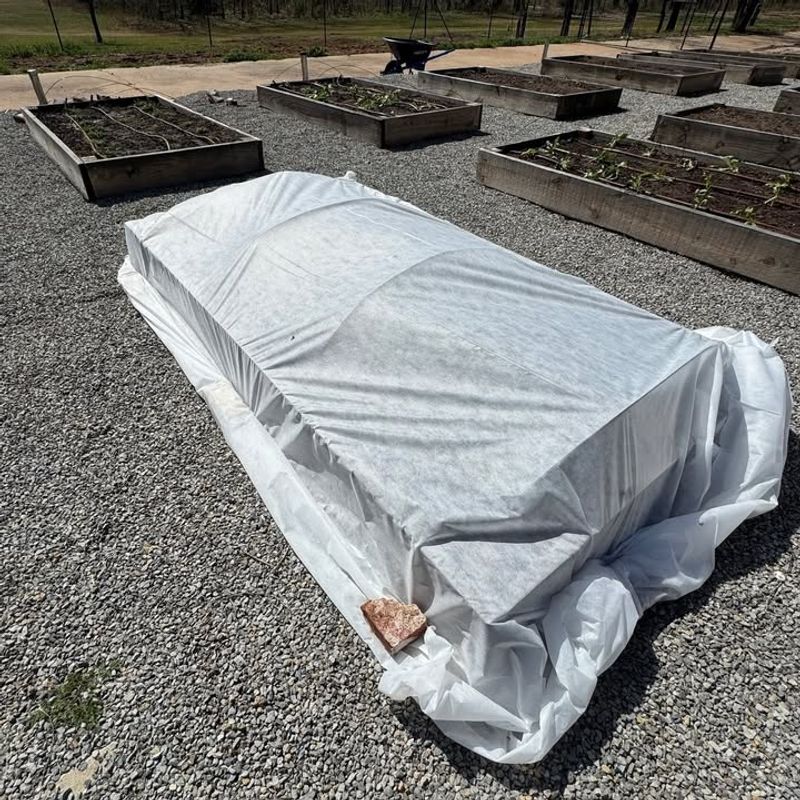
Leaving covers on plants after the temperature climbs back up is one of the most common mistakes Georgia gardeners make. Once the sun starts warming things up and temperatures rise above freezing, those covers need to come off.
Plants left under fabric or blankets in full sun will overheat quickly, and new growth that survived the frost perfectly well can end up stressed from too much heat and humidity trapped underneath.
A good rule of thumb is to uncover plants once daytime temperatures hit around 40 to 50 degrees Fahrenheit and the frost risk for that morning has clearly passed.
Frost can still form on surfaces even when air temperature climbs slightly above freezing, so waiting until the sun has been up for an hour or two is usually the safest call.
Removing covers also lets the soil breathe and dry out a little between cold snaps. Soil that stays covered and damp for too long can develop fungal issues, especially in Georgia where humidity is already higher than in drier climates.
Giving your plants a few hours of open air and sunlight between frost events keeps things healthier overall.
Fold your frost cloth and sheets neatly after removing them and store them somewhere dry. Fabric that gets put away wet tends to mildew, and mildewed frost cloth pressed against tender new growth is not something you want.
Taking care of your covers means they will be ready and effective the next time a late frost threat shows up on the Georgia weather forecast without warning.
7. Focus Protection On Tender New Growth That Freezes First
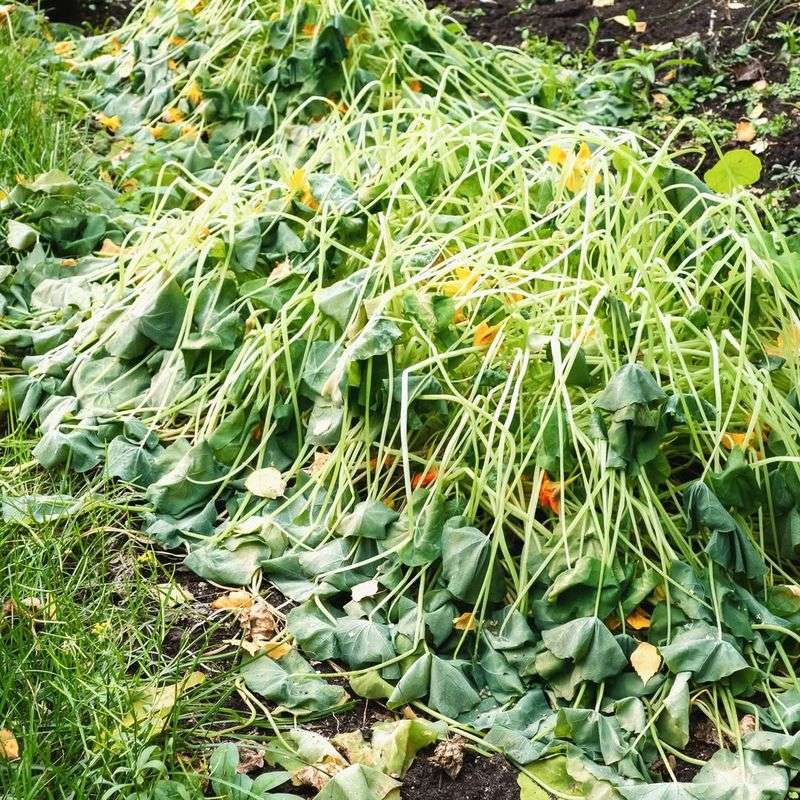
Not every part of a plant is equally at risk when frost rolls through. Established woody branches and thick stems handle cold far better than the soft, bright green new growth pushing out in early spring.
Young leaves, fresh buds, and newly emerged flower shoots are the parts that suffer first because that tissue is still thin, full of water, and has not had time to toughen up yet.
When you are short on covers or running out of time before a cold night, prioritize the newest and most tender growth on each plant.
A rose bush that has been in your Georgia garden for five years will survive a late frost on its woody canes, but the fresh red shoots just unfurling at the tips are the ones that need a cover.
Focusing your limited resources where they matter most is smarter than trying to cover everything equally.
Pay close attention to plants that leafed out or bloomed early during a warm stretch in late February or March. Georgia gets those warm teaser weeks that push plants into early growth, and then a cold snap follows.
Those early bloomers are the most exposed because their new tissue came out weeks before it normally would have, and it has had no chance to adapt to cold.
Fruit trees, hydrangeas, hostas, and young vegetable transplants are usually the highest priority in a Georgia spring garden. Protecting the new growth on these plants first gives you the best return on your effort when time is short and frost is already on the way.