What Georgia Crape Myrtles Need In March For Strong Healthy Growth
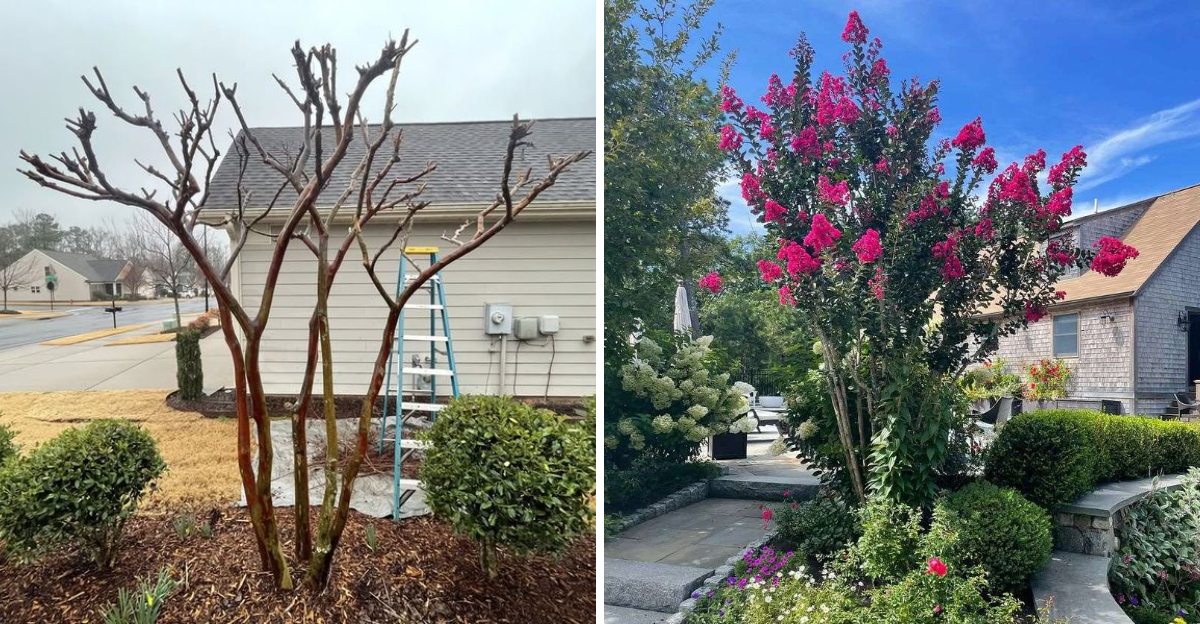
March is when Georgia landscapes start waking up fast, and crape myrtles are right in the middle of that shift.
Bare branches do not stay bare for long, and once the season starts moving, these familiar trees and shrubs begin setting the stage for everything that follows.
That is why this point in the season matters more than many people realize. What happens now can shape how healthy, full, and vigorous that new growth looks in the months ahead.
A lot of gardeners pay attention to crape myrtles once leaves and flowers show up, but March is when the real foundation starts taking shape.
It is the point where small choices can either support strong growth or quietly hold the plant back before spring fully takes off.
In Georgia, that timing feels especially important because the season can change quickly. The yard starts filling in, temperatures keep shifting, and plants respond fast.
When crape myrtles get the right attention now, the difference becomes easier to see as spring keeps unfolding.
1. Finish Pruning Before New Growth Fully Starts
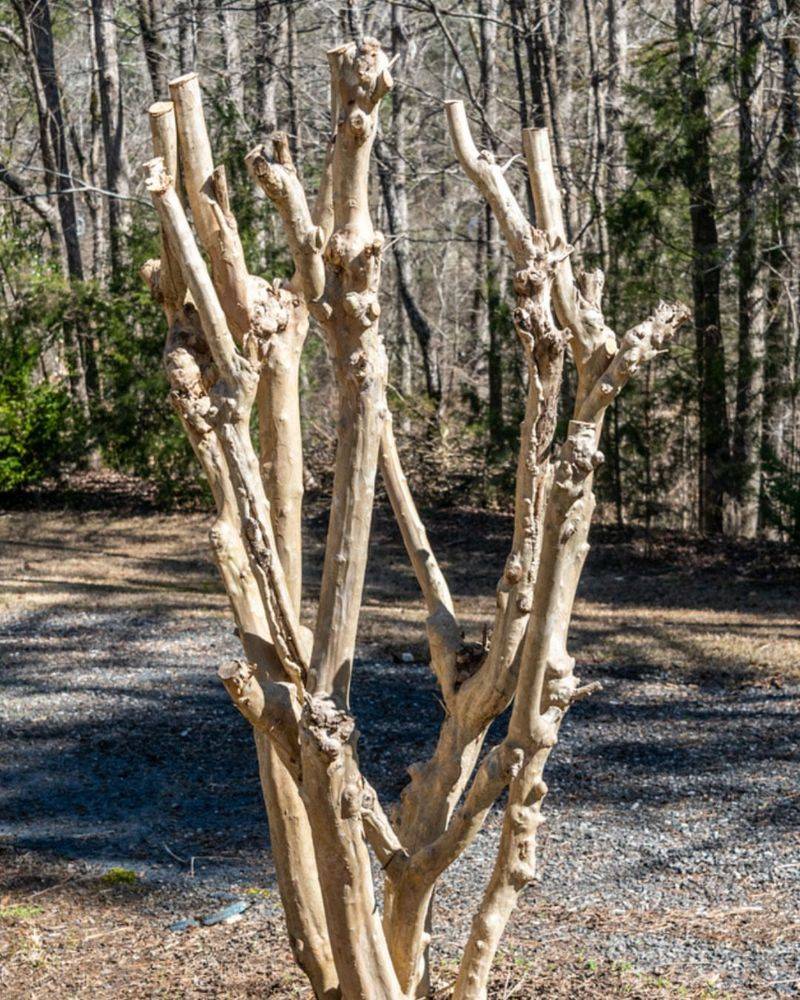
Right now is your last real window to prune, and if you miss it, you will be cutting off flower buds that took all winter to form. Crape myrtles in Georgia start pushing growth fast once March temperatures climb, so getting those cuts in early matters more than most people realize.
Once you see leaf buds swelling, slow down and be selective.
Remove branches that rub together, grow inward toward the center, or still look damaged from winter. You are not trying to reshape the whole tree.
A few smart cuts go a long way toward giving the canopy room to breathe and fill out naturally.
Skip the habit of cutting all the tops off. Topping crape myrtles weakens the branch structure over time and produces a cluster of thin, weak shoots that flop under the weight of summer blooms.
Georgia gardeners who avoid topping consistently get fuller, stronger trees with better flower display.
Clean your pruning tools before and after each tree to avoid spreading any fungal issues. A quick wipe with rubbing alcohol does the job.
Sharp blades make cleaner cuts that heal faster, so if your pruners feel dull, sharpen them or grab a fresh pair before you start working through your yard this month.
2. Remove Weak Or Crossing Branches For Better Airflow
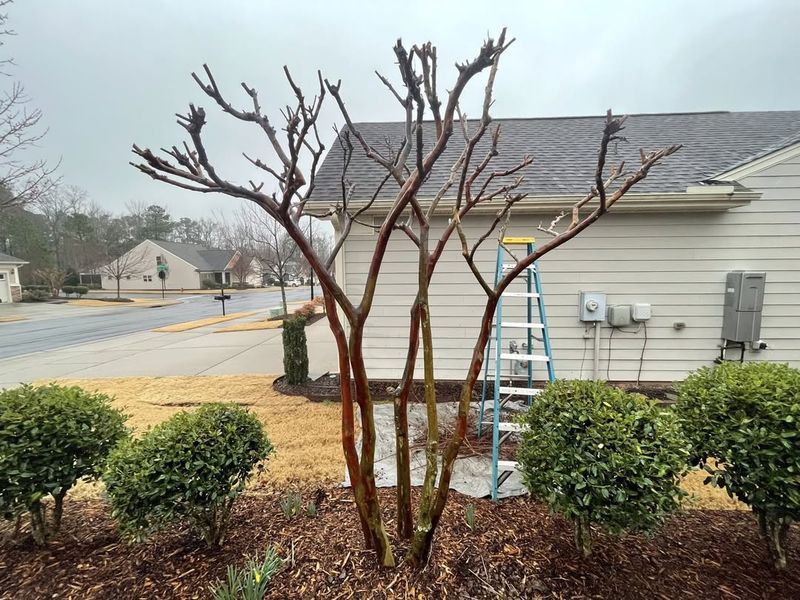
Branches that cross and rub against each other are one of the most overlooked problems in crape myrtle care, yet they cause real damage over time. Where bark gets scraped away, wounds form.
Those wounds become entry points for insects and fungal problems that can follow the tree all the way through summer.
Walk around your crape myrtle slowly and look for branches that angle inward or press against a neighboring branch. Pull one gently and watch if another moves with it.
That contact point is exactly where you want to make a cut, removing the weaker or more awkwardly angled of the two.
Airflow through the canopy is a bigger deal in Georgia than people think. Humid summers create perfect conditions for powdery mildew, a fungal issue that coats leaves in a white dusty film.
Your Georgia Garden Changes Every Week. Your Plan Should Too.
Gardening in Georgia changes quickly throughout the season. Every Friday you’ll receive a simple weekly plan showing exactly what to plant, prune, fertilize, harvest, and protect so you never miss the right timing.
Opening up the interior of the tree now helps air move through freely when heat and humidity peak in July and August.
After removing crossing branches, step back and check the overall shape. You are not looking for perfection, just balance.
A canopy that lets light filter through from multiple angles will produce blooms more evenly across the whole tree rather than just at the tips.
Spending twenty minutes on this task in March can prevent a lot of frustration later in the growing season right here in Georgia.
3. Apply A Light Balanced Fertilizer To Support Spring Growth
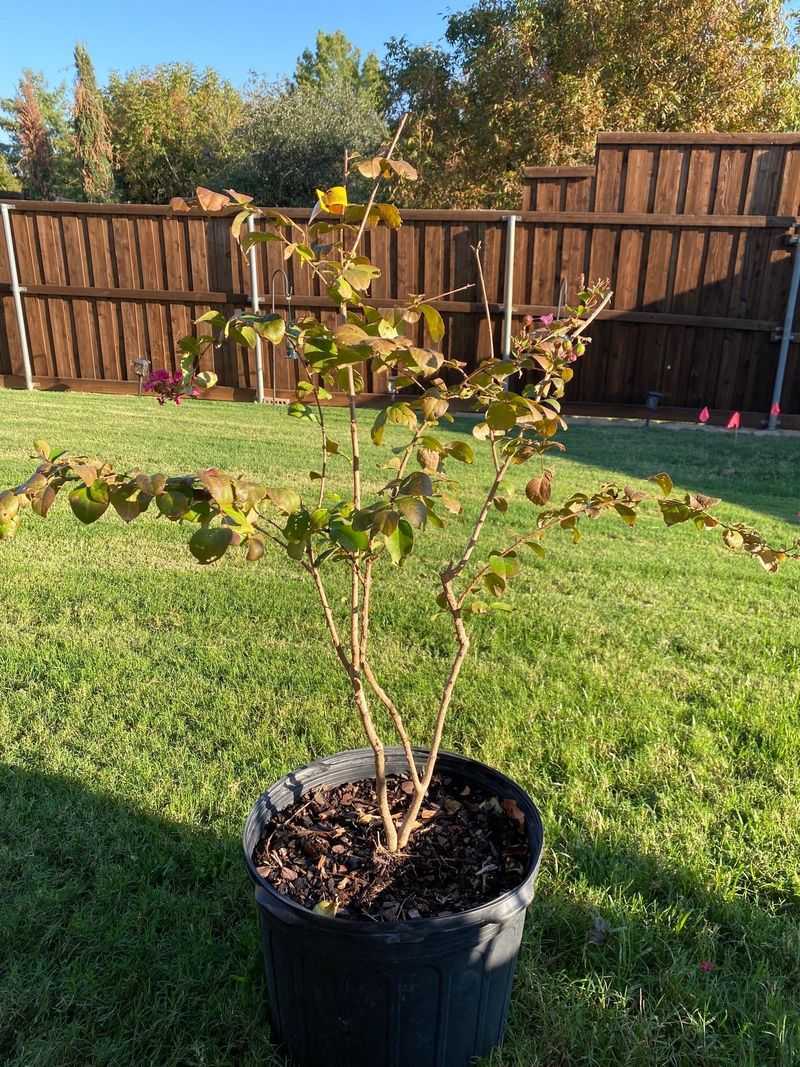
Feeding crape myrtles in early spring gives them a head start, but the key word here is light. Dumping heavy nitrogen on a tree that is just waking up pushes lots of leafy green growth at the expense of flowers later in the season.
A balanced fertilizer with equal or near-equal nitrogen, phosphorus, and potassium numbers is what you want.
Look for something like a 10-10-10 or 8-8-8 granular fertilizer. Scatter it around the drip line of the tree, which is the outer edge of the canopy, not right against the trunk.
Water it in gently after application so it starts moving into the soil where the roots can actually reach it.
Georgia soil varies a lot by region. If you are in the red clay areas of North Georgia or the sandier soils further south, your tree may have different nutrient needs.
Getting a basic soil test through your local extension office takes the guesswork out of fertilizing and saves you money in the long run.
Avoid fertilizing too late in the season. Pushing new growth in late summer encourages tender shoots that get damaged when temperatures drop.
March is ideal because you are supporting the tree during a natural period of active growth, not forcing it out of its natural rhythm. One application now can carry your crape myrtles through much of the spring growth flush without overdoing it.
4. Check Soil Drainage To Prevent Root Stress
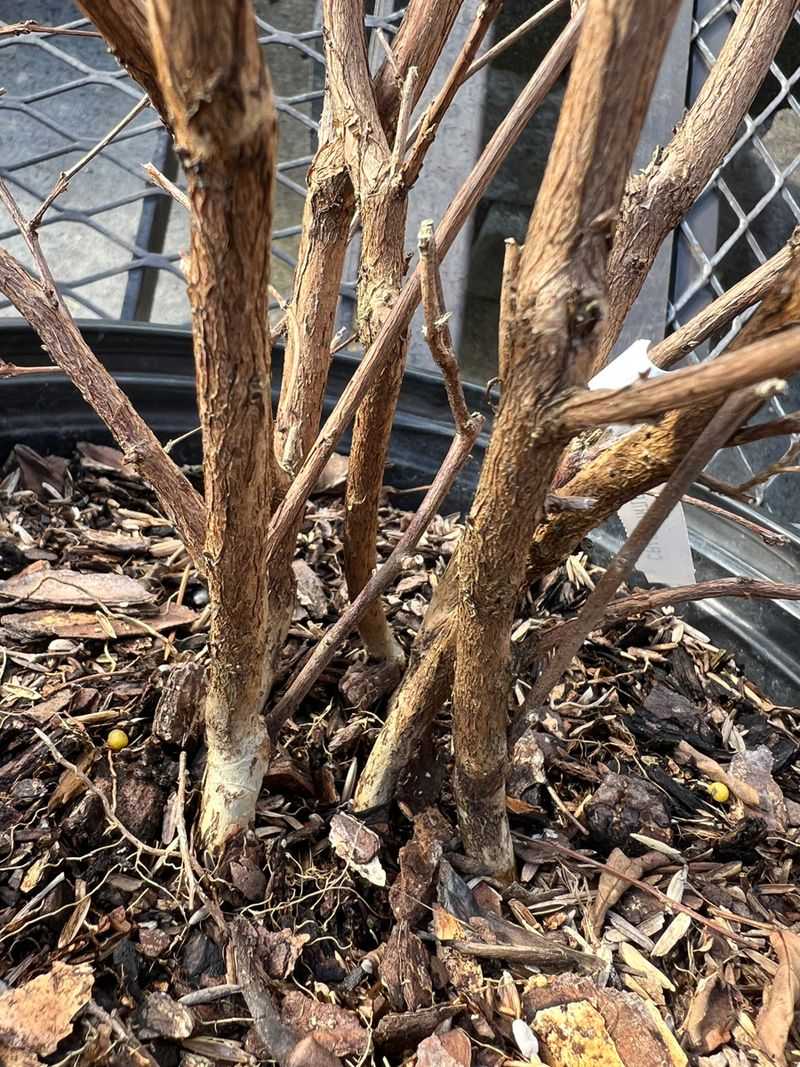
Soggy roots are a silent problem that shows up weeks later as yellowing leaves, stunted growth, or branches that just never seem to thrive.
March is a good time to check whether the soil around your crape myrtles is draining the way it should, especially after Georgia winters that can leave ground saturated for extended stretches.
Dig a small hole about eight inches deep near the drip line of the tree. Fill it with water and watch how fast it drains.
If the water is still sitting there an hour later, you have a drainage problem worth addressing before warm weather arrives and roots start actively growing into that waterlogged zone.
Heavy clay soils are common in many parts of Georgia, especially in the Piedmont region. Clay holds water well but drains slowly, and crape myrtles do not appreciate having wet feet for long.
Working compost into the surrounding soil over time gradually improves drainage without requiring a full landscape overhaul.
If drainage is a serious issue, consider raising the planting area slightly or redirecting water flow away from the base of the tree. French drains are another option for persistently wet spots.
Crape myrtles planted in well-draining soil consistently outperform those sitting in areas that stay wet after rain, and addressing this in March before the growing season ramps up gives roots the best possible environment heading into summer.
5. Add Mulch To Help Retain Moisture And Regulate Soil Temperature
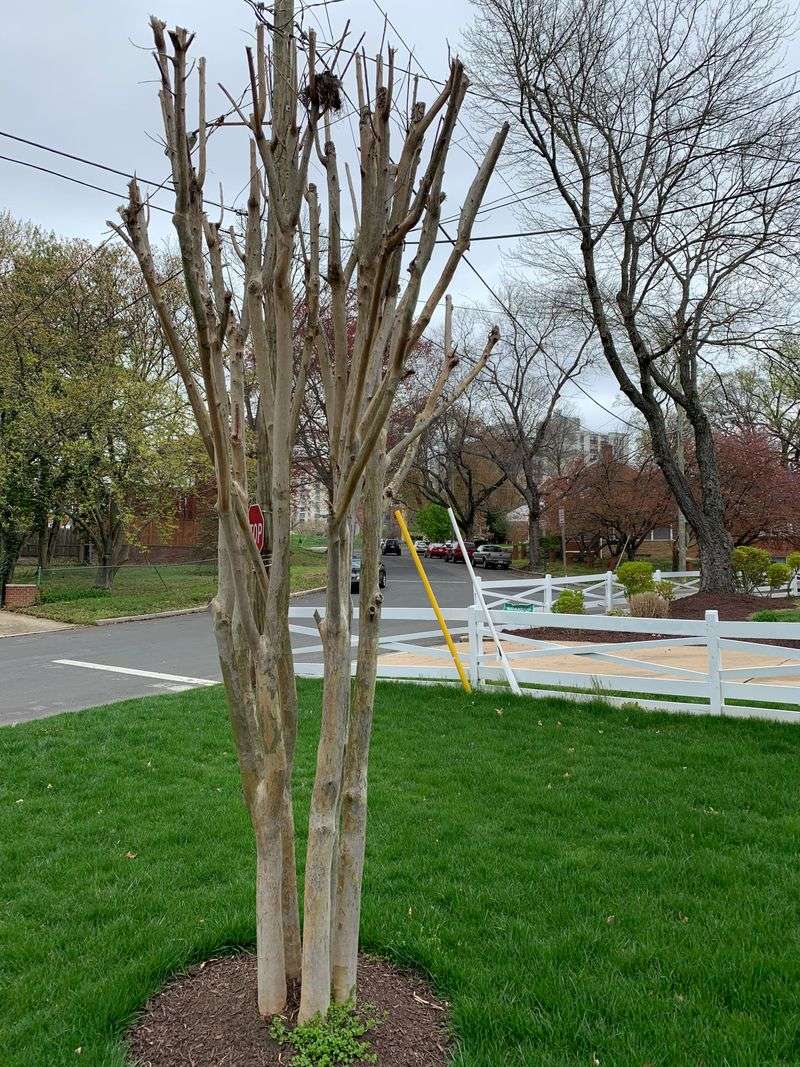
A fresh layer of mulch in March does more work than most people give it credit for. It holds moisture in the soil during dry spells, keeps soil temperatures from swinging too dramatically, and slowly breaks down to feed the soil over time.
For crape myrtles in Georgia, where spring weather can flip from cool and rainy to warm and dry within days, mulch acts like a buffer zone for the root system.
Pine bark and pine straw are both popular choices across Georgia and work well around crape myrtles. Apply a two to three inch layer starting a few inches away from the trunk and extending out to the drip line.
Keeping mulch away from the trunk prevents moisture from sitting against the bark, which can cause problems over time.
Avoid piling mulch into a volcano shape around the base of the tree. Mulch volcanoes look tidy but they trap moisture against the trunk and can encourage bark breakdown.
A flat, even layer spread wide is far more effective and actually looks cleaner once it settles.
If you mulched last fall, check whether that layer has compacted or thinned out over winter. A thin mat of old mulch barely does anything useful.
Fluff it up or add fresh material on top to bring it back to the right depth. Crape myrtles across Georgia benefit from this simple step every spring without fail, and it takes very little time to do right.
6. Water Deeply If Early Spring Rain Is Limited
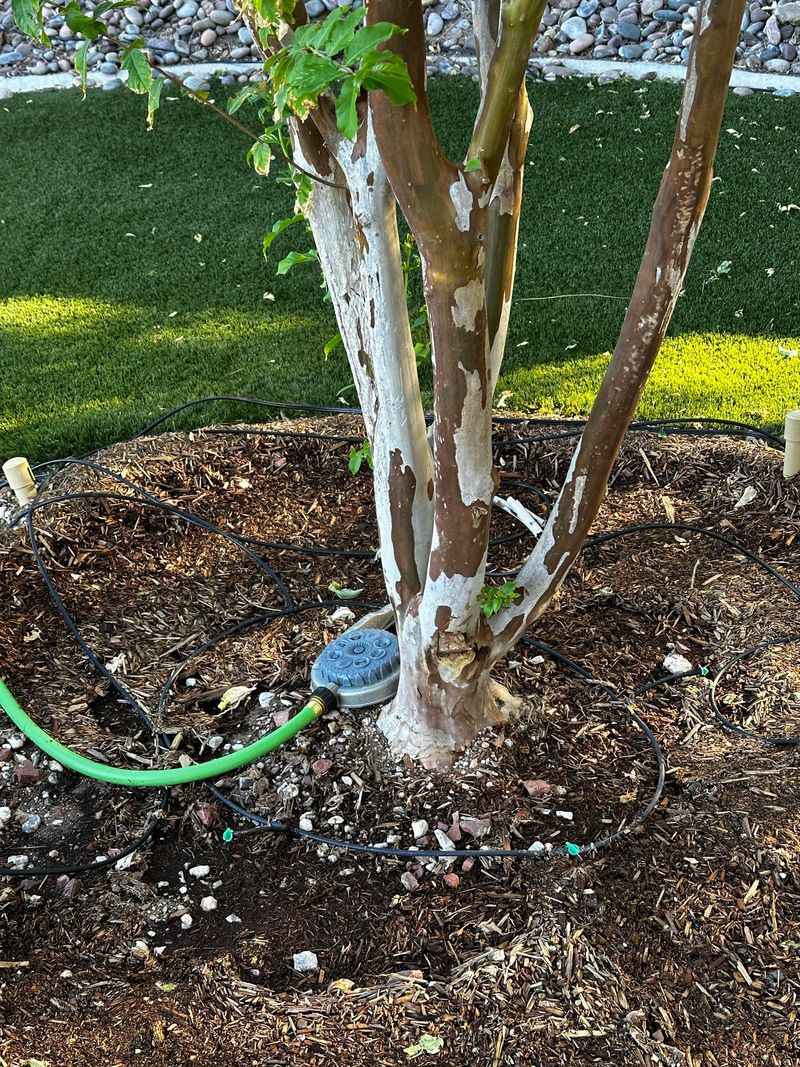
Not every March in Georgia brings reliable rain. Some years the region gets plenty of moisture through late winter, and other years things dry out faster than expected.
Checking the actual soil moisture rather than just looking at the weather forecast gives you a much more accurate picture of what your crape myrtles actually need.
Push a finger or a screwdriver about three inches into the soil near the base of the tree. If it comes out dry and the soil feels powdery, your tree could use a deep drink.
Shallow, frequent watering does not help much because it only wets the top layer of soil and encourages roots to stay near the surface instead of growing deeper where moisture is more stable.
Water slowly and deeply when you do irrigate. A slow trickle from a garden hose left at the base for twenty to thirty minutes does far more good than a quick spray from a sprinkler.
Deep watering encourages roots to follow moisture downward, which builds a stronger root system that handles summer heat better.
Georgia crape myrtles that get proper deep watering in early spring establish stronger root systems before the real heat arrives.
Once temperatures climb into the upper eighties and nineties, a tree with deep roots handles dry stretches far better than one that spent spring surviving on light surface moisture.
Checking soil moisture weekly through March is a small habit that pays off in a big way by midsummer.
7. Ensure Full Sun Exposure For Strong Flowering Later

Crape myrtles are sun-hungry plants, and that is not an exaggeration. Six to eight hours of direct sunlight per day is the minimum they need to produce a full, heavy bloom.
Less than that and you will get a tree that grows fine but flowers weakly, with sparse clusters instead of the full canopy of color most Georgia gardeners are hoping for.
March is a smart time to walk your yard at different points in the day and observe how sunlight moves across your crape myrtles.
Nearby trees that were bare all winter will start leafing out soon, and what looked like full sun in February might become partial shade by May.
Catching this shift early gives you options.
If surrounding trees have grown and are now shading your crape myrtles significantly, some selective trimming of those neighboring trees might open things up.
Sometimes repositioning is not possible, but improving the light situation even slightly makes a noticeable difference in bloom density come summer.
Crape myrtles planted in full sun also tend to have fewer fungal issues because leaves dry out faster after rain or morning dew. Shade keeps foliage damp longer, which creates better conditions for powdery mildew.
Across Georgia, some of the most spectacular crape myrtle displays you will see are in wide open yards, parking areas, and roadsides where nothing blocks the sun. That is not a coincidence.
Sun is the single biggest driver of bloom performance, and making sure your trees have enough of it in March sets the stage for everything that follows.