8 Native Trees That Grow Strong In Georgia Front Yards When Planted In March
A front yard in Georgia has a lot to handle this time of year. After winter, some spaces still look bare, flat, or like they never fully came back to life, even when the rest of the landscape is starting to wake up.
That is usually when trees start standing out more. They bring structure, presence, and a sense that the yard is finally headed in the right direction.
March is also when planting starts feeling more real.
The weather is shifting, the ground is workable, and it becomes easier to picture how a young tree could change the whole look of the space over time.
In Georgia, that matters because a front yard is not just about curb appeal. It is about choosing something that can settle in well and keep looking strong through heat, humidity, and changing seasons.
Native trees make that decision feel a lot smarter. They already fit the region, and when the right one goes in, the whole yard starts to feel more rooted, balanced, and complete.
1. Eastern Redbud Handles Early Planting Well In Mild Spring Weather
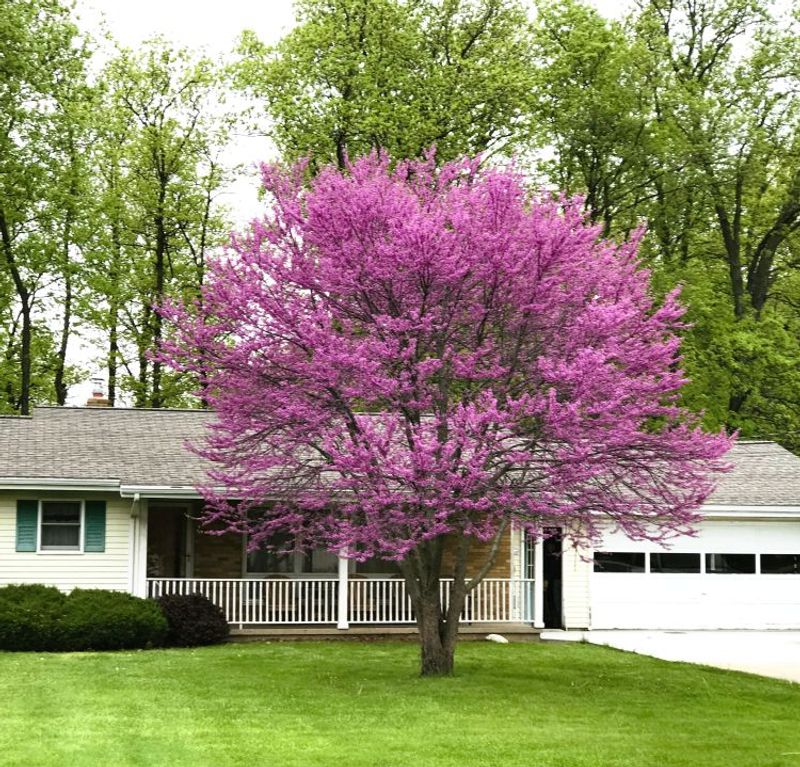
Before a single leaf appears, Eastern Redbud explodes into a cloud of magenta-pink flowers — and that show happens right when March planting gets underway in Georgia.
Planting at this moment means the tree channels its energy straight into root development while the blooms do their thing above ground.
Redbuds reach between 20 and 30 feet tall and spread wide enough to offer solid shade over a front yard walkway within a few years. Soil type is not a dealbreaker here.
Sandy, clay-heavy, or somewhere in between — this tree adjusts without much fuss.
Partial shade works fine, but a spot with morning sun and afternoon protection tends to produce the most flowers the following spring. Water deeply every few days for the first six weeks, then back off as the tree finds its footing.
Avoid soggy spots, especially where water pools after a Georgia afternoon storm. Roots sitting in standing water will struggle to anchor properly.
Mulch around the base helps lock in moisture and keeps the soil temperature steady through those unpredictable late-March cold nights. Keep mulch a few inches away from the trunk to prevent moisture buildup against the bark.
A properly planted Redbud in Georgia can reward you with blooms for decades without demanding much attention in return.
2. Flowering Dogwood Benefits From Careful Planting In Mild Spring Conditions
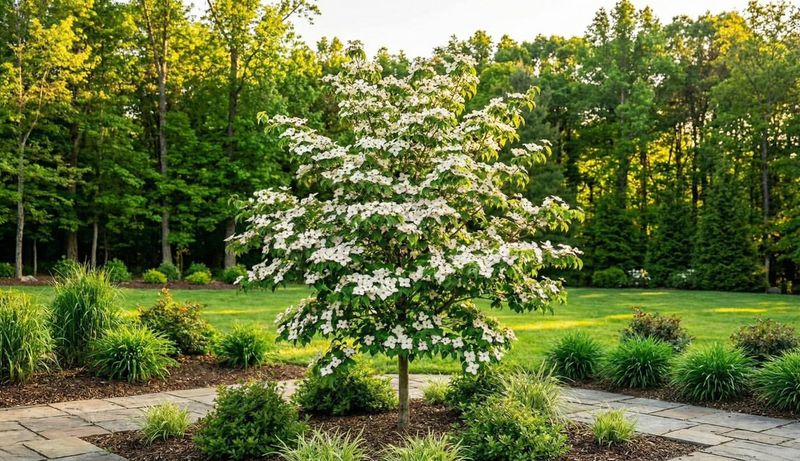
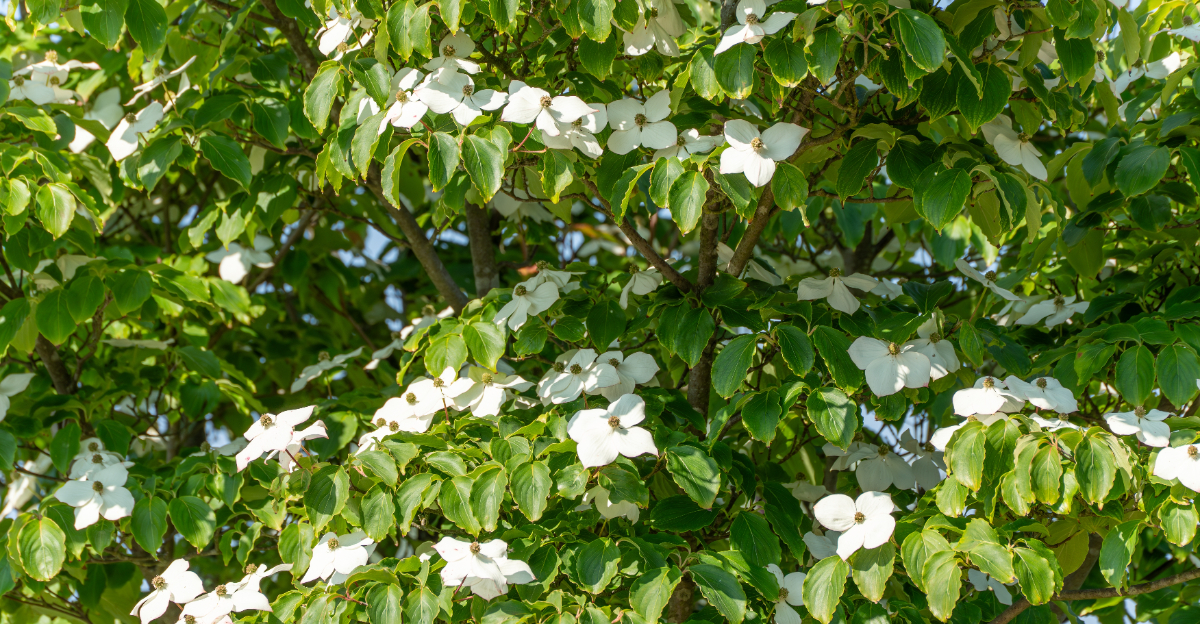
Georgia named the Flowering Dogwood its official state tree for a reason — nothing else signals spring quite like those wide white or soft pink bracts opening up across the yard.
Planting in March puts this tree into the ground right before its energy peaks, giving roots a real head start.
Dogwoods prefer a shaded or partly shaded spot, which makes them a natural fit beneath taller canopy trees already standing in your yard. Full afternoon sun in a Georgia summer can stress the foliage and cause leaf scorch, so placement really matters with this one.
Aim for a spot where it gets morning light and some protection by midday.
Your Georgia Garden Changes Every Week. Your Plan Should Too.
Gardening in Georgia changes quickly throughout the season. Every Friday you’ll receive a simple weekly plan showing exactly what to plant, prune, fertilize, harvest, and protect so you never miss the right timing.
Well-drained, slightly acidic soil gives Dogwoods the best shot at strong growth. If your yard has heavy clay, work in some compost before planting to improve drainage.
Roots spread shallow and wide, so avoid compacting the soil around the base with heavy foot traffic.
Water consistently through spring and into early summer — maybe twice a week if rain is light. A two to three inch layer of mulch around the base helps hold moisture and keeps soil temperatures from swinging too much.
Dogwoods planted carefully in Georgia in March tend to settle in quietly and reward you with strong blooms the very next spring.
3. Southern Magnolia Settles In Well Before Summer Heat Builds
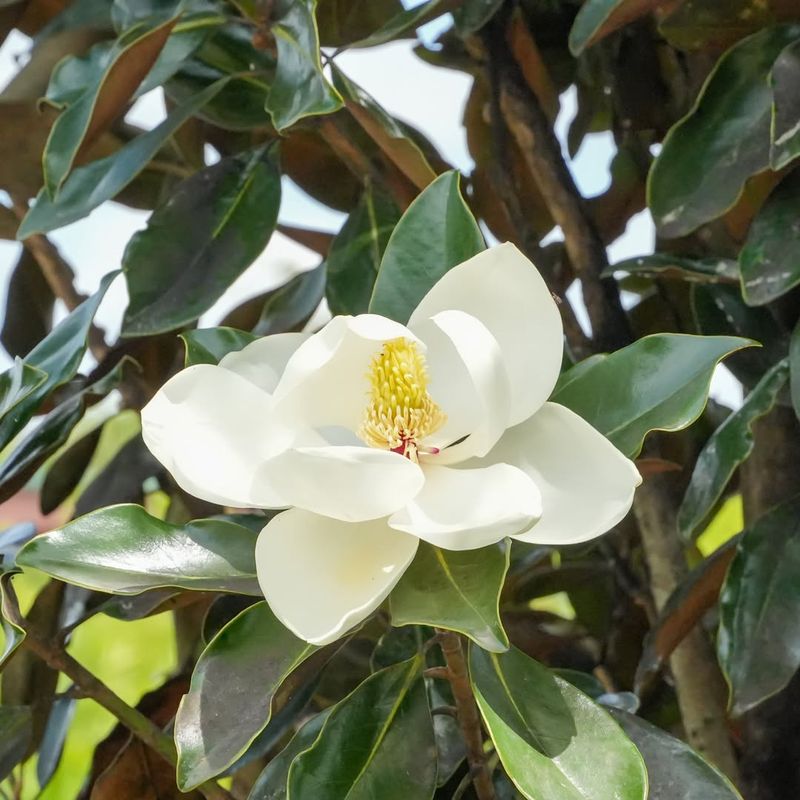
Southern Magnolia is not a subtle tree. It grows tall, spreads wide, and holds its glossy evergreen leaves year-round — which means it is doing real work in your front yard every single month.
Getting it into the ground in March gives the roots a solid two to three months of mild weather before Georgia summer heat arrives.
Expect this tree to eventually reach 40 to 60 feet, so placement needs some forethought. Plant it where it has room to grow without crowding the house, driveway, or power lines.
A wide open front yard area works best. Roots can surface over time, so keep it away from sidewalks and pavement edges.
Full sun is where Southern Magnolia performs at its best. Well-drained soil is non-negotiable — waterlogged roots slow growth significantly.
If drainage is questionable in your yard, raise the planting area slightly or amend with coarse organic matter before setting the tree in place.
Water deeply right after planting, then maintain consistent moisture through the first growing season. Mulch helps enormously with moisture retention during Georgia’s dry stretches.
Fragrant white blooms usually appear in late spring and early summer, and the tree holds its structure and color beautifully through fall and winter. Few trees make as strong a visual statement in a Georgia front yard as a well-placed Southern Magnolia.
4. Sweetbay Magnolia Adapts Well To Moist Soil Conditions
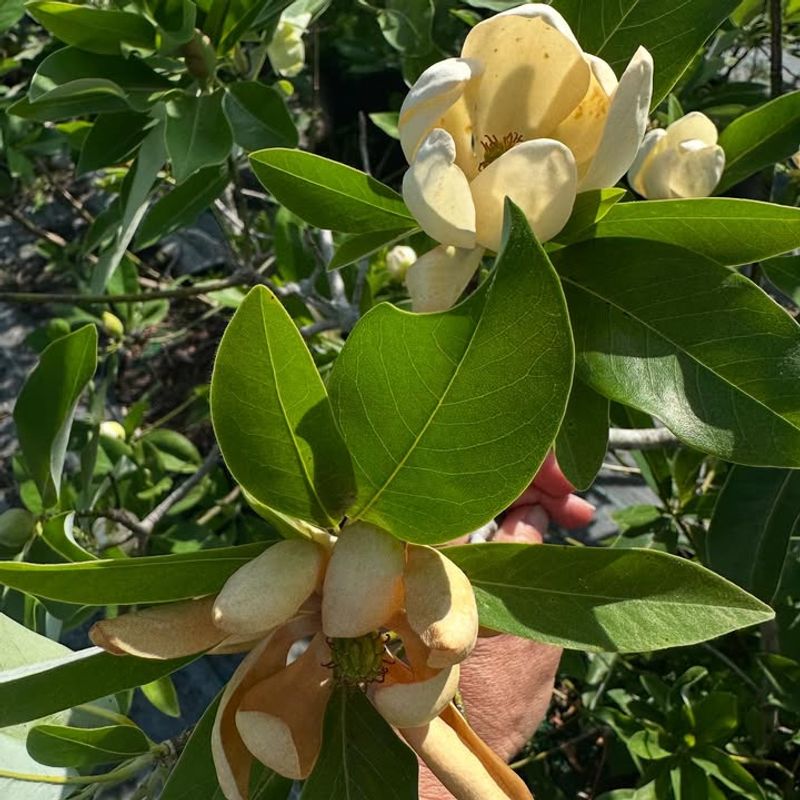
Not every Georgia front yard has perfect drainage, and that is exactly where Sweetbay Magnolia earns its spot on this list. Unlike many ornamental trees that struggle in wet areas, this one handles consistently moist soil without skipping a beat.
March planting lines up perfectly with its growth cycle.
Sweetbay Magnolia typically grows between 10 and 35 feet tall depending on conditions, making it flexible for smaller yards or tight planting areas. Creamy white flowers appear in late spring and carry a light lemony fragrance that is noticeable from several feet away.
The blooms are not as large as Southern Magnolia, but they appear in greater numbers and over a longer stretch of the season.
Semi-evergreen behavior is another useful trait — in Georgia’s mild winters, Sweetbay often holds its leaves well into December or beyond. That means year-round structure in your front yard without the heavy maintenance demands of a full evergreen.
Partial shade is tolerated, but a spot with good morning sun encourages stronger flowering.
Water regularly through the first growing season, especially if spring turns dry early. Roots anchor steadily in moist, slightly acidic soil, which is common throughout much of Georgia.
Skip heavy fertilizing the first year — the tree needs to focus on root development, not pushing rapid top growth. Patience with this one pays off in a genuinely handsome, low-demand front yard tree.
5. American Holly Brings Dense Growth And Strong Seasonal Structure
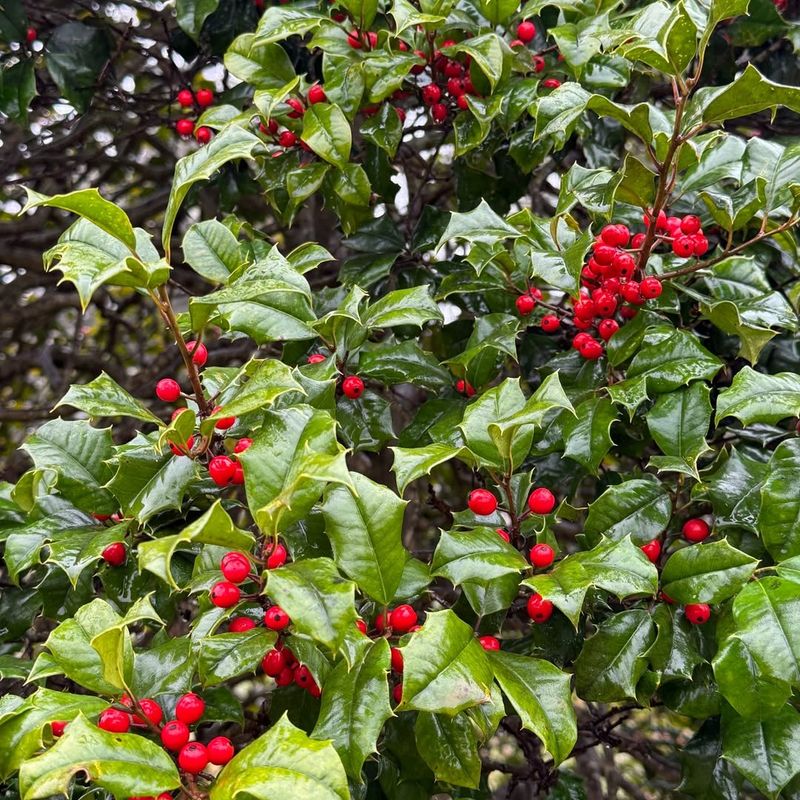
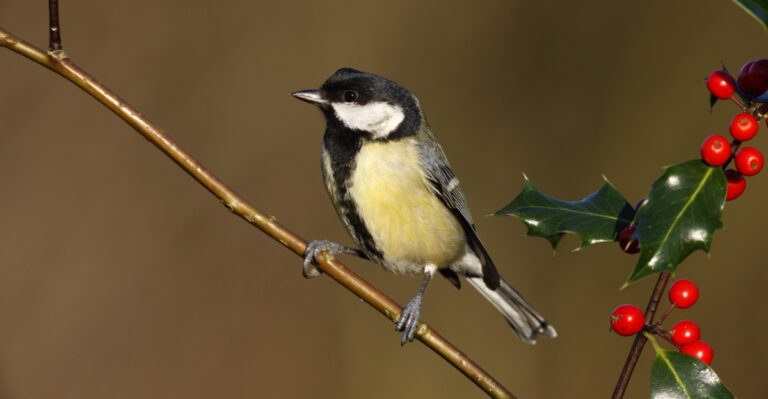
Red berries against glossy dark green leaves in December — American Holly might be the most visually reliable tree you can plant in a Georgia front yard. But the structure it provides the other eleven months of the year is what really makes it worth planting.
March is the ideal window to get it established before summer stress sets in.
American Holly grows steadily to between 15 and 50 feet tall, depending on how much room and sunlight it receives. Dense branching gives it a naturally pyramidal shape that does not require constant pruning to look tidy.
Birds absolutely flock to the berries in winter, so expect some wildlife activity once the tree matures.
One thing to know upfront: you need both a male and female tree nearby to get berry production on the female.
A single male can pollinate several females within a reasonable distance, so check with your local Georgia nursery about pairing options before purchasing.
Full sun to partial shade works well, and American Holly tolerates a range of soil types common across Georgia — including slightly acidic clay soils. Water consistently through the first season and keep the root zone mulched.
Growth is moderate rather than fast, so planting in March gives it the longest possible runway to establish before the heat arrives. Expect a tree that looks sharp in every season without demanding much in return.
6. River Birch Performs Well With Consistent Moisture Early On
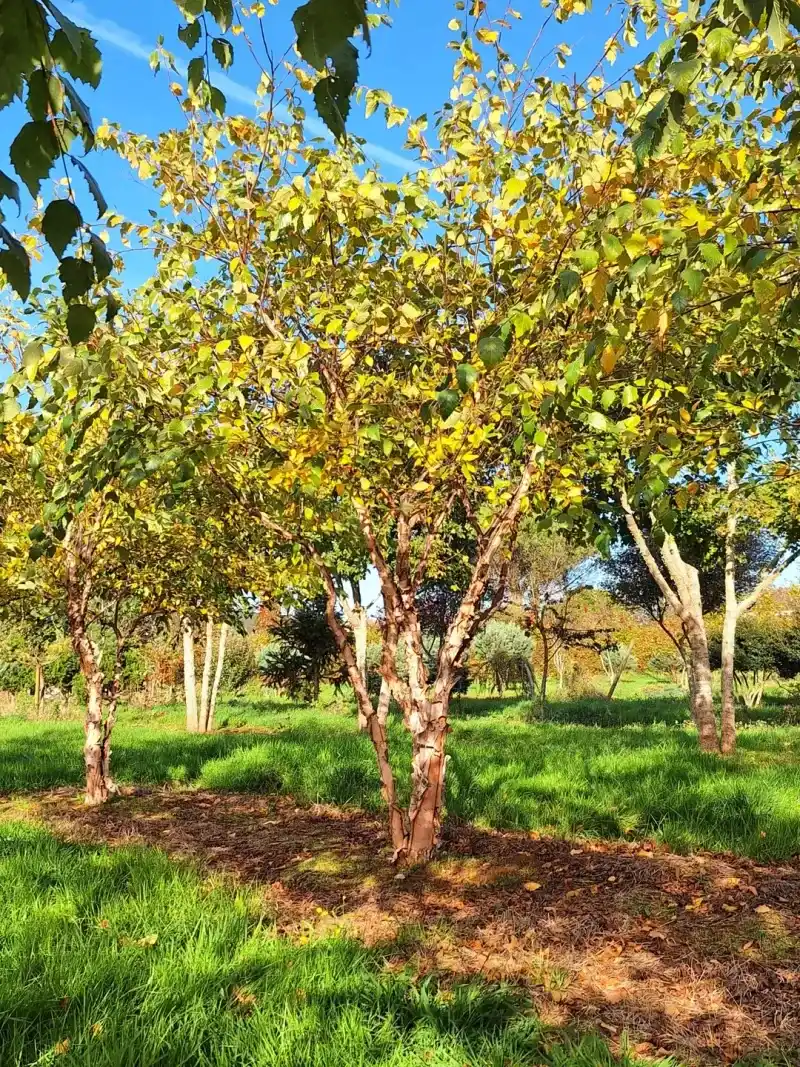
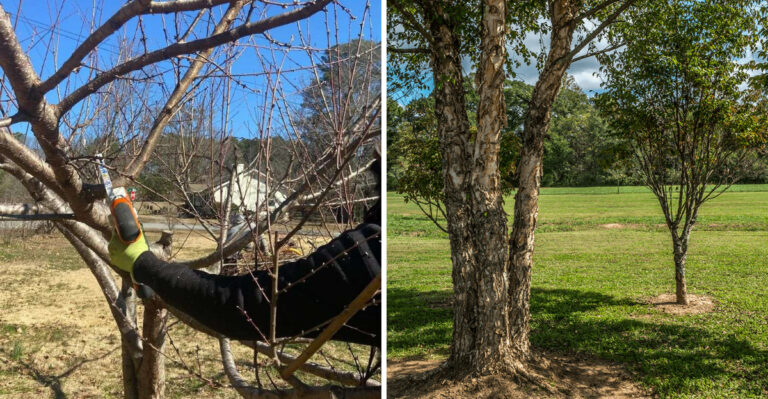
Peeling bark that reveals layers of salmon, cream, and cinnamon underneath — River Birch has one of the most distinctive looks of any native tree you can put in a Georgia front yard.
Plant it in March and you give those roots exactly the cool, moist conditions they need to anchor before summer heat arrives.
River Birch grows fast. Under good conditions in Georgia, expect two to three feet of new growth per year in the early years.
Multi-trunk forms are common and add a sculptural quality to the front yard. Single-trunk specimens are available too if a more traditional tree shape fits your landscape better.
Consistent moisture is important during the first growing season — River Birch naturally grows along creek banks and low areas, so it prefers soil that does not dry out completely between waterings.
If your yard drains quickly, plan on watering two to three times per week through spring and into early summer.
Full sun to partial shade suits this tree well. Avoid planting in areas with heavy foot traffic since the surface roots can become prominent over time.
Mulch generously around the base to retain moisture and protect shallow roots from compaction. Leaf miners occasionally affect River Birch foliage in Georgia, but healthy, well-watered trees recover without major setbacks.
The bark alone makes this tree worth the effort — nothing else in a Georgia yard looks quite like it.
7. Red Maple Establishes Well With Spring Planting
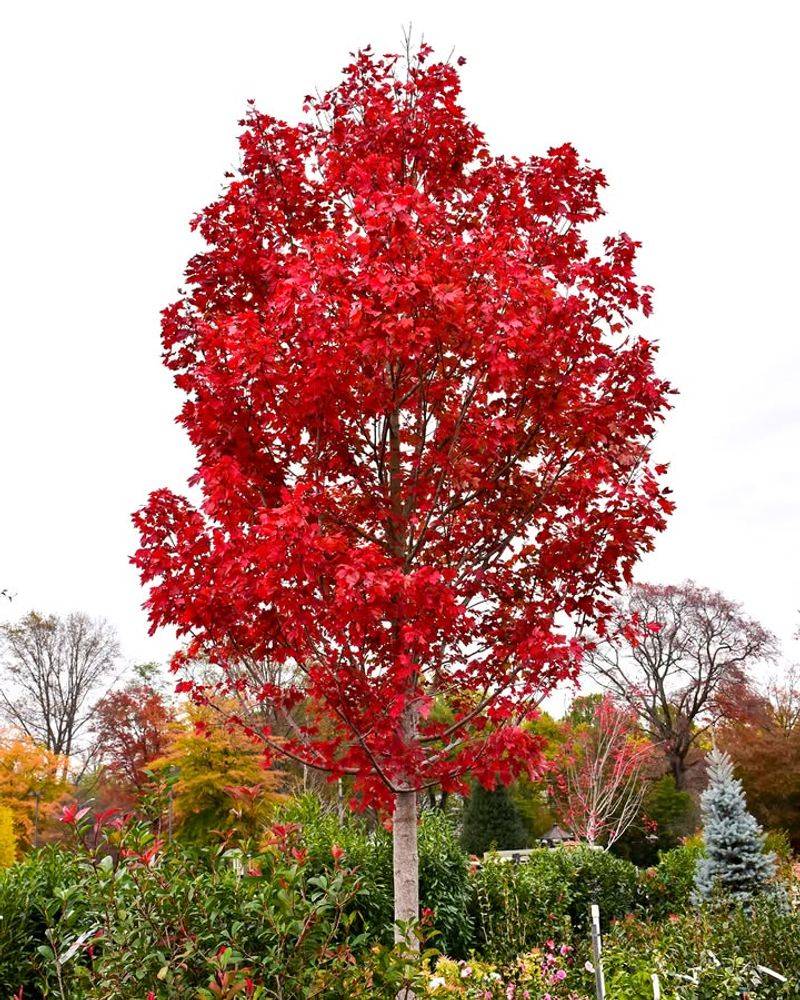
Red Maple earns its name twice over — first with the red flower clusters that appear in late winter before the leaves, and again in fall when the canopy turns a vivid scarlet.
Planting in March in Georgia catches the tail end of that first red bloom while setting the tree up for strong summer growth.
Growth rate is one of the most impressive things about Red Maple. Under favorable conditions, it can add three feet per year in its younger stages, reaching up to 50 feet at full size.
That kind of pace means meaningful shade over your Georgia front yard within just a few seasons of planting.
Soil flexibility is a genuine strength here. Red Maple handles wet areas, average garden soil, and even moderately dry conditions better than most large native trees.
Slightly acidic soil brings out the best fall color — if your Georgia soil trends alkaline, a bit of sulfur amendment before planting can help. Full sun to partial shade both work fine, though full sun tends to produce the most vibrant fall display.
Water deeply after planting and keep moisture consistent through the first summer. Root systems establish quickly once the tree gets going, and by the second year, supplemental watering is rarely necessary in most parts of Georgia.
Minimal pruning is needed — just remove any crossing or damaged branches in late winter before new growth starts.
8. Black Gum Builds Strong Roots Before Summer Heat Arrives
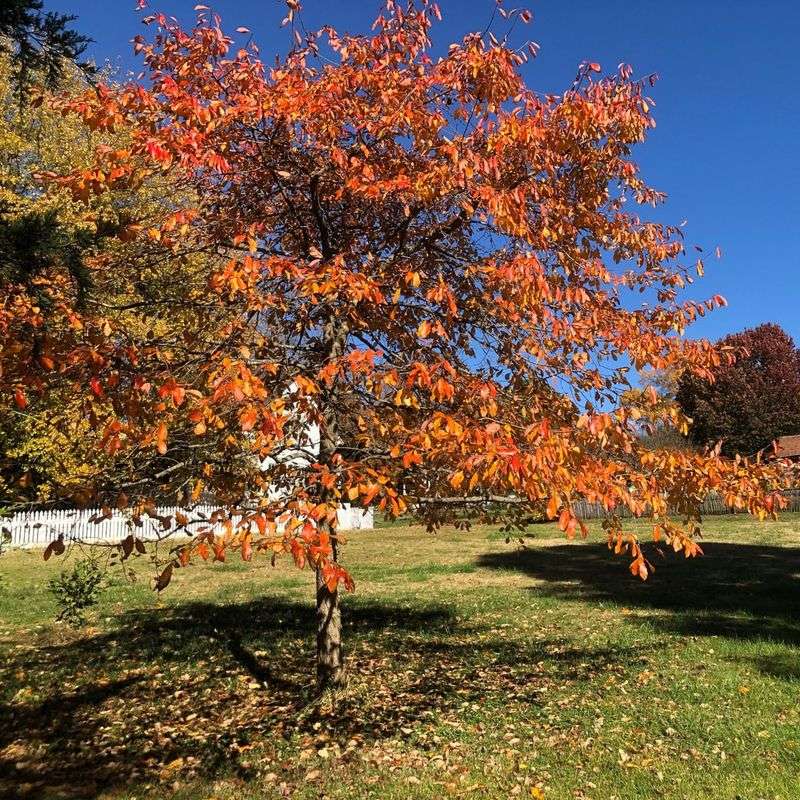
Ask any experienced Georgia gardener which native tree has the most underrated fall color, and Black Gum comes up almost every time. Scarlet red, deep orange, and sometimes purple — all on the same tree, often in the same week.
Getting it planted in March gives the root system a critical head start before Georgia’s summer heat sets in hard.
Black Gum grows 30 to 50 feet tall with a straight trunk and layered horizontal branching that looks architectural even in winter when the leaves are gone.
Growth is measured rather than rapid, but the trade-off is a deeply anchored root system that holds up well in storms — something worth considering in Georgia where strong summer thunderstorms are a regular occurrence.
Slightly acidic, moist soil suits Black Gum best, and it performs well in both full sun and partial shade.
Avoid planting in areas that stay bone dry through summer — consistent moisture through the first two growing seasons is important for getting roots established at the right depth.
Small white flowers in spring attract bees and other pollinators before the tree becomes a food source for over 30 bird species that feed on its dark blue-black fruit in fall. Mulch the planting area well and water deeply once or twice a week through spring.
Black Gum is a long-term investment in a genuinely beautiful Georgia front yard tree.