9 Common Crepe Myrtle Care Mistakes In Tennessee Gardens
Crepe myrtles steal the show in Tennessee gardens.
Every summer, their blooms fill neighborhoods with color. That makes them one of the most beloved flowering trees in the state.
Crepe myrtles thrive in Tennessee’s climate. With plenty of sun and warm summers, they can produce months of colorful flowers and become a standout feature in almost any yard.
Still, many gardeners make simple mistakes, like pruning the wrong way or planting them in poor spots, that keep these trees from reaching their full potential.
Knowing what to avoid can make a big difference. It can help your crepe myrtles grow healthier and bloom even more beautifully each season.
Arching
1. The Brutal Over-Pruning Problem
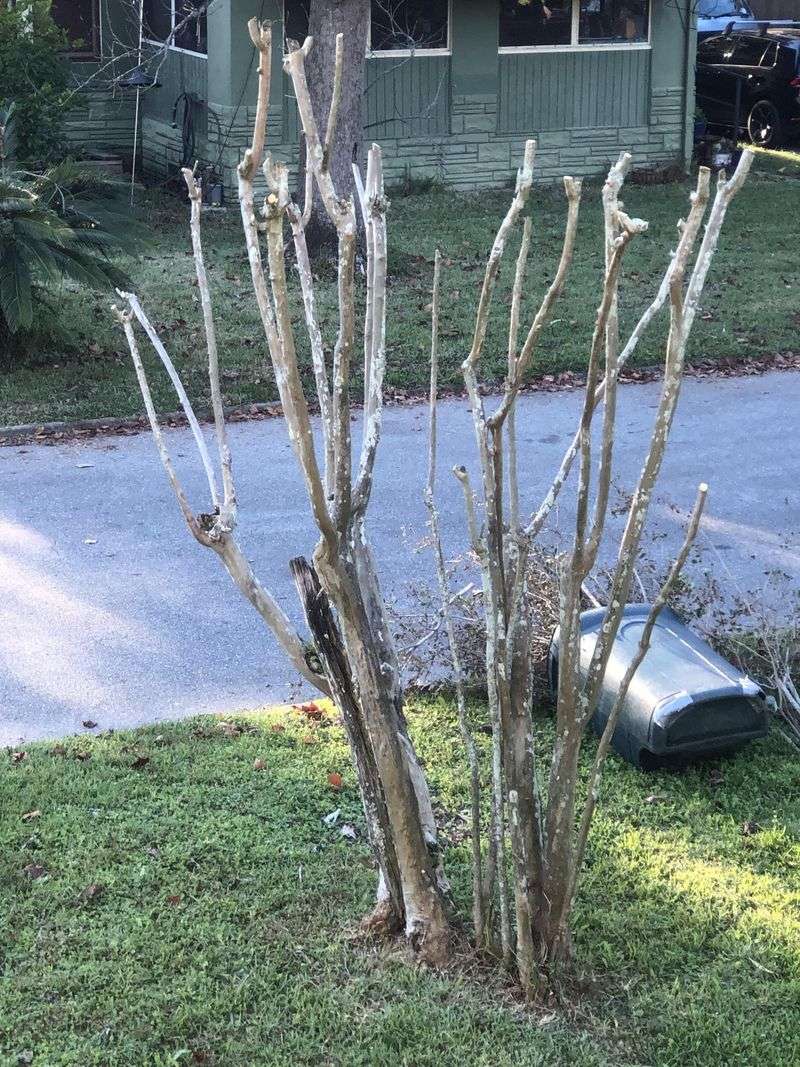
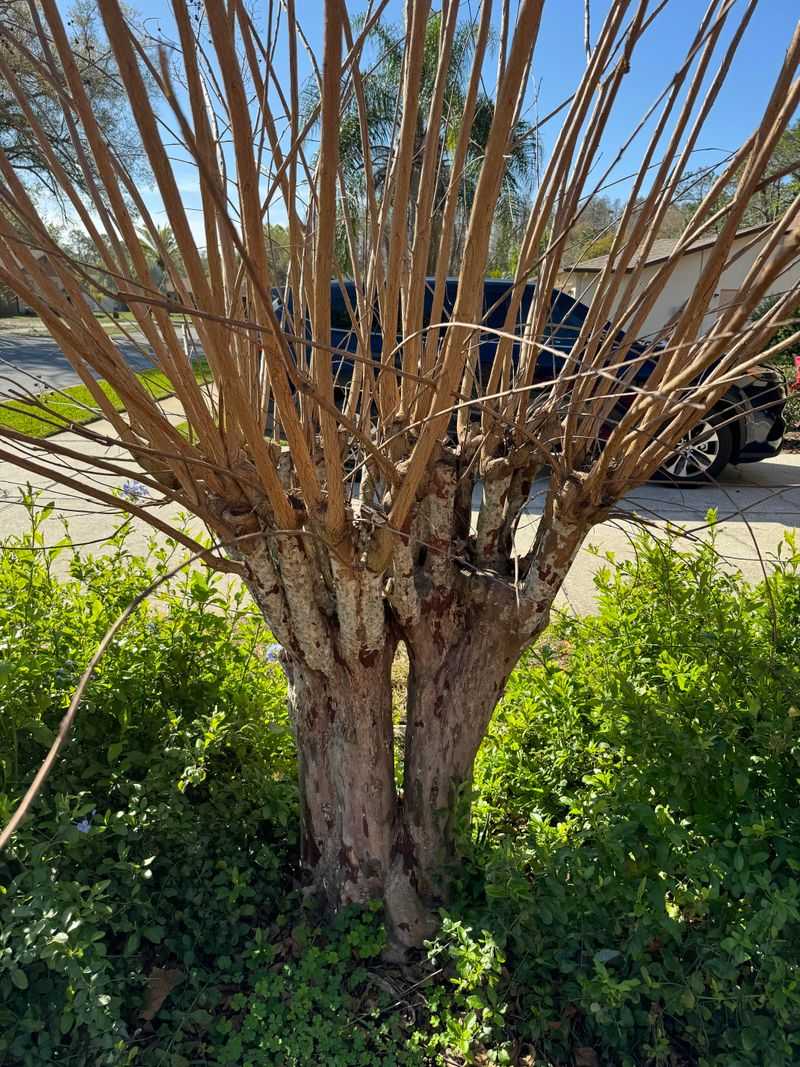
Walk through almost any Tennessee neighborhood in late winter, and one thing immediately stands out: crepe myrtles chopped down to thick, unsightly stubs.
Extreme pruning, often called “topping,” is alarmingly common, but it causes serious harm to trees that are naturally elegant and graceful.
Heavy topping forces the tree to regrow in an unnatural shape. Instead of forming strong, arching branches, it produces fast-growing, weak shoots that break easily in storms or high winds.
Over the years, repeated severe cuts result in knobby, swollen stubs at the tops of trunks that never fully heal. These scars are unsightly and make the tree more vulnerable to disease, structural problems, and long-term decline.
Crepe myrtles are designed to grow as graceful, multi-trunk trees with smooth, peeling bark.
Drastic annual pruning removes the tree’s natural elegance, and the resulting shape rarely resembles the beauty the tree could have achieved naturally.
By respecting the tree’s natural form, gardeners preserve its beauty, strengthen structural integrity, and enjoy more abundant blooms year after year. Vibrant
Less aggressive pruning results in healthier growth, stronger branches, and stunning flowers.
In the end, less is more: careful, thoughtful pruning lets the crepe myrtle reach its full potential, rewarding Tennessee yards with timeless elegance and spectacular seasonal blooms.
2. Planting In The Wrong Spot
Location is everything for crepe myrtles, and selecting the wrong spot is one of the most common mistakes Tennessee gardeners make. Sun-loving trees need at least six to eight hours of direct sunlight each day to produce abundant, vibrant blooms.
Without sufficient light, branches grow weak, leaves thin out, and flower production drops dramatically, leaving the tree looking less impressive than it could be.
Planting under tall oaks, too close to buildings, or in tight corners restricts sunlight and reduces air circulation around the tree.
Poor airflow encourages fungal problems such as powdery mildew, which thrives in the hot, humid summers common across Tennessee.
Crowded conditions also make trees more prone to structural issues, including weak branch development and damage from storms or heavy growth.
Trees planted too close to structures or other plants often require corrective pruning, which can compromise natural beauty and long-term health.
Consider how large the tree will grow at maturity to prevent future conflicts with sidewalks, driveways, fences, or power lines. Proper spacing allows the tree to expand naturally, reducing the need for excessive pruning or structural corrections.
Your Tennessee Garden Changes Every Week. Your Plan Should Too.
Gardening in Tennessee changes quickly throughout the season. Every Friday you’ll receive a simple weekly plan showing exactly what to plant, prune, fertilize, harvest, and protect so you never miss the right timing.
Matching the right variety to the available space from the start is essential. Well-sited trees develop healthier foliage, and more spectacular blooms season after season.
Thoughtful placement also highlights the tree’s natural form, turning it into a long-lasting focal point in the yard.
Careful planning upfront ensures that the tree thrives for decades, rewarding gardeners with a stunning display of flowers, graceful branching, and year-round beauty that enhances every Tennessee garden.
3. Overwatering And Soggy Soil Struggles
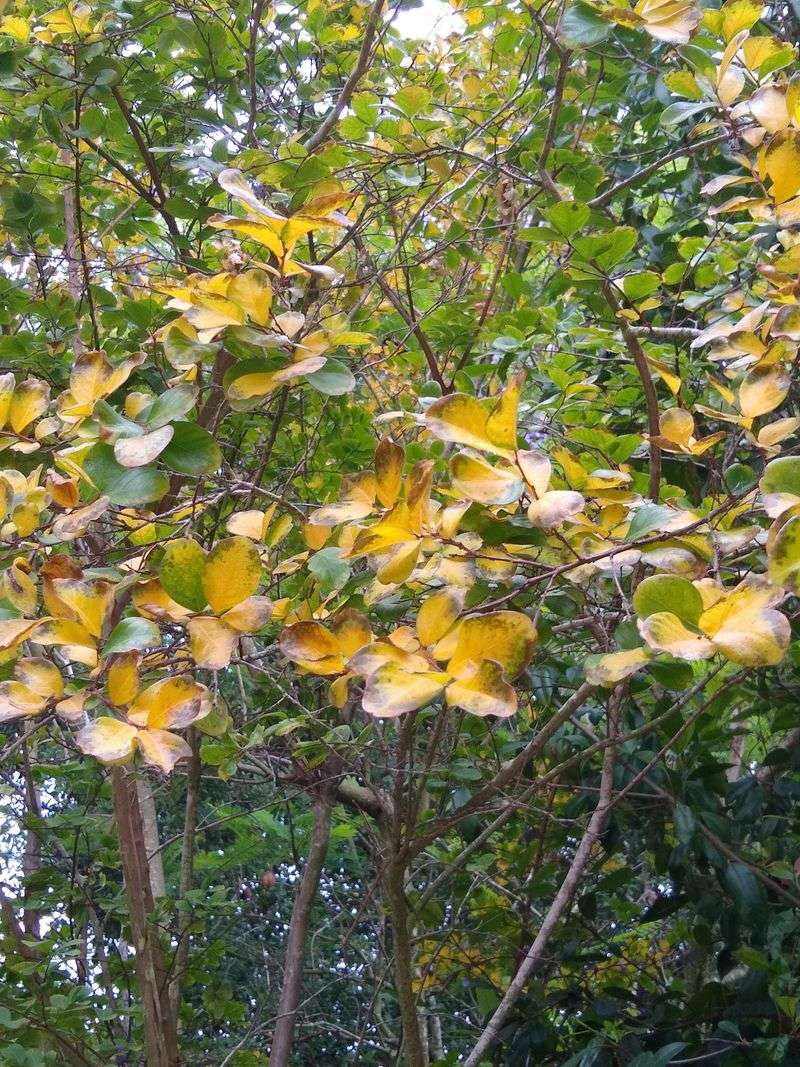
Crepe myrtles are surprisingly tough once established, but too much water can quickly weaken them. Tennessee receives ample rainfall during the growing season, so most established crepe myrtles need very little supplemental watering.
Overwatering creates soggy soil around the roots, cutting off the oxygen supply that roots require to stay healthy and function properly.
Prolonged waterlogged conditions can lead to root rot, yellowing leaves, and an overall decline in energy and appearance. The tree may appear stressed, with fewer blooms and weaker growth, even though it seems well-cared-for.
Ensuring proper drainage around the planting area protects roots and encourages strong, resilient growth.
Newly planted crepe myrtles do need consistent watering during the first season to help them establish a strong root system. After that initial period, trees become quite drought-tolerant and thrive with occasional deep watering.
A practical rule of thumb for Tennessee gardens is to water deeply but infrequently, allowing the soil to dry out between waterings.
Gardeners should also consider soil type when planting. Heavy clay soil, common across much of Tennessee, retains water and can contribute to root problems.
Planting in slightly elevated spots or using raised beds helps keep roots healthy and well-drained.
Strong, well-established roots support vigorous growth, vibrant leaves, and abundant summer blooms.
Paying attention to watering habits ensures the tree stays healthy and attractive, rewarding gardeners with a resilient, long-lasting centerpiece in the landscape.
4. Skipping Fertilizer Or Using The Wrong Kind
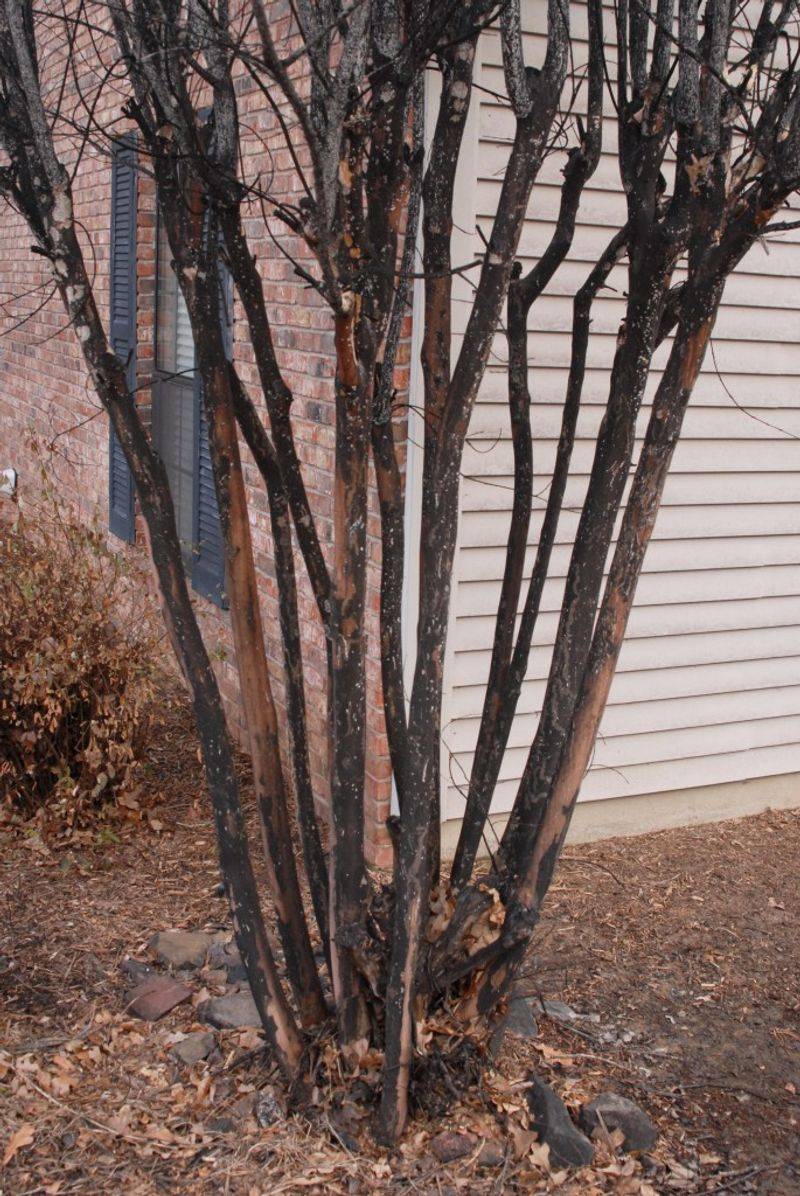
Fertilizing a crepe myrtle might seem simple, but mistakes happen more often than gardeners realize. Many Tennessee gardeners either skip fertilization entirely or use a lawn fertilizer without considering its effects.
High-nitrogen fertilizers stimulate leafy growth at the expense of flowers, leaving the tree lush and green but producing very few blooms.
Over-fertilization can also encourage weak, soft growth that is more susceptible to pests, disease, and winter damage.
Crepe myrtles generally thrive without heavy fertilization, especially in Tennessee, where soils are often naturally fertile. When a boost is desired, a balanced fertilizer with equal parts nitrogen, phosphorus, and potassium is ideal.
Applying it in early spring, just as new growth begins, supports strong development and abundant flowering.
Fertilizing too late in the season, such as late summer or fall, encourages tender new shoots that can be damaged by early cold snaps, which are common across the state.
Gardeners can maximize results by testing the soil before applying any fertilizer. Local extension offices offer simple soil tests that reveal nutrient levels and deficiencies, helping determine exactly what the tree needs.
Feeding according to actual soil requirements, rather than guessing, avoids over-fertilization and promotes a healthier, more attractive tree.
Properly timed, balanced fertilization encourages blooms, strong branches, and healthy foliage without creating problems that often come from overfeeding.
By understanding how crepe myrtles respond to nutrients and applying fertilizer thoughtfully, gardeners can enjoy the full beauty of these stunning flowering trees season after season.
5. Ignoring Powdery Mildew And Pest Problems

Tennessee summers are hot, sticky, and humid, creating ideal conditions for powdery mildew to develop on crepe myrtle leaves and stems.
Many gardeners spot the white, dusty coating and hope it will disappear on its own, but leaving it untreated gradually weakens the tree, reducing flowering and overall health over time.
Powdery mildew occurs most often on crepe myrtles planted in shaded, crowded areas with poor air circulation. Selecting mildew-resistant varieties, widely available at Tennessee nurseries, is one of the most effective preventative measures.
Proper spacing and sunlight exposure also reduce the risk of infection and help maintain stronger, healthier growth throughout the season.
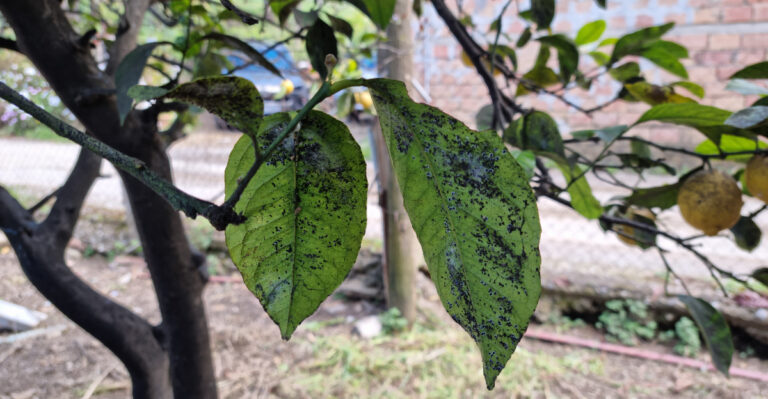
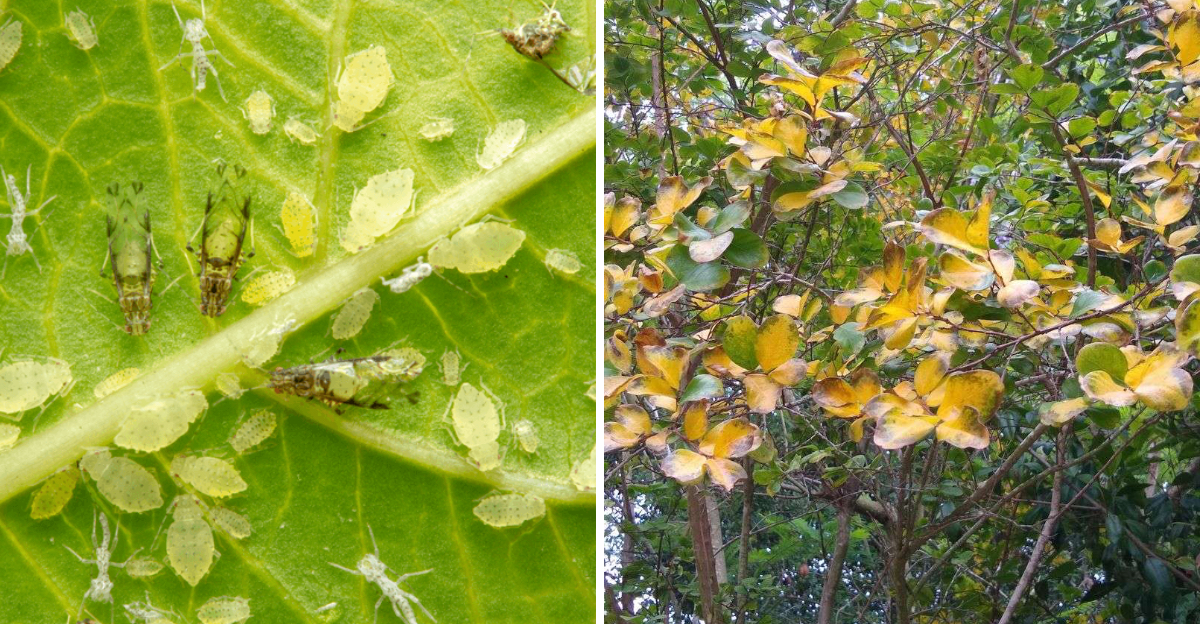
Aphids present another challenge for crepe myrtles in Tennessee. These tiny pests cluster on new growth and produce a sticky substance called honeydew that coats leaves and promotes black sooty mold formation.
Early detection is key, as small infestations can be controlled with a strong spray of water from a garden hose. Larger infestations respond well to neem oil or insecticidal soap applied according to label instructions.
Regular inspections throughout the growing season allow gardeners to catch problems before they escalate, minimizing damage and preserving the tree’s natural beauty.
Keeping leaves clean, removing affected growth when necessary, and maintaining proper spacing all contribute to a healthier environment that discourages pests and disease.
Consistent attention and proactive care help crepe myrtles thrive, ensuring foliage, abundant blooms, and a resilient structure year after year.
A little effort early on prevents headaches later and keeps the trees looking spectacular in every Tennessee garden.
6. Planting The Wrong Size Variety
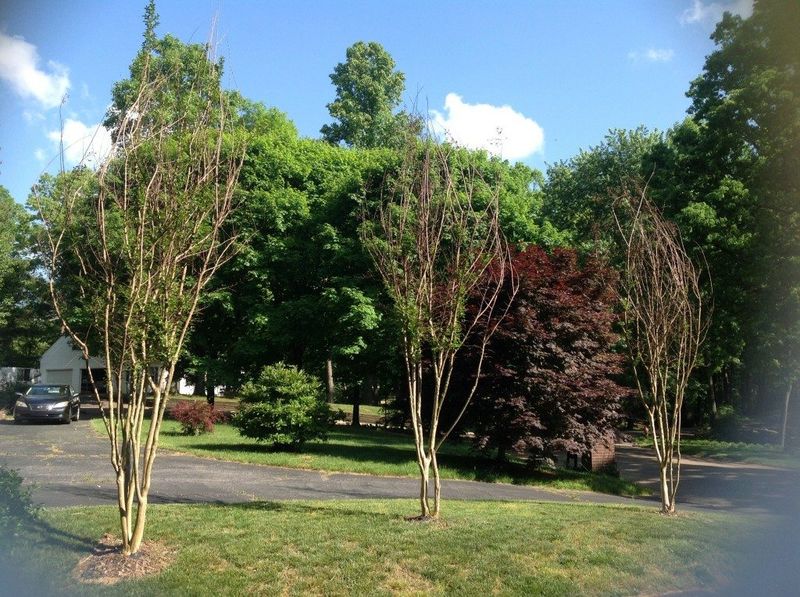
Crepe myrtles come in an impressive range of sizes, from compact dwarf varieties that reach only about three feet tall to towering specimens that can exceed thirty feet at maturity.
Selecting a variety without considering its full-grown size is a common mistake among Tennessee gardeners, often leading to years of frustrating and unnecessary pruning.
Planting a tree too close to a house, fence, or walkway almost guarantees space problems down the line. As the tree grows, homeowners frequently feel compelled to cut it back severely each year just to keep it contained.
Repeated hard pruning compromises the tree’s natural shape and beauty, weakens branches, and can reduce flowering. Avoiding this situation begins with thoughtful planning before planting.
Before purchasing a crepe myrtle at a local Tennessee nursery, carefully read the plant tag for both mature height and width. Match the variety to the actual available space rather than the space you wish existed.
Dwarf and semi-dwarf varieties are perfect for smaller yards, patios, or locations near foundations, while larger selections make striking shade trees in open lawn areas.
Many reputable nurseries in Tennessee carry regionally appropriate crepe myrtle varieties that thrive in local soil and climate conditions.
Nursery staff can offer guidance on selecting a tree that will complement the landscape while minimizing future maintenance. Paying attention to mature size ensures a healthy, attractive tree that requires only light care.
Thoughtful variety selection protects the tree’s natural elegance, encourages abundant blooms, and allows it to flourish in the yard for decades, turning it into a beautiful, long-lasting focal point that enhances every Tennessee garden.
7. Neglecting Mulch And Soil Health
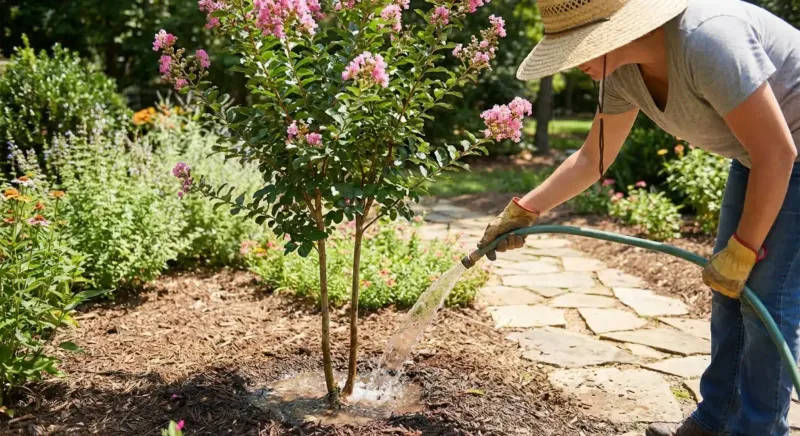
Skipping mulch around a crepe myrtle may seem like a minor detail, but it can have a significant impact on the tree’s growth, especially during hot, dry stretches in Tennessee summers.
Mulch helps soil retain moisture, keeps the root zone cooler, and slowly decomposes to enrich the soil with nutrients over time. By providing a protective layer, mulch reduces stress on the tree and encourages healthier growth throughout the season.
Without mulch, soil around the base dries out much more quickly, forcing the tree to work harder for water and nutrients.
Grass and weeds compete directly with roots, further limiting the resources available for strong growth and vibrant blooms. Over time, lack of mulch can lead to slower development, weaker branches, and smaller flower displays.
Maintaining a consistent layer of organic material supports the tree’s natural growth cycle and improves overall resilience during the hot Tennessee months.
For optimal results, apply a two- to three-inch layer of shredded hardwood, pine bark, or other organic mulch around the base, keeping it a few inches away from the trunk to prevent rot or moisture buildup.
Extending the mulch out to the drip line of the canopy protects the root zone where most feeding and water absorption occurs. Refresh the mulch each spring to maintain proper depth, as natural decomposition occurs over winter.
Well-mulched soil encourages better drought tolerance, and healthier foliage.
By taking a few minutes each year to maintain a proper mulch layer, gardeners set the stage for a thriving, long-lasting crepe myrtle that performs beautifully in any Tennessee landscape.
8. Watering At The Wrong Time Of Day
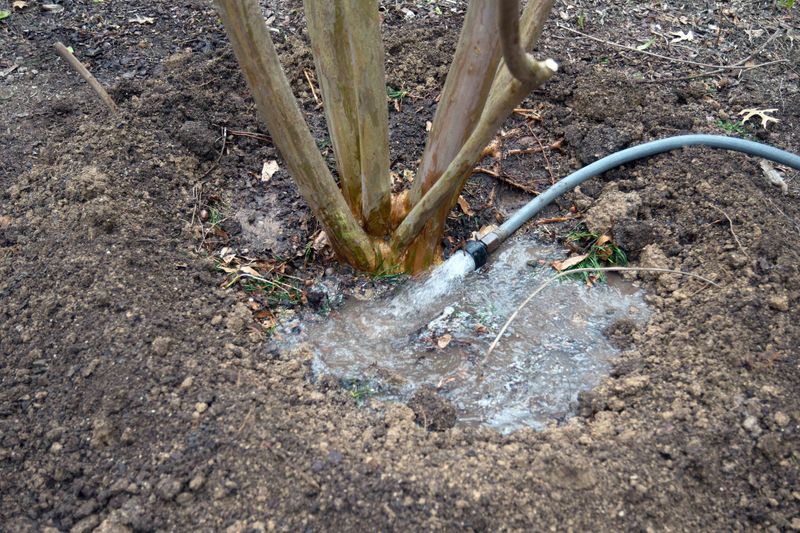
Timing matters more than many gardeners realize when it comes to watering crepe myrtles, and it is one of the easiest care habits to get wrong.
A lot of Tennessee gardeners water in the evening simply because that is when they finally have time, but that routine can create problems without them even noticing at first.
When moisture sits on the leaves overnight, especially in warm, humid weather, it creates ideal conditions for fungal diseases like powdery mildew to take hold and spread.
Morning is a much better time to water. It gives the roots a chance to soak up moisture before the heat of the day arrives, and it allows any splashed foliage to dry quickly once the sun comes up.
That one simple shift can make a real difference in keeping your tree healthier through the growing season.
How you water matters just as much as when you water. Crepe myrtles respond far better to deep, thorough watering at the base than they do to frequent, shallow sprinkles.
Light daily watering keeps the surface damp, but it encourages weak, shallow roots that struggle during hot spells. A slower, deeper soak pushes the roots farther down into the soil, where moisture stays available longer.
That root system makes the tree more resilient in Tennessee’s summer heat. In the long run, deep morning watering helps crepe myrtles bloom better, handle drought more gracefully, and stay far less vulnerable to disease.
9. Failing To Shape After Blooming
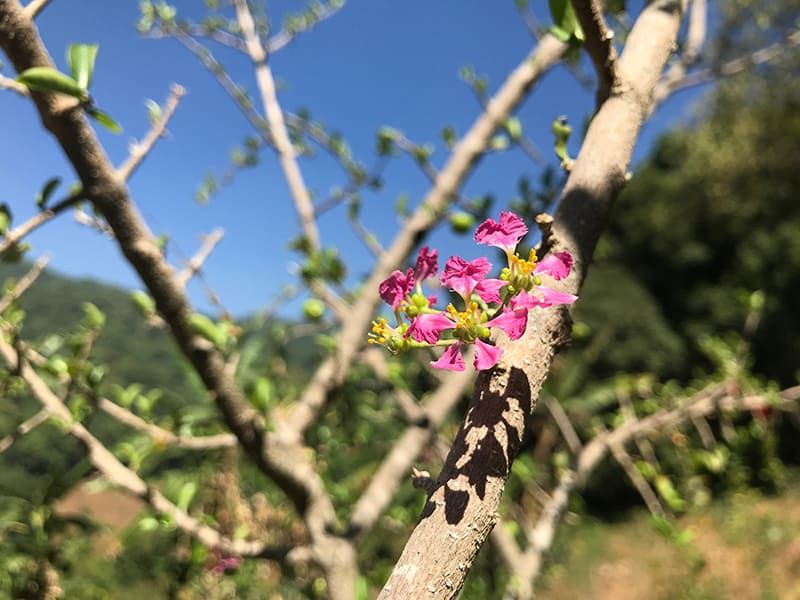
Once the first big wave of summer blooms fades, a lot of gardeners assume the show is over and stop paying attention. But with crepe myrtles, that moment is actually an opportunity.
Leaving old flower clusters and developing seed pods on the branches can signal to the tree that its job is done, which means less energy goes toward producing more blooms.
That is where light deadheading can make a real difference. Removing spent flower heads encourages many crepe myrtles to push out another round of growth and, in some cases, a second or even third flush of flowers before the season ends.
In a place with a long warm season, that extra burst of color can be well worth the small amount of effort.
This kind of pruning is gentle and targeted, not aggressive. It has nothing to do with the harsh winter topping that so often ruins the natural shape of the tree.
Instead, you are simply trimming off the faded flower clusters before the plant puts too much energy into forming heavy seed heads. Use clean, sharp pruning shears and cut just below the spent bloom, above a healthy set of leaves or side shoots.
That little bit of post-bloom care helps keep the tree looking tidier too. Instead of dried brown clusters hanging on through the rest of summer, you get a cleaner appearance and a better chance at fresh color.
It is a small step, but one that often pays off in a bigger, longer-lasting display and a healthier-looking crepe myrtle overall.