Oregon Gardeners Can Start These 7 Container Plants To Kick Off Spring Right
What if the secret to beating Oregon’s unpredictable spring was as simple as puttting your garden on wheels?
While we all wait for the Willamette Valley or the coast to finally warm up, container gardening lets you cheat the season.
By planting in pots, you gain total control over drainage and soil, allowing you to chase every scrap of Pacific Northwest sunshine while whisking tender seedlings indoors during a surprise late frost.
If you’re eager to get your hands dirty and enjoy homegrown harvests sooner, these seven resilient plants are the ultimate way to kick off your Oregon spring.
Ready to turn your patio into a productive oasis?
1. Lettuce Love Fresh Greens From Your Container
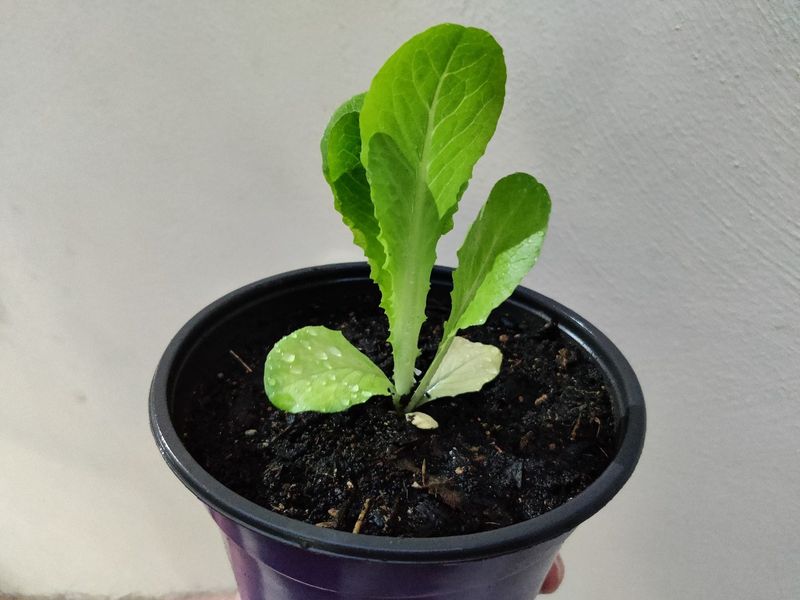
Few things beat the satisfaction of snipping your own salad greens minutes before dinner. Lettuce is one of the easiest and most rewarding container plants an Oregon gardener can start in early spring, especially since cool, damp weather suits it beautifully.
Varieties like Butterhead, Romaine, and looseleaf blends all perform well in containers and can handle Oregon’s unpredictable March and April temperatures without much fuss.
Choose a container that is at least eight inches deep and twelve inches wide to give roots room to spread. Fill it with a lightweight, well-draining potting mix rather than garden soil, which tends to compact and limit airflow around roots.
Lettuce prefers consistently moist soil, so check containers every day or two, especially during warmer stretches.
Place your pot where it receives four to six hours of morning sun. Afternoon shade actually helps during warmer spring days, preventing the bitterness that comes with heat stress.
Start harvesting outer leaves once plants reach four to six inches tall, and the plant will continue producing new growth for weeks. A balanced, water-soluble fertilizer applied every two to three weeks keeps leaves lush and tender.
Starting seeds indoors three to four weeks before your last frost date gives you an even bigger head start on the season.
2. Spinach That Grows Fast And Tastes Amazing
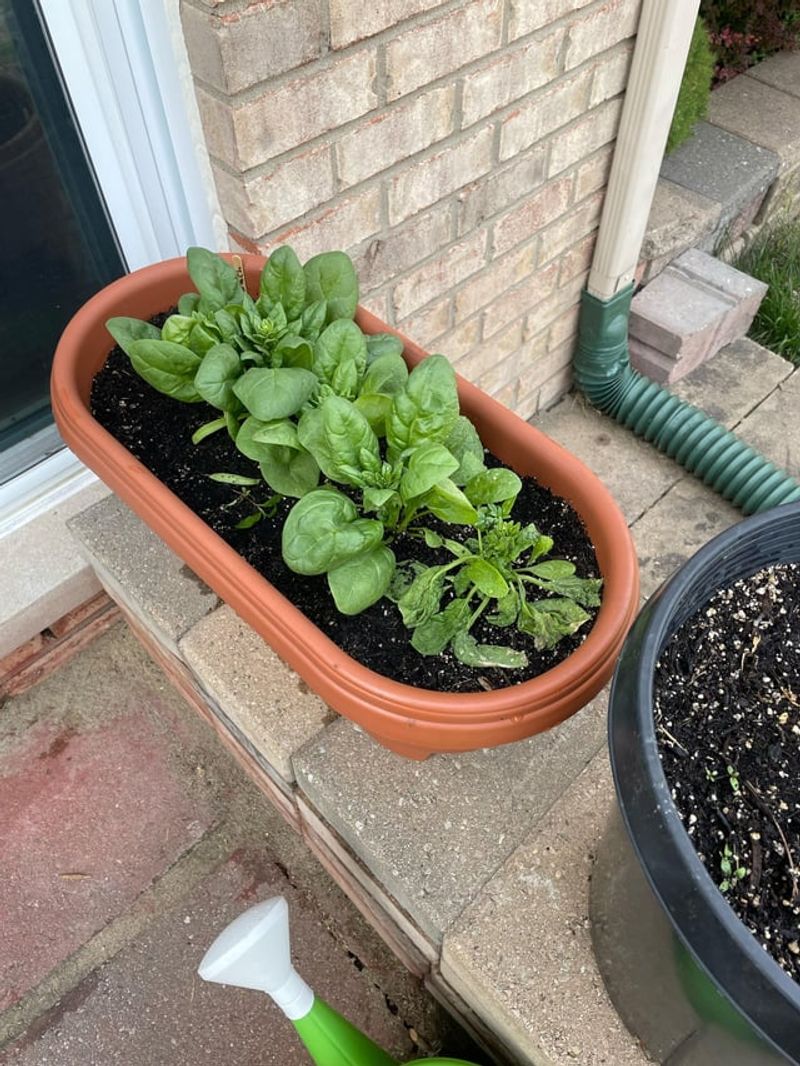
Spinach has a reputation for being a powerhouse in the kitchen, but it is equally impressive in the garden. Cool, wet Oregon springs are practically made for this leafy green, which thrives when temperatures stay between 40 and 65 degrees Fahrenheit.
Unlike some vegetables that sulk in cold soil, spinach germinates reliably even when nights dip close to freezing, making it one of the earliest crops you can start in containers.
A container twelve inches wide and six to eight inches deep works well for a small spinach patch. Use a quality potting mix enriched with compost to give plants the nutrients they need right from the start.
Water steadily, keeping the soil evenly moist but never soggy, since waterlogged roots can slow growth considerably.
Spinach grows quickly, and you can begin harvesting baby leaves in as little as twenty-five to thirty days after germination. Snip leaves from the outside of the plant first, leaving the center to keep producing.
Place containers in a spot with full morning sun and some afternoon shade once temperatures start to climb. Applying a nitrogen-rich liquid fertilizer every two weeks encourages the leafy, abundant growth that makes spinach so satisfying.
Your Oregon Garden Changes Every Week. Your Plan Should Too.
Gardening in Oregon changes quickly throughout the season. Every Friday you’ll receive a simple weekly plan showing exactly what to plant, prune, fertilize, harvest, and protect so you never miss the right timing.
If you notice bolting starting, harvest immediately and consider starting a fresh container for a second round of greens.
3. Radishes Ready In Just Weeks For Crisp Salads
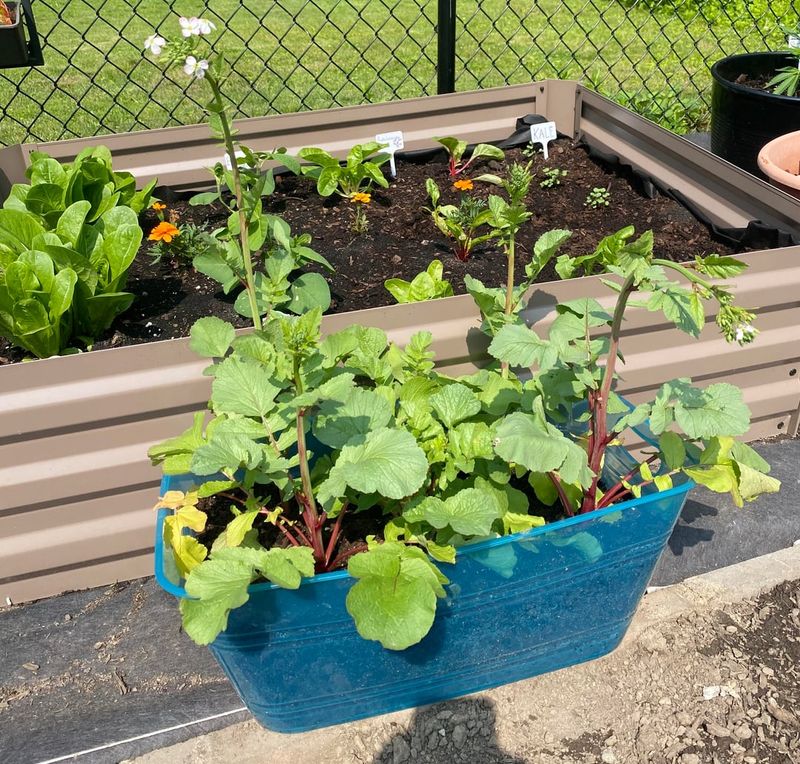
Radishes are the sprinters of the vegetable world, going from seed to harvest in as little as three to four weeks. For Oregon gardeners who are itching to see results early in the season, few plants deliver that quick payoff quite like a well-grown radish.
Cherry Belle and French Breakfast are two reliable varieties that perform especially well in containers during the cool, damp weeks of an Oregon spring.
A container that is at least six inches deep is enough for most radish varieties, though deeper pots work better for longer types.
Fill it with a loose, sandy potting mix so the roots can expand without hitting resistance, which can cause them to split or develop irregular shapes.
Thin seedlings to about two inches apart once they sprout, giving each root enough room to swell properly.
Radishes need consistent moisture to develop smoothly and avoid a pithy, hollow texture. Water every day or two, and keep the container in a spot that gets at least six hours of sunlight.
One of the nice things about radishes is that they do not require much fertilizer, especially if your potting mix already contains compost. Stagger your plantings every ten days or so to enjoy a continuous harvest throughout spring rather than a single large crop all at once.
Harvest promptly when roots reach the size of a large marble to keep flavor crisp and mild.
4. Cherry Tomatoes Bursting With Flavor In Every Pot
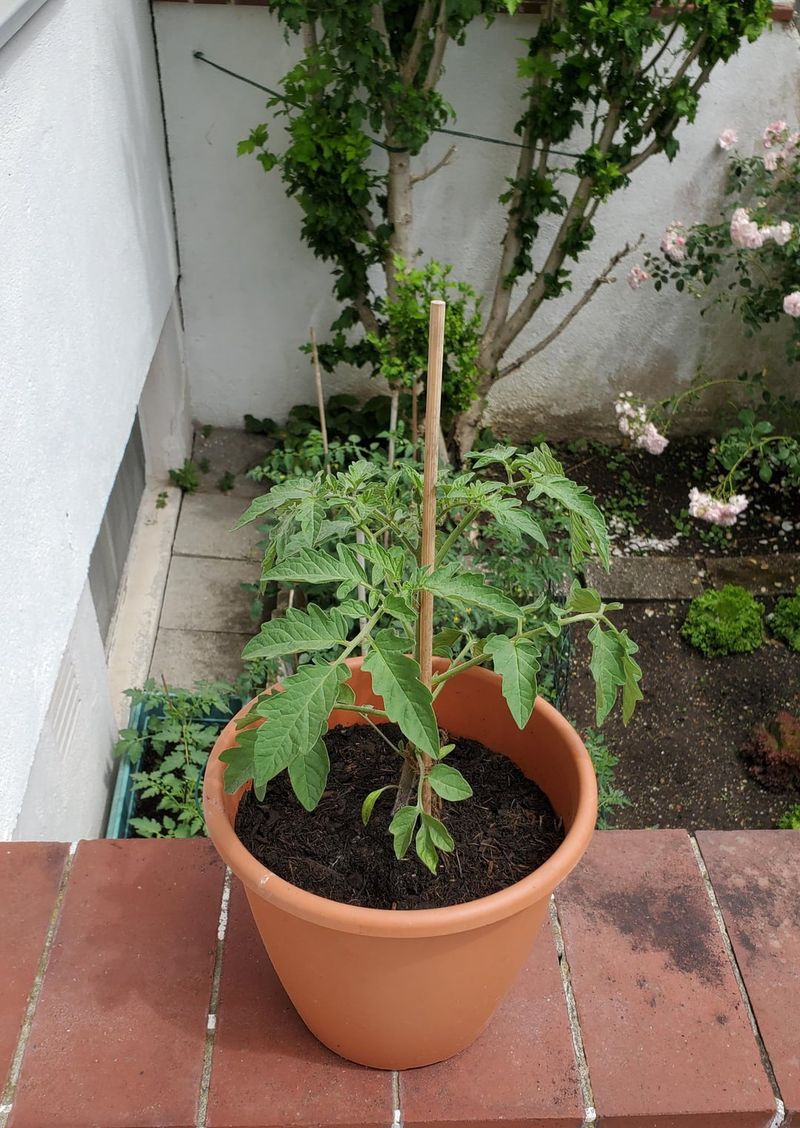
Growing cherry tomatoes in a container is one of those gardening experiences that feels almost magical the first time you do it. Tiny plants that start as fragile seedlings eventually fill large pots with sprawling vines and clusters of jewel-bright fruit.
In Oregon, cherry tomatoes in containers actually have an advantage over in-ground plants because you can move the pot to the warmest, sunniest spot on your patio as the season progresses.
Choose a container that holds at least five gallons, though ten gallons is even better for vigorous varieties like Sun Gold or Sweet Million. Use a rich, well-draining potting mix and mix in a slow-release granular fertilizer at planting time to support strong early growth.
Place the container in the warmest, south-facing spot available, aiming for at least eight hours of direct sunlight daily.
Water deeply and consistently, as cherry tomatoes are sensitive to irregular moisture and can develop blossom end rot if they dry out repeatedly between waterings.
A layer of mulch on top of the soil helps retain moisture and regulate temperature during Oregon’s unpredictable spring days.
Start seeds indoors six to eight weeks before your last expected frost, then transplant outdoors after nighttime temperatures stay reliably above 50 degrees Fahrenheit.
Stake or cage plants early to support their growth, and you will be rewarded with sweet, sun-warmed cherry tomatoes by midsummer.
5. Basil That Brings Spring Flavor Straight To Your Kitchen
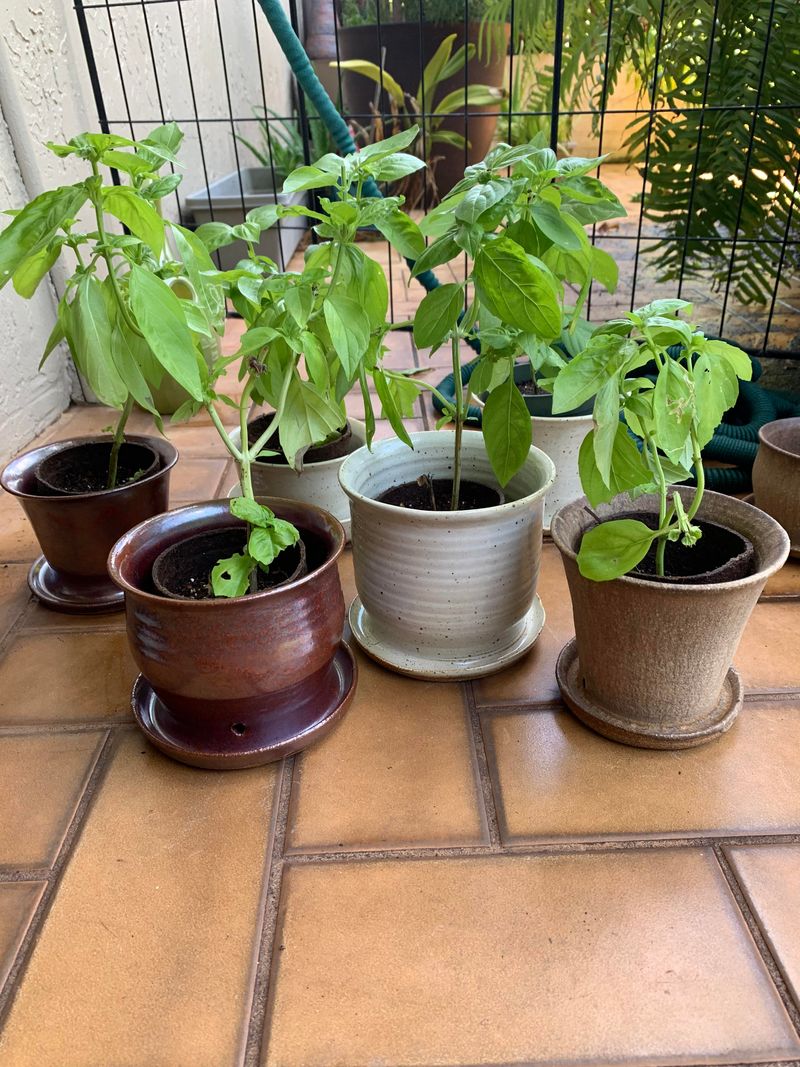
There is something wonderfully satisfying about tearing a fresh basil leaf from your own plant and dropping it straight into a dish.
Basil is a warm-season herb, but Oregon gardeners can get a significant head start by growing it in containers that can be moved indoors when temperatures dip.
Genovese basil is a kitchen classic, while Thai basil and lemon basil offer fun flavor twists that pair beautifully with Pacific Northwest cooking.
Start basil seeds indoors about six weeks before your last frost date, using a seed-starting mix and keeping the soil consistently warm, ideally around 70 degrees Fahrenheit.
Basil germinates slowly in cool soil, so a heat mat placed under the tray makes a noticeable difference in germination speed and seedling strength.
Once seedlings develop their second set of leaves, transplant them into four-to-six-inch containers with well-draining potting mix.
Basil craves sunlight, needing at least six to eight hours of direct sun each day to stay bushy and flavorful.
Move pots outdoors on warm spring days and bring them back inside if nighttime temperatures drop below 50 degrees Fahrenheit, since cold snaps can stress the plant and stunt its growth.
Pinch off flower buds as soon as they appear to keep leaves producing all season long. Fertilize lightly every few weeks with a balanced liquid fertilizer, and avoid overwatering, since soggy roots are among the most common challenges basil growers face.
6. Strawberries That Sweeten Your Spring Garden
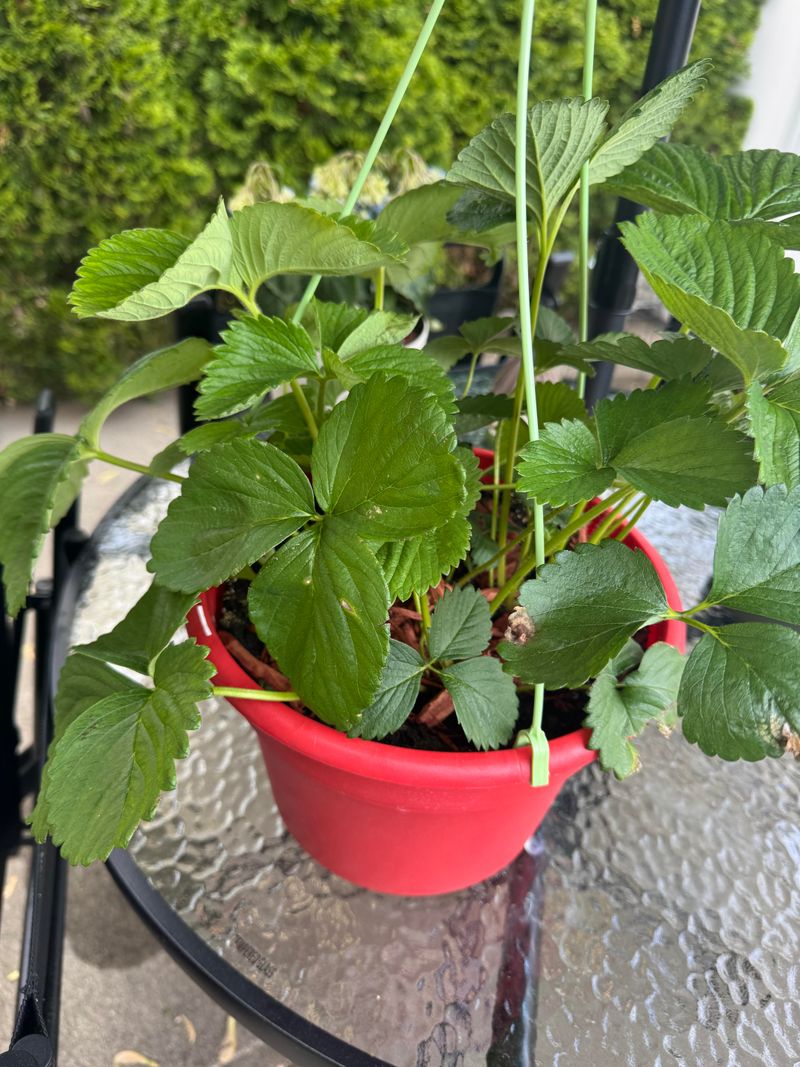
Strawberries in containers are a little bit of a gardening cheat code, and Oregon gardeners should absolutely take advantage of them.
The state’s climate, especially west of the Cascades, is well-suited to strawberries, and growing them in pots lets you control drainage, soil quality, and placement in ways that in-ground beds simply cannot match.
Everbearing varieties like Seascape or Albion are excellent choices for containers because they produce multiple harvests from spring through fall rather than one big flush in June.
Hanging baskets, window boxes, and classic terracotta pots all work well for strawberries. Choose a container that is at least eight inches deep and wide enough to allow runners to trail over the edges naturally.
Fill it with a well-draining potting mix and mix in a small amount of balanced granular fertilizer to give young plants a nutritional foundation.
Plant strawberries so the crown sits just at the soil surface, as burying it too deep can cause crown rot while planting too shallow leaves roots exposed to drying out. Place containers in a location that receives at least six hours of direct sunlight.
Water regularly, keeping soil evenly moist without letting it stay waterlogged between waterings. A diluted liquid fertilizer applied every two to three weeks during the growing season supports consistent fruit production.
Remove the first flush of flowers on newly planted starts to encourage stronger root development before the plant focuses energy on fruit.
7. Bell Peppers Coloring Your Garden And Plate
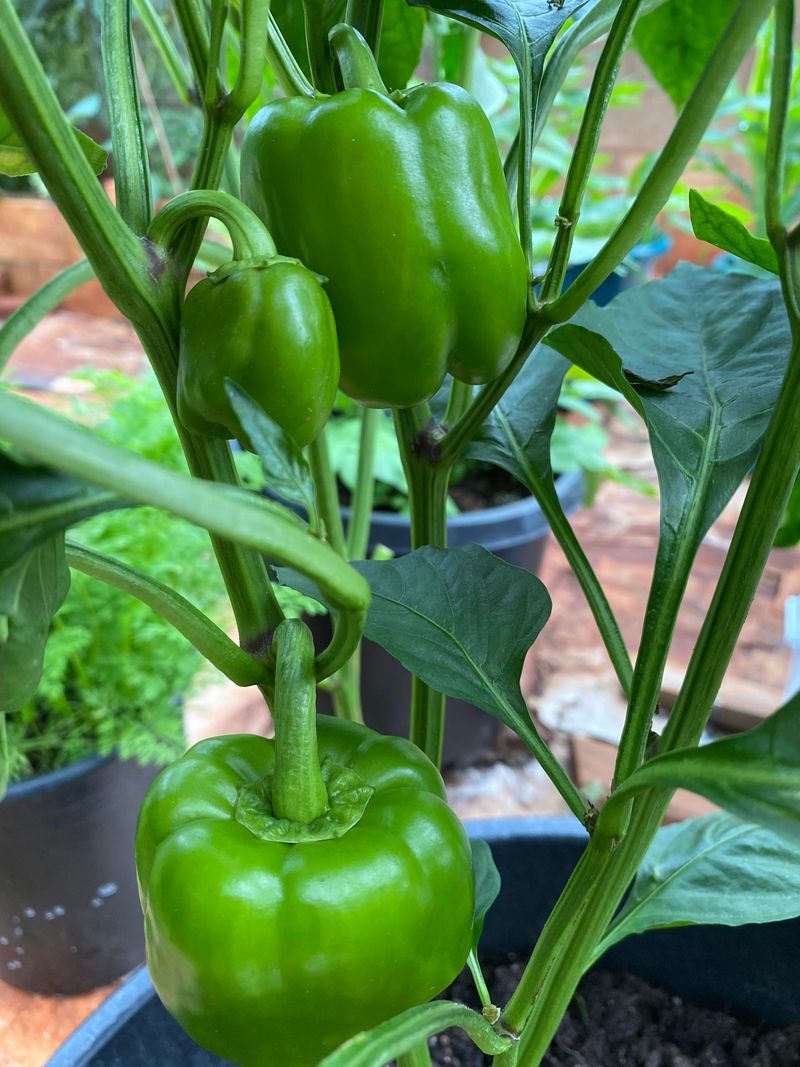
Bell peppers are the kind of container plant that rewards patience with a spectacular payoff. Starting them early indoors is key in Oregon, where the growing season can feel frustratingly short for warm-season crops.
Sow seeds eight to ten weeks before your last expected frost date, and keep them in a warm spot with consistent bottom heat to encourage strong, vigorous germination.
Once seedlings are established, transplant them into containers that hold at least three to five gallons of well-draining potting mix. Bell peppers have deep root systems, so depth matters as much as width when choosing a pot.
Mix a slow-release balanced fertilizer into the soil at planting time, then supplement with a liquid fertilizer higher in phosphorus once flowering begins to support fruit development.
Sunlight is non-negotiable for bell peppers, which need at least eight hours of direct sun each day to produce well.
In Oregon’s cooler coastal areas, placing containers against a south-facing wall helps retain heat and create a warmer microclimate that peppers absolutely love.
Water deeply but allow the top inch of soil to dry slightly between waterings to avoid root issues. Peppers can be harvested green or left on the plant to ripen to red, yellow, or orange, growing sweeter and more nutritious with each stage.
Staking taller plants helps support heavy fruit loads as the season progresses into summer.