North Carolina Gardeners Grow Way More Food In Less Space With These 10 Vegetables
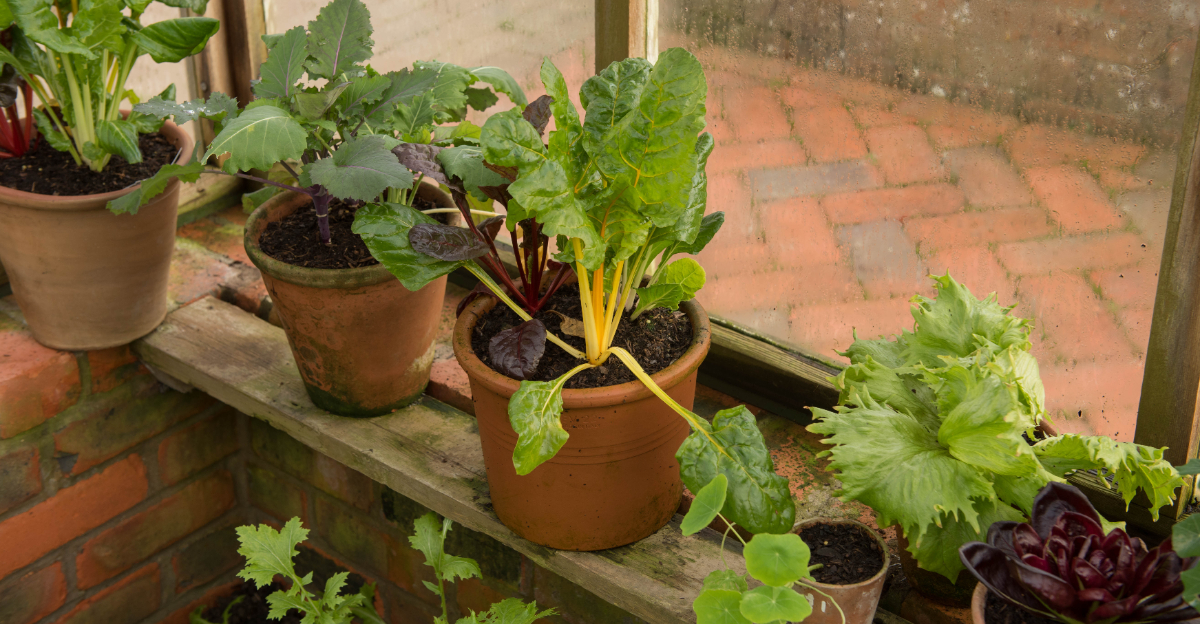
North Carolina is a dream spot for anyone who loves fresh food and bright gardens. Even if your outdoor space is just a tiny patio or a few simple raised beds, you can produce a massive harvest this year.
The warm sun and rich soil of the Tar Heel State make it easy to grow delicious treats right outside your door. You just need to pick the smartest plants for small spaces.
This list features ten amazing vegetables that grow fast and stay small. We are talking about juicy tomatoes that fit in pots and crunchy radishes that pop up in no time.
These choices thrive in our local weather and long growing seasons. You will love watching your small garden turn into a lush green paradise.
Get ready to enjoy the best flavors of the season from your very own home.
1. Compact Tomatoes That Punch Way Above Their Weight
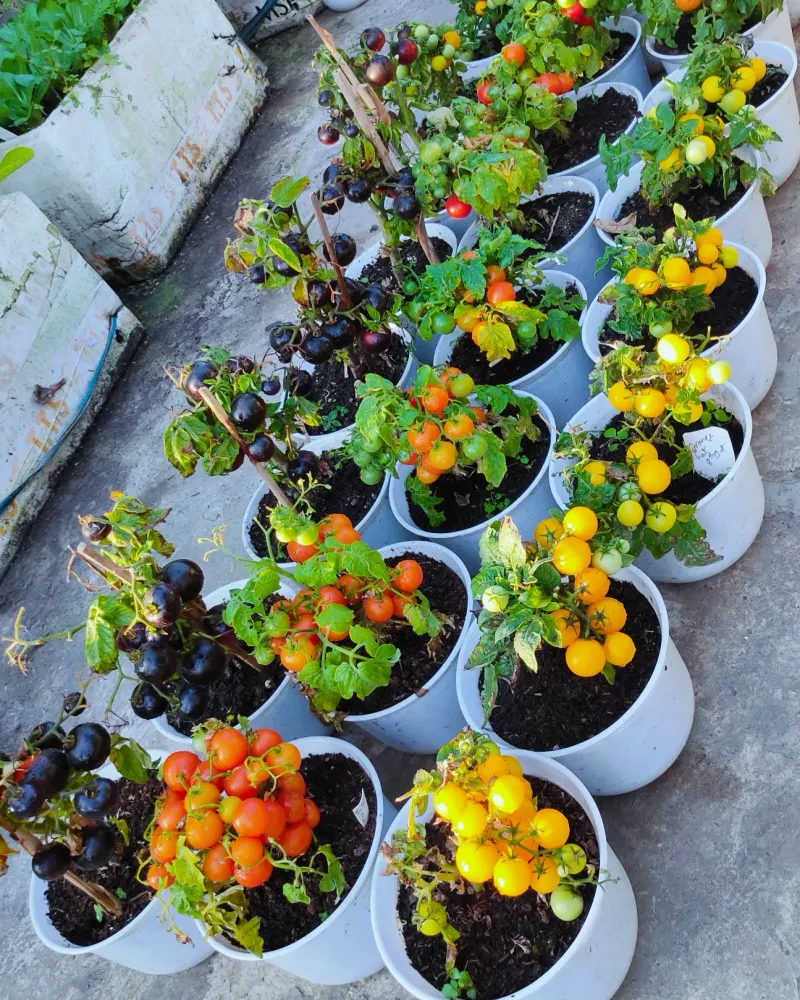
Tiny tomatoes, big rewards. Compact tomato varieties like Tiny Tim, Tumbling Tom, and Balcony are absolute game-changers for North Carolina gardeners working with limited space.
These determinate varieties stop growing at a manageable height, usually under two feet, yet still produce an impressive number of flavorful fruits throughout the season.
Because they stay short and bushy, you can grow them in containers, window boxes, or small raised beds without any worry about them taking over your garden. A single five-gallon pot can comfortably hold one plant and still reward you with dozens of tomatoes.
Place them somewhere that gets at least six hours of sunlight daily, and they will absolutely thrive in North Carolina’s warm summers.
Watering consistently is the biggest key to success with these compact varieties. Tomatoes do not love going from bone-dry to soaking wet, so aim for steady moisture throughout the growing season.
Adding a layer of mulch on top of the soil helps hold moisture in and keeps roots cool during hot July and August days.
Start seeds indoors about six to eight weeks before your last frost date, which in most parts of North Carolina falls between late March and mid-April.
Once transplanted outdoors, these little powerhouses will reward your patience with fresh, sun-ripened tomatoes all summer long.
2. Leaf Lettuce That Keeps On Giving All Season
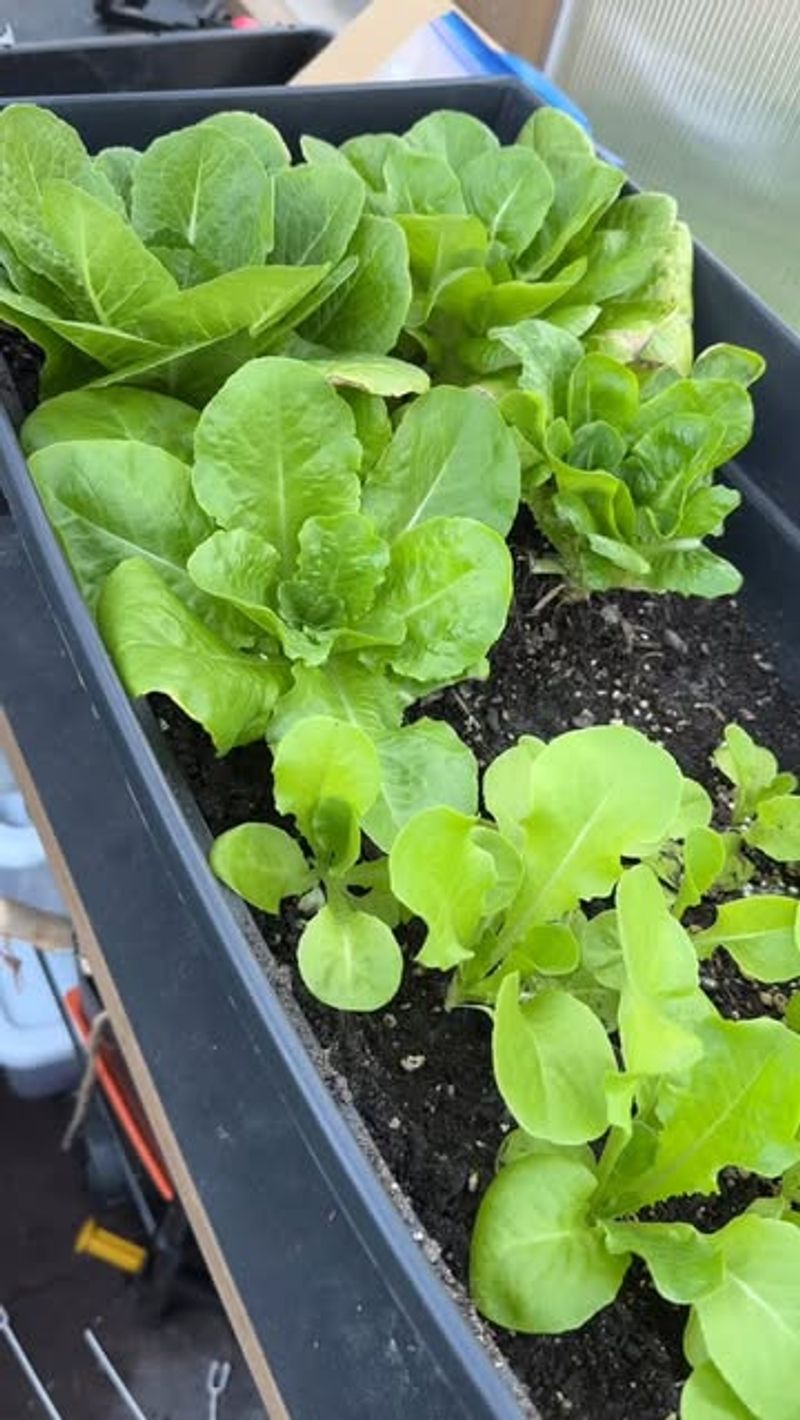
Imagine walking outside every morning and snipping fresh salad greens right before breakfast. Leaf lettuce varieties like Butterhead, Romaine, and Looseleaf make that dream completely realistic, even in the smallest North Carolina garden.
These varieties are famous for their cut-and-come-again growth habit, meaning you harvest outer leaves while the plant keeps producing new ones from the center.
North Carolina’s cool spring and fall seasons are absolutely perfect for growing lettuce. Temperatures between 45 and 65 degrees Fahrenheit bring out the best flavor and texture in these leafy greens.
If you plant in late February or early March, you can enjoy fresh salads well into May before the heat of summer arrives. Then plant again in late August or September for a second round of harvests straight through October and November.
Your North Carolina Garden Changes Every Week. Your Plan Should Too.
Gardening in North Carolina changes quickly throughout the season. Every Friday you’ll receive a simple weekly plan showing exactly what to plant, prune, fertilize, harvest, and protect so you never miss the right timing.
Containers and small raised beds work wonderfully for lettuce because you can move them to take advantage of shade during warmer spells. Lettuce roots are shallow, so even a container that is just six inches deep will do the job nicely.
Scatter seeds thinly across the soil surface, water gently, and you will see sprouts within a week. Fertilizing lightly every few weeks with a balanced liquid fertilizer keeps the plants producing tender, flavorful leaves for weeks on end.
3. Radishes Ready To Harvest In Under A Month
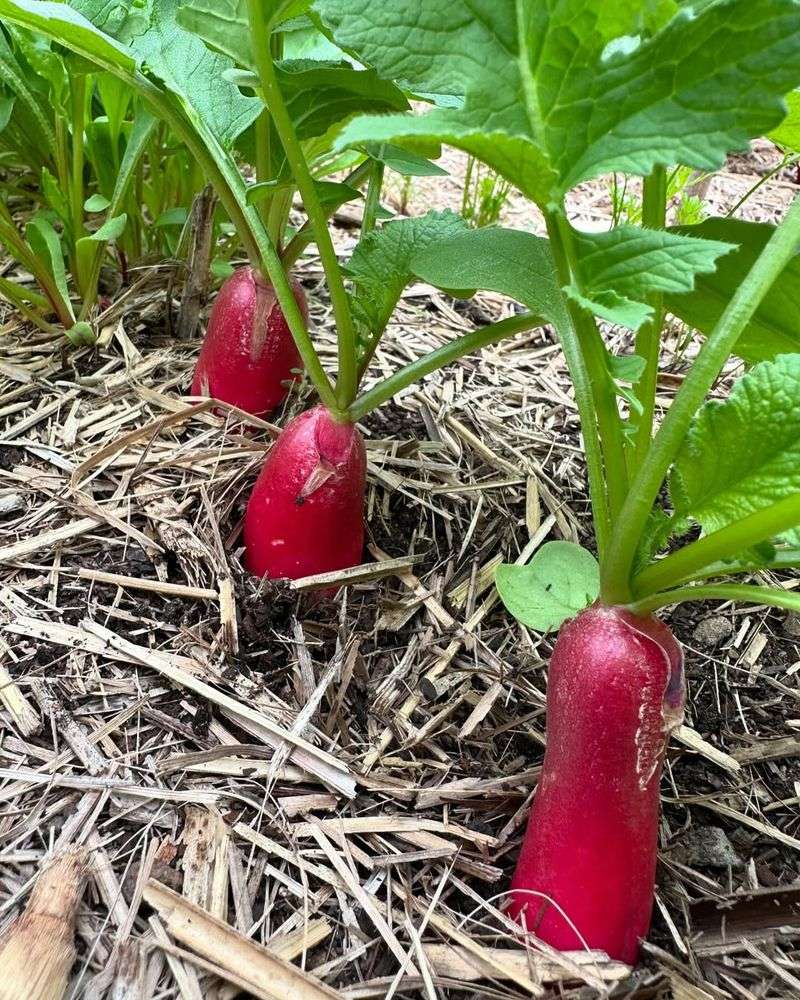
Few vegetables in the garden world move as fast as radishes. From seed to table in as little as three to four weeks, radishes are the ultimate quick-win crop for North Carolina gardeners who want results without waiting half the season.
Popular varieties like Cherry Belle and French Breakfast are crisp, peppery, and incredibly satisfying to pull straight from the ground.
Because radishes grow so quickly, you can squeeze multiple plantings into a single season without much effort at all. In North Carolina, the cooler months of March through May and again from September through November are the sweet spot for radish growing.
Planting a short row every two weeks means you will have a steady stream of fresh radishes hitting your kitchen for months.
Radishes also play very nicely with other vegetables, making them a smart choice for intercropping. Tuck a few seeds between slower-growing plants like carrots or broccoli, and you will harvest the radishes long before those neighbors need the extra space.
They prefer loose, well-drained soil and a sunny spot, and they really do not need much fertilizer at all. Just keep the soil evenly moist, and these little root vegetables practically take care of themselves.
Did you know radishes were among the first European vegetables grown in American gardens? A true garden classic with serious speed on its side.
4. Spinach That Thrives In Cool North Carolina Weather
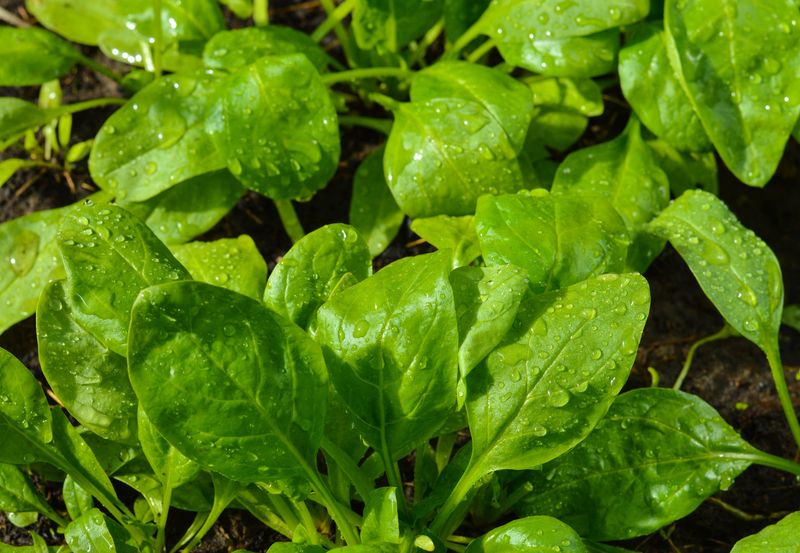
Spinach is one of those vegetables that feels tailor-made for North Carolina’s shoulder seasons. It absolutely loves the cool, mild temperatures of early spring and fall, producing tender, dark green leaves that are packed with iron, vitamins, and flavor.
Varieties like Bloomsdale Long Standing and Space are especially popular with home gardeners across the state.
One of the best things about spinach is how well it performs in small spaces. A single twelve-inch container filled with quality potting mix can support several plants at once, giving you a steady supply of baby spinach leaves in just a few weeks.
Harvesting the outer leaves regularly encourages the plant to keep pushing out new growth from the center, stretching your harvest window significantly.
Spinach prefers soil that stays consistently moist but never waterlogged, so containers with drainage holes are a must. In North Carolina, aim to plant your first round of spinach about four to six weeks before the last expected frost.
This gives the plants time to establish before warmer days arrive. As summer heats up, spinach will naturally slow down and eventually bolt, sending up a flower stalk.
When that happens, pull the plants and replace them with a warm-season crop. Come August, start a fresh batch and enjoy another full harvest right through the holidays.
Spinach is that reliable, that generous, and that easy to love.
5. Bush Beans Built For Small Spaces And Big Yields
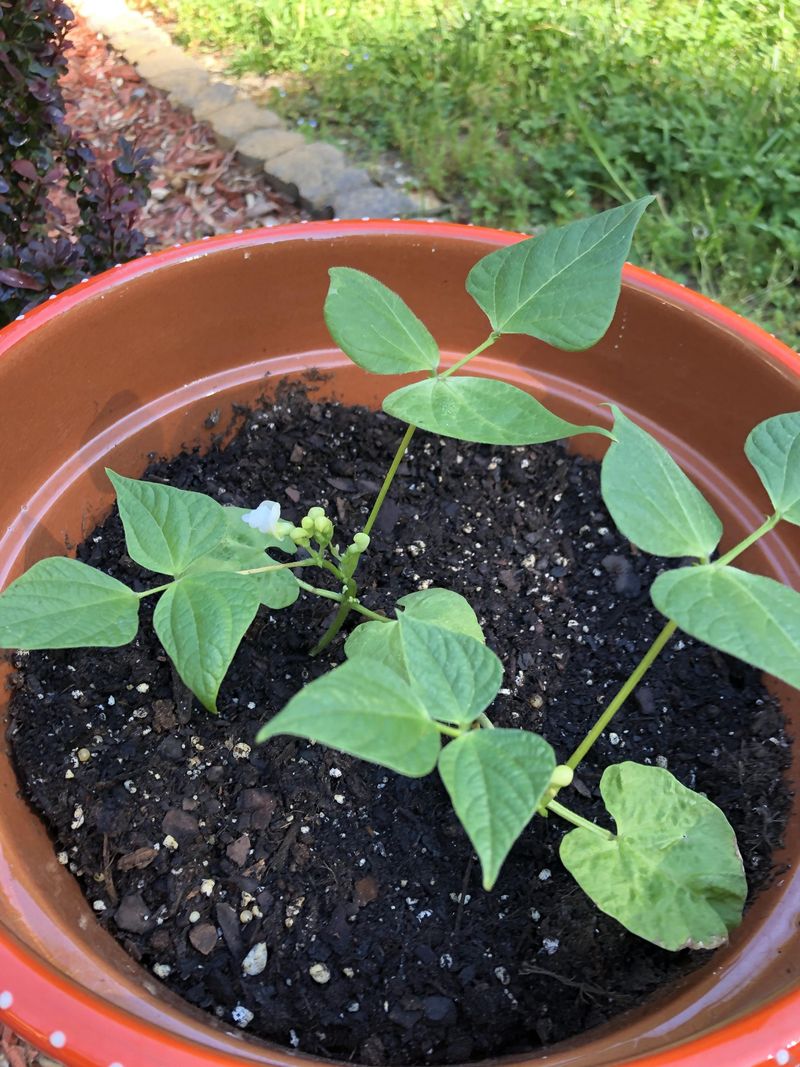
Bush beans are the workhorses of the compact garden. Unlike pole beans, which need tall trellises and lots of vertical room, bush beans stay low and tidy, topping out around two feet tall.
Varieties like Blue Lake Bush and Provider are longtime favorites across North Carolina because they produce an enormous number of pods in a surprisingly short growing window of about 50 to 60 days.
Planting bush beans directly in the ground or in a raised bed after the last frost gives them the warm soil they need to germinate quickly. In North Carolina, that usually means late April through early June is prime planting time.
Space seeds about three to four inches apart in rows, and you will have a dense, productive planting that fills every inch of available space efficiently. A four-by-four raised bed can hold enough bush bean plants to feed a small family multiple meals.
Bush beans are also nitrogen fixers, which means they actually improve your soil as they grow by pulling nitrogen from the air and storing it in their roots. After the harvest, chop the spent plants back into the soil and let them break down as natural fertilizer for your next crop.
This is what experienced North Carolina gardeners call working smarter, not harder. Pick the pods regularly when they are young and tender, and the plants will keep producing for weeks on end.
6. Swiss Chard That Looks Beautiful And Feeds You Well
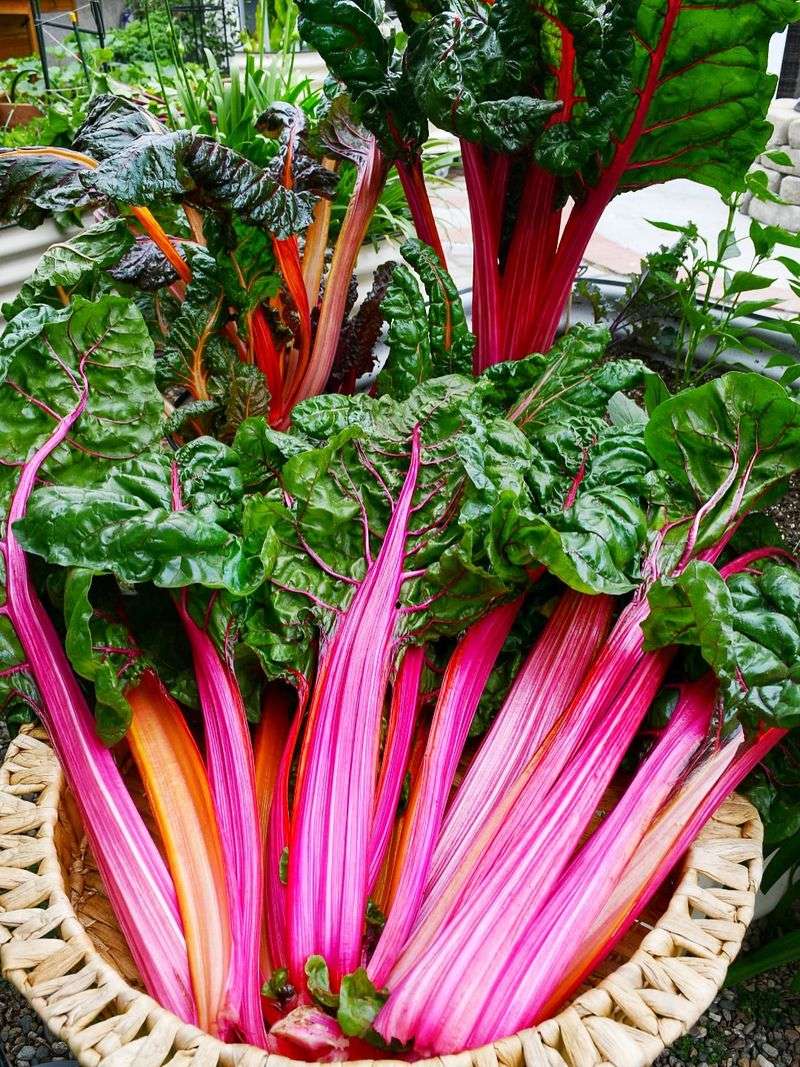
Swiss chard might just be the most underrated vegetable in the North Carolina garden. It grows in a rainbow of stem colors, from deep crimson to golden yellow to bright orange, making it as beautiful as any ornamental plant.
But beyond the looks, chard is a nutritional powerhouse that produces leaves from spring all the way through the first hard frost of fall.
One of chard’s greatest strengths is its flexibility. It handles both full sun and partial shade with ease, which makes it perfect for spots in your garden that do not get ideal light all day.
It also adapts beautifully to container growing, thriving in pots that are at least twelve inches deep. A single container of Swiss chard planted near a kitchen door gives you easy access to fresh greens for sauteing, adding to soups, or tossing into pasta dishes.
North Carolina’s mild spring and fall temperatures suit Swiss chard perfectly, and it handles light frosts better than many other greens. Harvest by cutting outer stalks at the base, leaving the inner leaves to keep growing.
This cut-and-come-again method means one planting can feed you for months without replanting. Water regularly, add a balanced fertilizer every three to four weeks, and you will have one of the most productive and attractive plants in your entire garden.
Chard truly delivers on every level.
7. Radicchio That Adds Bold Flavor To A Tiny Footprint
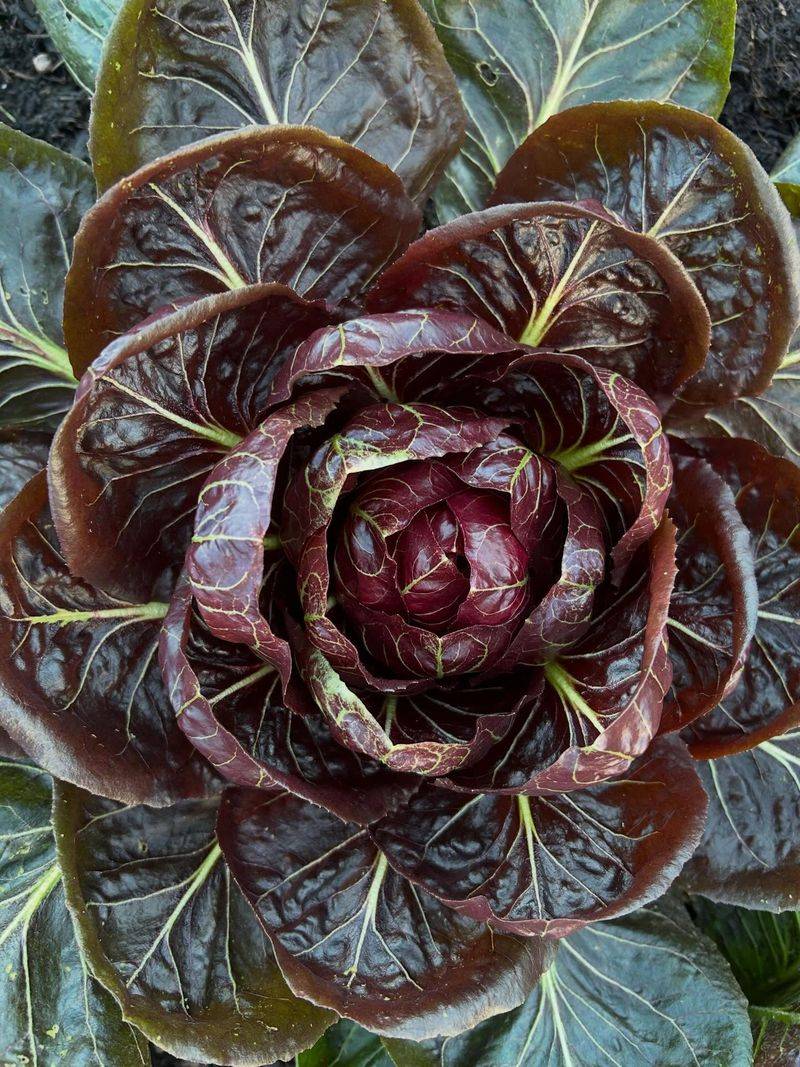
Not many vegetables bring the bold, slightly bitter punch that radicchio delivers straight from the garden. This compact Italian green, often mistaken for red cabbage at first glance, is actually a chicory variety that forms tight, colorful heads packed with flavor.
It grows beautifully in North Carolina’s cooler seasons, and its small size makes it one of the most space-efficient crops you can choose.
Radicchio thrives when planted in late summer for a fall harvest, which lines up perfectly with North Carolina’s September and October cool-down. The cooler the temperatures, the deeper and more complex the flavor becomes, with the characteristic bitterness mellowing into something almost sweet.
Plant seedlings or direct-sow seeds in late July or August, spacing plants about eight to ten inches apart in a raised bed or large container.
Once established, radicchio needs very little fussing. Regular watering and a light feeding of balanced fertilizer every few weeks is about all it asks for.
The heads are typically ready to harvest in 70 to 85 days, and they hold well in the garden for several weeks without losing quality. Slice radicchio thin for salads, grill wedges with olive oil for a smoky side dish, or layer it into sandwiches for a peppery kick.
It is a bold, interesting addition to any North Carolina garden that keeps things exciting from late summer right through fall.
8. Fresh Herbs That Grow Abundantly In Tiny Containers
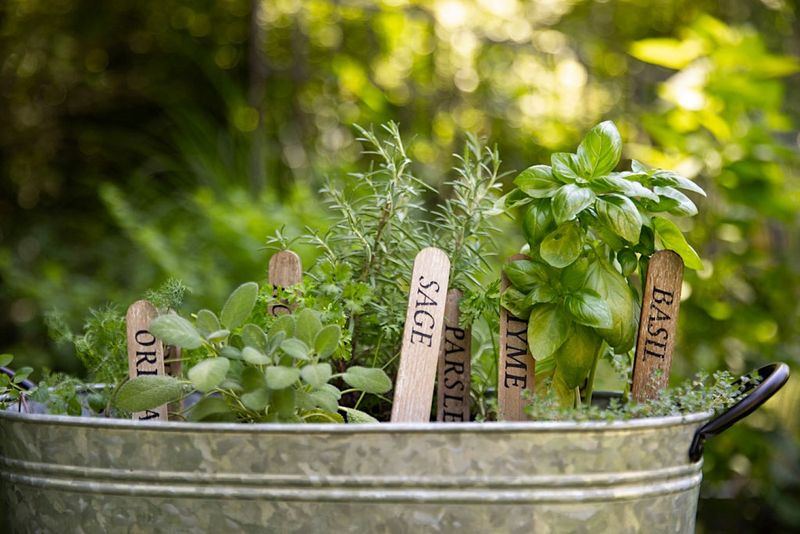
A handful of fresh basil. A snip of parsley.
A few chives over scrambled eggs. Growing herbs like these in containers or window boxes is one of the smartest moves any North Carolina gardener can make.
They take up almost no space, produce constantly, and bring a level of freshness to cooking that store-bought herbs simply cannot match.
Basil loves North Carolina’s warm summers and grows vigorously from late spring through September. Parsley is a cool-season overachiever that handles mild frosts without complaint, making it a reliable producer from early spring through late fall.
Chives are arguably the lowest-maintenance herb you can grow, coming back year after year from the same clump with very little attention required. Together, these three cover nearly every cooking need.
Growing herbs in individual six-inch pots gives you total control over soil, water, and placement. Set them on a sunny patio, a balcony railing, or a kitchen windowsill, and you have fresh flavor within arm’s reach at all times.
Pinch basil flowers off as they appear to keep the plant producing leaves instead of going to seed. Harvest parsley from the outside of the plant inward, and trim chives back to about an inch above the soil when they get tall.
With just a little attention, these compact plants will outperform your expectations all season long in North Carolina’s forgiving climate.
9. Compact Carrots Grown Right In Containers
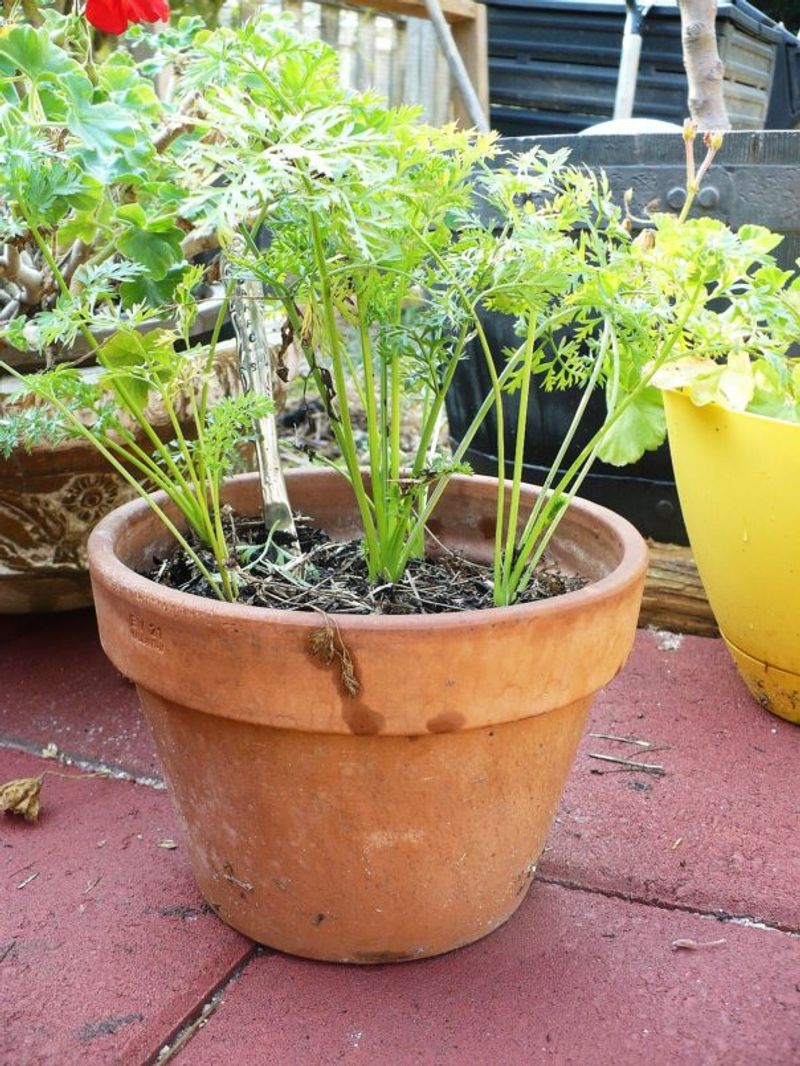
Most people think you need a big garden to grow carrots, but compact varieties like Little Finger, Parisienne, and Chantenay flip that idea completely on its head. These short-rooted types grow just three to five inches long, making them perfectly suited for containers or shallow raised beds.
North Carolina gardeners with limited yard space can grow a beautiful carrot harvest in nothing more than a deep pot on a porch.
The key to success with container carrots is the soil. Carrots need loose, fine, well-draining mix that lets the roots push through without hitting rocks or clumps.
A standard potting mix combined with a bit of coarse sand works very well. Fill your container at least ten to twelve inches deep, sow seeds thinly across the surface, and cover lightly with a thin layer of fine soil.
Germination takes one to two weeks, and thinning seedlings to about two to three inches apart once they sprout gives each carrot room to fatten up properly.
In North Carolina, spring planting in March and April gives carrots the cool soil temperatures they love for germination and early growth. A fall planting in September works just as well and often produces sweeter carrots because cooler soil converts starches to sugar.
Water evenly and consistently, because uneven moisture can cause carrots to crack. Harvest when the shoulder of the carrot is about half an inch across and the color is rich and even.
Fresh homegrown carrots taste nothing like anything from a grocery store.
10. Sugar Snap Peas Growing Tall In A Small Footprint
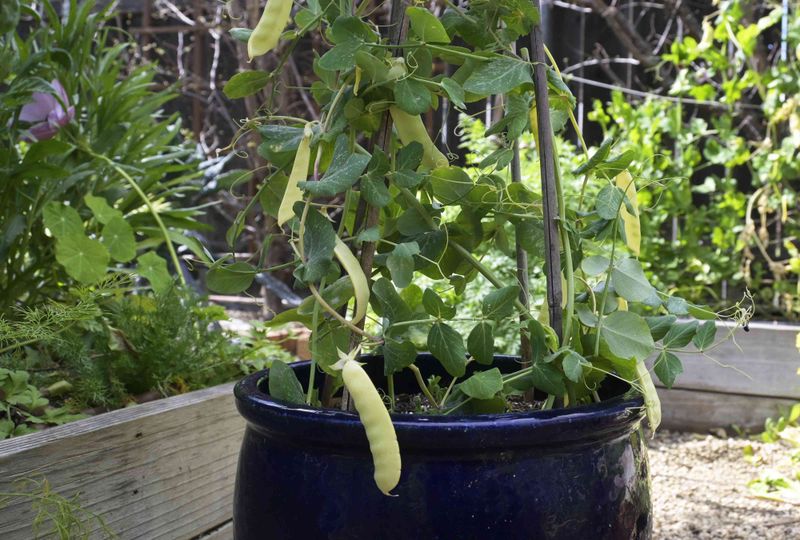
Sugar snap peas are the kind of vegetable that makes you genuinely excited to walk out to your garden every morning. The pods are crisp, sweet, and satisfying straight off the vine, and they produce in generous quantities during North Carolina’s cool spring season.
Best of all, they grow vertically, which means they take up very little ground space while using the air above to build their harvest.
A simple trellis, a piece of wire mesh, or even a few bamboo stakes tied together gives sugar snap peas all the support they need. In a raised bed just two feet wide, you can run a trellis down the center and plant peas on both sides, effectively doubling your production in the same footprint.
Varieties like Super Sugar Snap and Sugar Ann are both outstanding performers in North Carolina gardens.
Plant seeds directly in the ground as soon as soil can be worked in late February or early March. Peas prefer cool temperatures and will actually slow down once summer heat arrives, so getting them in early is the smartest move.
Soak seeds overnight before planting to speed up germination, and space them about two to three inches apart along the base of your trellis. Water regularly but avoid soaking the foliage, which can invite powdery mildew.
Harvest pods when they are plump but still bright green, and the plants will reward you with wave after wave of sweet, crunchy peas for weeks.