What North Carolina Azaleas Need In Early Spring For A Stunning Bloom Display
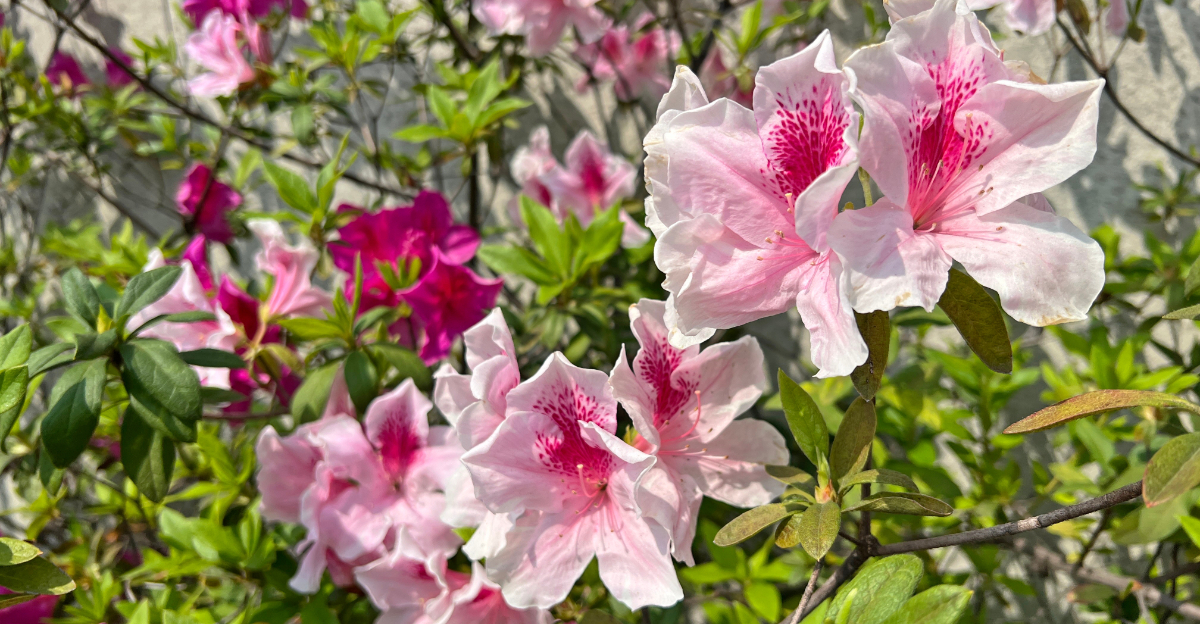
North Carolina turns into a breathtaking sea of color when those famous flowering azaleas finally wake up for the season. You can see vibrant shades of pink and deep purple covering every yard from the coast to the mountains.
These iconic bushes are the true stars of the Southern landscape every single spring. Everyone wants that thick wall of flowers that makes a home stand out on the block.
You do not need a professional green thumb to get these incredible results in your own yard. A little bit of smart work during the early weeks of the year goes a very long way.
We have gathered nine simple secrets to help your plants grow strong and stay healthy. Your neighbors will definitely stop to stare at your beautiful display this year.
It is time to get outside and start your best garden ever.
1. Prune Lightly To Encourage Healthy Growth
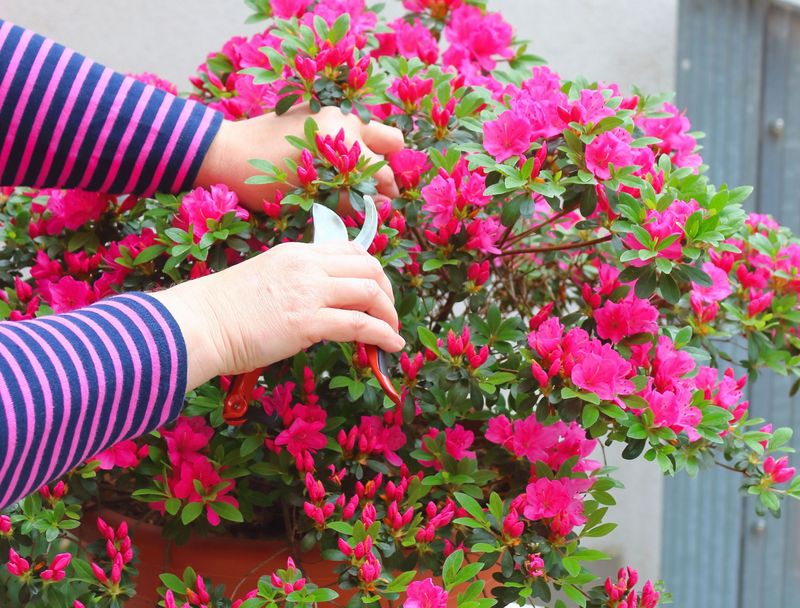
Grab your pruning shears early in the season, because a little trimming goes a long way when it comes to azaleas. Right after winter dormancy ends in North Carolina, your plants are ready to wake up and push out fresh, healthy growth.
Light pruning at this stage helps the shrub focus its energy on producing strong new stems and vibrant blooms rather than struggling to support damaged or weak branches.
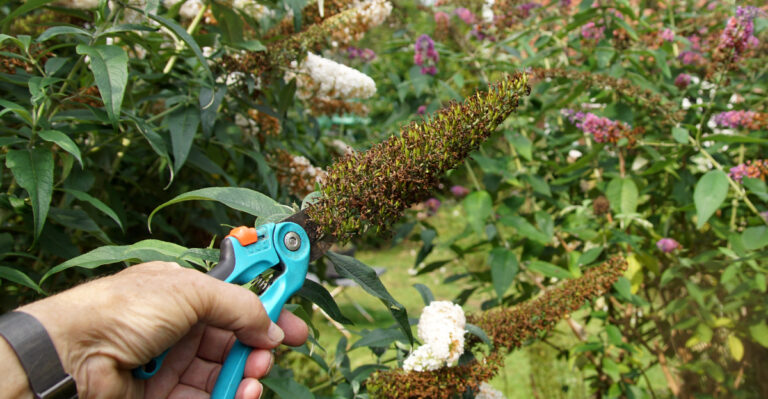
Start by looking closely at each branch for signs of damage from winter weather. Remove any wood that looks broken, discolored, or unhealthy, cutting just above a healthy bud or branching point.
Keep your cuts clean and precise, because rough cuts can invite disease into the plant and slow down recovery time significantly.
One important thing to remember in North Carolina is timing. If you prune too aggressively or too late in spring, you risk cutting off the buds that are already forming for this season’s bloom.
Keep it light and strategic. Removing just the problem areas allows the rest of the plant to channel nutrients into lush foliage and an impressive flower display.
A well-pruned azalea looks fuller, stands stronger, and rewards you with a breathtaking burst of color when bloom season finally arrives in your garden.
2. Fertilize With Balanced, Slow-Release Fertilizer

Feeding your azaleas the right way in early spring can make the difference between a so-so bloom and a truly spectacular display. North Carolina gardeners should reach for a slow-release fertilizer that is specifically formulated for acid-loving plants like azaleas and rhododendrons.
These special blends deliver nutrients gradually over several weeks, giving the plant a steady supply of what it needs without overwhelming the roots all at once.
Look for a fertilizer with a balanced ratio of nitrogen, phosphorus, and potassium. Nitrogen supports leafy green growth, phosphorus encourages strong root development and flower production, and potassium helps the overall health of the plant.
Applying the right mix in late winter to early spring, just as new growth begins to emerge, sets your azaleas up for their best possible performance throughout the season.
Your North Carolina Garden Changes Every Week. Your Plan Should Too.
Gardening in North Carolina changes quickly throughout the season. Every Friday you’ll receive a simple weekly plan showing exactly what to plant, prune, fertilize, harvest, and protect so you never miss the right timing.
Scatter the granules evenly around the drip line of the plant, which is the outer edge of the branches, and water thoroughly afterward to help the nutrients soak into the soil. Avoid piling fertilizer directly against the stem, as this can cause burning.
Also, stop fertilizing after July in North Carolina, because late-season feeding encourages tender new growth that can be vulnerable when cooler temperatures return in the fall. A well-fed azalea is a happy, blooming azalea.
3. Ensure Well-Drained, Moist Soil
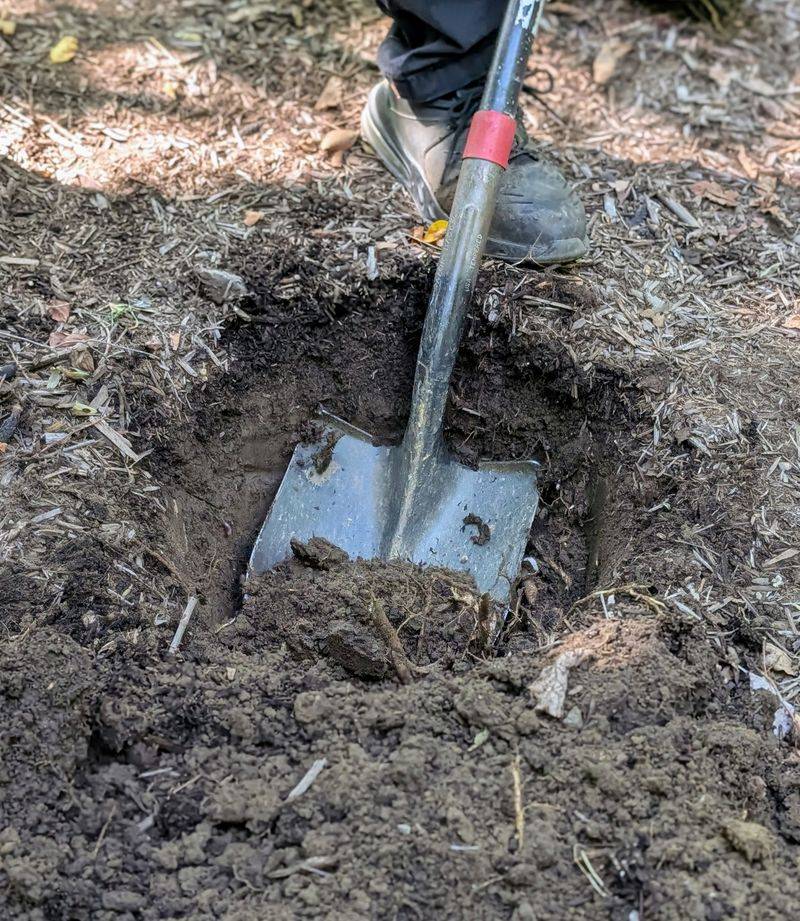
Soil quality is one of the biggest factors in whether your azaleas thrive or struggle in North Carolina. These plants love soil that stays consistently moist but never waterlogged, because soggy roots can quickly lead to rot and poor bloom production.
Early spring is the ideal time to evaluate what your soil is doing and make any improvements before the growing season kicks into full gear.
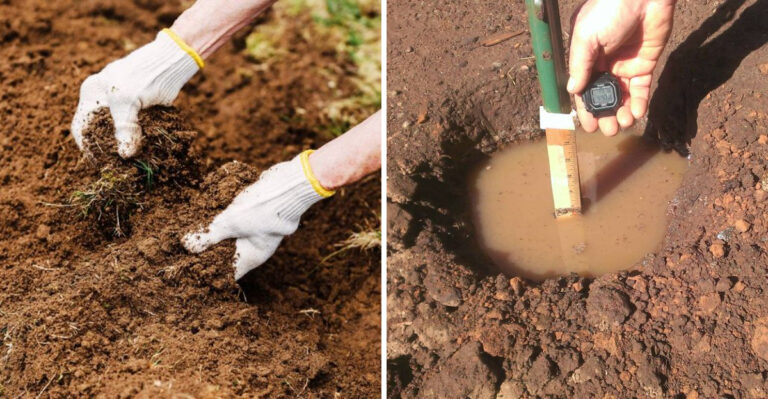
Azaleas prefer acidic soil with a pH between 4.5 and 6.0, which is naturally found in many parts of North Carolina. If you are unsure about your soil pH, a simple test kit from your local garden center will give you the answer in minutes.
If the pH is too high, you can lower it by incorporating elemental sulfur or by adding organic amendments like pine bark or compost, both of which naturally acidify the soil over time.
Good drainage is just as important as the right pH level. If water tends to pool around your plants after rain, consider raising the planting bed slightly or mixing in coarse organic matter to improve soil structure.
Roots that sit in standing water cannot absorb oxygen properly, which stunts growth and reduces flowering.
Healthy, well-structured soil gives azalea roots the perfect environment to spread out, anchor the plant firmly, and support a stunning bloom display all across your North Carolina garden.
4. Mulch To Retain Moisture And Control Weeds
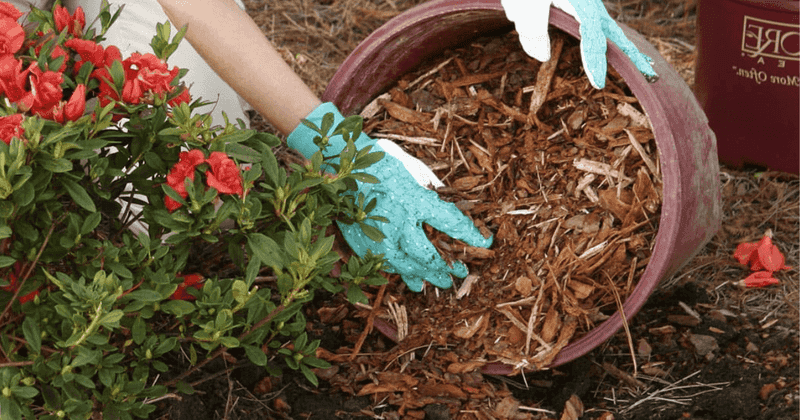
Mulching might be one of the simplest things you can do for your azaleas, but the results are genuinely impressive.
A fresh layer of organic mulch applied in early spring acts like a protective blanket for the soil, locking in moisture during dry stretches and keeping the ground temperature stable as North Carolina transitions from cool winter weather to warmer spring days. That stability matters a lot to azalea roots.
Pine bark and pine needles are especially popular choices for azaleas in North Carolina, and for good reason. As they break down slowly over time, they release natural acids into the soil, which helps maintain the slightly acidic pH that azaleas absolutely love.
Other good options include shredded hardwood mulch or wood chips, all of which improve soil structure and feed beneficial microorganisms as they decompose.
Aim for a layer about two to three inches deep, spreading it evenly from the base of the plant out to the drip line. Keep the mulch a few inches away from the main stem to allow for good air circulation and prevent moisture from building up against the bark.
Weed competition pulls nutrients and water away from your azaleas, so the weed-suppressing benefit of mulch is a real bonus. Refreshing your mulch each spring keeps your North Carolina garden looking tidy and your azaleas growing strong all season long.
5. Water Regularly, Especially During Dry Spells
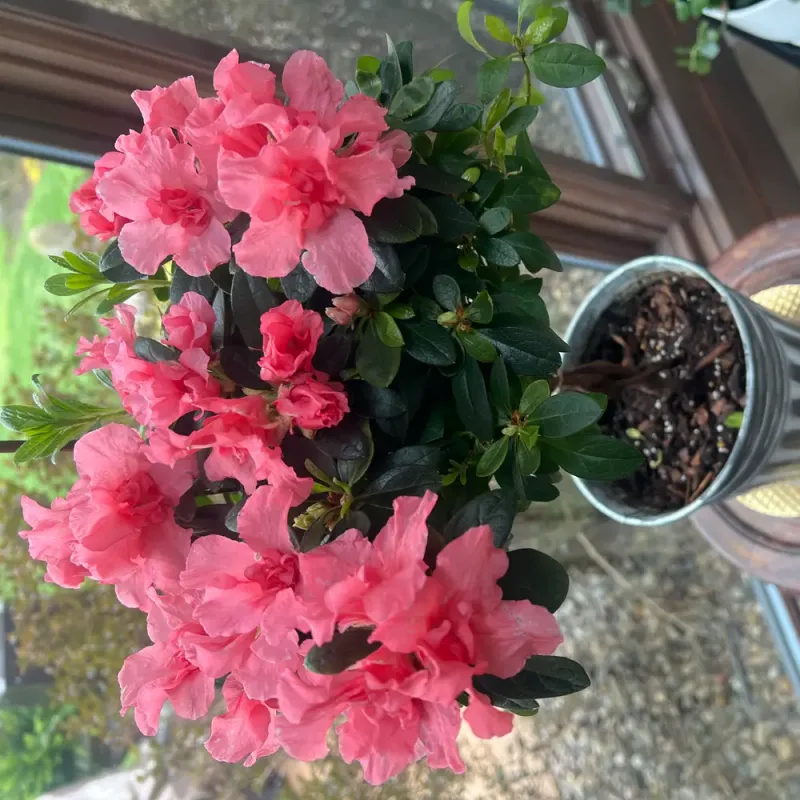
Water is life for azaleas, especially during the critical weeks of early spring when buds are forming and the plant is ramping up for its big bloom.
North Carolina can experience some surprisingly dry stretches in early spring before the rainy season settles in, and azaleas feel that stress quickly.
When the soil dries out too much during bud development, the plant may drop buds before they ever get the chance to open fully.
Deep, infrequent watering works much better than light, frequent sprinkles for azaleas. When you water deeply, moisture penetrates down to where the roots actually are, encouraging the root system to grow deeper and stronger.
Shallow watering keeps moisture near the surface, which can cause roots to stay shallow and make the plant more vulnerable to heat and drought as summer approaches in North Carolina.
A good rule of thumb is to give your azaleas about one inch of water per week, either from rainfall or from supplemental irrigation. Check the soil about two inches below the surface before watering.
If it feels dry at that depth, it is time to water. Drip irrigation or a soaker hose works great because it delivers moisture directly to the root zone without wetting the foliage, which helps prevent fungal issues.
Consistent moisture through early spring leads directly to a fuller, more vibrant bloom display.
6. Protect From Frost Damage
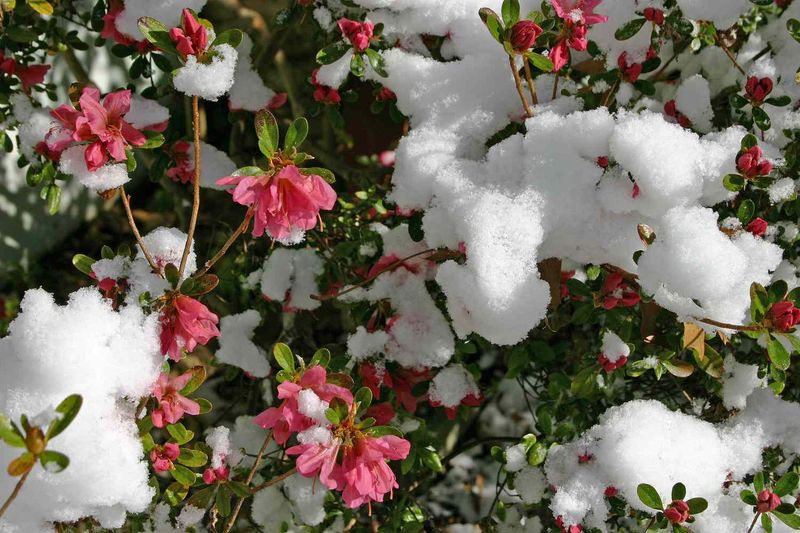
Early spring in North Carolina can be sneaky when it comes to temperatures. Just when you think winter is done and your azalea buds are safely on their way, a surprise late frost can roll in overnight and cause serious damage to those tender, developing flowers.
Buds that get hit by freezing temperatures can turn brown and fail to open, which means you could lose a whole season of blooms in just one cold night.
Keeping an eye on the forecast during March and April in North Carolina is genuinely one of the smartest things an azalea grower can do.
When temperatures are expected to drop close to or below 32 degrees Fahrenheit, cover your azaleas with a frost cloth or even old bedsheets to trap warmth around the buds.
Remove the covering during the day so the plants can get sunlight and breathe freely. The good news is that azalea plants themselves are quite hardy, and it is mainly the delicate buds that need protection from a hard freeze.
Planting azaleas in a location that has some natural wind protection, like near a fence or under the canopy of taller trees, can also reduce frost risk significantly.
North Carolina gardeners who stay prepared and act quickly when a cold snap threatens are the ones who enjoy the most spectacular spring bloom displays year after year in their gardens.
7. Maintain Proper Sun Exposure
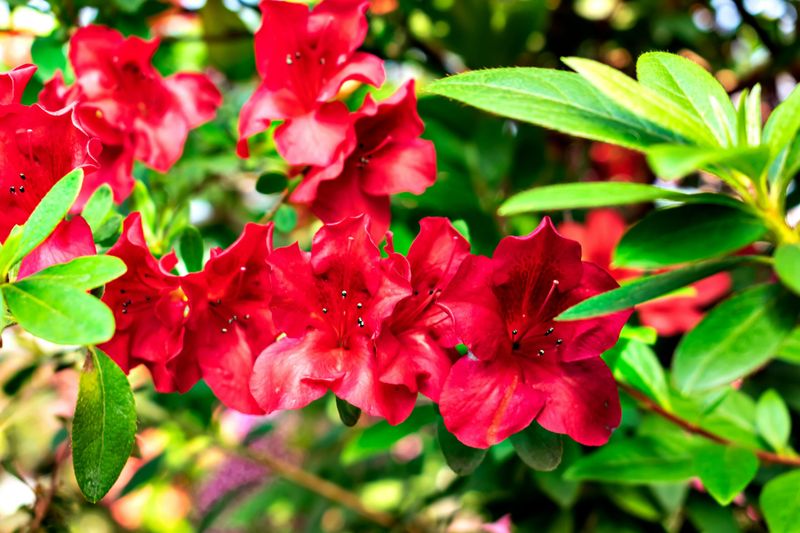
Sunlight plays a huge role in how well your azaleas bloom each spring, and North Carolina gardens offer a variety of light conditions depending on where you live. Azaleas are not full-sun plants, and they are not deep-shade plants either.
They hit their sweet spot in a location that gets bright morning sun for about four to six hours, followed by gentle shade or filtered light during the hot afternoon hours.
Morning sun helps dry dew off the leaves quickly, which reduces the risk of fungal diseases taking hold. It also gives the plant enough energy to fuel strong growth and abundant flower production.
Afternoon shade, on the other hand, protects the leaves and buds from the intense heat that builds up during the warmest part of the day, which can be stressful for azaleas even in early spring in North Carolina.
If your azaleas are currently planted in a spot that gets too much direct afternoon sun, you might notice the leaves looking faded, scorched, or stressed before summer even arrives.
Adding a shade structure, planting taller shrubs nearby, or relocating the plants during the dormant season can make a big difference.
Conversely, azaleas planted in too much shade will produce fewer blooms and look sparse. Finding that perfect balance of light is one of the most rewarding things you can do for your North Carolina azalea garden.
8. Remove Old Blooms To Improve Next Year’s Flowers

Once your azaleas finish their big bloom show in North Carolina, many gardeners simply walk away and wait for next year.
But spending a little time removing the spent flowers, a practice called deadheading, can actually set your plants up for an even better performance the following spring.
When old blooms are left on the plant, the shrub puts energy into forming seeds rather than storing nutrients for future flower production.
Azalea deadheading is simple and does not require any special tools. Just pinch or gently snap off the faded flower clusters right at their base, being careful not to damage the new leaf buds that are already forming just below the spent blooms.
Those tiny buds are next year’s flowers, so treat them with care while you work your way around the plant.
This practice also keeps your North Carolina garden looking neat and tidy after peak bloom season passes.
A plant covered in brown, fading flowers does not exactly inspire confidence, but a freshly deadheaded azalea looks clean and healthy as it transitions into its summer growing phase.
Combine deadheading with a light cleanup of any fallen petals around the base of the plant to reduce the risk of fungal issues in the mulch layer. A little effort now pays off with bigger, brighter blooms when spring rolls around again in your North Carolina garden next year.
9. Check For Pests And Diseases
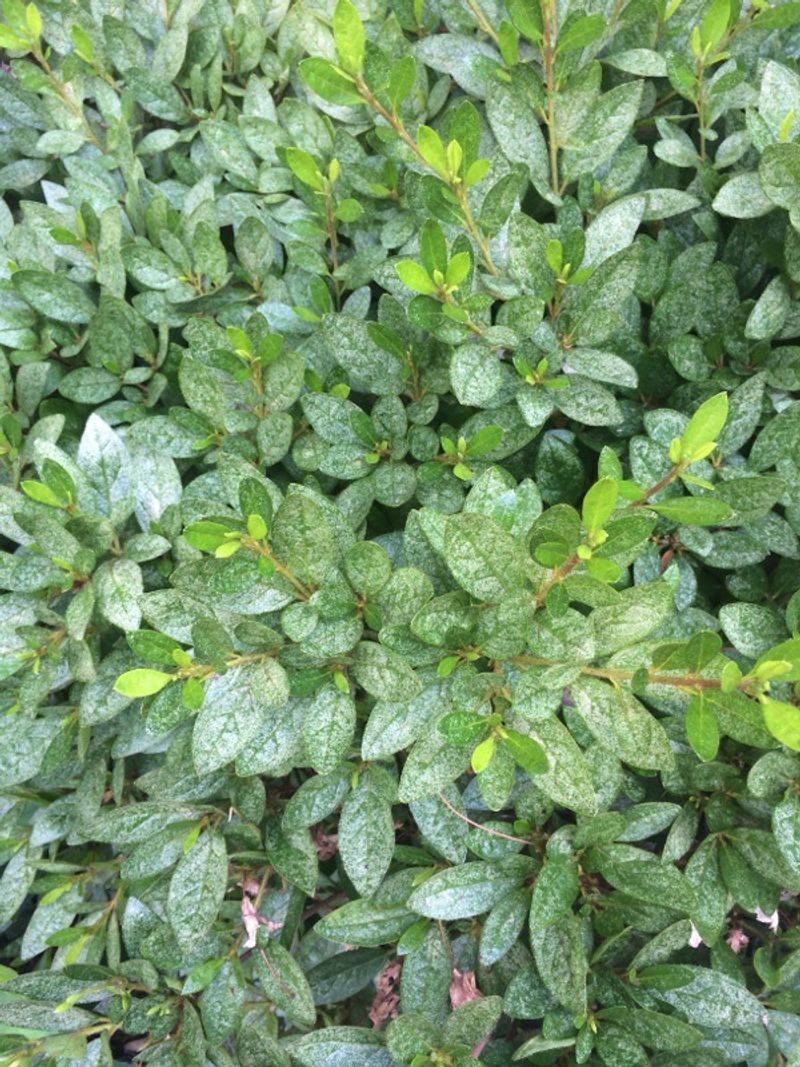
Catching problems early is always easier than dealing with a full-blown infestation or disease outbreak later in the season.
Early spring in North Carolina is the perfect time to walk through your garden and take a close look at your azaleas, because pests and diseases tend to show their first signs of activity right as temperatures start to warm up.
A quick weekly inspection can save you a lot of frustration down the road.
Azalea lace bugs are one of the most common pests in North Carolina, and they cause a distinctive silvery or stippled look on the upper surface of leaves. Aphids are another frequent visitor, clustering on tender new growth and sucking sap from the plant.
For both pests, a strong spray of water or an application of insecticidal soap can be very effective when caught early, before populations have a chance to build up and spread across your garden.
On the disease side, watch for powdery mildew, which looks like a white dusty coating on the leaves, and leaf gall, which causes leaves to become thick, pale, and distorted in shape. Both conditions are easier to manage when spotted early.
Removing affected leaves and improving air circulation around the plant goes a long way toward keeping your azaleas healthy.
North Carolina gardeners who stay observant through early spring consistently enjoy cleaner, more vibrant plants and truly stunning bloom displays season after season.