Why Hydrangeas Struggle In North Carolina Clay Soil And How To Fix It
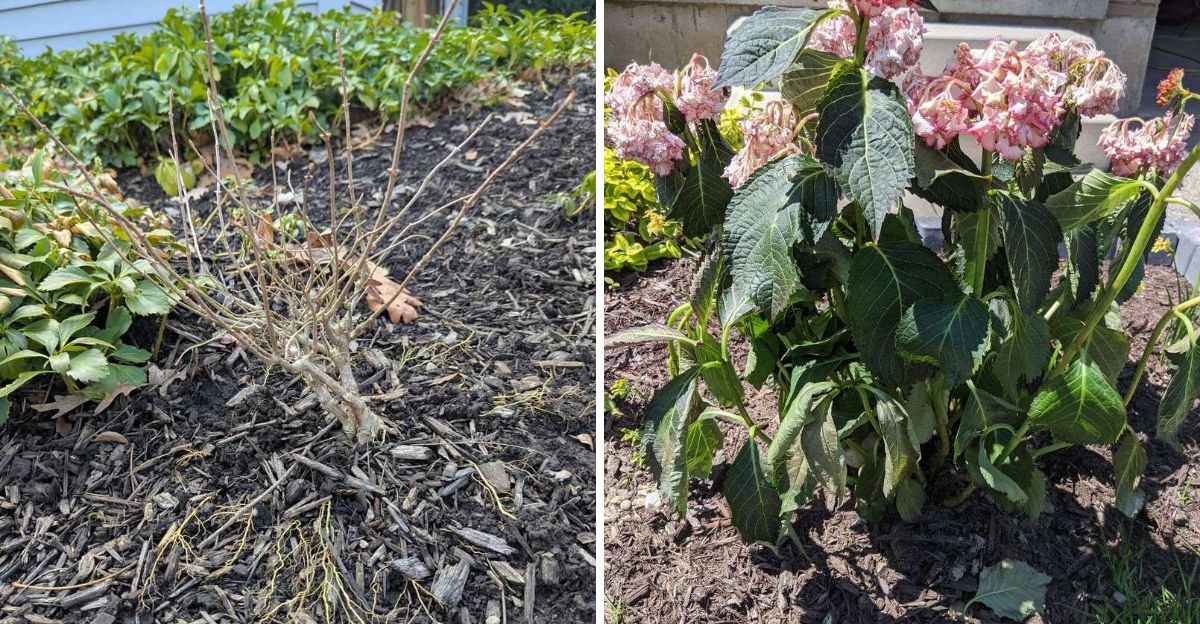
North Carolina is a dream spot for hydrangeas but the local clay soil can make things a little tricky for your garden. This thick and heavy dirt often traps too much water or stays as hard as a brick.
It makes it very difficult for your favorite flowers to breathe and find the nutrients they need to grow strong. If your plants look a bit tired or just will not produce those big colorful blooms, the ground under your feet is likely the reason.
You do not have to give up on your gardening goals just because of the tough red clay. Learning how this soil affects your shrubs is the secret to fixing the problem for good.
We have the best tips to help you turn that stubborn dirt into a healthy home for your flowers. Get ready to see the most beautiful blooms ever.
1. Poor Drainage In Clay Soil
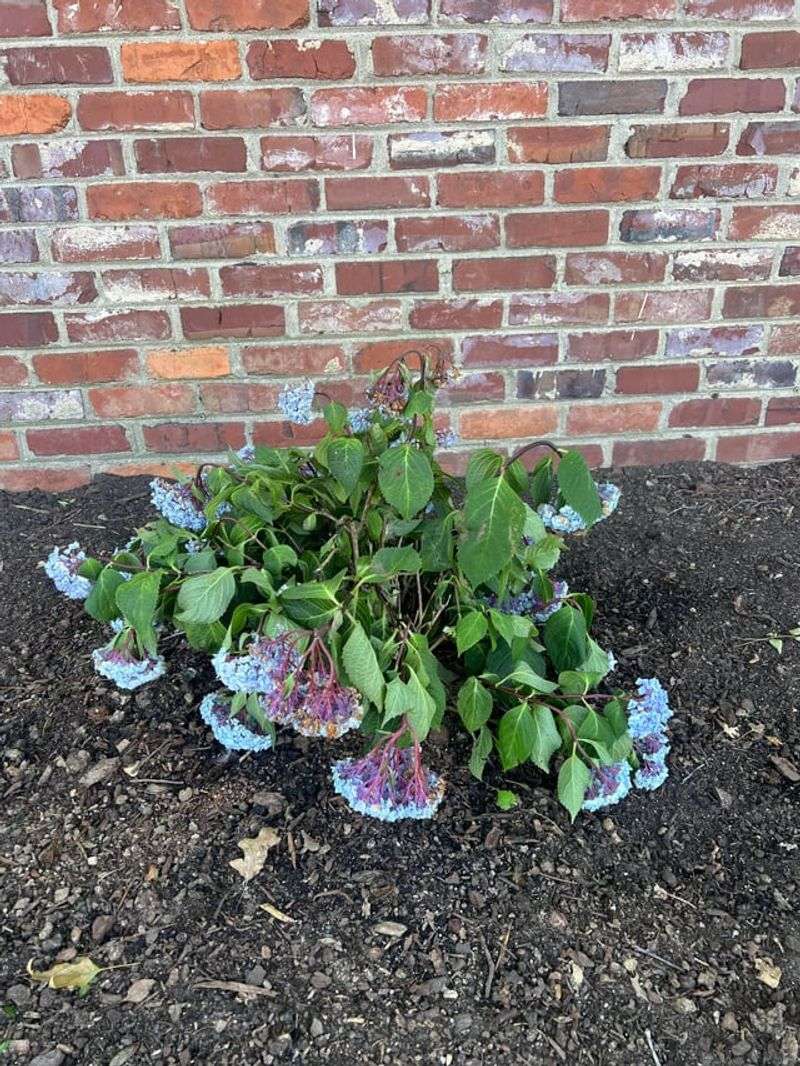
Water just sits there. That is one of the biggest problems gardeners across North Carolina face when planting hydrangeas in clay soil.
Clay particles are incredibly fine and pack together tightly, leaving almost no space for excess water to move through and drain away naturally.
Hydrangeas prefer soil that drains well after watering or rainfall. When water cannot escape, roots end up sitting in soggy conditions for hours or even days.
That constant moisture prevents oxygen from reaching the root zone, which stresses the plant and slows down healthy growth significantly.
The good news is that you can fix this. Work generous amounts of compost into your planting area before you put your hydrangea in the ground.
Aim for about three to four inches of compost mixed into the top twelve inches of soil. This breaks up the clay structure and opens up tiny pathways for water to flow through more freely.
Another smart move is building a raised planting bed. Raising the soil level by just six to eight inches gives roots a much better environment to grow in.
You can also add perlite or coarse sand to further open up the soil texture. North Carolina gardeners who take these extra steps before planting almost always see healthier, happier hydrangeas blooming season after season with far fewer drainage headaches.
2. Heavy Soil Compaction Blocking Root Growth
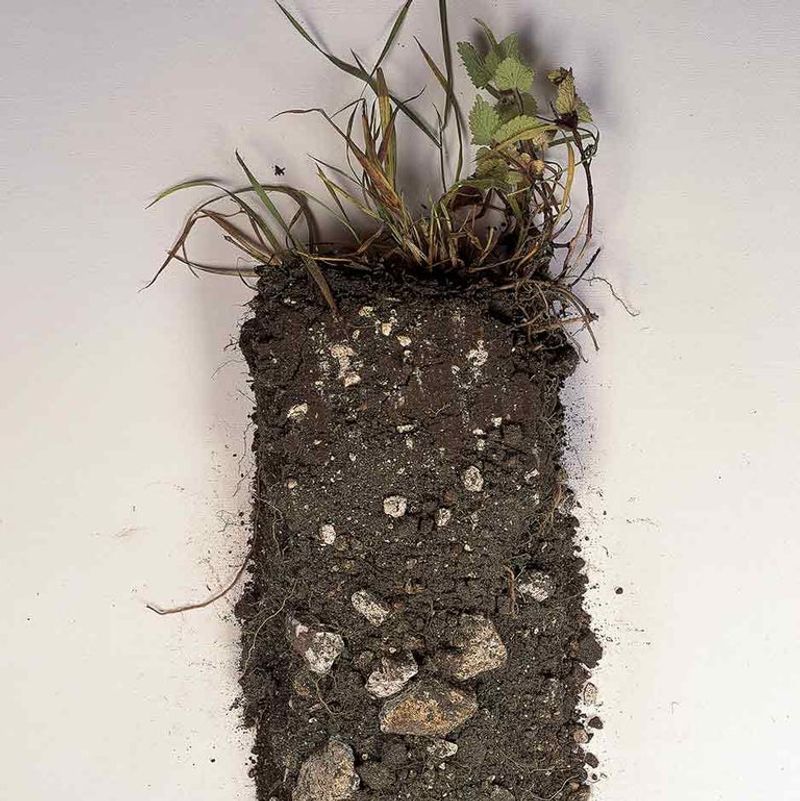
Imagine trying to push your hand through a wall of packed dirt. That is essentially what young hydrangea roots face when they try to grow through compacted North Carolina clay soil.
Clay compacts easily, especially after foot traffic, heavy rainfall, or repeated watering, and that compression squeezes out the air pockets roots desperately need.
Without room to spread, hydrangea roots stay shallow and weak. A plant with a shallow root system cannot pull up enough water or nutrients to support healthy blooms and strong foliage.
You might notice slow growth, small leaves, or flowers that never quite reach their full, lush potential during the summer months.
Breaking up compaction starts with the right tools. A garden fork or broadfork works great for loosening clay soil without destroying its natural structure completely.
Your North Carolina Garden Changes Every Week. Your Plan Should Too.
Gardening in North Carolina changes quickly throughout the season. Every Friday you’ll receive a simple weekly plan showing exactly what to plant, prune, fertilize, harvest, and protect so you never miss the right timing.
Push the tines deep into the ground and rock the handle back and forth to open up channels for roots and air to move through more easily.
After loosening the soil, mix in organic matter like aged compost or leaf mold to keep it from compacting again quickly. Avoid walking near the base of your hydrangeas once they are planted, since foot pressure compacts soil fast.
Laying down a thick layer of mulch around the plant base also helps cushion the soil surface and maintain the looser texture that North Carolina hydrangeas truly need to flourish.
3. Low Nutrient Availability For Hydrangeas
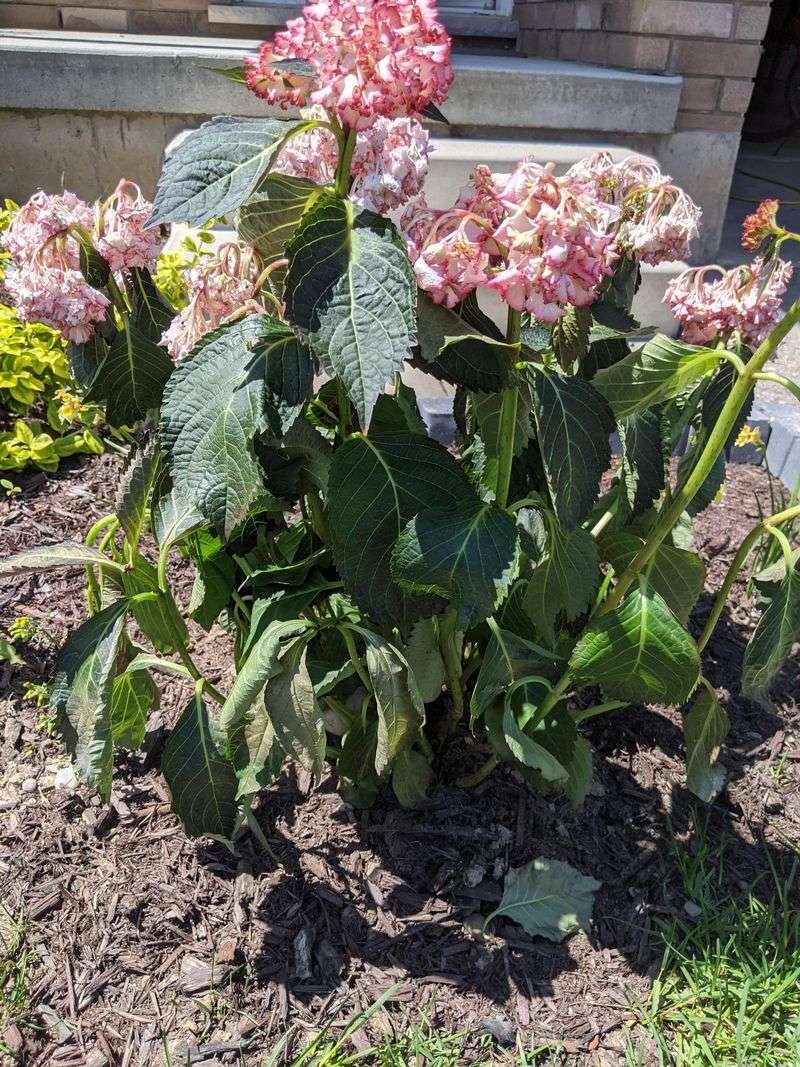
Clay soil has a sneaky reputation. It actually holds onto minerals pretty well, but the problem is that those nutrients often get locked up in a form that plant roots cannot easily absorb.
Hydrangeas planted in North Carolina clay sometimes look hungry even when the soil around them is technically rich in minerals.
Nitrogen, phosphorus, and potassium are the three big nutrients hydrangeas rely on for strong stems, vibrant green leaves, and those stunning blooms everyone loves.
When clay texture limits how roots interact with the soil, plants can show signs of deficiency like pale leaves, weak stems, and flowers that barely open before fading out early in the season.
Feeding your hydrangeas with a slow-release, balanced fertilizer made specifically for flowering shrubs makes a real difference. Apply it in early spring just as new growth begins to emerge, and follow up with a second application in late spring or early summer.
Avoid overdoing it, since too much fertilizer pushes leafy growth at the expense of flowers.
Mixing compost into the soil regularly also helps by improving the biological activity underground. Healthy soil microbes break down organic matter and convert nutrients into forms that roots can actually use.
North Carolina gardeners who combine good organic matter with a targeted fertilizer routine consistently report more blooms, deeper color, and plants that look genuinely full of life throughout the growing season.
4. Getting The pH Balance Right In Clay Soil
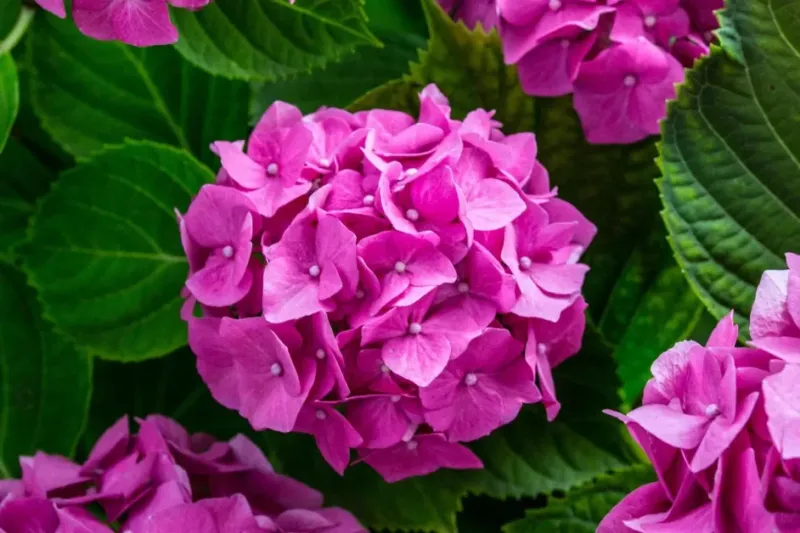
Soil pH might sound like a chemistry class topic, but it has a huge impact on how your hydrangeas look and perform.
Clay soils across North Carolina tend to sit at a neutral to slightly alkaline pH level, and hydrangeas genuinely prefer things a little more on the acidic side, typically between 5.5 and 6.5 on the pH scale.
When the pH swings too high, hydrangeas struggle to absorb key nutrients even if those nutrients are present in the soil.
For blue hydrangeas especially, an alkaline soil environment can cause the flowers to shift toward pink or muddy purple tones rather than the clear, vivid blue that most gardeners are hoping to achieve in their landscapes.
Testing your soil before planting or at the start of each growing season is a smart habit. North Carolina State University’s cooperative extension service offers affordable soil testing kits that give you accurate readings along with specific recommendations for your yard.
Knowing your starting point makes it much easier to adjust properly without overdoing it.
To lower pH and make soil more acidic, apply elemental sulfur or aluminum sulfate according to package directions. Work it into the top several inches of soil and retest after a few weeks to track progress.
Acidifying fertilizers designed for azaleas and rhododendrons also work well for hydrangeas. Consistent pH management in North Carolina clay soil pays off with richer color and stronger overall plant performance season after season.
5. Root Rot And Fungal Diseases Thrive In Wet Clay
Clay soil and standing water are a dangerous combination when it comes to hydrangea health.
When roots sit in moisture for too long, a group of soil-borne fungal pathogens called Phytophthora and Pythium can take hold quickly and begin attacking the root system from the inside out.
These organisms thrive in warm, wet, low-oxygen conditions that clay soil creates so easily.
Early signs of root rot include wilting leaves even when the soil feels wet, yellowing foliage, and stems that look soft or discolored near the base. By the time these symptoms appear above ground, the root damage below is often already significant.
Acting fast is key to saving the plant and protecting neighboring shrubs in your North Carolina garden.
Prevention is always the better strategy. Planting in well-amended soil with strong drainage significantly reduces the risk of fungal problems taking hold.
Adding a layer of coarse bark mulch around the base of the plant helps regulate soil moisture and temperature without trapping excess water directly against the crown and stem base.
If you suspect root rot has already started, carefully remove the plant, trim away any soft or discolored roots with clean pruning shears, and replant in a fresh location with improved soil. Applying a copper-based fungicide to the soil can help suppress further fungal spread.
North Carolina summers bring heat and humidity that make fungal pressure worse, so staying ahead of drainage issues is always the smartest approach for long-term success.
6. Waterlogging During North Carolina’s Heavy Rains
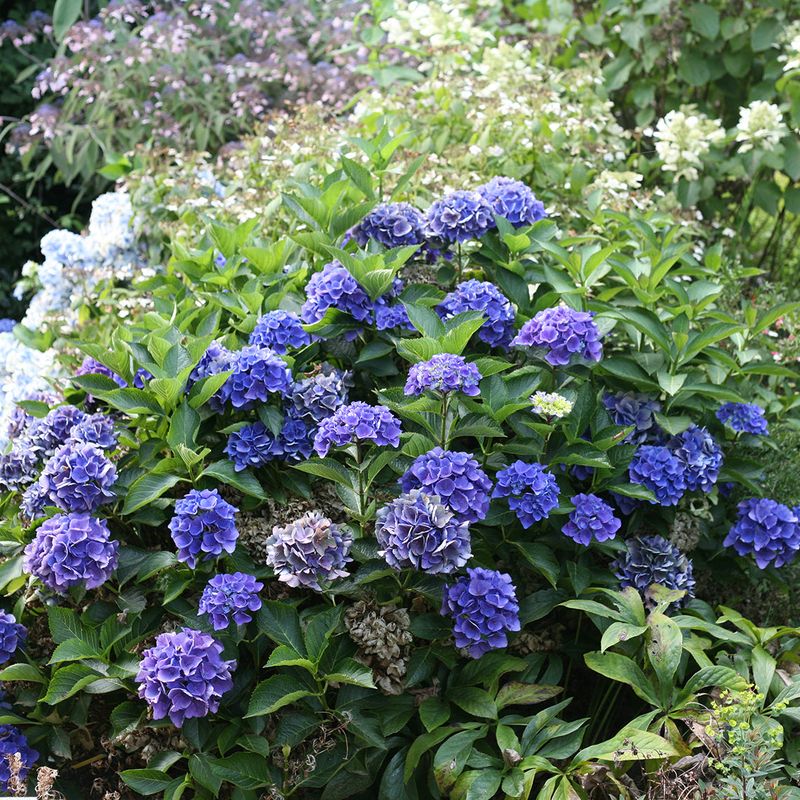
North Carolina is no stranger to big rainstorms, especially during the spring and early summer months when hydrangeas are actively growing. When several inches of rain fall in a short period, clay soil simply cannot absorb it fast enough.
Water pools on the surface and around root zones, creating conditions that suffocate roots and leave plants looking stressed and beaten down.
Prolonged waterlogging cuts off oxygen supply to roots just as effectively as compaction does. Roots need air as much as water to function properly.
A hydrangea sitting in a flooded bed for even two or three days can show serious signs of stress, including wilting, yellowing, and slowed or halted growth right in the middle of its most important growing period.
One of the most effective long-term solutions is installing a French drain near problem areas in your yard. A French drain is a simple trench filled with gravel and a perforated pipe that redirects excess water away from your planting beds.
It is a weekend project that pays off for years and protects not just hydrangeas but all the plants in the surrounding area.
Raised beds are another excellent option for North Carolina gardeners dealing with persistent waterlogging. Elevating your planting area by eight to twelve inches above the natural soil level gives roots a safe zone above the waterline during heavy rain events.
Combine raised beds with well-amended soil and a good mulch layer, and your hydrangeas will sail through even the rainiest North Carolina seasons with confidence and color.
7. Young Roots Struggling To Establish In Dense Clay
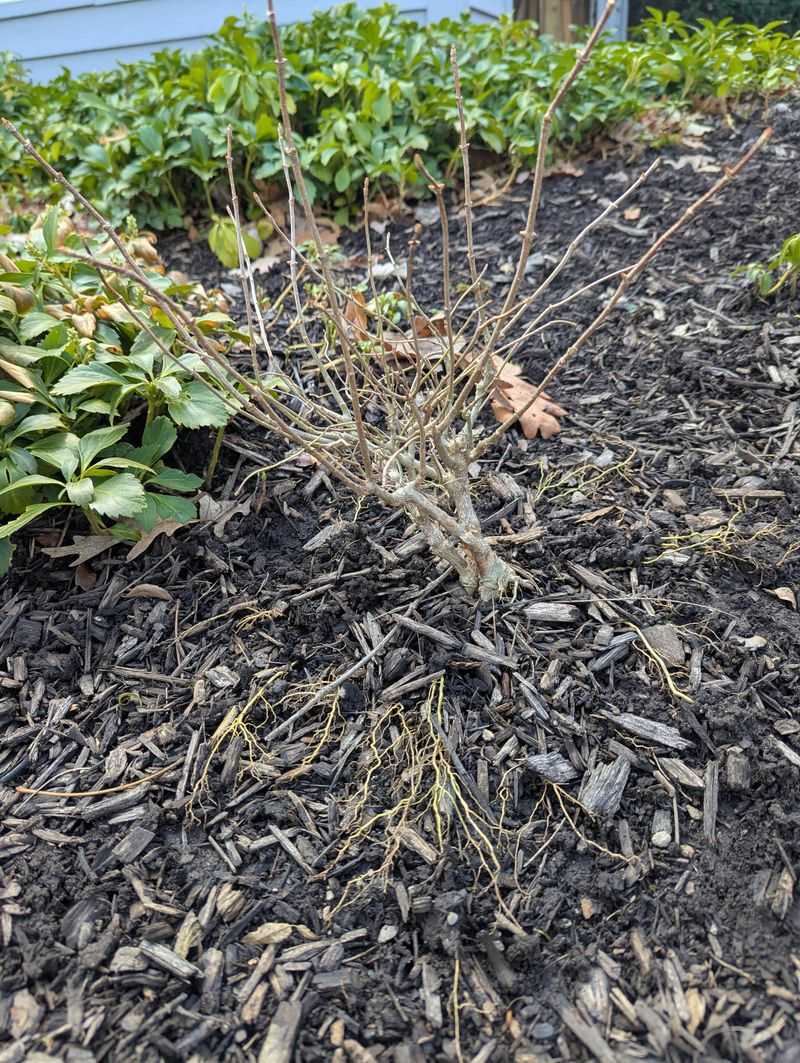
Planting a young hydrangea in heavy clay soil is a bit like asking a new runner to sprint through thick mud. The roots are soft, still developing, and need loose, welcoming soil to spread outward and anchor the plant properly.
Dense North Carolina clay makes that early establishment phase much harder than it needs to be for these plants.
When roots cannot spread freely, the entire plant suffers. A hydrangea that fails to establish a strong root network in its first growing season will struggle to access enough water and nutrients to support healthy blooms the following year.
You might see slow top growth, smaller flower clusters, or a plant that just looks like it never really took off after you put it in the ground.
Giving young hydrangeas the best possible start means preparing the planting hole generously. Dig a hole at least twice as wide as the root ball and mix the removed clay soil with equal parts compost before backfilling.
This creates a softer, richer zone where young roots can spread without fighting against the surrounding earth.
Water new plants deeply and consistently during the first growing season, especially through North Carolina’s hot summer months. Roots need steady moisture to grow outward into the surrounding soil.
Avoid letting the soil dry out completely between waterings, but also avoid overwatering since that circles right back to the drainage problems clay creates. Patience and preparation during establishment set the stage for years of beautiful, full blooms ahead.
8. How To Improve Clay Soil For Thriving Hydrangeas
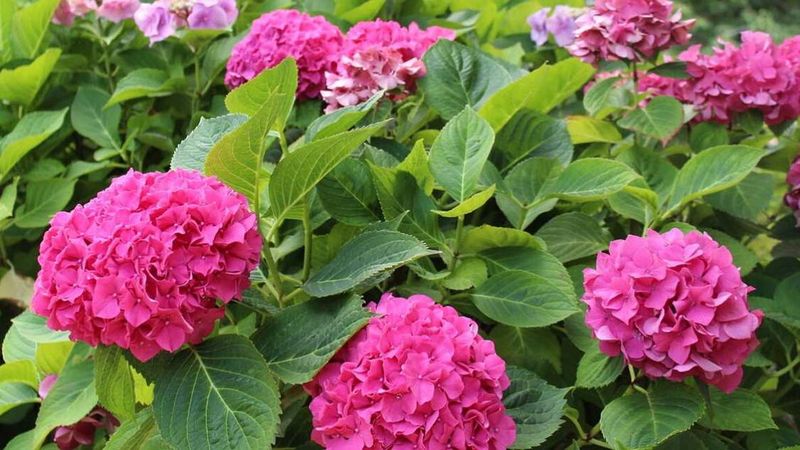
Fixing clay soil is not a one-day project, but the results are absolutely worth the effort.
North Carolina gardeners who invest time into improving their soil before planting hydrangeas end up with plants that bloom more freely, grow more vigorously, and hold up far better through the challenges of summer heat and heavy rain seasons.
Start by adding generous amounts of organic matter. Compost is the gold standard, and working three to four inches of it into the top foot of soil makes a noticeable difference in texture and drainage almost immediately.
Peat moss and well-rotted manure are also excellent choices that add both structure and slow-release nutrition to the soil over time.
Gypsum is a mineral amendment that many North Carolina gardeners swear by for breaking up clay without dramatically changing soil pH. Apply it according to package directions and work it into the soil before planting.
Coarse horticultural sand can also be added, but only in large amounts combined with compost, since adding small amounts of sand to clay alone can actually make the texture worse rather than better.
Consider building permanent raised beds if your clay soil is especially heavy or prone to waterlogging. Fill them with a blend of quality topsoil, compost, and perlite for a planting environment that hydrangeas absolutely love.
Top everything off with a two to three inch layer of bark mulch to retain moisture and keep soil temperatures stable. With the right foundation in place, North Carolina hydrangeas can truly reach their stunning, full potential year after year.