Here’s Why Rabbits Are Cute But Dangerous For North Carolina Gardens
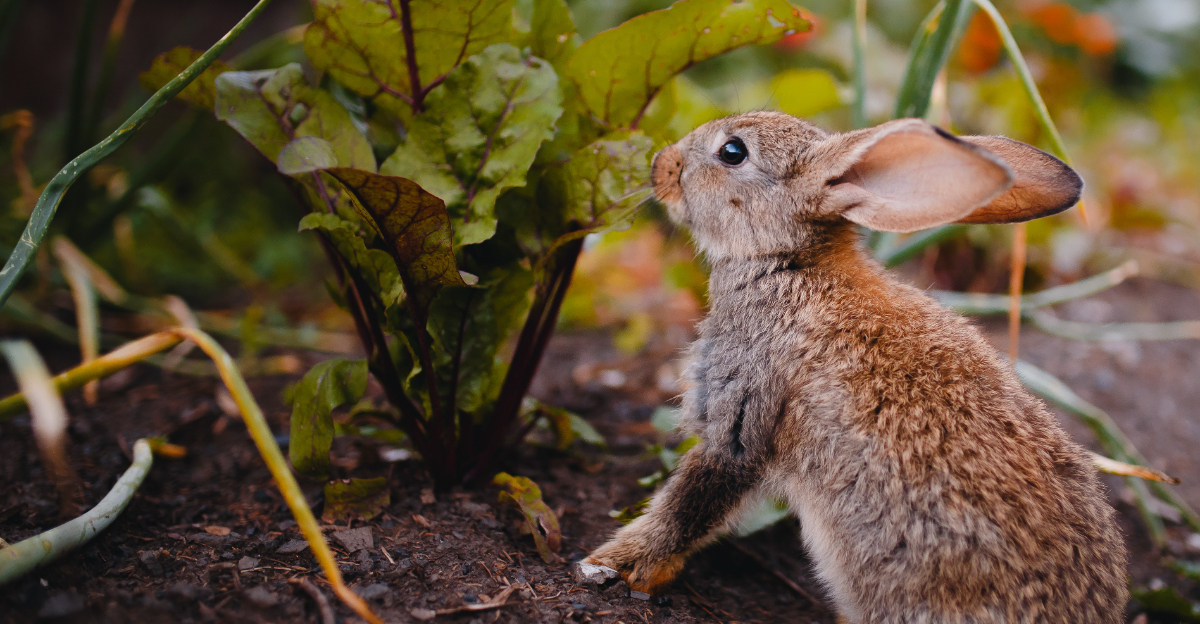
North Carolina yards are often full of small hopping visitors with fluffy tails and cute noses. While these little creatures look like they belong in a storybook, they can quickly turn your beautiful garden into a real mess.
Gardeners across the state know that these fuzzy neighbors love to snack on fresh green leaves and tender young plants. They move very fast and can eat through your hard work before you even wake up in the morning.
These visitors can also bring unwanted germs and pests into your outdoor space without you ever noticing. If you want to keep your backyard looking its best, you need to know exactly how these animals behave in our local climate.
We have the smartest ways to protect your favorite plants and keep your landscape safe all season long.
1. They Eat A Wide Range Of Plants
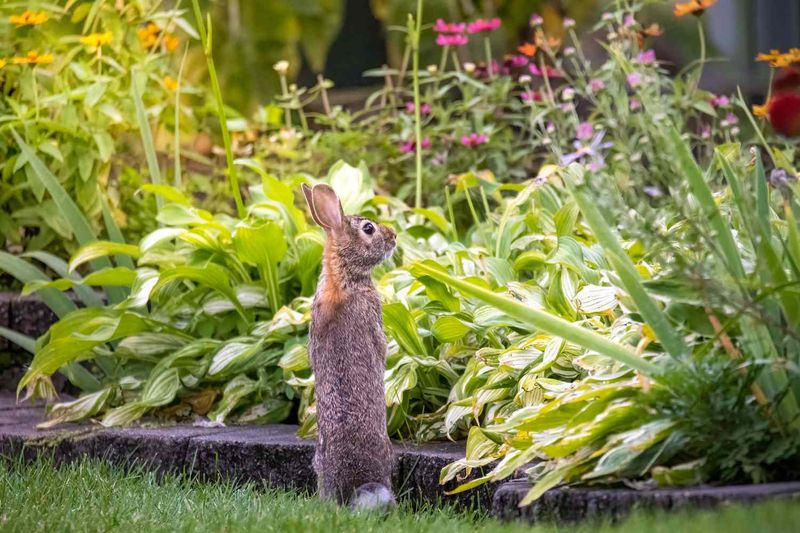
Spotting a rabbit near your garden beds might seem harmless at first glance, but these little creatures have surprisingly big appetites.
Eastern Cottontails, the most common rabbit species in North Carolina, are opportunistic eaters who will sample almost anything growing in your yard.
Grasses, clovers, leafy vegetables, and flowering plants are all fair game for a hungry rabbit on the move.
What makes them especially tricky is their wide-ranging taste. One day they target your lettuce, the next day they move on to your zinnias or tomato plants.
Gardeners in North Carolina often wake up to find entire rows of seedlings stripped down overnight, with no obvious signs of what caused the damage at first.
Young, tender plants are their favorite targets because they are easy to chew and full of moisture. Rabbits also feed on the inner bark of small shrubs and saplings when other food is less available.
Over a single season, this kind of feeding can wipe out a significant portion of your garden. Staying aware of what rabbits prefer to eat gives you a real advantage when planning your plant choices and protective strategies each year.
2. They Are Fast Reproducers
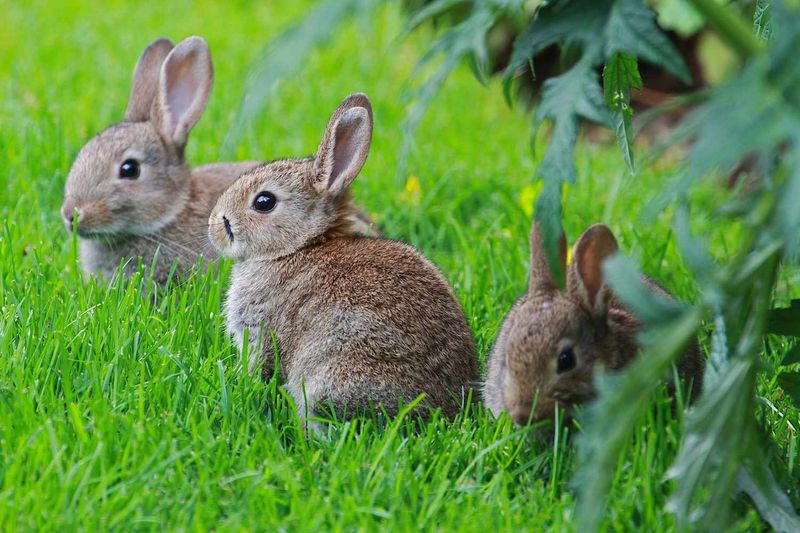
Few animals can multiply as quickly as rabbits, and that speed is exactly what makes them such a challenge for North Carolina gardeners.
A single female Eastern Cottontail can produce between five and six litters every year, with each litter containing up to seven babies. Do the math, and you can see how a small rabbit population can explode in just a few warm months.
North Carolina’s mild climate makes things even more favorable for rabbit breeding. Warmer winters and long growing seasons mean rabbits have more time to reproduce compared to colder states.
By midsummer, what started as one or two rabbits nibbling at the edge of your garden can turn into a full-on invasion that is hard to manage without a solid plan in place.
The real problem with fast reproduction is that more rabbits means more mouths feeding on your plants every single day. As the population grows, the pressure on your vegetable beds, flower borders, and fruit trees increases dramatically.
Your North Carolina Garden Changes Every Week. Your Plan Should Too.
Gardening in North Carolina changes quickly throughout the season. Every Friday you’ll receive a simple weekly plan showing exactly what to plant, prune, fertilize, harvest, and protect so you never miss the right timing.
Young rabbits also start eating solid food within weeks of being born, which means the damage compounds faster than gardeners often expect. Keeping an eye on rabbit activity early in the season helps you respond before numbers get out of hand.
3. They Prefer Early Growth And Seedlings
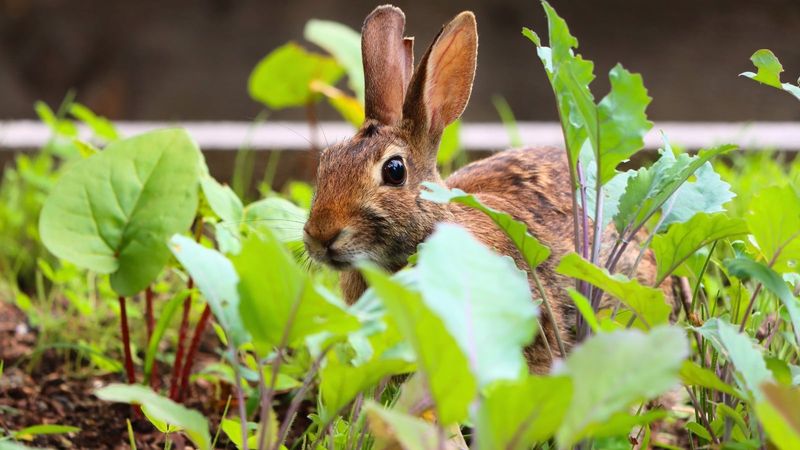
Spring is the most exciting time in any North Carolina garden, but it is also when rabbits cause some of their worst damage. As temperatures warm up and new growth pushes through the soil, rabbits zero in on the most tender and nutritious plants available.
Seedlings are especially vulnerable because they have not yet developed the tough stems and mature foliage that make older plants harder to eat.
Rabbits are naturally drawn to the sweet, moisture-rich tissue found in young plants. A seedling that took weeks to sprout from seed can be completely consumed in a matter of minutes.
For gardeners who start plants early or transplant seedlings from indoors, this is a genuinely frustrating reality that can set an entire season back by weeks.
The timing of rabbit feeding also lines up almost perfectly with the busiest planting period in North Carolina, typically from late February through May.
During this window, rabbits are also raising their first litters of the year, which means they need more food than usual to support nursing females and growing young.
Protecting seedlings with row covers, wire cloches, or small fencing barriers during those early weeks can make a huge difference in how well your garden survives the spring rush of rabbit activity.
4. Damage To Fruit And Vegetable Crops
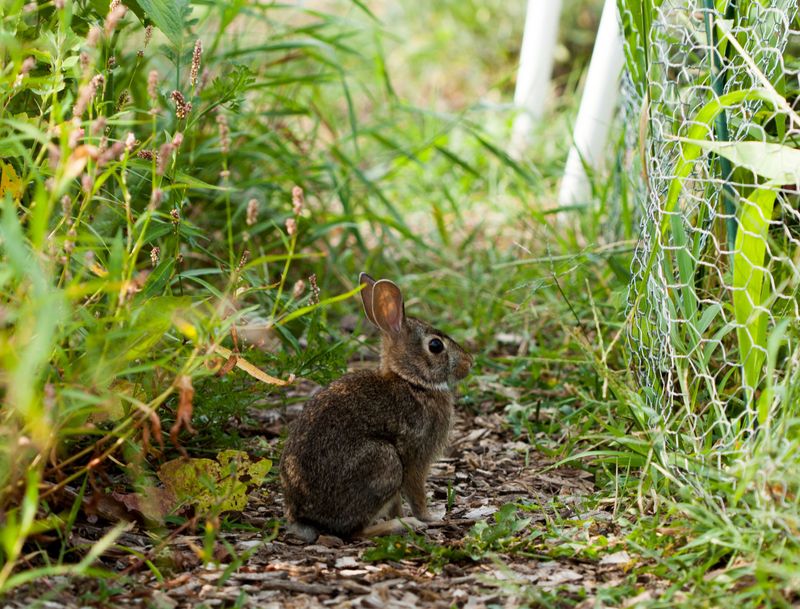
Vegetable gardeners in North Carolina know how much effort goes into growing a healthy crop from planting day to harvest. Rabbits can undo months of that hard work in just a few nights of feeding.
Carrots, beans, peas, peppers, and leafy greens are among their top targets, and they will chew through stems, leaves, and young fruit without hesitation.
What surprises many gardeners is that rabbits do not just nibble a little and move on. They can consume entire plants or chew stems down to the soil line, leaving nothing behind but a stub.
Young fruit trees are also at risk because rabbits will gnaw on the bark near the base of the trunk, which can weaken the tree significantly over time and interrupt its ability to move water and nutrients properly.
The damage often looks clean and precise, almost like it was cut with scissors, which is one way to confirm rabbits are the culprit rather than insects or other animals.
North Carolina gardeners who grow food for their families or local markets feel this impact directly in their harvest totals each season.
Installing a simple wire mesh fence around vegetable beds, buried a few inches into the soil to prevent digging, is one of the most reliable ways to keep rabbits from reaching your crops before you do.
5. They Carry Disease
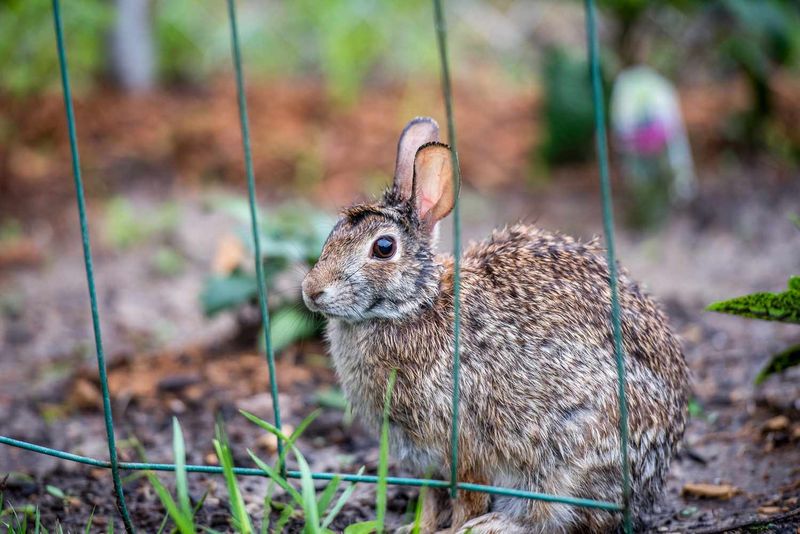
Beyond the plant damage they cause, rabbits in North Carolina can also pose a real health concern for people and pets who spend time outdoors. One of the most well-known diseases associated with wild rabbits is Tularemia, sometimes called Rabbit Fever.
This bacterial infection can spread to humans through direct contact with an infected animal, through insect bites, or even by handling contaminated soil or water in areas where infected rabbits have been active.
Symptoms of Tularemia in humans can include fever, skin sores, and swollen lymph nodes, and the condition requires medical attention when it occurs.
While cases are not extremely common, North Carolina does see reports of Tularemia periodically, particularly in rural and suburban areas where wild rabbit populations are high.
Gardeners who frequently handle soil or work close to areas where rabbits nest are at a slightly higher risk of exposure.
Rabbits can also carry parasites like fleas and ticks, which can transfer to pets or humans who come into contact with infested areas.
Wearing gloves when gardening, avoiding contact with wild rabbits, and keeping the garden area clean and free of debris where rabbits might nest are all smart precautions.
Staying informed about local wildlife health advisories in North Carolina helps gardeners make safer choices throughout the growing season.
6. They Damage Landscaping Plants
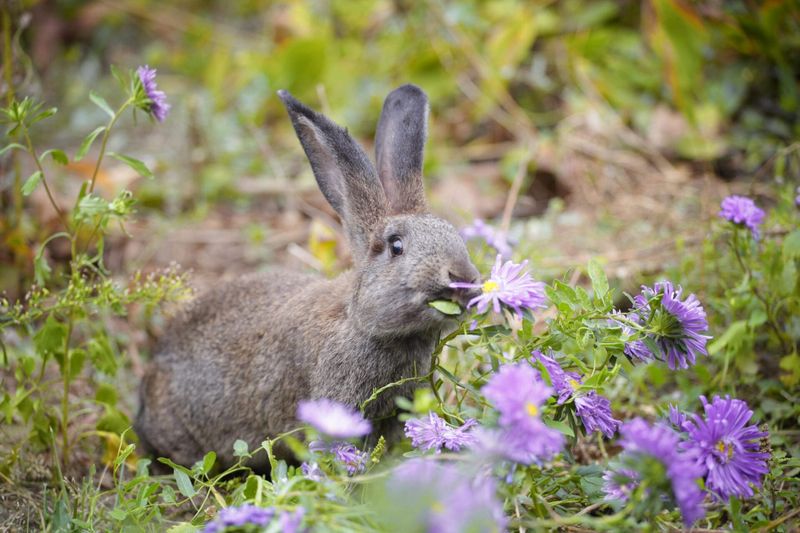
Many North Carolina homeowners spend years building beautiful landscapes filled with flowering shrubs, ornamental grasses, and carefully chosen perennials. Rabbits are not picky, and they will happily chew through all of it given the chance.
Unlike vegetable gardens that get replanted each season, landscaping damage can take years to recover from, making rabbit activity in these areas especially frustrating.
Shrubs like azaleas, hollies, and roses are all attractive to rabbits, particularly during colder months when their usual food sources become harder to find.
Rabbits will strip bark from woody stems and branches, leaving behind rough, ragged damage that weakens the plant from the outside in.
When the damage circles completely around a stem, the plant loses its ability to transport nutrients and water effectively, which leads to serious long-term decline.
Flowers are also at risk, with rabbits targeting tulips, pansies, and other low-growing blooms that are easy to reach. North Carolina gardeners who invest in seasonal plantings often find their flower beds partially stripped after a single night of rabbit feeding.
Choosing rabbit-resistant plants like lavender, salvia, or ornamental grasses can help reduce the appeal of your landscape to hungry rabbits.
Combining plant choices with physical barriers around the most vulnerable shrubs gives your landscaping the best chance of staying healthy and looking its best year-round.
7. They Contribute To Soil Erosion
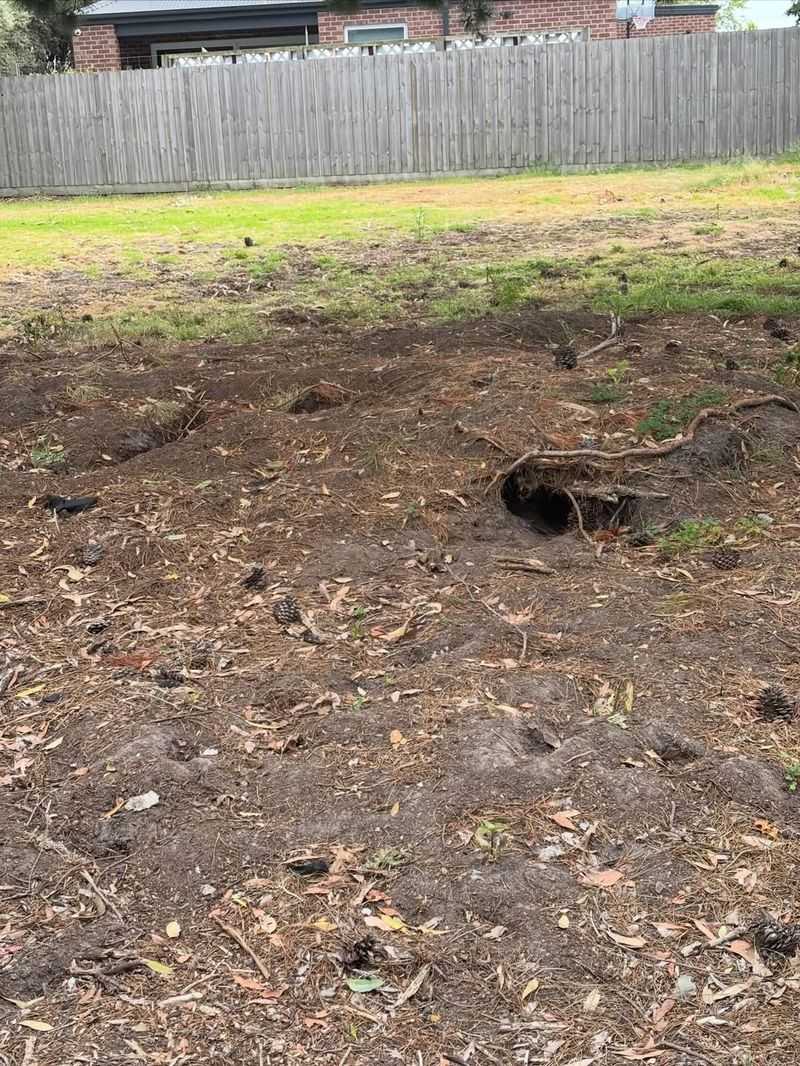
Most gardeners focus on the visible plant damage rabbits cause, but there is another problem happening just below the surface. When rabbits dig shallow nests or burrow near plant bases, they disturb the soil structure in ways that can have lasting effects on your garden’s health.
Loose, disturbed soil is far more vulnerable to washing away during heavy rain, which is something North Carolina gardens deal with regularly throughout the growing season.
Soil erosion around plant roots is particularly damaging because it exposes the root system to air and temperature extremes.
Plants that lose protective soil coverage around their roots struggle to absorb water and nutrients efficiently, and their overall stability in the ground is reduced.
Over time, this kind of repeated disturbance can create bare patches in the garden where erosion accelerates and nothing grows well.
On slopes or garden areas near drainage channels, rabbit activity can speed up erosion considerably. The combination of vegetation loss from feeding and soil disturbance from digging creates conditions where rainwater runs off quickly rather than soaking into the ground.
North Carolina gardeners can protect vulnerable areas by adding ground cover plants with deep root systems, using mulch to stabilize exposed soil, and filling in any burrow sites promptly.
Staying on top of these small repairs prevents bigger erosion problems from developing over the course of a season.
8. They Are Hard To Control
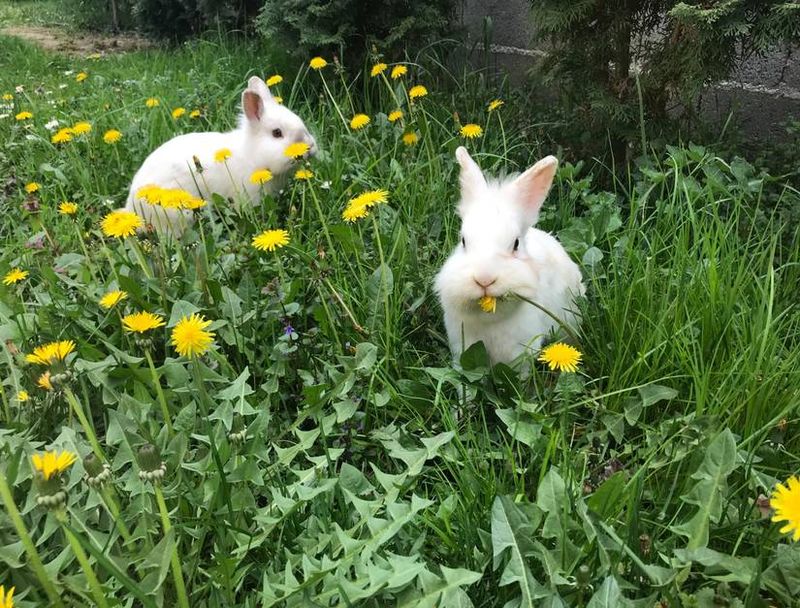
Anyone who has tried to keep rabbits out of a North Carolina garden knows that these animals are remarkably clever and adaptable.
Fencing is one of the most recommended solutions, but rabbits can squeeze through surprisingly small openings and will dig under barriers that are not properly secured into the ground.
A fence that seems solid one week may have a new gap by the next, especially if a determined rabbit is pushing against it regularly.
Repellents made from natural ingredients like hot pepper spray or predator urine can help deter rabbits for a while, but rain washes them away and rabbits often grow accustomed to the smell over time. Rotating repellent types and reapplying them frequently is necessary to maintain any level of effectiveness.
Many North Carolina gardeners find that no single method works perfectly on its own, and the best results come from combining several strategies at once.
Trapping and relocating rabbits is another option, but it requires patience, the right equipment, and knowledge of local wildlife regulations in North Carolina.
Even after removing rabbits from an area, new ones from surrounding neighborhoods or wooded edges often move in to fill the gap.
Long-term rabbit management is truly an ongoing commitment rather than a one-time fix. Building a consistent routine that includes checking fences, refreshing repellents, and monitoring for new activity is the most realistic path to keeping your garden protected season after season.