How To Eliminate Chickweed From Your Pennsylvania Flower Beds Once And For All
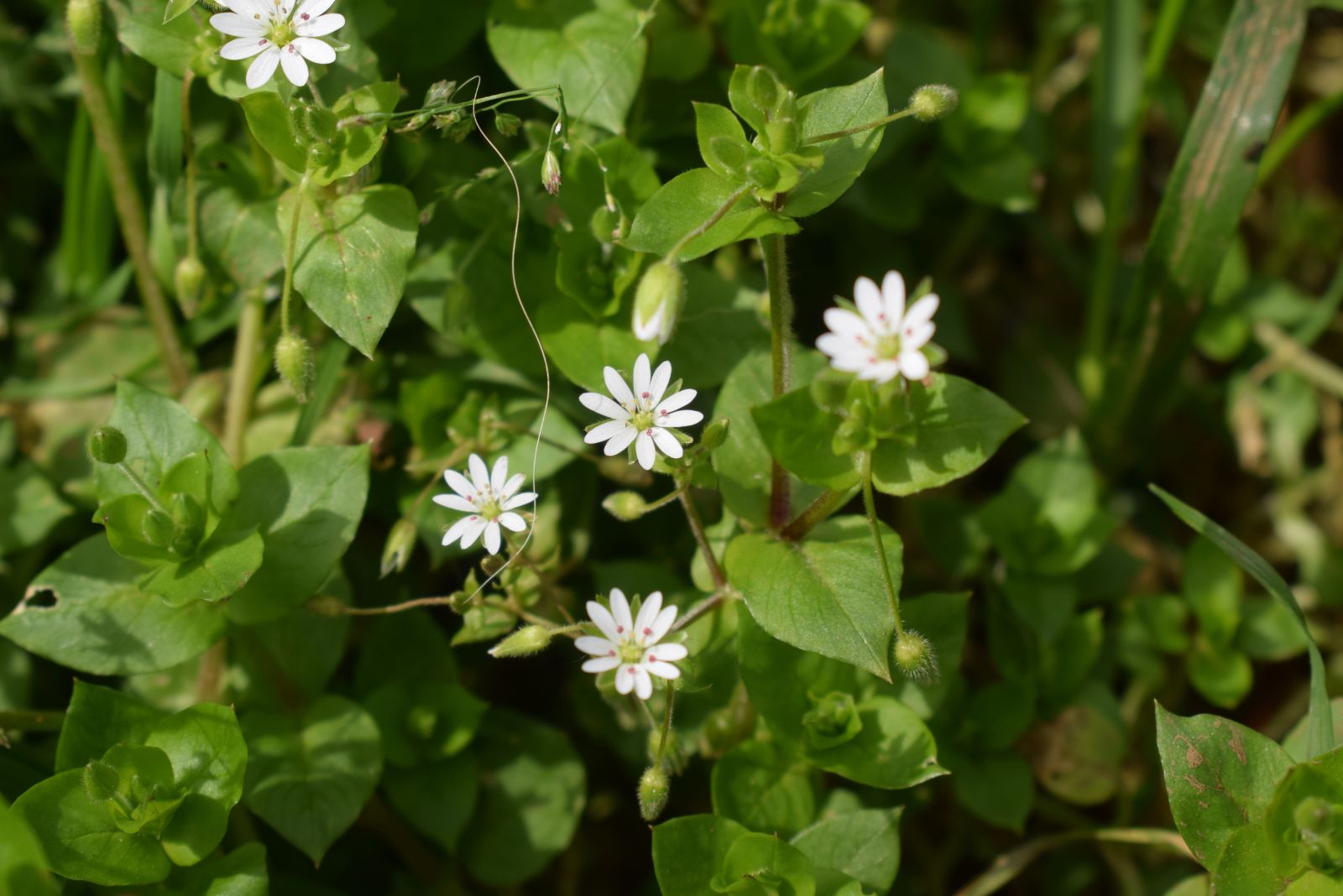
Chickweed can be a sneaky little invader in Pennsylvania flower beds, creeping in and taking over before you even realize it. This pesky weed not only competes for space and nutrients but can also spoil the beauty of your flowers.
If you’ve found chickweed popping up in your garden, you’re not alone. It’s a common problem in many Pennsylvania gardens, especially during the cooler months when the plant thrives.
The good news is that with a little patience and the right approach, you can eliminate chickweed for good. From hand-pulling to natural remedies, there are several ways to tackle this weed without damaging your beloved flowers.
Early intervention is key, but with the right strategies, you can finally say goodbye to chickweed and enjoy a beautiful, weed-free garden. With a bit of attention and care, your flower beds can stay lush and vibrant all year long.
The Battle Against Chickweed In Pennsylvania Gardens
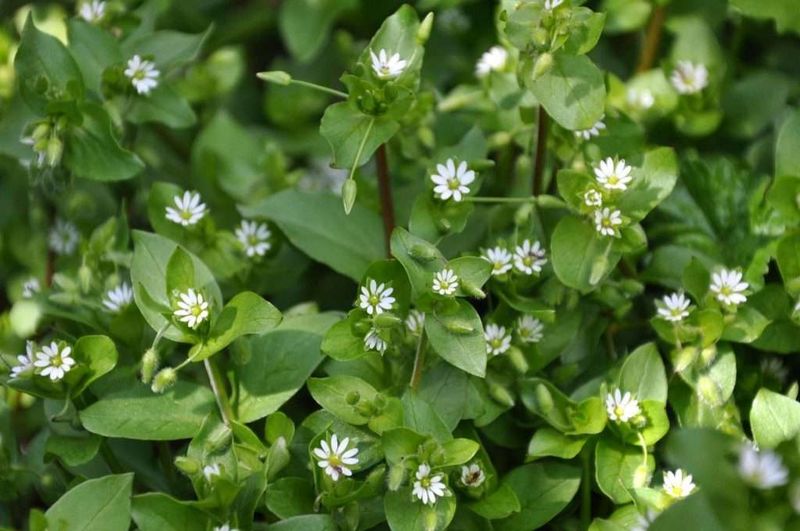
Chickweed does not ask for permission before it moves into your flower beds. One week your garden looks great, and the next week there is a thick green mat of weeds covering everything.
For Pennsylvania gardeners, this is a very familiar story. The state’s cool, wet springs and mild falls create the perfect growing conditions for chickweed to spread fast and wide.
Chickweed is more than just an eyesore. When it takes over a flower bed, it steals water, nutrients, and sunlight from your plants.
Your flowers end up struggling to grow while the weed thrives. Over time, a small chickweed problem can turn into a full-blown infestation if you do not act quickly.
Pennsylvania gardeners deal with chickweed more than many other states because of the local climate. The weed germinates in cool soil, which means it can start growing in late winter and be well-established before your spring flowers even wake up.
That head start makes it especially tough to manage. The good news is that chickweed is not invincible. It has a shallow root system, which means it responds well to several removal methods.
You just need to be consistent. Tackling it early in the season gives you the best chance of success. Waiting too long lets the plant go to seed, which only makes the problem worse next year.
Understanding why chickweed is such a problem in Pennsylvania is the first step toward getting rid of it. Once you know what you are dealing with, you can choose the right tools and strategies to clear your flower beds for good.
Understanding Chickweed: What It Is And Why It Is A Problem
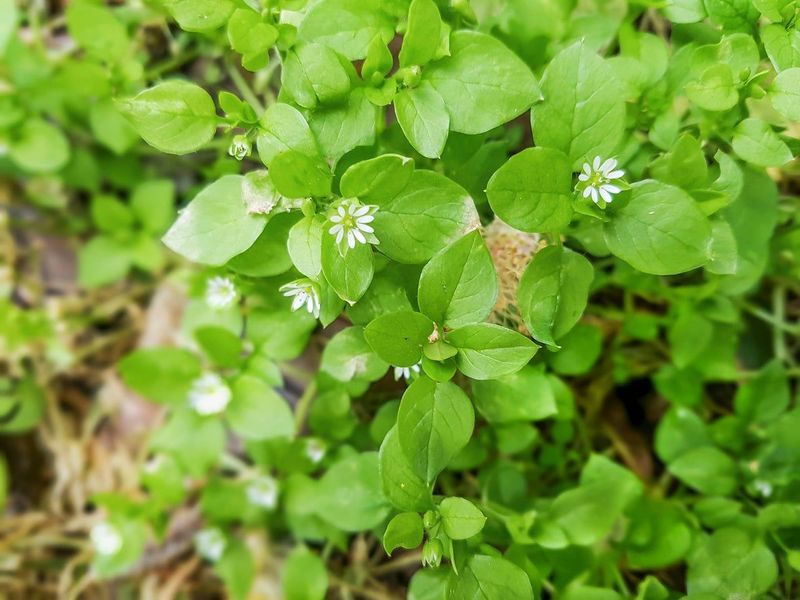
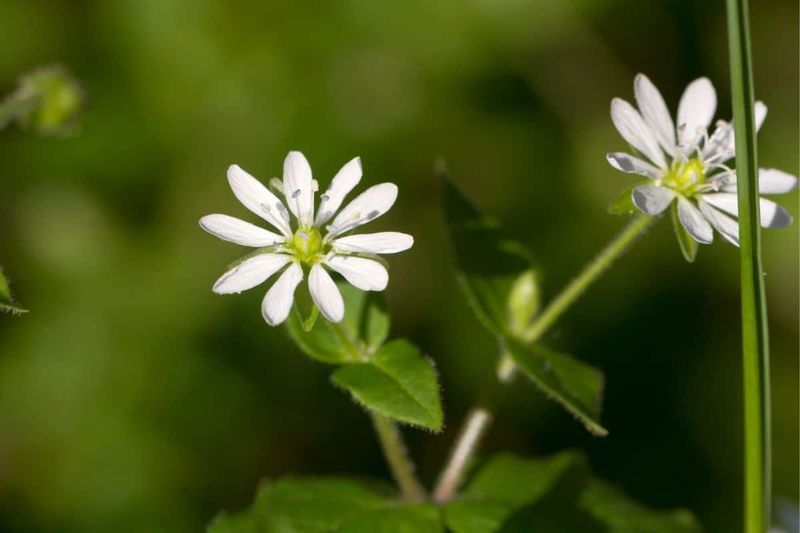
Chickweed, known scientifically as Stellaria media, is a low-growing winter annual weed with small, oval, bright green leaves and tiny white star-shaped flowers. It forms dense mats close to the ground and spreads surprisingly fast.
A single chickweed plant can produce thousands of seeds in one season, which is why one small patch can become a massive problem in just a few weeks.
Your Pennsylvania Garden Changes Every Week. Your Plan Should Too.
Gardening in Pennsylvania changes quickly throughout the season. Every Friday you’ll receive a simple weekly plan showing exactly what to plant, prune, fertilize, harvest, and protect so you never miss the right timing.
In Pennsylvania, chickweed thrives during the cooler months of the year. It starts germinating in late summer or early fall, grows slowly through winter, and then explodes in growth during early spring.
By the time many gardeners notice it, the weed is already well-established and ready to flower. Once it flowers and sets seed, the problem multiplies quickly.
What makes chickweed especially tricky is how it grows right alongside your desirable plants. It sneaks under flower foliage and spreads outward from there, making it hard to spot until it has already taken hold.
It also loves moist, fertile soil, which is exactly the kind of environment most Pennsylvania gardeners create for their flowers.
Chickweed competes with your plants for nutrients, moisture, and light. Dense mats of chickweed can smother small seedlings and slow the growth of established perennials. It can also harbor pests and create a damp environment that encourages plant disease.
Knowing how chickweed grows and spreads helps you time your control efforts better. Catching it before it flowers is the most important thing you can do.
Acting early in the season, especially here in Pennsylvania, puts you in a much stronger position to win the battle against this stubborn weed.
The First Step In Chickweed Control
Stopping chickweed before it even starts is the smartest move a Pennsylvania gardener can make. Prevention saves you a lot of time and hard work down the road.
The most effective preventive tool you have is mulch, and it works better than most people realize.
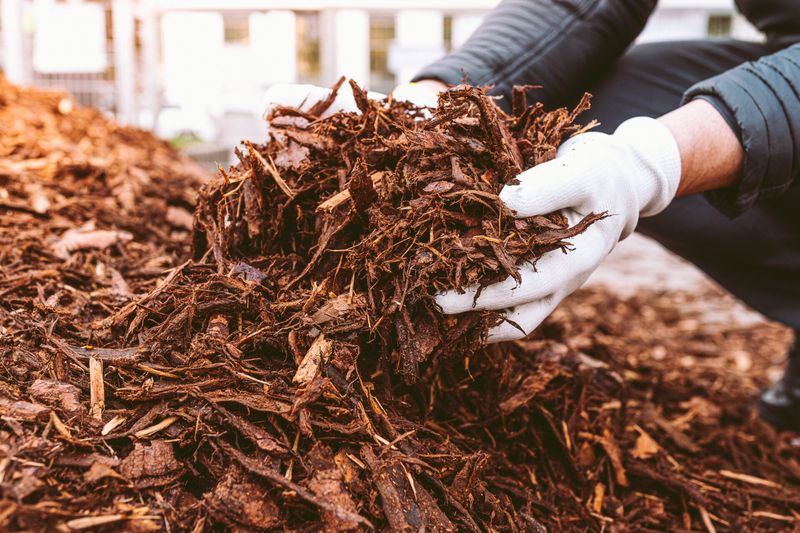
Applying a two to three inch layer of organic mulch, such as wood chips or shredded bark, blocks sunlight from reaching the soil surface. Chickweed seeds need light to germinate, so a solid layer of mulch stops them from sprouting in the first place.
Replenish your mulch every year in early spring before the soil warms up too much, and you will cut down on chickweed significantly.
Dense planting is another powerful prevention strategy. When your flower bed is packed with healthy, established plants, there is very little bare soil for chickweed to move into.
A thick canopy of leaves shades the ground and makes it much harder for weeds to get started. Choosing plants that spread and fill in gaps works especially well in Pennsylvania gardens.
Soil health also plays a role. Overly disturbed soil brings buried chickweed seeds to the surface where they can germinate.
Try to minimize unnecessary digging in your flower beds. When you do need to dig, add fresh mulch right away to cover the exposed soil.
Regular inspections are also key to prevention. Walk through your Pennsylvania garden at least once a week during spring and fall, when chickweed is most active.
Catching a few small plants early is much easier than dealing with a full-blown infestation later. Staying proactive keeps your flower beds looking clean and healthy all season long.
How To Pull Chickweed By Hand Effectively
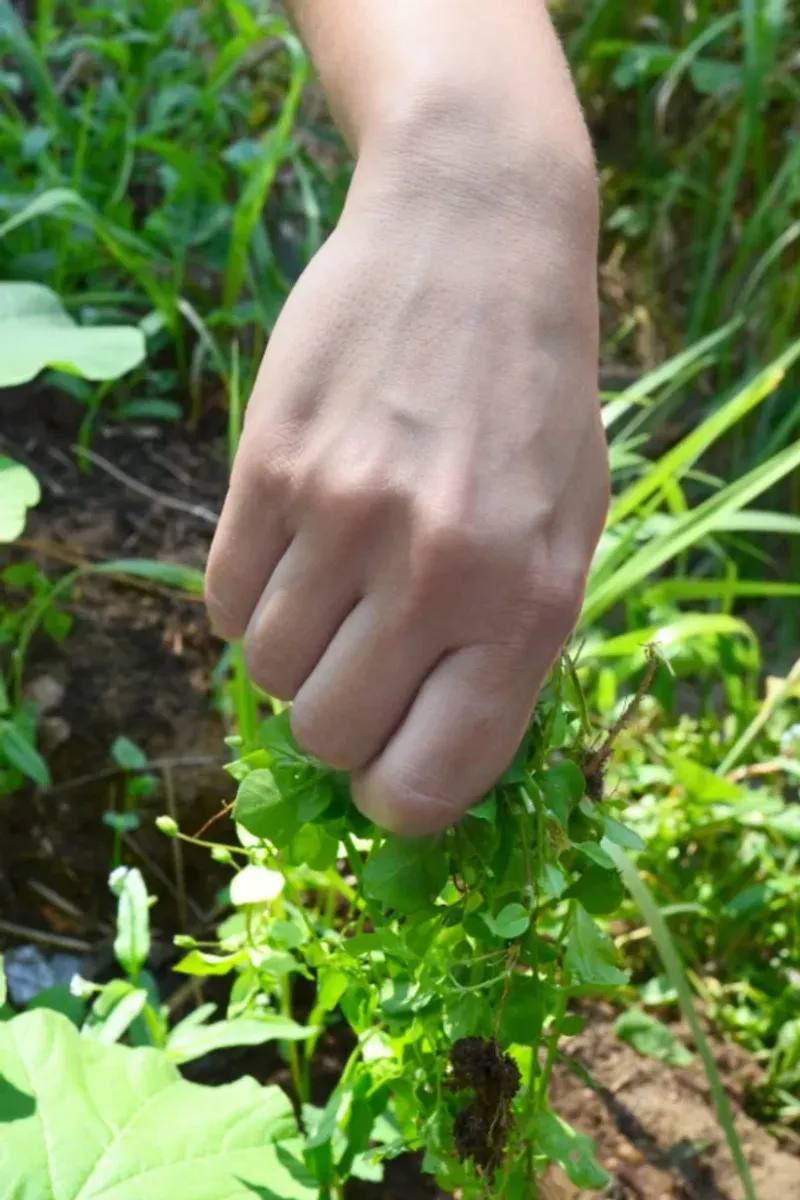
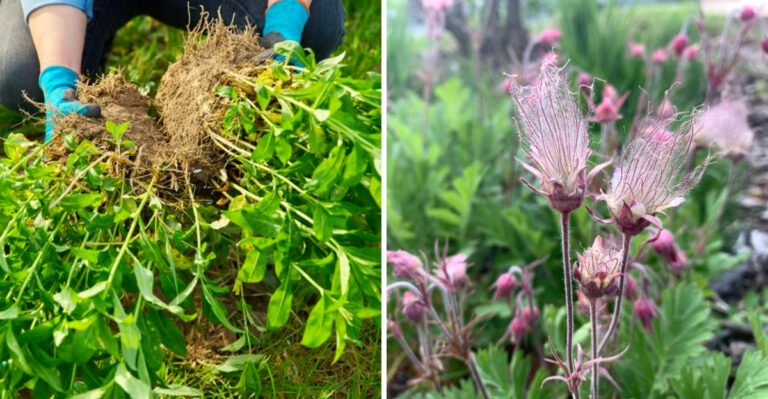
There is something satisfying about pulling a weed out by the roots with your own hands. Hand-pulling is one of the most reliable ways to remove chickweed from your Pennsylvania flower beds, and it does not require any products or special equipment.
All you really need is a pair of gardening gloves and a little patience. The best time to pull chickweed is right after a rain or after you have watered your garden. Moist soil makes it much easier to get the entire root system out in one pull.
Dry soil causes the stem to break off at the surface, leaving the roots behind to regrow. Always aim to remove the whole plant, roots included.
Grab the chickweed as close to the base of the plant as possible. Pull slowly and steadily rather than yanking hard.
A slow, firm pull gives the roots time to loosen from the soil without snapping. For larger patches, work from the outside of the mat inward so you do not accidentally spread seeds across your flower bed.
For tougher spots, a hand weeder or narrow hoe can help. Slide the tool just under the soil surface to sever the roots cleanly.
This works especially well around established plants where you need more control. A hoe is great for open areas, while a hand weeder gives you more precision near delicate flowers.
After pulling, bag the chickweed and dispose of it rather than composting it. Chickweed can continue to ripen seeds even after being pulled from the ground.
Keeping it out of your compost pile prevents seeds from spreading back into your Pennsylvania garden later.
Organic Ways To Get Rid Of Chickweed
Not every gardener wants to reach for a chemical product, and that is completely understandable. Luckily, there are several organic methods that work well against chickweed in Pennsylvania flower beds.
These options are safer for your plants, your family, your pets, and the local environment. White vinegar is one of the most popular natural weed solutions available. The acetic acid in vinegar breaks down the plant’s leaves and causes it to wither.
Use a spray bottle to apply undiluted white vinegar directly onto chickweed on a warm, dry day. Avoid spraying nearby plants since vinegar is not selective and can harm any plant it touches. You may need to apply it more than once for stubborn patches.
Boiling water is another surprisingly effective method. Pour it directly onto chickweed plants and it will damage the plant tissue quickly.
This works best for chickweed growing in cracks, along edges, or in open areas away from your prized flowers. Be careful not to splash any on surrounding plants or your own skin.
Corn gluten meal is a natural pre-emergent option that prevents chickweed seeds from germinating. It is available at most garden centers and is safe to use around established plants.
Apply it in early fall or early spring in Pennsylvania before chickweed seeds have a chance to sprout.
Homemade herbicide sprays made from a mixture of vinegar, dish soap, and salt can also be effective. The soap helps the solution stick to the leaves, while the salt draws out moisture.
Use this blend carefully and only on the target weeds, as it can affect soil health if overused in one area of your Pennsylvania garden.
When And How To Use Herbicides
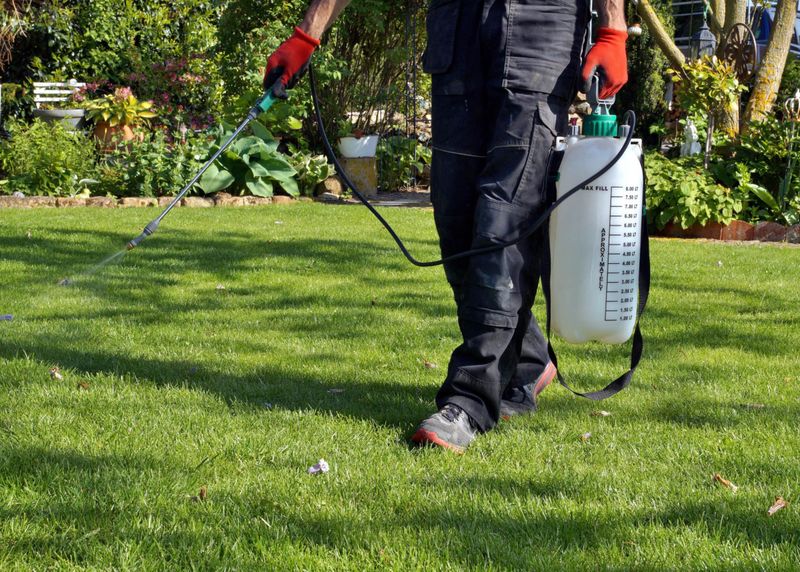
Sometimes chickweed gets so out of hand that organic methods and hand-pulling just cannot keep up. When you are dealing with a serious infestation in your Pennsylvania flower beds, a chemical herbicide may be the most practical solution.
Knowing when and how to use one makes all the difference.
Pre-emergent herbicides are applied before chickweed seeds germinate. In Pennsylvania, the ideal time to apply them is late summer or early fall, before the soil cools down enough for germination to begin.
These products create a chemical barrier in the soil that stops seeds from sprouting. They are very effective but must be timed correctly to work.
Post-emergent herbicides are used on chickweed that is already growing. Look for a selective broadleaf herbicide that is labeled safe for use in ornamental flower beds.
Read the product label carefully and follow all directions. Applying these herbicides when chickweed is young and actively growing gives you the best results. Avoid applying on windy days to prevent drift onto your flowers.
Always wear protective gloves and eye protection when handling any herbicide. Keep children and pets out of the treated area until it has dried completely.
Store all products safely and dispose of empty containers according to local Pennsylvania guidelines.
Chemical control works best as part of a larger strategy. Using herbicides alongside mulching, hand removal, and regular monitoring gives you the strongest long-term results.
Think of herbicides as a backup tool rather than your first response. With a consistent routine, Pennsylvania gardeners can keep chickweed under control season after season and enjoy beautiful, weed-free flower beds year-round.