10 Fast-Growing Vegetables Every Michigan Gardener Loves
Growing your own food in Michigan is a rewarding way to spend the summer months when the sun stays out late. The local weather moves quickly so you need plants that can keep up with the changing seasons.
Whether you have a large backyard or just a few small pots on your deck, picking fast crops is the smartest move for your home. You will spend much less time waiting for results and more time eating fresh snacks from the dirt.
The cool mornings and warm afternoons across Michigan act as a secret tool to help these plants reach their full potential. We have selected ten amazing vegetables that love the local soil and grow in record time.
These choices are proven favorites that taste much better than anything from a store. Get ready to enjoy a massive harvest this year.
1. Radishes
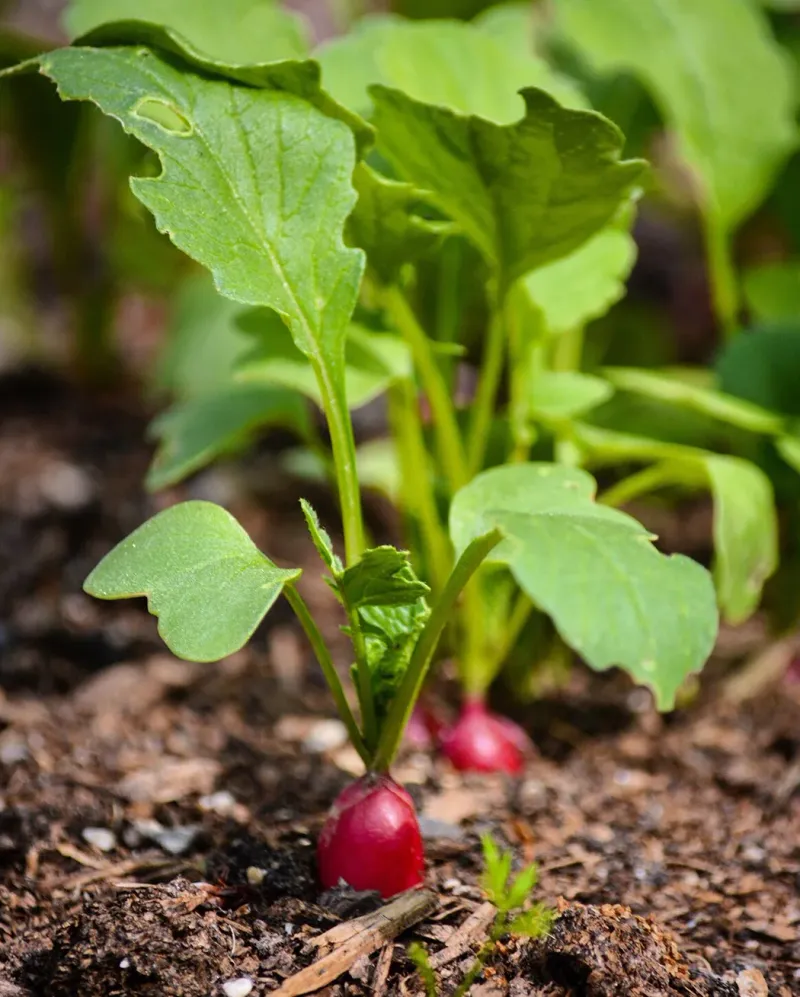
Few vegetables reward impatient gardeners quite like radishes do. In Michigan, where early spring soil warms up slowly, radishes are the first crop you can actually pull from the ground and eat.
Some varieties, like Cherry Belle and French Breakfast, are ready in as little as 20 to 30 days after sowing, which feels almost magical when you are eager to harvest something real.
Radishes belong to the species Raphanus sativus and prefer cool temperatures, making Michigan’s spring weather nearly ideal for them.
You can sow seeds directly into the garden bed as soon as the soil can be worked, usually around late March or early April in most parts of the state.
They need full sun and consistent moisture to develop crisp, flavorful roots without turning woody or bitter.
One of the best things about radishes is how little space they need. Rows spaced just six inches apart work perfectly, and they grow happily in containers too.
Try tucking them between slower-growing crops like tomatoes or peppers to use every inch of your garden. Succession planting every two weeks gives you a steady supply through late spring.
Once temperatures climb above 75 degrees Fahrenheit, radishes tend to bolt, so enjoy them early and replant again in fall for a second Michigan harvest.
2. Lettuce
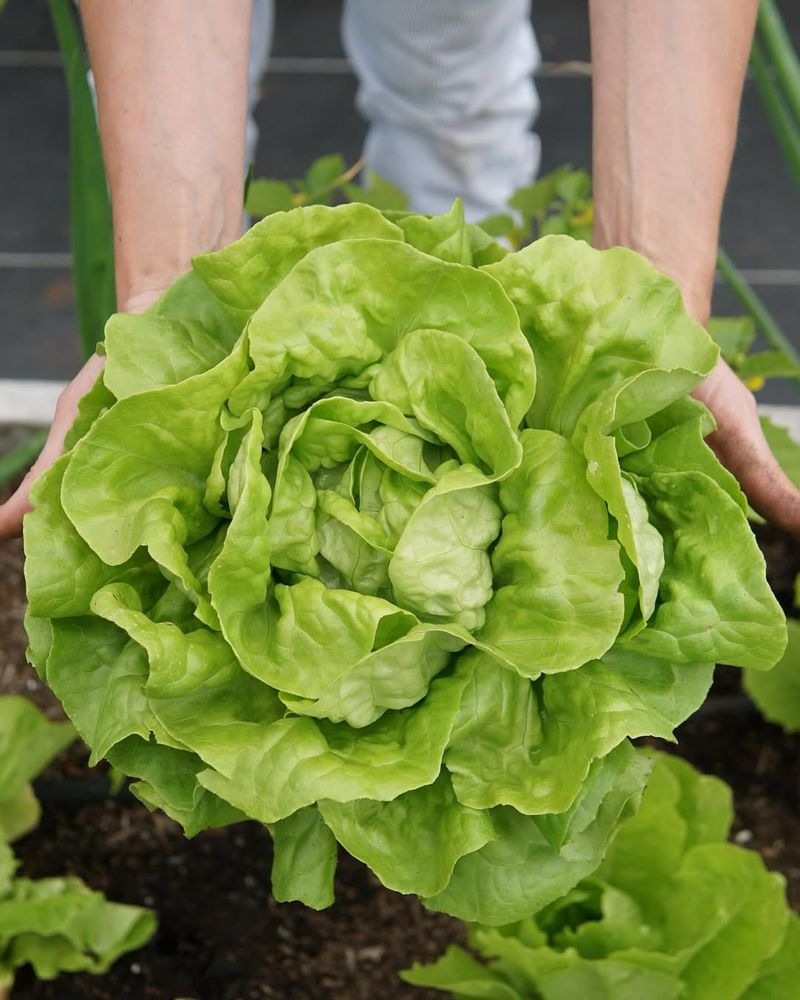
Crisp, colorful, and incredibly easy to grow, lettuce is one of the most satisfying vegetables you can plant in a Michigan garden.
Varieties like Red Sails, Oak Leaf, and Buttercrunch are especially popular across the state because they mature in just 30 to 45 days and hold up well in cool, unpredictable spring weather.
There is something genuinely exciting about cutting fresh salad greens just weeks after planting tiny seeds.
Lettuce, scientifically known as Lactuca sativa, thrives when daytime temperatures stay between 45 and 65 degrees Fahrenheit, which describes Michigan spring mornings almost perfectly.
You can direct seed into garden beds or start seedlings indoors about four weeks before your last expected frost date.
Starting indoors gives you a head start and means you are harvesting even earlier once transplants go outside.
One smart trick Michigan gardeners use is the cut-and-come-again method. Instead of pulling the whole plant, you snip outer leaves and let the center keep growing, which dramatically extends your harvest window.
Your Michigan Garden Changes Every Week. Your Plan Should Too.
Gardening in Michigan changes quickly throughout the season. Every Friday you’ll receive a simple weekly plan showing exactly what to plant, prune, fertilize, harvest, and protect so you never miss the right timing.
Planting lettuce in partial shade during warmer weeks slows bolting and keeps leaves tender longer. Rich, well-draining soil with consistent watering produces the best flavor.
Succession planting every two to three weeks through late spring keeps fresh greens coming to your table all season without interruption.
3. Spinach
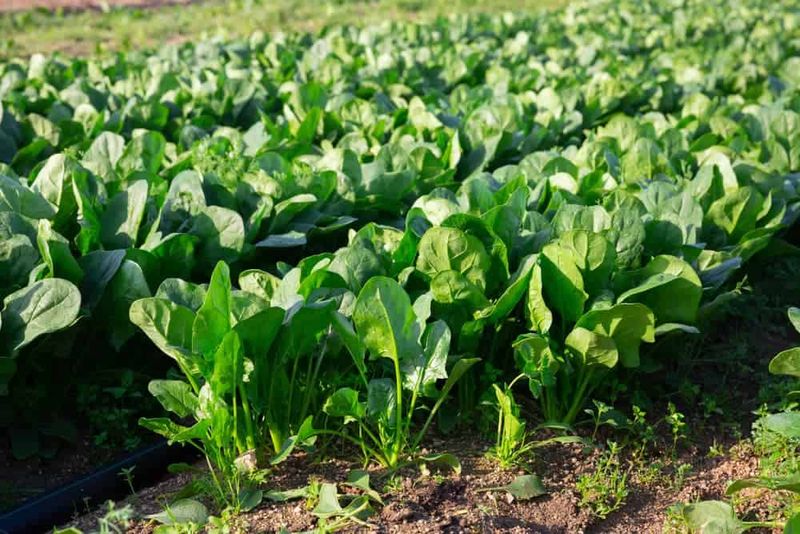
Spinach is practically built for Michigan springs. Cool nights, occasional light frosts, and moist soil are exactly what Spinacia oleracea loves, and Michigan delivers all three in abundance during April and early May.
What makes spinach even more appealing is its speed. Many varieties are ready to harvest within 30 to 40 days, giving you nutritious, tender greens before most other vegetables have even settled into the ground.
Varieties like Bloomsdale Long Standing and Space are reliable performers in Michigan gardens. Bloomsdale is particularly loved for its thick, crinkled leaves that hold up well in salads and cooking alike.
You want to sow seeds about half an inch deep in moist, well-drained soil as soon as the ground can be worked. Spinach actually germinates in soil temperatures as low as 35 degrees Fahrenheit, so early planting is completely realistic across most of Michigan.
Consistent moisture is the key to keeping spinach from bolting prematurely. Mulching around plants helps retain soil moisture and keeps roots cool during warmer spring days.
Once temperatures regularly exceed 75 degrees Fahrenheit, spinach will bolt and turn bitter. Planting in light shade extends your harvest window nicely.
Fall planting is another fantastic option in Michigan, as cooling temperatures in August and September create a second ideal window for growing sweet, productive spinach crops without much extra effort.
4. Green Beans
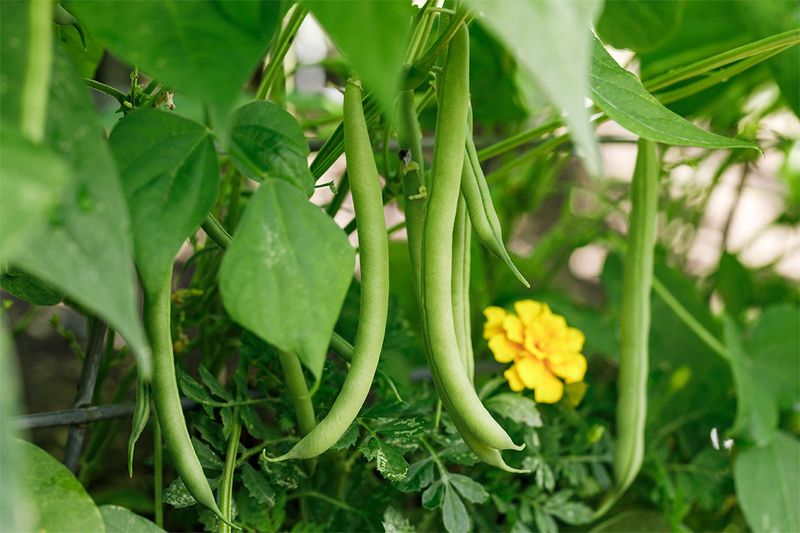
Once the Michigan soil warms up after the last frost, green beans practically take off on their own.
Bush bean varieties, which stay compact without needing stakes or trellises, are the most popular choice for Michigan gardeners because they produce abundantly and are ready to pick in just 50 to 60 days.
Phaseolus vulgaris, the scientific name for common beans, needs warm soil to germinate, so patience in the spring pays off big in the summer.
Varieties like Provider, Blue Lake, and Contender are tried-and-true favorites across Michigan. Provider is especially valued because it tolerates cooler soil temperatures better than most, giving it a slight edge in regions where spring warmth arrives unpredictably.
Plant seeds about one inch deep in full sun after your last frost date, which typically falls between mid-May and early June depending on where you live in the state.
Green beans are surprisingly low-maintenance once established. They fix their own nitrogen from the air, which means they actually improve your soil while they grow.
Water them consistently, especially once pods begin forming, to prevent tough or stringy beans. Harvest pods regularly when they are slender and snap cleanly, because leaving mature pods on the plant signals it to slow down production.
A second planting in early July gives Michigan gardeners a fresh fall crop before the season wraps up.
5. Radicchio
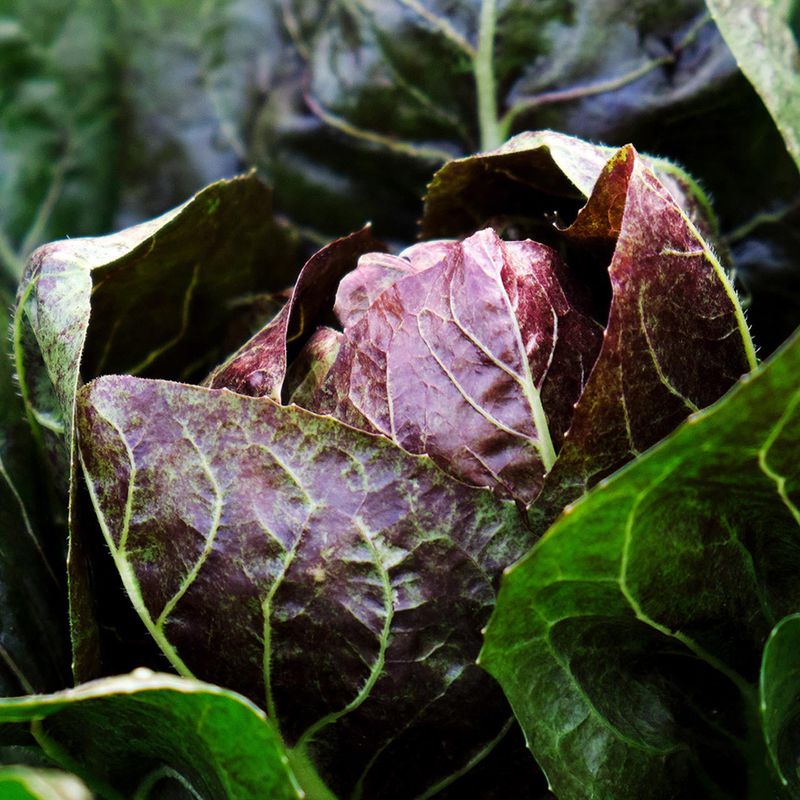
Radicchio might be the most underrated vegetable in Michigan gardens, and that is a real shame because it is stunning, flavorful, and surprisingly fast to grow.
This cool-season crop, known scientifically as Cichorium intybus, produces tight, colorful heads with a pleasantly bitter, crunchy texture that pairs beautifully with sweeter salad ingredients.
Ready to harvest in about 50 to 60 days, radicchio fits neatly into Michigan’s spring and fall growing windows.
Varieties like Chioggia and Treviso are the most commonly grown in Michigan home gardens. Chioggia forms round, compact heads while Treviso produces elongated, slightly milder leaves.
Both appreciate cool temperatures and actually develop their best color and flavor when exposed to light frost, which is something Michigan autumns deliver naturally. Sow seeds in early spring or start transplants in late July for a fall harvest timed around September and October.
Radicchio grows well in partial shade, which makes it a smart choice for spots in your Michigan garden that do not receive full sun all day. It prefers consistently moist, fertile soil and benefits from regular feeding with a balanced fertilizer.
Unlike many vegetables, radicchio actually improves after a light frost touches it, converting starches to sugars and softening the bitterness slightly.
Slice heads in half for grilling, toss leaves in salads, or braise them in olive oil for a sophisticated side dish worth bragging about.
6. Kale
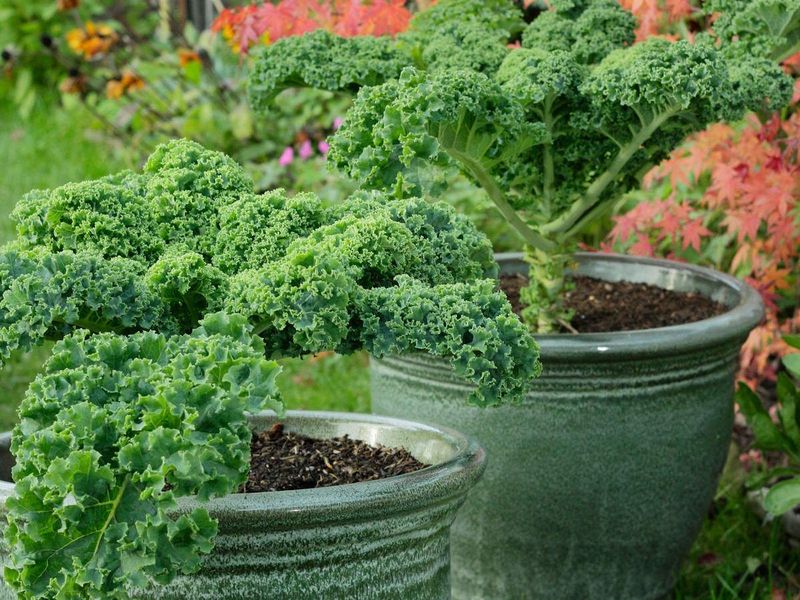
Kale has a reputation for toughness, and in Michigan, that reputation is completely earned. Brassica oleracea var. sabellica handles frost better than almost any other leafy green, and here is the truly surprising part: a light frost actually makes kale taste sweeter.
Cold temperatures convert the plant’s starches into sugars, giving fall-harvested Michigan kale a rich, mellow flavor that summer-grown leaves simply cannot match.
Kale matures in 50 to 65 days and can be grown in both spring and fall in Michigan, giving gardeners two solid opportunities each season.
Curly varieties like Winterbor and Redbor are popular for their visual appeal and hardiness, while Lacinato, also called Dinosaur kale, is loved for its flat, deeply textured leaves and earthy flavor.
Start seeds indoors six weeks before your last frost date for spring planting, or direct seed in mid-July for a fall crop across most of Michigan.
Kale grows best in full sun but tolerates partial shade well, which adds flexibility in smaller Michigan gardens. Rich, well-draining soil and steady moisture produce the most productive plants.
Use the cut-and-come-again harvesting method by removing outer leaves regularly, which keeps the center growing vigorously for weeks. Kale is also packed with vitamins A, C, and K, making every harvest genuinely nutritious.
Few vegetables deliver this much value, flavor, and resilience in Michigan’s unpredictable weather conditions.
7. Cucumbers
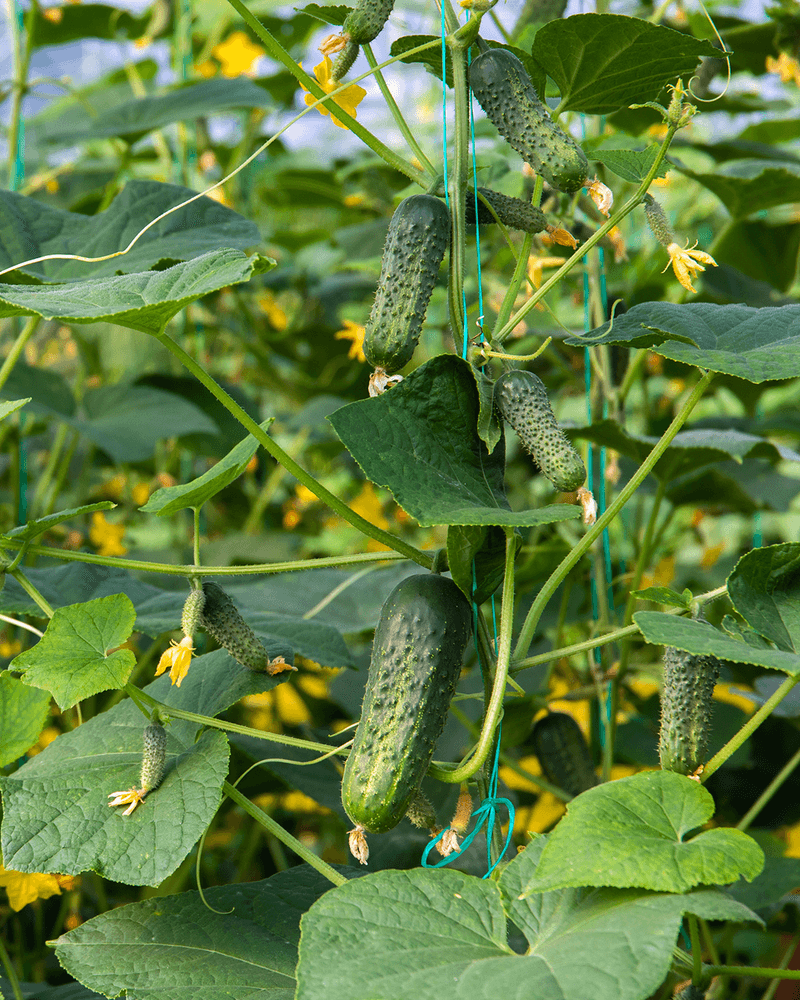
Cucumbers are one of summer’s greatest rewards, and Michigan gardeners who time their planting right can enjoy an impressive harvest. Cucumis sativus grows quickly in warm conditions, with many varieties ready to pick in 50 to 70 days from planting.
Slicing cucumbers like Straight Eight and Marketmore are longtime favorites, while pickling varieties like National Pickling and Calypso perform exceptionally well in Michigan’s warm summer months.
Cucumbers need warm soil to thrive, so wait until after Michigan’s last frost date before planting seeds or transplants outside. Soil temperatures should ideally be at least 60 degrees Fahrenheit for good germination and strong early growth.
Full sun is non-negotiable for cucumbers since they need at least six to eight hours of direct sunlight daily to produce a generous yield. Rich, well-drained soil amended with compost gives plants the nutrients they need to grow vigorously from the start.
Training cucumber vines up a trellis or simple wire cage saves ground space and keeps fruit clean and straight. Michigan’s warm, humid summers suit cucumbers well, but consistent watering is critical because uneven moisture causes bitter flavor and misshapen fruit.
Water deeply at the base of plants rather than overhead to reduce disease risk. Harvest cucumbers while they are still firm and dark green, because overripe fruit signals the plant to slow production.
Pick frequently to keep the vines producing abundantly through late summer.
8. Beets
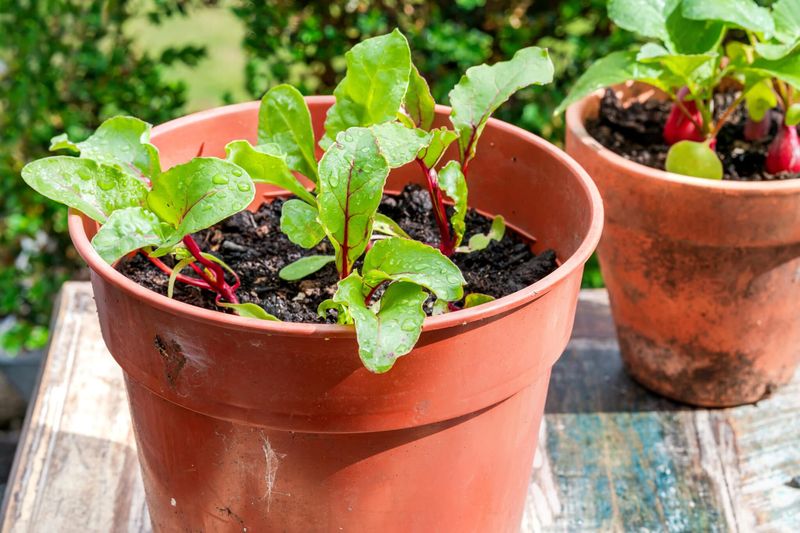
Beets are one of those vegetables where literally nothing goes to waste. Both the earthy, sweet roots and the tender, nutritious greens are completely edible, making Beta vulgaris one of the most practical crops a Michigan gardener can grow.
Beets mature in 50 to 60 days, slipping neatly into Michigan’s cool spring season before summer heat arrives and making a second appearance in fall gardens as temperatures begin to drop again.
Varieties like Detroit Dark Red, Chioggia, and Golden Beet are all popular choices in Michigan. Detroit Dark Red is a classic for good reason because it produces uniform, deep-colored roots with outstanding flavor.
Chioggia beets are eye-catching with their red-and-white striped interior, while golden beets offer a milder, sweeter taste that appeals to people who find traditional beets too intense.
Sow seeds directly into garden beds about half an inch deep in loamy, well-drained soil for the best results.
Beets prefer consistent moisture and do not perform well in compacted or rocky soil, so loosening the ground before planting makes a noticeable difference in root development.
Thin seedlings to about three inches apart once they reach two inches tall to give each plant enough room to form proper roots.
Harvest beet greens early for salads or sauteing, and pull roots when they reach one to three inches in diameter for the most tender, flavorful eating experience Michigan gardens can deliver.
9. Turnips
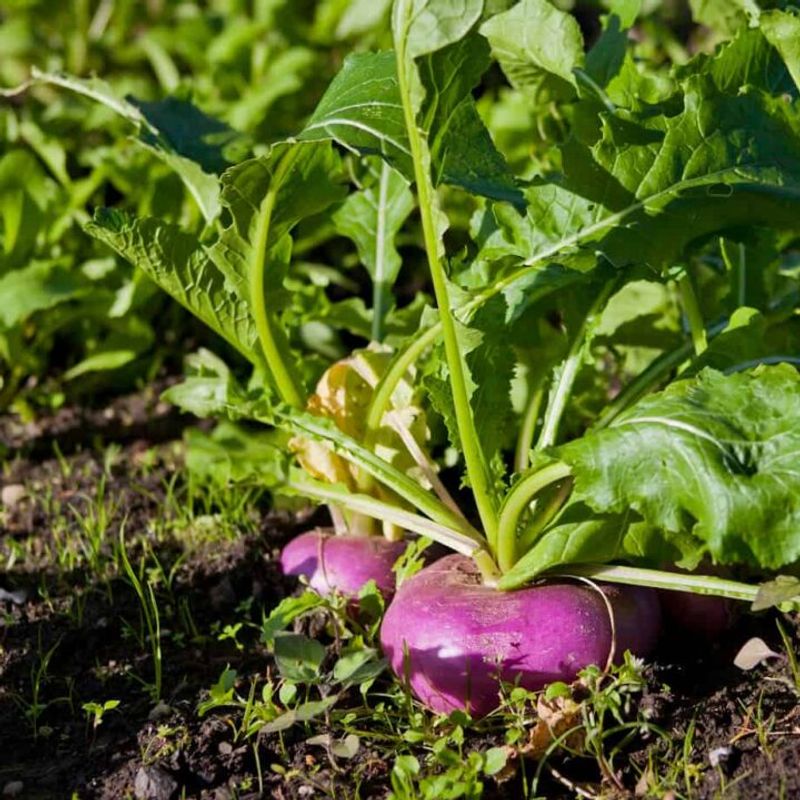
Turnips have a long, quiet history in American gardens, and Michigan gardeners who grow them quickly understand why.
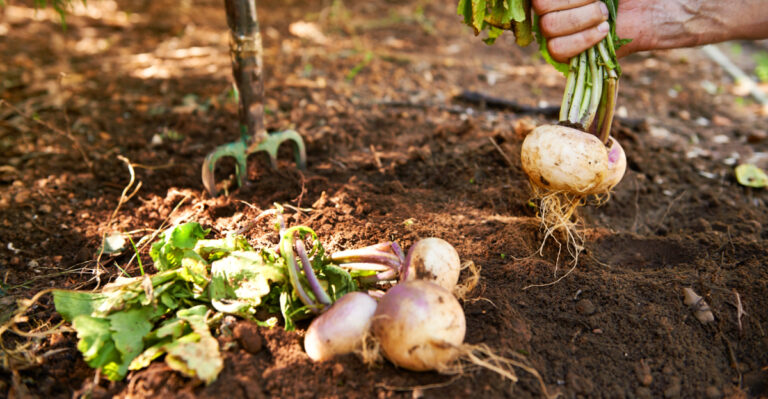
Brassica rapa is a cool-season workhorse that delivers edible roots and flavorful greens in just 50 to 60 days, making it a smart fit for both early spring and late summer planting across the state.
Purple Top White Globe is the most commonly grown variety in Michigan, producing smooth, round roots with a mild, slightly peppery flavor.
Sow turnip seeds directly into prepared garden beds about a quarter inch deep as soon as the soil can be worked in spring. Turnips prefer cool temperatures between 50 and 65 degrees Fahrenheit, which describes Michigan spring and fall weather almost perfectly.
They grow in full sun or light partial shade and prefer well-drained, fertile soil that has been loosened to allow roots to expand without resistance. Thin seedlings to four to six inches apart once they sprout to encourage proper root development.
The greens are often overlooked, but turnip tops are genuinely delicious when sauteed with garlic or added to soups. Harvest greens when they are young and tender for the best flavor.
Roots are best pulled when they measure two to three inches across, before they become woody. Fall-planted turnips in Michigan benefit from light frost exposure, which sweetens the roots noticeably.
Store harvested roots in a cool, humid location and they will keep well for several weeks after picking.
10. Mustard Greens
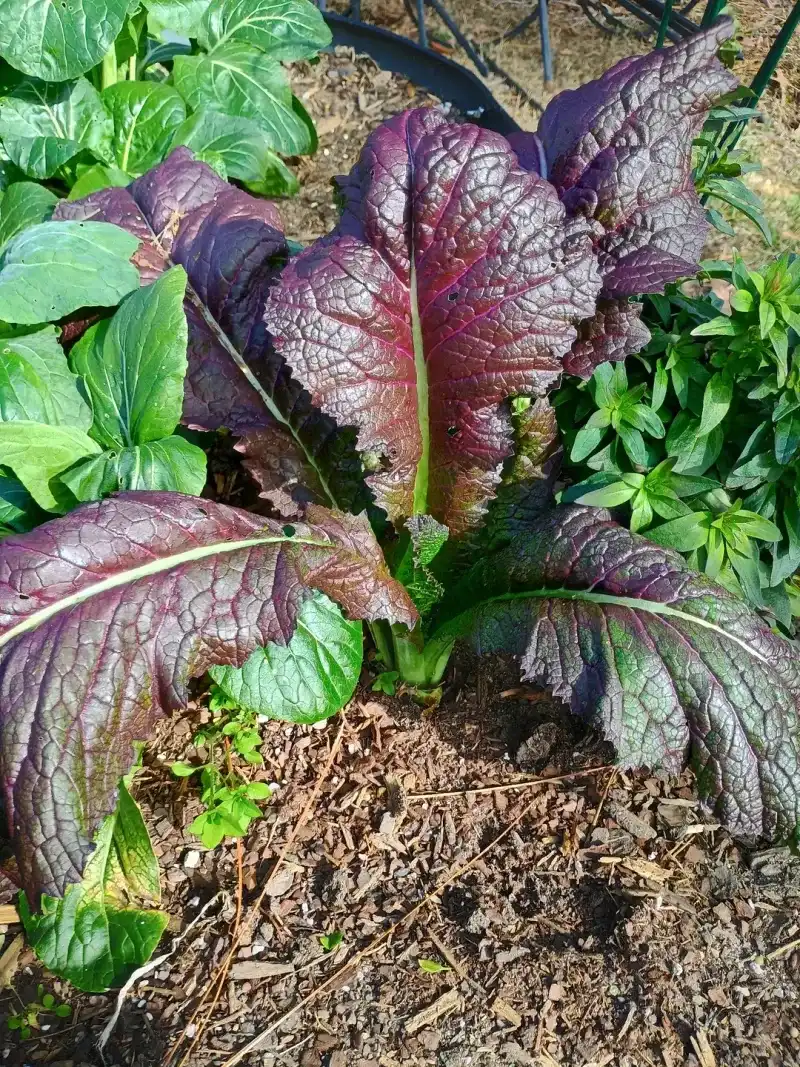
Mustard greens bring a bold, spicy punch to Michigan gardens, and their speed is genuinely impressive. Brassica juncea can go from seed to harvest in as little as 30 to 40 days, making it one of the fastest leafy greens you can grow anywhere in the state.
That quick turnaround means you can squeeze in a full harvest in early spring before tomatoes and peppers even go into the ground, and then do it all over again in late summer for a fall crop.
Varieties like Southern Giant Curled and Red Giant are popular across Michigan for their vigorous growth and bold flavor. Southern Giant Curled produces large, frilly leaves with a sharp, peppery bite that mellows beautifully when cooked.
Red Giant adds gorgeous color to salads and stir-fries with its deep purple-red leaves and slightly milder heat. Direct seed both varieties about a quarter inch deep in early spring or late August for the best results in Michigan’s climate.
Mustard greens prefer cool temperatures and will bolt quickly once summer heat sets in, so timing your planting is key. Full sun produces the most vigorous plants, though partial shade during warm spells helps delay bolting.
Water consistently and harvest outer leaves frequently to keep plants productive longer. Young leaves taste great raw in salads, while mature leaves shine in soups, stir-fries, and braised dishes.
Michigan gardeners who add mustard greens to their rotation rarely look back.