How To Tell If Winter Burn Is Permanent On Ohio Evergreens
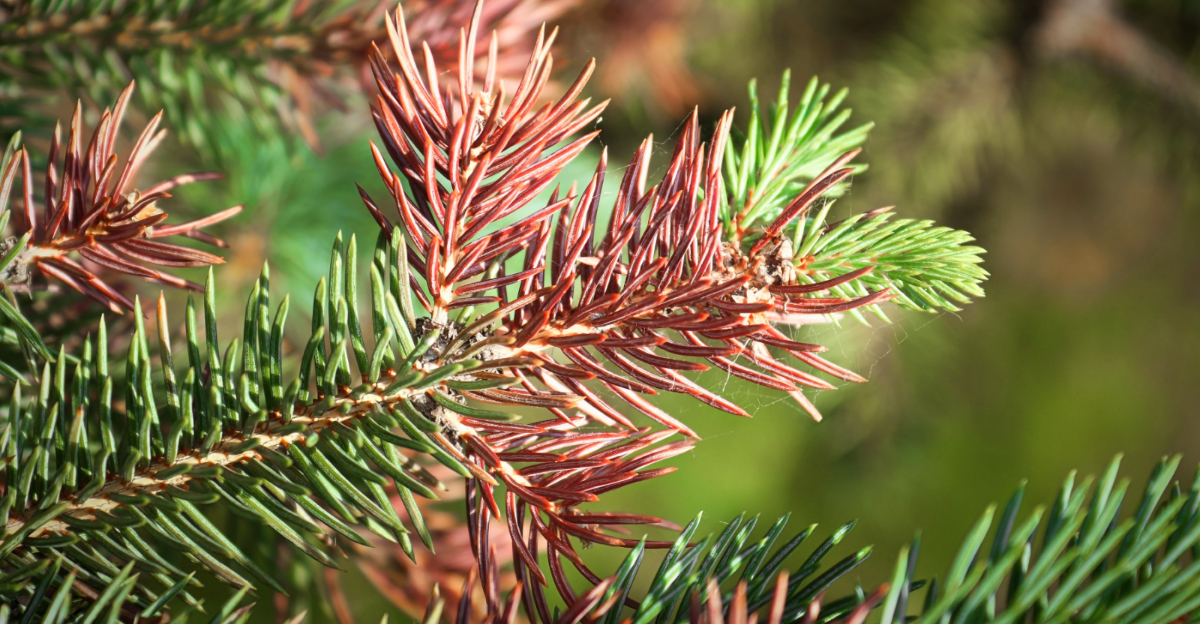
Ohio winters can be rough on evergreens. After months of cold winds, bright winter sun, and frozen ground, many shrubs and trees end up looking brown, crispy, and honestly a little rough around the edges.
For Ohio gardeners, the big question every spring is whether that browning is just surface damage that will bounce back or something more lasting.
The good news is that several practical clues can help you figure out what you are dealing with before you reach for the pruning shears.
1. The Scratch Test Gives The First Real Clue
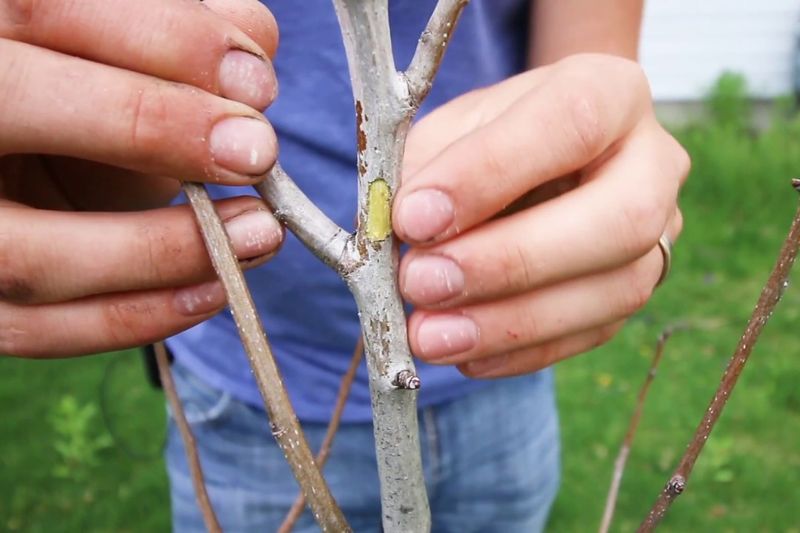
After a brutal Ohio winter, it can feel discouraging to walk outside and find your arborvitae or juniper looking like it went through a windstorm and lost. Before you assume the worst, try one of the most reliable tools available to any home gardener: the scratch test.
It costs nothing and takes about ten seconds.
To do it, find a branch that looks questionable and use your thumbnail to gently scrape away a small patch of bark on the stem. Look closely at the tissue underneath.
If it shows a bright green or even a pale greenish-white color, the branch is still alive and has a real shot at pushing out new growth once temperatures warm up consistently.
If the tissue beneath the bark looks tan, brown, or dry, that branch has likely lost its ability to recover. Work your way inward toward the trunk, testing multiple branches as you go.
Often, outer branches on the exposed side of the plant show non-viable tissue while inner branches closer to the trunk still test green. That pattern is actually encouraging.
It suggests the core of the plant survived Ohio’s cold season, and recovery is possible even if some outer growth needs to be removed later in spring.
2. Green Buds Usually Mean The Branch Still Has A Future
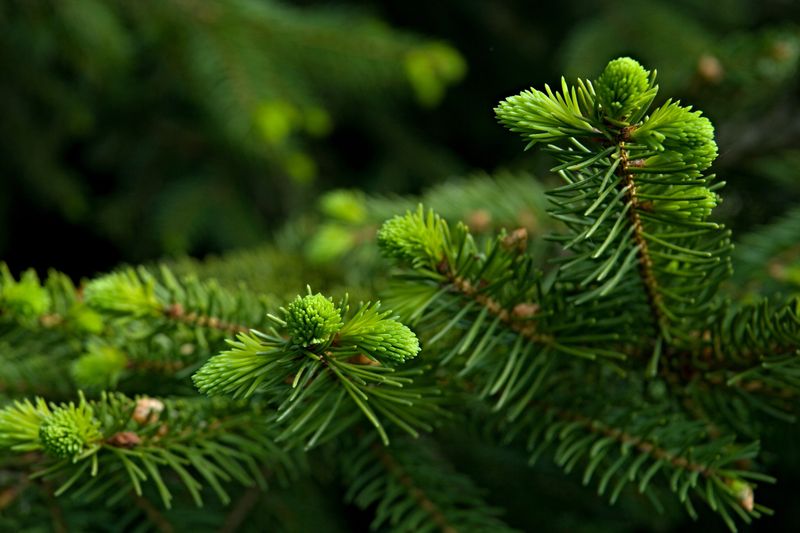
Spotting a cluster of tiny green buds on a branch that looked completely gone just a few weeks ago is one of the most satisfying moments in spring gardening.
Ohio evergreens, even ones that took a serious hit from winter desiccation, can surprise you once temperatures start climbing above freezing on a regular basis.
Bud color is one of the clearest early indicators of branch health. When you examine an evergreen after winter, pay close attention to the small buds sitting along the stems.
Green or slightly swollen buds signal that the vascular system inside the branch is still functioning well enough to support new growth. That is a strong sign the browning you see on the needles is cosmetic rather than structural.
On the other hand, buds that look shriveled, papery, or dark brown are worth noting. A branch with completely dried-out buds along its full length is less likely to push new foliage, even if the scratch test shows marginal green tissue.
For Ohio gardeners dealing with arborvitae, false cypress, or yew after a harsh winter, checking buds before making any cutting decisions can save healthy wood from being removed too early.
Your Ohio Garden Changes Every Week. Your Plan Should Too.
Gardening in Ohio changes quickly throughout the season. Every Friday you’ll receive a simple weekly plan showing exactly what to plant, prune, fertilize, harvest, and protect so you never miss the right timing.
Give buds time to develop fully before writing off a branch, since Ohio springs can start slowly and growth may lag by several weeks compared to warmer years.
3. Brown Tips Are Different From A Fully Brown Branch
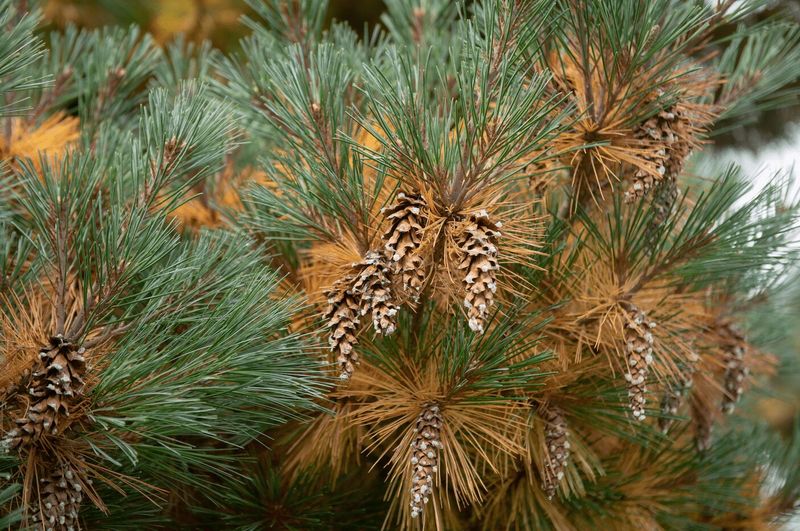
Not all browning on an Ohio evergreen tells the same story. One of the most common mistakes gardeners make after a tough winter is treating brown tips the same way they would treat a completely browned-out branch.
Understanding the difference can save a lot of healthy plant material from unnecessary removal.
Brown tips occur when the outermost portion of a needle or leaf loses moisture faster than the roots can replace it through frozen soil. The damage stops partway down the needle, leaving the base still attached to living tissue.
When you look closely, you can often see a distinct line where the brown ends and the green begins.
Branches with tip browning alone are frequently capable of pushing new growth from the base of the affected needles or from buds further along the stem.
A fully browned branch is a different situation. When an entire branch, from tip back to the main stem, shows uniform brown coloring and the needles fall off with very little resistance, the damage has likely moved deeper into the wood.
Running the scratch test on a fully browned branch will usually confirm whether any life remains.
For Ohio gardeners, tip browning after winter is common on arborvitae, yew, and boxwood, and it rarely signals the kind of lasting injury that requires drastic action.
Patience and a closer look are the most useful tools at this stage of the season.
4. Damage On The Windy Or Sunny Side Tells Its Own Story
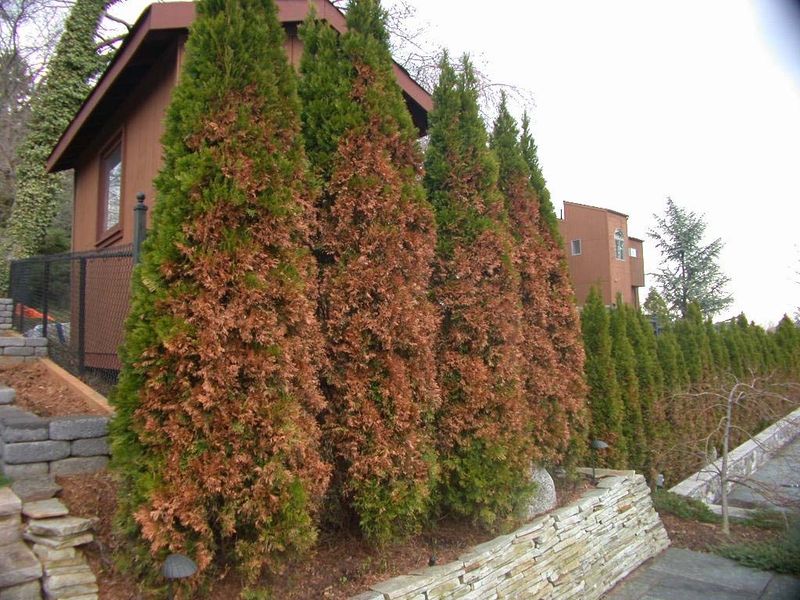
Walk around your evergreen slowly and look at it from every angle. If the browning is concentrated on one side of the plant, that pattern is actually telling you something useful rather than just discouraging you.
One-sided damage is a classic signature of winter burn caused by wind exposure or reflected winter sun, and it often means the rest of the plant is in much better shape than a quick glance suggests.
In Ohio, prevailing winter winds tend to come out of the northwest, and intense reflected sunlight often hits the south and southwest sides of plants hardest.
Evergreens planted near driveways, open fields, or south-facing walls are especially prone to one-sided browning because those conditions accelerate moisture loss from needles while the ground stays frozen and roots cannot compensate.
The exposed foliage essentially dries out while the sheltered side holds its color through winter.
When damage is clearly limited to the windward or sun-facing side, it is a strong sign that the injury is environmental rather than systemic. The root system and main structure of the plant are often unaffected.
Recovery on the protected side tends to look normal by mid to late spring, and the damaged side sometimes fills back in over one or two growing seasons as new growth emerges from living buds.
Ohio winters vary quite a bit in severity, and one-sided damage after a particularly cold and windy stretch is more the rule than the exception for exposed landscape evergreens.
5. Supple Stems Often Point To Recovery Instead Of Lasting Injury
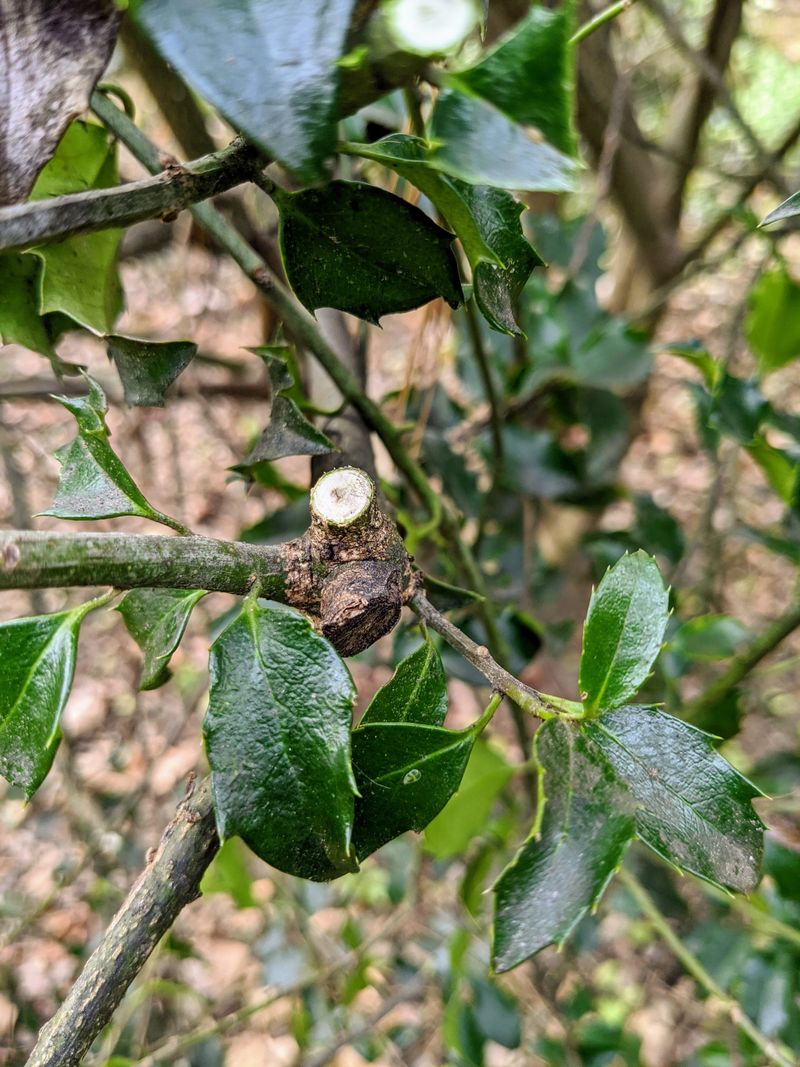
Branch flexibility is one of those simple physical checks that gardeners sometimes overlook because it feels almost too easy.
After an Ohio winter that left your hollies or arborvitae looking rough, gently bending a few stems can reveal more than you might expect about what is happening inside the plant.
A stem that bends without snapping, even slightly, still contains some moisture and structural integrity.
That flexibility suggests the wood has not fully dried out and the vascular tissue may still be functional enough to support recovery once spring warmth arrives and soil moisture becomes available again.
Supple stems are an encouraging sign, even when the needles on those same branches look brown and tired.
A stem that snaps cleanly with very little pressure is a different story. Dry, brittle wood breaks easily because the cells inside have lost their moisture and structural function.
If a branch snaps like a dry twig, it is unlikely to produce new growth regardless of what the surrounding plant does. Testing several branches across different parts of the plant gives you a clearer overall picture.
In Ohio, where winters can swing between wet and dry cold depending on the year, stem flexibility checks are especially useful on broadleaf evergreens like holly and rhododendron, which tend to show dramatic leaf curl and browning during cold snaps but often bounce back when their stems remain pliable through the cold months.
6. Inner Needle Drop Does Not Mean The Whole Evergreen Is In Trouble
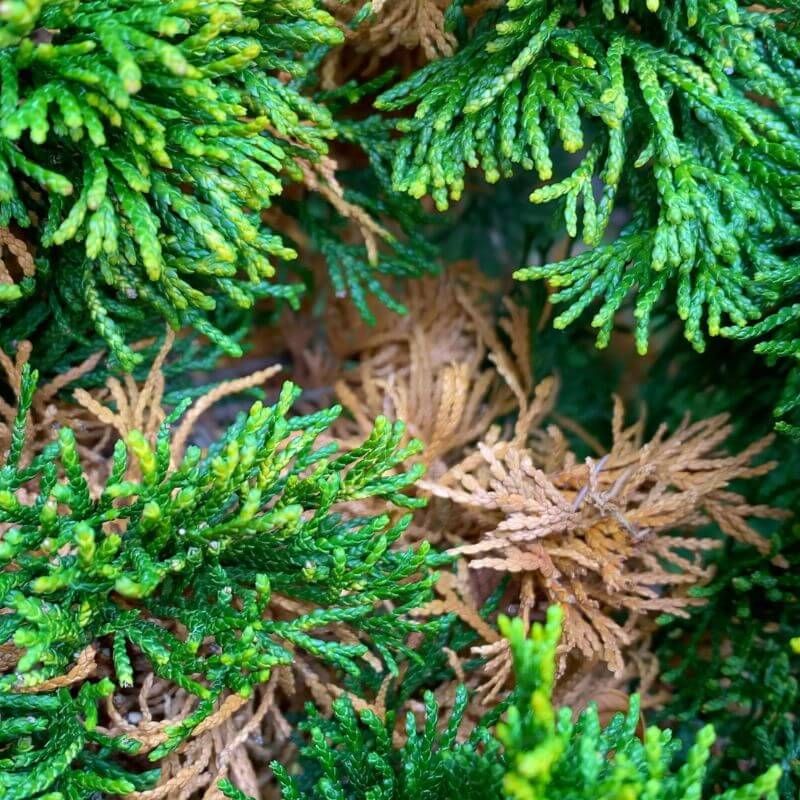
Finding a pile of brown needles under your arborvitae or pine in late summer or fall tends to send Ohio gardeners into a mild panic.
But inner needle drop is one of those natural processes that gets misread as a sign of serious trouble more often than it deserves.
Most evergreens shed older interior needles on a regular cycle, and winter conditions can accelerate that process without indicating lasting damage.
Evergreens do not hold every needle indefinitely. Depending on the species, needles on the inner portions of branches may only last two to five years before being shed naturally.
After a stressful Ohio winter, the plant may drop more interior needles than usual as it redirects resources toward outer growth and new bud development.
This can look alarming, especially on arborvitae, which tends to brown visibly from the inside when shedding older foliage.
The key distinction is location. Interior needle drop concentrated on older growth toward the center of the plant, while the branch tips and outer foliage remain green and flexible, is generally a normal stress response rather than a sign of permanent injury.
Widespread browning that moves outward from the tips, or browning that covers entire branches from end to end, is more concerning and worth investigating further with a scratch test.
Ohio gardeners who understand this difference can avoid unnecessary worry and make smarter decisions about whether their evergreens need intervention or simply time to settle into the new growing season.
7. Late Spring Growth Is The Best Sign The Plant Is Rebounding
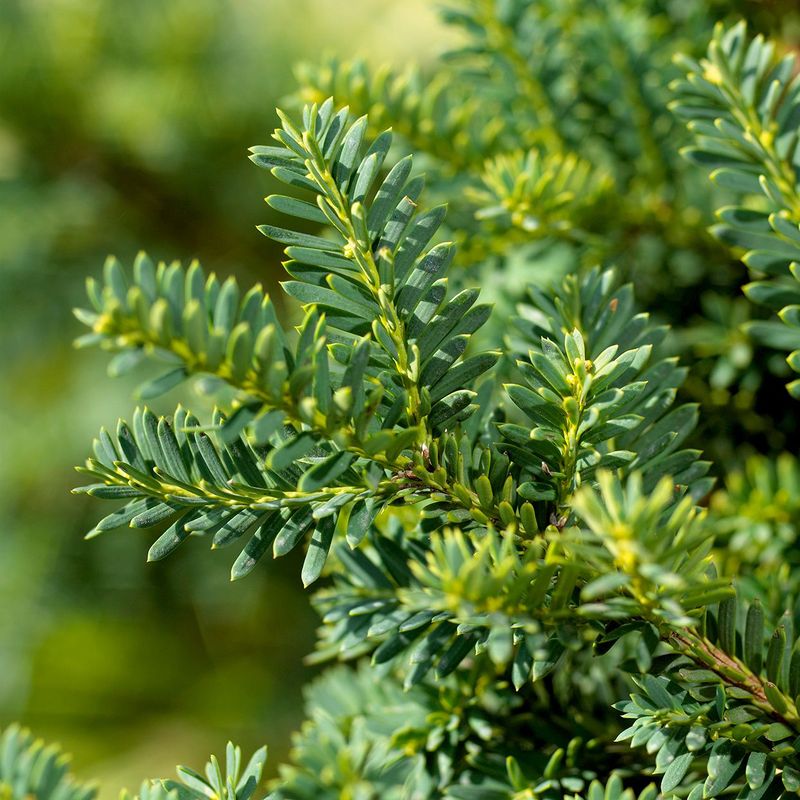
There is something genuinely hopeful about watching an Ohio evergreen that looked half-gone in March start pushing out fresh green growth by late May.
For gardeners who held off on making major cuts through a long and uncertain spring, that new growth is the clearest possible confirmation that patience paid off.
Late spring is when the most reliable evidence of recovery becomes visible. As soil temperatures rise and root activity resumes, evergreens that survived winter injury begin channeling energy into new bud development.
Fresh growth tends to appear at branch tips first, often starting as small, bright green points that expand quickly over a few weeks.
On plants that experienced moderate winter burn, this new growth can partially or fully mask the browned areas from the previous season within a single growing season.
If late spring arrives and a branch still shows no signs of new growth while surrounding branches are actively pushing out foliage, that is a more reliable indicator of lasting injury than anything visible during winter.
Ohio springs can start slowly, especially in years with cold snaps extending into April, so waiting until late May or even early June before making final assessments gives the plant the best chance to show what it can do.
Rushing to remove branches that simply needed more time to wake up is one of the most common mistakes Ohio gardeners make after a difficult winter season.
8. Waiting Before Pruning Can Save More Of The Plant
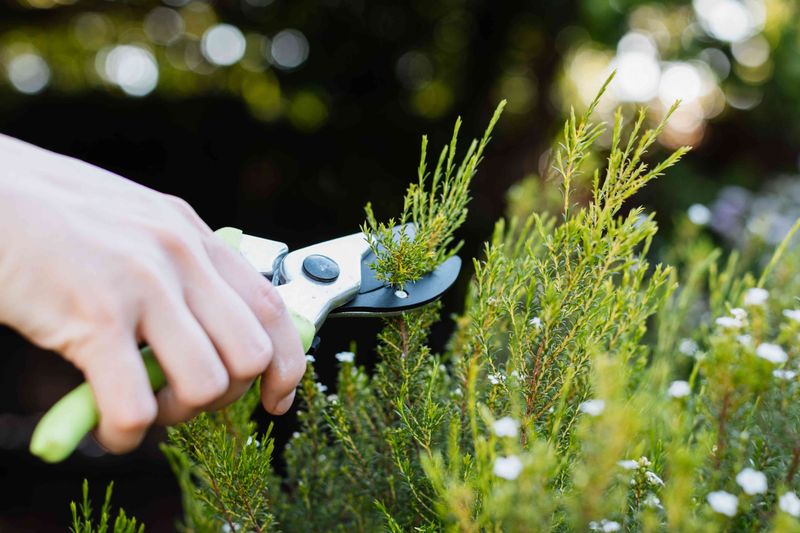
The urge to grab pruning shears and clean up a battered evergreen as soon as the snow melts is completely understandable. After an Ohio winter that left your landscape looking like it lost a fight, taking action feels better than standing around waiting.
But cutting too early is one of the most reliable ways to remove living wood that would have recovered on its own given a few more weeks.
Evergreens in Ohio can take longer than expected to show signs of recovery after winter injury.
Cold soil slows root activity, and until roots can move moisture and nutrients back into branches, even living stems may look dull, discolored, or slightly shriveled.
Pruning during this window removes the possibility of those branches contributing new growth to the plant’s canopy later in the season.
A smarter approach is to use the scratch test, bud checks, and stem flexibility assessments through March and April while holding off on any significant pruning until late spring growth patterns become clear.
Light removal of branches that show no signs of life at multiple points is reasonable earlier in the season, but broad shaping or heavy cutting should wait until you can see where the plant is actively growing.
Ohio evergreens that look severely damaged in February often look considerably better by June, and the gardener who waited almost always ends up with more plant to work with than the one who pruned aggressively on the first warm day of March.