These 9 Plants Help Save Native Butterflies In Oregon Backyards
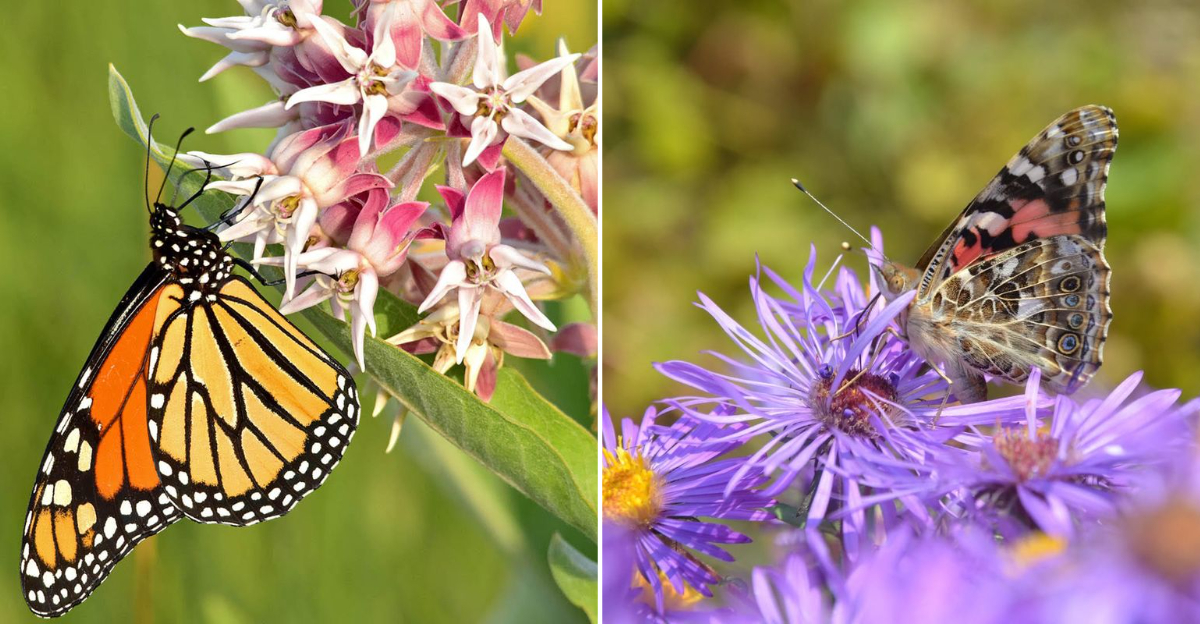
If you’ve noticed fewer fluttery visitors dancing around your flower beds lately, you aren’t imagining it.
Our local butterfly populations have had a rough couple of seasons, but Oregon gardeners are officially stepping up to save the day.
It turns out that keeping these winged beauties around requires a lot more than just planting a few random flowers and hoping for the best. To turn your backyard into a legitimate sanctuary, you need to think like a caterpillar.
We are moving past the basic “pretty garden” phase and diving into the world of host plants and nectar-rich powerhouses that provide a literal lifeline for native species like the Western Tiger Swallowtail or the struggling Monarch.
Creating a backyard habitat is the ultimate win-win: you get a stunning, movement-filled landscape, and our local ecosystem gets a much-needed boost.
Let’s dive into the specific greenery that will make your yard the most popular hangout spot in the neighborhood.
1. Penstemon
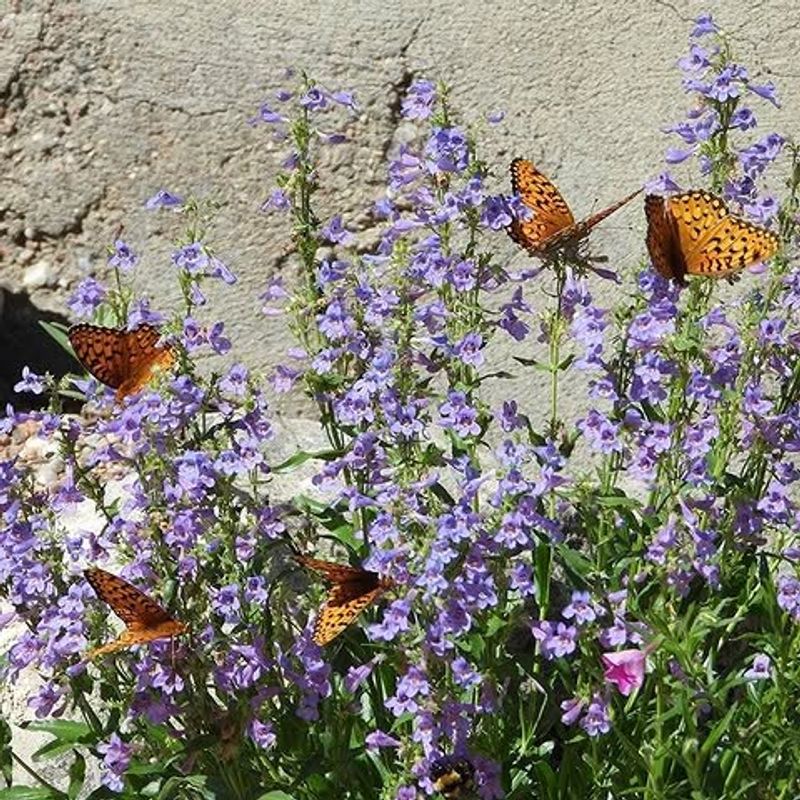
Few plants put on a show quite like Penstemon does in an Oregon garden. With its tall spikes of tubular flowers in shades of pink, purple, red, and white, it is a magnet for butterflies looking for a reliable nectar source.
Native to the western United States, Penstemon fits right into Oregon’s climate without needing much fuss.
Butterflies love tubular flowers because they are shaped perfectly for sipping nectar. Species like the Western Tiger Swallowtail and Painted Lady are commonly spotted visiting Penstemon blooms during summer.
Planting a few different Penstemon varieties can extend your bloom season and keep butterflies coming back throughout the warmer months.
Growing Penstemon in Oregon is straightforward. It prefers well-drained soil and plenty of sunshine.
Once established, it handles dry spells well, which makes it a smart choice for gardeners who want beauty without a lot of watering. Plant it along borders or in rocky garden beds for a natural, wildflower look.
Cutting back spent blooms encourages fresh flowers and keeps the plant looking tidy. Adding Penstemon to your Oregon backyard is one of the easiest ways to welcome more butterflies into your outdoor space.
2. Asters
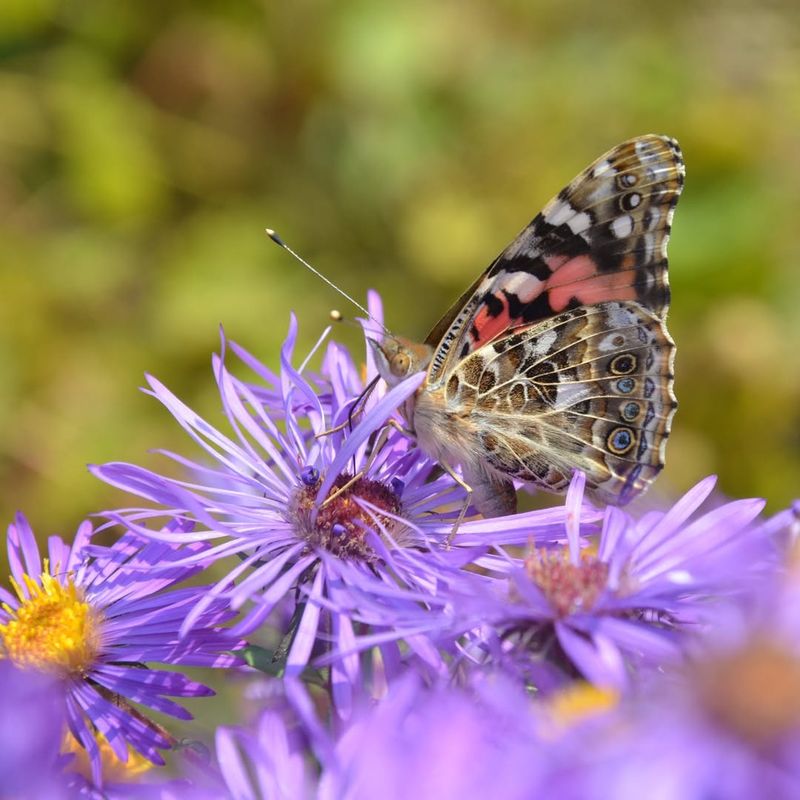
Asters are like a late-season gift for butterflies in Oregon. While many other plants have finished blooming by the time fall rolls around, Asters keep right on going.
Their cheerful purple, blue, and white daisy-like flowers provide a critical nectar boost for butterflies that are preparing for migration or trying to build up energy before cooler weather arrives.
Douglas Aster, which is native to the Pacific Northwest, is especially well-suited for Oregon gardens. It grows in full sun to partial shade, which makes it flexible enough for many different backyard setups.
Butterflies like the Painted Lady, Cabbage White, and various Skippers are drawn to its abundant blooms. Planting Asters near the edge of a sunny garden bed gives butterflies easy access to the flowers.
One of the best things about Asters is how little maintenance they need. They grow well in average soil and do not require heavy fertilizing.
Your Oregon Garden Changes Every Week. Your Plan Should Too.
Gardening in Oregon changes quickly throughout the season. Every Friday you’ll receive a simple weekly plan showing exactly what to plant, prune, fertilize, harvest, and protect so you never miss the right timing.
In fact, too much fertilizer can make them grow too tall and floppy. A simple trim in early summer keeps plants bushy and full.
For Oregon gardeners who want to support butterflies deep into autumn, Asters are a plant you simply cannot skip.
3. Goldenrod
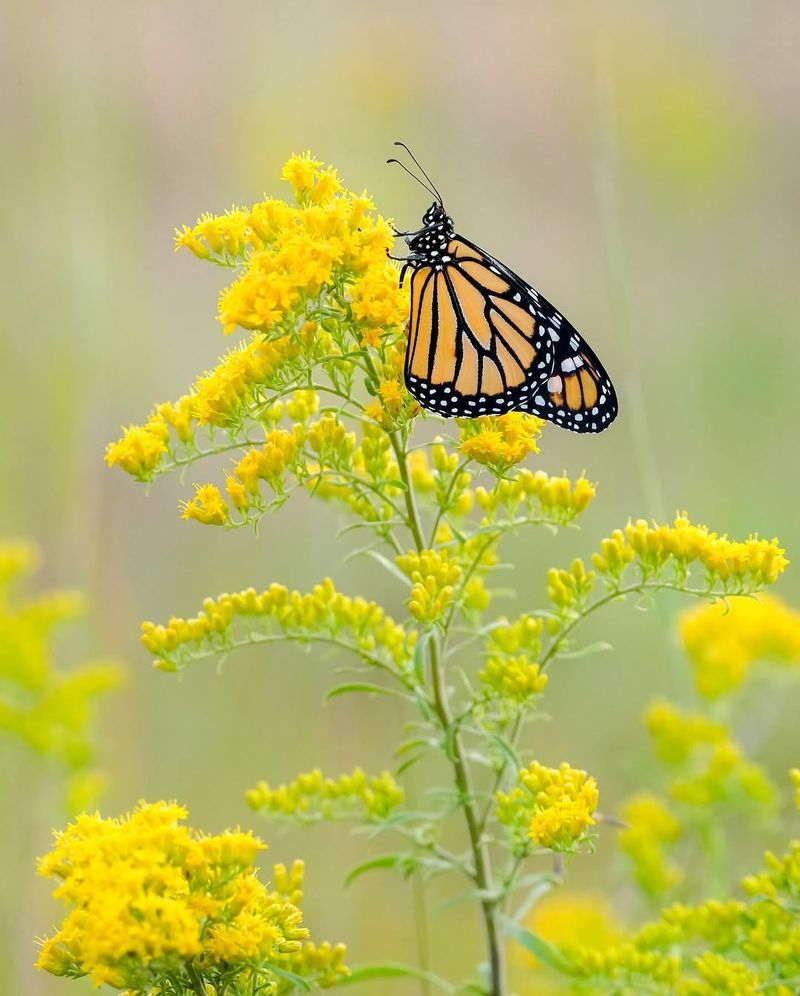
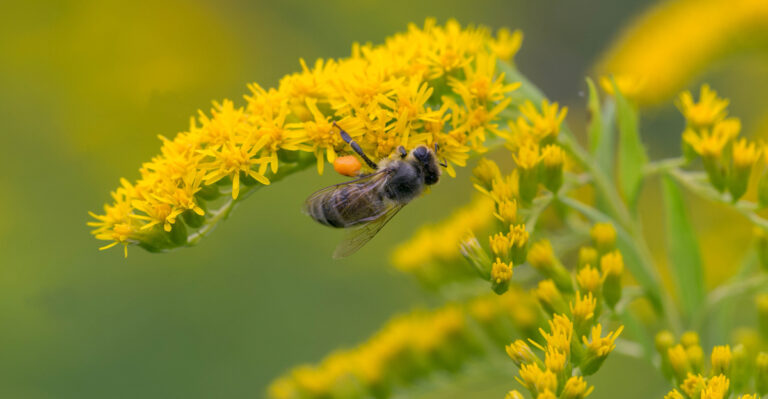
There is something almost electric about a patch of Goldenrod in full bloom. Those tall, arching plumes of golden yellow flowers light up the late-summer garden and act like a beacon for butterflies across Oregon.
Goldenrod blooms from August through October, which is exactly when many butterfly species need a reliable nectar source the most.
Goldenrod has sometimes gotten a bad reputation because people confuse it with ragweed, which causes allergies. But Goldenrod is actually not a major allergen at all.
Its pollen is heavy and sticky, meaning it is carried by insects rather than the wind. This makes it completely butterfly-friendly and a great choice for people who love their gardens but worry about sneezing season.
In Oregon, native Goldenrod species like Solidago lepida thrive in sunny spots with average to dry soil. They spread gradually over time, filling in garden spaces naturally.
Butterflies including Monarchs, Fritillaries, and Skippers visit the flowers regularly during late summer. Goldenrod also supports other pollinators like bees, making it a powerhouse plant for any wildlife garden.
Plant it toward the back of a garden bed where its height can shine without crowding smaller plants nearby.
4. Yarrow
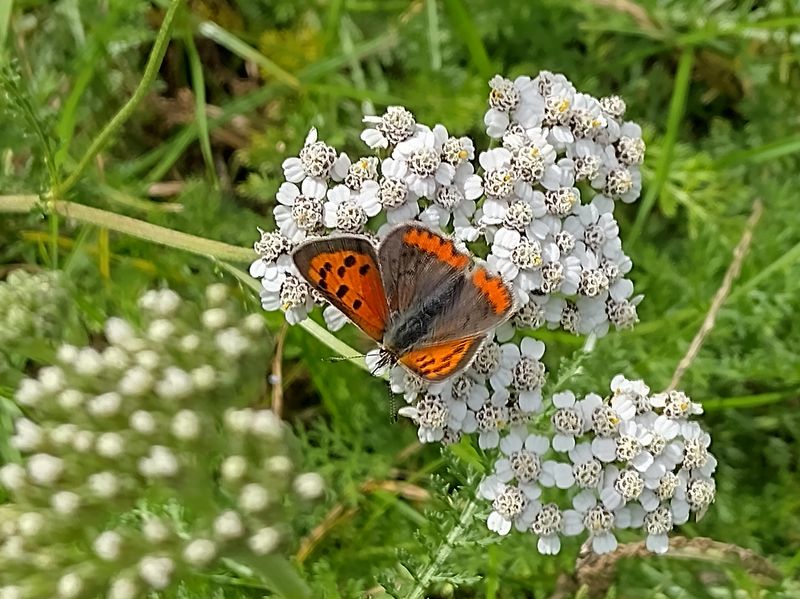
Yarrow is one of those plants that seems almost too good to be true. It is tough, beautiful, and incredibly attractive to butterflies.
Its flat-topped clusters of tiny flowers act like a natural landing pad, giving butterflies a stable place to rest while they feed. This makes it especially popular with smaller butterfly species that prefer a wide, open flower surface.
Western Yarrow, known scientifically as Achillea millefolium, is native to Oregon and grows well across much of the state. It blooms with white or soft yellow flowers from late spring through summer, giving butterflies a long window to visit.
Species like Painted Ladies, Checkerspots, and Skippers are frequent visitors to Yarrow patches throughout Oregon backyards.
What makes Yarrow stand out is its toughness. It handles drought, poor soil, and full sun without complaint.
Once planted, it spreads slowly to fill in bare garden spots, creating a low-maintenance ground cover that butterflies love. It also works beautifully as a cut flower, so you can bring some of that beauty indoors too.
Deadheading old flower heads encourages fresh blooms and keeps the plant productive all season long. Yarrow is a smart, hardworking addition to any Oregon butterfly garden.
5. Showy Milkweed
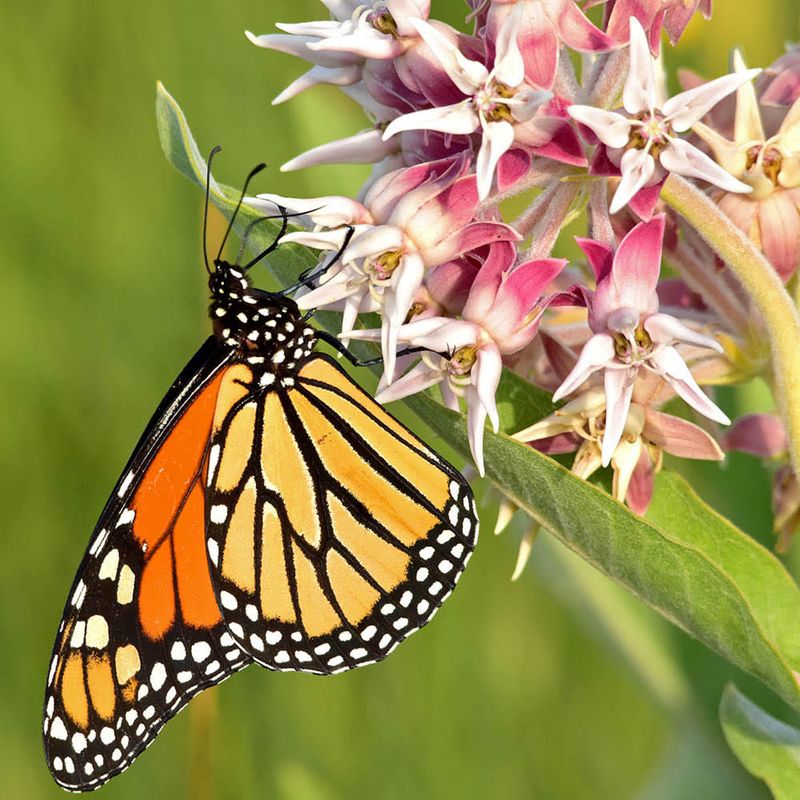
If you only plant one thing for butterflies in your Oregon backyard, make it Showy Milkweed. This plant is the sole host plant for Monarch butterflies, meaning Monarchs lay their eggs exclusively on milkweed leaves.
Without milkweed, Monarchs simply cannot complete their life cycle. Planting Showy Milkweed is one of the most direct ways to help this iconic species survive.
Showy Milkweed, or Asclepias speciosa, produces gorgeous clusters of pink, star-shaped flowers from June through August. The blooms smell faintly sweet and attract not just Monarchs but also many other butterfly and bee species looking for rich nectar.
It is a native plant in the Pacific Northwest, so it is well-adapted to Oregon’s dry summers and variable soils.
Growing Showy Milkweed is easier than you might think. It prefers full sun and well-drained soil, and once established, it is quite drought-tolerant.
It spreads through underground roots, so give it a little room to grow over time. Plant it in a sunny corner of your Oregon yard and watch Monarchs arrive season after season.
The plant also provides food for Monarch caterpillars as they grow, making it a full-service butterfly habitat all on its own.
6. Sticky Monkeyflower
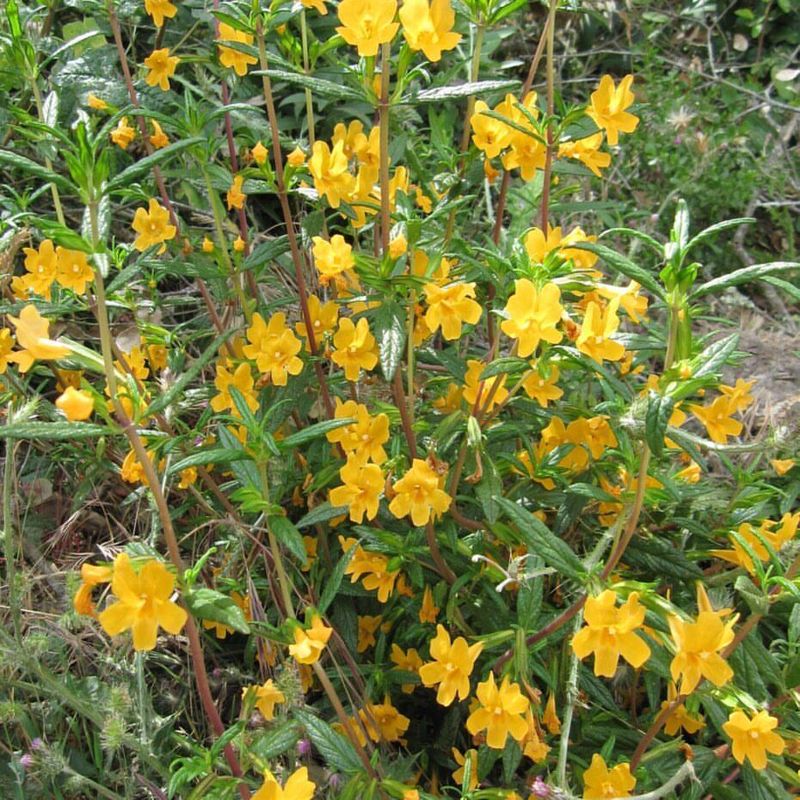
Sticky Monkeyflower has one of the most fun names in the plant world, and it lives up to the excitement. Its vivid orange, trumpet-shaped flowers are eye-catching and full of nectar, making it a favorite stop for butterflies cruising through Oregon gardens.
The slightly sticky stems give the plant its name, and they also help trap small insects, which is a quirky bonus for curious gardeners.
This plant, known scientifically as Diplacus aurantiacus, is native to the western slopes of Oregon and California. It thrives in dry, rocky, or sandy soils with full sun exposure, which makes it a great fit for the drier parts of Oregon.
Butterflies like the Anise Swallowtail and various Skippers are drawn to its bright blooms throughout spring and summer.
Sticky Monkeyflower is a shrubby perennial that can grow up to four feet tall, making it a bold addition to a garden border or slope. It needs very little water once it is established, which is ideal for water-conscious Oregon gardeners.
Pruning it back after the first bloom flush often encourages a second wave of flowers. Its long blooming season and low-water needs make it a practical and beautiful choice for supporting native butterflies in Oregon.
7. Blue-eyed Grass
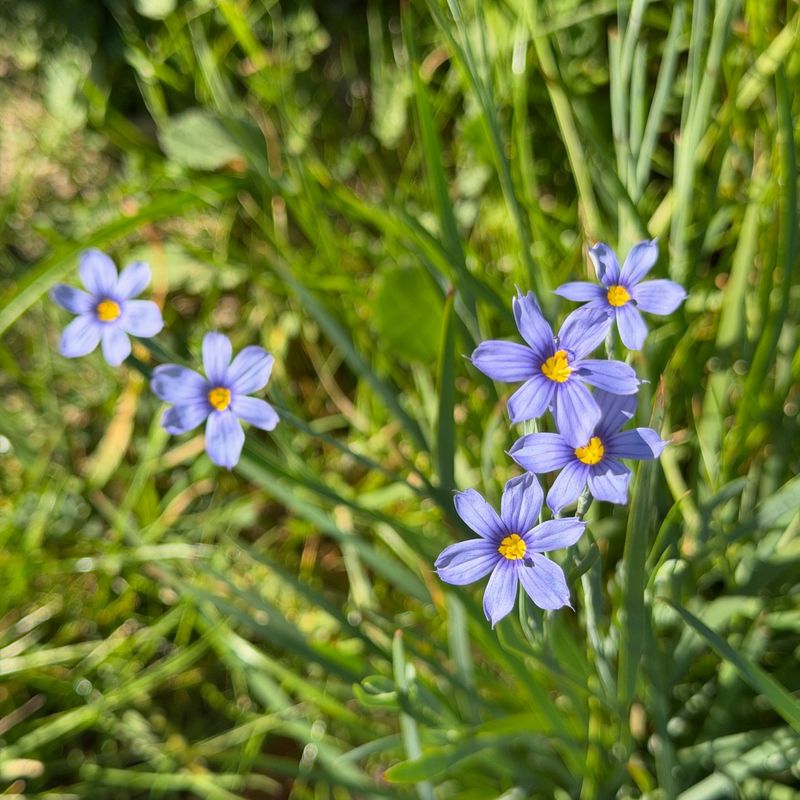
Do not let the name fool you. Blue-eyed Grass is not actually a grass at all.
It is a member of the iris family, and its tiny violet-blue flowers with bright yellow centers are absolutely charming. Each bloom is small but perfectly formed, and together they create a soft, meadow-like effect that looks stunning in Oregon garden spaces.
Scientifically known as Sisyrinchium, Blue-eyed Grass is native to the Pacific Northwest and grows naturally in moist meadows and open woodlands across Oregon. It blooms in spring and early summer, providing early-season nectar for butterflies that emerge after winter.
Small butterfly species and skippers are especially fond of visiting its petite flowers, which are sized just right for them.
Growing Blue-eyed Grass in your Oregon backyard is a low-effort project. It prefers moist, well-drained soil and does well in full sun to light shade.
It self-seeds gently, gradually spreading to form soft clumps without becoming invasive. Plant it along garden edges, in rain gardens, or near water features where moisture is more consistent.
Its early bloom time makes it a valuable bridge plant that supports butterflies before many other native flowers have opened for the season. It is a small plant with a big role in a butterfly-friendly yard.
8. Oregon Sunshine
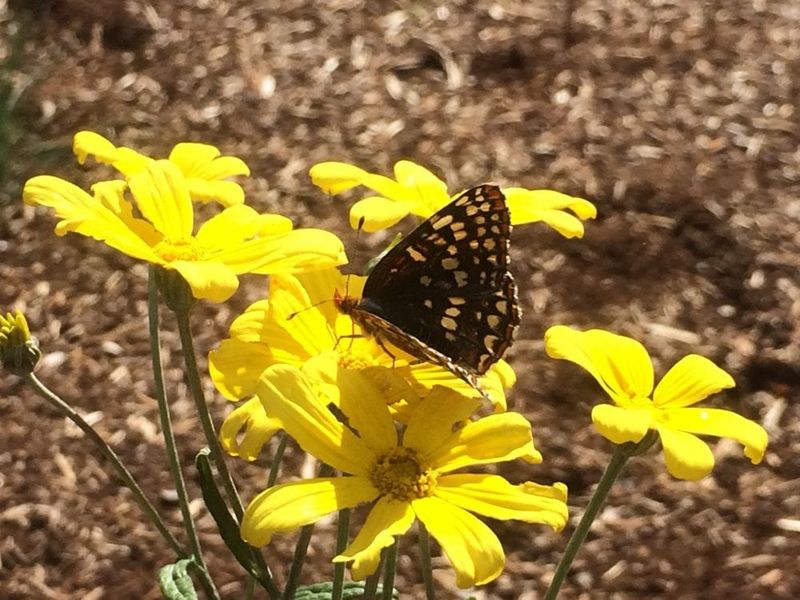
Oregon Sunshine earns its name every single time it blooms. Covered in bright yellow, daisy-like flowers from late spring through summer, it brings a burst of warm color to any Oregon garden.
It is one of those plants that makes people stop and smile, and butterflies feel the same way about it.
Known scientifically as Eriophyllum lanatum, Oregon Sunshine is native to the Pacific Northwest and perfectly adapted to Oregon’s dry summers. It thrives in rocky, sandy, or gravelly soils with full sun, making it ideal for spots where other plants might struggle.
The Painted Lady butterfly is one of its most frequent visitors, but many other species stop in for nectar throughout the blooming season.
Oregon Sunshine is a low-growing plant, usually reaching about one to two feet in height. This makes it an excellent front-of-border plant or ground cover option for sunny, dry areas of your yard.
It requires very little water once established and rarely needs fertilizing. Deadheading spent flowers keeps the plant blooming longer and looking its best.
For Oregon gardeners who want a native plant that is tough, cheerful, and genuinely helpful to butterflies, Oregon Sunshine is a clear winner. It is simple, reliable, and absolutely beautiful.
9. Western Columbine
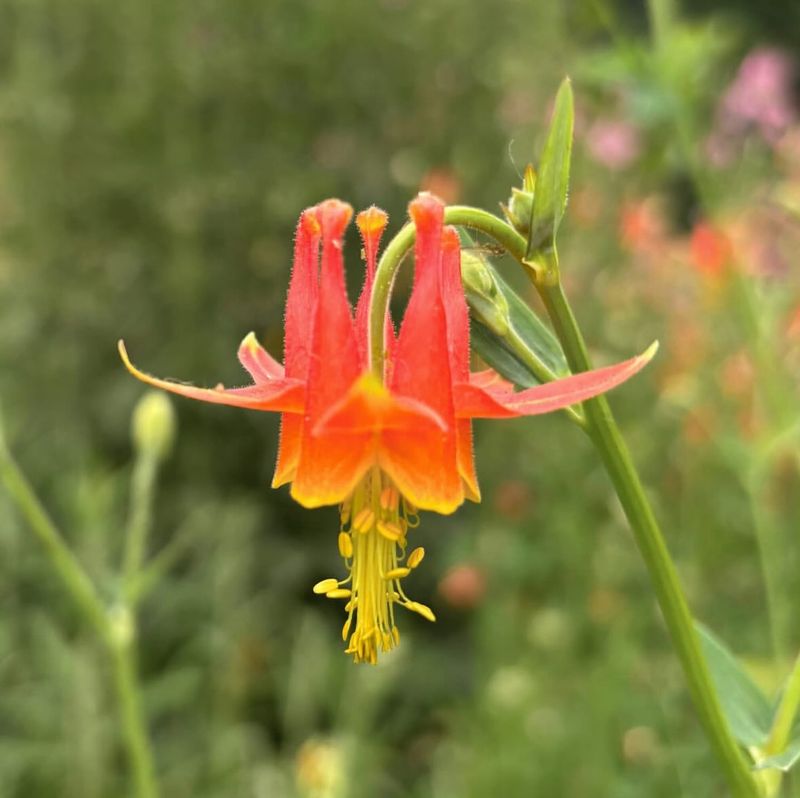
Its nodding red and yellow flowers have long, slender spurs filled with nectar, creating a unique shape that stands out in any garden. Blooming in spring and early summer, it offers a valuable early nectar source right when many butterflies are first becoming active after winter.
Known scientifically as Aquilegia formosa, Western Columbine grows naturally in moist forests and mountain meadows across Oregon and the broader Pacific Northwest. It does especially well in partial shade, making it one of the few butterfly-friendly native plants that thrives in shadier garden spots.
Swallowtail butterflies are among the species that visit its blooms regularly, drawn in by the bright colors and rich nectar supply.
Planting Western Columbine in your Oregon backyard is a wonderful way to bring life to a shady corner that might otherwise go unused. It grows best in rich, moist, well-drained soil and pairs beautifully with ferns and other shade-loving natives.
It self-seeds freely, meaning once you plant it, it will come back year after year with minimal effort. Leaving some seed heads in place helps the plant spread naturally.
Western Columbine is proof that helping butterflies can also mean adding real grace and beauty to your garden.