The 7 Best Slow-Growing Plants For Low-Maintenance Oregon Yards
Oregon’s legendary growing season is a bit of a double-edged sword. While we love our lush landscapes, nobody actually enjoys spending every single Saturday battling a runaway laurel hedge or hacking back vines that seem to grow an inch every time you blink.
If your backyard feels more like a botanical wrestling match than a place to relax, it is time to stop fighting against nature and start picking plants that know how to behave.
The secret to a pristine yard lies in choosing slow-moving species that prioritize quality over quantity.
These are the heavy hitters of the gardening world: architectural evergreens and tidy shrubs that stay exactly where you put them for years.
You can finally achieve that high-end, curated look without the constant threat of a yard-work-induced back injury. Forget the endless pruning and the mountains of green waste.
1. Kinnikinnick
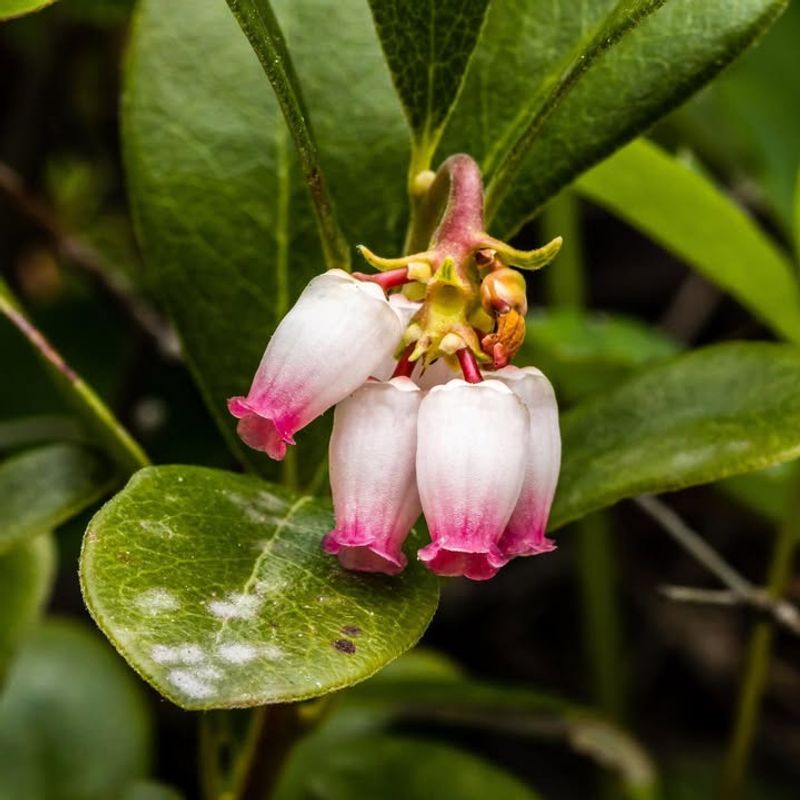
Tough as nails and incredibly charming, Kinnikinnick is one of Oregon’s best-kept gardening secrets. This native evergreen ground cover hugs the ground and spreads slowly into a thick, lush mat.
It works perfectly on slopes, hillsides, and areas where erosion can be a real problem.
Kinnikinnick thrives in well-drained soil and handles full sun to partial shade without complaint. It produces small pink flowers in spring and bright red berries in fall, giving your yard color all year long.
Birds absolutely love the berries, so you get natural wildlife activity as a bonus.
One of the biggest advantages of this plant is how little water it needs once established. Oregon’s wet winters usually provide enough moisture to keep it happy.
During dry summers, only occasional watering is needed, making it a very budget-friendly choice for low-maintenance landscaping.
Because it grows so slowly, you won’t need to trim or manage it constantly. It stays tidy on its own.
Gardeners in Oregon have relied on Kinnikinnick for decades because it naturally adapts to the state’s climate without much help. If you’re looking for a ground cover that does the hard work for you, this plant is a fantastic starting point for any Oregon yard makeover.
2. Creeping Phlox
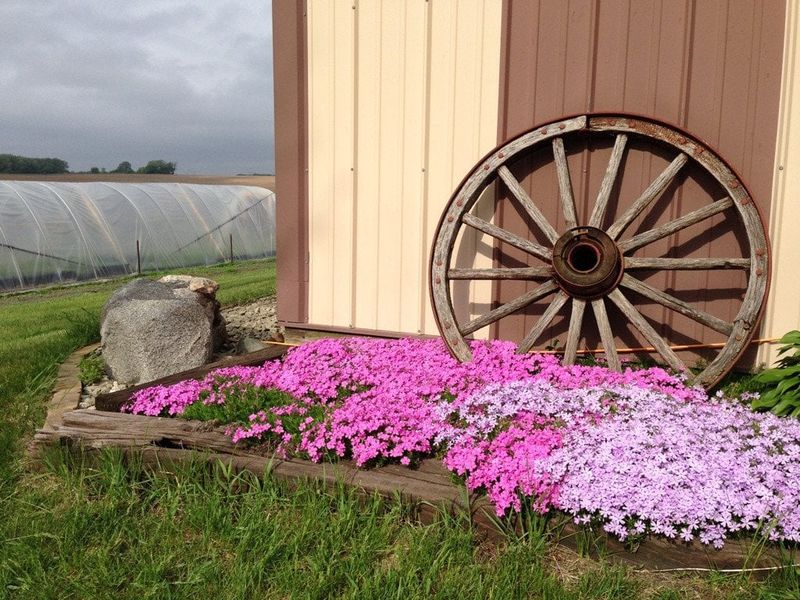
Few plants put on a springtime show quite like Creeping Phlox. When it blooms, it practically explodes with color, covering the ground in waves of pink, purple, or white flowers.
Oregon gardeners love it because it turns boring slopes and rock gardens into something truly eye-catching.
Creeping Phlox grows low to the ground and spreads slowly over time. It forms a dense mat that helps keep weeds from taking over, which means less work for you.
Plant it once, and it rewards you with stunning blooms every single spring without much fuss.
This plant prefers full sun and well-drained soil. Oregon’s western valleys offer ideal conditions, though it adapts well across different parts of the state.
After the blooms fade, the evergreen foliage stays green and attractive throughout the rest of the year.
Watering needs are minimal once the plant is established. It handles Oregon’s dry summers reasonably well, especially when planted in a spot with good drainage.
Your Oregon Garden Changes Every Week. Your Plan Should Too.
Gardening in Oregon changes quickly throughout the season. Every Friday you’ll receive a simple weekly plan showing exactly what to plant, prune, fertilize, harvest, and protect so you never miss the right timing.
A light trim after flowering can help keep it looking neat, but even skipping that step won’t hurt the plant much. For homeowners who want reliable color with almost zero effort, Creeping Phlox is a genuinely rewarding choice that keeps giving season after season.
3. Japanese Maple
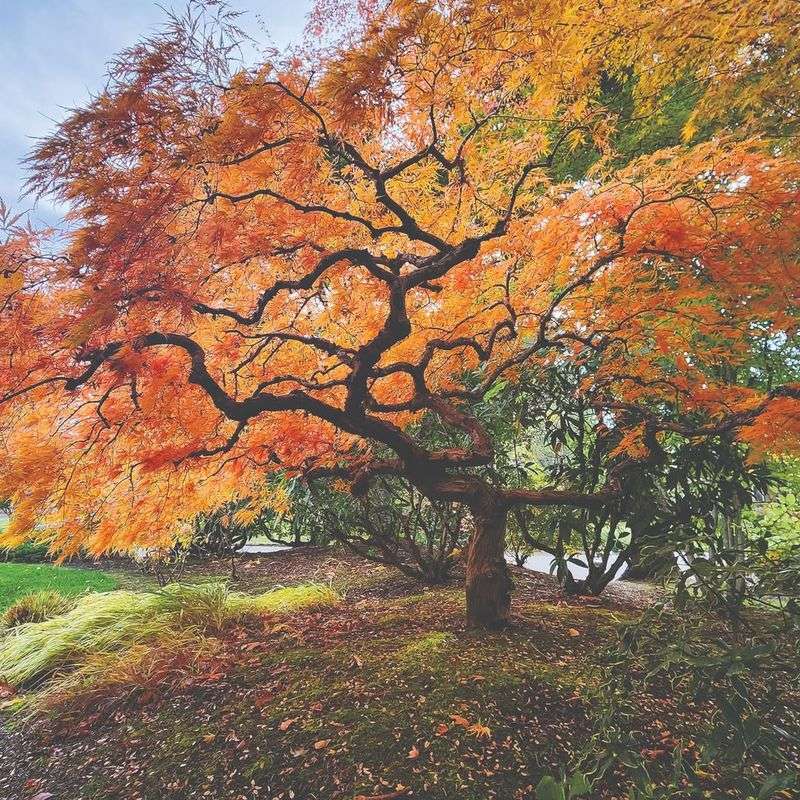
Imagine walking into your Oregon backyard and seeing a tree so beautiful it looks like it belongs in a painting. That’s exactly the kind of feeling a Japanese Maple delivers.
With its delicate, lacy leaves and stunning fall color, this tree is a true showstopper in any yard.
Japanese Maples grow slowly, which is actually a huge advantage for low-maintenance gardeners. Slow growth means less pruning, fewer problems, and a naturally elegant shape that develops over many years.
In Oregon’s mild, rainy climate, these trees settle in comfortably and thrive with very little extra care.
They prefer filtered light and well-drained soil. Planting them near a larger tree or structure that provides afternoon shade works really well, especially in warmer parts of Oregon like the Willamette Valley.
They don’t like having wet roots, so good drainage is key to keeping them healthy.
Fall is when Japanese Maples truly shine. Leaves turn brilliant shades of red, orange, and gold before dropping for winter.
Spring brings fresh new growth in soft greens or deep burgundy depending on the variety. Many Oregon homeowners consider this tree a long-term investment because it grows more beautiful with every passing year, adding real visual value to the landscape without demanding constant attention.
4. Oregon Grape
There’s something wonderfully fitting about a plant named after the state it calls home. Oregon Grape is a native evergreen shrub that has been thriving in Pacific Northwest landscapes long before anyone was planting formal gardens.
It’s tough, adaptable, and genuinely low-maintenance.
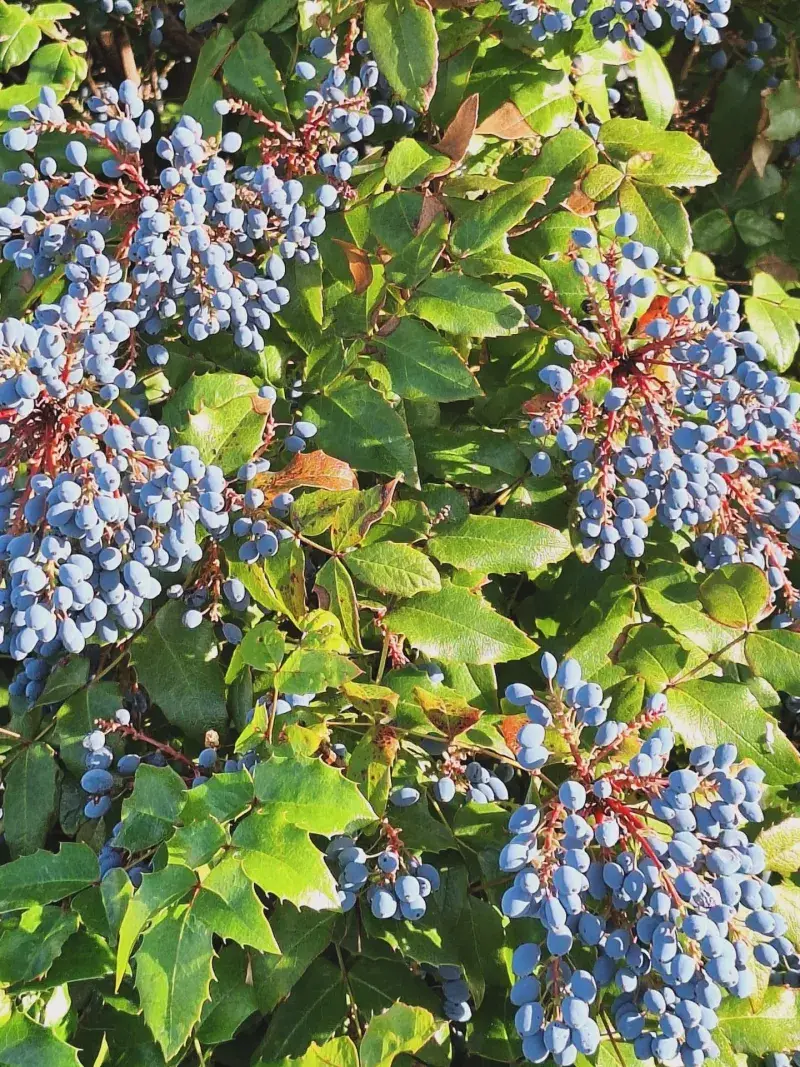
This shrub produces bright yellow flowers in early spring that attract pollinators like bees and butterflies. By summer, those flowers turn into clusters of blue-purple berries that birds find irresistible.
The glossy, holly-like leaves stay green year-round, giving your yard structure and color even in the middle of winter.
Oregon Grape handles shade really well, making it a great choice for spots under trees or along north-facing fences where other plants struggle. It tolerates dry conditions once established and rarely needs supplemental watering in most parts of Oregon.
That resilience makes it perfect for gardeners who don’t want to fuss over their plants.
Pruning is minimal and mostly optional. You might trim a few older stems every couple of years to encourage fresh growth, but the plant manages itself quite well otherwise.
Because it’s native to Oregon, it supports local wildlife and fits naturally into the regional ecosystem. For anyone wanting a plant that looks great, gives back to nature, and asks for almost nothing in return, Oregon Grape is a clear winner.
5. Mugo Pine
Not every yard needs a towering tree to make a statement. Sometimes a compact, sturdy shrub does the job even better.
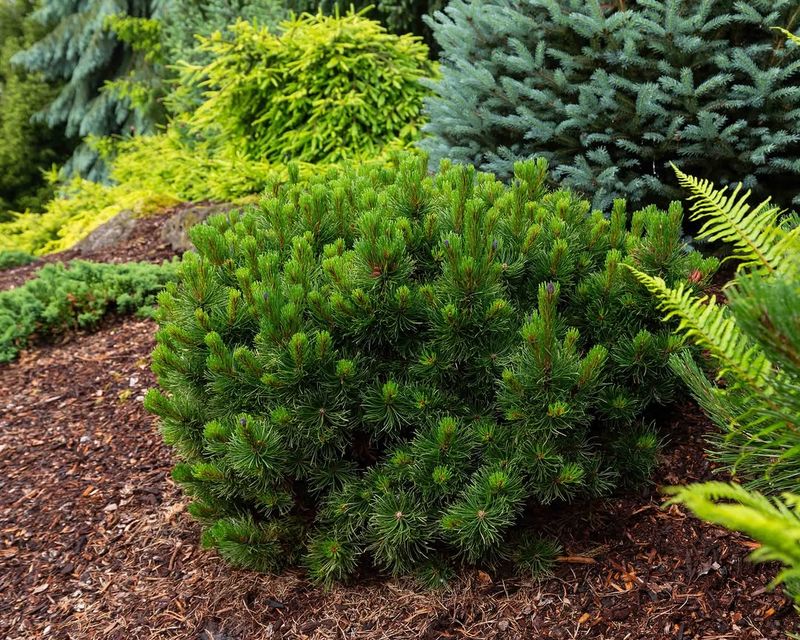
Mugo Pine is exactly that kind of plant. It stays low and rounded, growing so slowly that many gardeners go years without needing to touch it.
Originally from the mountains of Europe, Mugo Pine has found a happy home in Oregon yards. It handles the state’s wet winters and dry summers with ease.
The deep green needles stay vibrant all year, providing consistent color and texture no matter the season.
One of the most appealing things about this plant is its adaptability. It grows well in full sun and tolerates a variety of soil types, including the clay-heavy soils common in parts of the Willamette Valley.
It doesn’t need rich soil or frequent fertilizing to stay healthy and attractive.
Mugo Pine works beautifully as a foundation planting near homes, along pathways, or as an anchor in a mixed shrub border. Because it grows so slowly, it won’t outgrow its space and crowd out neighboring plants.
Watering needs are modest once it’s established, and it rarely suffers from serious pest problems. For Oregon homeowners who want a reliable, evergreen presence in the yard without constant upkeep, Mugo Pine is a solid and satisfying choice year after year.
6. Strawberry Tree
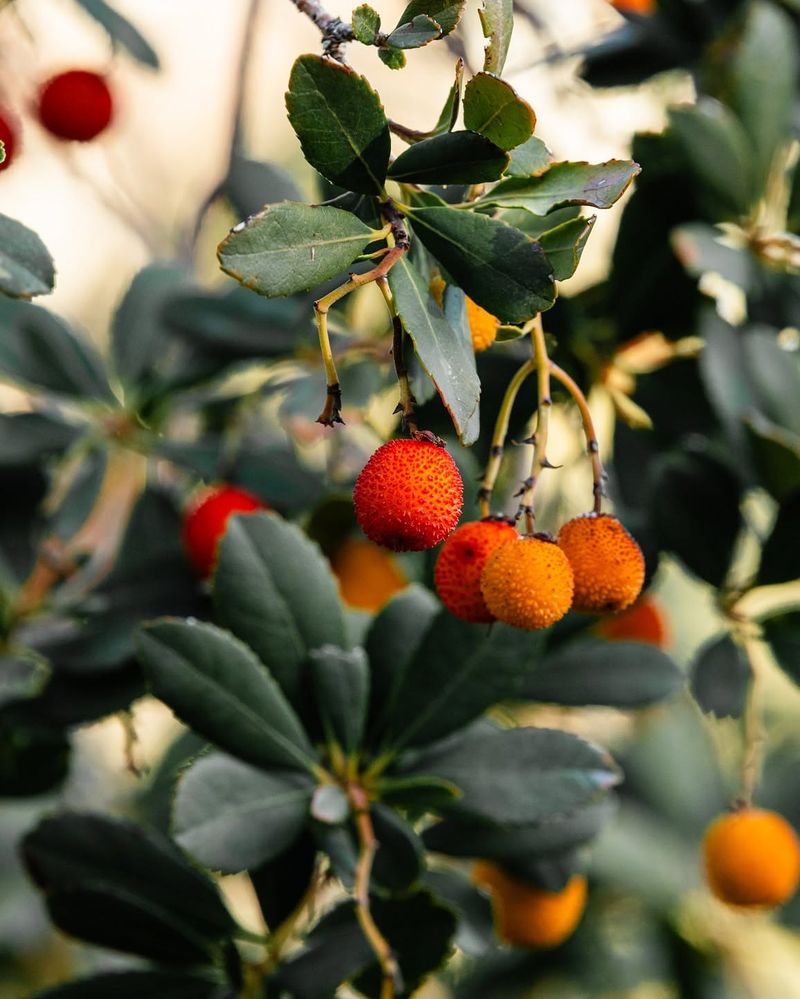
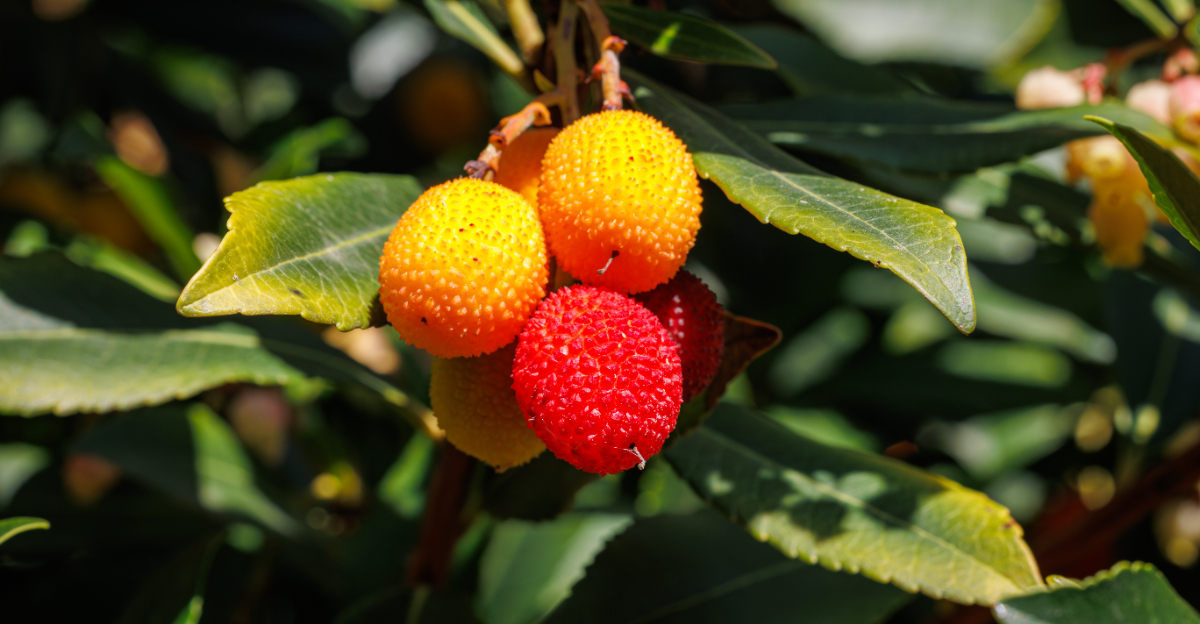
Here’s a fun plant fact: the Strawberry Tree produces flowers and fruits at the same time, which is rare and truly spectacular to see.
While the name might make you think of the garden fruit, this is actually an ornamental tree with small round red fruits that add a festive look to any Oregon yard.
Strawberry Tree grows slowly and stays at a manageable size, usually reaching about ten to fifteen feet over many years. It’s evergreen, so the glossy dark green leaves provide year-round structure and interest.
In Oregon’s mild coastal and western regions, it thrives particularly well because it loves moisture and mild temperatures.
The white, bell-shaped flowers appear in fall and winter, which is unusual for most flowering trees. That means your yard gets a pop of beauty during the quieter months when most other plants have gone dormant.
Birds and pollinators are drawn to both the flowers and the fruit.
Maintenance is refreshingly simple. Strawberry Tree rarely needs pruning, handles light shade or full sun, and doesn’t demand much water once it’s settled in.
It’s also relatively resistant to pests and diseases, which is always a welcome quality in a low-maintenance plant.
Oregon gardeners looking for something a little unexpected and visually interesting will find the Strawberry Tree to be a rewarding long-term addition to their landscape.
7. Madrone
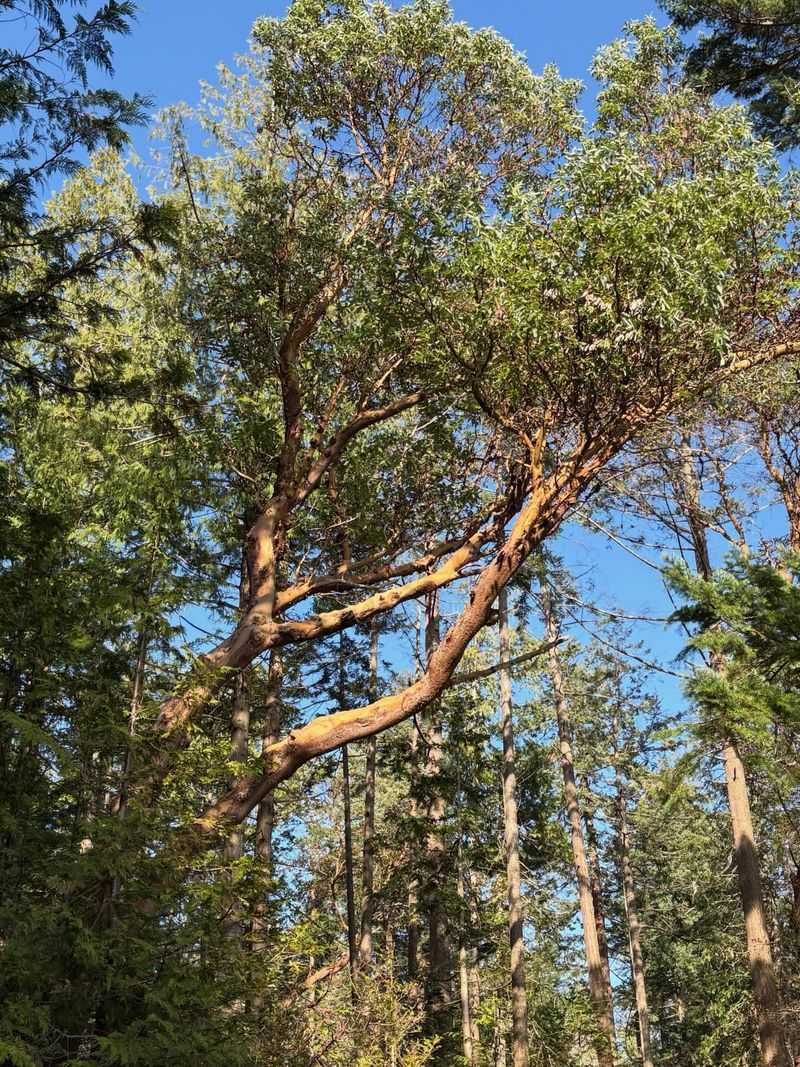
Few trees in the Pacific Northwest are as visually dramatic as the Madrone. Its smooth, peeling bark shifts from green to orange to deep red as it matures, creating a natural work of art right in your yard.
Oregon’s native Madrone is a slow grower that rewards patient gardeners with something truly spectacular.
Madrone is an evergreen tree that holds its glossy leaves all year long. In spring, it produces clusters of small white flowers that attract pollinators.
By fall, those flowers give way to clusters of bright red-orange berries that local wildlife absolutely enjoy. It’s a tree that supports the whole ecosystem.
Growing Madrone well in Oregon means giving it the right conditions from the start. It prefers well-drained, slightly acidic soil and full sun.
It does not like being overwatered or having its roots disturbed once it’s established, so picking the right spot before planting is important.
Because it grows slowly and doesn’t need frequent pruning, Madrone fits perfectly into a low-maintenance yard plan. It’s native to western Oregon and northern California, meaning it’s already perfectly adapted to the region’s climate patterns.
Once established, it handles dry summers without extra irrigation. For homeowners in Oregon who want a native tree with stunning visual appeal and minimal upkeep demands, the Madrone is one of the most rewarding plants you can choose for your landscape.