The 10 Plants That Grow Massive Flowers In Oregon Gardens
Oregon is essentially a giant greenhouse with the roof ripped off, and the local soil is practically begging to produce something spectacular.
If you are tired of squinting at tiny, delicate blossoms that disappear against the backdrop of a standard green hedge, it is time to think bigger.
We are talking about the kind of floral heavyweights that make neighbors stop their cars and stare in disbelief.
These botanical giants don’t just bloom; they take over the entire visual landscape with petals the size of dinner plates and colors that pop even through a week of classic gray drizzle.
Turning your backyard into a tropical-looking paradise doesn’t require a plane ticket or a professional landscaping crew. You just need the right anchors for your flower beds.
These massive bloomers thrive in our temperate climate, soaking up the moisture to fuel their high-speed growth. You can create a high-impact garden that feels like a prehistoric jungle right in the middle of a quiet residential street.
Let’s dive into the absolute best choices for anyone who believes that, when it comes to gardening, more is definitely more.
1. Hydrangea
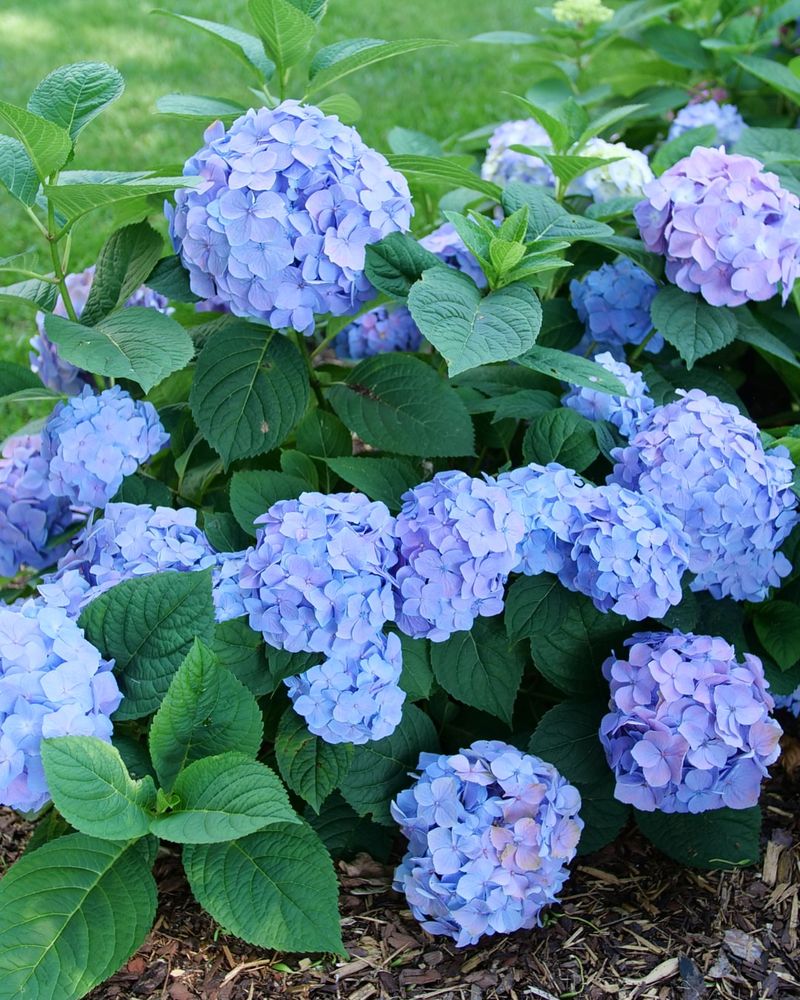
Few plants can match the sheer wow factor of a hydrangea in full bloom. Those massive, pom-pom shaped flower heads can grow as wide as a dinner plate, making them one of the most eye-catching shrubs you can plant in an Oregon garden.
The cool, moist climate that Oregon is known for suits hydrangeas perfectly, helping them produce those oversized blooms all summer long.
Hydrangeas come in several varieties, but the bigleaf hydrangea is especially popular in western Oregon. It loves partial shade and consistent moisture, both of which are easy to find in this region.
One fun thing about growing hydrangeas in Oregon is that your soil’s pH level can actually change the flower color. Acidic soil tends to produce blue blooms, while more alkaline soil pushes the flowers toward pink.
Plant hydrangeas in a spot with morning sun and afternoon shade for best results. Water them regularly, especially during dry summer spells.
Add a layer of mulch around the base to keep the soil moist and cool. With just a little care, your hydrangea will reward you with massive, colorful blooms year after year.
2. Rhododendron
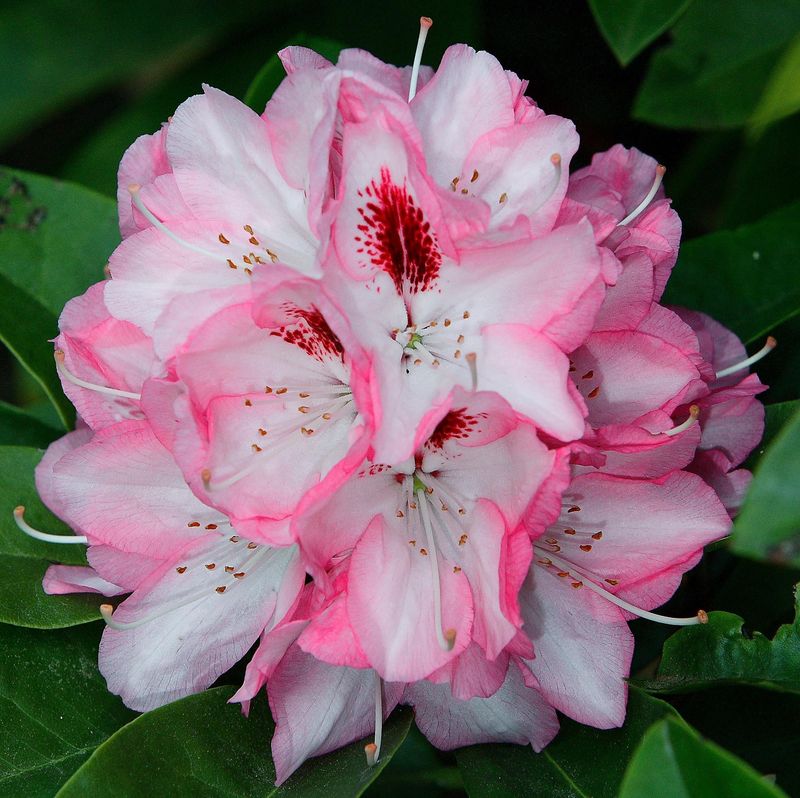
Walk through almost any neighborhood in Portland or Eugene in late spring, and you will spot rhododendrons stealing the show. Oregon is actually home to the Pacific Rhododendron, the state flower, which tells you just how well this plant belongs here.
The flower clusters can be enormous, sometimes stretching six inches or more across, and they come in shades of pink, purple, red, and white.
Rhododendrons thrive in Oregon’s naturally acidic soil, which gives them a big advantage over gardeners in other parts of the country. They prefer partial shade, making them ideal for planting under tall trees or along the north side of a house.
Once established, these shrubs are surprisingly low-maintenance. They do not need much fertilizer, and they can live for decades with the right conditions.
Your Oregon Garden Changes Every Week. Your Plan Should Too.
Gardening in Oregon changes quickly throughout the season. Every Friday you’ll receive a simple weekly plan showing exactly what to plant, prune, fertilize, harvest, and protect so you never miss the right timing.
When planting, make sure the soil drains well because soggy roots can cause serious problems. A raised bed or a slope works great.
Add some compost to the planting hole and mulch heavily around the base. Rhododendrons bloom best when they get a little morning sun and protection from harsh afternoon heat.
Oregon’s mild climate makes all of this very manageable for home gardeners.
3. Peony
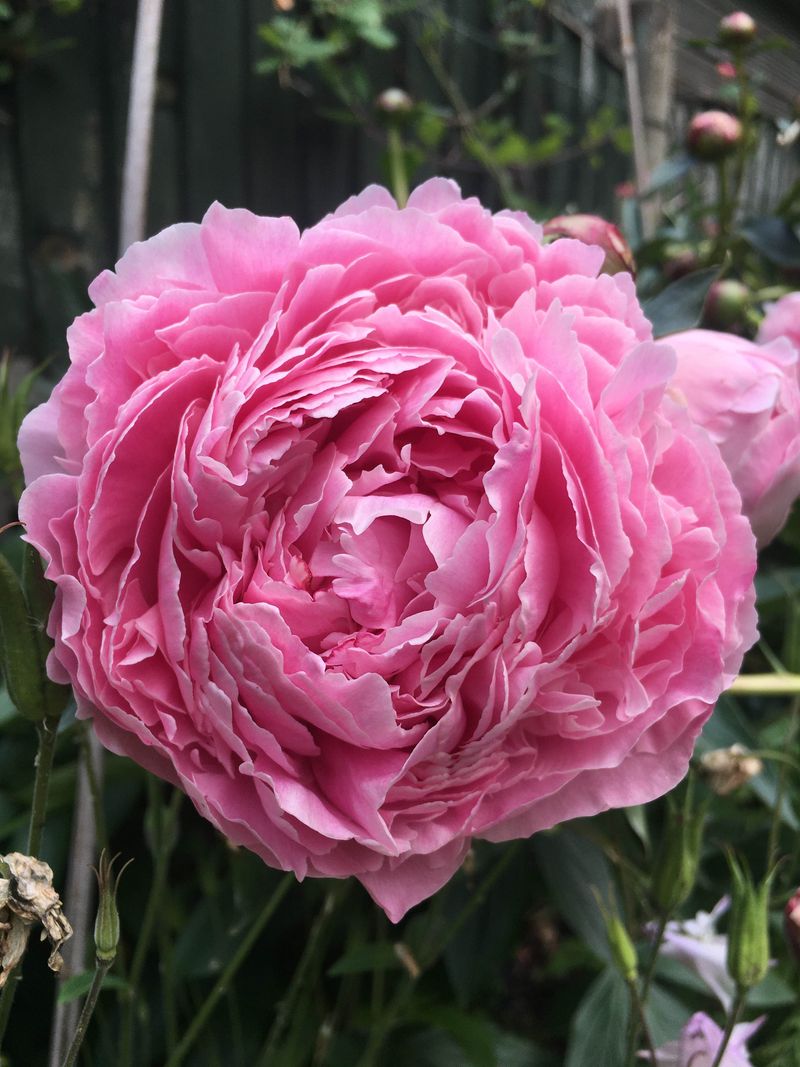
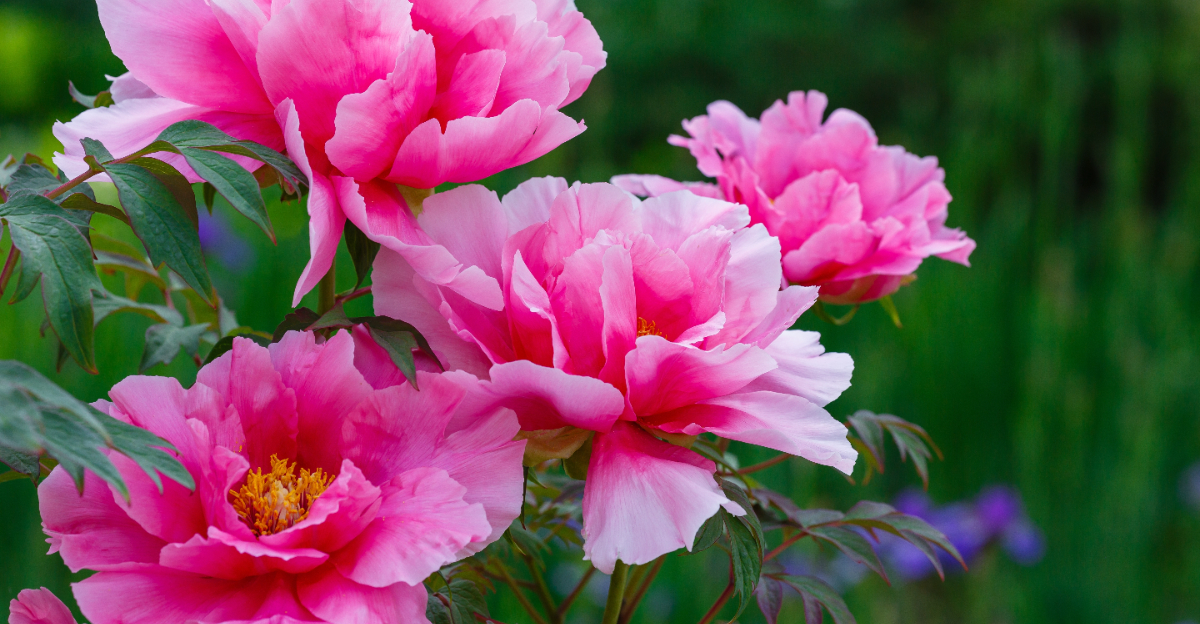
There is something almost magical about a peony in full bloom. The flowers are so full and fluffy that they look almost too beautiful to be real.
Peonies are a longtime favorite among Oregon gardeners, and for good reason. The Willamette Valley’s cool winters and warm summers create exactly the right conditions for peonies to produce their biggest, most spectacular blooms.
Peonies need a period of cold weather each winter to bloom well, and Oregon delivers that reliably. Plant them in a sunny spot with well-drained soil, and they will reward you for decades.
Seriously, a well-planted peony can bloom for 50 years or more without needing to be moved. That makes them one of the best long-term investments you can make in your Oregon garden.
One important tip is to plant the roots shallow. If you bury them too deep, the plant may grow lots of leaves but produce very few flowers.
The eyes, which are the little red buds on the root, should sit just one to two inches below the soil surface. Support the stems with a wire cage or stakes because the blooms can get so heavy that they flop over, especially after rain.
4. Dahlia
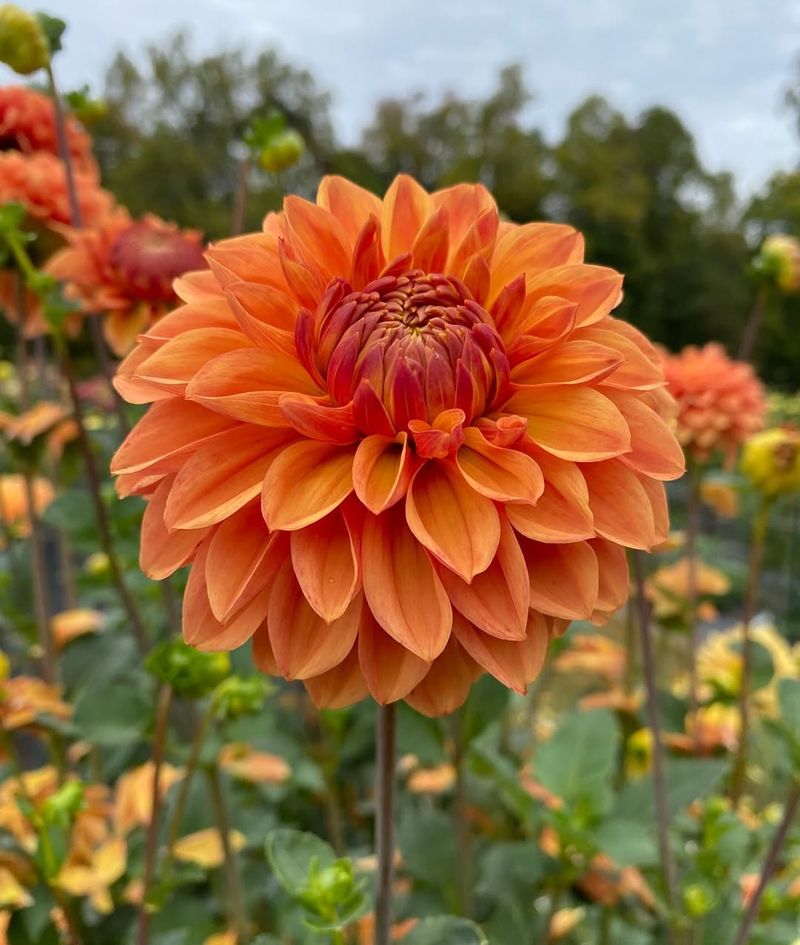
Oregon and dahlias go together like peanut butter and jelly. The state’s mild summers and consistent moisture make it one of the top dahlia-growing regions in the entire country.
In fact, the area around Canby, Oregon, is home to some of the largest dahlia farms in North America. Dinner plate dahlias, which are the biggest variety, can produce blooms that measure a foot across.
Yes, an entire foot.
Dahlias come in an almost unbelievable range of colors and shapes. You can find them in deep burgundy, bright orange, soft lavender, and everything in between.
They bloom from midsummer all the way through the first frost, giving Oregon gardeners months of color. Plant tubers in the spring after the last frost date, which is usually around mid-April in the Willamette Valley.
Choose a sunny spot with rich, well-drained soil. Dahlias are heavy feeders, so mix some compost or a balanced fertilizer into the soil before planting.
Tall varieties will need staking to keep them upright. Pinching the growing tips when the plant is young encourages more branching and more blooms.
With a little attention, dahlias will absolutely transform your Oregon garden into something spectacular.
5. Oriental Poppy
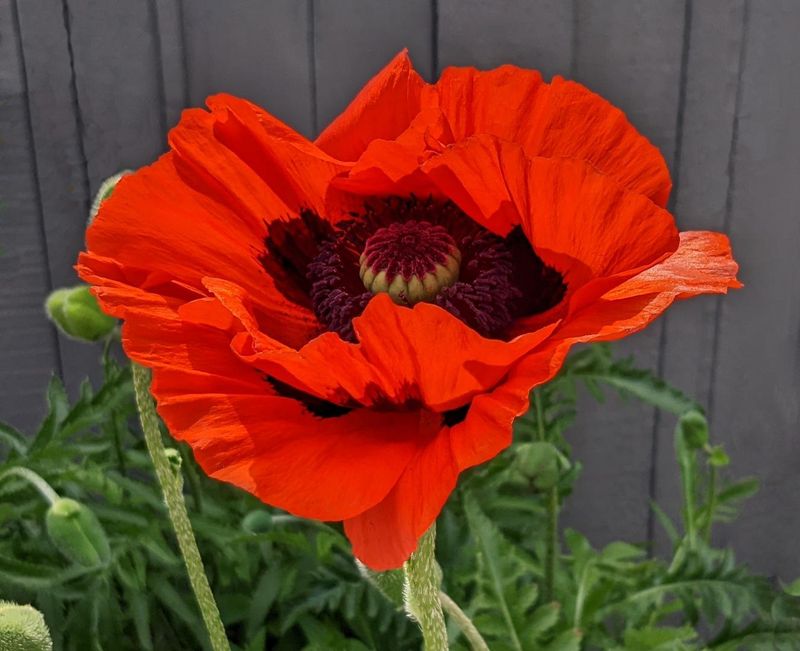
Imagine a flower so vivid and so large that it looks like it was painted by an artist rather than grown in the ground. That is exactly what an Oriental poppy looks like when it opens up in an Oregon garden.
The petals have a delicate, crepe-paper texture and come in shades of blazing orange, deep red, soft pink, and pure white. Each bloom can stretch five to six inches wide, making them one of the most dramatic flowers you can grow.
Oriental poppies are perennials, meaning they come back year after year without needing to be replanted. They bloom in late spring and early summer, then go dormant in the heat of midsummer.
Do not panic when the foliage yellows and disappears. The plant is just resting and will return with full force the following spring.
Plant something else nearby to fill the gap during the summer months.
Oregon’s cool springs are ideal for Oriental poppies. They prefer full sun and well-drained soil.
Once established, they are very drought-tolerant, which is handy during Oregon’s dry summers. Avoid overwatering in summer when the plant is dormant.
Divide clumps every few years in late summer to keep them vigorous and blooming at their absolute best.
6. Hibiscus
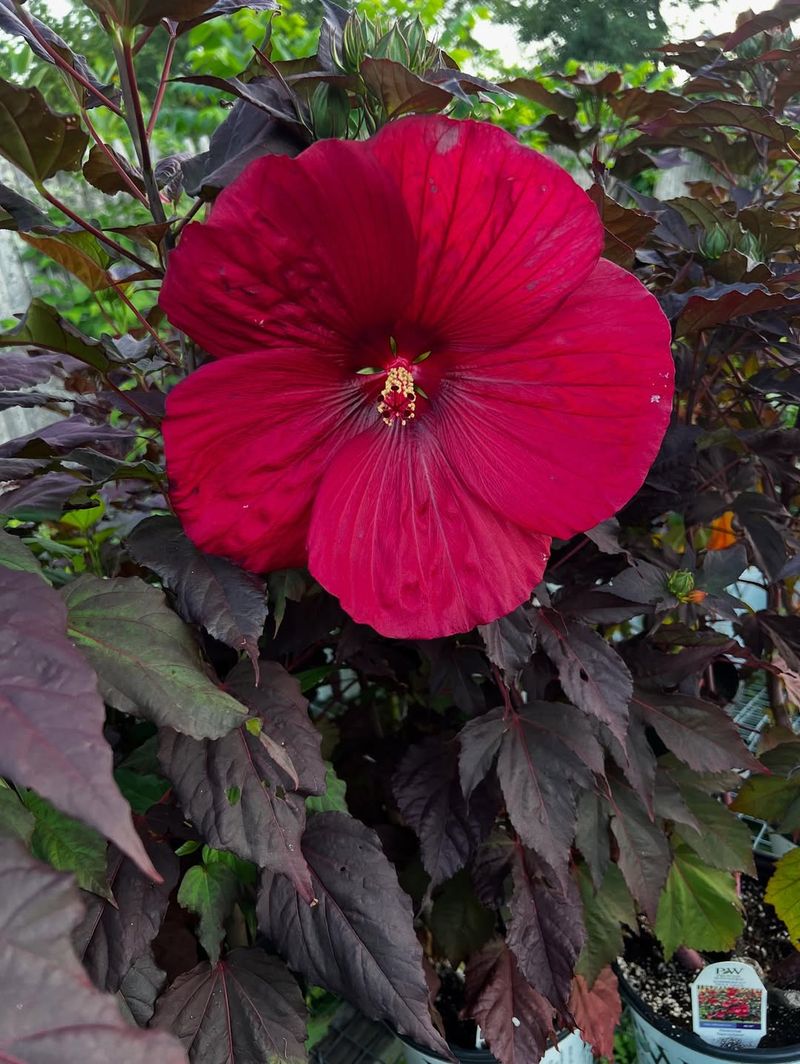
When most people think of hibiscus, they picture tropical beaches and warm climates. But hardy hibiscus varieties can absolutely thrive in Oregon gardens, and the flowers they produce are nothing short of stunning.
Hardy hibiscus blooms can reach up to 12 inches across, making them one of the largest flowers you can grow in the Pacific Northwest. The petals are wide, silky, and come in shades of red, pink, white, and bicolor combinations.
Hardy hibiscus is different from the tropical kind. It goes dormant in winter and comes back reliably each spring, even in cooler Oregon climates.
It prefers a sunny location with moist, rich soil. Planting it near a pond or water feature works especially well since it loves consistent moisture.
The blooms appear in midsummer and continue right through early fall, giving you a long season of color.
One thing to know is that hardy hibiscus is a slow starter in spring. Do not give up on it if other plants are already growing and your hibiscus looks like bare sticks.
It will emerge when it is ready, usually in late spring. Once it gets going, it grows fast and blooms heavily.
Mulching around the base helps protect the roots during Oregon’s occasional cold snaps.
7. Tree Peony
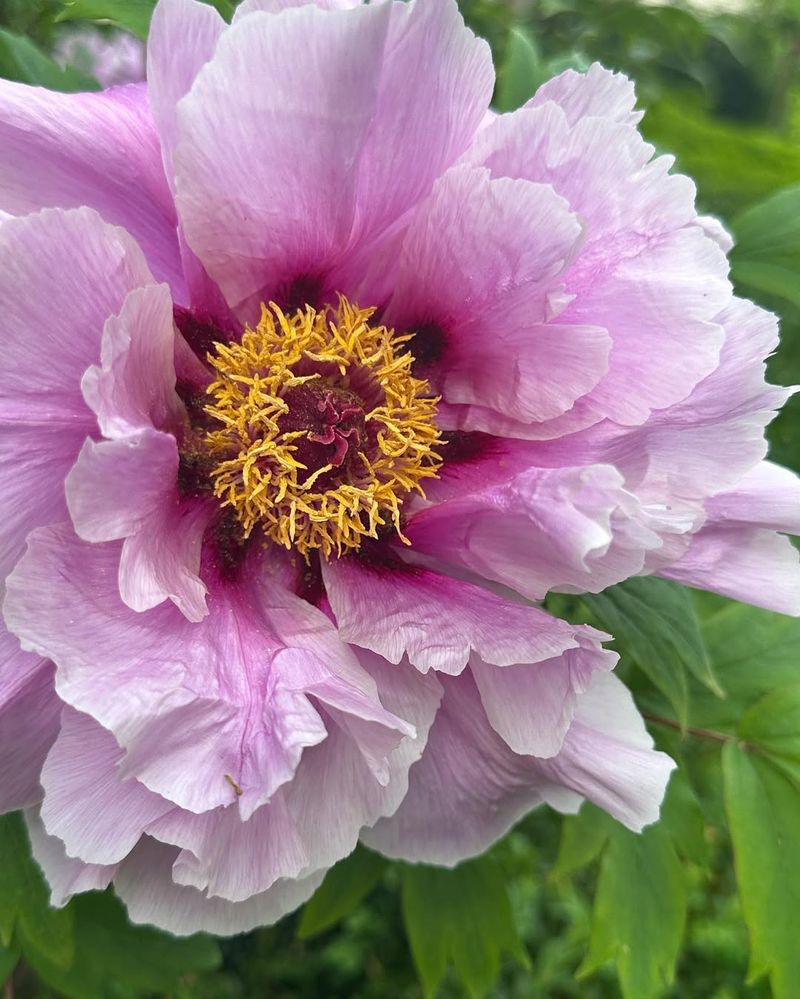
If regular peonies are impressive, tree peonies are absolutely breathtaking. Unlike their herbaceous cousins, tree peonies are woody shrubs that keep their branches year-round.
They bloom in mid-spring, often before most other plants have woken up, and the flowers are enormous. A single bloom can measure up to 12 inches across and may have dozens of delicate, ruffled petals layered on top of each other.
Oregon’s temperate climate is very well-suited to tree peonies. They prefer a spot with some protection from harsh afternoon sun, which helps the blooms last longer.
Morning sun and afternoon shade is the sweet spot. They are slower to establish than regular peonies and may take two or three years to bloom generously.
But once they settle in, they can live for a hundred years and grow into large, impressive shrubs.
Plant tree peonies in the fall if possible, giving the roots time to establish before spring. Use well-drained, slightly alkaline soil and avoid overwatering.
They do not like wet feet. A little bone meal worked into the planting hole gives them a great nutritional start.
Avoid moving them once planted since they resent disturbance. With patience, a tree peony becomes a true heirloom plant in any Oregon garden.
8. Canna Lily
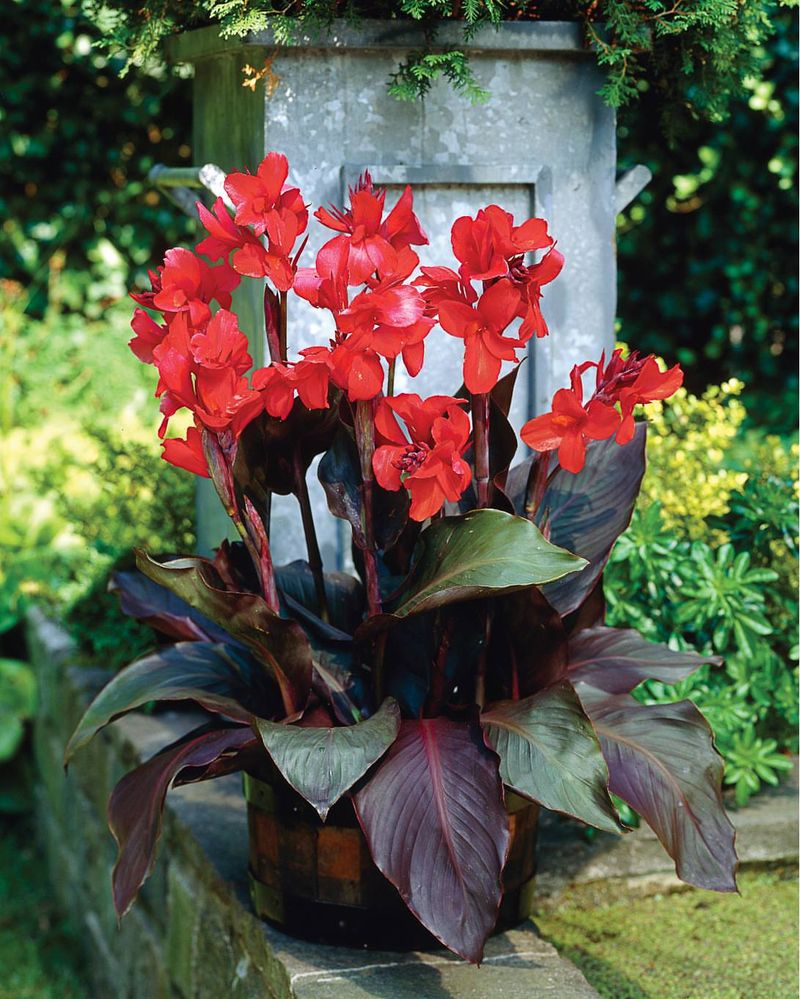
Want to give your Oregon garden a bold, tropical feel without leaving the Pacific Northwest? Canna lilies are your answer.
These dramatic plants grow fast and tall, sometimes reaching six feet or more in a single season. Their flowers are bright and showy, coming in shades of red, orange, yellow, and pink.
The blooms are held high above large, paddle-shaped leaves, creating a real statement in any garden bed or container.
Canna lilies love heat and sun, which means they thrive during Oregon’s warm summer months. Plant the rhizomes in spring after the last frost date, in a sunny spot with rich, moist soil.
They are big feeders, so adding compost and a slow-release fertilizer at planting time will really help them perform at their best. Water them consistently throughout the growing season.
In Oregon, canna rhizomes need to be dug up before the first hard frost in fall. Store them in a cool, dry place over winter, then replant them the following spring.
Some gardeners in milder parts of western Oregon leave them in the ground with a thick layer of mulch for protection. With their bold colors and tropical flair, cannas are guaranteed to make your Oregon garden look like something extraordinary.
9. Bearded Iris
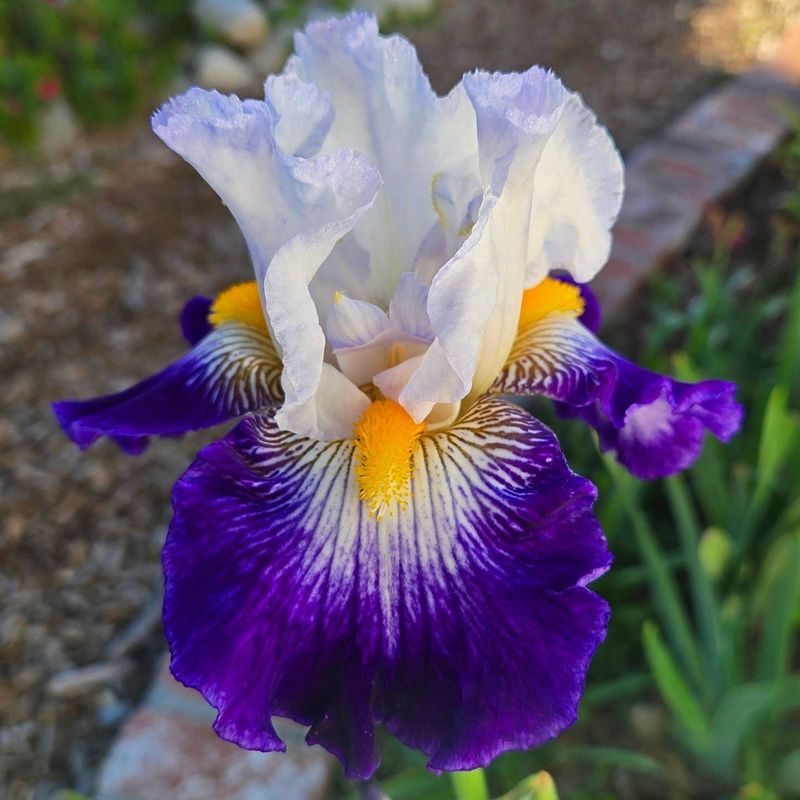
Bearded irises have a kind of old-fashioned elegance that never goes out of style. The blooms are layered and ruffled, with a velvety texture that catches the light beautifully.
Tall bearded iris varieties can produce flowers that are four to five inches wide, and the color range is absolutely remarkable. You can find them in nearly every color imaginable, from deep purple and midnight blue to peachy orange and pure white.
Oregon’s climate is excellent for bearded irises, particularly in the Willamette Valley and southern Oregon. They love full sun and very well-drained soil.
In fact, too much moisture around the rhizomes is one of the most common problems. Plant the rhizomes so the tops are just barely exposed above the soil surface.
This helps them soak up warmth from the sun, which encourages better blooming.
Bearded irises bloom in late spring, usually from May into June in most parts of Oregon. After blooming, the foliage remains attractive throughout summer.
Divide clumps every three to four years to prevent overcrowding, which reduces bloom quality. Replant the healthiest outer sections and discard the old center portions.
Bearded irises are long-lived, low-maintenance plants that add serious elegance to any Oregon garden border or flower bed.
10. Magnolia
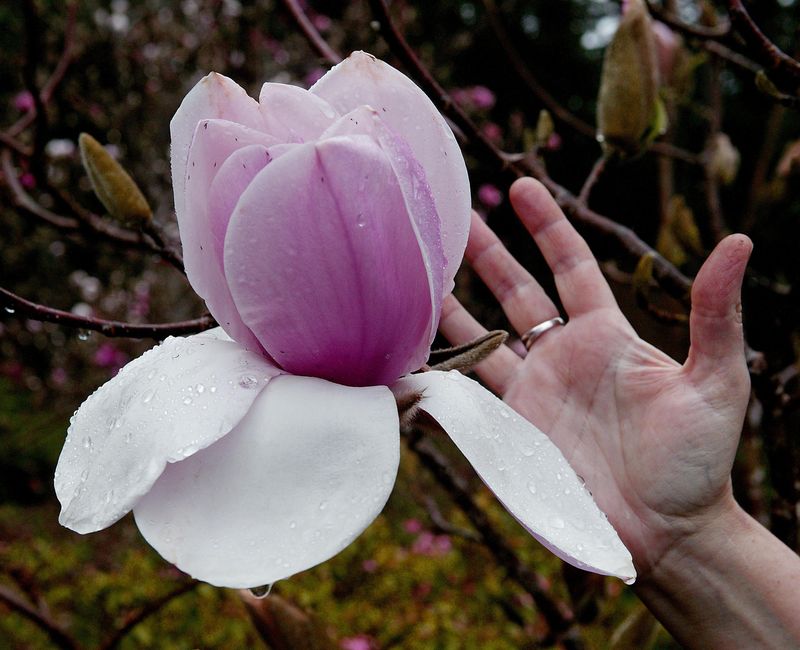
Nothing signals the arrival of spring in Oregon quite like a magnolia tree bursting into bloom. Before a single leaf appears, the bare branches erupt in enormous, tulip-shaped flowers that can be four to ten inches wide.
Saucer magnolias are especially popular in Oregon neighborhoods, and it is easy to see why. The pink and white blooms are so abundant and so large that the whole tree looks like one giant bouquet.
Oregon’s mild, moist springs are perfectly suited to magnolias. The cool temperatures help the blooms last longer than they would in hotter climates.
Magnolias prefer a spot with full sun to partial shade and moist, well-drained, slightly acidic soil. Once established, they are fairly low-maintenance.
Young trees benefit from regular watering during their first couple of years, but mature magnolias are quite resilient.
One thing to keep in mind is that magnolia blooms can be damaged by late frosts, which do occasionally happen in Oregon in early spring. Planting your magnolia in a sheltered spot, such as near a south-facing wall or fence, offers some protection.
Magnolias are slow-growing but incredibly long-lived. Planting one is truly an investment in your garden’s future, and the reward is one of the most spectacular flower displays Oregon has to offer.