What To Plant In April For A Thriving North Carolina Vegetable Garden
April is when a North Carolina vegetable garden can really start to take shape. The weather begins to warm, the soil is easier to work with, and planting season feels full of possibility.
This is the month when many favorite crops can finally go into the ground and get a strong start. Cool season vegetables may still have time to grow, while warm season picks begin calling for space in the garden.
That mix makes April one of the most important months for planting. A few smart choices now can lead to weeks of fresh harvests later.
For many gardeners, this is when the backyard stops being a plan and starts becoming something real. The right vegetables planted at the right time can grow fast, stay healthy, and set the stage for a garden that keeps producing well into the season.
1. Tomatoes (Transplants)
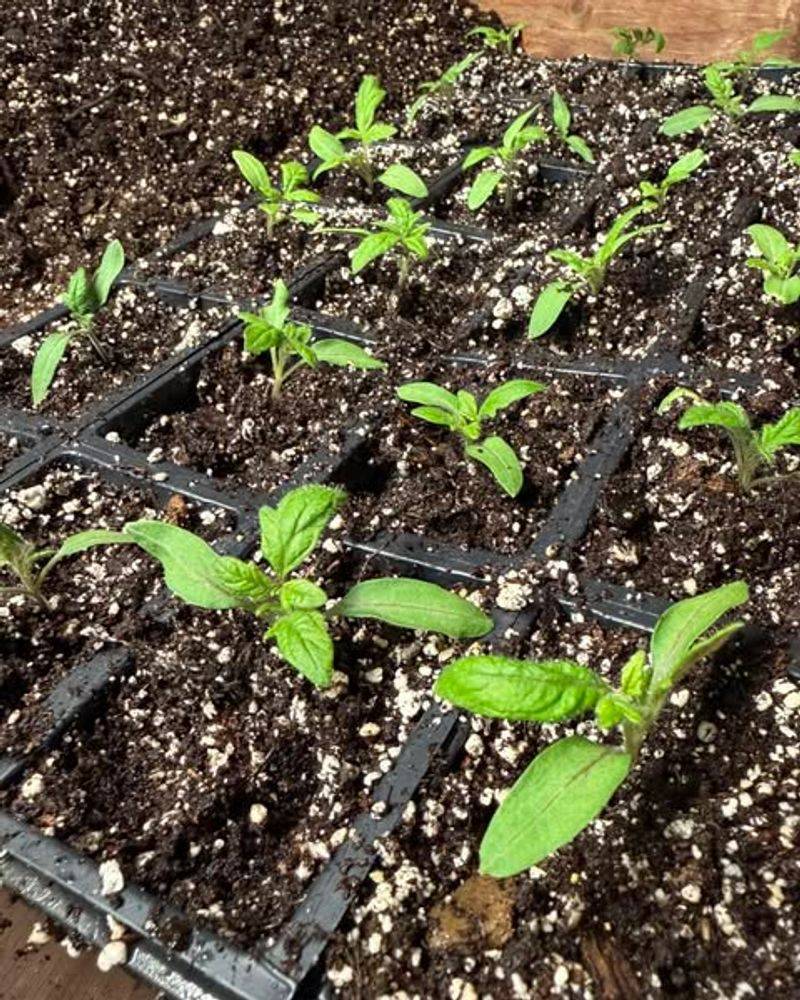
Few things feel as rewarding as biting into a homegrown tomato you planted yourself. In North Carolina, April is prime time to get tomato transplants in the ground, especially in the coastal plain and Piedmont regions where mid to late April brings reliably warmer conditions.
Tomatoes (Solanum lycopersicum) are warm-season crops that need soil temperatures above 60°F to really take off, so timing matters a lot here.
Full sun is non-negotiable for tomatoes. You want a spot in your garden that gets at least six to eight hours of direct sunlight every single day.
Rich, well-draining soil packed with organic matter gives your tomato plants the best possible start, especially in North Carolina’s clay-heavy Piedmont soils.
Consistent watering is one of the biggest keys to success with tomatoes. Irregular moisture leads to problems like blossom end rot and cracked fruit, which nobody wants after all that hard work.
Water deeply two to three times per week and use mulch around the base to hold moisture in and keep weeds down. Mountain gardeners in North Carolina should wait until late April or early May to avoid any surprise late frost.
Stake or cage your plants early so the roots are not disturbed later as the plants grow tall and heavy with fruit throughout the season.
2. Peppers
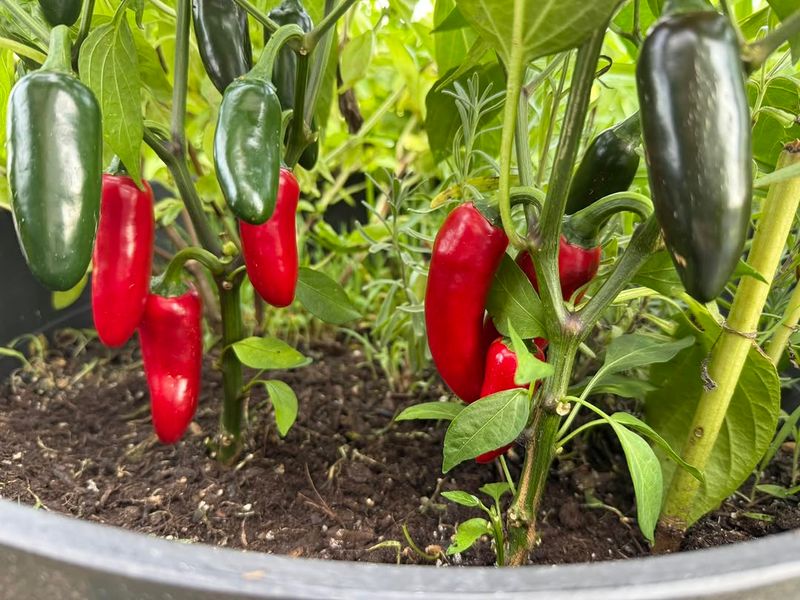
Peppers are the kind of plant that rewards patience. They are slow to get going, but once the heat of a North Carolina summer kicks in, they absolutely explode with color and flavor.
Peppers (Capsicum annuum) are heat-lovers through and through, and planting them in mid to late April in the Piedmont and coastal areas gives them the warm start they need to perform at their best.
One thing many gardeners overlook is nighttime temperature. Peppers really struggle when nights dip below 50°F, and cold soil can stunt their growth for weeks.
Waiting until conditions are consistently warm pays off big time, especially if you are growing in the higher elevations of western North Carolina where temperatures can still drop sharply after dark in early spring.
Choose a planting spot with full sun and amend your soil with compost before setting your transplants in. Peppers prefer slightly acidic soil with a pH between 6.0 and 6.8, which is easy to achieve across much of North Carolina with a little preparation.
Your North Carolina Garden Changes Every Week. Your Plan Should Too.
Gardening in North Carolina changes quickly throughout the season. Every Friday you’ll receive a simple weekly plan showing exactly what to plant, prune, fertilize, harvest, and protect so you never miss the right timing.
Space your plants about 18 inches apart to allow good airflow and reduce the risk of fungal issues in the humid summer ahead. Water regularly but avoid overwatering, since soggy roots can cause serious problems.
Whether you grow sweet bell peppers or fiery hot varieties, April is your window to get them started strong.
3. Cucumbers
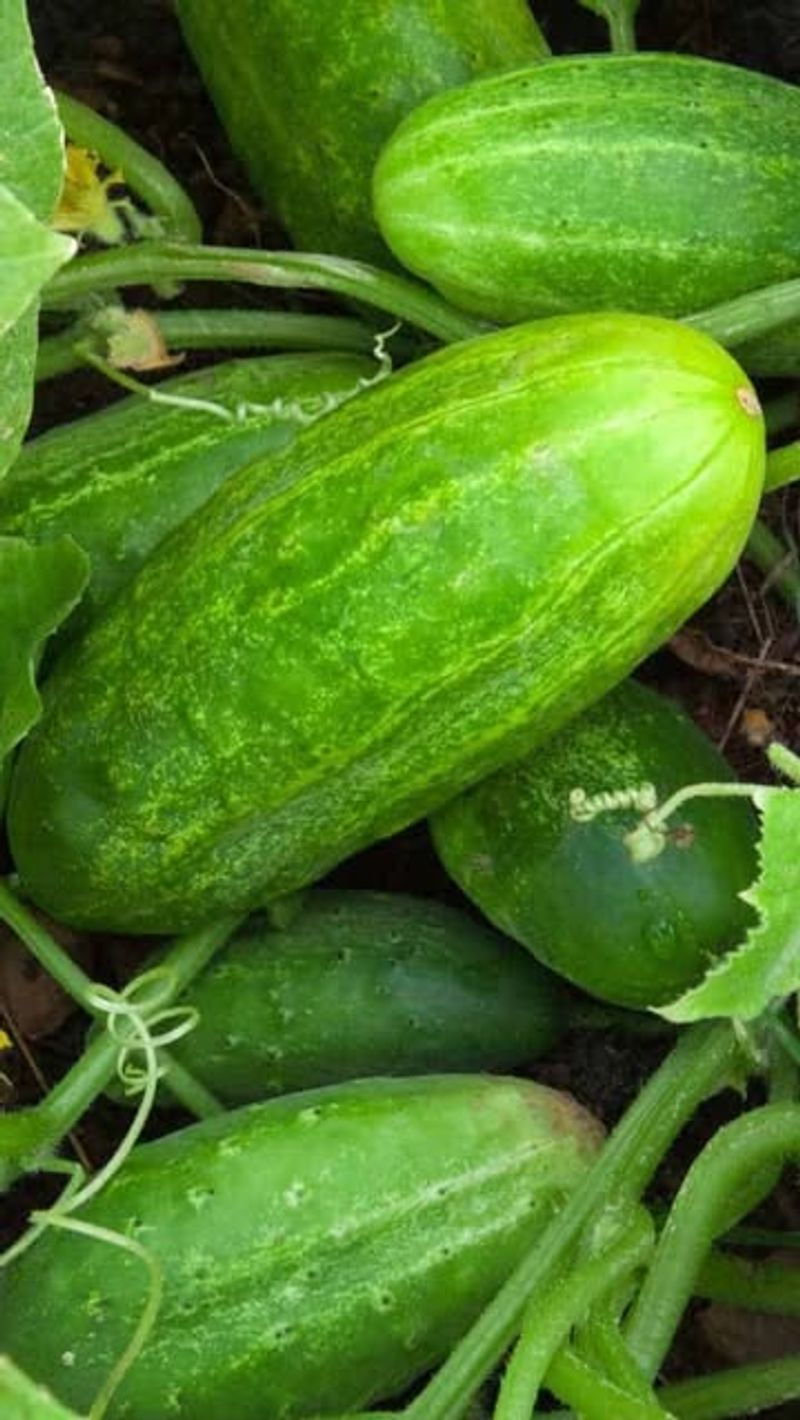
Cucumbers grow fast, produce generously, and taste incredible fresh off the vine. There is a real sense of momentum that comes with growing cucumbers in North Carolina, because once they get going, there is no slowing them down.
April is the ideal month to direct sow or transplant cucumbers (Cucumis sativus) across most of the state, as long as the soil has warmed to at least 60°F and frost is no longer a concern.
One smart move every NC gardener should consider is trellising their cucumbers. Growing them vertically saves a huge amount of garden space, improves air circulation, and makes harvesting much easier.
A simple wooden trellis or wire fence works perfectly, and the vines will climb quickly once they find something to grab onto. Coastal and Piedmont gardeners can typically get cucumbers in the ground by mid-April without any worry.
Cucumbers are thirsty plants that need consistent moisture, especially once flowering begins. Uneven watering leads to bitter-tasting fruit, so keeping the soil evenly moist is really important throughout the growing season.
Full sun is essential, and sandy or loamy soil that drains well suits cucumbers better than heavy clay. If your North Carolina garden has dense clay soil, mix in compost to loosen it up before planting.
With the right care, you can expect your first harvest in as little as 50 to 60 days from planting.
4. Summer Squash
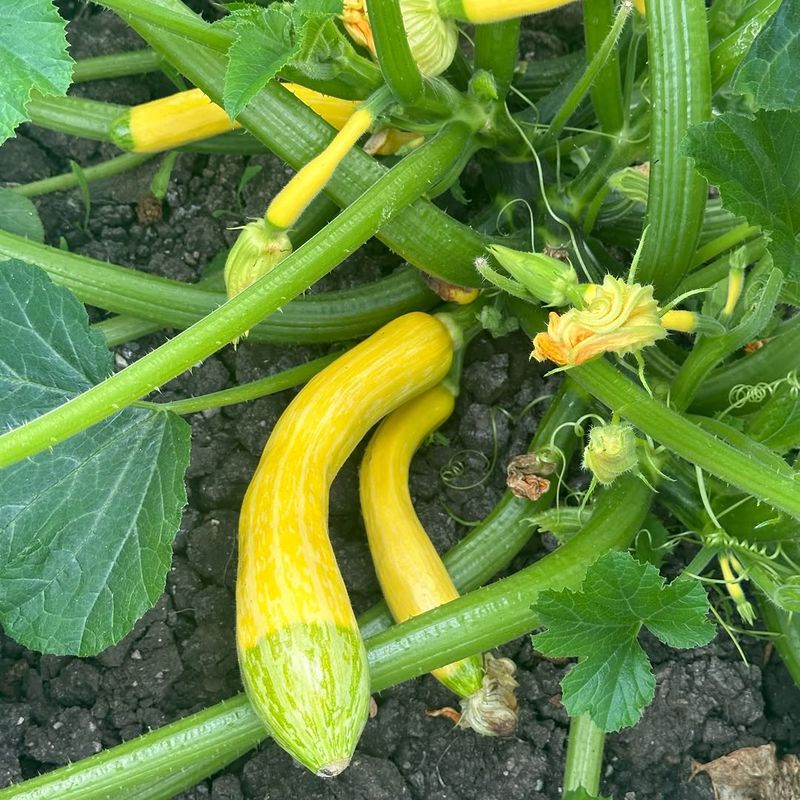
Summer squash might just be the most productive plant you can put in a North Carolina garden. Plant a few seeds in April and you will be harvesting more zucchini and yellow squash than you know what to do with by June.
Summer squash (Cucurbita pepo) is one of the easiest warm-season vegetables to grow, and it thrives in the long, warm growing season that North Carolina offers across the Piedmont and coastal regions.
Squash seeds germinate best when soil temperatures are around 70°F or warmer. Planting too early in cold soil means the seeds just sit there and wait, which wastes valuable time in the season.
Mid-April is generally a safe window for most of the state, though mountain gardeners should hold off until late April or even early May to be safe.
Give your squash plants plenty of room to spread out since the leaves get large and the vines need space to grow without crowding. Each plant should have about 24 to 36 inches of space around it.
Full sun and fertile, well-drained soil produce the best results, and a layer of compost worked into the bed before planting makes a noticeable difference. Harvest your squash when they are young and tender, usually around six to eight inches long, for the best flavor.
Letting them grow too large makes the texture tough and the seeds hard.
5. Green Beans
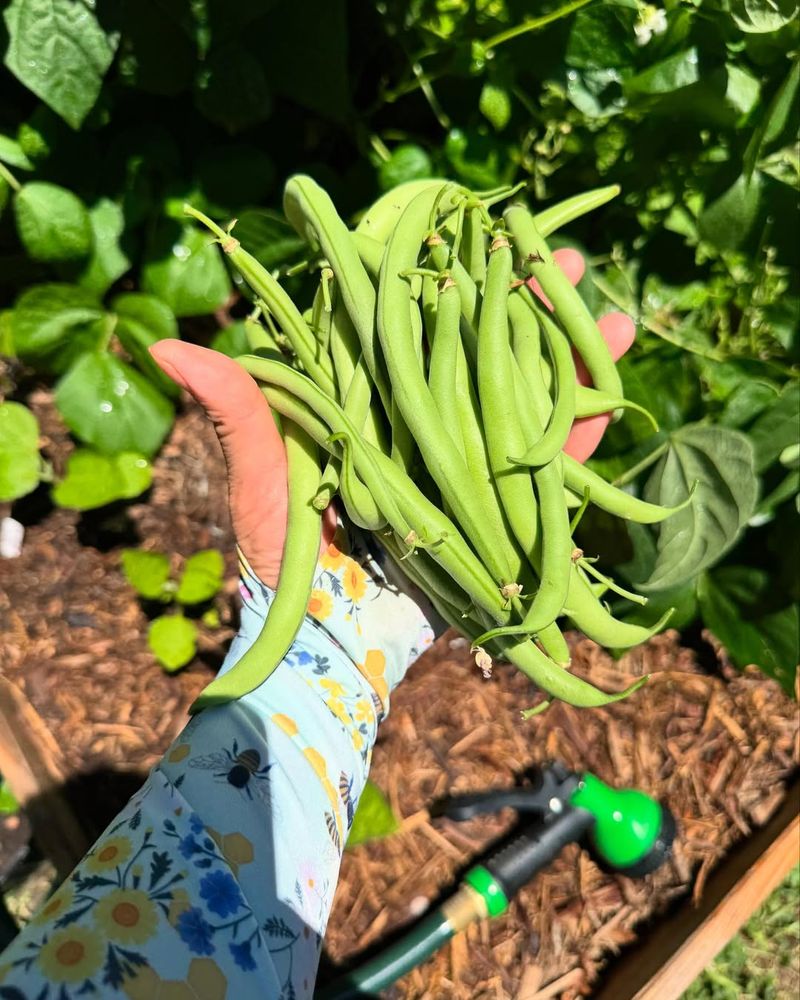
Green beans are a staple of Southern home gardens, and for very good reason. They are reliable, productive, and incredibly satisfying to grow.
In North Carolina, April is the perfect month to direct sow green beans (Phaseolus vulgaris) once soil temperatures reach around 60°F. They germinate quickly in warm soil and do not require transplanting, which makes them one of the simplest crops to get started in spring.
Bush bean varieties are great for smaller gardens since they stay compact and do not need support. Pole beans, on the other hand, climb enthusiastically and produce over a longer period, which is a big advantage if you want a steady harvest throughout the summer.
Both types do well across North Carolina, from the coastal plain all the way up through the Piedmont.
Green beans prefer full sun and loose, well-drained soil with a slightly acidic pH around 6.0 to 6.8. One important thing to remember is that green beans do not like having their roots disturbed, so direct sowing right into the garden bed is always the better choice over transplanting.
Plant seeds about one inch deep and two to three inches apart in rows. Thin them out as they sprout to avoid overcrowding.
With the warm temperatures North Carolina delivers starting in April, you can expect to be picking fresh green beans in as little as 50 to 55 days from planting. Few harvests feel more rewarding.
6. Sweet Corn
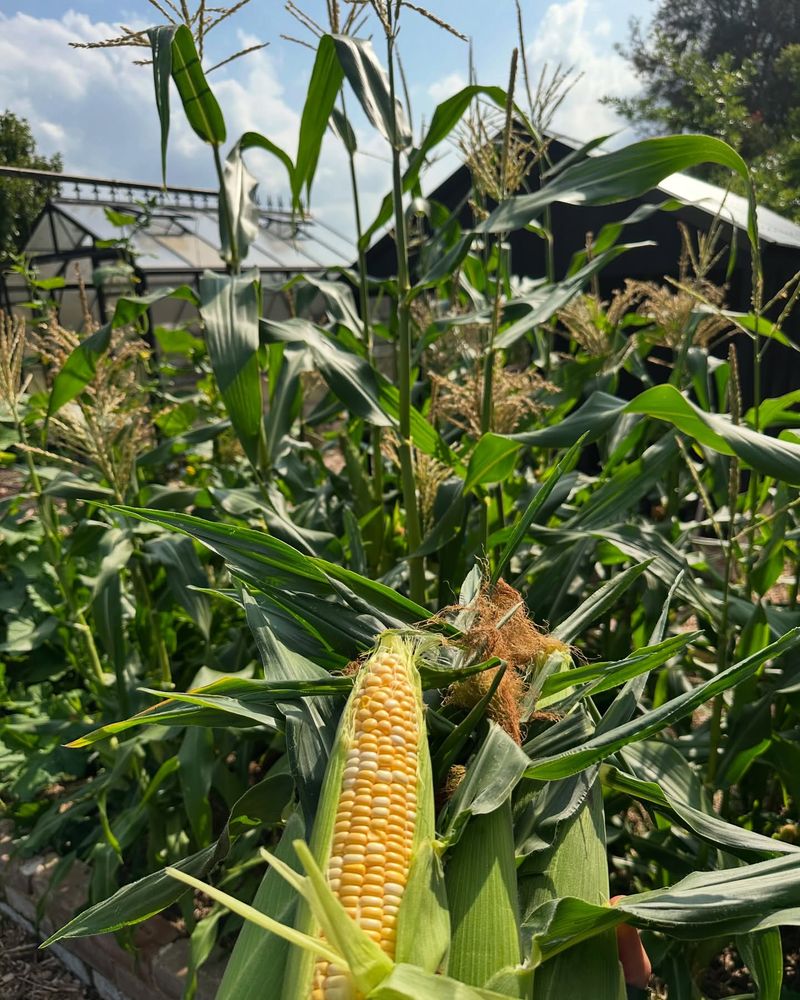
Sweet corn has a way of turning any backyard garden into something that feels like a real farm. There is nothing quite like pulling back the husk on an ear you grew yourself and finding rows of plump, sweet kernels.
In North Carolina, mid to late April is the right time to plant sweet corn (Zea mays) once the soil has warmed to at least 60°F and nighttime temperatures stay consistently above 50°F.
Here is a tip that makes a huge difference with corn: always plant in blocks rather than single long rows. Corn is pollinated by wind, and the pollen from the tassels at the top needs to fall down onto the silks below.
Planting in a grid pattern, like four rows of four plants, ensures much better pollination and fuller ears compared to planting in just one or two long rows.
Corn is a heavy feeder and needs nitrogen-rich soil to grow well. Working compost or a balanced fertilizer into your garden bed before planting sets your crop up for success.
Space seeds about 9 to 12 inches apart in rows that are 30 to 36 inches apart. Full sun is absolutely essential since corn stalks can reach six to eight feet tall and shade anything nearby.
Piedmont and coastal North Carolina gardeners can typically get a solid first planting in by mid-April, with a second succession planting two to three weeks later for a longer harvest window.
7. Okra
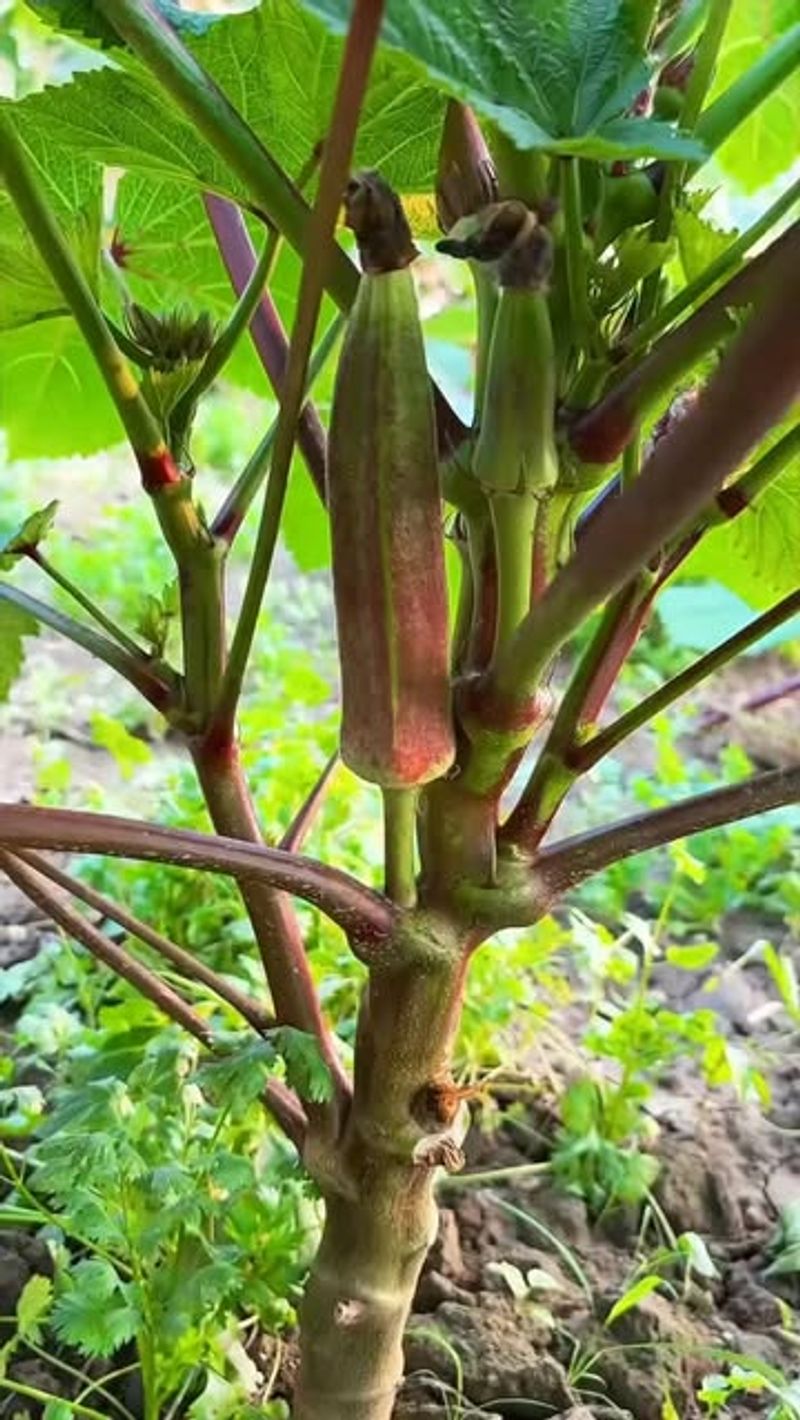
Okra is practically built for North Carolina summers. It loves heat, tolerates humidity, and keeps producing pods all the way through the hottest months of the year when other crops start to slow down.
Okra (Abelmoschus esculentus) should be planted in late April across most of North Carolina, giving the soil time to warm to at least 65°F, which is what this tropical vegetable really needs to germinate and grow strong.
Coastal and Piedmont gardeners have a natural advantage with okra since their regions warm up faster in spring. The long, hot summers in these parts of North Carolina are almost perfectly suited to growing big, productive okra plants that can reach four to six feet tall by midsummer.
Mountain gardeners should wait until the very end of April or early May before planting to be safe.
Soak okra seeds overnight before planting to soften the hard seed coat and speed up germination. Plant seeds about half an inch to one inch deep and space them 12 to 18 inches apart in rows.
Full sun is a must, and okra is actually more drought-tolerant than most garden vegetables once it gets established, which is a real bonus during dry stretches in summer. Harvest pods when they are two to four inches long for the best texture and flavor.
Waiting too long makes the pods woody and tough, so check your plants every two to three days once production starts.
8. Eggplant
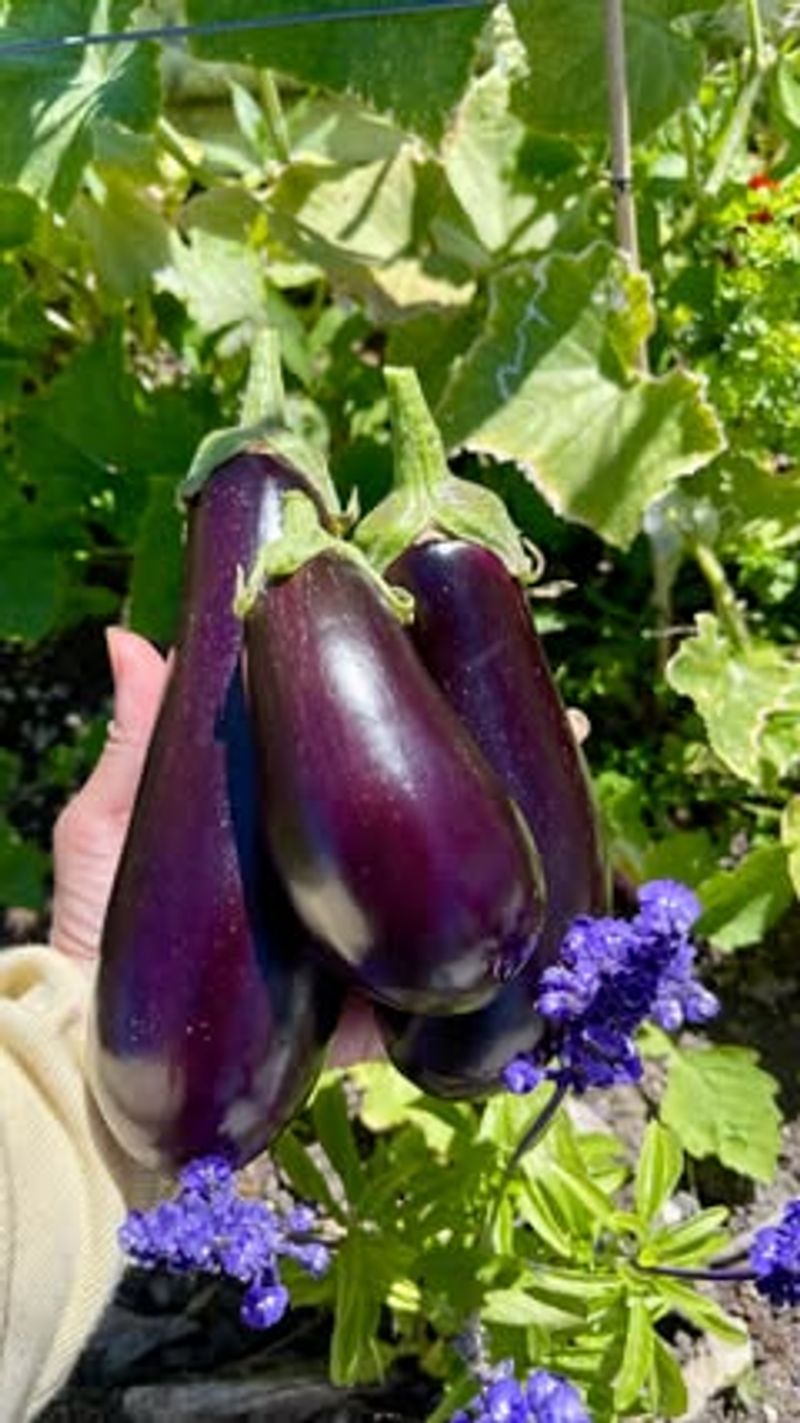
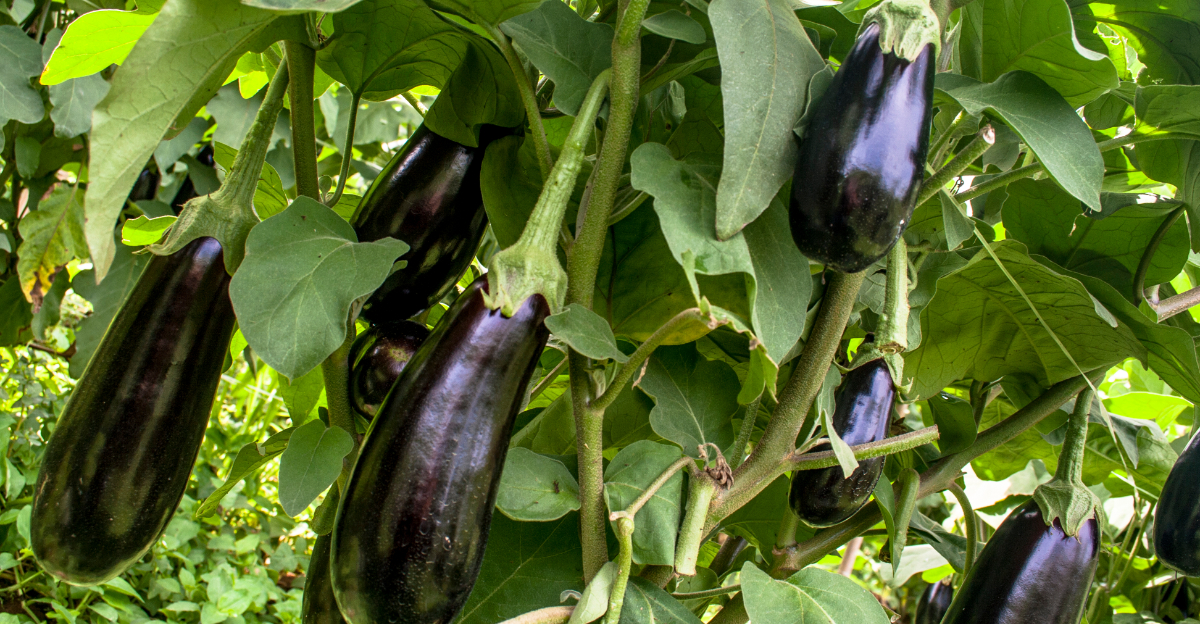
Eggplant is one of those vegetables that looks stunning in the garden and tastes even better on the plate. Rich purple, glossy, and full of flavor, eggplant (Solanum melongena) is a warm-season crop that thrives in the heat and sunshine North Carolina delivers in abundance.
Late April is the right time to transplant eggplant seedlings outdoors across most of the state, once nighttime temperatures are reliably above 55°F and the soil has warmed through.
Eggplant is closely related to tomatoes and peppers, and it has similar needs in terms of growing conditions. Full sun for at least six to eight hours a day, rich and well-drained soil, and consistent moisture are the three pillars of a successful eggplant crop.
Starting with strong transplants rather than direct-seeding gives you a big head start, since eggplant has a long growing season that benefits from every week of warmth North Carolina can offer.
Space your eggplant transplants about 18 to 24 inches apart to give each plant room to bush out and produce multiple fruits. A stake or small cage can help support the plant once it starts setting fruit, as the weight of the eggplants can cause branches to droop or snap.
Mulching around the base keeps the soil moist and warm, which eggplant absolutely loves. With proper care and the right timing in North Carolina, you can expect your first harvest of beautiful, glossy eggplants by midsummer.