How To Properly Prune Louisiana Hibiscus For Massive Blooms
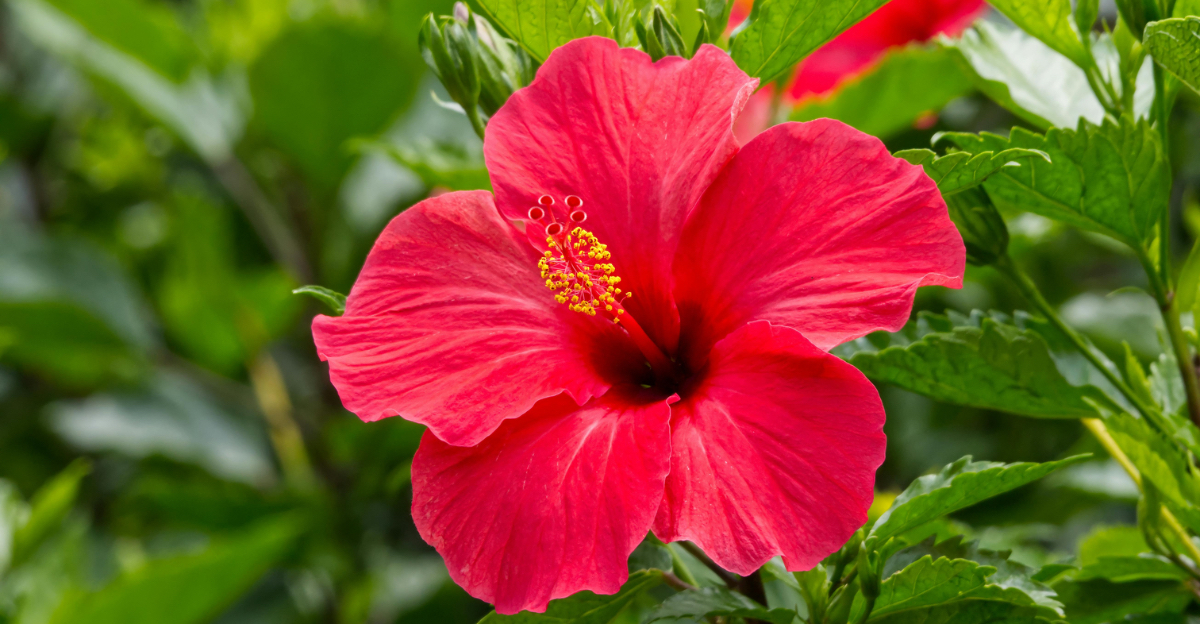
Louisiana is home to some of the most breathtaking wildflowers in the entire South. Hibiscus is one of the most spectacular.
Known for its enormous, jewel-toned blooms that light up gardens across the state, this native plant thrives in the warm, humid climate that Louisiana is famous for.
But if you want your hibiscus to produce the biggest, most jaw-dropping flowers possible, pruning is the secret weapon you need.
With the right techniques, timing, and a little know-how, you can transform your hibiscus from a scraggly shrub into a blooming showstopper that turns heads all season long.
1. Understand Why Pruning Matters For Hibiscus
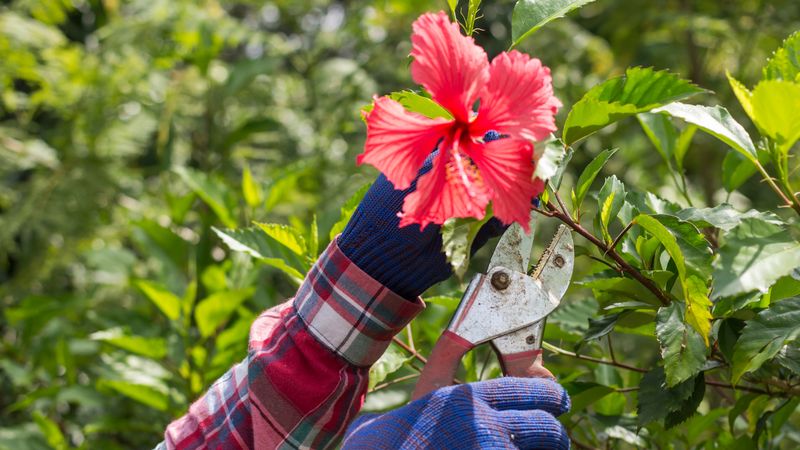
Picture this: a hibiscus so full of color and life that neighbors stop on the sidewalk just to stare. That kind of showstopping beauty does not happen by accident.
Pruning is the single most important thing you can do to encourage your hibiscus to produce massive, healthy blooms season after season.
When you prune a hibiscus, you are removing older, weaker growth and sending the plant’s energy toward fresh, new branches. New growth is where hibiscus flowers actually develop, so the more you encourage it, the more blooms you get.
In warm, humid climate, hibiscus plants grow fast, which means they need regular attention to stay productive.
Without pruning, a hibiscus can become overgrown, woody, and tangled. The plant wastes precious energy trying to maintain old, unproductive stems instead of pushing out new flower buds.
Gardeners who skip pruning often end up with tall, leggy plants that barely bloom. Think of pruning as giving your plant a fresh start, a chance to focus all its power on producing the gorgeous flowers you planted it for in the first place.
2. Choose The Right Time To Prune
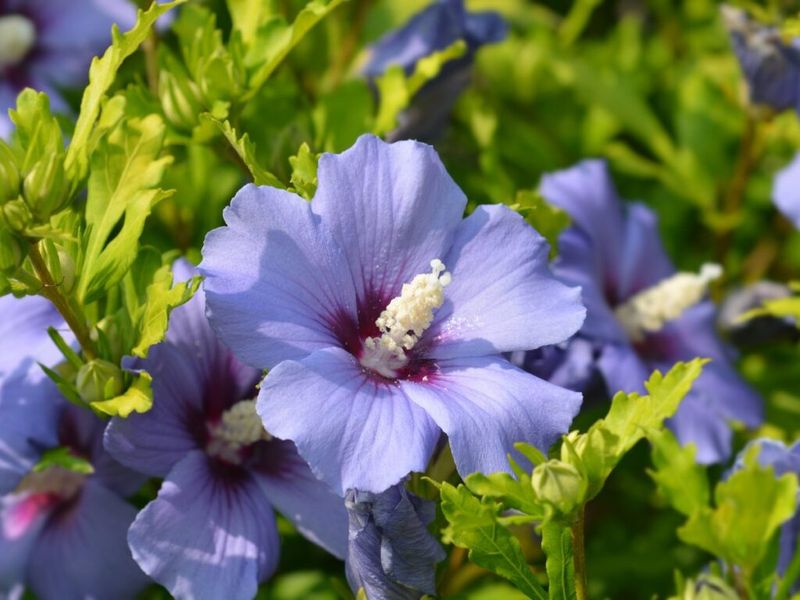
Timing your pruning correctly can mean the difference between a plant bursting with blooms and one that barely produces a handful of flowers all summer. The good news is that Louisiana’s climate is incredibly forgiving, giving gardeners more flexibility than most other states.
The best time to do a major prune on your Louisiana hibiscus is in late winter or very early spring, just before new growth begins to emerge. This is typically around late February to early March in most parts of the state.
At this point, the plant is just waking up from its slower winter period, and cutting it back now pushes it to produce vigorous new growth packed with flower buds.
You can also do lighter touch-up pruning throughout the growing season to keep the plant tidy and encourage continuous blooming.
In the long, hot summers, hibiscus plants can grow so quickly that a mid-summer trim actually helps reinvigorate the plant and extend the bloom season well into fall.
Avoid heavy pruning in late fall, as this can leave the plant vulnerable if a cold snap rolls unexpectedly.
3. Gather The Tools You Need Before You Start
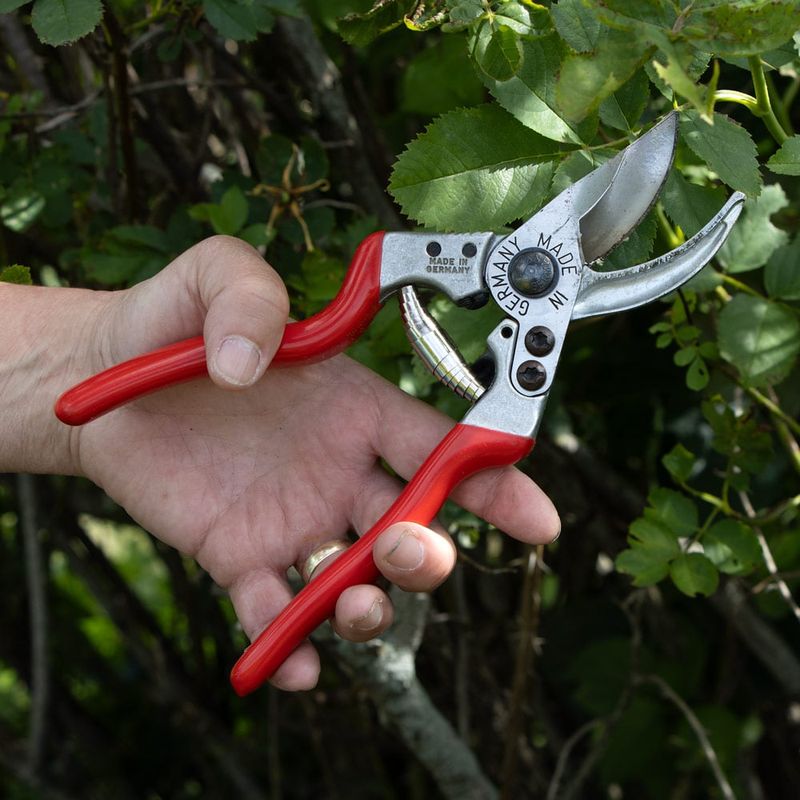
Sharp tools are a gardener’s best friend, especially when it comes to pruning hibiscus. Using dull or dirty tools can cause more harm than good, leaving ragged cuts that invite disease and slow down the plant’s recovery.
Your Louisiana Garden Changes Every Week. Your Plan Should Too.
Gardening in Louisiana changes quickly throughout the season. Every Friday you’ll receive a simple weekly plan showing exactly what to plant, prune, fertilize, harvest, and protect so you never miss the right timing.
Before you touch your hibiscus, make sure your equipment is ready to go.
For most pruning jobs, a pair of sharp bypass pruning shears is all you need. Bypass shears make clean, precise cuts that heal quickly, which is exactly what you want for a healthy hibiscus.
If your plant has thicker, older stems, you may also need a pair of loppers to handle the bigger branches without struggling.
Always clean your tools before and after pruning. A quick wipe with rubbing alcohol or a diluted bleach solution removes any bacteria or fungal spores that could infect your plant.
This step is especially important in humid climate, where plant diseases spread quickly in warm, moist conditions. Wearing a good pair of gardening gloves protects your hands from scratches and sap.
Taking five minutes to prepare your tools properly makes the whole pruning process smoother, safer, and far more effective for your hibiscus.
4. How To Make The Perfect Cut Every Single Time
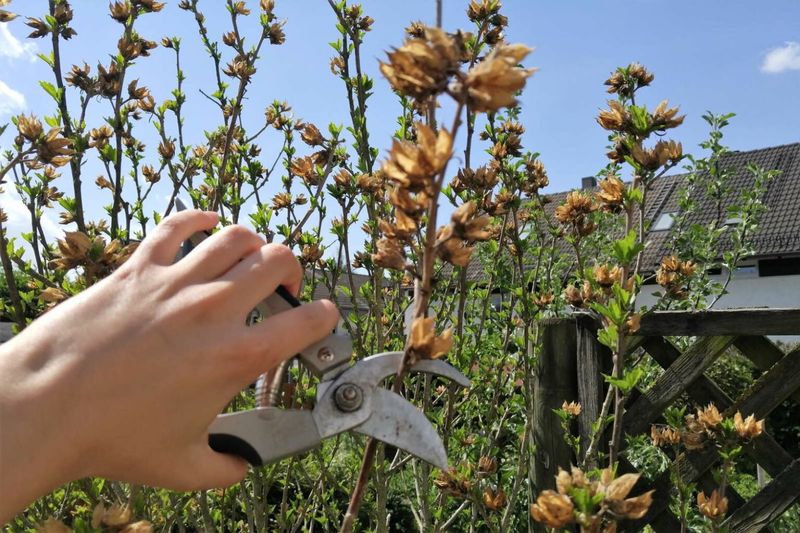
One clean cut can make all the difference when you are pruning your hibiscus. Making the right cut in the right place encourages rapid, healthy regrowth and sets your plant up to produce an abundance of flowers throughout the season.
Always cut at a 45-degree angle, about a quarter inch above a leaf node or bud. A leaf node is the small bump or joint on the stem where new growth sprouts from.
Cutting just above this point signals the plant to send energy there, encouraging two or more new branches to grow from that spot. More branches mean more flower-producing tips, which translates directly into more blooms for your garden.
Never cut straight across a stem, and never leave a long stub sticking out above the node. Stubs do not heal properly and often become entry points for pests and diseases.
In warm, humid environment, a poorly made cut can lead to rot or infection faster than you might expect. Practice makes perfect with pruning, and once you get the hang of the 45-degree angle cut, you will notice a dramatic improvement in how quickly and vigorously your hibiscus bounces back after each trim.
5. How Much To Cut Back Your Hibiscus
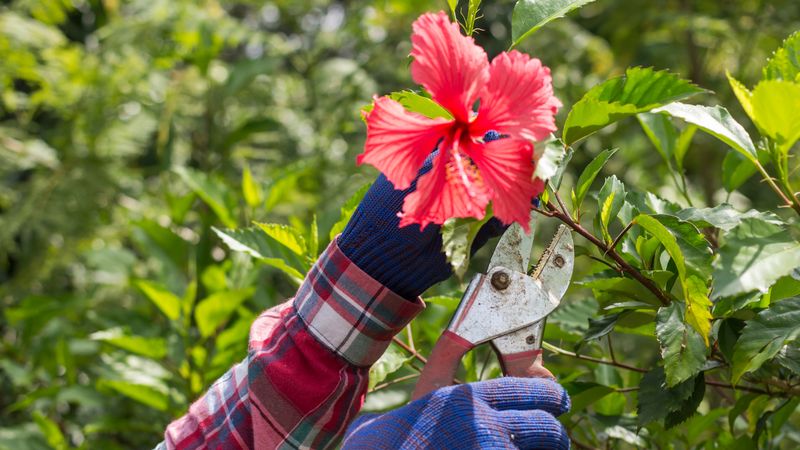
Knowing how much to cut is just as important as knowing when and how to cut. Too little pruning and your hibiscus stays crowded and unproductive.
Too much at once, and you risk shocking the plant and setting back its growth significantly.
A general rule of thumb is to remove no more than one-third of the plant at a time during a regular pruning session. For the big annual spring prune in Louisiana, many experienced gardeners cut their hibiscus back by about half to two-thirds of its total height.
This aggressive approach encourages a massive flush of new growth that is loaded with flower buds.
If your hibiscus is very overgrown or has a lot of old woody stems, you might be tempted to cut everything back at once. It is better to spread heavy pruning over two or three sessions rather than doing it all in one go.
Summers are long and warm enough to give your plant plenty of time to recover and still produce beautiful blooms. Pay attention to how your specific plant responds, because some varieties of hibiscus are more vigorous than others and can handle a harder cut with ease.
6. Remove Spent Blooms To Keep Flowers Coming
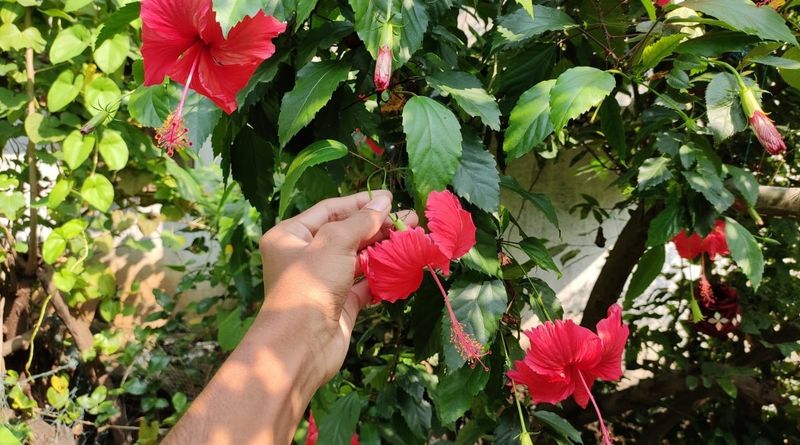
There is something almost magical about a hibiscus that keeps producing fresh flowers week after week all summer long. The secret to that nonstop bloom show is a simple habit called deadheading, which means removing spent or faded flowers from the plant regularly.
When a hibiscus flower fades, the plant naturally starts putting energy into forming seed pods. By removing those spent blooms before the seed pod develops, you redirect that energy back into producing new flower buds instead.
In Louisiana’s long growing season, consistent deadheading can extend your hibiscus bloom period by weeks or even months.
To deadhead properly, simply pinch or snip off the faded flower along with the small green seed pod forming behind it. You can do this by hand or with your pruning shears.
Make it a habit to walk through your garden every few days and remove any flowers that have passed their prime. It only takes a few minutes, but the payoff is enormous.
Plants that are deadheaded regularly tend to look tidier, stay healthier, and produce far more blooms than those left to form seeds on their own throughout the season.
7. Shape Your Hibiscus For A Fuller, Bushier Plant
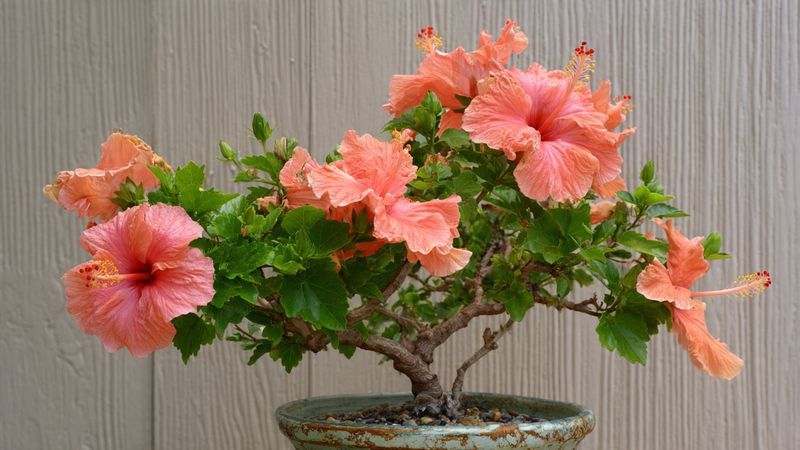
A hibiscus that grows into a full, rounded, bushy shape is not just beautiful, it is also a much more productive bloomer than a tall, lanky one. Shaping your plant through strategic pruning is one of the most rewarding skills a gardener can develop.
To encourage a bushier shape, focus on cutting back the longest, most upright stems first. When you cut these back, the plant responds by sending out multiple new side shoots from the cut point.
Over time, this creates a wider, fuller silhouette packed with flowering tips. Pinching back the tips of young shoots throughout the growing season is another great way to encourage branching and density.
Louisiana hibiscus plants that are properly shaped tend to support their own blooms better, since the thicker, sturdier branches hold up heavy flowers without drooping or bending.
A well-shaped plant also allows better airflow through the canopy, which reduces the risk of fungal issues in humid air.
Think of shaping as sculpting your hibiscus into the best version of itself. With consistent attention and a little creative pruning, you can grow a plant that looks professionally maintained and blooms with incredible abundance every single season.
8. Care For Your Hibiscus After Pruning
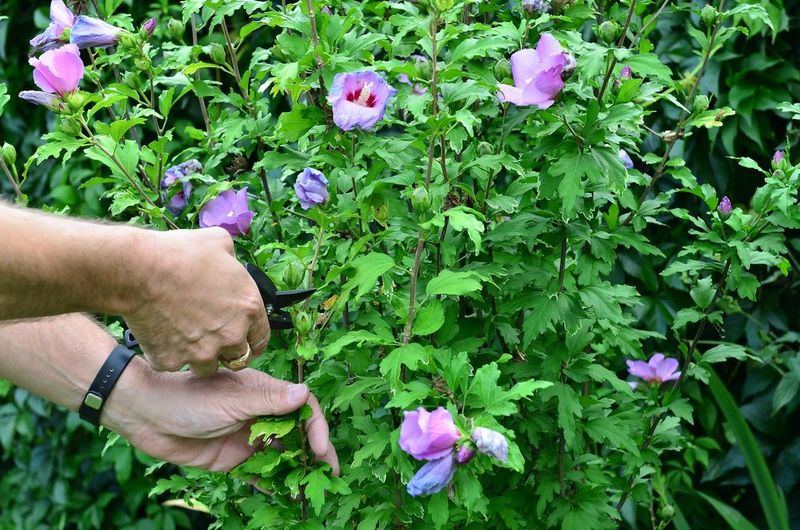
Pruning gives your hibiscus a powerful jumpstart, but what you do right after pruning is just as important as the cut itself. Proper post-pruning care helps your plant recover quickly and channel its energy into producing the lush new growth that leads to spectacular blooms.
Right after a major pruning session, give your hibiscus a deep, thorough watering. This helps reduce any stress on the plant and encourages the roots to push nutrients up into the fresh cuts.
In warm climate, hibiscus plants bounce back fast when they are well-watered and given a little extra attention after being trimmed.
Fertilizing after pruning is another key step that gardeners should not skip. Use a balanced fertilizer with a slightly higher phosphorus content to support strong root development and flower production.
Apply it according to the package directions, and avoid over-fertilizing, which can lead to lots of leafy growth but fewer blooms. Mulching around the base of your plant helps retain soil moisture and keeps the roots cool during intense summer heat.
With the right aftercare routine, your pruned hibiscus will reward you with a breathtaking wave of massive, colorful blooms that make your whole garden shine.