Best Vegetables To Plant In Containers This March In Nevada
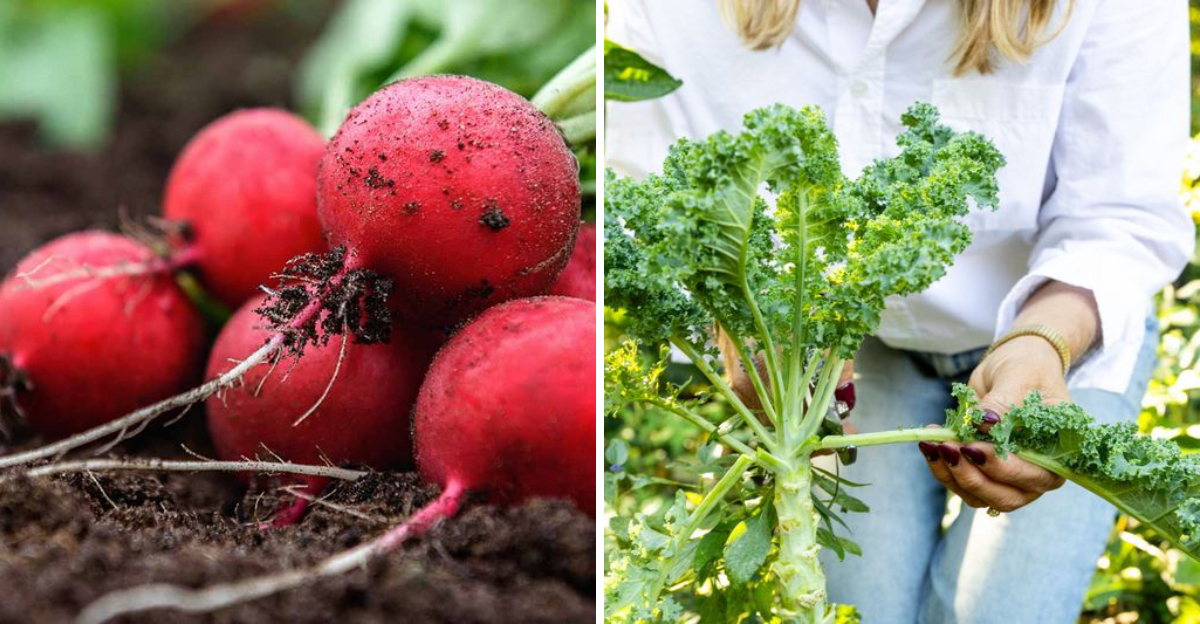
March is go-time for gardeners in Nevada.
The desert wakes up. Days grow warmer.
Sunlight gets stronger. It’s the perfect moment to plant before the intense summer heat arrives.
From Las Vegas to Reno, container gardening makes growing vegetables simple. A few pots, good soil, and a sunny spot can turn a patio, balcony, or small backyard into a productive garden.
Containers work especially well in Nevada’s desert climate. They give you full control over soil quality, watering, and sun exposure.
Pots can be moved to protect plants from wind, cool nights, or strong afternoon sun.
In southern Nevada, March is perfect for cool-season crops and may even work for a few warm-season vegetables in the warmest spots. In northern Nevada, it is best to stick with hardy, cool-weather plants for now, since frost can still show up well into spring.
Even a few containers can produce a steady supply of fresh, homegrown vegetables.
1. Lettuce
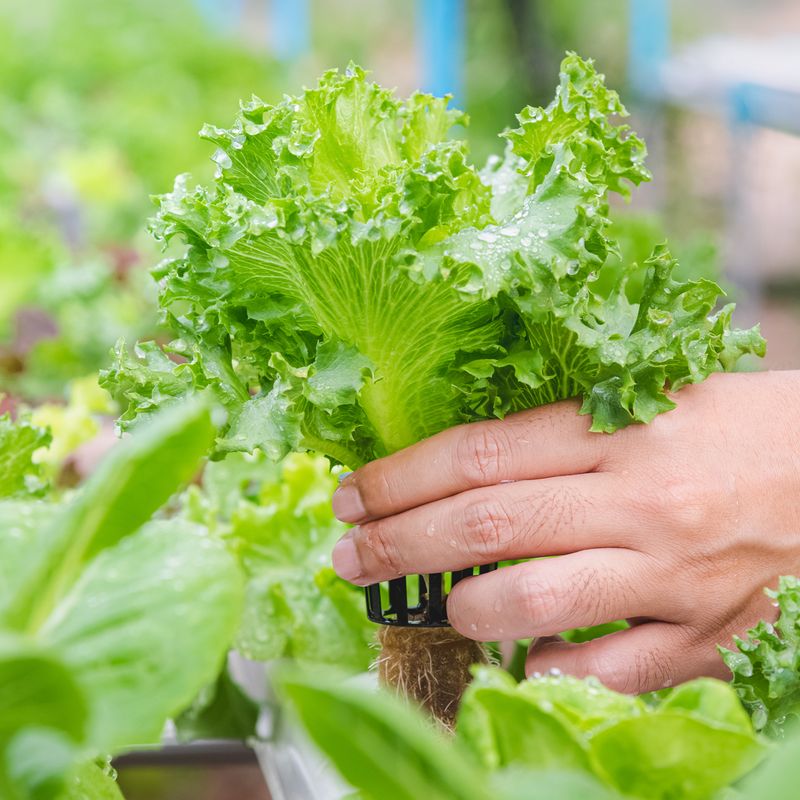
Crisp, cool, and incredibly easy to grow, lettuce is hands down one of the smartest vegetables you can plant in containers this March. It thrives in the mild temperatures that March brings before the scorching summer heat kicks in.
You can start seeing sprouts in as little as seven to ten days, which makes it super satisfying for beginner gardeners.
Lettuce does best in shallow containers, around six to eight inches deep, filled with loose, well-draining potting mix. Place your container in a spot that gets about four to six hours of sunlight daily.
In Nevada, morning sun with some afternoon shade works best to keep the leaves from getting bitter or wilting too fast.
Water your lettuce consistently but avoid soaking the roots. A light, even watering every one to two days keeps the soil moist without drowning the plant.
You can harvest outer leaves as the plant grows, giving you a continuous supply of fresh greens. Varieties like Butterhead, Romaine, and Loose-Leaf all perform beautifully in containers across the state.
Growing your own lettuce saves money and tastes way better than anything from the store.
2. Radishes
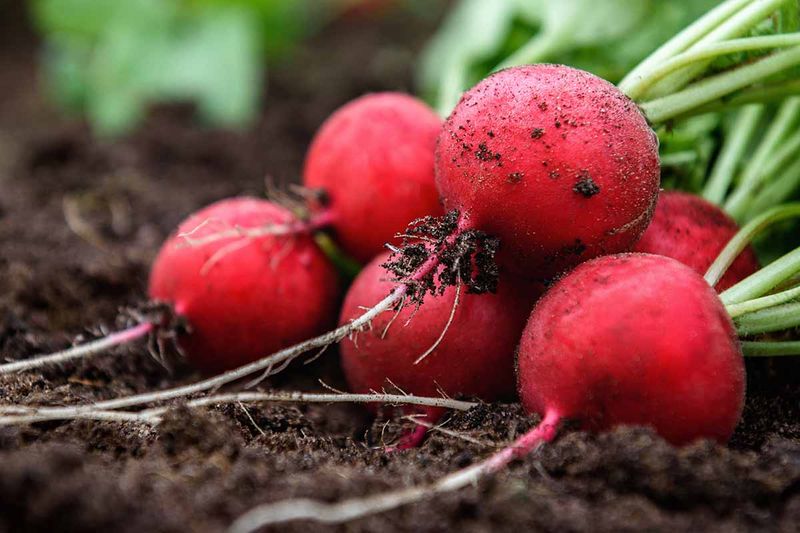
Ready in as little as three weeks, radishes might just be the most satisfying vegetable. They are small, fast, and pack a peppery punch that wakes up any salad or snack plate.
If you have never grown vegetables before, radishes are the perfect confidence booster to get you started.
All you need is a container that is at least six inches deep, some good-quality potting mix, and a sunny spot on your Nevada patio or balcony. Radishes love full sun and cool soil, making March the ideal planting month before temperatures start climbing.
Sow the seeds about half an inch deep and one inch apart for the best results.
Keep the soil evenly moist throughout the growing period and thin out seedlings once they reach about an inch tall. Crowded plants tend to grow small, woody roots instead of the juicy, round radishes you are hoping for.
Varieties like Cherry Belle and French Breakfast are popular choices among container gardeners. Harvest them promptly once they reach full size because leaving them in the soil too long causes them to become tough and overly spicy.
Your Nevada Garden Changes Every Week. Your Plan Should Too.
Gardening in Nevada changes quickly throughout the season. Every Friday you’ll receive a simple weekly plan showing exactly what to plant, prune, fertilize, harvest, and protect so you never miss the right timing.
3. Spinach
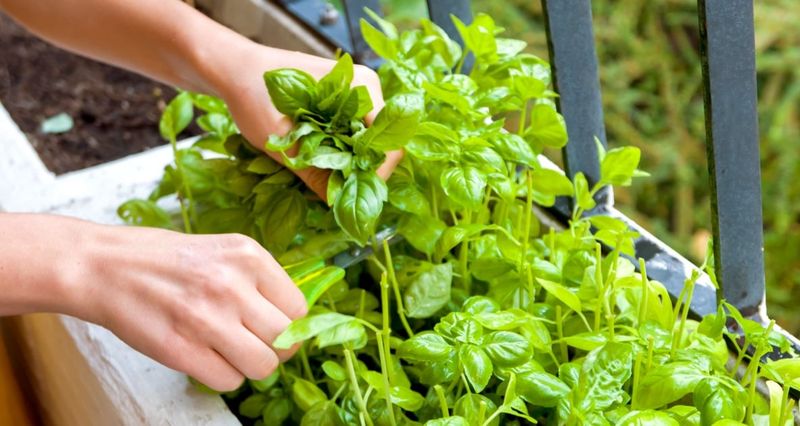
Packed with iron, vitamins, and a flavor that works in everything from smoothies to pasta, spinach is a powerhouse vegetable worth growing. The cool March temperatures across the Silver State are almost tailor-made for spinach, which prefers cooler weather over blazing heat.
It grows quickly and does not need a lot of space to produce a generous harvest.
Choose a container that is at least eight inches deep and fill it with rich, nutrient-dense potting soil. Spinach loves plenty of moisture, so water it regularly and make sure your container has good drainage holes at the bottom.
A spot with morning sunlight and afternoon shade works wonderfully for spinach, especially as temperatures start warming toward late March.
Sow seeds about half an inch deep and two inches apart, then thin seedlings to about four inches apart once they sprout. You can start harvesting outer leaves when the plant reaches about three inches tall, allowing the center to keep producing fresh growth.
Varieties like Bloomsdale and Baby Spinach are fantastic for container growing. Growing your own spinach means you always have fresh greens available right outside your door.
In southern Nevada, keep an eye on rising temperatures, as heat can cause leafy greens to bolt quickly.
In northern Nevada, protect containers from late frosts by moving them or covering them on colder nights.
4. Carrots
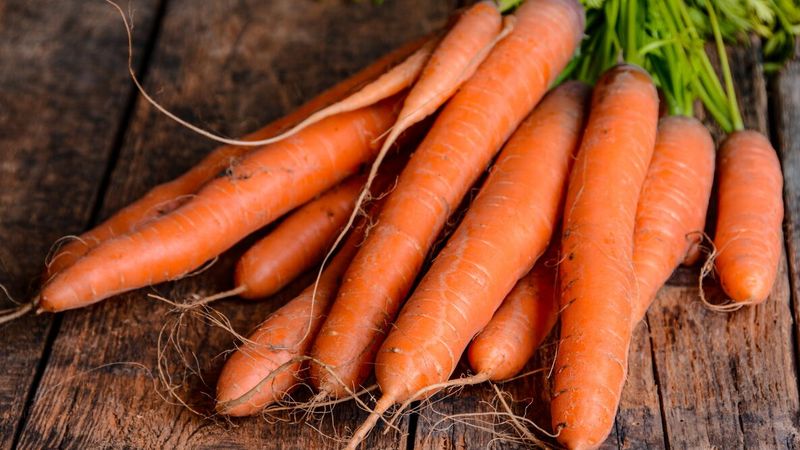
Carrots do not need a big garden to thrive. This March, a deep container is more than enough.
The key is choosing the right variety and the right container. Shorter, rounder carrot types are perfectly suited to container life and produce sweet, crunchy roots you will love snacking on.
Pick a container that is at least twelve inches deep to give the roots enough room to develop properly. Fill it with loose, sandy potting mix because compacted or rocky soil causes carrots to fork and grow in strange shapes.
Nevada has naturally sandy desert soil in many areas, so replicating that loose texture in your container mix is a smart move.
Sow carrot seeds directly into the container about a quarter inch deep and one inch apart. Thin seedlings to about two to three inches apart once they sprout to avoid crowding.
Water consistently but do not overwater, as soggy soil encourages root rot. Carrots take about 70 to 80 days to mature, so planting in March sets you up for a late May or early June harvest.
Try Danvers Half Long or Thumbelina varieties for best container results.
5. Peas
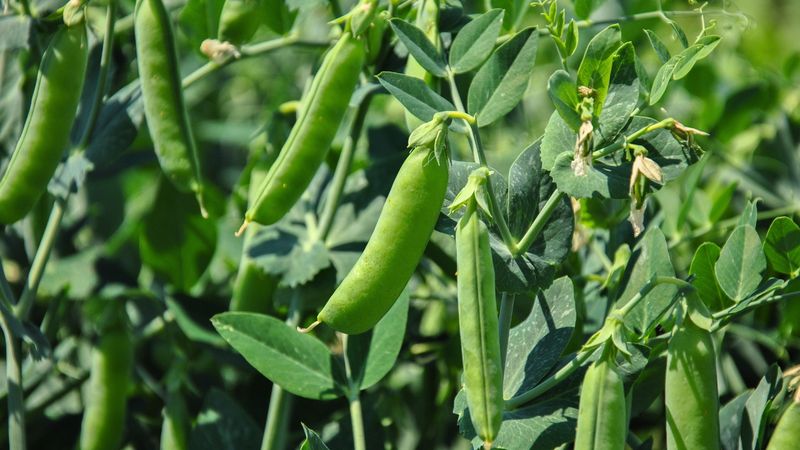
Sweet, crunchy, and incredibly fun to grow, peas are one of the best vegetables you can plant.
They love cool weather, and March offers exactly the kind of mild temperatures peas need to thrive before summer heat takes over. Kids especially love watching pea vines climb and produce those satisfying green pods.
Use a container that is at least ten to twelve inches deep and wide enough to support a small trellis or bamboo sticks for the vines to climb. Peas are natural climbers and will happily wind their way upward given the right support structure.
Place your container in a sunny spot with at least six hours of direct sunlight each day for the strongest plant growth.
Sow pea seeds about one inch deep and two inches apart, then water well after planting. Keep the soil consistently moist but never waterlogged, as peas are sensitive to soggy roots.
You can expect to start harvesting pods in about 60 to 70 days after planting. Sugar Snap and Snow Peas are especially popular among container gardeners because of their sweet flavor and easy growing habits.
Fresh peas straight from the pod taste like nothing you can buy at a grocery store.
6. Kale
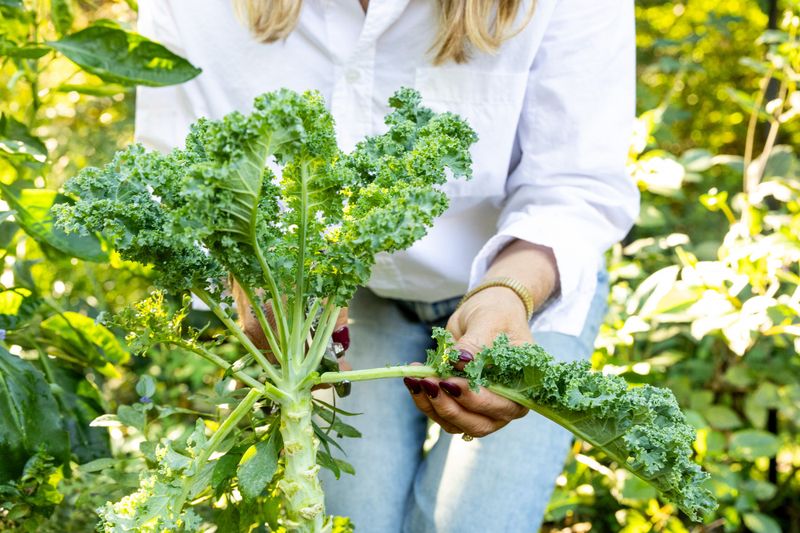
Kale is a nutritional powerhouse. And this March, it grows beautifully in containers.
The cool spring temperatures are ideal for kale, which tends to taste even sweeter after a light chill. Planting it in March gives you weeks of harvesting before summer heat arrives.
A container that is at least twelve inches deep and twelve inches wide gives kale plenty of room to spread out and grow strong. Use a rich, well-draining potting mix and add a slow-release fertilizer at planting time to fuel steady, healthy growth.
Kale is a heavy feeder, meaning it benefits from regular fertilizing throughout the growing season.
Place your container in full sun for the best results, though kale can tolerate partial shade without losing too much productivity. Water deeply and evenly, allowing the top inch of soil to dry out slightly between waterings.
Harvest outer leaves regularly to encourage the plant to keep producing fresh, tender growth from the center. Curly Kale, Lacinato, and Red Russian are all excellent varieties that perform well in containers.
A single kale plant can feed a household for weeks.
7. Swiss Chard
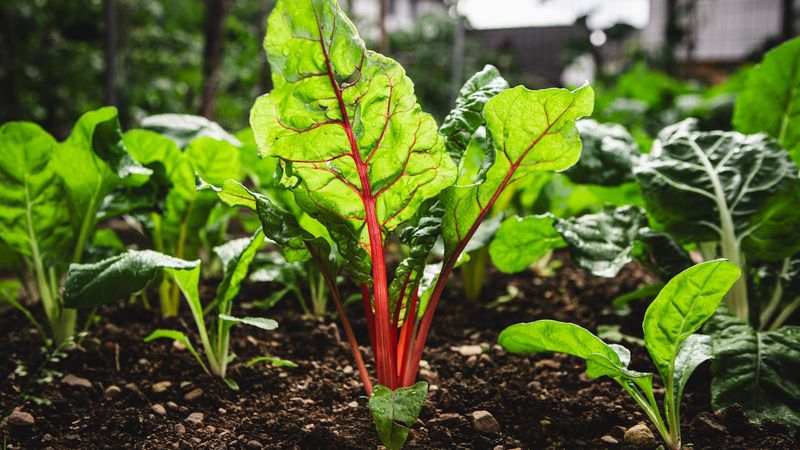
Swiss chard brings color before you even harvest it. Its red, yellow, orange, and white stems turn any container into living art.
Beyond its good looks, Swiss chard is incredibly productive and easy to grow during March. It handles both cool spring temperatures and mild warmth, making it one of the most forgiving vegetables for container gardeners.
Choose a container at least ten inches deep and fill it with a rich, moisture-retaining potting mix. Swiss chard appreciates consistent watering, so check the soil daily and water whenever the top inch feels dry to the touch.
In Nevada, where the air can be dry and windy, consistent moisture is especially important for keeping chard leaves tender and flavorful.
Plant seeds about half an inch deep and four to six inches apart, then thin to about six inches once seedlings emerge. Full sun works great for Swiss chard, though it also handles partial shade reasonably well.
Start harvesting outer leaves once the plant reaches about eight to ten inches tall. Rainbow Chard and Bright Lights are two beloved varieties among gardeners for their bold colors and reliable production.
Fresh chard sauteed with garlic and olive oil is absolutely delicious.
8. Green Onions
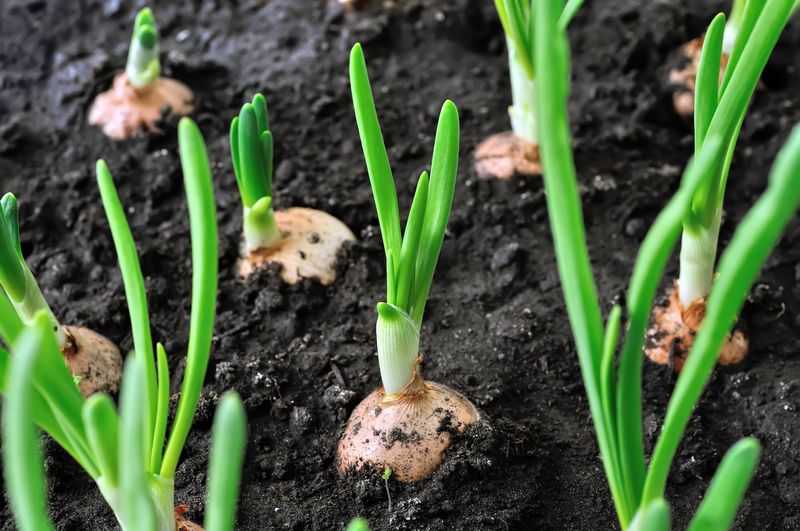
Green onions might be small, but they deliver big flavor and grow so easily in containers that even first-time gardeners find them nearly impossible to mess up.
They take up very little space, grow quickly, and can be harvested repeatedly throughout the season. Planting them in March gives you a steady supply of fresh onion greens to top tacos, soups, eggs, and just about everything else.
Any container that is at least four to six inches deep works perfectly for green onions. Fill it with a standard potting mix and plant seeds or sets about half an inch deep and one inch apart.
Water regularly to keep the soil lightly moist, and within a few weeks you will see tall, bright green shoots reaching upward from your Nevada patio or balcony.
One of the coolest tricks with green onions is regrowing them from kitchen scraps. Simply place the white root ends of store-bought green onions into your container and they will regrow fresh green tops within days.
Full sun is ideal, though they also handle partial shade without any fuss. Harvest the green tops by snipping them about an inch above the soil, and the plant will regrow again and again throughout the spring season.
9. Beets
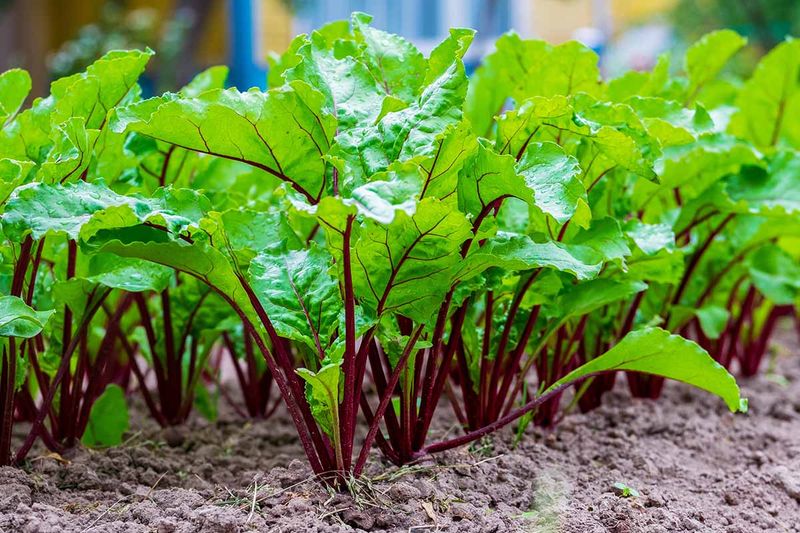
Beets are one of those underrated vegetables that deserve way more attention from container gardeners.
You get double the harvest from a single plant because both the roots and the leafy tops are completely edible and delicious. Roasted beet roots are sweet and earthy, while the greens can be sauteed just like Swiss chard.
Pick a container that is at least ten to twelve inches deep to give the roots plenty of room to swell and develop properly. Fill it with a loose, well-draining potting mix that does not compact easily, since beets need soft soil to form round, smooth roots.
A common mistake gardeners make is planting in heavy or rocky soil, which causes beets to grow misshapen and small.
Sow beet seeds about half an inch deep and two to three inches apart, then thin seedlings to about four inches once they reach two inches tall. Water consistently and evenly throughout the growing season.
Beets love full sun and take about 55 to 70 days to reach full maturity, setting you up for a late spring harvest. Detroit Dark Red and Chioggia are two popular varieties that perform beautifully in containers across the Silver State.
10. Bush Beans
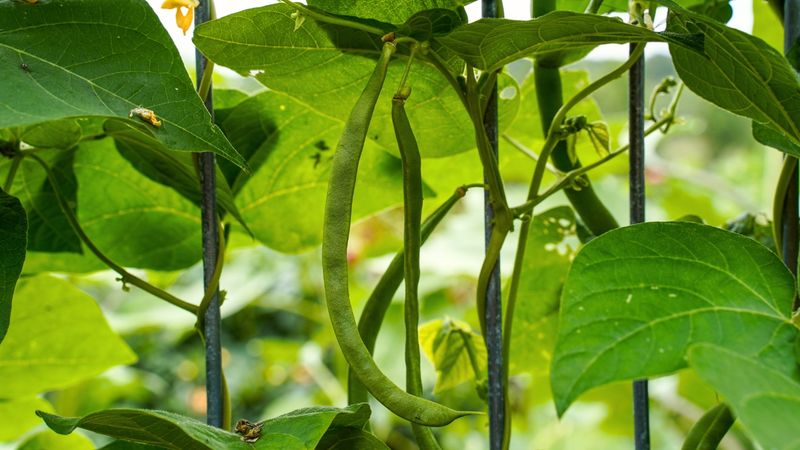
Bush beans are productive, easy to grow, and perfect for containers, but timing matters.
In southern Nevada, you can plant bush beans in late March if temperatures are consistently warming and frost is no longer a concern. In northern Nevada, it is best to wait until after the last frost, usually around May, before planting them outdoors.
These plants prefer warm soil and will struggle or fail if exposed to cold temperatures early on. Planting too soon often leads to poor germination or weak growth.
When the timing is right, bush beans are one of the easiest vegetables to grow. Use a container that is at least eight to ten inches deep and about twelve inches wide.
Fill it with well-draining potting mix and plant seeds one inch deep, spaced three to four inches apart.
Place the container in full sun and water consistently, keeping the soil evenly moist but not soggy.
Once established, bush beans grow quickly and begin producing in about 50 to 60 days. Provider, Contender, and Blue Lake Bush are all reliable varieties for container growing.
When planted at the right time, bush beans reward you with a generous harvest and very little effort.