Plant These Red Perennials In California Once And Enjoy Them For Years
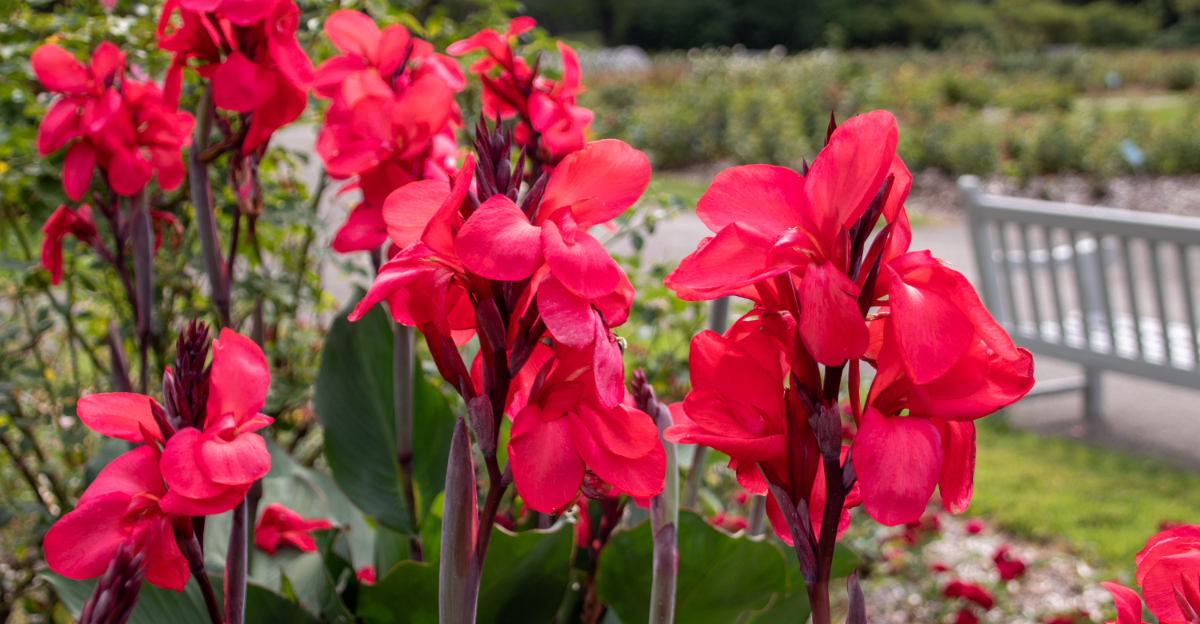
California landscapes often look like a sea of dusty greens and tans during the long, dry summers. If you want your yard to really stand out, adding a bold splash of red is the fastest way to grab everyone’s attention.
The best part is that you do not have to keep replanting every single season to get that vibrant look. Choosing hardy perennials means you can do the work once and watch the color return year after year.
These plants are built to handle the intense sun and rocky soil without complaining. They act like a magnet for local hummingbirds, bringing a lot of life to your outdoor space.
You can create a high-impact garden that looks professional but requires very little effort. It is a smart investment for your curb appeal and your weekend schedule.
These red beauties offer a reliable, fiery glow that stays strong during the hottest months of the year.
1. Red Salvia
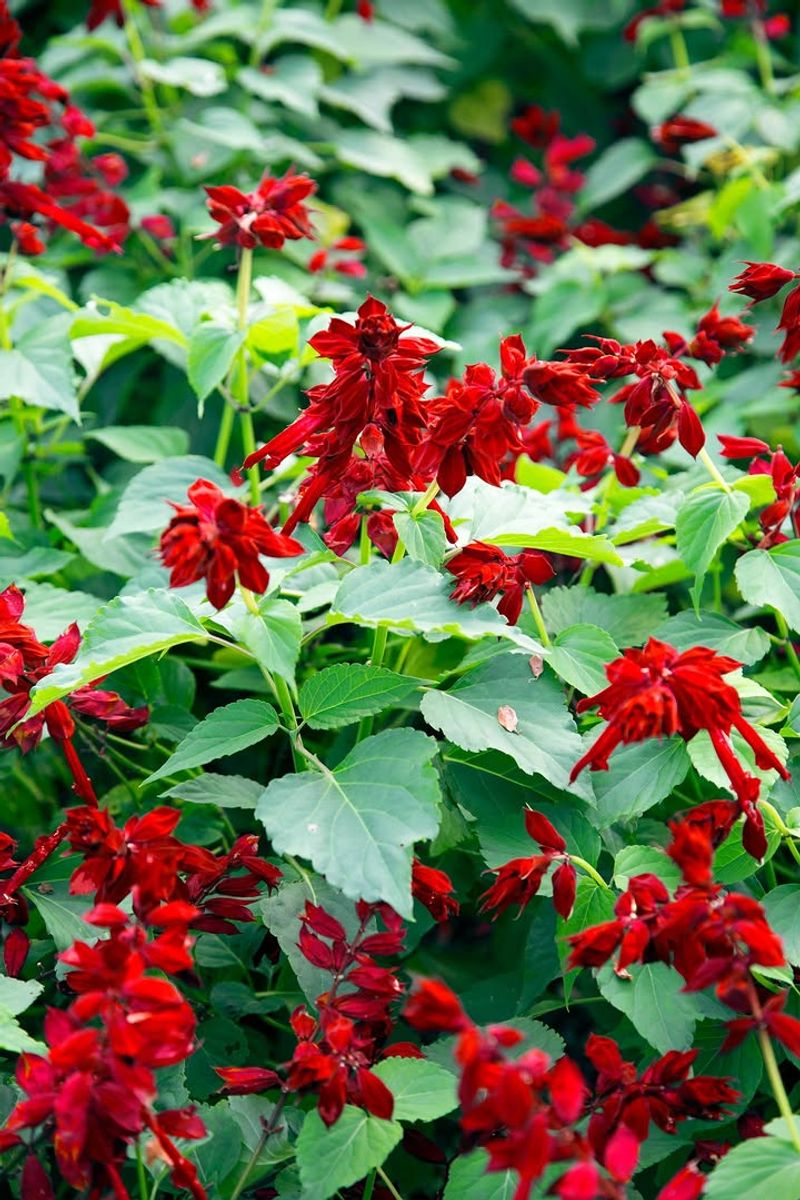
Few plants make a statement quite like red salvia. The tall spikes of bright crimson blooms are hard to miss, and hummingbirds absolutely love them.
In California, red salvia thrives in full sun and is surprisingly easy to grow once it gets settled in.
Also known as Salvia splendens or the scarlet sage, this perennial is a powerhouse in the garden. It blooms from late spring all the way through fall, giving you months of bold red color.
Plant it in well-drained soil and give it regular water during the first season to help it get established.
After that, it becomes much more drought-tolerant, which is a big deal in California where water can be scarce. Deadheading, which means removing spent blooms, encourages even more flowers to form.
Red salvia pairs beautifully with white or purple flowers for a stunning color contrast.
It grows well in garden beds, borders, and even large containers on a patio. Southern California gardeners especially love it because it handles the heat without complaint.
With very little fuss, red salvia will return each year and fill your space with gorgeous color that never gets old.
2. California Fuchsia
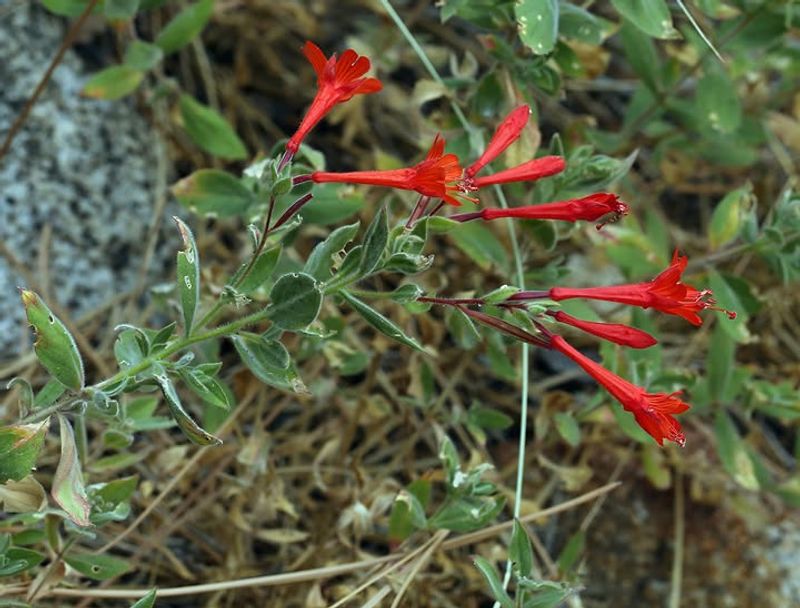
There is something almost magical about watching a hummingbird hover next to a California fuchsia in full bloom. This plant, also called Epilobium canum, is native to California and produces masses of bright red-orange tubular flowers from late summer into fall.
That late-season bloom time is one of its biggest selling points.
Most flowers start fading by late summer, but California fuchsia is just getting started. It loves dry, well-drained soil and full sun, making it a perfect match for the hot, dry conditions found across much of California.
Once established, it is extremely drought-tolerant and needs very little irrigation.
It spreads slowly over time, filling in gaps in a garden bed beautifully. You can cut it back hard in late winter to keep it tidy and encourage fresh new growth in spring.
It works wonderfully on slopes where erosion can be a problem, since its roots help hold the soil in place.
Your California Garden Changes Every Week. Your Plan Should Too.
Gardening in California changes quickly throughout the season. Every Friday you’ll receive a simple weekly plan showing exactly what to plant, prune, fertilize, harvest, and protect so you never miss the right timing.
California fuchsia grows well in both Northern and Southern California gardens. It is a native plant, so it supports local wildlife without needing extra care.
If you want a tough, gorgeous plant that practically grows itself, this one deserves a spot in your yard.
3. Red Hot Poker
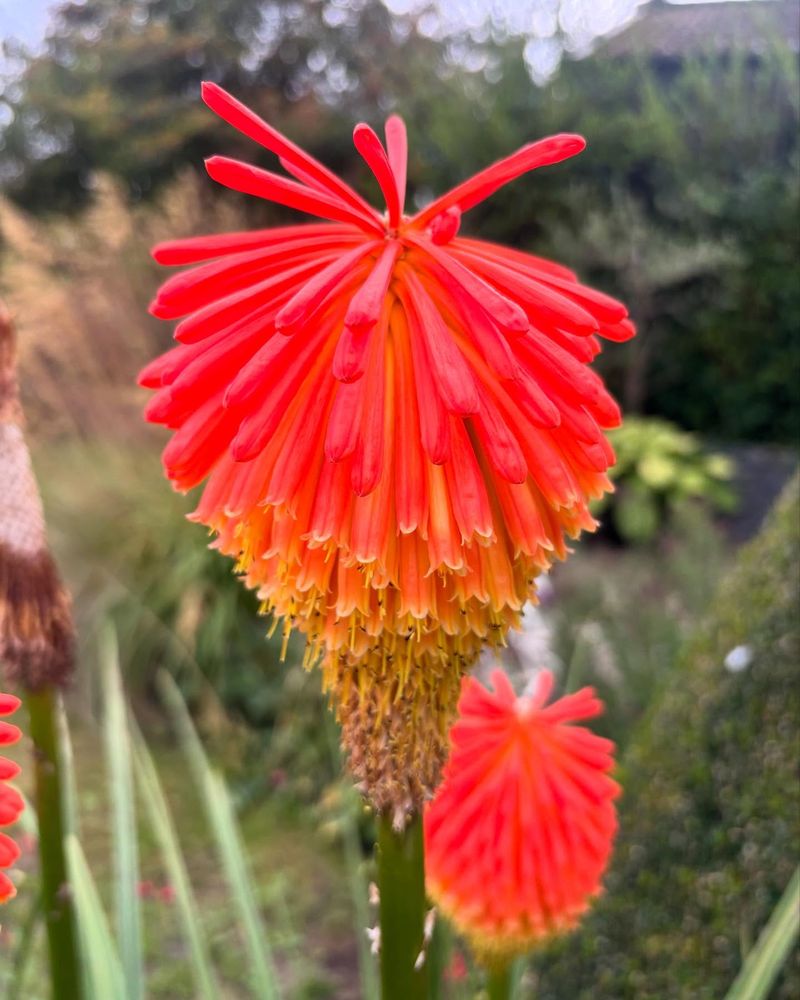
Imagine a plant that looks like it is on fire. Red hot poker, also known as Kniphofia, has tall dramatic flower spikes that graduate from deep red at the top to yellow or orange at the bottom, creating a torch-like effect that stops people in their tracks.
It is bold, it is beautiful, and it thrives in California.
Red hot poker loves full sun and well-drained soil. It handles heat well, which makes it a reliable performer in inland California valleys and Southern California landscapes.
Hummingbirds are drawn to the nectar-rich flowers, so expect some feathered visitors once this plant starts blooming.
It blooms in late spring and early summer, with some varieties reblooming in fall. The grass-like foliage stays attractive even when the plant is not in bloom, adding texture to the garden year-round.
Divide the clumps every few years to keep the plant healthy and encourage strong blooming.
Red hot poker is also deer-resistant, which is a major bonus for California gardeners in areas where deer are frequent visitors. Plant it toward the back of a garden bed where its tall spikes can create an impressive backdrop.
Once planted, it comes back stronger every year with almost no extra effort needed.
4. Penstemon
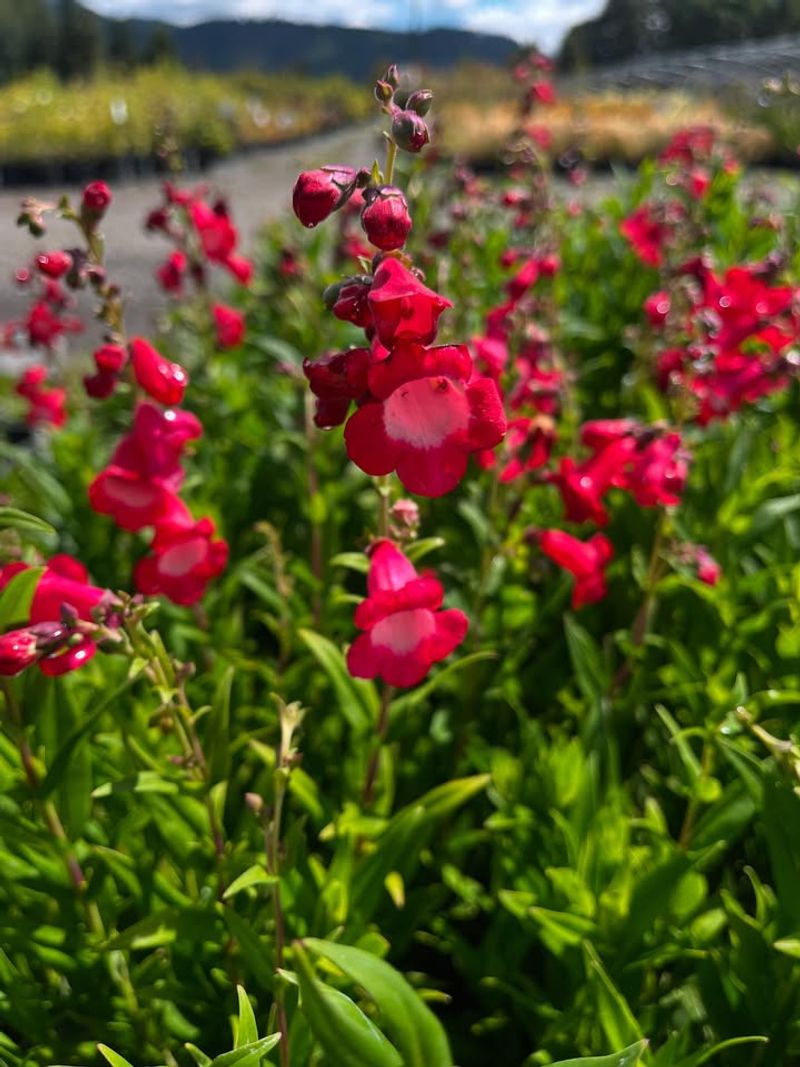
Hummingbirds practically do a happy dance when they spot a penstemon in bloom. These plants produce long, elegant stems covered in tubular red flowers that are perfectly shaped for hummingbird feeding.
Penstemon is one of the best perennials you can plant in a California garden, period.
There are many penstemon species native to California, including Penstemon eatonii and Penstemon centranthifolius, both of which produce stunning red blooms. They thrive in full sun and well-drained soil, and they are highly drought-tolerant once established.
That makes them a smart choice for water-conscious California gardeners.
Penstemon blooms in spring and early summer, filling the garden with vertical interest and vibrant color. After blooming, cut the flower stalks back to encourage a second flush of growth.
Avoid heavy clay soils, as penstemon prefers good drainage to stay healthy through wet winters.
It works beautifully in native plant gardens, rock gardens, and dry borders. In Northern California, it pairs wonderfully with native grasses and wildflowers for a naturalistic look.
Southern California gardeners love it along sunny pathways and hillsides. Plant penstemon once and it will reward you with reliable blooms and a garden full of life for many years ahead.
5. Yarrow
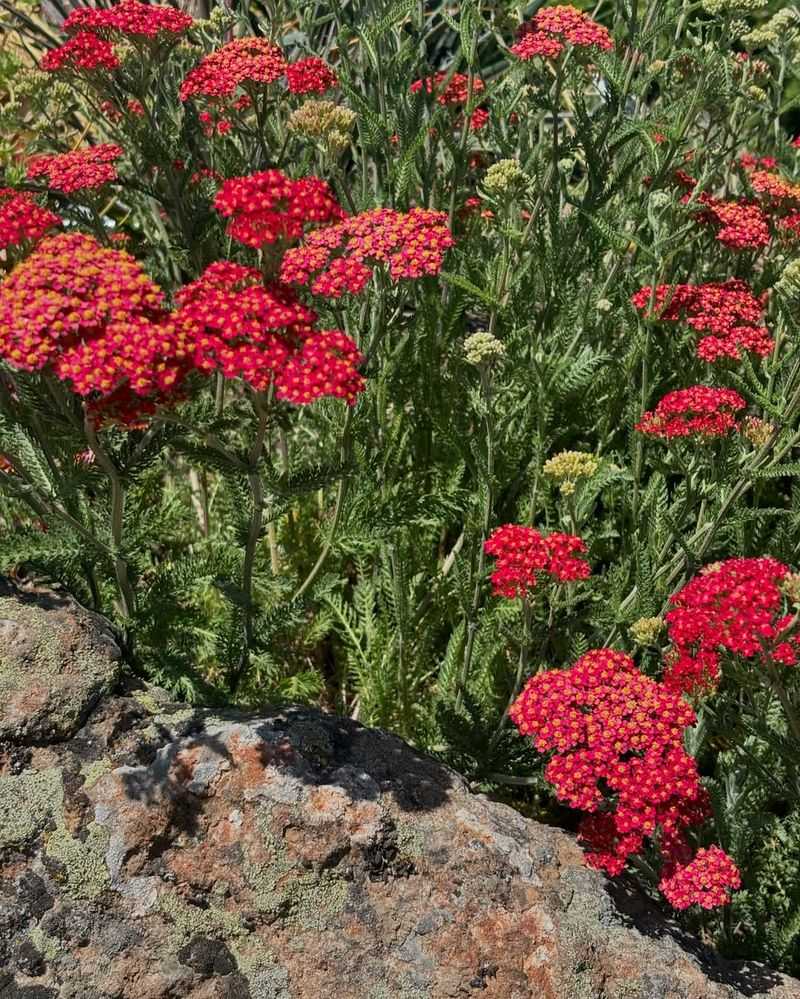
Yarrow has been growing in gardens for centuries, and there is a very good reason for that. It is tough, adaptable, beautiful, and almost impossible to neglect.
Red varieties like Achillea millefolium ‘Paprika’ or ‘Red Velvet’ bring warm, rich color to California gardens from late spring through summer.
One of yarrow’s best qualities is its ability to handle tough conditions. It thrives in full sun, tolerates poor soil, and once established, it needs very little water.
That drought tolerance makes it a standout choice for California landscapes, especially in areas prone to summer dry spells.
The flat-topped flower clusters are magnets for butterflies and beneficial insects, which help pollinate other plants in your garden. The feathery, aromatic foliage adds texture even when the plant is not blooming.
Deadhead spent flowers regularly to keep new blooms coming throughout the season.
Yarrow spreads gently over time, filling in bare spots without becoming invasive. Divide it every two or three years to keep it vigorous and prevent overcrowding.
It looks gorgeous in wildflower-style gardens, cottage borders, and even cut flower arrangements. California gardeners from Sacramento to San Diego appreciate yarrow because it simply does what it is supposed to do, year after year, without fuss.
6. Gaillardia
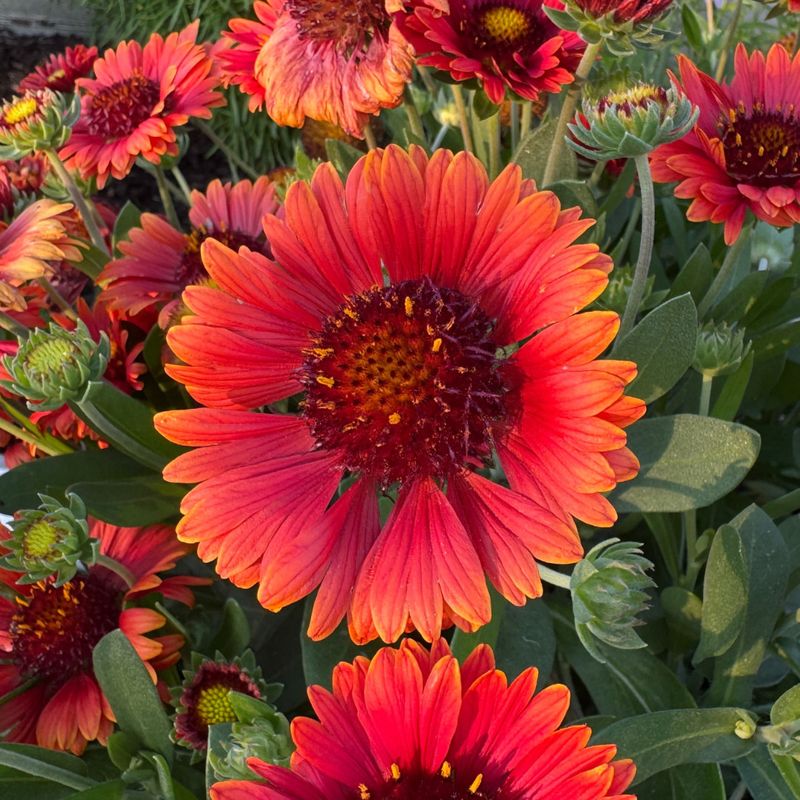
Sometimes called blanket flower, gaillardia is one of those plants that just radiates cheerfulness. The daisy-like blooms feature bold red petals tipped with yellow, creating a warm, fiery look that brightens up any garden space.
In California, gaillardia is a superstar performer that blooms for months on end.
It loves full sun and thrives in well-drained, even sandy soil. In fact, gaillardia actually does better in leaner soil than in rich, heavily amended beds.
Too much fertilizer can cause it to produce more leaves than flowers, so keep feeding to a minimum and let the plant do its thing.
Gaillardia blooms from late spring all the way through fall in most parts of California, giving you one of the longest bloom seasons of any perennial. Deadheading spent flowers encourages continuous blooming and keeps the plant looking tidy.
It is also drought-tolerant once established, which is a major win for California water budgets.
Bees and butterflies flock to gaillardia all season long, making it a fantastic choice for pollinator gardens. It grows well in containers too, so even gardeners with small patios can enjoy it.
Plant gaillardia in a sunny spot and it will reward you with a dazzling display of red and gold blooms every single year.
7. Canna Lily
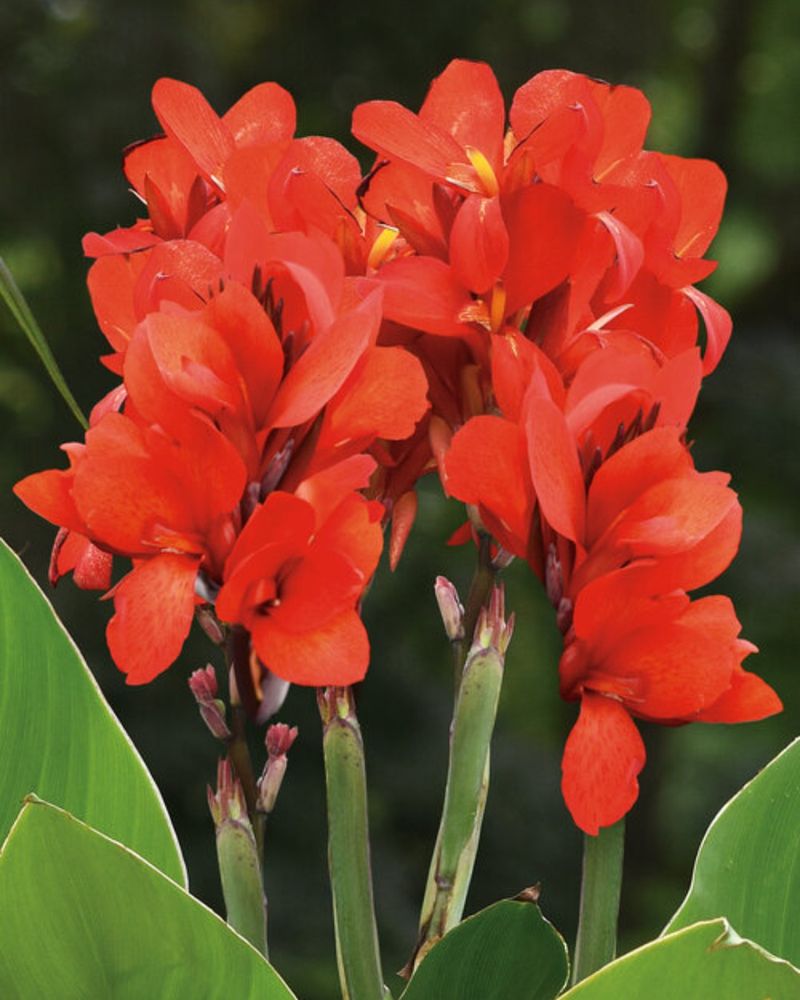
Bold, tropical, and completely show-stopping, canna lily is one of the most dramatic plants you can grow in a California garden. With large, paddle-shaped leaves and vivid red flowers that rise high above the foliage, cannas create an instant tropical feel that makes your yard look like a resort.
And the best part? They come back every year in California’s warm climate.
Cannas thrive in full sun and moist, rich soil. They love the heat, which makes them excellent performers in the Central Valley and Southern California.
In coastal areas, they still do well but may bloom a bit later in the season due to cooler temperatures.
Plant canna rhizomes in spring after the soil has warmed up. They grow quickly and can reach four to six feet tall depending on the variety.
Water them regularly during the growing season, especially during hot spells, to keep the foliage looking lush and healthy.
After blooming, cut spent flower stalks down to the base to encourage new ones to form. In most California regions, you can leave the rhizomes in the ground year-round without digging them up.
Cannas also make stunning focal points in garden beds and work beautifully near water features or along fences where their bold size can really shine.
8. Daylily
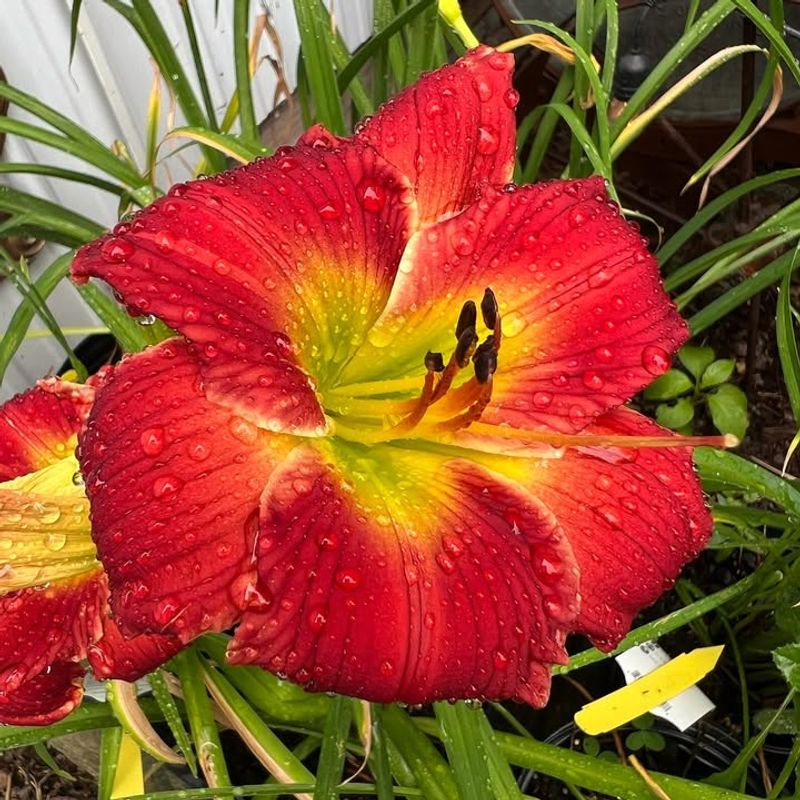
Ask any experienced California gardener which perennial is the most reliable, and daylilies will come up almost every time. These plants are incredibly forgiving, adaptable, and beautiful.
Red varieties like ‘Anzac,’ ‘Crimson Pirate,’ and ‘Chicago Apache’ produce rich, velvety blooms that look stunning in any garden setting.
Despite the name, each individual daylily flower only lasts one day. But do not let that fool you.
Each plant produces dozens of buds, so the blooming show goes on for weeks. In California, with its long warm seasons, daylilies often bloom from late spring through midsummer and sometimes rebloom in fall.
Daylilies are not picky about soil as long as it drains well. They grow in full sun or partial shade, though they bloom most heavily in full sun.
Water them regularly during their first growing season to get them established, then ease back as they become more self-sufficient.
Divide daylily clumps every three to four years to prevent overcrowding and maintain strong blooming. They are excellent along walkways, slopes, and mixed borders throughout California.
Daylilies are also resistant to most pests and diseases, so you spend less time troubleshooting and more time enjoying the gorgeous red blooms that light up your garden from spring into summer.
9. Heuchera
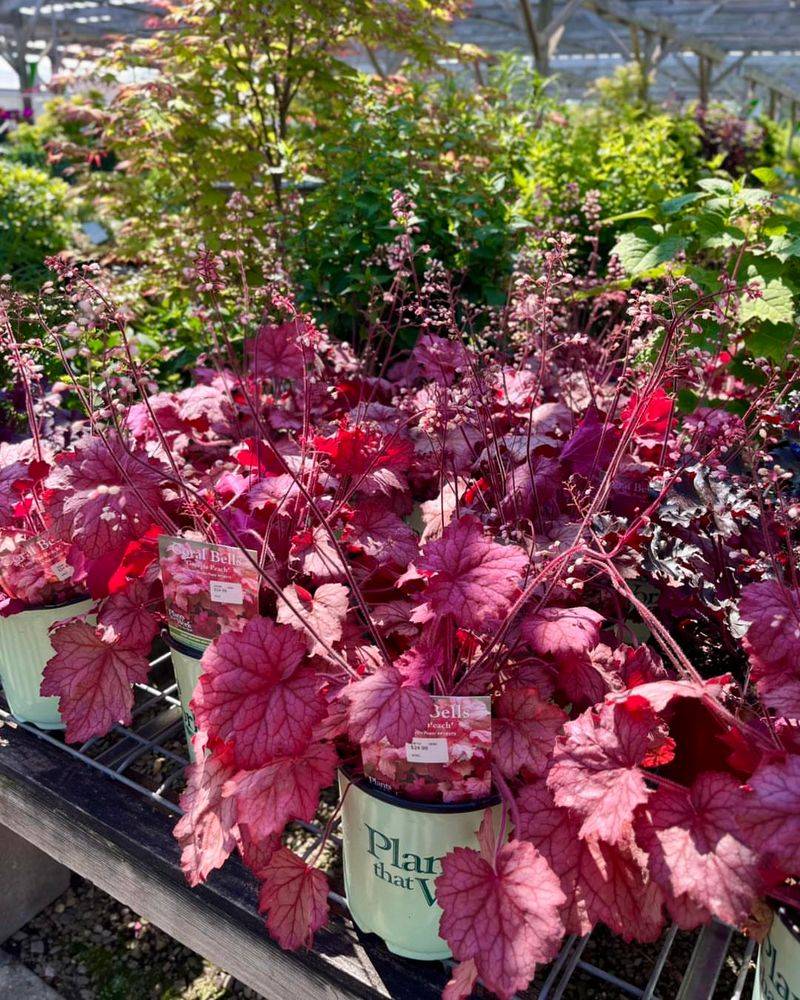
Not every red perennial gets its wow factor from flowers alone. Heuchera, also known as coral bells, is prized just as much for its stunning foliage as for its blooms.
Varieties with deep red or burgundy leaves bring rich, year-round color to California gardens, even in spots where other plants struggle to shine.
Heuchera grows beautifully in partial shade, which makes it a fantastic option for garden areas under trees or along the north side of a house. In California’s hotter inland regions, afternoon shade actually helps heuchera stay looking its best through the intense summer heat.
It prefers well-drained soil with consistent moisture, especially during the first growing season.
In late spring and early summer, heuchera sends up slender, airy stems topped with tiny bell-shaped red or coral flowers. These delicate blooms attract hummingbirds and add a soft, graceful touch above the bold foliage.
The combination of colorful leaves and dainty flowers makes heuchera one of the most versatile perennials in any California garden.
It works wonderfully as a ground cover, in container arrangements, and along shaded garden paths. Trim off old or damaged leaves in early spring to encourage fresh new growth.
Heuchera stays attractive through multiple seasons, making it a smart, long-lasting investment for any California gardener looking for year-round visual interest.