These 9 Native Groundcovers Thrive In Georgia Front Yards When Planted In March
March is the perfect moment to plant native groundcovers across Georgia – and your yard will thank you for it. As the soil warms and spring rains settle in, these low-growing plants get a strong start before the summer heat arrives.
It’s also your best chance to get ahead of weeds that take off once temperatures rise. Even better, native groundcovers are built for Georgia’s soils, humidity, and changing seasons.
Whether you’re filling a shady spot, stabilizing a sunny slope, or covering a stubborn bare patch, there’s a natural solution waiting to take hold and transform your front yard.
1. Green And Gold Brings Cheerful Yellow Blooms To Shady Spots
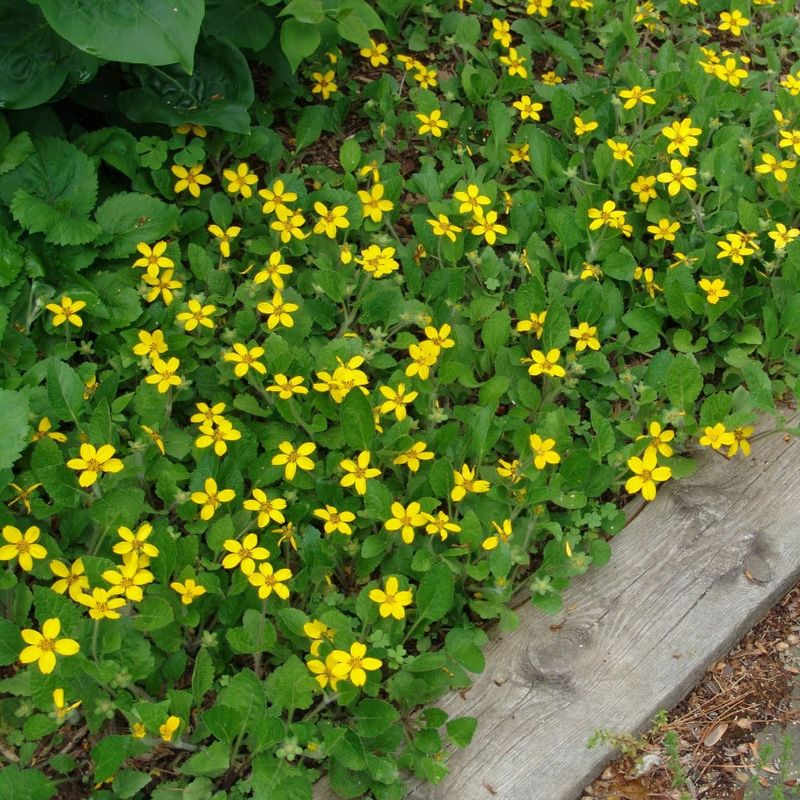
Few plants brighten up a dim corner of a Georgia front yard quite like Green and Gold, a cheerful little evergreen that stays under six inches tall and spreads steadily without taking over the bed.
Known botanically as Chrysogonum virginianum, this native produces small, star-shaped yellow flowers that pop against its dark green foliage, creating a warm contrast that feels almost sunny even in full shade.
Green and Gold does best in part shade to full shade, which makes it a natural fit beneath large trees, along shaded foundation walls, or tucked under evergreen shrubs.
It handles Georgia’s clay-heavy soils reasonably well, especially when you loosen the planting area and mix in a little compost before setting plants in the ground.
Soil that drains well but holds some moisture is the sweet spot for this plant.
Planting in March gives Green and Gold time to root before summer heat arrives. Space plants about twelve to eighteen inches apart and keep the soil evenly moist during the first few weeks.
Once established, it handles dry spells with impressive resilience. Bees and small native insects visit the flowers regularly, adding quiet wildlife activity to your front yard through spring and into early summer.
2. Allegheny Spurge Adds Soft Texture And Quiet Spring Color
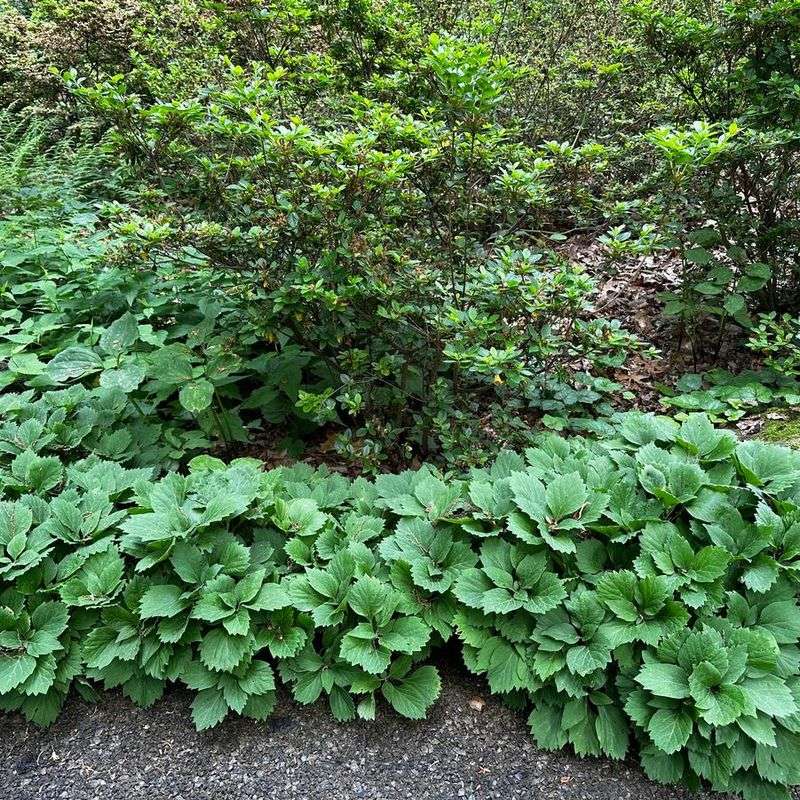
Gardeners who have struggled to fill the dry, shaded ground beneath mature trees in their Georgia front yards often overlook Allegheny Spurge, which is a shame because this native handles those tough spots beautifully.
Unlike its non-native Japanese cousin, Pachysandra procumbens is a true southeastern native with attractive mottled leaves that hold their color through most of the year in Georgia’s mild winters.
The foliage alone is worth planting for. Each leaf has a soft, silvery-green pattern that catches light in low-visibility spots and adds real visual interest even when the plant is not in bloom.
In late winter to early spring, fragrant white flower spikes emerge close to the ground, offering early-season interest before most other plants wake up. Pollinators, particularly small native bees, find these blooms early in the season when food sources are still limited.
Allegheny Spurge grows slowly but spreads reliably over time into a low, dense mat. Plant it in part shade to full shade in well-drained, slightly acidic soil, which is easy to find across much of Georgia.
Your Georgia Garden Changes Every Week. Your Plan Should Too.
Gardening in Georgia changes quickly throughout the season. Every Friday you’ll receive a simple weekly plan showing exactly what to plant, prune, fertilize, harvest, and protect so you never miss the right timing.
March planting works well because cooler soil temperatures reduce transplant stress. Space plants around twelve inches apart and mulch lightly to help hold moisture during the establishment period.
3. Little Brown Jug Offers Woodland Charm Close To The Ground
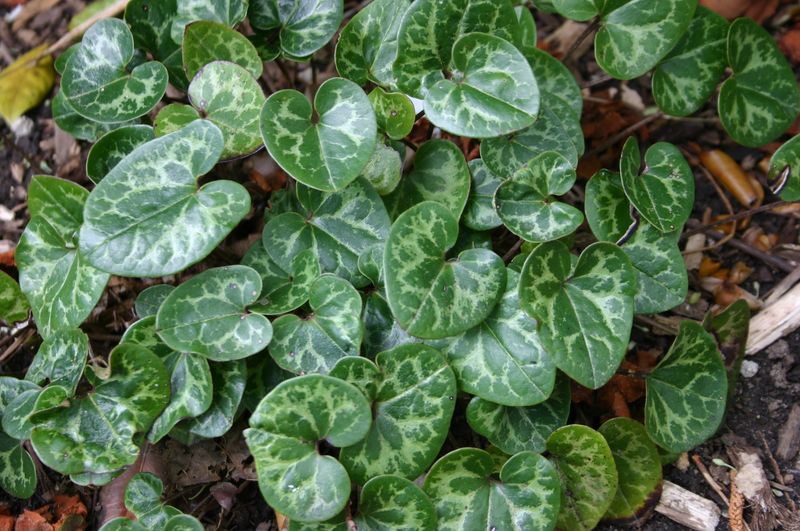
There is something quietly fascinating about a plant that hides its flowers under its own leaves, but that is exactly what Little Brown Jug does.
Hexastylis arifolia is a native woodland groundcover found naturally across the Georgia Piedmont and Coastal Plain, and it earns its common name from the small, jug-shaped brown flowers it produces right at soil level in late winter and early spring.
Most visitors to your front yard will never notice the blooms, but wildlife certainly does. Small insects and beetles use the low-lying flowers for shelter and early pollination.
Above ground, the plant shows off handsome, arrowhead-shaped leaves with attractive mottled patterns in shades of green and silver.
The foliage is semi-evergreen in most Georgia locations, providing year-round ground coverage in shaded spots where other plants struggle.
Little Brown Jug is an excellent choice for the dry shade beneath mature oaks or pines, where tree roots compete heavily for moisture. It tolerates acidic, low-fertility soils that are common in older Georgia neighborhoods.
Growth is slow but steady, so plant it in March and be patient. Set plants about ten to twelve inches apart in groups for the best visual effect, and top-dress with a thin layer of leaf mulch to mimic its natural woodland habitat.
4. Partridgeberry Spreads Slowly With Glossy Leaves And Bright Berries
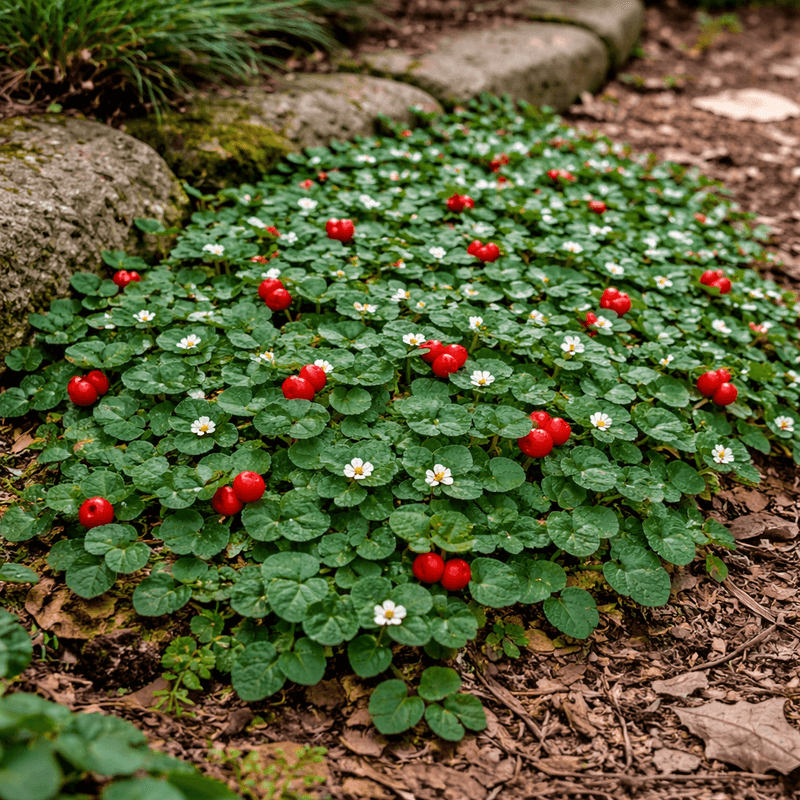
Partridgeberry is one of those plants that rewards patient gardeners with year-round beauty.
Mitchella repens is a delicate-looking but surprisingly tough native evergreen that creeps along the ground, rooting at its nodes as it spreads slowly outward across shaded beds.
The tiny, rounded leaves are deep glossy green with a pale midrib, giving the plant a refined, almost jewel-like appearance up close.
In late spring, pairs of small white tubular flowers appear and are followed in fall and winter by bright red berries that persist on the plant for months.
Those berries are a valuable food source for birds, including the partridge that inspired the plant’s common name, as well as other Georgia wildlife during the colder months.
The combination of evergreen foliage and winter berries makes it one of the most visually rewarding native groundcovers available for shaded front yard beds.
Partridgeberry thrives in moist, acidic, well-drained soils with good organic matter, which describes many woodland garden areas across Georgia. It prefers part shade to deep shade and struggles in sunny, dry spots.
March is a fine time to plant because cooler temperatures help roots establish before summer. Space plants about eight to twelve inches apart and keep the area consistently moist through the first season.
5. Creeping Phlox Creates A Soft Carpet Of Spring Flowers
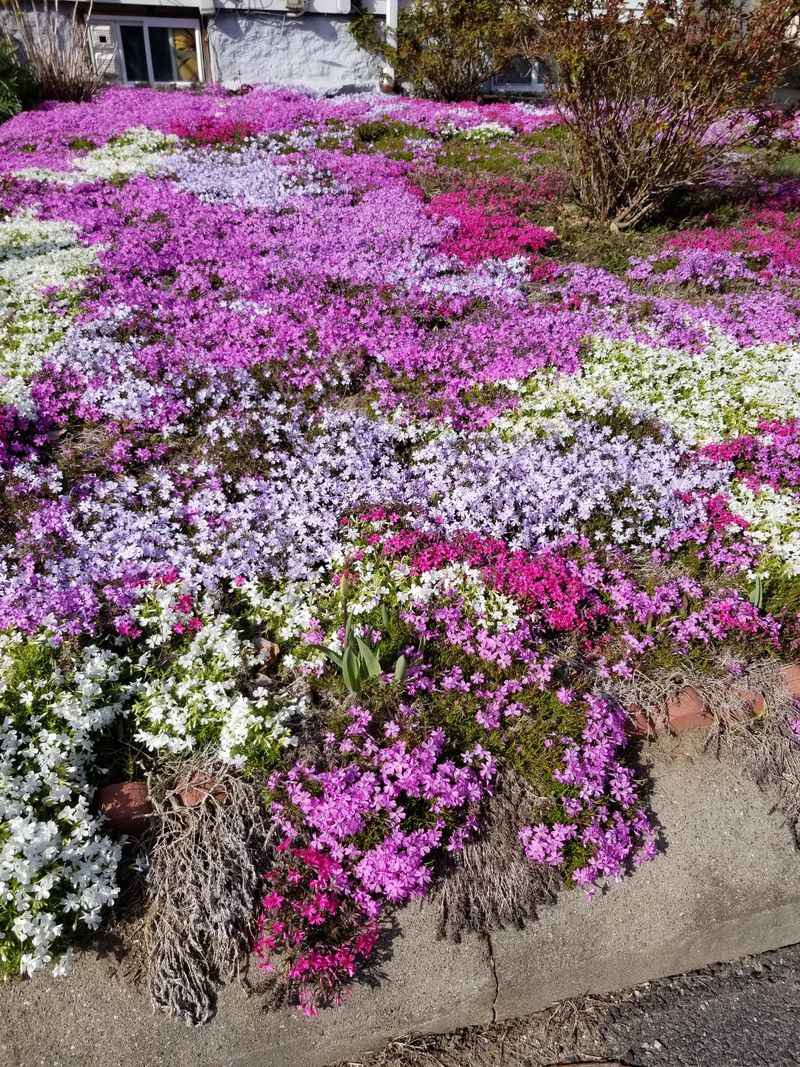
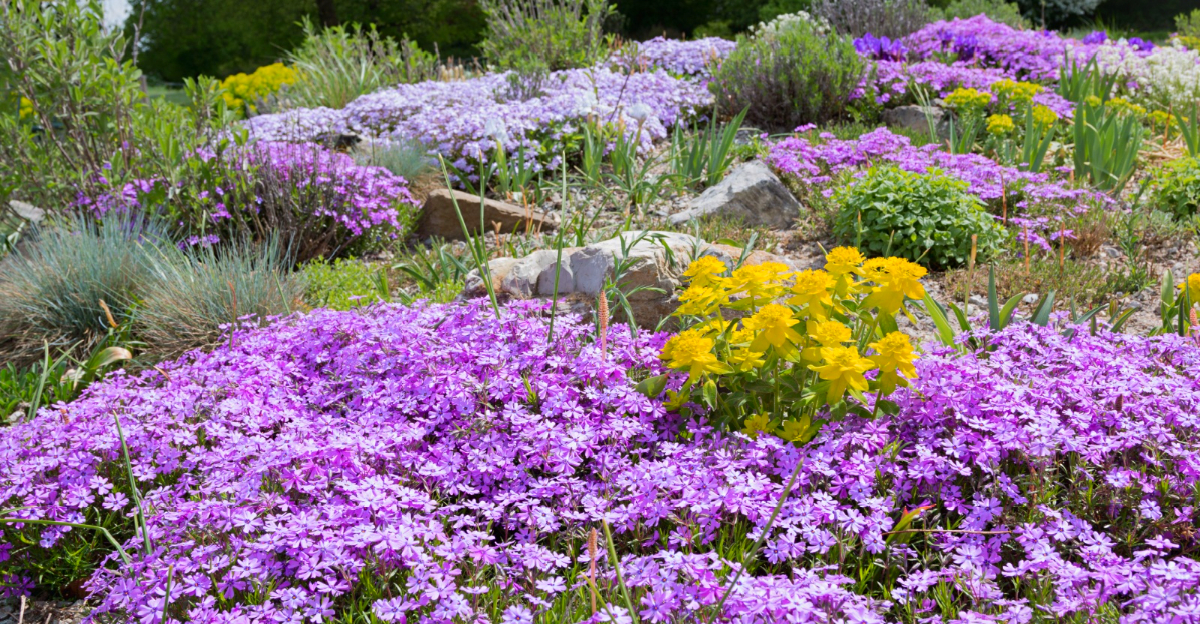
When a Georgia front yard bed bursts into waves of pink, lavender, or white in early spring, there is a good chance Creeping Phlox is doing the work.
Phlox stolonifera is a low-growing native perennial that forms dense, spreading mats of soft foliage and produces an abundance of small, five-petaled flowers that nearly cover the plant during its peak bloom period in March and April.
Unlike its sunny cousin Moss Phlox, Creeping Phlox is happiest in part shade to light shade, making it a strong candidate for beds beneath deciduous trees or along the shaded side of a front porch.
The foliage stays semi-evergreen in most Georgia locations, holding the ground and providing texture even when the plant is not in bloom.
Pollinators arrive quickly once flowering begins, with butterflies and early bees visiting regularly throughout the spring season.
Georgia’s variable spring soils suit this plant well as long as drainage is reasonable. Heavy clay benefits from a bit of compost worked in before planting.
Set plants about twelve to fifteen inches apart in March, water consistently for the first few weeks, and apply a light layer of mulch around but not on top of the foliage.
Creeping Phlox fills in noticeably within one growing season and becomes more impressive each year after that.
6. Moss Phlox Covers Sunny Spaces With Bright Color
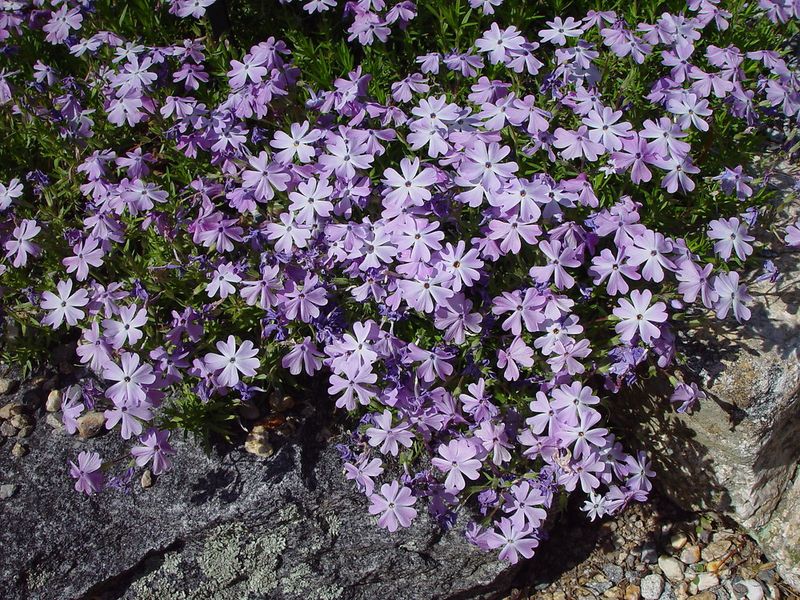
Sunny slopes and hot foundation plantings in Georgia front yards can be tough environments to cover attractively, but Moss Phlox handles them with ease.
Phlox subulata forms a tight, needle-like mat of evergreen foliage that hugs the ground closely and erupts each spring into a vivid display of flowers in shades of pink, magenta, lavender, and white.
The bloom show is genuinely striking, often stopping neighbors in their tracks.
This plant is built for full sun and well-drained soil, which makes it one of the better options for Georgia gardeners dealing with south-facing beds, gentle slopes prone to runoff, or rocky areas where other groundcovers refuse to settle in.
Once established, Moss Phlox is notably drought-tolerant and asks very little in terms of ongoing care.
A light trim after flowering helps keep the mats tidy and encourages fresh growth through summer.
March planting works especially well for Moss Phlox in Georgia because the cool, moist conditions help roots anchor before the intense heat of June and July arrives.
Space plants twelve to eighteen inches apart in loose, well-drained soil, and avoid planting in spots where water pools after rain.
Over time, individual plants spread to form wide, colorful mats that suppress weeds and add lasting seasonal interest to front yard beds.
7. Foamflower Brings Airy Blooms To Part Shade Beds
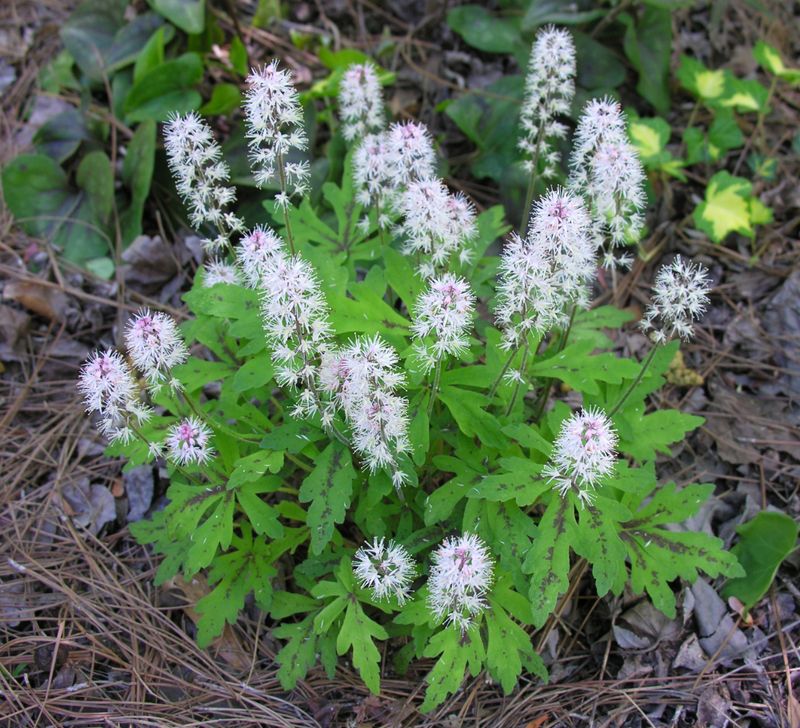
Walking past a Georgia garden bed where Foamflower is in bloom feels a little like catching something rare and delicate at exactly the right moment.
Tiarella cordifolia sends up slender, frothy spikes of white to pale pink flowers in spring that hover above the foliage like a soft mist, which is exactly where the common name comes from.
The effect is genuinely lovely in shaded front yard beds.
Below the blooms, the foliage is equally appealing. Foamflower produces heart-shaped, maple-like leaves with attractive veining and, in many selections, deep burgundy markings along the leaf margins and centers.
The leaves hold through most of Georgia’s mild winters, providing ground coverage and color even in the colder months. This combination of foliage interest and spring bloom makes it a reliable four-season plant for shaded beds.
Foamflower thrives in part shade to full shade with moist, humus-rich, well-drained soil, which is common in woodland garden areas across Georgia.
It spreads by runners to form loose colonies over time, filling bare spots under trees and along shaded borders.
Plant in March about twelve to fifteen inches apart, keep soil moist during establishment, and top-dress with leaf compost to mimic the rich woodland conditions this plant naturally prefers. Pollinators visit the spring blooms with regularity.
8. Wild Strawberry Spreads Fast And Flowers Low To The Ground
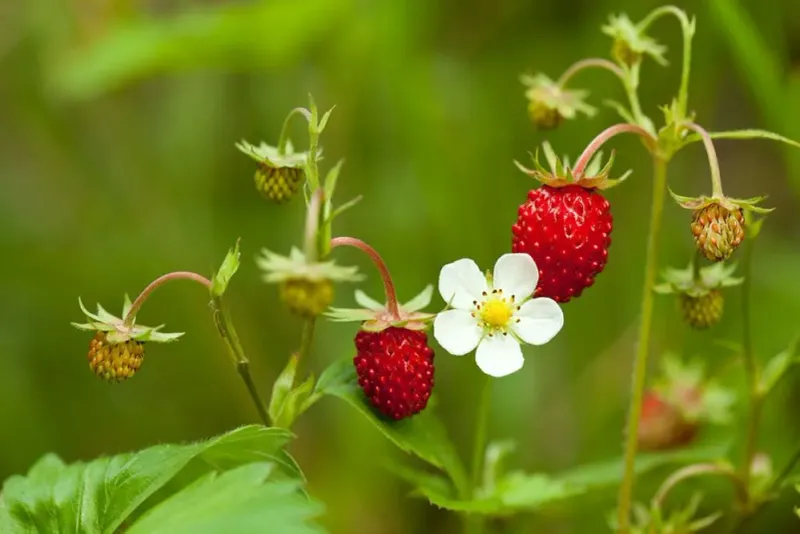
If you want a native groundcover that moves quickly and rewards you with both flowers and fruit, Wild Strawberry is worth a close look.
Fragaria virginiana is a low-growing native perennial that sends out runners horizontally across the soil, rooting as it goes and filling bare areas in your Georgia front yard faster than many other groundcover options.
The three-part leaves are bright green and slightly glossy, creating a fresh, tidy appearance through most of the growing season.
Small white flowers with yellow centers appear in early spring, typically starting in March in Georgia, and are followed by tiny but genuinely sweet red strawberries that ripen in late spring and early summer.
Birds, turtles, and small mammals find the fruit irresistible, making Wild Strawberry one of the more wildlife-friendly groundcovers on this list.
The plant also supports native bee populations that rely on early-season flowers when food is still scarce.
Wild Strawberry adapts to a wide range of conditions, from full sun to light shade, and tolerates the moderately acidic soils common across Georgia.
It handles periods of drought once established and works well on gentle slopes where erosion is a concern.
Plant in March about twelve inches apart and water regularly through the first few weeks. Within one season, the runners will begin spreading noticeably to fill the bed.
9. Lyreleaf Sage Adds Color And Pollinator Appeal In Spring
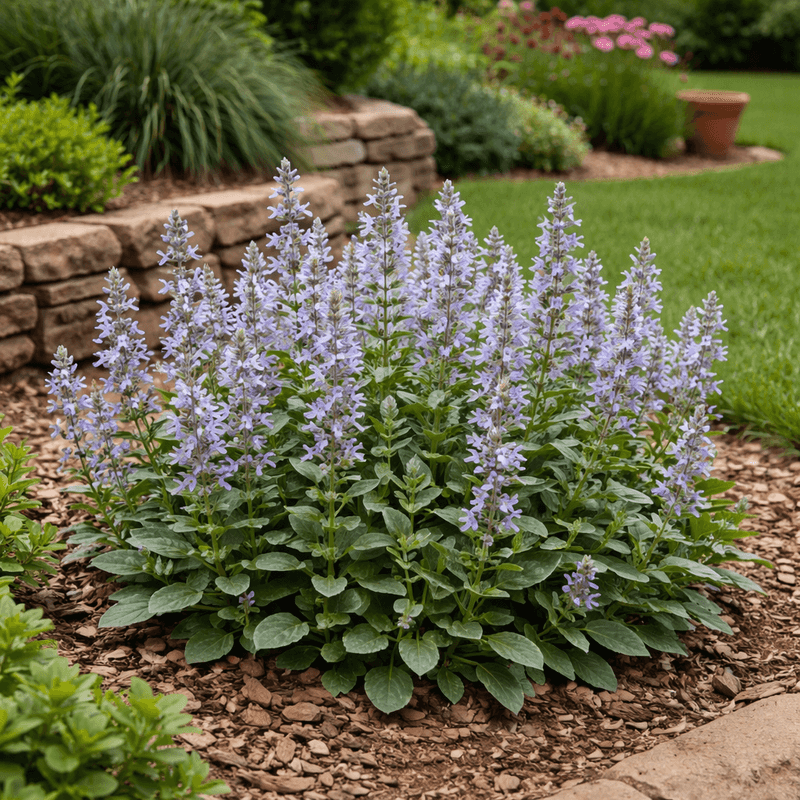
Bare patches of Georgia front yard soil in early spring can look uninspiring, but Lyreleaf Sage has a way of transforming those spots into something genuinely interesting.
Salvia lyrata is a native perennial that forms low rosettes of deeply lobed, dark green leaves with attractive purple tones, especially in cooler months.
In spring, it sends up slender flower stalks topped with tubular blue-purple blooms that attract bees, butterflies, and hummingbirds with remarkable consistency.
The plant handles a surprisingly wide range of conditions across Georgia front yards. It grows in full sun to light shade and tolerates both average and slightly dry soils, which is useful in spots where irrigation is limited or inconsistent.
Lyreleaf Sage also has a natural ability to self-seed gently into surrounding areas, gradually filling in bare ground without becoming aggressive or difficult to manage.
March planting works well because the cool soil temperatures allow roots to settle in before the plant channels its energy into spring flowering.
Space transplants or seedlings about twelve inches apart in prepared, well-drained soil.
The low rosette habit keeps the plant close to the ground through most of the year, making it a practical edging plant along walkways, around mailboxes, or in front of taller native perennials in a layered front yard planting scheme.