These 8 Native Groundcovers Thrive In Arizona Front Yards When Planted In Early Spring
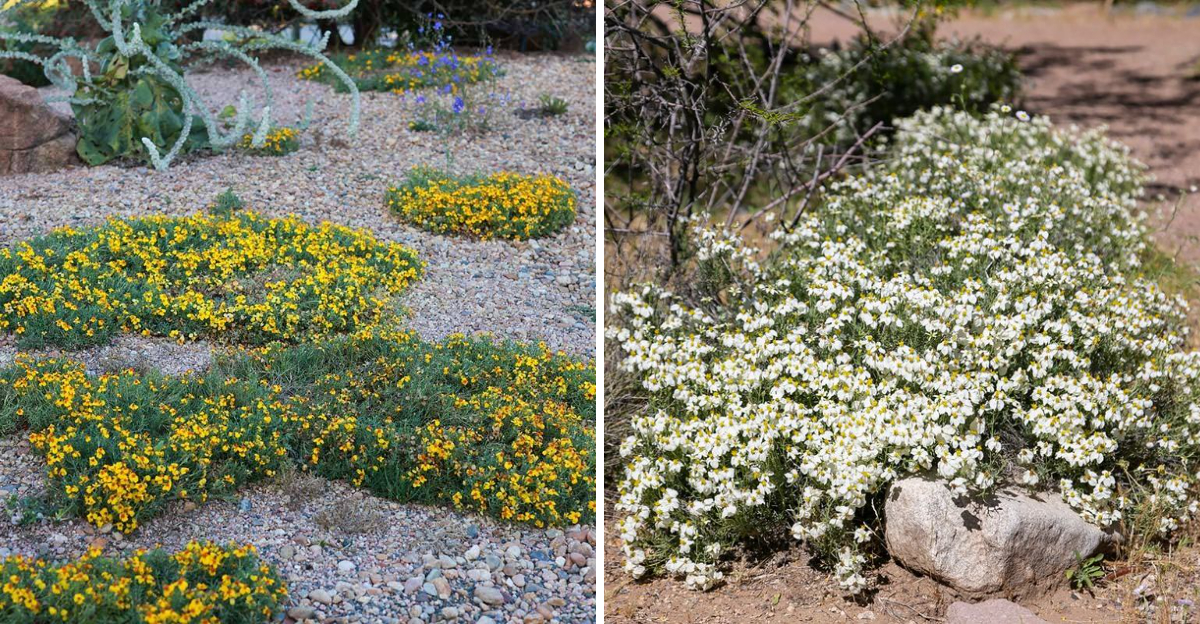
Early spring in Arizona is a golden window for planting – if you know how to use it. Warm days, cooler nights, and still-manageable soil temperatures give native groundcovers the perfect head start before the desert heat takes over.
Get them in now, and they’ll have time to root deeply and settle in before summer arrives.
For gravel-heavy front yards, heat-reflecting walls, and sun-soaked spaces, these low-growing natives bring color, texture, and life without demanding constant water.
Choose plants adapted to Arizona’s dry winds and intense sun, and your yard can stay vibrant long after spring fades.
1. Blackfoot Daisy Brings White Blooms And A Low Shape
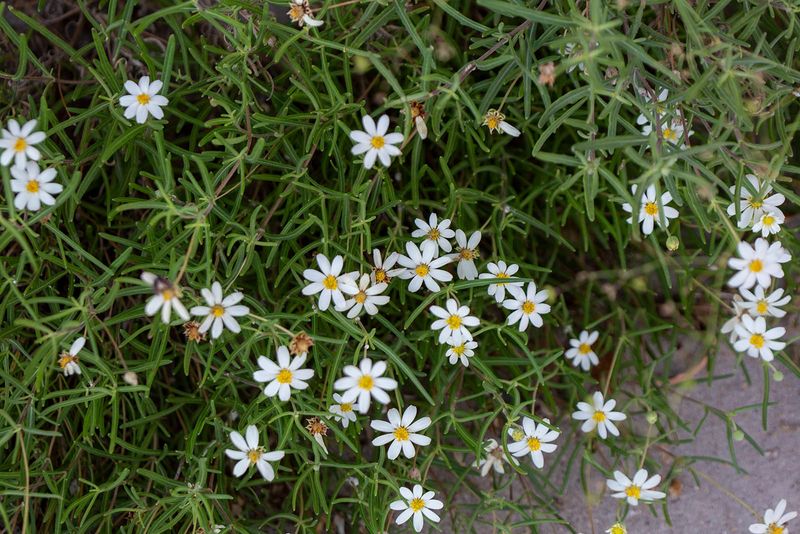
Few plants handle the reflected heat of an Arizona gravel bed quite as cheerfully as Blackfoot Daisy.
This compact, mounding perennial grows roughly 12 inches tall and spreads up to 18 inches wide, producing clusters of small white flowers with bright yellow centers from late winter through fall.
In lower desert elevations like Phoenix and Tucson, blooms can appear as early as February.
Planting in early spring gives roots time to settle into well-drained soil before summer heat arrives. Blackfoot Daisy strongly dislikes soggy conditions, so sandy or gravelly soil with good drainage is non-negotiable.
Once established, it needs only occasional deep watering, roughly every two to three weeks during dry stretches.
In the front yard, this plant works well along path edges, tucked near boulders, or massed in low borders where its rounded shape softens hard lines. Full sun brings out the most flowers.
A good sign is steady new blooms appearing through spring. A trouble sign is yellowing at the base of stems, which usually points to overwatering or drainage problems that need addressing soon.
2. Desert Marigold Adds Bright Yellow Color
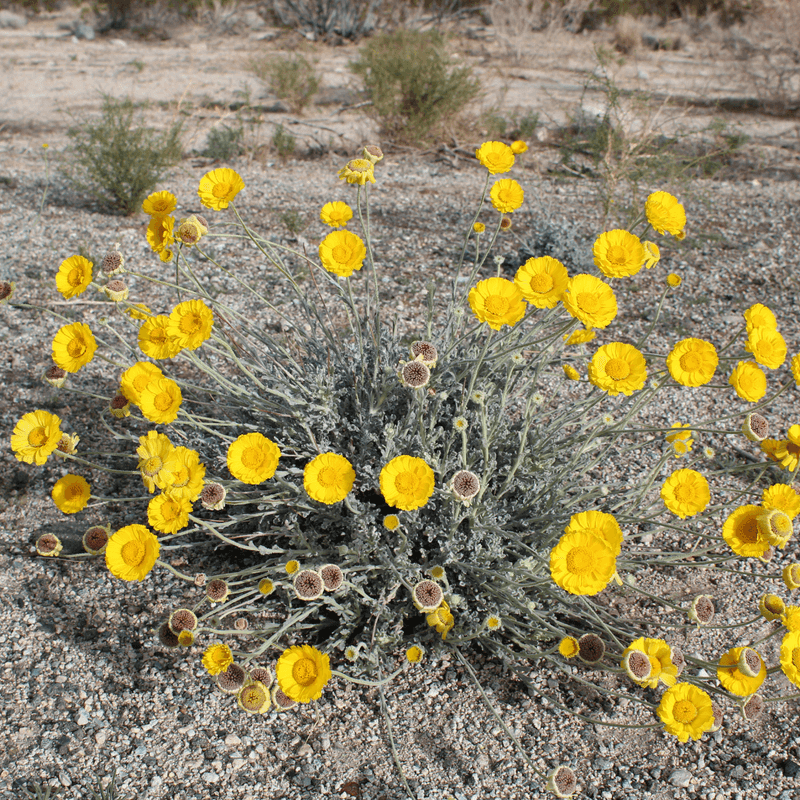
Walk past an Arizona front yard in spring and Desert Marigold is often the first burst of color that catches your eye.
This native perennial grows 12 to 18 inches tall and covers itself in golden-yellow, daisy-like flowers from early spring through fall, sometimes re-blooming after monsoon rains.
The soft, gray-green foliage has a woolly texture that reflects intense sunlight rather than absorbing it.
Early spring planting lets Desert Marigold build a solid root system while temperatures are still manageable. It handles full sun and reflected heat from walls and pavement exceptionally well, which makes it a strong performer in Arizona front yards facing south or west.
Soil drainage matters here – standing water after irrigation will cause problems quickly.
Water deeply once a week during the first month after planting, then taper off as the plant establishes. A light trim after each major bloom cycle encourages fresh growth and keeps the shape tidy.
Use it along driveway borders, near mailboxes, or in wide gravel beds where its cheerful yellow color creates visual warmth. A good sign is continuous new bud production.
A trouble sign is floppy stems, which often signals too much shade or overwatering.
3. Prairie Zinnia Spreads Low With Yellow Flowers
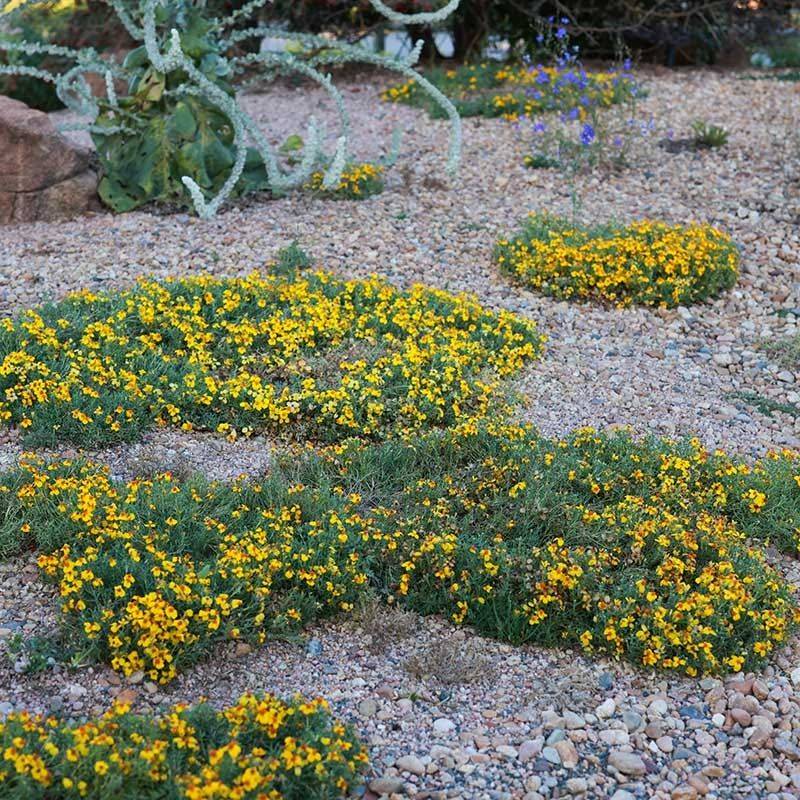
Prairie Zinnia has a quiet stubbornness that Arizona gardeners genuinely appreciate. It spreads into a low, dense mat only four to eight inches tall, slowly filling gaps between rocks and gravel without ever becoming invasive or aggressive.
Your Arizona Garden Changes Every Week. Your Plan Should Too.
Gardening in Arizona changes quickly throughout the season. Every Friday you’ll receive a simple weekly plan showing exactly what to plant, prune, fertilize, harvest, and protect so you never miss the right timing.
Small, bright yellow flowers appear reliably from spring through early fall, and the narrow, dark green leaves stay tidy even during dry stretches between waterings.
Planting in early spring works well because the cooler soil temperatures help root development before the summer heat cycle begins. Prairie Zinnia thrives in full sun and rocky or sandy soil with excellent drainage.
It handles the dry spring winds common across Arizona without wilting or dropping leaves, which makes it more dependable than many ornamental groundcovers.
In a front yard, it fits naturally along the base of boulders, in rock garden pockets, or as a low filler between larger shrubs.
Avoid planting it in areas where irrigation runoff collects, because consistently wet roots are its main vulnerability.
Water deeply but infrequently once established, around every ten to fourteen days in summer. A good sign is spreading side growth and steady flowering.
A trouble sign is mushy stems at the base, which points to excess moisture in the root zone.
4. Goodding’s Verbena Brings Purple Color Close To The Ground
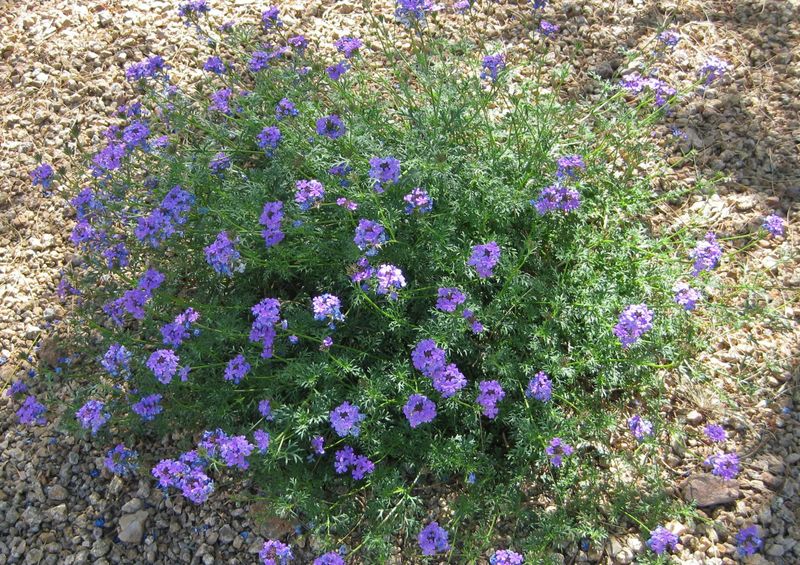
Spring in an Arizona front yard looks noticeably different when Goodding’s Verbena is spreading across the gravel.
This low-growing perennial produces dense clusters of bright pink to lavender flowers from spring through early summer, staying just four to eight inches off the ground while spreading two to three feet wide over time.
Butterflies and native bees find it quickly once blooms open.
Early spring is an ideal planting window because mild temperatures let the root system develop without the stress of intense summer heat or dry monsoon wind.
Goodding’s Verbena also reseeds moderately, meaning established plants often produce seedlings nearby that fill in bare spots naturally over a season or two.
This self-spreading habit makes it a practical choice for covering larger gravel areas without replanting every year.
Plant it in full sun or very light afternoon shade, in well-drained soil. Overwatering is the most common problem, so water deeply once a week during establishment, then reduce frequency as roots settle in.
It works beautifully along path edges, near low walls, or spilling over the front edge of a planting bed. A good sign is vigorous horizontal spreading and strong bloom clusters.
A trouble sign is pale, stretched stems, which usually means insufficient sunlight reaching the plant.
5. Desert Globemallow Adds Warm Blooms And Soft Texture
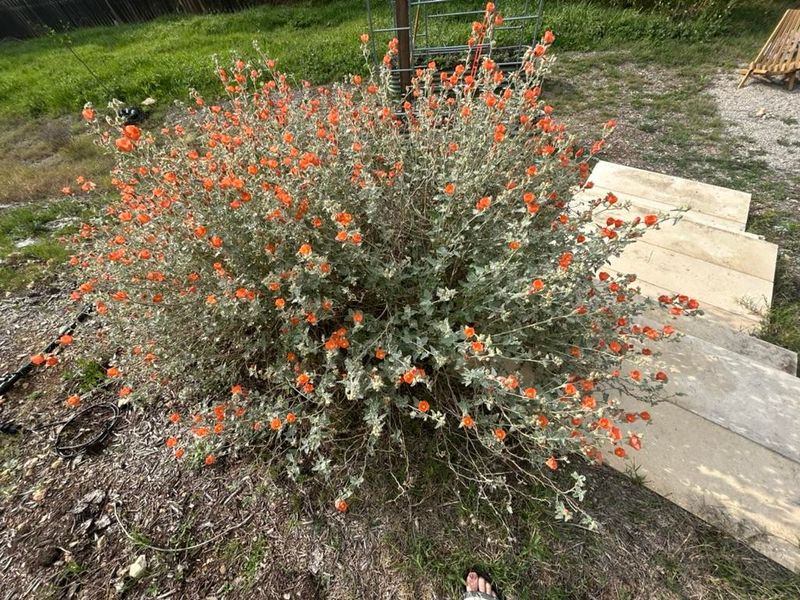
There is something genuinely warm and welcoming about Desert Globemallow blooming in an Arizona front yard.
The cup-shaped flowers come in shades of orange, red, and soft pink, appearing on upright stems from late winter through spring and again after monsoon moisture arrives.
The plant grows one to three feet tall depending on conditions, with soft, lobed leaves covered in fine gray hairs that help deflect intense desert sun.
Planting in early spring gives Desert Globemallow time to push roots into dry, rocky soil before summer temperatures climb. It performs best in full sun and handles reflected heat from block walls and gravel without significant stress.
Soil drainage is critical – this plant grows naturally in gravelly desert washes and roadside slopes where water moves through quickly rather than pooling.
Water once a week during the first four to six weeks after planting, then cut back significantly as the plant settles in. Established plants can survive on natural rainfall in lower desert elevations, though a deep soak every few weeks during dry periods keeps blooms coming.
Use it near boulders, at the base of walls, or in naturalistic front yard plantings. A good sign is steady upright growth and new flower buds.
A trouble sign is leaf drop combined with wilting, often linked to poor drainage.
6. Trailing Dalea Spreads Softly In Dry Beds
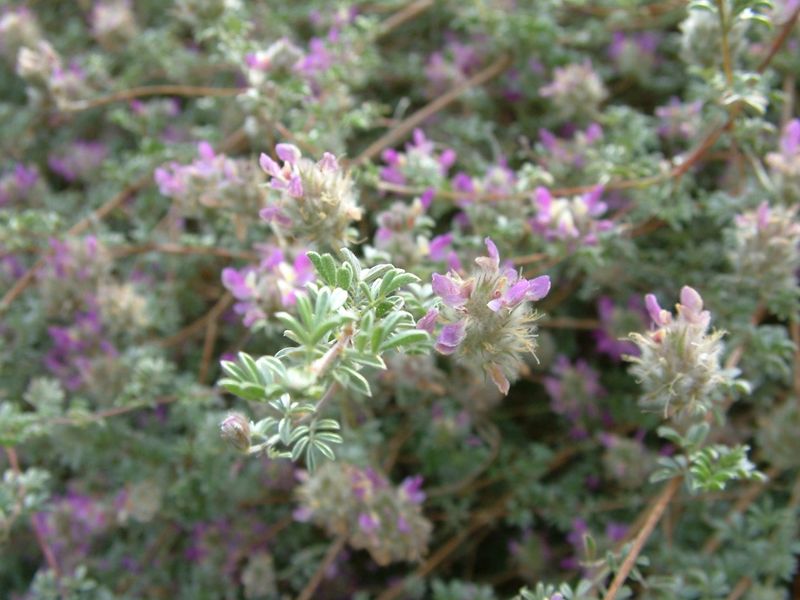
Trailing Dalea earns its place in Arizona front yards by doing something most plants struggle with – looking attractive while barely needing any attention.
The silver-green foliage forms a soft, spreading mat that stays low, usually under 12 inches tall but spreading four to six feet wide over time.
Small purple flowers appear in late spring, drawing native bees to the mat in noticeable numbers.
Early spring planting gives Trailing Dalea the best start because roots can establish gradually during mild weather before summer dry heat sets in.
It handles slopes and berms particularly well, helping reduce soil movement during the heavy monsoon rains that roll through Arizona in July and August.
Full sun and extremely well-drained soil are essential – this plant comes from rocky desert terrain where moisture drains immediately after rain.
Once established, Trailing Dalea needs very little supplemental water, making it one of the more drought-tolerant groundcovers on this list. Water deeply twice a week for the first month, then shift to deep watering every two to three weeks through summer.
It looks strong along dry creek beds, at the base of boulders, or cascading over a low retaining wall. A good sign is consistent horizontal spread.
A trouble sign is yellowing inner foliage, which often signals drainage or compaction issues.
7. Desert Zinnia Keeps A Low Shape And Bright Flowers
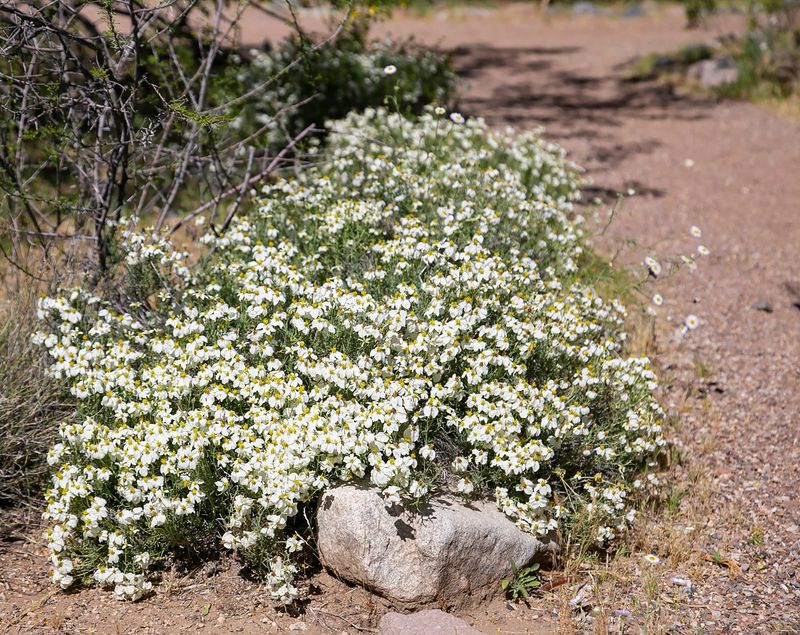
Compact, tidy, and surprisingly tough, Desert Zinnia fits into Arizona front yards where other plants give up.
It grows only six to ten inches tall and forms a dense, rounded mound covered in small white to pale yellow flowers with bright yellow centers from spring through fall.
The narrow, gray-green leaves handle dry spring wind and reflected heat from surrounding gravel without showing much stress.
Planting in early spring takes advantage of cooler soil temperatures that help root systems develop a strong foundation.
Desert Zinnia grows naturally in rocky limestone and desert pavement soils across Arizona, so it performs best in well-drained, low-fertility ground where water moves through quickly.
Rich amended soil or frequent irrigation tends to make plants leggy rather than compact and floriferous.
In a front yard, it works well tucked into rock garden pockets, planted along low borders, or used in clusters near boulders where its rounded shape adds contrast against hard surfaces.
Water once a week during the first month, then reduce to every ten to fourteen days as roots establish.
Minimal pruning keeps the shape neat. A good sign is a dense, rounded mound covered in buds.
A trouble sign is stretched, open growth with few flowers, usually a signal that the plant is receiving too much water or not enough sun.
8. Desert Ruellia Adds Purple Blooms And A Natural Look
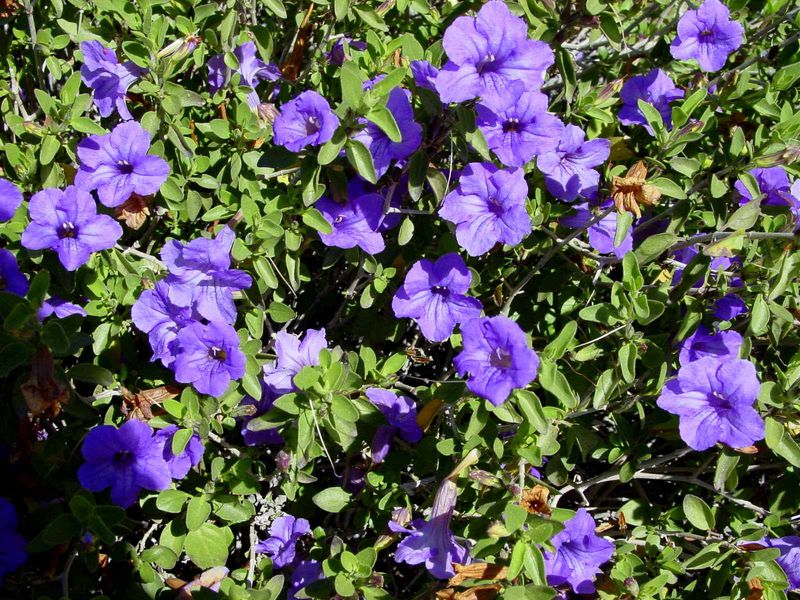
Hummingbirds notice Desert Ruellia before most gardeners do. The soft purple, trumpet-shaped flowers open reliably from spring through fall, and the plant’s low, spreading habit keeps it close to the ground at roughly six to twelve inches tall.
It spreads gradually by underground runners, slowly filling in gravel beds and bare patches without becoming difficult to manage in most Arizona front yard situations.
Early spring is a practical planting time because mild soil temperatures help roots travel outward before summer heat makes establishment more demanding.
Desert Ruellia handles full sun across low desert elevations and tolerates partial afternoon shade, which makes it flexible for front yards with varying sun exposure throughout the day.
It also handles the dry, breezy conditions common in Arizona spring months without wilting or dropping leaves.
Water deeply twice a week for the first three to four weeks after planting, then reduce frequency as the plant shows signs of spreading.
Well-drained soil is important, but Desert Ruellia tolerates a wider range of soil types than many other native groundcovers on this list.
Use it near path edges, along low walls, or mixed with boulders in naturalistic plantings. A good sign is steady spreading and consistent purple flowers.
A trouble sign is brown leaf edges, which often points to reflected heat stress or drought.