These Are The 8 Trees Ohio Homeowners Regret Planting
One bad tree can wreck a yard for decades. In Ohio, plenty of homeowners learned that lesson too late, after cracked sidewalks, clogged gutters, weak limbs, nonstop mess, and roots that pushed far past the spot they were meant to stay.
A fast sale at the nursery can turn into years of regret once storm season hits, insects move in, or a once-pretty tree swallows sunlight, space, and curb appeal. Some choices look harmless at first, then bring costly repairs, endless cleanup, and a yard that feels harder to manage every season.
Before you add shade, color, or privacy to your property, it pays to know which popular picks cause the biggest headaches across Ohio neighborhoods. And the worst part is how often these trees still show up on store lots and landscape lists.
1. Bradford Pear’s Beauty Comes With A Price
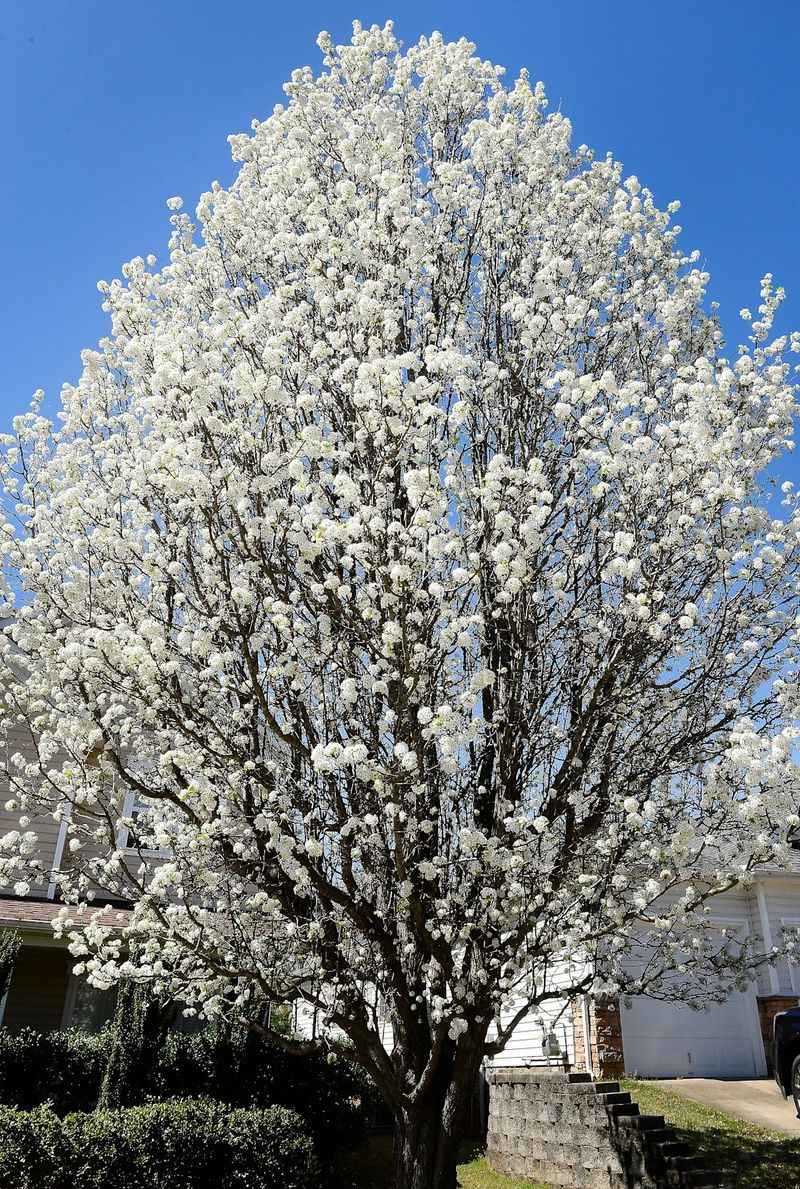
Few trees turn heads in spring like the Bradford Pear. Those bright white blossoms look stunning against a clear Ohio sky, and for the first few years, it seems like you made a genius landscaping choice.
Nurseries sold them by the millions across the Midwest for decades, and Ohio neighborhoods were full of them.
The problems show up fast. Bradford Pears have a notoriously weak branch structure where multiple limbs grow from nearly the same point on the trunk.
That creates tight, narrow angles that simply cannot hold the weight of mature branches, especially when Ohio winter storms roll in with heavy ice or wind. Whole sections of the tree can split away suddenly, leaving behind a jagged, damaged trunk and a massive cleanup job.
Beyond storm damage, Bradford Pear has been flagged as invasive in Ohio. Birds eat the fruit and spread seeds widely, and the offspring trees revert to a thorny, wild form that crowds out native plants.
Ohio’s invasive plant councils have raised serious concerns about its spread into natural areas. Many Ohio communities have even launched buyback programs encouraging homeowners to remove them.
Alternatives like serviceberry or redbud offer beauty without the baggage.
2. Silver Maple Grows Fast And Falls Apart Faster
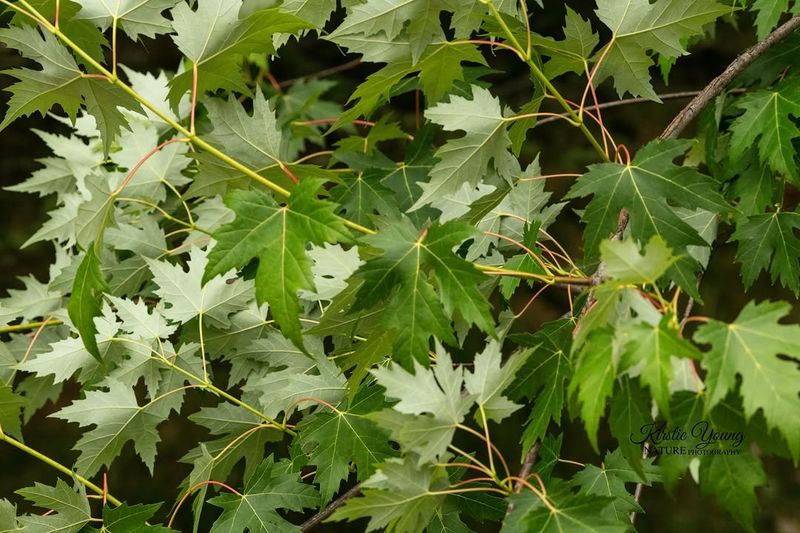
Homeowners love Silver Maple for one reason above all others: speed. Plant one and you will have real shade in just a few years, which sounds like a dream when you are staring at a bare, sun-baked backyard.
Ohio nurseries have sold Silver Maples as a go-to fast-shade solution for generations.
That speed comes with serious trade-offs. Silver Maple wood is notoriously brittle, and the tree drops branches constantly, especially during Ohio’s spring thunderstorms and winter ice events.
You might find yourself cleaning up limbs every few weeks during storm season. Over time, the cost of trimming and debris removal adds up significantly.
The root system is another headache entirely. Silver Maple roots are shallow, wide-spreading, and relentlessly aggressive.
They lift sidewalks, crack driveways, invade sewer lines, and make lawn mowing a bumpy obstacle course. Ohio State University Extension has long cautioned against planting Silver Maple near pavement, structures, or utility lines for exactly these reasons.
Your Ohio Garden Changes Every Week. Your Plan Should Too.
Gardening in Ohio changes quickly throughout the season. Every Friday you’ll receive a simple weekly plan showing exactly what to plant, prune, fertilize, harvest, and protect so you never miss the right timing.
A tree that grows fast but requires constant attention and causes property damage is rarely the bargain it seems. Better alternatives for Ohio yards include native species like Swamp White Oak or Bur Oak, which grow steadily and hold up beautifully over time.
3. Tree Of Heaven Is The Invasive Nightmare That Refuses To Leave
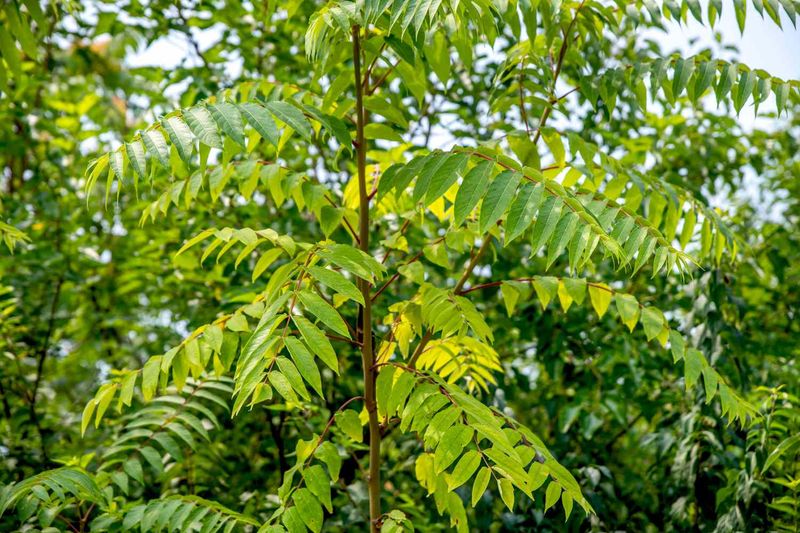
Brought to North America in the 1700s as an ornamental plant, Tree of Heaven has long since worn out its welcome. In Ohio, it now ranks among the most problematic invasive species on record.
Once it takes root in your yard, getting rid of it becomes a project that can stretch on for years.
The tree grows at a shocking pace, sometimes adding six feet or more in a single season. It sprouts from seeds, stumps, and underground roots simultaneously, meaning cutting it down often triggers an explosion of new shoots.
Homeowners who try to remove it without a careful, repeated treatment plan frequently find dozens of new sprouts appearing within weeks. The roots can also crack pavement and damage building foundations over time.
On top of the spread problem, Tree of Heaven has an unpleasant smell that many people describe as rancid peanut butter, coming from both the leaves and the bark. It aggressively outcompetes native Ohio trees and shrubs, reducing habitat quality for local wildlife.
The Ohio Department of Natural Resources lists it as an invasive species, and experts strongly recommend against planting it anywhere near natural areas. If you spot it growing on your property, early removal with professional guidance gives you the best chance of keeping it under control.
4. White Mulberry Brings The Mess Home Fast
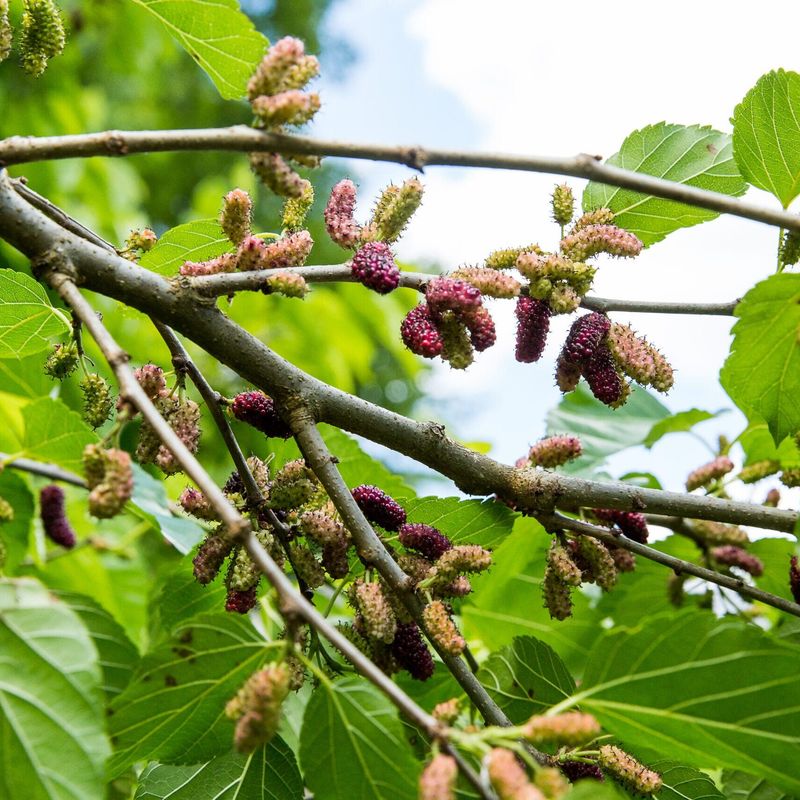
Planting a White Mulberry near your patio or driveway seems harmless until the fruit starts dropping. Then the regret sets in quickly.
The berries ripen in early summer and fall in huge quantities, staining concrete, decking, and anything else underneath a deep, stubborn purple that is genuinely difficult to remove.
Birds flock to mulberry trees in large numbers, which sounds charming until you realize they spread seeds across your lawn, your neighbor’s yard, and into nearby natural areas. Volunteer seedlings pop up everywhere, and they grow fast enough to become a real problem if you are not pulling them constantly.
White Mulberry is classified as invasive in parts of Ohio, and it hybridizes with the native Red Mulberry, threatening the genetic integrity of that native species.
Fruitless mulberry varieties exist, but they are not foolproof and can still produce some fruit under certain conditions. The tree also has an aggressive root system that can interfere with underground pipes and lift pavement over time.
For homeowners who want a shade tree near a patio or walkway, White Mulberry creates far more ongoing maintenance than most people bargain for. Native alternatives like Pawpaw or American Hornbeam offer shade without the constant, staining fruit mess that makes White Mulberry such a common regret across Ohio.
5. Mimosa Tree Looks Delicate And Breaks Just As Easily
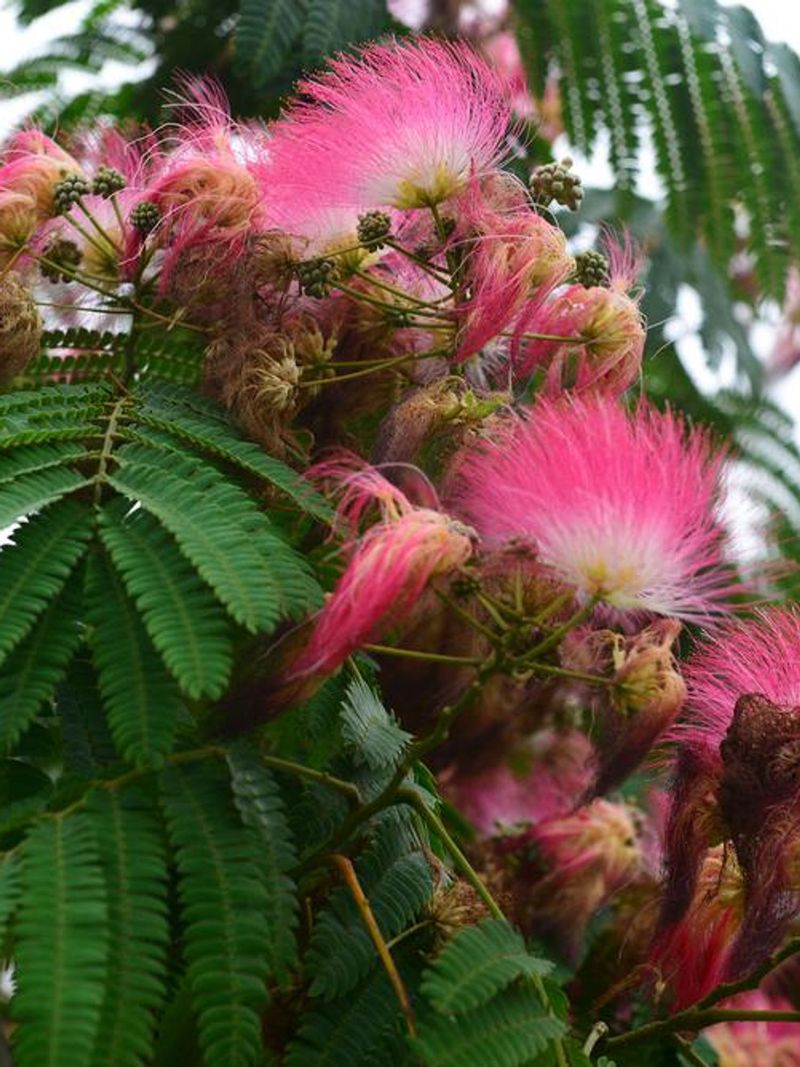
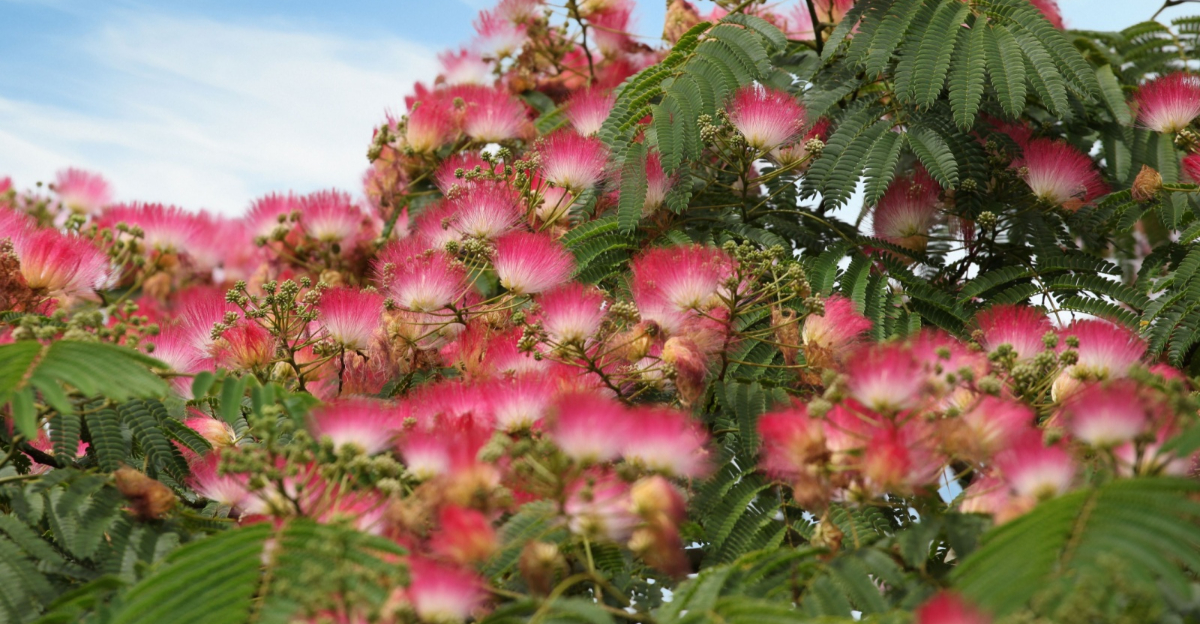
Walk past a Mimosa tree in full bloom and it is hard not to stop and stare. The feathery pink flowers look almost tropical, and the fern-like leaves give it an exotic, airy quality that stands out in any Ohio yard.
That visual appeal is exactly why so many homeowners have planted one, and exactly why so many of them later regret it.
Mimosa wood is weak and breaks easily in storms, which Ohio gets plenty of throughout the spring and summer. Branches snap off with surprisingly little wind, and the tree’s overall lifespan is relatively short compared to native hardwoods.
Mimosa is also highly susceptible to a fungal disease called mimosa wilt, which can spread through the soil and cause rapid decline. Once a tree is infected, there is not much that can be done to reverse it.
Seed pods drop in large quantities and litter the ground for months, and the tree self-seeds prolifically. In many parts of the eastern United States, Mimosa is classified as invasive, and Ohio landscapes are not immune to its spreading habit.
Seedlings sprout in flower beds, along fences, and in lawn edges constantly. For homeowners who want that soft, flowering look, native alternatives like Eastern Redbud deliver beauty and reliability without the mess or the maintenance burden that Mimosa consistently brings.
6. Weeping Willow Turns Grace Into A Root Problem
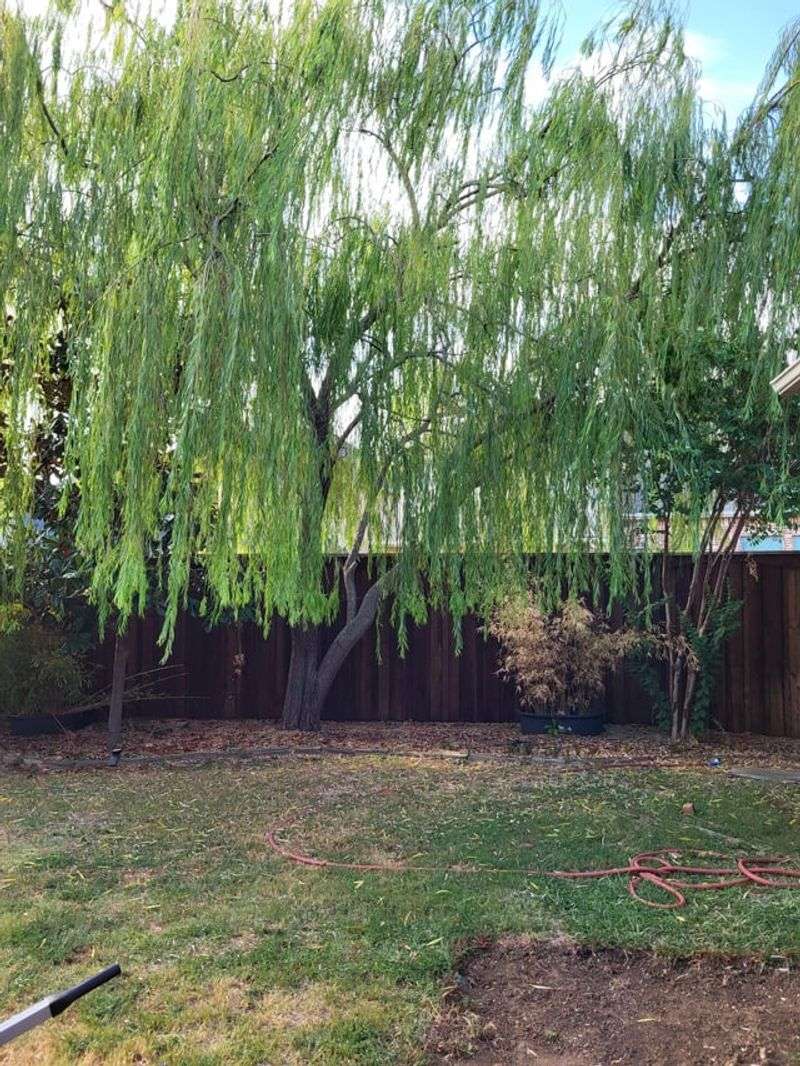
There is something undeniably beautiful about a Weeping Willow swaying gently near a pond. The long, cascading branches and graceful silhouette make it one of the most romantic-looking trees in any landscape.
It is no surprise that Ohio homeowners plant them with the best intentions, usually imagining a peaceful backyard retreat.
The reality that follows is much less poetic. Weeping Willows have an intense, relentless drive to seek out moisture, and their roots will travel remarkable distances underground to find it.
Water lines, sewer pipes, and septic systems are all at serious risk when a Weeping Willow is planted anywhere near them. The repair bills that follow a root intrusion into underground infrastructure can run into thousands of dollars.
Even without pipe damage, the tree creates constant maintenance demands. Weeping Willows drop branches and twigs regularly, especially after storms, and the sheer volume of debris can feel overwhelming on a typical Ohio property.
The trees also have a relatively short lifespan compared to native hardwoods, so all that effort may not pay off long-term. Ohio State University Extension recommends planting Weeping Willows only on large properties with natural water features, well away from any structures or utility lines.
For most suburban Ohio yards, it is simply the wrong tree for the space.
7. Siberian Elm Is The Fast Grower Homeowners End Up Fighting
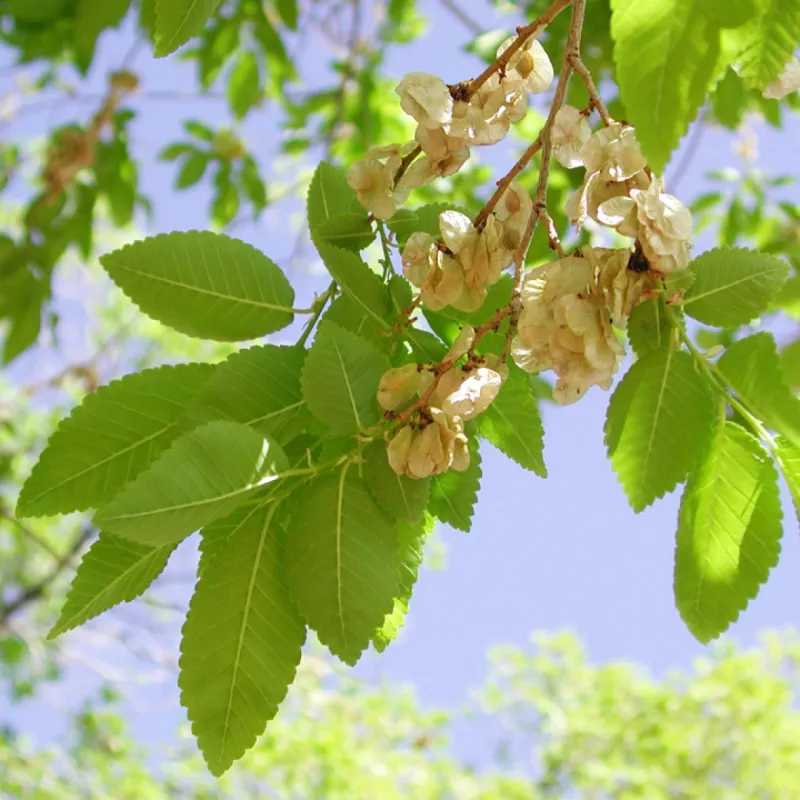
Speed sells trees, and Siberian Elm is one of the fastest growers you can put in the ground. Under good conditions, it can shoot up several feet per year, which makes it look like an easy win for homeowners desperate for quick shade or a privacy screen.
The appeal is understandable, but the long-term picture tells a very different story.
Siberian Elm produces enormous quantities of small, papery seeds that blow everywhere and germinate readily. Within a season or two, homeowners often find seedlings popping up in every garden bed, along the fence line, in the lawn, and in sidewalk cracks throughout the yard.
Keeping up with the volunteers becomes a near-constant chore from spring through fall.
The tree’s branch structure is weak and poorly formed, making it prone to breakage during Ohio’s storms. Limbs split and drop without much warning, creating both a cleanup burden and a safety concern near homes, vehicles, or people.
Siberian Elm is also not native to Ohio and can spread aggressively into natural areas, outcompeting native vegetation. Experts at university extension programs consistently steer homeowners away from it, recommending better-behaved native alternatives like Chinkapin Oak or Hackberry that grow at a reasonable pace and contribute positively to the local ecosystem rather than working against it.
8. Eastern Cottonwood Drops The Kind Of Mess Nobody Wants
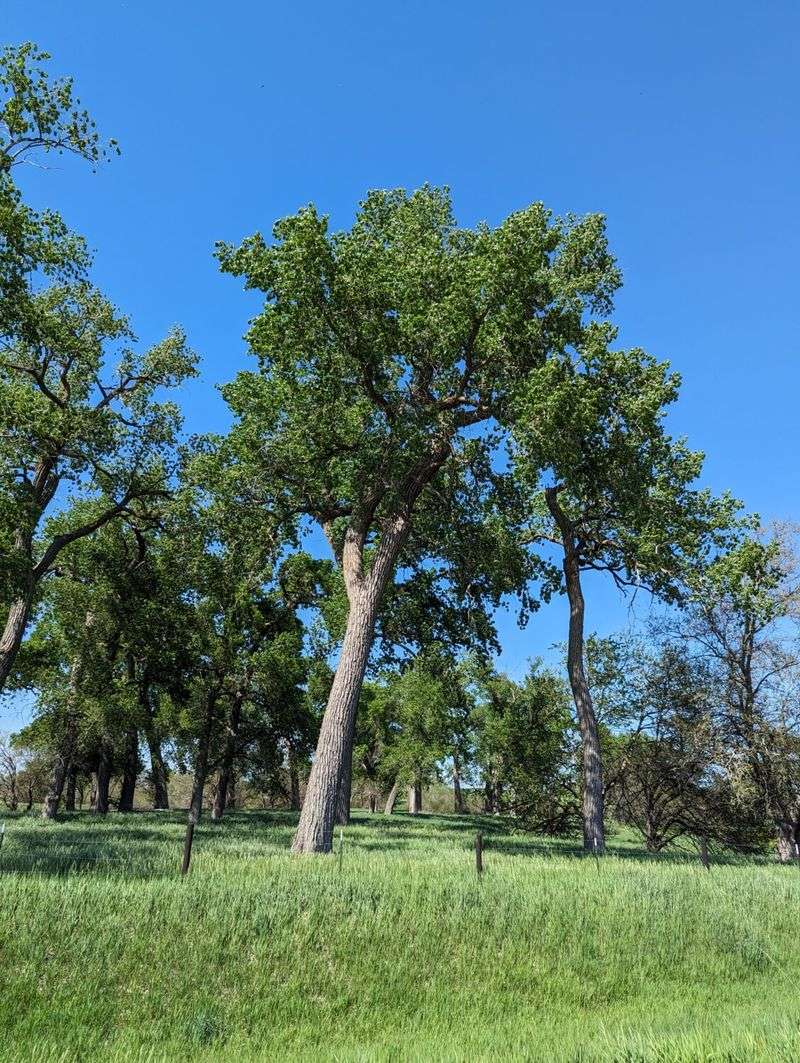
Eastern Cottonwood is one of the largest native trees in Ohio, capable of reaching over 100 feet tall with a massive, spreading canopy. In the right setting, along a river bank or in a large open field, it plays an important ecological role.
Planted in a typical suburban yard, though, it quickly becomes more than most homeowners can handle.
The cottony seeds are the most infamous feature. For several weeks in late spring and early summer, female Cottonwood trees release enormous quantities of fluffy white seeds that drift through the air and pile up on lawns, porches, window screens, and air conditioning units.
The mess is relentless and nearly impossible to keep up with during peak release season. Homeowners with allergies find the seed season particularly miserable.
Size and wood quality create additional concerns. Cottonwood grows fast and large, and its wood is brittle enough to drop significant branches during Ohio thunderstorms.
Root systems are extensive and can interfere with drainage, foundations, and underground utilities on smaller lots. The volume of leaf litter in fall adds yet another cleanup layer to an already demanding tree.
For most Ohio homeowners working with an average-sized yard, Eastern Cottonwood is simply too large, too messy, and too demanding to justify planting anywhere near a home or outdoor living space.