9 Best Heirloom Tomato Varieties To Grow In Ohio
Nothing beats the taste of a real heirloom tomato picked straight from the vine, warm from the Ohio sun and packed with more flavor than anything from a grocery store shelf.
While modern hybrids often win on uniform shape and shipping strength, heirlooms bring the color, richness, and old-school flavor that turn an ordinary summer sandwich into something unforgettable.
The right variety can thrive in Ohio gardens, even with humid stretches, heavy rain, and unpredictable temperature swings that test weaker plants. Some produce huge slicers perfect for burgers, while others deliver sweet, low-acid fruit or deep, bold flavor that stands out in sauces and salads.
For gardeners who want better harvests and better taste, variety choice matters from day one!
1. Brandywine Still Reigns As The Juicy Summer Favorite
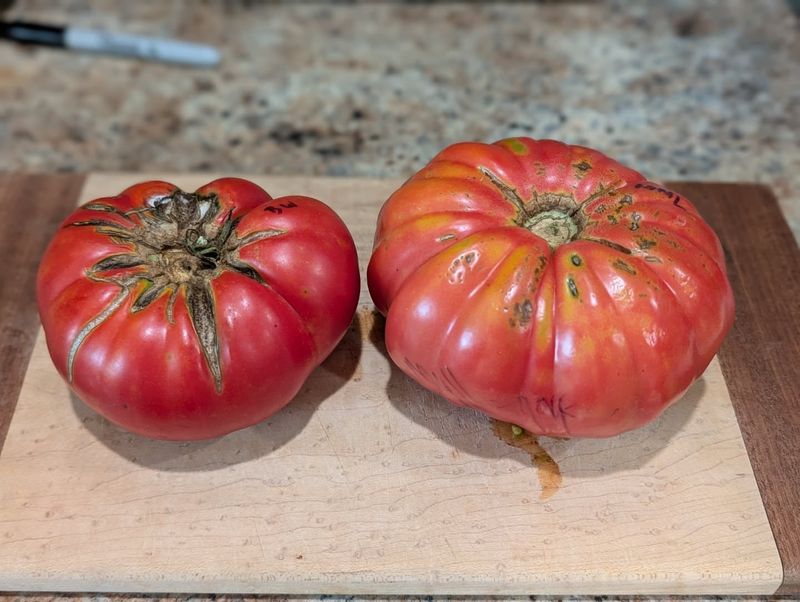
Ask any experienced Ohio gardener to name their all-time favorite heirloom tomato, and Brandywine will come up more often than almost any other variety. Originating from Amish communities in the late 1800s, this tomato has earned its legendary status through sheer, undeniable flavor.
The fruits are large, often reaching one to two pounds, with a rich, complex, almost wine-like taste that sets it apart from anything you will find at a grocery store.
Brandywine plants are indeterminate, meaning they keep growing and producing throughout the season. They tend to be vigorous growers and benefit from sturdy caging or staking.
In Ohio, the growing season is usually long enough to get a solid harvest, though Brandywine can take 80 to 100 days to mature, so starting seeds indoors around six to eight weeks before the last frost is a smart move.
The main trade-off with Brandywine is that it is not the most productive plant per square foot compared to some hybrids. It can also be prone to cracking in wet conditions.
Still, the flavor reward is so exceptional that most Ohio home gardeners consider it absolutely worth the extra patience and care it demands every season.
2. Cherokee Purple Brings Rich Flavor And Serious Garden Appeal
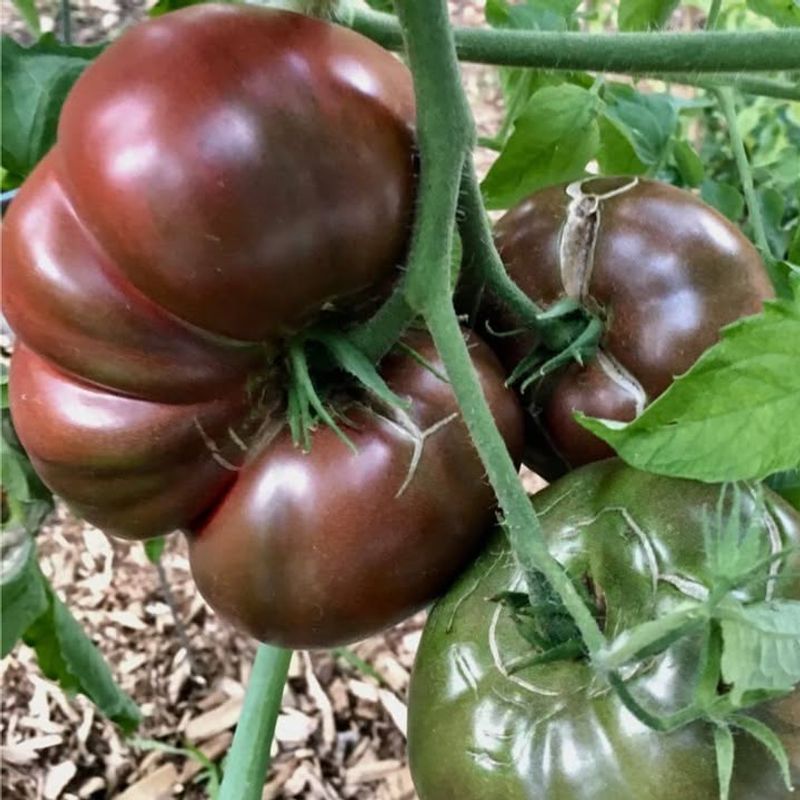
There is something almost dramatic about slicing open a Cherokee Purple tomato for the first time. The skin is a deep, dusty rose-purple on the outside, and the interior reveals rich, dark red flesh streaked with beautiful color.
Flavor-wise, this variety delivers a complex, smoky, slightly sweet taste that has earned it a devoted following among Ohio gardeners who take their tomatoes seriously.
Cherokee Purple is believed to have origins with the Cherokee people of the American Southeast, passed down through generations before becoming popular in modern heirloom circles. Plants are indeterminate and can grow quite tall, so strong support is essential, especially in Ohio where summer storms can roll through unexpectedly.
Expect fruits to mature in about 80 to 90 days, typically weighing between 10 and 16 ounces each.
One of the real strengths of Cherokee Purple for Ohio gardens is its adaptability. It performs well in both raised beds and in-ground plots, and it handles the state’s sometimes variable summer weather reasonably well.
The stunning color also makes it a standout at farmers markets and on the dinner table. Sliced thick with just a drizzle of olive oil, Cherokee Purple barely needs any other seasoning at all.
Your Ohio Garden Changes Every Week. Your Plan Should Too.
Gardening in Ohio changes quickly throughout the season. Every Friday you’ll receive a simple weekly plan showing exactly what to plant, prune, fertilize, harvest, and protect so you never miss the right timing.
3. German Johnson Delivers Big Slices And Old School Taste
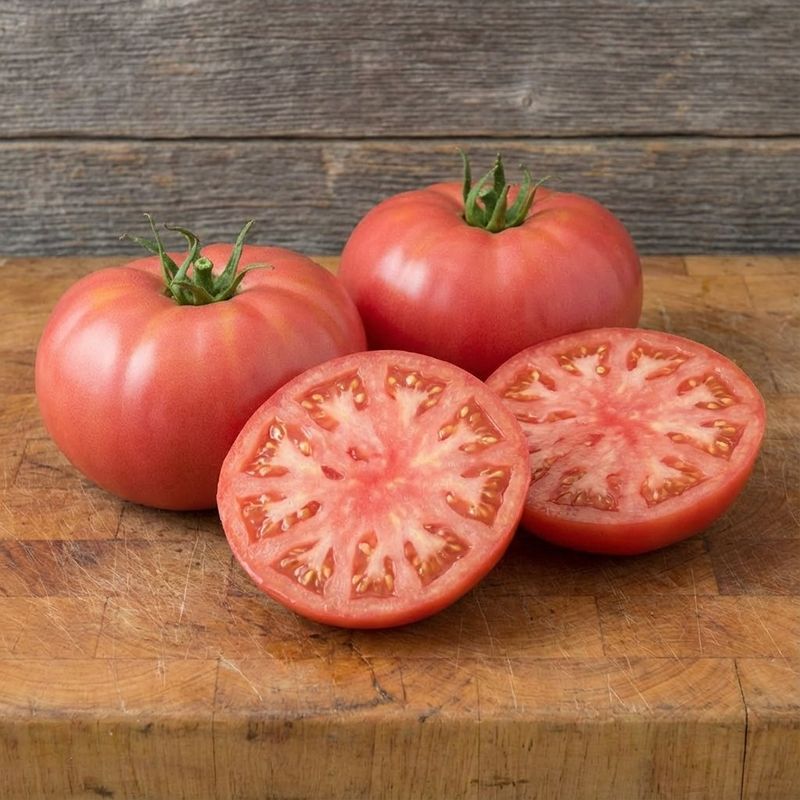
German Johnson has all the hallmarks of a classic heirloom tomato: big, meaty fruits, a satisfying old-fashioned flavor, and a plant that rewards gardeners who give it room to grow. Originally developed in North Carolina, this variety has found a loyal home in gardens across the Midwest, including many Ohio backyard plots where gardeners want a reliable slicer with serious character.
The fruits typically weigh one to two pounds and ripen to a beautiful pinkish-red color. Compared to Brandywine, German Johnson tends to produce slightly earlier and often more consistently, making it a practical choice for Ohio gardeners who want big tomatoes without quite as much waiting.
Expect maturity around 80 days after transplanting, which fits comfortably within Ohio’s growing season.
Flavor is what makes German Johnson stand out. It has a balanced, mild sweetness with low acidity, which makes it especially appealing for sandwiches, fresh slicing, and simple salads.
The plants are indeterminate and can get quite large, so staking or caging early in the season is important. German Johnson is also considered a parent variety of the famous Mortgage Lifter, giving it an important place in heirloom tomato history that many Ohio gardeners genuinely appreciate.
4. Mortgage Lifter Lives Up To Its Legendary Reputation
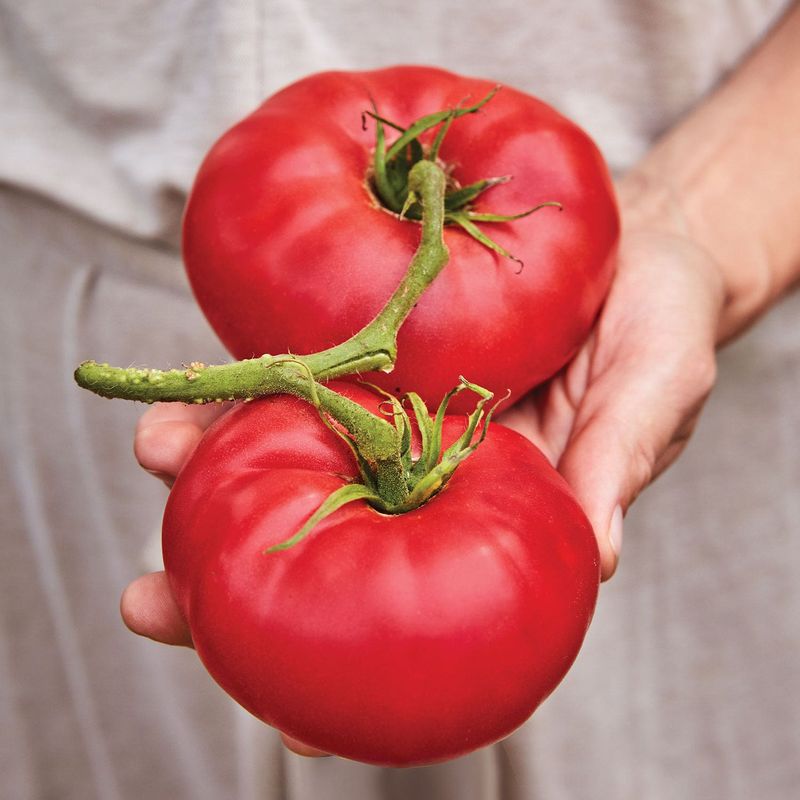
The backstory behind Mortgage Lifter is one of the best in all of gardening lore. A man named Radiator Charlie Bohl in West Virginia spent years crossing several large tomato varieties in the 1930s and 1940s to create a tomato so good he sold plants for one dollar each and paid off his mortgage in just six years.
That kind of story tends to stick with people, and the tomato absolutely lives up to the legend.
Mortgage Lifter produces enormous, meaty fruits that often weigh one to two pounds or more. The flesh is dense, sweet, and low in acid, with very few seeds, which makes it ideal for slicing and eating fresh.
Ohio gardeners particularly appreciate the generous fruit size and the dependable production once the plants get going. Maturity typically falls around 80 days, which works well within the Ohio growing window.
Plants are indeterminate and can grow quite tall, so plan to stake or cage them firmly. Consistent watering helps prevent blossom end rot, which can be an issue for any large-fruited tomato in Ohio’s sometimes uneven summer rainfall patterns.
For gardeners who want a tomato that is both historically fascinating and genuinely delicious, Mortgage Lifter belongs in every Ohio garden at least once.
5. Black Krim Packs Bold Flavor Into Every Dark Slice
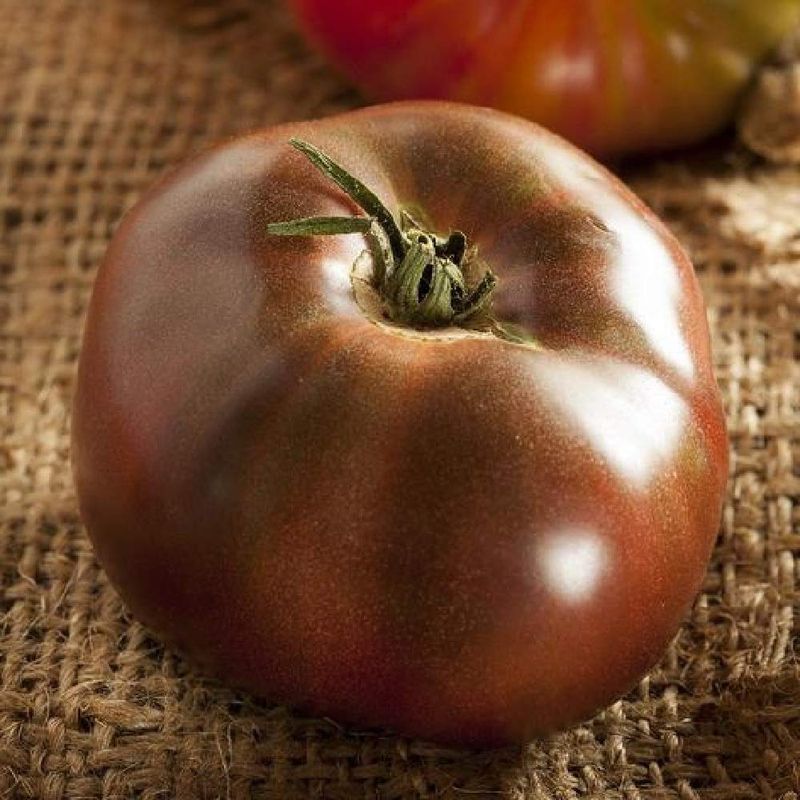
Black Krim arrived in the United States from the Crimea region of Ukraine, and its bold, savory flavor profile reflects those Eastern European roots. The fruits are medium to large, turning a deep brownish-red to almost purple color when fully ripe, with characteristic dark green shoulders that fade as the tomato matures.
Cut one open and the flesh inside is a stunning deep burgundy red.
Flavor is the main event with Black Krim. It has a rich, slightly salty, smoky depth that is unlike most other heirloom tomatoes.
Some gardeners describe it as almost meaty or earthy, making it an excellent choice for pairing with cheese, cured meats, or hearty sandwiches. It typically matures in about 80 days, putting it well within reach of Ohio’s summer growing season.
Ohio gardeners should be aware that Black Krim can be a bit sensitive to extreme heat and humidity, sometimes leading to cracking or uneven ripening during particularly hot spells. Consistent watering and mulching help manage moisture levels and keep the plants productive.
Despite those minor challenges, the flavor payoff is significant enough that many Ohio gardeners grow Black Krim year after year, simply because no other tomato on the vine quite matches its bold, distinctive character.
6. Green Zebra Adds A Zesty Twist To The Ohio Garden
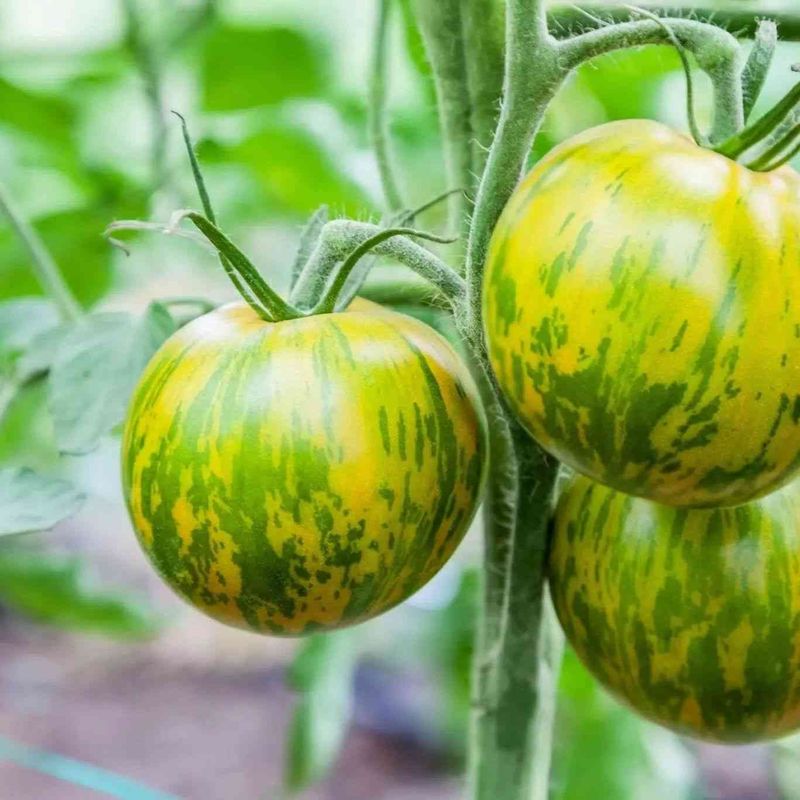
Not every great tomato is red, and Green Zebra makes that point beautifully. Bred by Tom Wagner in the 1980s and now widely considered a true heirloom-style variety, Green Zebra produces small, round fruits covered in bright green and yellow stripes that make them look almost too pretty to eat.
Ripe fruits have a slight give when pressed, and the flavor is wonderfully tangy, bright, and refreshing.
Green Zebra typically matures in about 75 to 80 days, which makes it one of the faster-ripening options on this list for Ohio gardeners. The plants are indeterminate but tend to stay a bit more compact than some of the larger beefsteak varieties, making them a solid option for smaller garden spaces or even large containers.
Fruits generally weigh two to four ounces each, so expect clusters of smaller tomatoes rather than giant slicers.
The tangy flavor profile makes Green Zebra a fantastic addition to fresh salads, bruschetta, and summer appetizer platters. Its striking appearance also means it draws attention at the table and in the garden.
Ohio gardeners who want to add visual excitement and bright flavor variety to their tomato patch will find Green Zebra a consistently rewarding and genuinely fun variety to grow each summer season.
7. Aunt Ruby’s German Green Surprises With Sweetness And Size
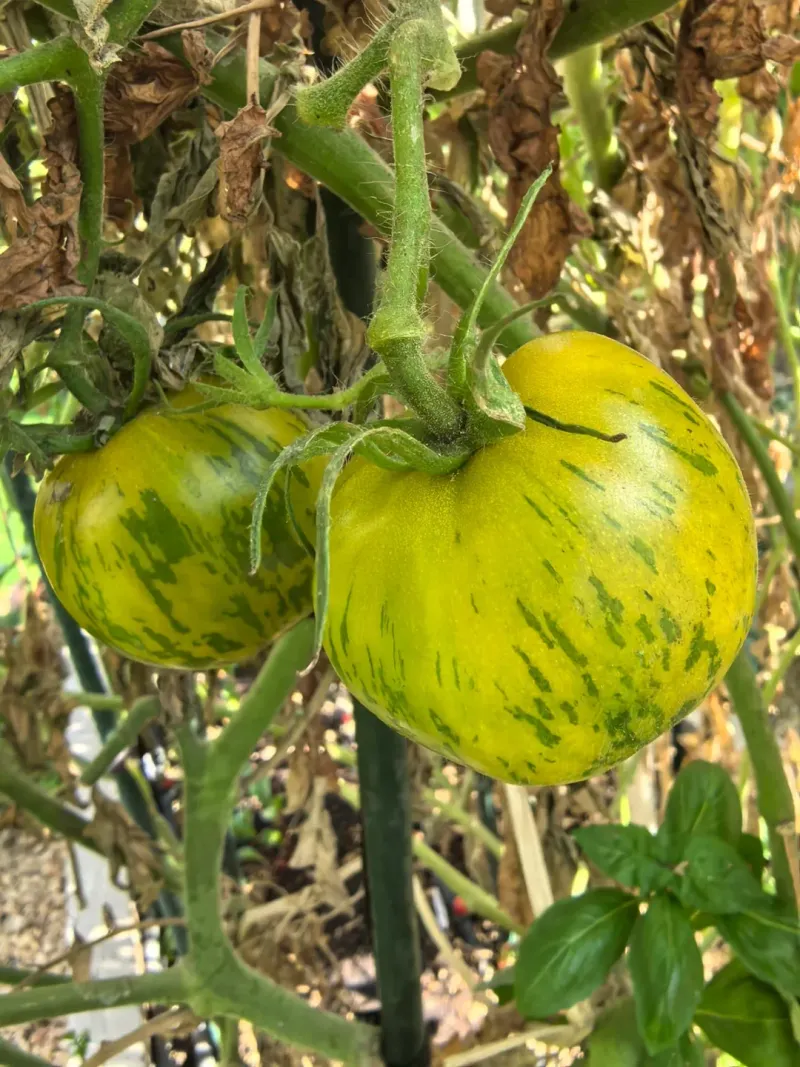
Walking up to a plant loaded with large, pale green tomatoes can feel disorienting at first, because every instinct says green means unripe. Aunt Ruby’s German Green turns that assumption completely upside down.
When fully ripe, these large tomatoes develop a slight yellow or pinkish blush and feel soft to the touch. Slice one open and the interior is a beautiful pale green with a sweet, fruity, almost tropical flavor that genuinely surprises first-time growers.
Aunt Ruby’s German Green is believed to have originated in Germany and was popularized by Ruby Arnold of Greeneville, Tennessee. Fruits can reach one to two pounds and mature in approximately 80 to 85 days.
For Ohio gardeners, that timeline fits reasonably well into the summer growing season, especially when transplants go into the ground by late May after frost risk has passed.
The flavor is mild and sweet rather than acidic, which makes it appealing for fresh eating and for people who find highly acidic tomatoes hard on their stomach. Plants are indeterminate and can get large, so give them plenty of vertical support.
Aunt Ruby’s German Green is a conversation starter in any Ohio garden, and once people actually taste it ripe off the vine, skepticism turns into genuine enthusiasm almost immediately.
8. Amish Paste Earns Its Place Beyond Sauce Season
Paste tomatoes sometimes get treated as a single-use ingredient, something you grow just to make sauce in August and then forget about. Amish Paste completely changes that narrative.
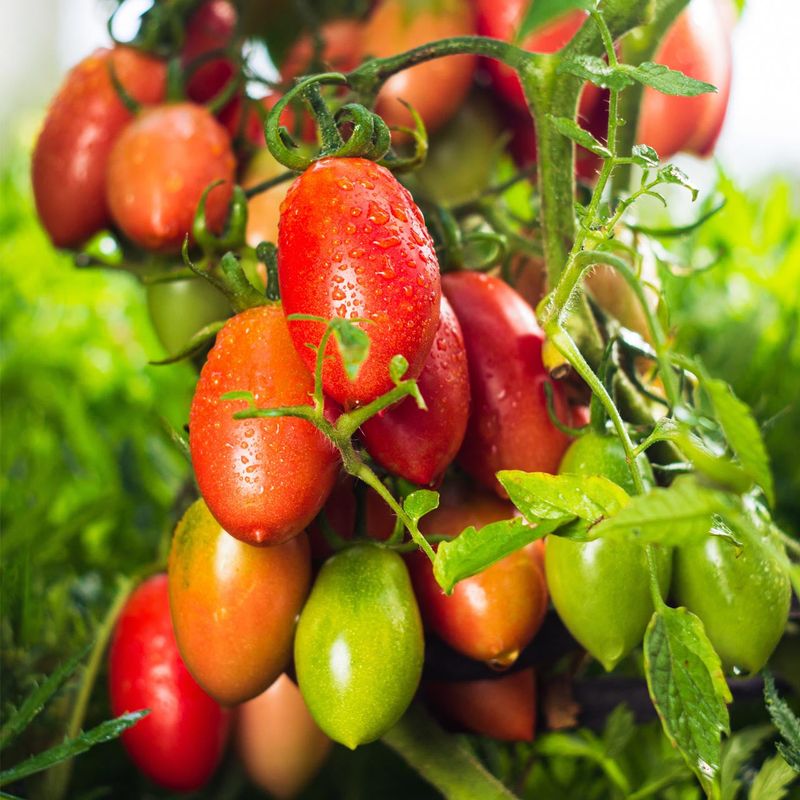
Originating from Amish communities in Wisconsin, this heirloom produces large, oxheart-shaped red fruits packed with dense, meaty flesh and very little excess juice or seeds, making it exceptional for cooking but also surprisingly satisfying to eat fresh.
Fruits typically weigh six to twelve ounces each, which is substantially larger than most paste tomatoes. They mature in about 80 days, fitting neatly into the Ohio growing season.
The flavor is rich, sweet, and full-bodied, with enough depth to hold up beautifully in roasted tomato sauces, salsas, and slow-cooked pasta dishes. Ohio gardeners who love to preserve tomatoes will find Amish Paste incredibly efficient, since the high flesh-to-liquid ratio means less cooking time to get a thick, flavorful sauce.
Plants are indeterminate and productive, often setting fruit heavily throughout the season. Good airflow and consistent moisture help prevent common disease issues that can affect heirloom paste types in Ohio’s humid summers.
Whether you are stocking the freezer with homemade sauce or just slicing tomatoes for a summer caprese, Amish Paste delivers genuine kitchen value from the first harvest all the way through the end of the season.
9. Hillbilly Tomato Turns Every Harvest Into A Showpiece
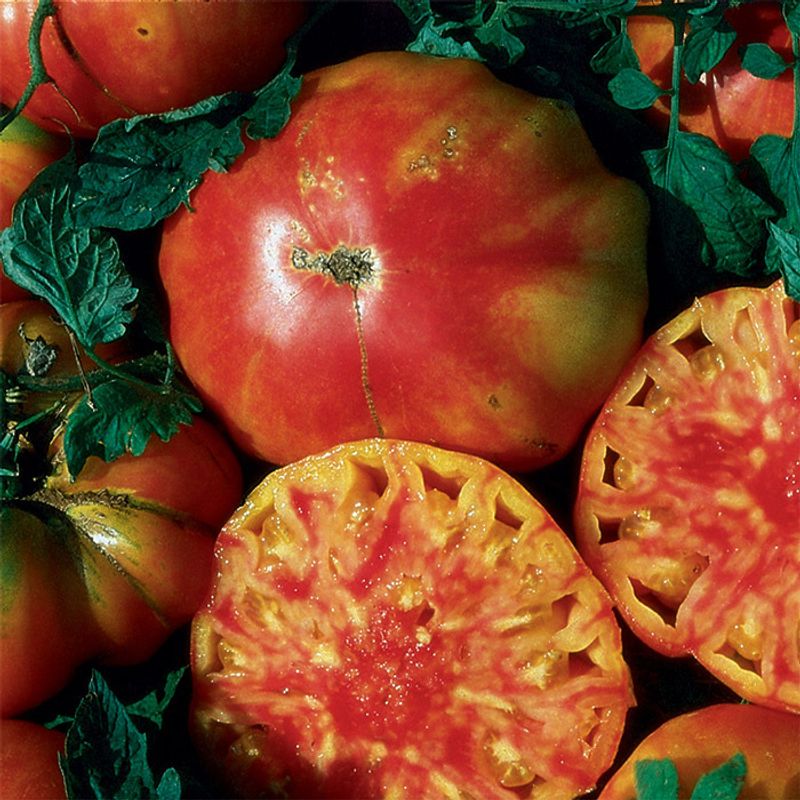
Few tomatoes stop people in their tracks quite like the Hillbilly. Its large, irregular fruits are splashed with swirls of red, orange, and golden yellow, making each one look like a small piece of edible art.
Hillbilly is believed to have originated in West Virginia, and it has been quietly winning over gardeners for generations with both its stunning appearance and its genuinely sweet, low-acid flavor.
Fruits typically weigh one to two pounds and mature in about 80 days, which works well for Ohio’s summer growing window. The flavor is mild, fruity, and sweet, with less of the sharp acidity found in many red heirloom varieties.
That mellow flavor profile makes Hillbilly especially popular with people who prefer a gentler, sweeter tomato experience, and it pairs beautifully with fresh mozzarella, basil, and a light vinaigrette.
Plants are indeterminate and tend to be vigorous growers, so strong caging or staking from early in the season is a good idea for Ohio gardens. Consistent watering is important to reduce the risk of blossom end rot, particularly during dry spells.
Hillbilly tomatoes are the kind of variety that makes guests stop and ask what they are looking at, and then immediately ask if they can take one home after tasting a single juicy slice.