These 7 Perennials Thrive In Ohio Clay And Come Back Strong Every Year
Clay soil can feel like a gardening curse right up until you plant the right perennials. In Ohio, plenty of gardeners fight through sticky spring ground, hard summer-packed beds, and roots that seem to hit a wall the second they start spreading.
That is why tough plant choice matters so much. The best perennials for clay do not just survive in heavy soil.
They settle in, push through, and return year after year with strong color, reliable growth, and far less fuss than fussy garden favorites. Some handle wet spells with ease, some power through summer heat, and some do both without missing a beat.
Once established, these plants can turn a stubborn patch of clay into one of the most dependable parts of the yard.
1. Black Eyed Susan Brings Color Without The Fuss
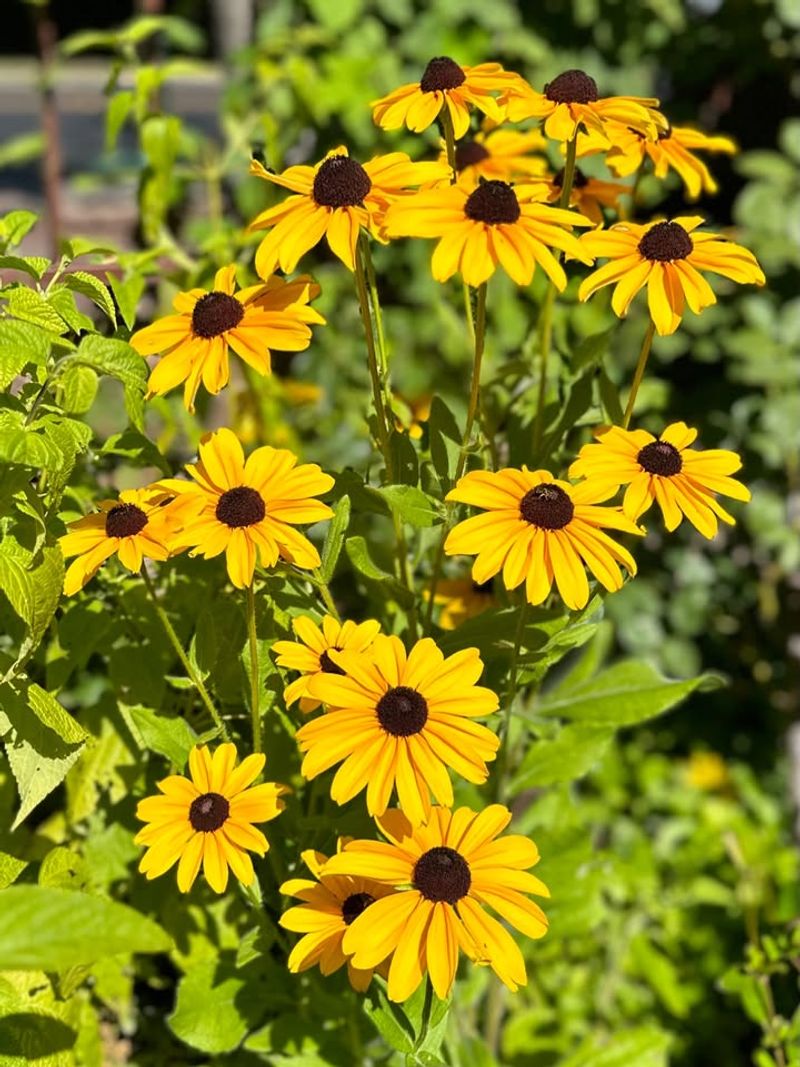
Few wildflowers can match the cheerful, no-nonsense attitude of Black-eyed Susan. Those golden-yellow petals surrounding a rich dark center have been brightening Ohio roadsides and garden beds for generations, and for good reason.
Rudbeckia hirta is tough, adaptable, and genuinely happy in heavy clay soil.
One of the biggest reasons Ohio gardeners love this plant is its deep taproot system. Those roots push down through compacted clay, gradually loosening the soil and improving drainage over time.
So not only does Black-eyed Susan survive in difficult ground, it actually helps improve it season after season.
Bloom time typically runs from midsummer all the way through fall, which means you get months of color rather than just a brief flash. The flowers attract butterflies, native bees, and other pollinators, making the plant as functional as it is pretty.
Birds also appreciate the seed heads left standing in late fall and winter.
In terms of size, most varieties reach between one and three feet tall, making them easy to fit into borders, meadow-style plantings, or mixed perennial beds. Full sun brings out the best performance, though Black-eyed Susan can handle a bit of afternoon shade without too much complaint.
Maintenance is minimal once established. Ohio summers can swing between stretches of dry heat and heavy rainfall, and this plant handles both without much drama.
Deadheading spent blooms can encourage more flowers, but leaving seed heads in place supports wildlife and gives the garden a naturalistic look through winter.
For gardeners just getting started with clay-tolerant perennials, Black-eyed Susan is often the first recommendation from Ohio State University Extension, and it is easy to see why. It delivers reliable color, ecological value, and zero attitude about difficult soil conditions.
2. Coneflower Keeps Showing Up Strong Summer After Summer
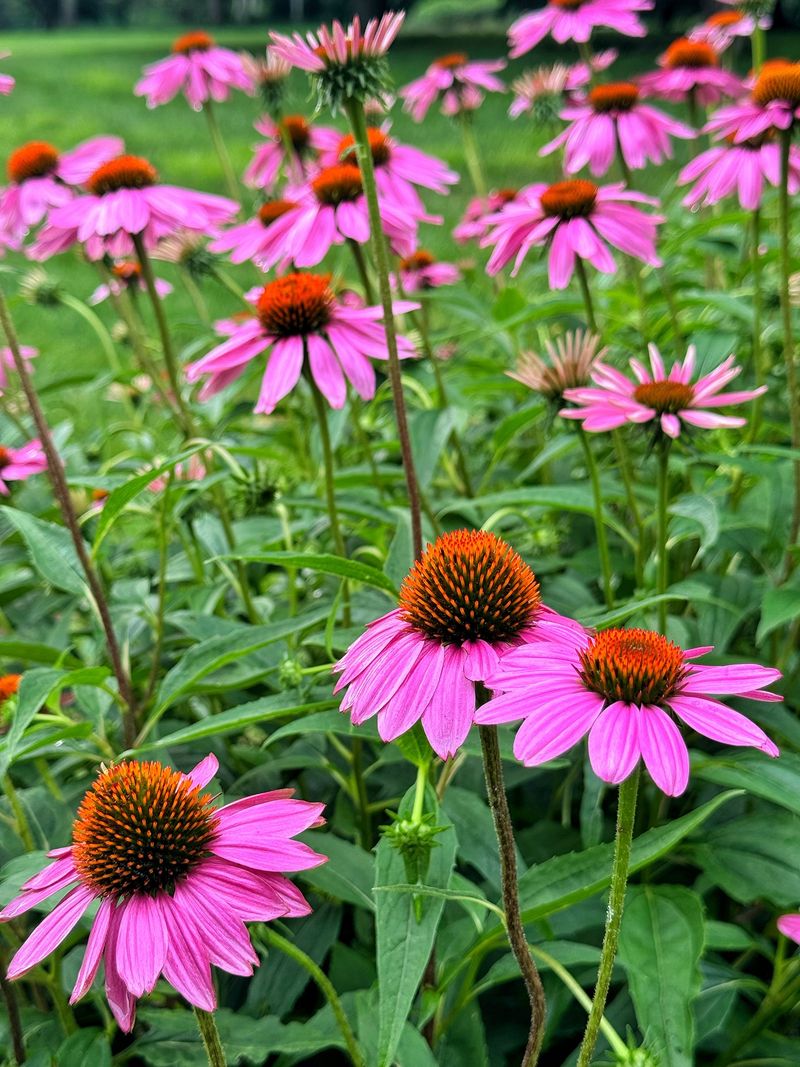
Purple coneflower has earned its reputation as one of the most dependable perennials an Ohio gardener can grow. Echinacea purpurea is not a plant that needs babying or constant attention.
It roots down deep, weathers Ohio winters without complaint, and pushes back up through clay soil every spring like it never missed a beat.
The flowers are striking without being fussy. Pink-purple petals sweep back from raised, spiky orange-brown centers, creating a distinctive look that stands out in any garden bed.
Your Ohio Garden Changes Every Week. Your Plan Should Too.
Gardening in Ohio changes quickly throughout the season. Every Friday you’ll receive a simple weekly plan showing exactly what to plant, prune, fertilize, harvest, and protect so you never miss the right timing.
Bloom season runs from June through September, giving you a long window of color right through the height of summer.
Pollinators absolutely flock to coneflower. Bees, butterflies, and even goldfinches visit regularly, making it one of the most ecologically valuable perennials you can plant in Ohio.
Leaving the seed heads standing through fall and winter provides food for birds and adds visual texture to the garden during colder months.
Clay soil is not a dealbreaker for coneflower. Its deep taproot system anchors the plant firmly and helps it access moisture stored lower in the soil profile.
Once established, it becomes notably drought-tolerant, which is a genuine asset during Ohio’s unpredictable summer dry spells.
Most varieties grow between two and four feet tall and spread slowly into attractive clumps over time. Full sun is ideal, though partial shade works reasonably well.
Dividing clumps every three to four years keeps plants vigorous and gives you more material to spread around the yard or share with neighbors.
Ohio State University Extension consistently lists coneflower among the top perennials for challenging soil conditions. For gardeners who want a plant that performs reliably without demanding much in return, coneflower is about as close to a sure thing as the garden world offers.
3. Daylily Turns Tough Growing Spots Into Easy Color
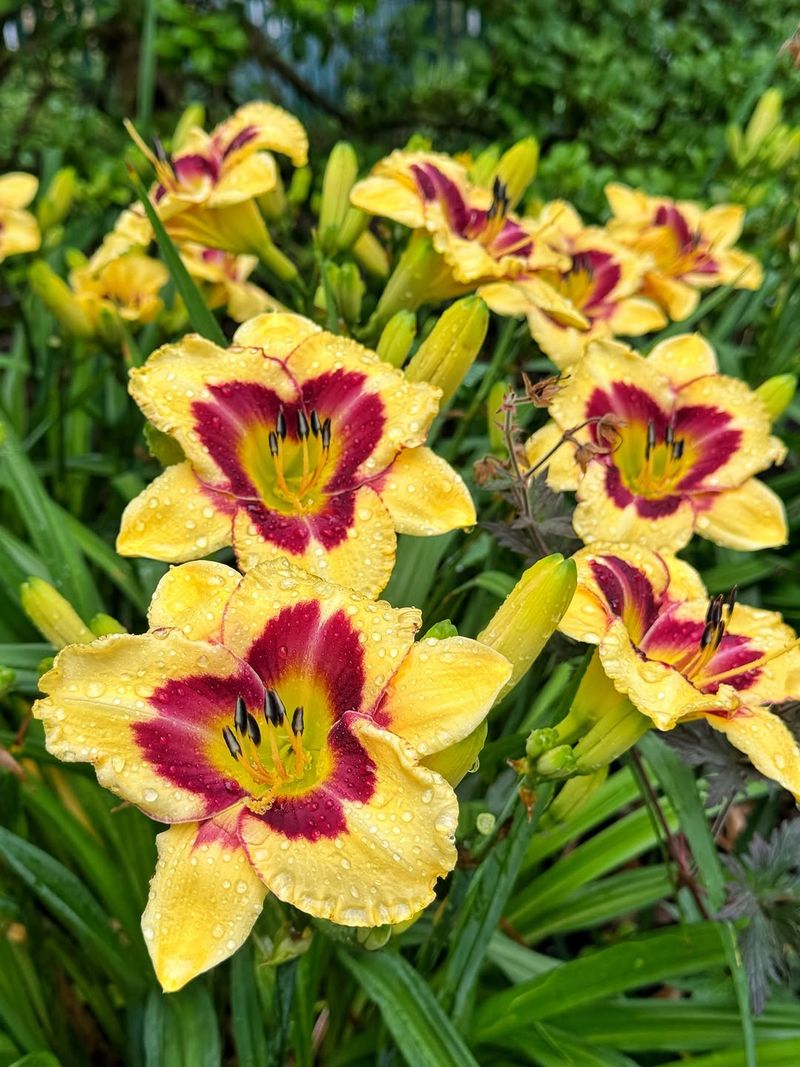
Daylilies have a reputation for being almost impossible to fail with, and that reputation is well-deserved. Hemerocallis species are among the most forgiving perennials available to Ohio gardeners, adapting to a wide range of soil types including the dense, moisture-retentive clay that frustrates so many other plants.
The color range alone makes daylilies worth growing. From soft pastels to deep burgundy, vivid orange, and creamy white, there is a variety to suit nearly any garden palette.
Each individual bloom lasts only a single day, but each plant produces so many buds that the display continues for weeks without interruption.
Bloom time varies by variety. Early types flower in late spring, mid-season types peak through June and July, and rebloomers can keep going well into fall.
By mixing a few different varieties, Ohio gardeners can stretch daylily color across a surprisingly long season with very little extra effort.
Root systems on established daylilies are thick and fibrous, which helps them push through compacted clay and anchor firmly even in wet conditions. They tolerate occasional standing water better than many perennials, which is a real advantage in Ohio yards where clay slows drainage after heavy rain.
Sun requirements are flexible. Full sun produces the most flowers, but daylilies perform respectably in partial shade too.
Spacing plants about eighteen inches apart gives clumps room to expand over the years, and division every four to five years keeps them blooming at their best.
Maintenance is genuinely low. There are no serious pest or disease problems that commonly affect daylilies in Ohio, and they rarely need supplemental watering once established.
For gardeners looking to fill a tough spot with dependable, long-lasting color, daylilies deliver season after season without asking much in return.
4. Bee Balm Fills Heavy Soil With Bright Busy Energy
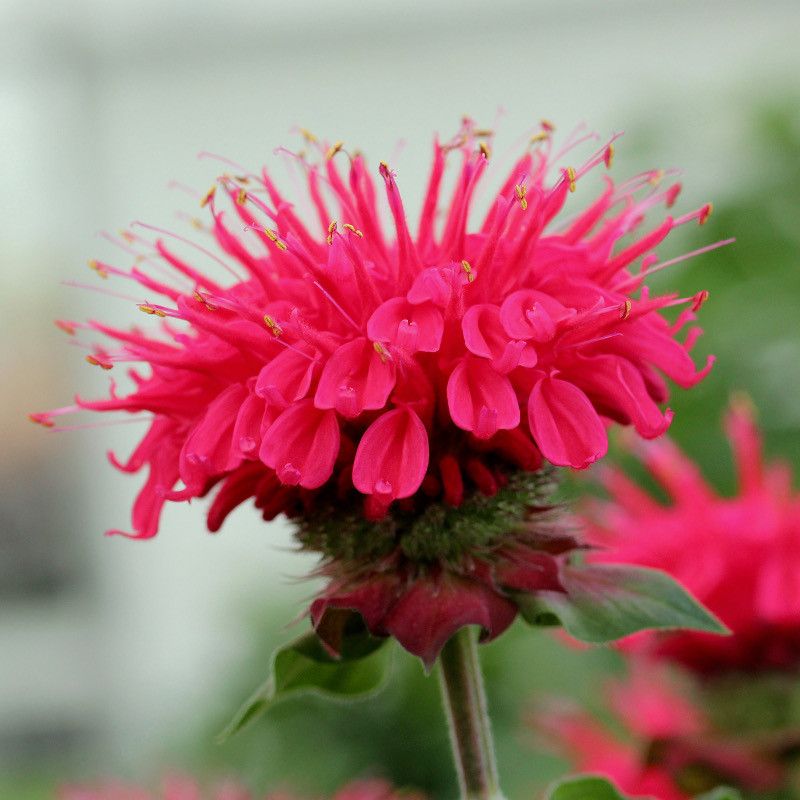
Walk past a patch of bee balm in full bloom and you will understand immediately how it got its name. Monarda didyma produces shaggy, wildly energetic flower heads in shades of red, pink, purple, and white that seem to hum with activity.
Hummingbirds, butterflies, and native bees treat it like a buffet from midsummer through early fall.
Bee balm is a native plant with strong ties to Ohio’s natural landscape, and that native heritage means it is genuinely adapted to local growing conditions. It handles the moisture retention of clay soil particularly well, partly because it prefers consistently moist ground rather than the fast-draining conditions that many other perennials need.
Planting bee balm in a spot with good air circulation is the best way to manage powdery mildew, a fungal issue that can appear in humid Ohio summers. Several newer cultivars, including varieties like ‘Jacob Cline’ and ‘Raspberry Wine,’ have been bred specifically for improved mildew resistance, which makes them smart choices for Ohio gardens.
The plant spreads through underground rhizomes, forming dense, attractive clumps over time. This spreading habit is actually useful in clay soil because the root network helps loosen compacted layers gradually.
Dividing clumps every two to three years keeps the planting tidy and the flowers coming in strong.
Most varieties reach two to four feet in height, making bee balm a natural fit for the middle or back of a perennial border. Full sun encourages the most vigorous bloom, though partial shade is tolerated.
The aromatic foliage releases a pleasant minty fragrance when brushed, adding a sensory layer that purely visual plants cannot match.
For Ohio gardeners who want a bold, wildlife-friendly perennial that earns its space every single year, bee balm is a standout choice that clay soil cannot hold back.
5. Yarrow Handles Ohio Clay Like It Was Made For It
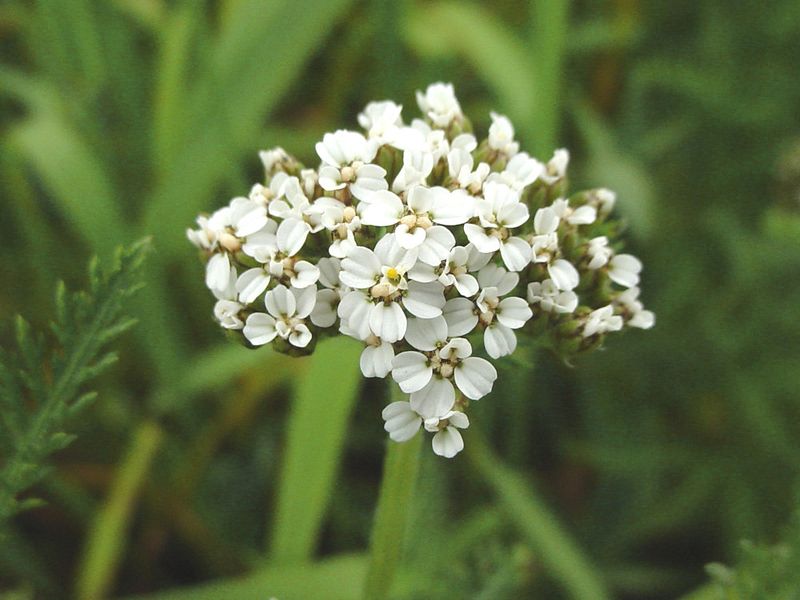
Yarrow is the kind of plant that makes gardeners look smarter than they are. Achillea millefolium is nearly impossible to rattle once it settles in.
It handles poor soil, survives dry stretches, and pushes back up through Ohio clay every spring with the same reliable energy it showed the year before.
The flowers are flat-topped clusters made up of dozens of tiny blooms, creating a broad, horizontal surface that pollinators find easy to land on and navigate. Colors range from classic white and bright yellow to warm salmon, deep red, and soft pink depending on the variety.
Bloom season typically runs from late spring through midsummer, with a second flush often appearing if spent stems are cut back.
Clay soil is not the obstacle for yarrow that it is for many other perennials. Established plants develop a spreading root network that works through compacted ground effectively, improving soil structure slowly over time.
While yarrow prefers well-drained conditions, it adapts to heavier soils better than its drought-tough reputation might suggest.
Full sun is a must for yarrow. Shaded plants tend to get leggy and flop over, which reduces their visual impact and can make them harder to manage.
In a sunny Ohio garden bed, though, yarrow stands upright, stays compact, and produces a reliable flush of blooms without needing much attention from the gardener.
Mature plants typically reach one to three feet tall and spread outward into tidy clumps over several seasons. Division every three to four years keeps the planting vigorous and prevents the center from becoming bare.
Yarrow also holds up well as a cut flower and dries beautifully for indoor arrangements.
For Ohio gardeners dealing with difficult clay spots that get full sun, yarrow offers a low-effort, high-reward solution that looks good from late spring well into summer.
6. Joe Pye Weed Adds Height Without Acting High Maintenance
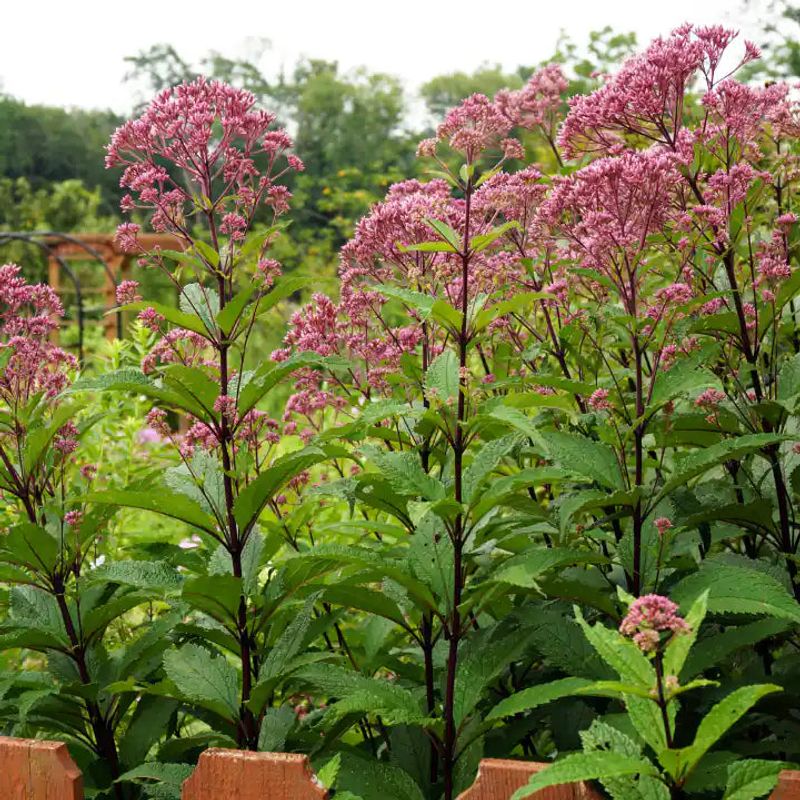
Some plants fill a space. Joe Pye weed commands it.
Eutrochium purpureum can reach five to seven feet tall by late summer, topped with large, domed clusters of dusty mauve-pink flowers that are impossible to overlook. In an Ohio garden that needs a bold vertical presence, nothing quite matches what this native perennial delivers.
Despite its impressive height, Joe Pye weed almost never needs staking. The stems are sturdy and upright, standing firm through Ohio’s late summer storms without flopping over or snapping.
That structural reliability is a big part of what makes it such a practical choice for gardeners who want height without the hassle.
Clay soil with consistent moisture is where this plant genuinely thrives. Ohio yards with low spots, rain garden areas, or sections that stay damp after heavy rainfall are ideal placements for Joe Pye weed.
It handles wet clay conditions that would stress out many other perennials, turning a problem area into a showcase planting.
The flowers are a magnet for butterflies, especially swallowtails, which gather on the blooms in impressive numbers during late summer. Native bees and other pollinators visit frequently as well, making Joe Pye weed one of the most ecologically productive perennials available to Ohio gardeners looking to support local wildlife.
Because of its size, Joe Pye weed works best at the back of a border or as a standalone specimen in a naturalistic planting. Full sun to partial shade both work well, though full sun tends to produce the strongest, most upright growth.
Cutting plants back by about a third in late spring encourages a slightly more compact form without sacrificing flower quality.
Native to Ohio’s natural landscape, Joe Pye weed is a perennial that earns its place every year with almost no effort required from the gardener.
7. Aster Closes The Season With A Burst Of Color
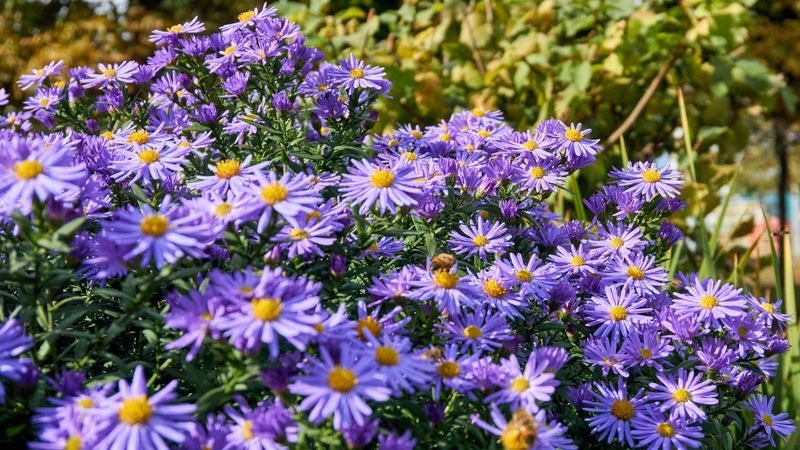
Just when most of the garden is winding down for the year, aster steps up and puts on one of the best shows of the entire season. New England aster, Symphyotrichum novae-angliae, produces masses of daisy-like flowers in shades of purple, pink, and white from late summer through fall, filling Ohio gardens with color at exactly the moment they need it most.
Clay soil does not slow this plant down. Its fibrous root system handles heavier ground well, and the plant’s native Ohio heritage means it is fully adapted to local weather patterns, including the wet falls and cold winters that can challenge less hardy perennials.
Once established, it comes back reliably year after year with minimal intervention.
The ecological value of fall-blooming aster is hard to overstate. Migrating monarch butterflies, native bees, and other late-season pollinators depend heavily on aster as a nectar source when few other plants are still blooming.
Planting aster in an Ohio garden is one of the most direct ways to support pollinators during a critical period of the year.
Most New England aster varieties grow between three and six feet tall, which gives them real presence in a border or naturalistic planting. Pinching plants back by about half in late spring or early summer encourages bushier growth and more blooms without reducing the plant’s vigor.
This simple step also helps prevent the legginess that can develop if plants are left completely unpruned.
Full sun produces the densest, most floriferous plants, though partial shade is tolerated. Ohio’s clay soil retains enough moisture to keep aster well-hydrated through dry fall stretches, which actually works in the plant’s favor during its peak bloom period.
For a perennial that gives Ohio gardens a genuinely strong finish, New England aster is the dependable closer every yard deserves.