Can You Really Plant Potatoes In March In Ohio
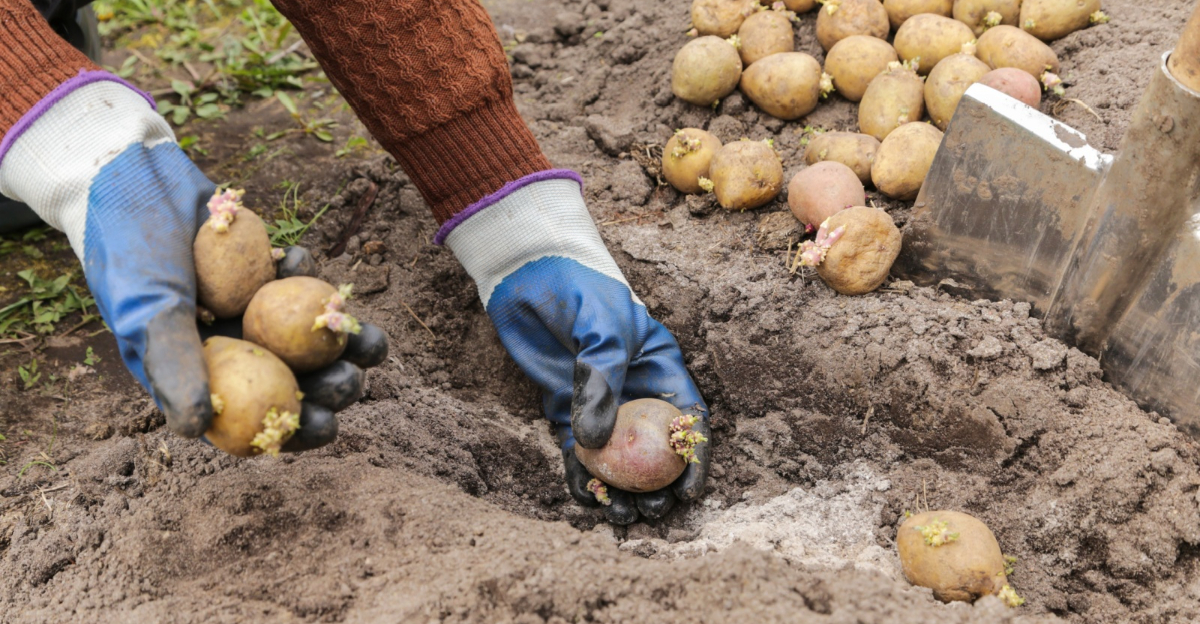
Can March in Ohio really launch a potato patch, or does that plan invite cold, rot, and regret? Plenty of gardeners jump at the first soft day, shovel in hand, sure that spring has arrived for good.
Then Ohio does what Ohio loves to do. Frost sneaks back, rain turns soil to paste, and that early potato dream looks doomed.
Yet the answer is not a flat no. In many parts of Ohio, March can open a real chance for potatoes, but success depends on timing, soil condition, and a smart read on local weather. Plant too soon and seed pieces may sit in wet, bitter ground.
Plant at the right moment and you can set up a strong harvest well before summer heat hits hard. So can you really plant potatoes in March in Ohio?
Yes, but only gardeners who respect the risks tend to win that bet and smile at harvest.
1. March Planting Works Only When Ohio Soil Is Ready
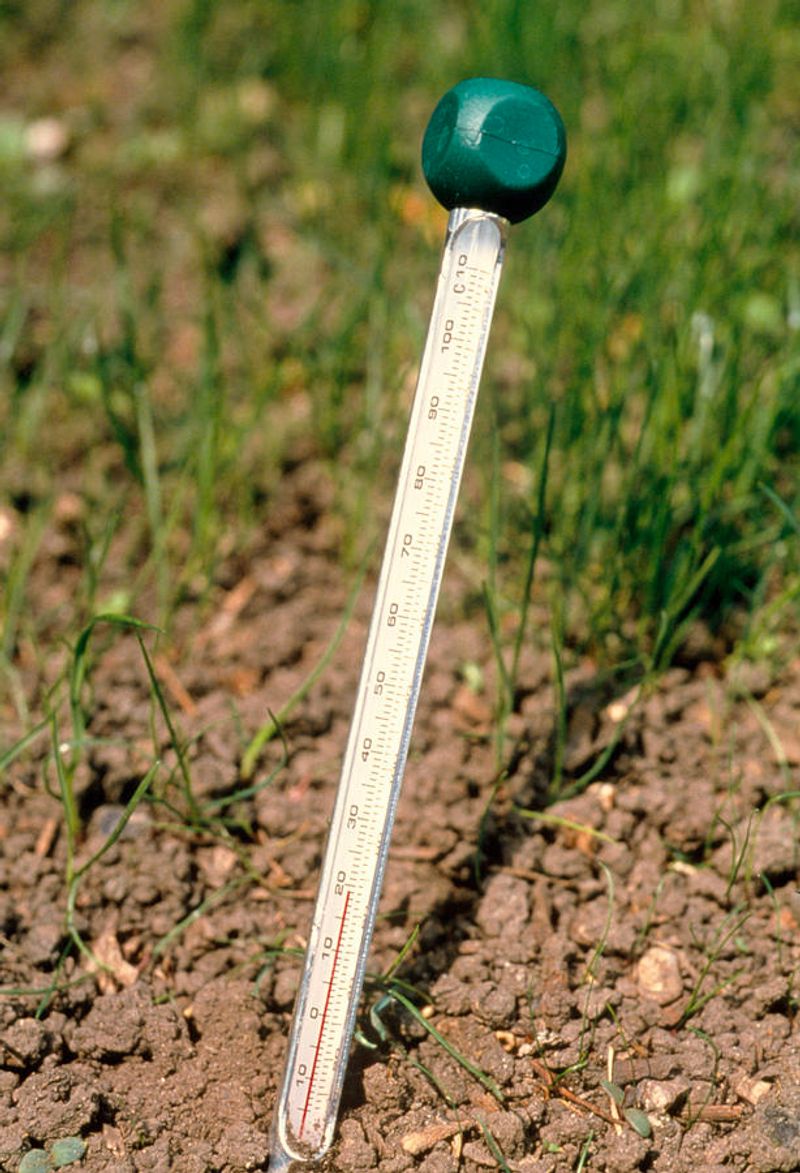
Soil temperature is the real gatekeeper when it comes to planting potatoes in Ohio in March. A seed potato does not care what the calendar says.
What it responds to is whether the ground around it is warm enough to support healthy growth rather than slow decay.
For potatoes to get off to a solid start, soil temperature needs to be consistently at or above 45 degrees Fahrenheit. Below that threshold, seed pieces sit in the ground struggling, and the risk of rot climbs quickly.
Ohio State University Extension and other trusted horticultural sources consistently point to that 45-degree mark as the minimum safe zone for planting.
March soil in Ohio can absolutely hit that temperature, but it is not guaranteed. A mild winter followed by a warm early spring might have southern Ohio garden beds ready by mid-to-late March.
A late cold snap or a wet stretch can push readiness back by weeks, even in areas that are usually ahead of the curve.
The key word here is consistently. One warm afternoon does not signal that the soil has truly warmed through.
Gardeners should check soil temperature at a depth of about four inches over several days before making the call. A basic soil thermometer costs just a few dollars and removes all the guesswork from that decision.
2. Cold, Wet Ground Is Where Potato Problems Begin
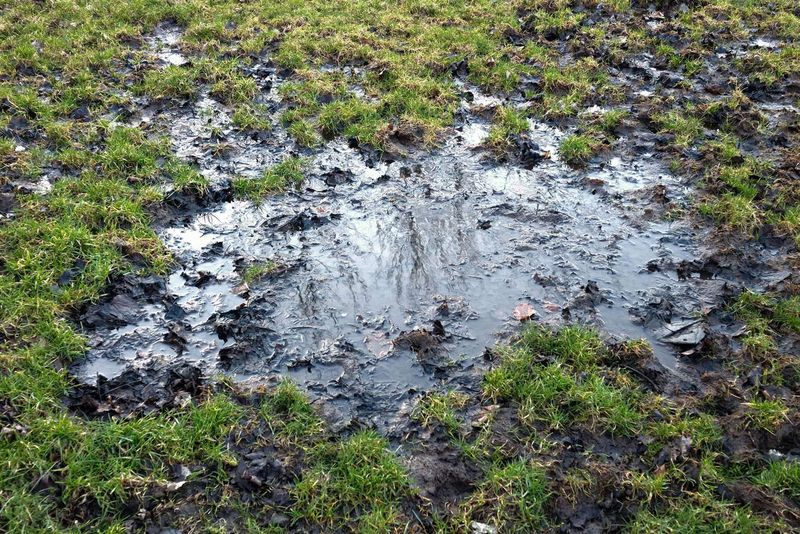
Planting into cold, soaking-wet soil is one of the most common early-season mistakes Ohio gardeners make, and potatoes pay the price for it. When soil holds too much moisture and stays chilly at the same time, seed pieces have almost no defense against the fungi and bacteria that cause rot.
Poor drainage is a major factor. Clay-heavy soils, which are common across much of Ohio, tend to hold water long after a rain event.
That moisture does not just sit on the surface. It saturates the soil at root depth, creating exactly the conditions that weaken seed potatoes before they ever get a chance to sprout.
Cold soil also slows the natural callousing process that helps cut seed potato pieces resist infection. When a seed piece is placed in soil that is both cold and wet, it cannot form that protective barrier quickly enough, and problems can set in fast.
Your Ohio Garden Changes Every Week. Your Plan Should Too.
Gardening in Ohio changes quickly throughout the season. Every Friday you’ll receive a simple weekly plan showing exactly what to plant, prune, fertilize, harvest, and protect so you never miss the right timing.
The sprout that does emerge, if one emerges at all, tends to be weak and slow.
Raised beds and well-amended garden plots with good drainage are much better candidates for early planting than low spots or heavy clay areas. Before putting a single seed potato in the ground, press a handful of soil together and see if water squeezes out easily.
If it does, the ground is simply not ready yet.
3. St Patricks Day Sounds Nice But The Soil Has The Final Say
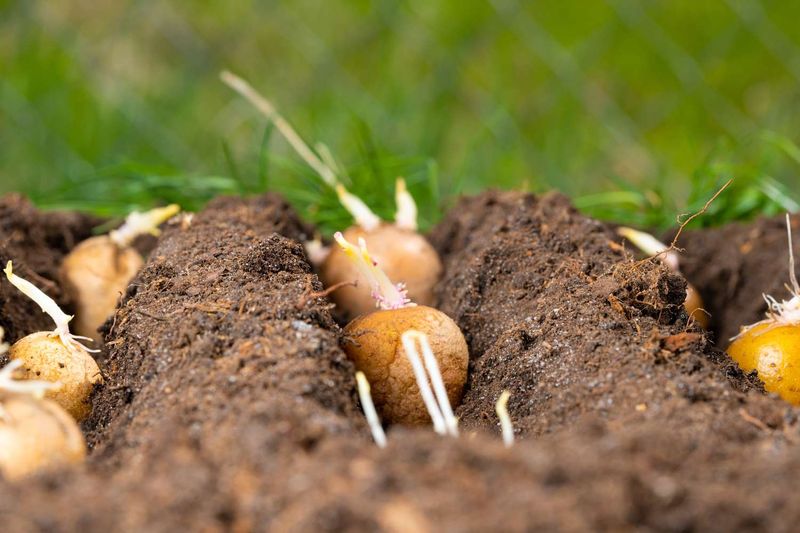
Few gardening traditions are as widely repeated as planting potatoes on St. Patrick’s Day. The timing feels poetic, the date is easy to remember, and for generations of gardeners across the Midwest, it has served as a reliable seasonal cue.
But a tradition built on the calendar is not the same as a rule built on soil science.
St. Patrick’s Day falls on March 17th, which in Ohio can mean almost anything weather-wise. Some years, mid-March brings stretches of mild, dry weather that push soil temperatures up nicely.
Other years, the ground is still frozen hard in the morning and soaking wet by afternoon. Ohio springs are famously unpredictable, and that variability makes a fixed-date planting rule genuinely risky.
The tradition likely has roots in regions with more predictable spring patterns, or it was passed down from gardeners who learned to read their local soil well enough to know when St. Patrick’s Day actually lined up with good conditions. The date was never the point.
The conditions behind it were.
Using St. Patrick’s Day as a loose reminder to start checking your soil is perfectly reasonable. Treating it as a hard planting deadline is where gardeners get into trouble.
Think of it as a starting signal for soil monitoring, not a green light to grab the shovel and start digging rows.
4. Southern Ohio Can Start Earlier Than The Rest Of The State
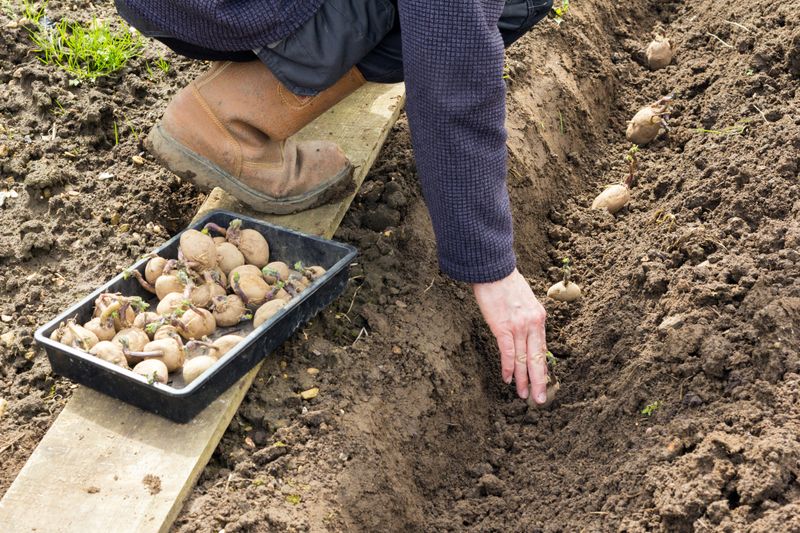
Ohio covers a surprising range of climate conditions from its southern border all the way up to Lake Erie. That geographic spread means planting timing is genuinely different depending on where in the state you garden, and southern Ohio gardeners often have a real head start on the rest of the state.
The southern tier of Ohio sits within USDA Hardiness Zone 6, while central Ohio falls into Zone 5b and northern Ohio edges into Zone 5. Those zone differences translate directly into earlier soil warming in the south.
Counties near the Ohio River, including areas around Cincinnati, Ironton, and Gallipolis, typically see spring arrive noticeably sooner than Columbus or Cleveland.
For gardeners in that southern region, late March planting is often a realistic target when the season cooperates. Soil temperatures in well-drained southern Ohio garden beds can reach and hold above 45 degrees Fahrenheit by the last week of March in a typical year, making it one of the earlier windows in the state for getting seed potatoes in the ground.
Central Ohio gardeners are generally looking at early to mid-April as their realistic window, while northern Ohio gardeners near Lake Erie often need to wait until late April or even early May. Knowing your zone and your county’s typical spring progression is far more useful than following a statewide rule that was never really designed to cover all of Ohio.
5. A Warm Spell Does Not Always Mean It Is Time To Plant
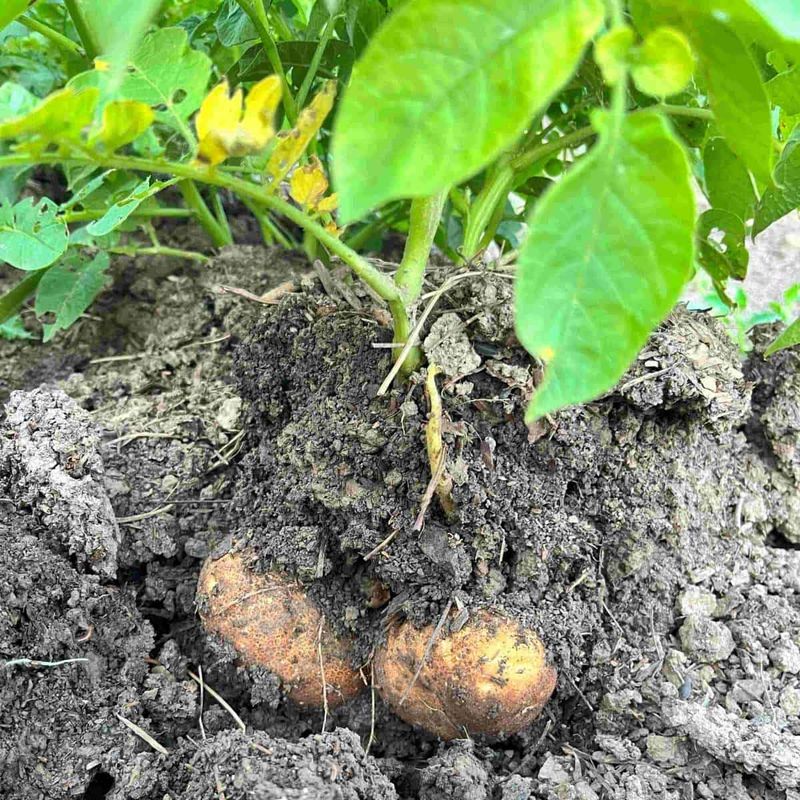
A run of warm, sunny days in early March can feel like a personal invitation from nature to get outside and start planting. The air is comfortable, the ground looks workable, and the urge to do something productive in the garden is hard to resist.
But surface conditions and air temperature can be deeply misleading in early spring.
Soil takes much longer to warm than air does. A week of 60-degree afternoons might make the top inch of soil feel pleasant to the touch while the soil four inches down remains stubbornly cold.
Seed potatoes get planted at a depth of three to four inches, which means that warm surface layer offers very little real protection for what matters most.
Ohio weather forecasters will tell you that March is one of the most volatile months on the calendar. A warm stretch in early March is frequently followed by a return to freezing temperatures, heavy rain, or even late snow.
Planting into what feels like a warm window and then getting hit with a cold week can set back germination significantly and stress newly planted seed pieces.
Checking the extended forecast before planting is a smart habit. If warm days are predicted to hold for two weeks or more and soil temperature is genuinely above 45 degrees at planting depth, the conditions are aligning.
A single warm weekend in March, no matter how inviting it feels, is rarely enough to justify putting seed potatoes in the ground.
6. Seed Potatoes Need Better Conditions Than Gardeners Think
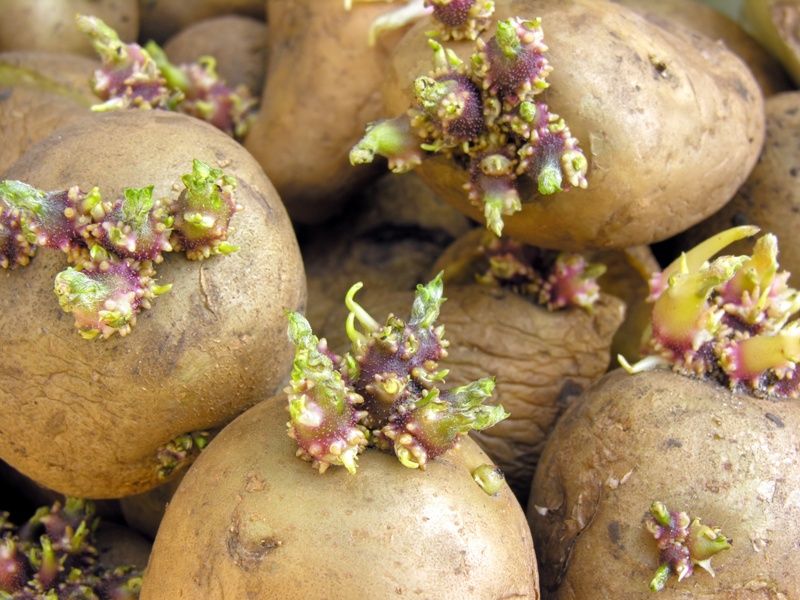
Not all seed potatoes are created equal, and how you handle them before planting matters almost as much as when you plant. Many gardeners focus entirely on timing and overlook the quality and preparation of their planting material, which can undermine even a perfectly timed planting day.
Certified disease-free seed potatoes are the standard recommendation from extension programs and horticultural experts across the country. Grocery store potatoes may carry diseases that are not visible to the naked eye, and they are sometimes treated to slow sprouting.
Starting with certified seed potatoes gives you a much cleaner, more predictable foundation for the season.
When cutting larger seed potatoes into pieces, each piece should include at least one healthy eye, and ideally two. Cut pieces need time to callous over before going into the ground.
Leaving them in a cool, dry spot for two to three days after cutting allows the cut surface to form a protective layer that significantly reduces the chance of rot at planting.
Pre-sprouting, sometimes called chitting, is another technique worth considering for Ohio gardeners who want to get a jump on the season without planting too early. Setting seed potatoes in a bright, cool location for a few weeks before planting encourages sprout development above ground first, so the potato is ready to grow quickly once it goes into warm soil.
Small, stubby sprouts are ideal. Long, pale, leggy ones suggest too much warmth or too little light during the chitting process.
7. Waiting A Little Longer Can Lead To A Stronger Start
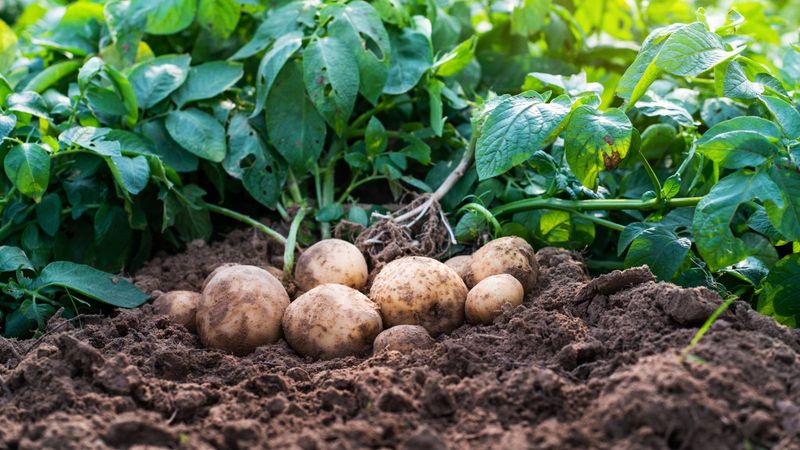
Patience is genuinely hard in March when seed potatoes are sitting in a bag and the garden is right outside the door. But giving the soil a few extra weeks to reach the right temperature and dry out properly can produce a noticeably stronger start than rushing in too early.
Potatoes planted into properly warmed, well-drained soil tend to sprout faster, grow more vigorously in the early weeks, and face far less early-season stress than those planted into marginal conditions. A plant that starts strong in good soil builds a healthier root system and canopy from the beginning, which pays dividends all the way through harvest.
Planting two or three weeks later than the earliest possible date rarely results in a meaningful loss of harvest time. In fact, many experienced Ohio gardeners report that their mid-to-late April plantings often catch up to or outperform seeds put in the ground in cold, wet March soil.
The plants that go in later simply have better conditions from day one.
The harvest window for potatoes in Ohio typically runs from midsummer into early fall depending on the variety, so a planting delay of a couple of weeks does not dramatically shift when you will be digging up your crop. New potatoes can still arrive in midsummer, and main-crop varieties will be ready well before the first hard frost.
Waiting for the right moment is a strategy, not a setback.
8. The Best First Step Is Checking Soil Not The Calendar
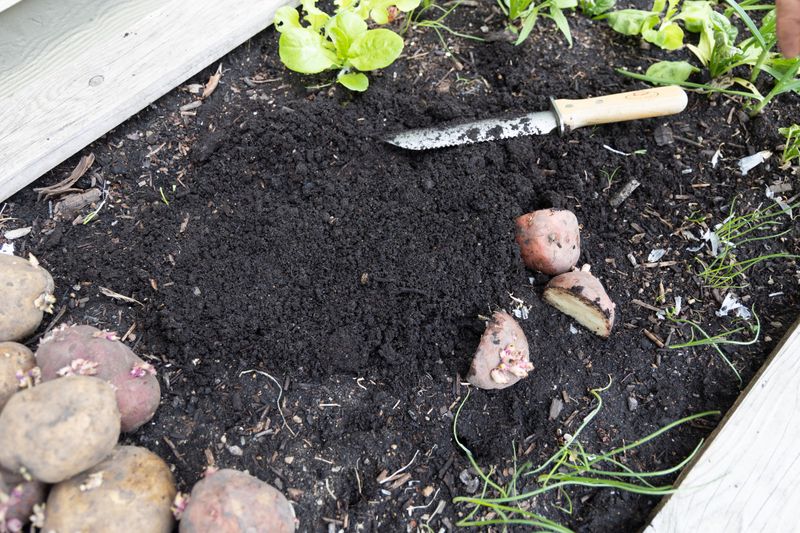
Before you plant a single seed potato this spring, grab a soil thermometer and take a reading four inches below the surface. Do it in the morning, when soil is at its coolest, and again in the afternoon.
Track those readings over three to five days. That simple habit will tell you more than any calendar, tradition, or neighbor’s advice ever could.
Beyond temperature, check how your soil drains. Dig a small hole about six inches deep, fill it with water, and watch how quickly it drains away.
If water is still sitting in the hole an hour later, your drainage is poor and your planting bed needs attention before seed potatoes go in. Amending with compost or building up raised rows can help significantly in heavy Ohio clay soils.
Also consider your specific location within Ohio. Southern gardeners may find their soil ready in late March while central and northern Ohio gardeners need to wait until April.
Your county’s local OSU Extension office can be a surprisingly helpful resource for region-specific planting windows and soil prep guidance tailored to your area.
The goal is not to plant on a specific date. The goal is to plant into conditions that give your potatoes the best possible start.
When soil temperature holds above 45 degrees, drainage is solid, and no hard freezes are in the near forecast, that is your green light. Let the soil set the schedule, and your potato crop will reward you for it.