The 9 Plants In Ohio Yards That Will Most Likely Bounce Back After A Late Freeze
A late freeze can turn an Ohio yard from promising to painful in a single night. One evening brings tender new growth, fresh color, and the first real sign of spring.
By morning, leaves droop, petals darken, and panic sets in fast. Many gardeners assume the damage means the season is over for their favorite plants.
That is not always true. Some yard plants handle Ohio’s wild spring swings far better than they first appear.
Even after a sharp cold snap, certain varieties can push out new growth, recover their shape, and keep the landscape alive. The key is knowing which plants have real staying power and which ones collapse for good after a hard freeze.
Before you give up on your yard, take a look at the plants most likely to shake off the cold and come back strong after one more blast of Ohio weather.
1. Hostas May Look Melted But They Usually Push Back Fast
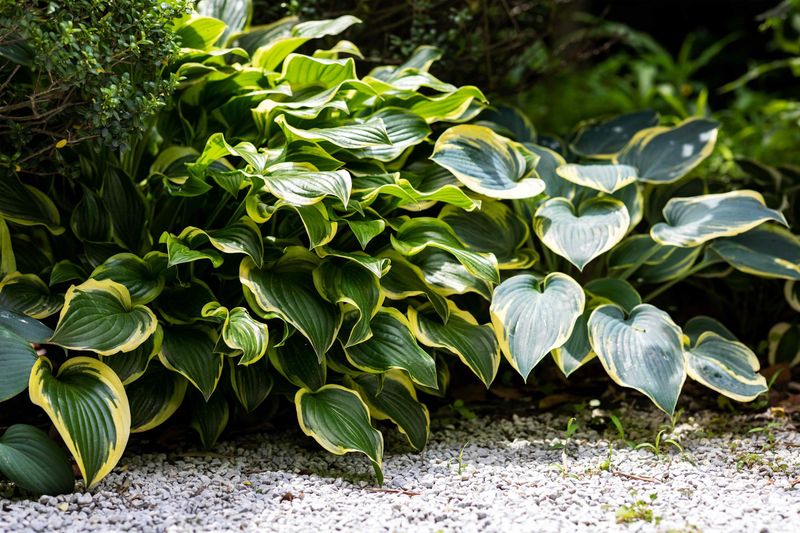
Few sights in the spring garden are more discouraging than a clump of hostas reduced to a soggy, brown mess after a late freeze. The leaves collapse, the color drains away, and the whole plant looks like it simply gave up.
Most established hostas, though, have not given up at all.
The real engine of a hosta is its crown, which sits just at or slightly below the soil surface. Even when the foliage above gets completely wrecked by a hard freeze, that crown is often well protected enough to push out a fresh flush of leaves once temperatures climb back up.
Ohio State University Extension notes that hostas are remarkably resilient perennials in Ohio landscapes, and most bounce back without needing much intervention.
The best move for Ohio gardeners is to resist cutting away the damaged foliage too quickly. Leaving it in place for a short time can actually offer a bit of insulation to the crown underneath.
Once you see firm new growth emerging, you can remove the old damaged leaves. Avoid heavy fertilizing right after a freeze because the plant needs to stabilize first.
Give it a few weeks of settled weather and some consistent moisture, and most hostas will look surprisingly normal again by early summer.
2. Daylilies Can Take A Freeze Hit And Still Return Strong
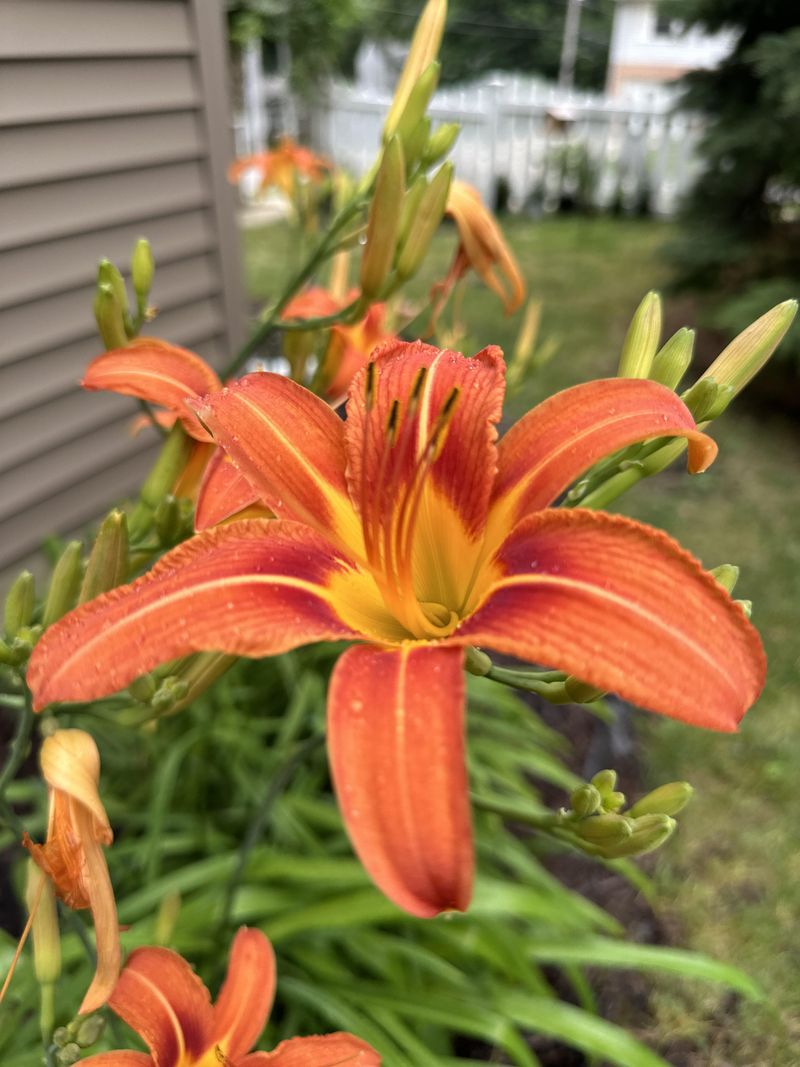
Daylilies tend to be among the first perennials to push up growth in Ohio, which makes them frequent targets of late freezes. That early flush of bright green foliage can turn brown and limp after a hard frost, and the damage is hard to miss.
Still, daylilies have a track record that earns them a lot of gardener trust.
Their fleshy, tuberous root system stores enough energy to fuel strong regrowth even after the early growth above ground gets knocked back. The roots sit insulated in the soil, and as long as a freeze does not penetrate deeply and repeatedly, they hold their reserves well.
Ohio gardeners who grow daylilies in well-drained soil tend to see the best recovery results because waterlogged roots are far more vulnerable than roots in loose, healthy ground.
Your Ohio Garden Changes Every Week. Your Plan Should Too.
Gardening in Ohio changes quickly throughout the season. Every Friday you’ll receive a simple weekly plan showing exactly what to plant, prune, fertilize, harvest, and protect so you never miss the right timing.
After a freeze event, patience is the most valuable tool you have. Trim back the worst of the brown, damaged foliage to keep the planting looking tidy and to reduce the risk of fungal issues in wet spring weather.
Fresh growth will emerge from the base as conditions improve. Bloom timing may shift a little later than normal in a tough spring, but most daylilies will still flower and perform well once Ohio’s weather settles into a more predictable rhythm.
3. Bleeding Heart Often Looks Worse Than The Damage Really Is
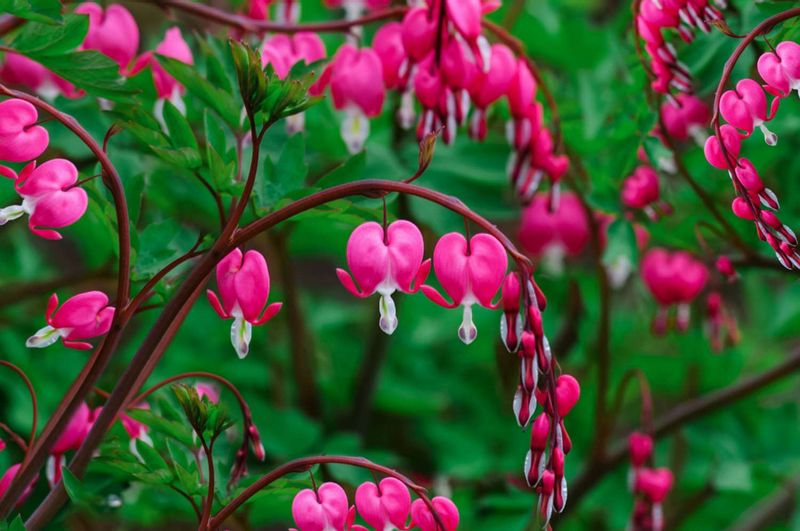
Bleeding heart has a flair for the dramatic. After a late freeze, the soft, ferny foliage collapses dramatically, the stems go limp, and the whole plant takes on a defeated appearance that tends to alarm even experienced gardeners.
The visual is genuinely rough, but it can be misleading.
Old-fashioned bleeding heart, the classic Dicentra spectabilis type, grows from a well-established root system that handles cold soil temperatures with surprising toughness. The foliage and stems are soft and easily damaged by frost, but the roots themselves are often unaffected.
In Ohio gardens where the plant has been established for a season or more, recovery from cosmetic freeze damage is fairly common.
Fringed bleeding heart varieties, like Dicentra eximia, tend to be even more resilient because they are naturally more compact and low to the ground, which gives them slightly better protection. After a freeze hits, allow the plant a few days before deciding anything.
If new growth begins to emerge from the base, the plant is on its way back. Remove badly damaged stems to improve airflow and reduce rot risk, but do not disturb the root zone.
Consistent moisture and a light layer of mulch around the base will help stabilize conditions while the plant works its way back.
4. Astilbe Can Bounce Back Once Ohio Temperatures Settle Down
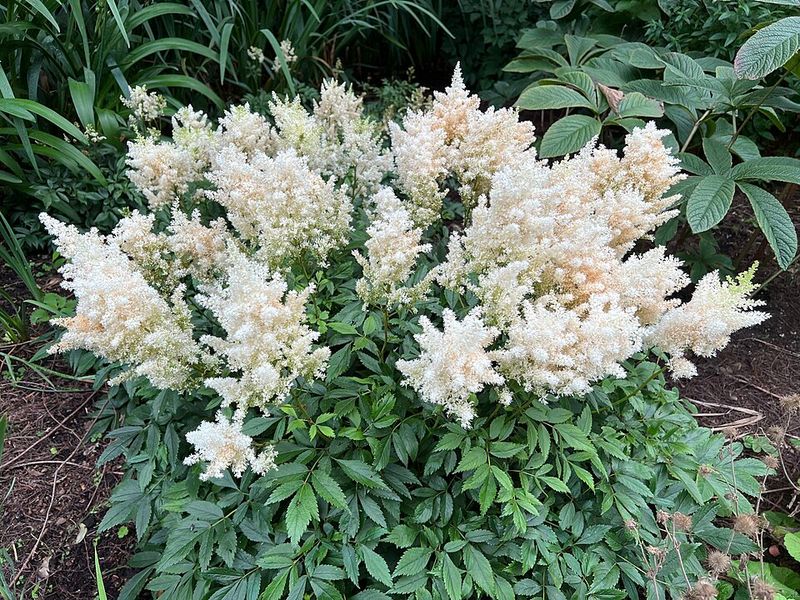
Astilbe is one of those plants that makes Ohio shade gardens look effortlessly beautiful in summer, but its early spring growth has a tendency to emerge just in time to catch a late freeze. The emerging foliage, often tinged red or bronze, is quite tender and can suffer visible damage when temperatures drop sharply overnight.
What works in astilbe’s favor is its robust crown and root structure. The plant stores energy underground, and a single freeze event rarely reaches deep enough to cause serious harm to an established plant.
The damaged top growth may look burned or wilted, but new growth can push up from the crown once warmer conditions return. Ohio gardeners who have grown astilbe for several years often notice that even a rough spring does not prevent the plant from flowering later in the season.
After freeze damage, give the planting time before making any decisions about cleanup. Once you see fresh growth emerging, remove the damaged foliage carefully.
Astilbe prefers consistent moisture, so keeping the soil from drying out during recovery will support the plant as it redirects energy into new growth. Avoid heavy fertilizing immediately after a freeze.
A balanced slow-release fertilizer applied once the plant is actively growing again is a better approach for supporting a healthy comeback through the rest of the Ohio growing season.
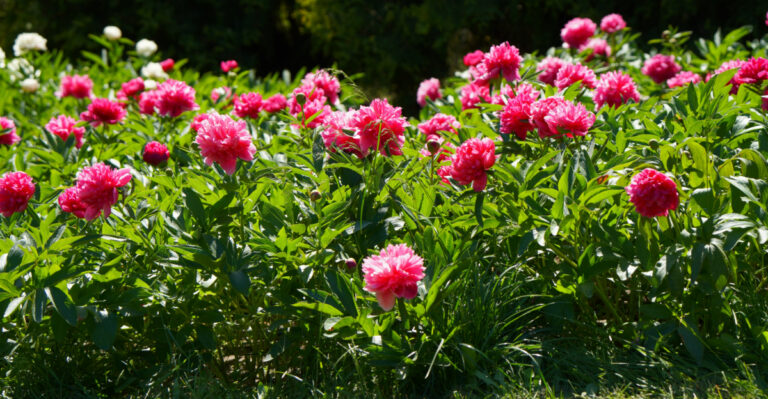
5. Peonies Often Recover Even When Early Growth Gets Nipped
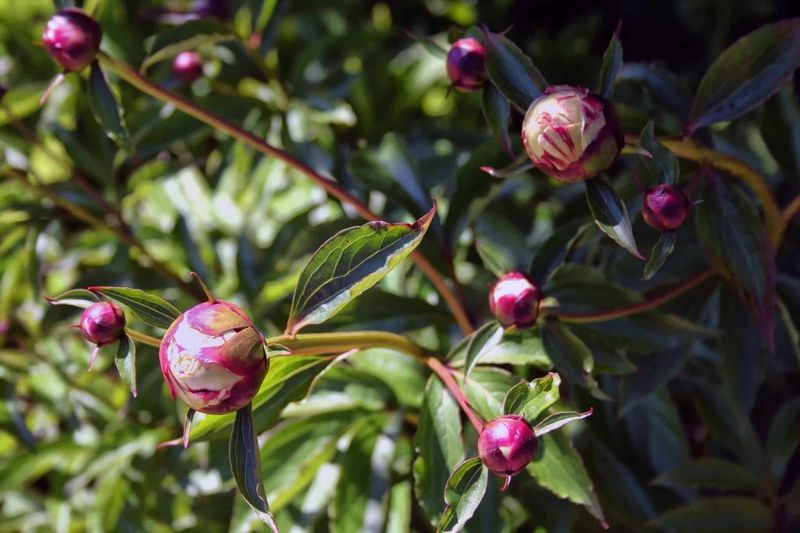
Watching peony shoots get hit by a late freeze is genuinely frustrating, especially when those plump red buds were looking so promising just days before. The shoots can turn dark, soft, and mushy after a hard frost, and it is easy to assume the worst about what that means for the season ahead.
Peonies have deep, tough root systems that are well adapted to Ohio winters and the unpredictable swings of early spring. A single freeze event that damages the early shoots does not necessarily threaten the plant’s long-term health.
New growth can still push up from the crown, and the plant often continues to develop through the season. The more realistic concern is bloom performance.
If buds were already forming when the freeze hit, those specific buds may not recover, and flowering could be reduced or delayed for that year.
Ohio gardeners should resist the urge to cut everything back aggressively right after a freeze. Give the plant a week or two to show what it plans to do.
Secondary shoots often emerge and can still produce flowers, though sometimes later than expected. Remove clearly damaged growth once new shoots confirm the plant is moving forward.
Good drainage, consistent watering, and avoiding heavy foot traffic near the crown will give peonies the best chance to rebuild and perform well going forward.
6. Coneflower Knows How To Regroup After A Cold Spring Setback

Coneflower has earned a reputation as one of the most reliably tough perennials in Ohio yards, and its behavior after a late spring freeze is a good example of why. Fresh growth that gets hit by frost may turn brown and papery at the edges, but the plant rarely stops there.
Echinacea species, including the popular purple coneflower, develop deep taproots and fibrous root systems that anchor them well and store energy through the season. A late freeze that damages the surface growth does not typically reach those roots, which means the plant has plenty of reserves to draw on when it begins regrowing.
Ohio State University Extension has noted that native prairie plants like coneflower are well suited to the temperature variability of Ohio’s spring climate, and their natural toughness shows in how they handle setbacks.
One mistake gardeners sometimes make after a freeze is cleaning up too aggressively and too soon. Damaged foliage, while unattractive, can still provide a small amount of protection to the crown beneath.
Wait until you see clear signs of new growth before removing the worst of the freeze damage. Once recovery is underway, coneflower typically needs very little extra help.
It is not a heavy feeder, and consistent moisture during the regrowth phase is usually enough to keep it moving forward through the season.
7. Black Eyed Susan Can Lose Its First Push And Still Come Back Strong

Black Eyed Susan is the kind of plant that shrugs off adversity without making a big fuss about it. Early spring growth that gets caught by a late freeze may look rough, with brown leaf edges and wilted stems, but that visible damage rarely tells the full story of what is happening below ground.
Rudbeckia hirta and its close relatives form compact, fibrous root clumps that hold up well through Ohio winters and the freeze-thaw cycles of early spring. Even when the first flush of foliage gets completely burned back, new growth typically follows once conditions stabilize.
The plant’s natural tendency toward vigorous, fast regrowth works in its favor after a cold setback. Many Ohio gardeners have been surprised to find their Black Eyed Susans looking full and healthy by midsummer after what appeared to be serious spring damage.
Patience is the most important thing to hold onto after a freeze event. Cutting the plant back too aggressively before you know what it plans to do can slow the recovery process unnecessarily.
Once fresh leaves are clearly emerging from the crown area, you can tidy up the damaged growth around them. Keep the soil consistently moist but not waterlogged as the plant rebuilds.
Black Eyed Susan tends to hit its stride in summer anyway, so a slow start in spring does not necessarily mean a disappointing season overall.
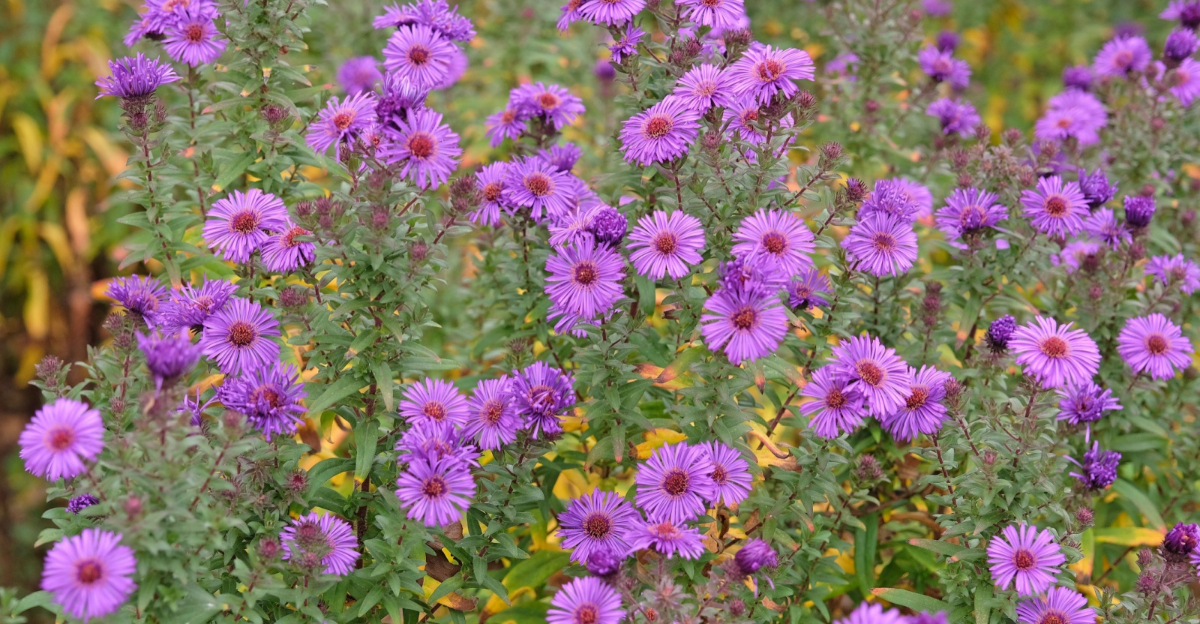
8. Garden Asters Tend To Recover Better Than Their Frosted Foliage Suggests

Garden asters are primarily known as a fall performer, but their spring growth emerges earlier than many gardeners realize, which puts them in the path of late freezes more often than you might expect. Frosted aster foliage can turn brown and ragged quickly, and the plant can look genuinely rough for a stretch of time after a cold event.
The saving factor for asters is their established clump structure. Mature aster plants develop a woody, fibrous crown at the base that holds up through Ohio winters quite reliably.
When early spring foliage gets damaged by a late freeze, new shoots typically emerge from the base of the clump as temperatures climb back up. The plant essentially restarts from a protected growing point, and recovery is often faster than the initial damage suggests it will be.
Ohio gardeners who grow asters should hold off on heavy pruning immediately after a freeze. Let the plant show you what it is doing before you intervene.
Once new growth is clearly visible and moving upward, remove the worst of the damaged foliage to improve the plant’s appearance and reduce any risk of fungal problems in consistently wet spring weather. Asters are not heavy water feeders, but steady soil moisture during the recovery window helps.
By the time fall bloom season arrives, most established asters will have filled back in completely and show no evidence of the spring setback.
9. Sedum Shrugs Off More Spring Weather Drama Than Most Garden Favorites
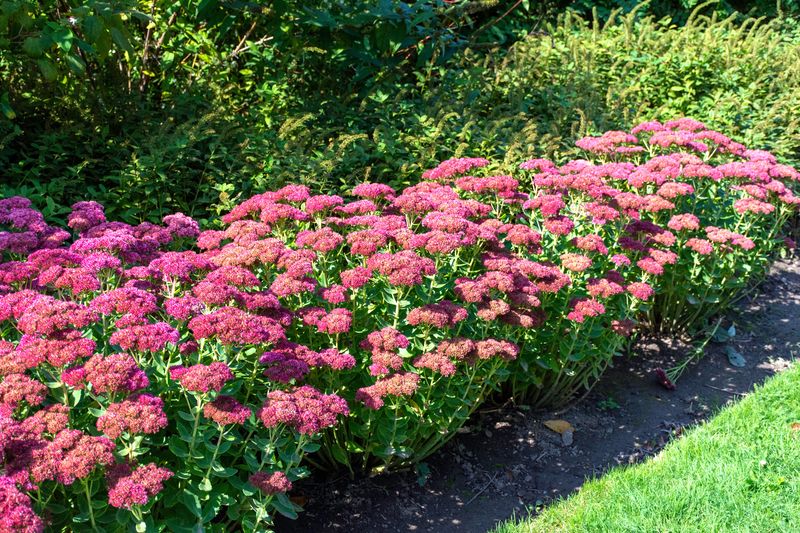
Sedum has a quiet confidence about it that most garden plants simply cannot match. While other perennials are wilting dramatically after a late freeze, sedum often sits there looking only mildly inconvenienced.
Its fleshy, water-storing leaves give it a built-in buffer against cold snaps that soft-leaved plants do not have.
Taller sedum varieties, sometimes sold as Hylotelephium, and low-growing groundcover types both handle Ohio spring weather swings with notable ease. The thick stems and succulent foliage can sustain some surface damage from frost, but the compact crown and root system beneath rarely suffers serious harm from a single late freeze.
New growth tends to push through relatively quickly once the cold passes, and the plant rarely skips a beat in terms of its overall seasonal performance.
One thing worth knowing is that sedum in consistently wet, poorly drained soil is more vulnerable after a freeze than sedum growing in well-drained conditions. Cold and wet together are harder on fleshy stems than cold alone.
If your sedum is planted in a spot that holds water, improving drainage over time will make it even more resilient. Beyond that, sedum needs very little post-freeze attention.
Trim away any clearly mushy growth to prevent rot from spreading, keep the soil from staying waterlogged, and let the plant do what it does naturally in Ohio gardens, which is recover quietly and get on with the season.