7 Things Flowering Vines In Pennsylvania Need In April To Grow Strong All Season

April can be a big turning point for flowering vines in Pennsylvania. After months of cold weather and a slow start to spring, this is usually when they begin waking up and getting ready for their busiest stretch of the year.
What happens now can shape how well they grow, how full they look, and how many blooms they put out later on.
If a vine gets the right support early, it has a much better chance of taking off in a strong and healthy way instead of struggling to catch up once the season is already moving fast.
That is why April care matters more than many gardeners realize. Flowering vines are quick to grow once they get going, but they still need a few basics in place before they can really show off.
Good soil, the right amount of water, proper pruning, and something sturdy to climb can all make a noticeable difference. This is also the time to spot problems before they turn into bigger setbacks.
If you want your vines to stay lush, bloom well, and cover their space beautifully through the warmer months, the work you do in April can set the tone for everything that follows.
1. A Strong Support Structure
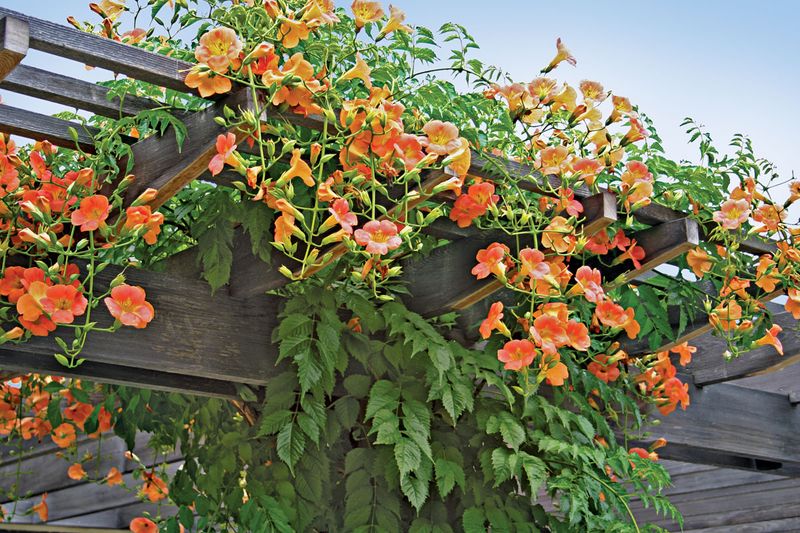
Before your vines even think about putting out new growth, having a solid support structure in place is one of the smartest moves you can make. Trellises, arbors, and fences give climbing vines something to grab onto right away.
Without a good anchor, vines can sprawl across the ground, tangle up, or wrap around plants you actually want to keep.
April is the perfect window to install or check your existing structures in Pennsylvania. The ground is soft enough to work with, and most vines have not yet started their big spring push.
Take a few minutes to make sure your trellis posts are firmly set and that any hardware or ties are secure. A structure that wobbles under the weight of a mature vine is not going to do anyone any favors.
Different vines need different kinds of support. Clematis, for example, loves thin wires or mesh it can wrap its leaf stems around.
Wisteria and trumpet vine get heavy fast, so they need something much sturdier, like a thick wooden arbor or a metal frame. Think ahead to what your vine will look like in midsummer and plan accordingly.
Training your vine early in the season also shapes how it grows all year long. Gently guide new shoots in the direction you want them to go.
Use soft plant ties or strips of fabric so you do not damage the stems. Starting with strong support in April means less fixing and redirecting later in the season.
2. Proper Pruning When Needed
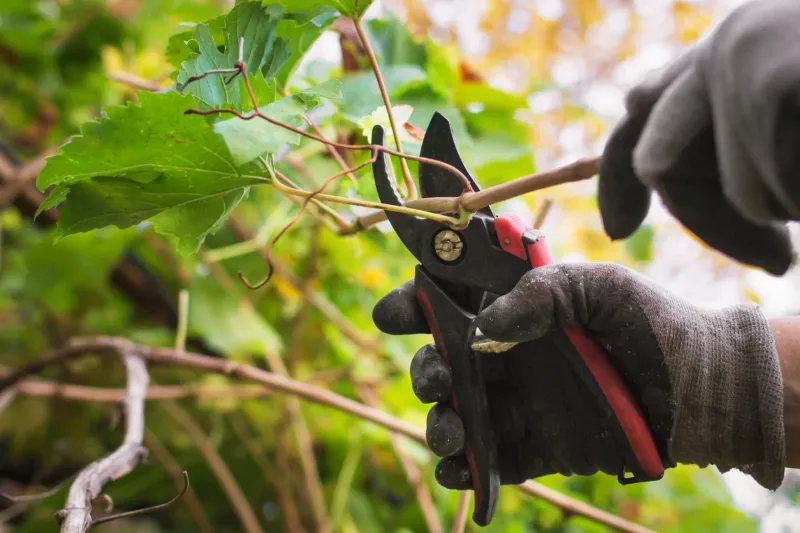
Not every vine needs a heavy trim in April, but most of them benefit from at least a little cleanup after winter. Dry stems, weak or spindly growth, and any wood that did not survive the cold months should come off.
Your Pennsylvania Garden Changes Every Week. Your Plan Should Too.
Gardening in Pennsylvania changes quickly throughout the season. Every Friday you’ll receive a simple weekly plan showing exactly what to plant, prune, fertilize, harvest, and protect so you never miss the right timing.
Removing that old growth lets the plant focus its energy on new, healthy shoots instead of trying to revive something that is not going to bounce back.
Here is where a lot of Pennsylvania gardeners make a common mistake: pruning the wrong vine at the wrong time. Some flowering vines bloom on old wood, meaning the flower buds formed last year.
If you cut those back hard in April, you are removing the blooms before they ever open. Climbing hydrangea and some early-blooming clematis varieties fall into this category, so always know what type of vine you have before reaching for the shears.
Group 3 clematis, on the other hand, blooms on new growth and actually benefits from being cut back to about eight inches in early April. Trumpet vine can also handle a fairly aggressive prune at this time of year, which helps keep it from taking over your entire yard.
Wisteria responds well to cutting back the long, whippy shoots from last year down to just a few buds.
A clean, sharp pair of pruning shears makes the job much easier and reduces the chance of tearing the stems.
Wipe your blades with rubbing alcohol between plants to keep from spreading any disease. A little care now leads to much healthier vines all season long in Pennsylvania.
3. Nutrient-Rich Soil
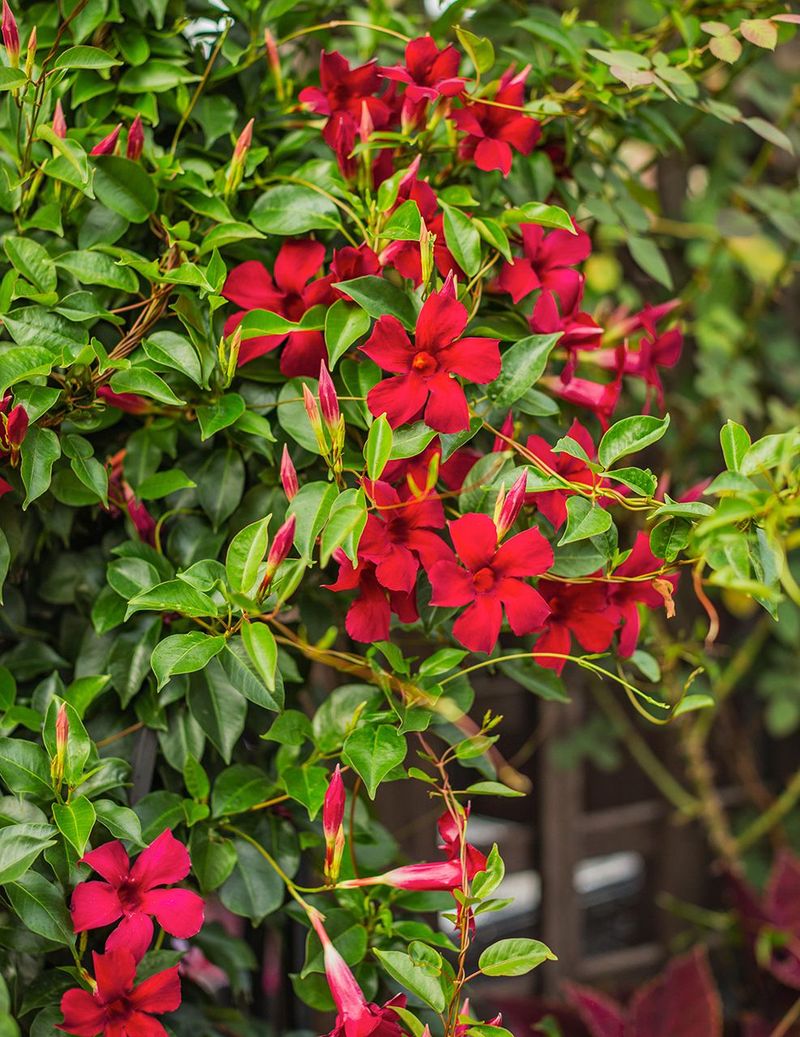
Good soil is the backbone of any thriving garden, and flowering vines are no exception. After a long Pennsylvania winter, the soil around your vines can end up compacted, depleted, and low on the nutrients plants need to grow strong.
April is a great time to give that soil a serious boost before the growing season really kicks into gear.
Working compost or aged organic matter into the top few inches of soil around your vines makes a big difference. Compost improves soil texture, helps with drainage, and slowly releases nutrients that feed your plants over time.
Even just two or three inches of good compost mixed in around the base of each vine can transform how well it performs through the summer months.
If you have heavy clay soil, which is common in many parts of Pennsylvania, adding compost also helps loosen things up so roots can spread more easily. Roots that can move freely through the soil absorb water and nutrients much more efficiently.
That means stronger stems, bigger leaves, and more flowers when blooming season arrives.
Sandy soil, on the other hand, drains too quickly and does not hold onto moisture or nutrients very well. Adding organic matter helps sandy soil retain what your vines need to stay healthy.
Take a few minutes in April to really assess what your soil looks and feels like. Crumbly, dark, earthy-smelling soil is a good sign.
Pale, hard, or waterlogged soil needs some work before your vines can truly thrive this season.
4. Balanced Fertilization
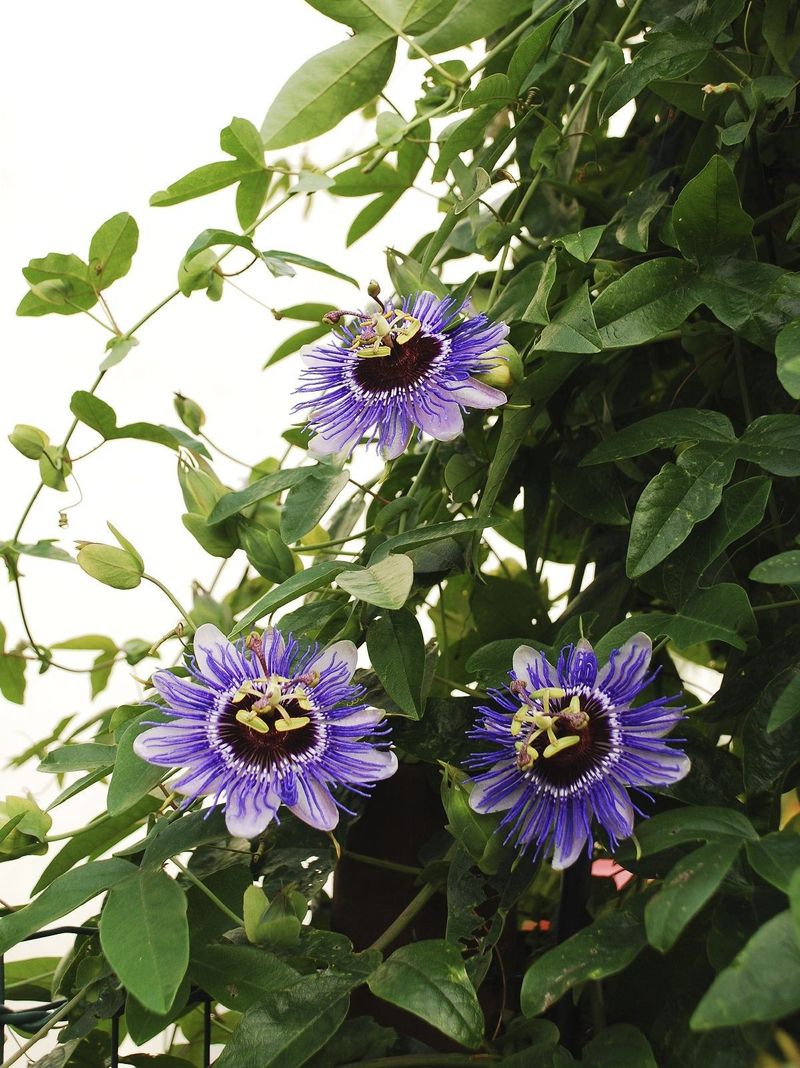
Flowering vines are hungry plants, and giving them the right food at the right time makes a huge difference in how well they grow. Applying a balanced, slow-release fertilizer in early April is one of the best things you can do for your vines in Pennsylvania.
A balanced fertilizer means the nitrogen, phosphorus, and potassium levels are roughly equal, which supports both healthy leaf growth and strong root development.
One thing to watch out for is using too much nitrogen. Nitrogen is the nutrient that pushes leafy, green growth, and while that sounds good, too much of it can actually reduce flowering.
Your vine might end up looking lush and bushy but produce very few blooms. Look for a fertilizer that is labeled for flowering plants or one with a slightly lower first number, which represents nitrogen, and a higher middle or last number to encourage more blooms.
Slow-release granular fertilizers are a popular choice because you apply them once and they gradually feed the plant over several weeks. Just scatter the granules around the base of the vine according to the package directions and water them in well.
Avoid piling fertilizer right up against the stem, as that can cause burning. Liquid fertilizers work faster and can be a good option if your vine looks like it needs a quick pick-me-up. Just be careful not to overdo it.
Over-fertilizing can stress plants out and lead to weak, floppy growth. A little goes a long way, and following the label instructions is always the safest approach for Pennsylvania gardeners.
5. Consistent Early Watering
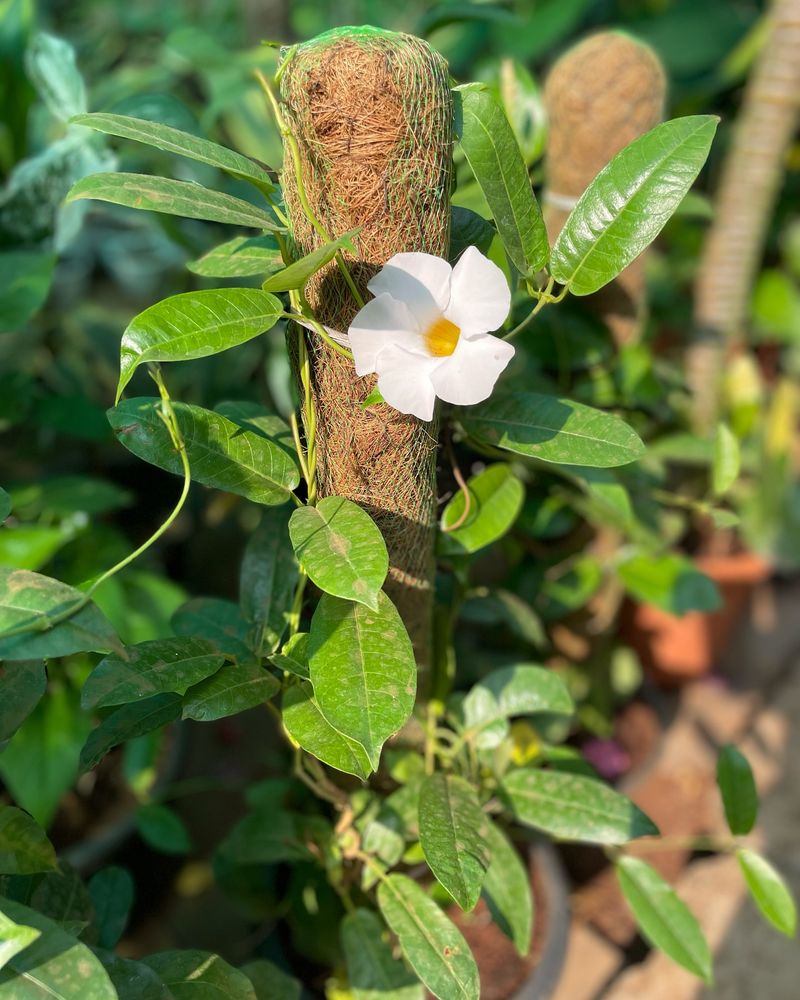
Water might seem like an obvious need, but getting watering right in April is actually more nuanced than most people expect. Early spring in Pennsylvania can be unpredictable.
Some weeks bring plenty of rain, and others can be surprisingly dry. Keeping a close eye on soil moisture during this time helps your vines get off to the strongest possible start.
When vines begin their active spring growth, their roots are working hard to expand and establish themselves in the soil. Consistent moisture during this phase is really important.
Soil that dries out completely can stress young growth and slow down root development. On the flip side, soil that stays soggy can lead to root problems, so balance is the goal.
A good rule of thumb is to water deeply but not too frequently. This encourages roots to grow down into the soil rather than staying shallow near the surface.
Shallow roots make plants more vulnerable when hot, dry weather arrives later in the summer. Deep watering now builds the kind of root system that helps vines handle the heat without missing a beat.
Early morning is the best time to water your vines. The water soaks into the soil before the heat of the day can evaporate it, and the foliage has time to dry off before evening.
Wet leaves sitting overnight can invite fungal problems. Check the soil about an inch down with your finger before watering. If it still feels moist, hold off for another day or two and let nature do its job.
6. Mulching Around The Base
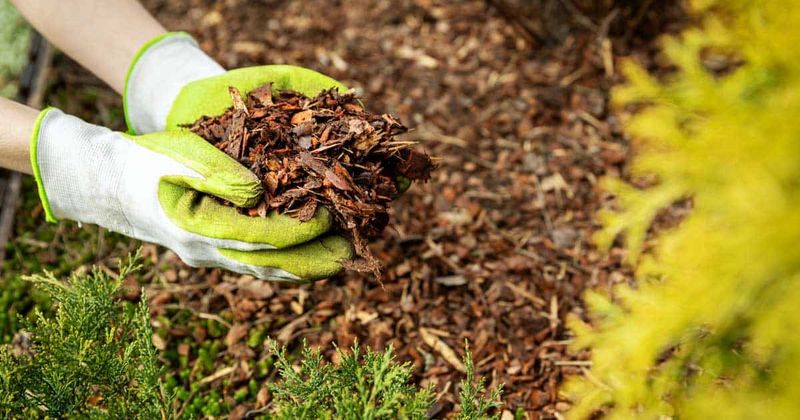
Mulch is one of those garden tools that pulls double duty without any extra effort on your part. Laying down a fresh layer of mulch around the base of your flowering vines in April does two really important things at once.
It holds moisture in the soil so your vines do not dry out between waterings, and it helps regulate soil temperature as the weather in Pennsylvania shifts back and forth between warm and cool days.
April temperatures in Pennsylvania can swing quite a bit. One week might feel like summer, and the next could bring a cold snap that surprises everyone.
Mulch acts like a cozy blanket around the roots, buffering those temperature changes and protecting young root growth from getting shocked by a late frost. That kind of stability helps vines stay on track with their growth without interruption.
Weeds are another problem that mulch takes care of quietly in the background. When weeds sprout near the base of your vines, they compete for water, nutrients, and space in the soil.
A two to three inch layer of mulch blocks sunlight from reaching weed seeds, which prevents most of them from ever getting started. Less time pulling weeds means more time enjoying your garden.
Wood chips, shredded bark, or straw all work well as mulch for flowering vines. Spread the mulch in a circle around the base of each vine, but leave a few inches of space between the mulch and the main stem.
Piling mulch directly against the stem can trap moisture and create problems over time. Keep it neat, and your vines will thank you for it all season long.
7. Full Sun Or Proper Light Conditions
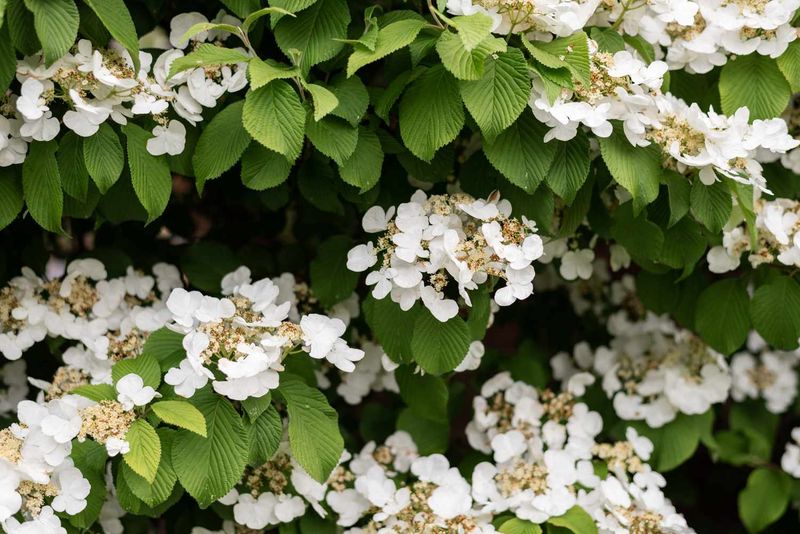
Sunlight is the engine that powers everything your flowering vine does. Most popular flowering vines grown in Pennsylvania, including clematis, trumpet vine, and wisteria, need at least six hours of direct sunlight each day to produce their best blooms.
April is the right time to take a good look at where your vines are growing and whether they are getting the light they need as the days get longer.
Walk around your yard at different times of the day and watch how the sunlight moves. Spots that were shady in winter due to bare trees might actually get more light in spring and summer once the sun moves higher in the sky.
On the other hand, areas that looked sunny in early spring can become shaded once neighboring trees fully leaf out. Knowing your garden’s light patterns helps you make smarter decisions about where to plant or move vines.
If your vine is in a spot that does not get enough sun, you may notice weak, stretched-out stems and very few flowers. Relocating a vine is possible, though it works best when the plant is still young.
Mature vines with established root systems do not always handle being moved very well, so try to get placement right from the beginning.
Some vines, like climbing hydrangea, actually prefer partial shade and can do well on a north-facing fence or wall in Pennsylvania. Knowing the specific light needs of your vine variety makes a big difference.
Give your vines the right amount of light in April, and you will be rewarded with a stunning, flower-filled display from early summer all the way through fall.