The Most Overplanted Shrubs In Michigan And Better Low Maintenance Alternatives
Some shrubs are planted all over Michigan for one simple reason. They are easy to find and seem like the safe choice.
The problem is that many of these popular picks end up needing more care than expected, looking messy with age, or failing to add much real beauty to the yard.
When the same few shrubs show up in every neighborhood, landscapes can also start to feel dull and predictable. That is why more homeowners are starting to look beyond the usual choices.
A better shrub can offer stronger shape, better color, fewer problems, and less work through the seasons. In a state with cold winters and warm summers, that matters.
The best low maintenance alternatives do not just survive Michigan weather. They keep the yard looking sharp with less pruning, less stress, and a lot more payoff over time.
1. Boxwood
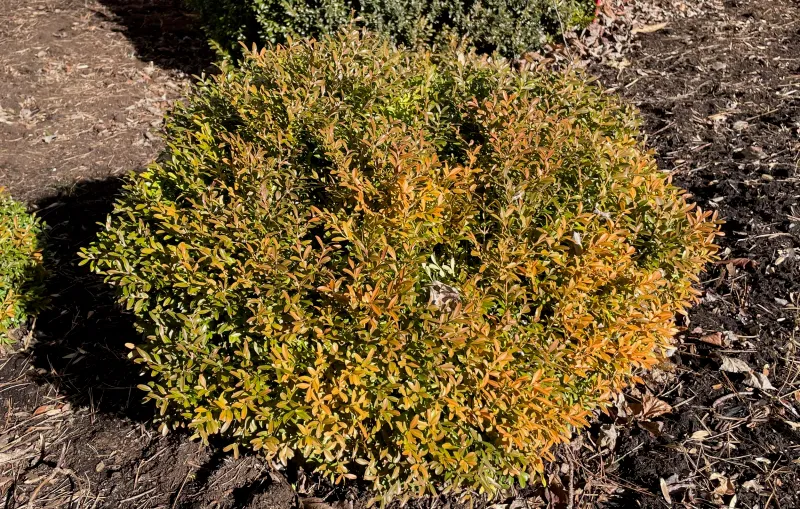
Boxwood has long been a staple in Michigan landscapes, especially for formal hedges and foundation plantings.
Buxus sempervirens looks tidy when it is healthy, but Michigan winters often take a toll on it. Cold winds and frozen ground lead to a problem called winter burn, where leaves turn bronze or brown and stay that way well into spring.
In colder parts of the state, some plants never fully recover, leaving hedges thin and uneven.
Instead of constantly protecting boxwood with burlap or replacing damaged plants, a much better choice for Michigan gardens is Yew (Taxus × media).
Yews are extremely cold-hardy across Michigan and hold their deep green color through winter far better than boxwood.
They can be shaped into neat hedges or left to grow more naturally, depending on your style.
Unlike boxwood, they tolerate shade well and adapt to a wide range of soil conditions found across the state.
Yews also grow at a steady, manageable pace and rarely suffer from the kind of winter damage that makes boxwood frustrating to maintain.
With less need for winter protection and fewer cosmetic issues in spring, they offer a cleaner, more reliable look year-round.
For Michigan homeowners who want structure without the stress, yew is a far more dependable evergreen choice.
2. Burning Bush
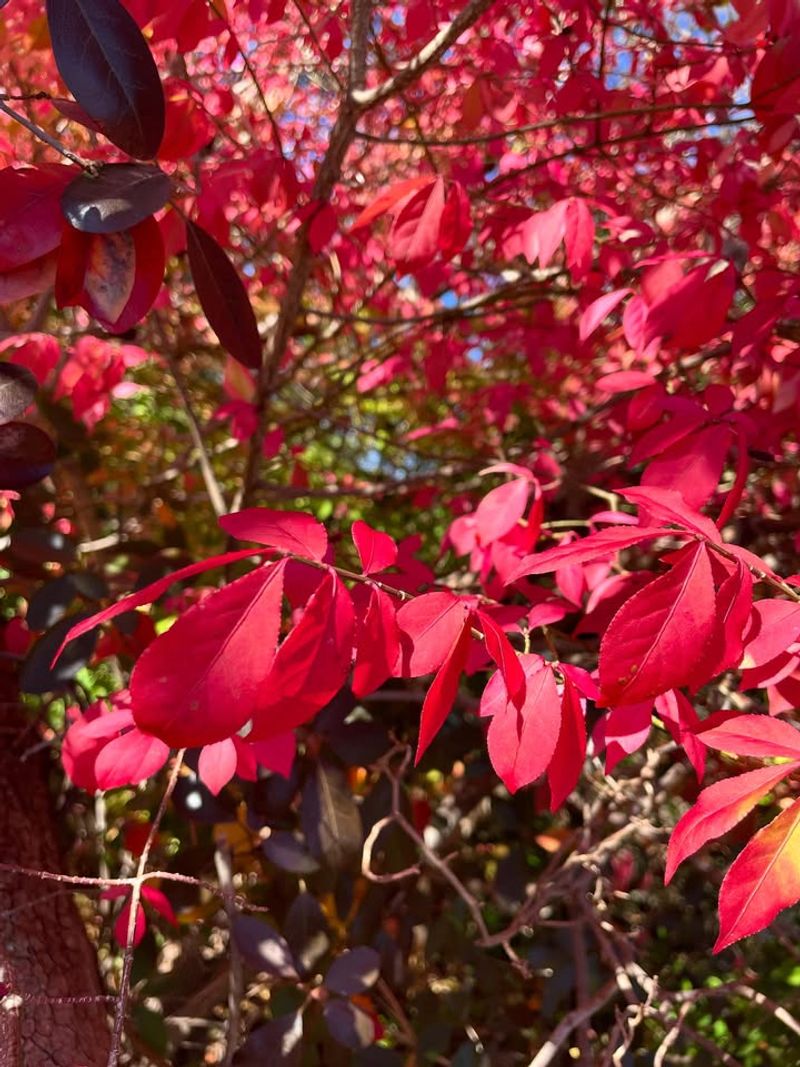
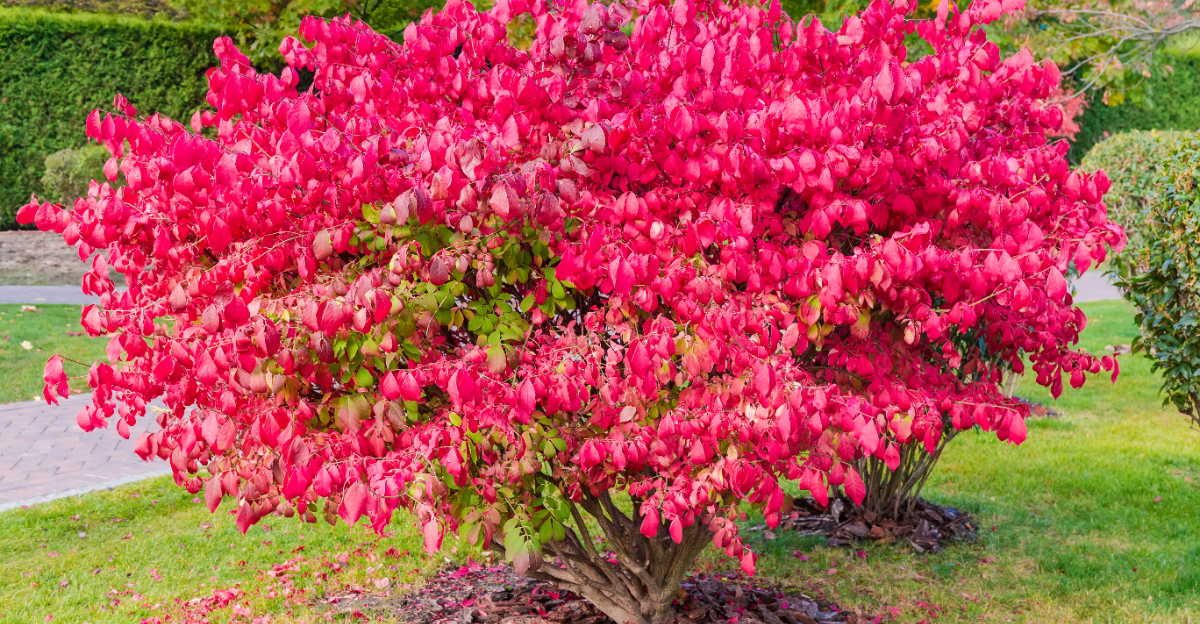
Few shrubs turn heads in autumn like Burning Bush. That electric red fall color made Euonymus alatus one of the most planted shrubs across Michigan for years. However, Michigan has officially recognized it as an invasive species, and for good reason.
Birds eat its berries and spread seeds into forests, wetlands, and roadsides where it aggressively crowds out native plants.
Once Burning Bush escapes a garden, it forms dense thickets that block sunlight from reaching native wildflowers and tree seedlings below.
Many Michigan counties and conservation groups now strongly discourage its use, and some states have banned it entirely.
Planting it today means contributing to a problem that natural areas across the Great Lakes region are actively fighting against.
Black Chokeberry, or Aronia melanocarpa, is a fantastic native alternative that delivers stunning fall color without any of those invasive concerns.
Its leaves turn a rich, deep red in autumn that rivals Burning Bush, and it produces clusters of dark berries that support songbirds, pollinators, and other Michigan wildlife.
Your Michigan Garden Changes Every Week. Your Plan Should Too.
Gardening in Michigan changes quickly throughout the season. Every Friday you’ll receive a simple weekly plan showing exactly what to plant, prune, fertilize, harvest, and protect so you never miss the right timing.
Aronia thrives in a wide range of soils, tolerates wet conditions common in many Michigan yards, and needs very little pruning or fertilizing to look great.
It grows to a manageable size and fits beautifully into both formal and naturalistic landscapes. Choosing Black Chokeberry means enjoying that dramatic fall color while actually helping Michigan’s natural environment rather than harming it.
3. Japanese Barberry
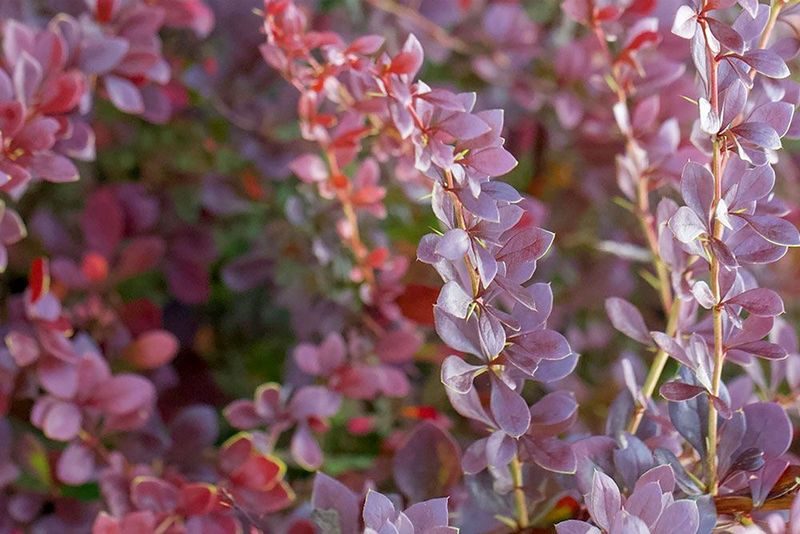
Japanese Barberry might look tidy and tough, but underneath those thorny branches lies a serious ecological threat to Michigan.
Berberis thunbergii spreads through bird-dispersed seeds and has invaded forests, meadows, and open fields throughout the state.
It creates dense, thorny thickets that native plants simply cannot compete with, and it even alters soil chemistry in ways that discourage native species from growing back.
Another lesser-known problem with Japanese Barberry is that its dense thickets create the perfect humid microhabitat for ticks, including those that carry Lyme disease.
Michigan outdoor enthusiasts and families with yards backing up to natural areas should take that seriously.
Despite its low-care reputation, the long-term costs to local ecosystems far outweigh any short-term landscaping convenience.
Ninebark, or Physocarpus opulifolius, is a native Michigan shrub that offers everything Japanese Barberry promises and so much more.
It grows vigorously, tolerates a wide range of soils, and handles both sun and partial shade with ease. Its peeling, cinnamon-colored bark adds winter interest that barberry never could.
Modern varieties like Diablo and Summer Wine offer rich burgundy foliage that looks striking from spring through fall.
White or soft pink flower clusters appear in late spring, drawing in native bees and butterflies. Ninebark stays well-behaved in the garden, never jumping the fence to invade wild areas. It is tough, beautiful, and genuinely good for Michigan’s environment.
4. Privet
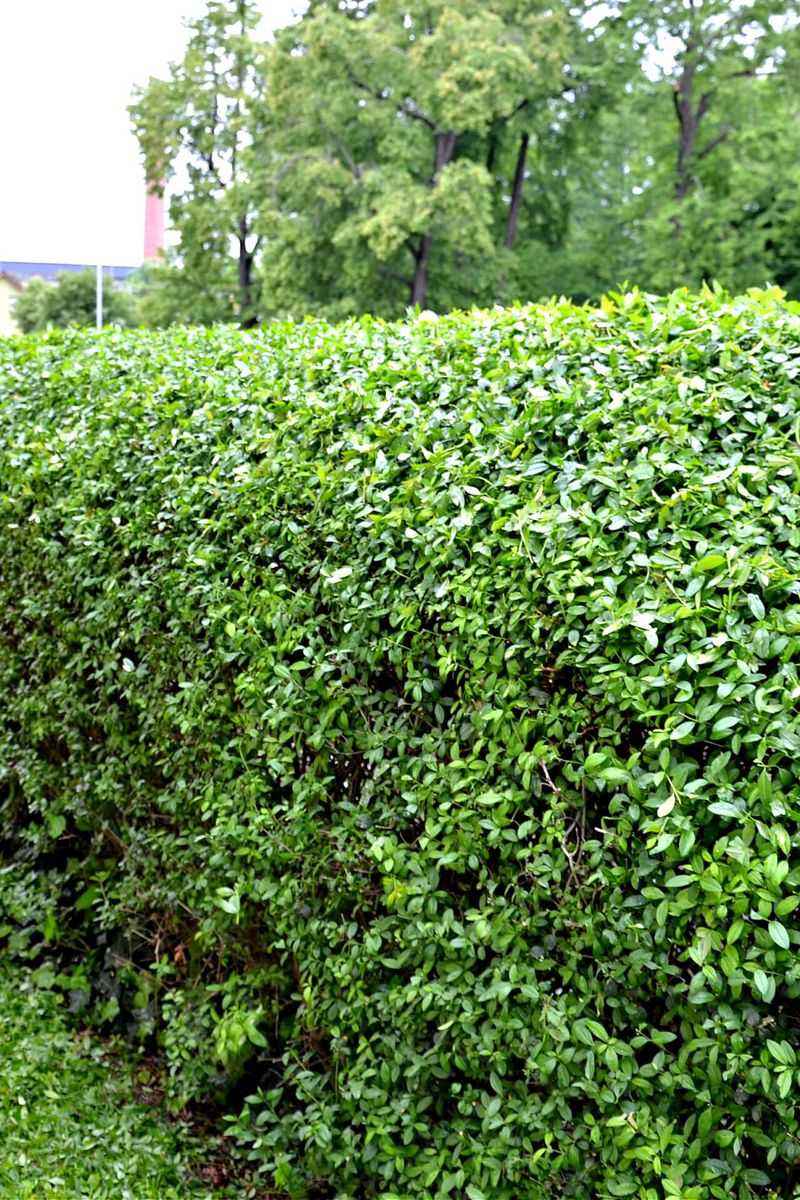
Privet has long been a popular choice for homeowners across Michigan who want a fast-growing, dense hedge.
Ligustrum vulgare certainly delivers on the fast-growing part, but Michigan winters have a way of humbling it.
In colder parts of the state, privet frequently experiences significant winter dieback, meaning large portions of the plant sustain damage and must be cut back hard each spring.
Beyond winter problems, privet also has a tendency to grow unevenly, requiring frequent pruning just to keep it looking presentable.
It also produces berries that birds spread into natural areas, raising the same invasive concerns that have gotten other popular shrubs into trouble across the Great Lakes region.
For a plant that demands so much maintenance, it delivers surprisingly little seasonal interest beyond green leaves in summer.
American Cranberrybush Viburnum, or Viburnum trilobum, is a native Michigan shrub that makes a spectacular hedge alternative.
It offers white flower clusters in spring, rich red fall foliage, and clusters of bright red berries that persist through winter, feeding birds when food is scarce.
It is genuinely cold-hardy throughout all Michigan growing zones and handles our winters without significant damage.
American Cranberrybush Viburnum grows at a moderate, predictable pace and requires far less pruning than privet to maintain a tidy shape.
Wildlife love it, neighbors will admire it, and you will spend far less time wrestling with it on weekends. That is a trade-off any Michigan gardener should happily make.
5. Butterfly Bush
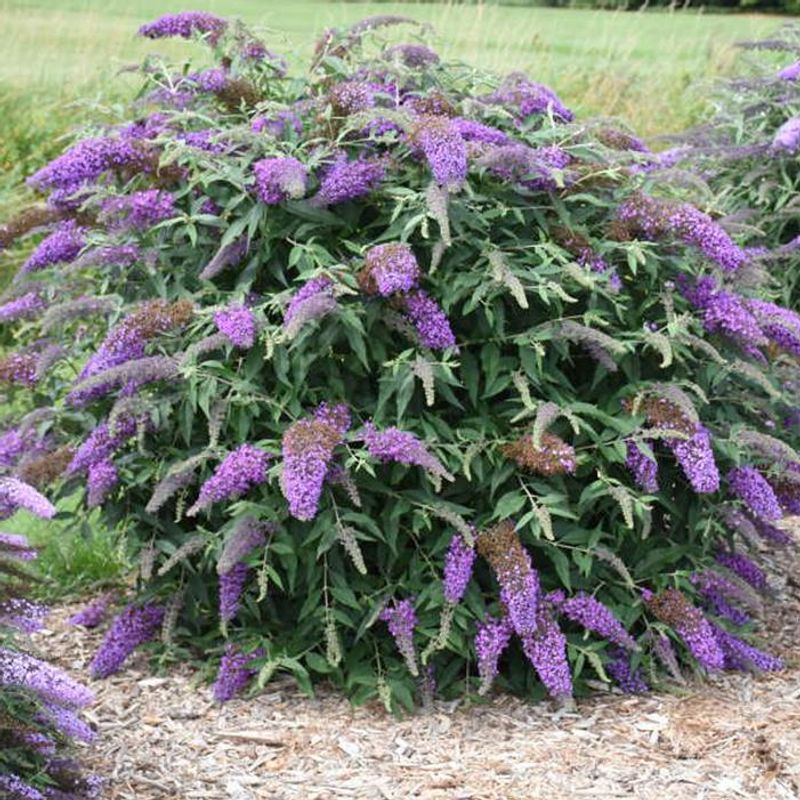
Butterfly Bush is often planted with good intentions. Buddleja davidii produces long, colorful flower spikes that attract butterflies, making it seem like the perfect pollinator plant.
In Michigan, though, it comes with a few problems. Many varieties struggle to survive harsh winters, especially in colder regions, and even when they do come back, they often need to be cut down heavily each spring to regrow properly.
Another issue is that while Butterfly Bush attracts adult butterflies, it does not support caterpillars or provide the full habitat that native plants do.
So while it looks helpful, it does not contribute much to the local ecosystem. A much better and more reliable alternative for Michigan is Shrubby Cinquefoil (Potentilla fruticosa).
This hardy shrub thrives in Michigan’s climate, handling cold winters, poor soils, and drought once established.
It blooms continuously from late spring through summer with cheerful yellow, white, or soft orange flowers that attract pollinators.
Cinquefoil stays compact, requires little pruning, and comes back strong year after year without winter dieback.
It is one of the easiest flowering shrubs you can grow in Michigan, offering long-lasting color and dependable performance without the uncertainty that comes with Butterfly Bush.
6. Forsythia
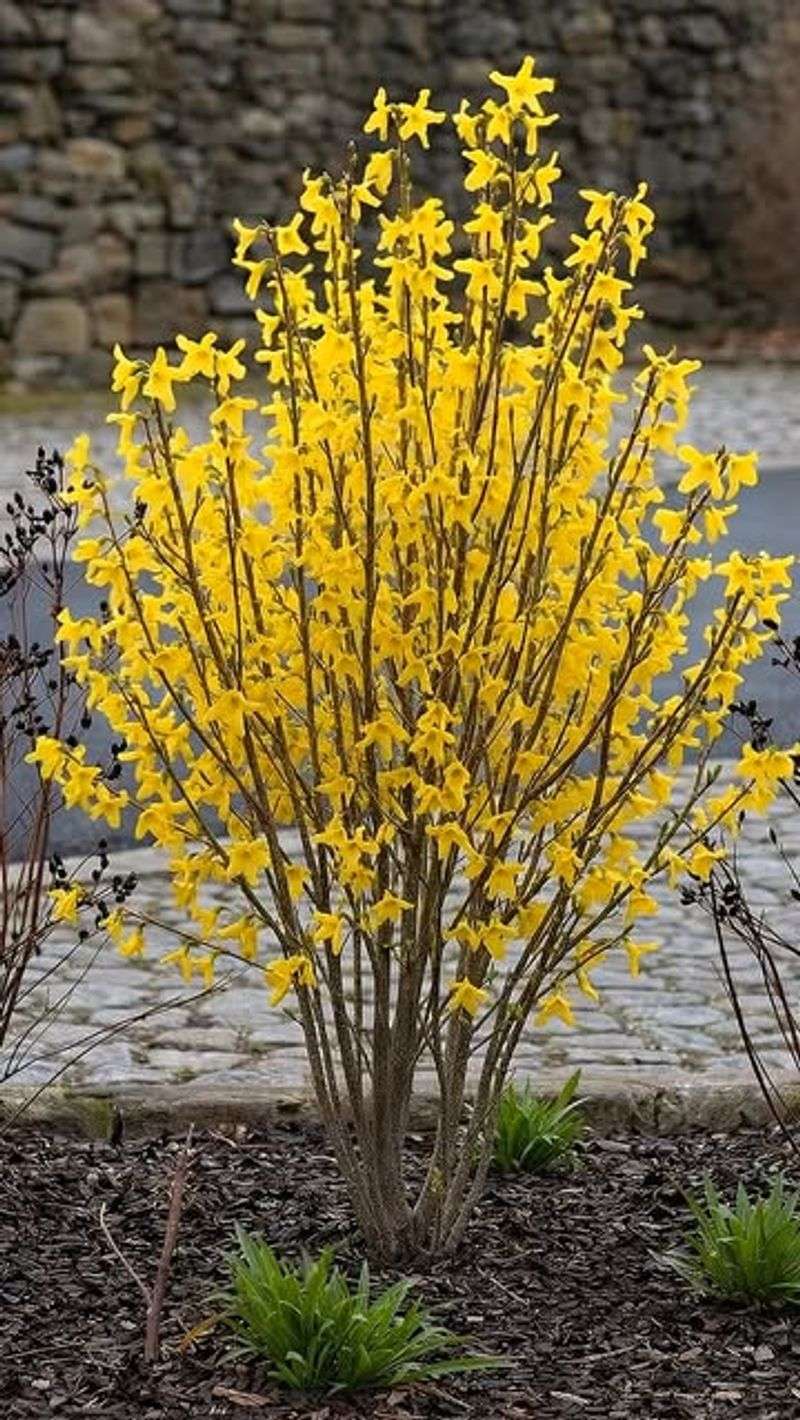
Every March and April, Forsythia explodes into bright yellow blooms across Michigan neighborhoods, and for about two weeks, it is genuinely spectacular.
But here is the honest truth about Forsythia x intermedia: once those flowers fade, it becomes one of the least interesting shrubs in the yard for the remaining ten months of the year.
No notable summer foliage, no fall color, no winter interest. Just a big, leggy green blob. Forsythia also grows quickly and becomes quite large without regular, aggressive pruning.
Many Michigan homeowners end up spending several weekends each year hacking it back just to keep it manageable.
Improper pruning often removes the flower buds forming on old wood, which means less bloom the following spring. It becomes a cycle of effort that rarely feels rewarding beyond that brief spring show.
Serviceberry, or Amelanchier canadensis, offers everything Forsythia lacks and more. It blooms with delicate white flowers in early spring, often even before Forsythia, giving Michigan yards that same early-season excitement.
Summer brings edible purple berries that birds flock to eagerly. Fall transforms the leaves into shades of orange, red, and gold that rival maples.
Serviceberry grows naturally throughout Michigan and handles local soils and weather without complaint. It works beautifully as a large shrub or small multi-stemmed tree, fitting naturally into many landscape styles.
Four full seasons of beauty, minimal pruning, and genuine wildlife value make Serviceberry the clear winner for Michigan gardens.
7. Rose Of Sharon
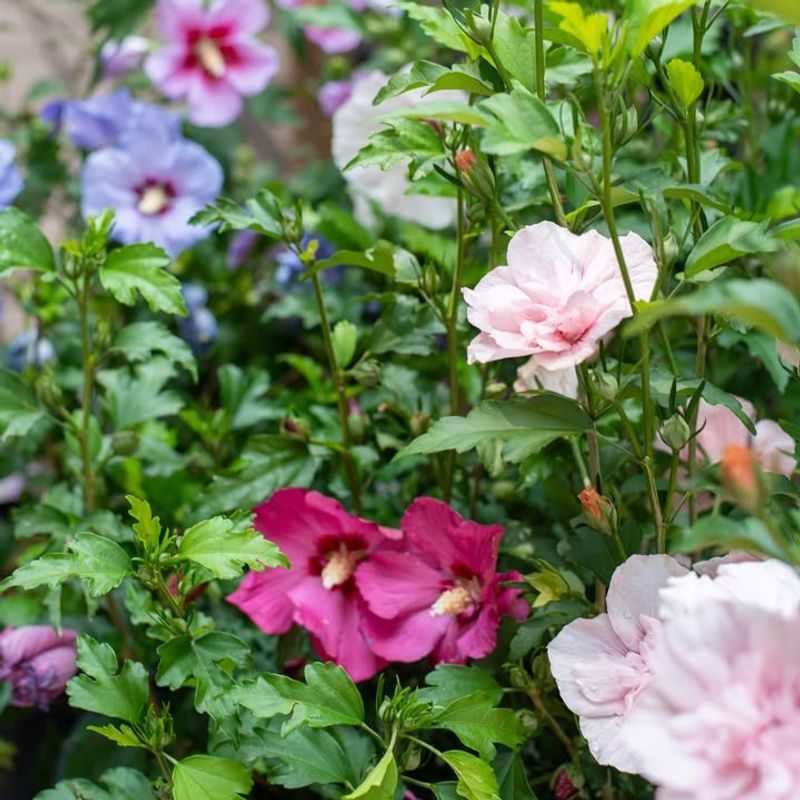
Rose of Sharon brings bold, tropical-looking flowers to Michigan gardens in late summer, which is part of its appeal.
Hibiscus syriacus blooms when many other shrubs are fading, adding color when it is most needed. However, one of the biggest drawbacks is how freely it self-seeds.
In many yards, seedlings begin popping up in garden beds, along fences, and even in nearby lawns. While not every plant becomes overwhelming, managing unwanted seedlings can become an ongoing chore, especially if the plant is left to drop seed freely.
Over time, what seemed like a low-maintenance shrub can turn into something that requires regular cleanup.
A more controlled and equally beautiful option is Panicle Hydrangea (Hydrangea paniculata).
This shrub is extremely reliable in Michigan and produces large, cone-shaped blooms from mid-summer into fall. The flowers start creamy white and often age into soft pink tones as the season progresses.
Unlike Rose of Sharon, panicle hydrangeas do not spread by seed and require very little maintenance beyond occasional pruning.
They are also fully hardy across Michigan and handle cold winters without issue. With big blooms, strong structure, and predictable growth, they offer the same seasonal impact without the extra work.
8. Older Spirea Varieties
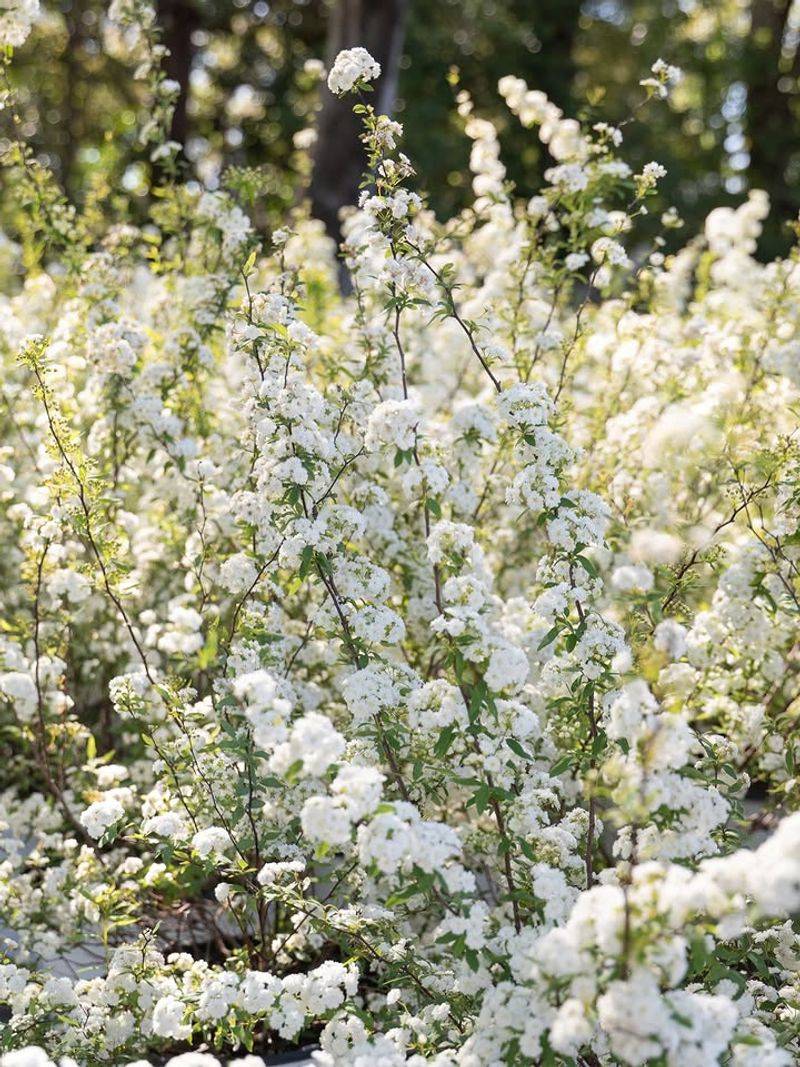
Older spirea varieties like Bridal Wreath (Spiraea × vanhouttei) were once widely planted across Michigan, but they often outgrow their space over time.
These shrubs can become large, woody, and difficult to manage, sometimes reaching six feet tall and wide.
Without regular pruning, they quickly lose their shape and take over smaller yards. Many homeowners find themselves constantly cutting them back, only to deal with uneven growth and reduced flowering the following year.
While they can still be beautiful in the right setting, they are not always a great fit for modern, lower-maintenance landscapes.
A better choice for Michigan gardens is Bush Honeysuckle (Diervilla lonicera), a native shrub that stays compact and easy to manage.
It grows naturally across Michigan and is well adapted to local conditions, including poor soils and dry areas.
In summer, it produces small yellow flowers that attract pollinators, followed by attractive foliage that can develop reddish tones later in the season.
Diervilla requires very little pruning, spreads slowly without becoming invasive, and handles Michigan winters without damage.
It offers a more natural, low-maintenance look while still providing seasonal interest and ecological value. For gardeners looking to simplify their landscape, it is a much smarter long-term choice.