The 9 Best Hedges For Privacy In Oregon Gardens
A good privacy hedge can do a lot more than block an awkward view of the neighbors. In Oregon, the right hedge can also add year-round color, soften the edges of a yard, cut down on noise, and make the whole garden feel more tucked away and inviting.
Of course, not every shrub is up for the job. Some grow too slowly, some turn scraggly with age, and some need way more pruning than most people want to deal with.
That is why choosing the right hedge matters so much. Oregon gardeners need plants that can handle the region’s mix of rain, cool temperatures, and changing conditions while still filling in beautifully.
The best options bring privacy without becoming a constant chore. Some are neat and classic, others feel softer and more natural, but all of them can help turn an open yard into a greener, calmer, more secluded space that feels like your own little escape.
1. Cherry Laurel
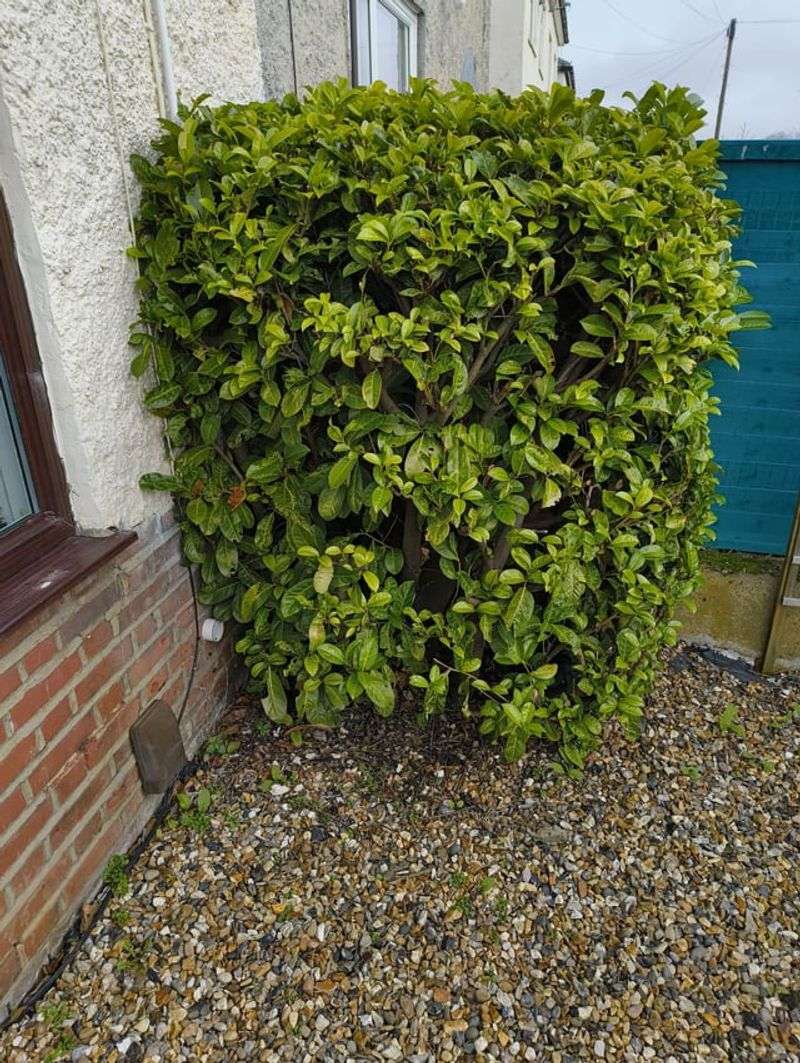
Few hedges can match the bold, lush look of Cherry Laurel. With its large, glossy leaves and fast-growing habit, this plant quickly fills in gaps and creates a solid green wall that keeps your Oregon yard feeling private and peaceful.
Cherry Laurel thrives in Oregon’s mild, rainy climate. It handles both full sun and partial shade really well, making it flexible enough for most garden spots.
It also tolerates a range of soil types, which is a big plus in Oregon where soils can vary widely.
Pruning once or twice a year keeps it looking neat and encourages dense growth. Left unpruned, it can grow quite tall, which is great if you want maximum screening.
Many Oregon homeowners love it because it stays green all year long.
One thing to keep in mind is that Cherry Laurel can spread aggressively if not managed. Plant it with proper spacing, about four to six feet apart, to allow good air circulation.
With just a little care, Cherry Laurel becomes one of the most reliable and attractive privacy hedges you can grow in an Oregon garden.
2. Evergreen Huckleberry
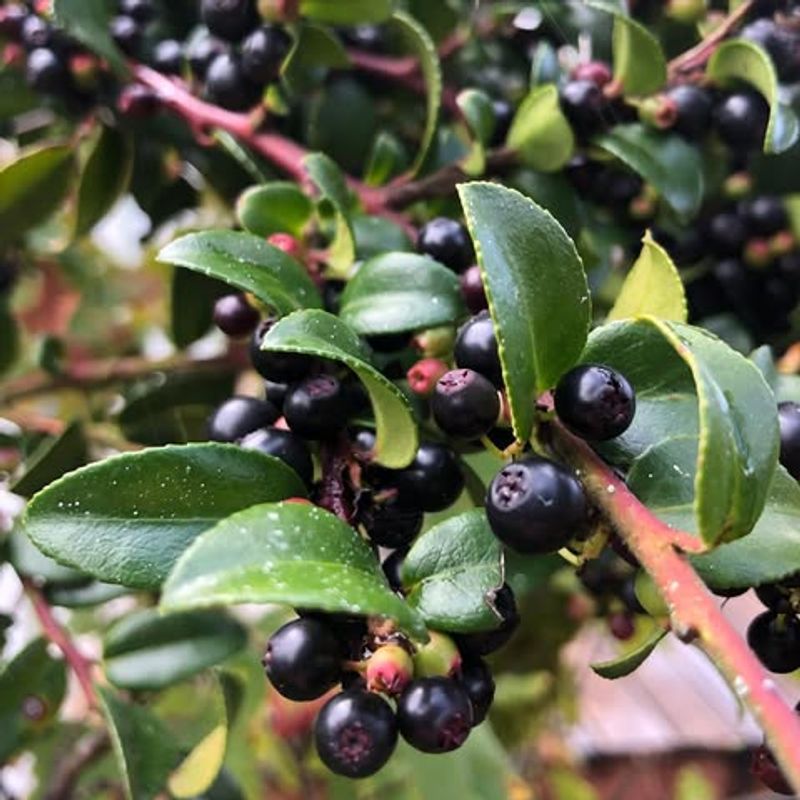
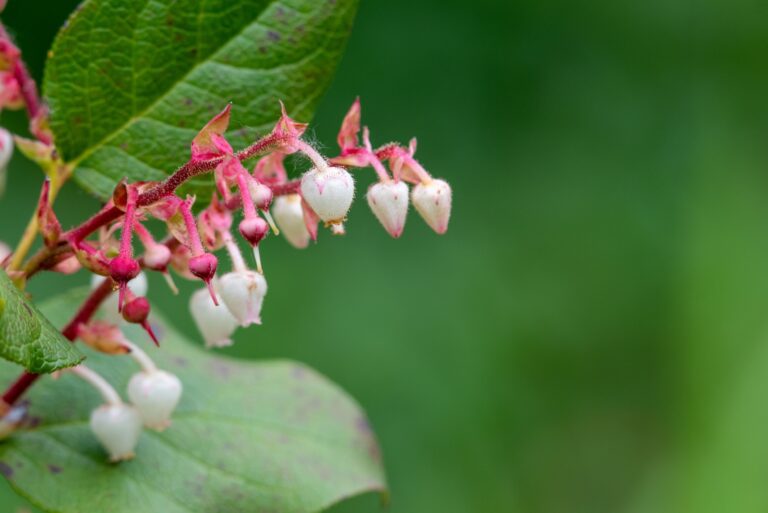
Oregon has a long love affair with the Evergreen Huckleberry, and for good reason. This native Pacific Northwest shrub is tough, beautiful, and perfectly suited to the region’s cool, moist climate.
It grows naturally along the Oregon coast and in shaded woodland areas, so it feels right at home in local gardens.
Unlike many ornamental hedges, Evergreen Huckleberry brings extra rewards. In late summer, it produces small, dark purple berries that are sweet and edible.
Birds love them too, so planting this hedge also turns your yard into a little wildlife habitat.
Growing slowly to about four to eight feet tall, it forms a dense, rounded shape with small, glossy leaves that stay on the plant year-round. It prefers partial to full shade, which makes it a fantastic choice for shadier Oregon gardens where other hedges might struggle.
Well-draining, slightly acidic soil is what this plant loves most, and Oregon’s naturally acidic soils are usually a great match. Water it regularly during dry summer months, especially when it is young.
Your Oregon Garden Changes Every Week. Your Plan Should Too.
Gardening in Oregon changes quickly throughout the season. Every Friday you’ll receive a simple weekly plan showing exactly what to plant, prune, fertilize, harvest, and protect so you never miss the right timing.
Once established, Evergreen Huckleberry is fairly low-maintenance and rewarding for any Oregon gardener wanting a native privacy solution.
3. Viburnum
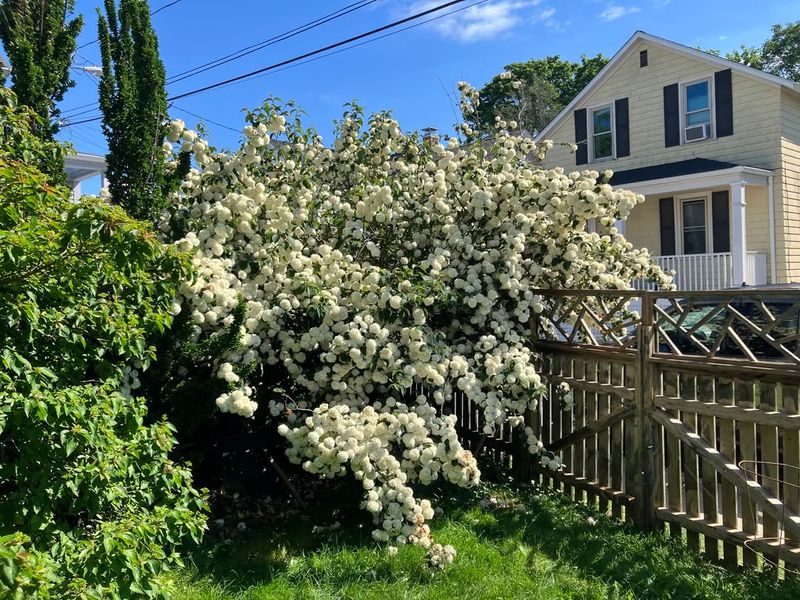
Viburnum is the kind of plant that earns its place in the garden by doing just about everything right. It offers dense foliage, seasonal flowers, and in some varieties, colorful berries that make fall and winter more interesting in Oregon yards.
There are many Viburnum varieties to choose from, and several perform exceptionally well in Oregon’s climate. Viburnum tinus and Viburnum davidii are two popular evergreen choices that stay full and green through Oregon’s wet winters.
They grow at a moderate pace and can reach six to twelve feet tall depending on the variety.
Spring brings clusters of small white or pink flowers that smell lovely and attract pollinators. After the blooms fade, many varieties produce shiny blue or red berries that wildlife enjoy.
This makes Viburnum a hedge that gives back to the local ecosystem in a meaningful way.
Plant Viburnum in full sun to partial shade in well-drained soil for best results. In Oregon, it rarely needs extra fertilizing since the naturally rich soil provides plenty of nutrients.
Prune lightly after flowering to keep its shape tidy. It is a low-fuss, high-reward hedge that Oregon gardeners keep coming back to year after year.
4. Escallonia
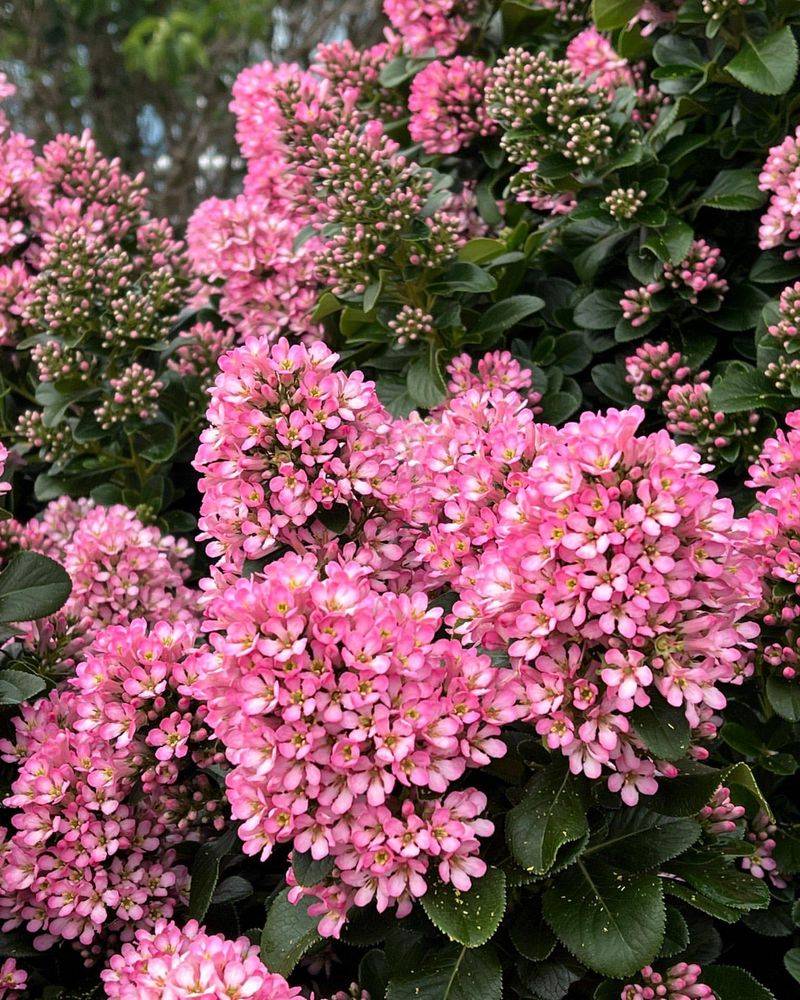
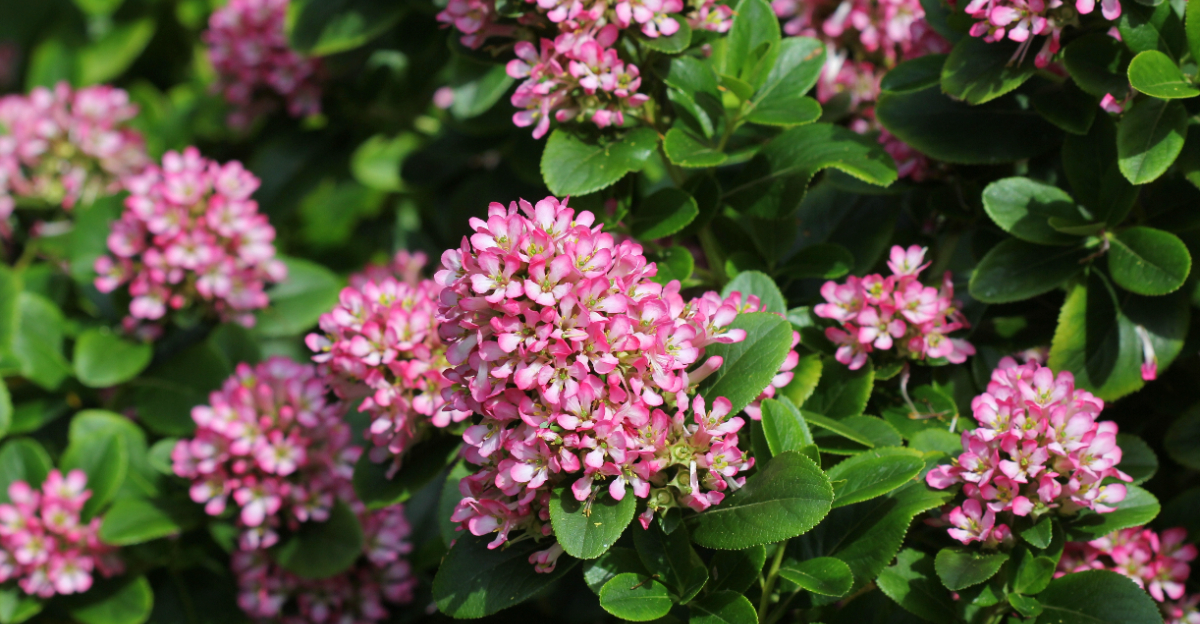
If you want a privacy hedge that also puts on a floral show, Escallonia is hard to beat. This evergreen shrub produces clusters of small, tubular flowers in shades of pink, red, or white throughout summer, turning a plain boundary into something genuinely beautiful.
Escallonia is especially popular in Oregon’s coastal areas because it handles salt spray and wind with impressive toughness. Gardeners near the Oregon coast often struggle to find plants that survive the harsh conditions, and Escallonia consistently delivers both resilience and good looks.
It grows to about six to ten feet tall and responds well to pruning, which lets you shape it into a neat, formal hedge or leave it a bit more natural and relaxed. The dense, small-leaved foliage stays green all year, providing privacy even in winter when many other plants look bare.
Plant it in full sun for the most flowers and the most compact growth. It adapts to most well-drained soil types common across Oregon.
Water regularly during the first couple of growing seasons to help it get established. Once it settles in, Escallonia is surprisingly drought-tolerant and easy to maintain, making it a smart long-term choice for Oregon privacy hedges.
5. Wax Myrtle
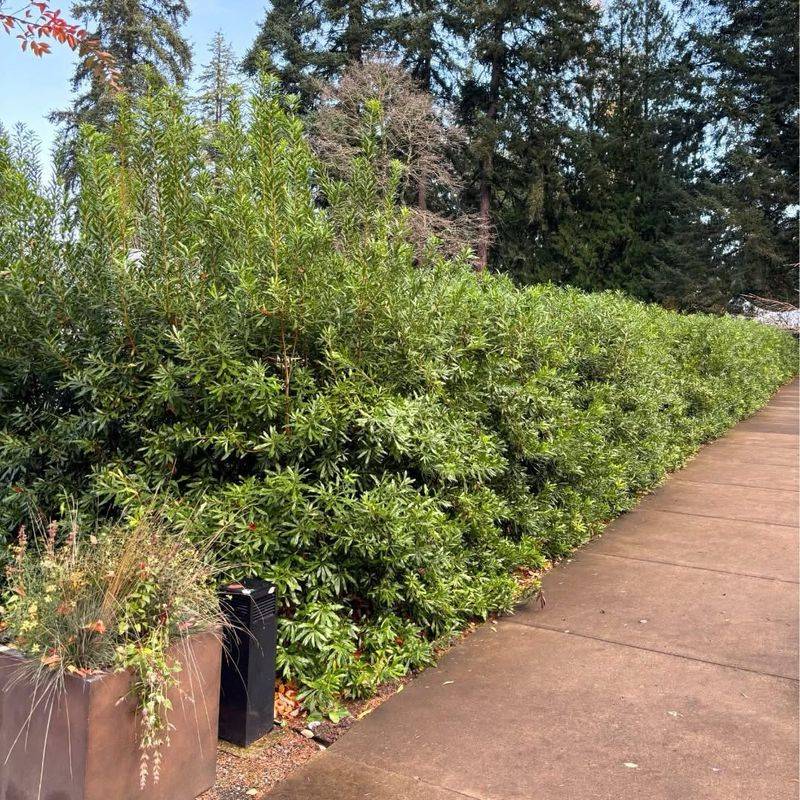
This is a plant that works hard without asking for much in return. This fast-growing evergreen shrub can shoot up several feet in a single growing season, making it one of the quickest ways to get a solid privacy screen going in an Oregon garden.
One of its most charming quirks is its aromatic foliage. Crush a leaf between your fingers and you get a pleasant, spicy scent similar to bay leaves.
Some Oregon gardeners actually use the dried leaves in cooking, which makes Wax Myrtle both practical and delightful.
It grows well in a wide range of conditions, tolerating wet soils, coastal winds, and even light shade. That kind of adaptability is really valuable in Oregon, where garden conditions can vary a lot from one region to another.
It can reach ten to twenty feet tall if left to grow freely.
Pruning Wax Myrtle regularly keeps it at a manageable height and encourages bushy, dense growth that is ideal for screening. It handles pruning really well and bounces back quickly.
Plant it in full sun to partial shade, water it well during dry summer months, and you will have a tall, lush privacy hedge faster than almost any other option in Oregon.
6. Photinia
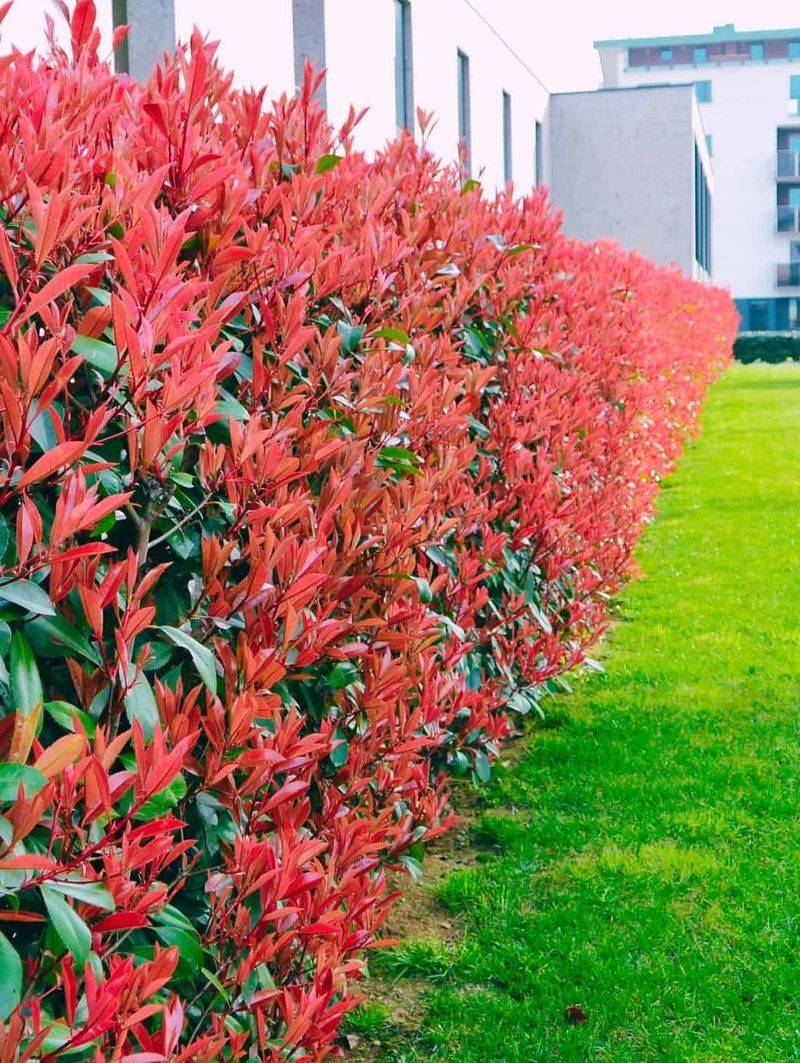
This stunning hedge that turns heads in spring. When new growth flushes in, the young leaves emerge a vivid, fiery red before gradually maturing to deep, glossy green.
That seasonal color show makes it one of the most visually exciting privacy hedges you can grow in Oregon.
Red Robin, the most popular Photinia variety, is a reliable performer in western Oregon’s climate. It tolerates the region’s wet winters well and bounces back strong each spring.
Planted in a row, these shrubs quickly fill in to form a dense, attractive screen that provides solid year-round privacy.
Photinia grows at a moderate to fast pace and can reach ten to fifteen feet tall without pruning. Regular trimming encourages more of those brilliant red flushes, since new growth is what produces the color.
Many Oregon gardeners prune two or three times a year just to keep that red display going as long as possible.
It performs best in full sun, which also helps prevent fungal leaf spot, a common issue in Oregon’s wet climate. Good air circulation between plants is important for the same reason.
Plant in well-drained soil and water during dry spells. With a bit of attention, Photinia rewards you with a hedge that is as beautiful as it is functional.
7. Elaeagnus
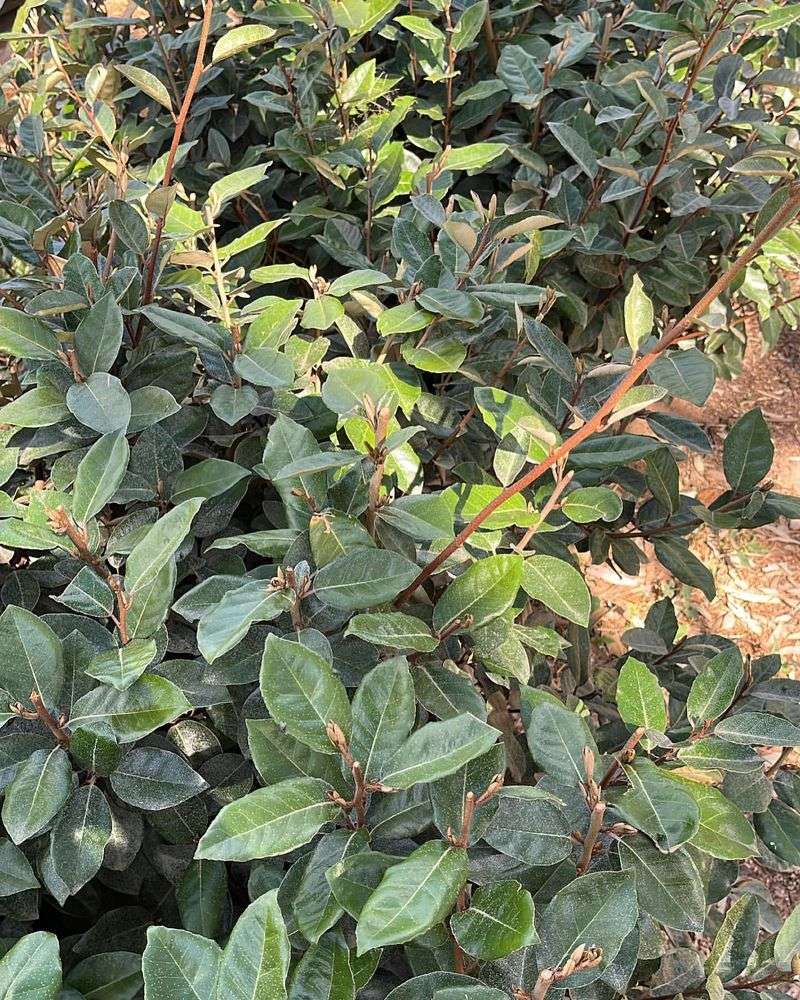
Tough, fast, and surprisingly fragrant, Elaeagnus is the kind of hedge that earns respect. Most people walk past it without noticing it at first, but in autumn, tiny hidden flowers release a sweet, honey-like scent that stops people in their tracks.
It is one of the most underrated privacy hedges in Oregon.
Elaeagnus pungens and Elaeagnus ebbingei are two varieties that perform especially well in Oregon’s climate. Both are evergreen, with leathery leaves that have a distinctive silvery sheen on their undersides.
They grow quickly and densely, creating a thick barrier that handles wind, noise, and prying eyes equally well.
This plant is remarkably adaptable. It tolerates poor soils, coastal exposure, and even moderate drought once established.
That makes it a fantastic choice for challenging spots in Oregon gardens where other hedges might struggle to survive.
Elaeagnus can grow quite large, reaching eight to fifteen feet, so regular pruning is recommended to keep it at the height you want. It responds well to hard pruning and recovers quickly.
Plant it in full sun to partial shade in well-drained soil. For Oregon gardeners wanting a low-maintenance hedge that works in tough conditions, Elaeagnus is a truly smart and rewarding investment.
8. Choisya
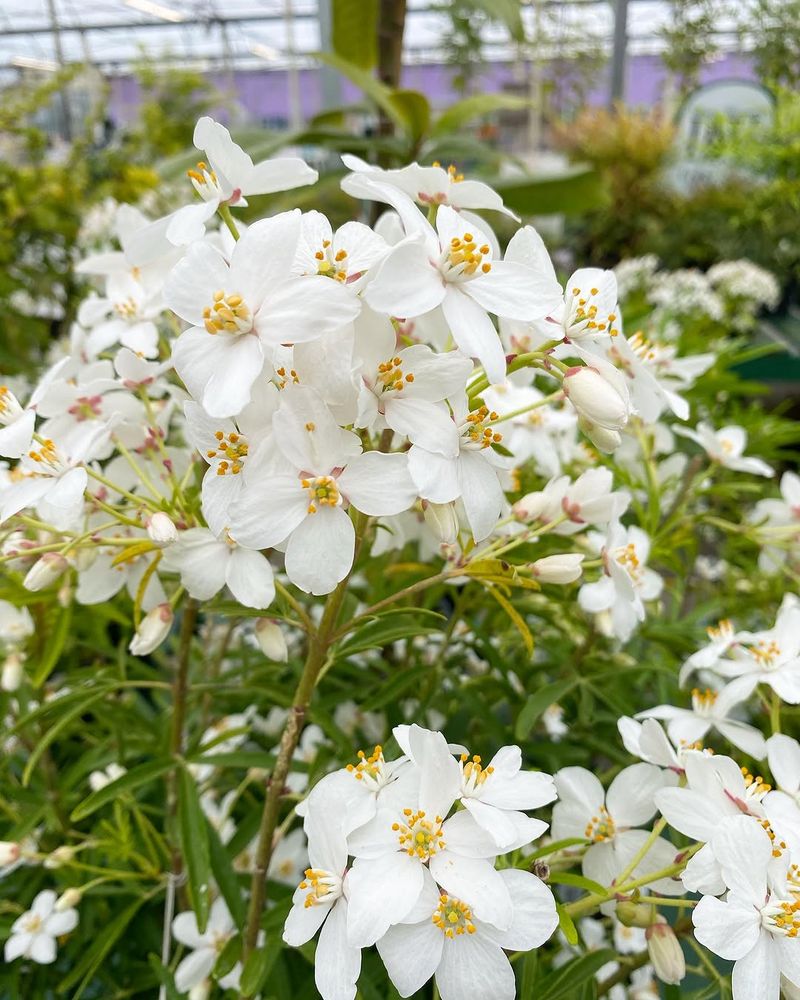
Known as Mexican Orange Blossom, Choisya brings a touch of elegance to Oregon gardens that is hard to replicate.
Its rounded, evergreen form, glossy leaves, and clusters of fragrant white flowers make it a standout shrub that doubles beautifully as a low to mid-height privacy hedge.
Choisya ternata is the most widely grown variety and does well in Oregon’s mild, maritime climate. It blooms twice a year, once in spring and again in late summer or early fall, filling the garden with a sweet citrus-like fragrance both times.
That double bloom season is a real bonus for Oregon gardeners who love sensory gardens.
It grows to about five to eight feet tall and wide, forming a naturally tidy mound that needs only light pruning to stay in shape. Trimming right after flowering encourages a fresh flush of growth and keeps the plant compact and bushy.
It is genuinely one of the easier hedging plants to maintain in an Oregon yard.
Choisya prefers full sun to light shade and well-drained soil. It is somewhat drought-tolerant once established, which is helpful during Oregon’s dry summers.
Protect it from harsh frost in colder parts of the state. In most of western Oregon, it thrives with minimal fuss and maximum charm all year long.
9. Pieris
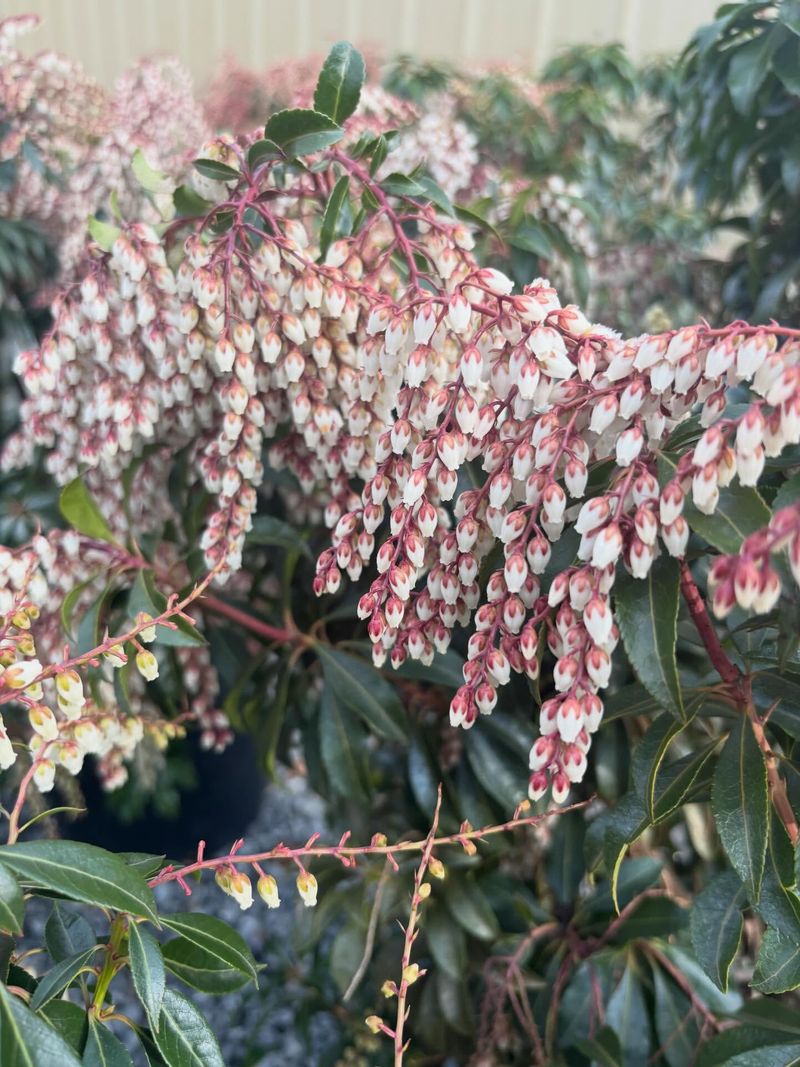
Pieris japonica, often called Andromeda or Lily of the Valley shrub, is a beautiful choice for shaded Oregon gardens where many other hedging plants simply will not thrive. Its cascading clusters of small, urn-shaped white flowers appear in late winter or early spring, often when little else is blooming in the garden.
New growth on Pieris emerges in striking shades of red or bronze before maturing to deep green, giving the plant a multi-season visual interest that is hard to match. In Oregon’s often overcast spring, those bright red tips add a welcome burst of warm color to the garden landscape.
Pieris grows slowly, reaching about four to eight feet tall over many years. That slow pace means less pruning work for you, and the dense branching habit naturally creates a solid privacy screen over time.
It pairs beautifully with rhododendrons and azaleas, which also love Oregon’s acidic soils and shady conditions.
Plant Pieris in partial to full shade in moist, well-drained, acidic soil for best results. Avoid exposed, windy spots since the foliage can scorch.
Regular watering during dry Oregon summers keeps it looking its best. For woodland-style gardens and shaded borders across Oregon, Pieris is an elegant and reliable hedging choice worth considering.