9 Flowers That Thrive In North Carolina Heat And Humidity
North Carolina gardens can look amazing in summer, but heat and humidity have a way of testing every plant in the yard. Some flowers fade fast, stop blooming, or start looking worn out the moment the air turns heavy.
Others seem made for it. They keep growing, keep blooming, and keep adding color even when the weather feels tough.
That makes them the real stars of a Southern garden. Choosing flowers that can handle sticky days and strong sun is one of the easiest ways to build beds that stay bright and healthy longer.
It also means less stress, less replacing, and fewer plants that give up halfway through the season.
For gardeners who want dependable color without a constant battle against the weather, the best choices are the ones that do not just survive North Carolina summer conditions. They shine right through them.
1. Zinnia (Zinnia elegans)
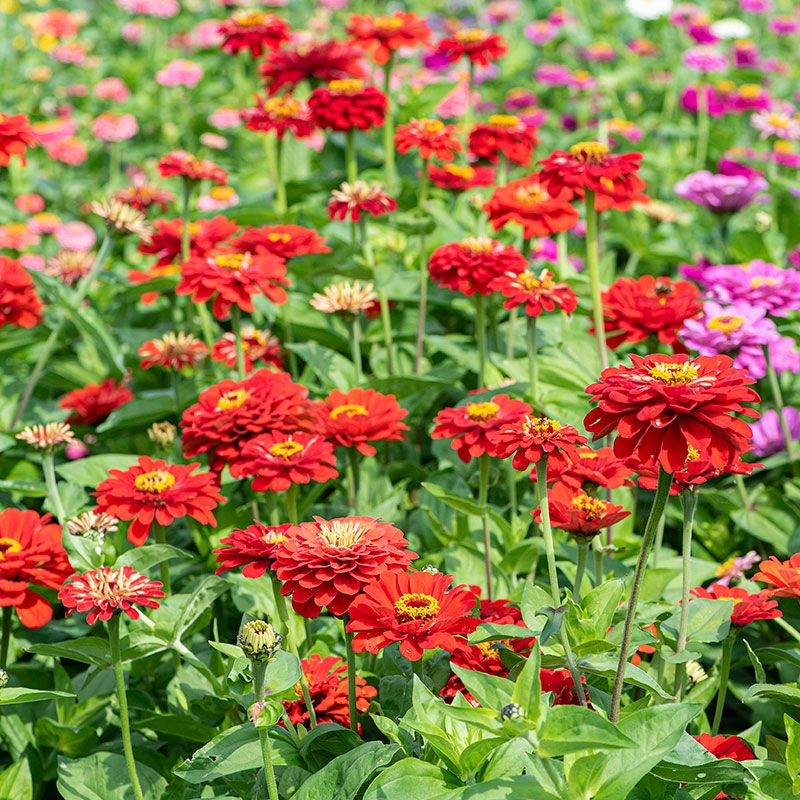
Few flowers match the bold, cheerful energy of zinnias when summer temperatures start climbing. In North Carolina, where July and August can feel like standing next to an oven, zinnias do not just survive the heat, they absolutely love it.
Plant them in a spot with full sun and well-drained soil, and they will reward you with nonstop color from late spring all the way through the first cool snap of fall.
Zinnias grow fast, which makes them incredibly satisfying for gardeners of any experience level. You can direct sow seeds right into the ground after the last frost, and within weeks, you will have sturdy little plants pushing up toward the sky.
One key tip for North Carolina growers is to give plants enough space between them to allow good airflow, since this helps reduce the chance of powdery mildew during the humid months.
Butterflies absolutely flock to zinnia blooms, making your garden a lively, buzzing space all summer long. They come in nearly every color imaginable, from deep burgundy to bright coral to soft lavender.
Deadheading spent blooms regularly encourages even more flowers to open. For a cut flower that holds up beautifully in a vase and thrives through the toughest North Carolina summers, zinnias are simply hard to beat.
2. Lantana (Lantana camara)
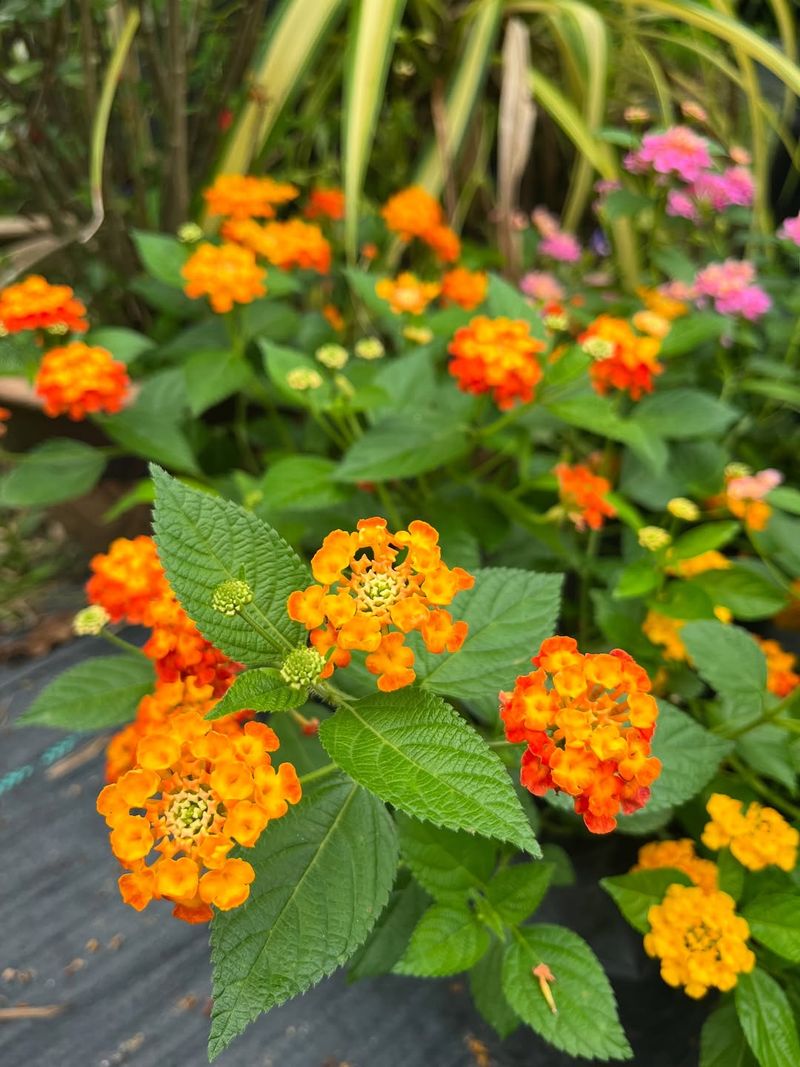
Lantana is the kind of plant that thrives when other flowers are throwing in the towel. Intense heat, sticky humidity, and even stretches of dry weather barely slow it down, making it one of the most reliable performers across North Carolina’s long summer season.
Its small, tightly packed flower clusters come in eye-catching combinations of yellow, orange, red, and pink, often shifting colors as they mature right before your eyes.
Butterflies treat lantana like an all-you-can-eat buffet. On a warm afternoon in a North Carolina garden, you might spot swallowtails, monarchs, and painted ladies all visiting the same plant at the same time.
Hummingbirds also find lantana irresistible, so you get incredible wildlife activity without much effort on your part. Plant it in full sun and well-drained soil, and it handles the rest almost entirely on its own.
Your North Carolina Garden Changes Every Week. Your Plan Should Too.
Gardening in North Carolina changes quickly throughout the season. Every Friday you’ll receive a simple weekly plan showing exactly what to plant, prune, fertilize, harvest, and protect so you never miss the right timing.
Lantana is drought-tolerant once established, which means it is perfect for gardeners who do not want to water constantly through the hottest weeks of summer. It works beautifully in garden beds, along borders, or spilling over the edges of containers on a sunny porch or patio.
Trim it back occasionally to keep it tidy and encourage fresh blooms. For a flower that handles North Carolina’s summer conditions with confidence and style, lantana is a true standout.
3. Purple Coneflower (Echinacea purpurea)
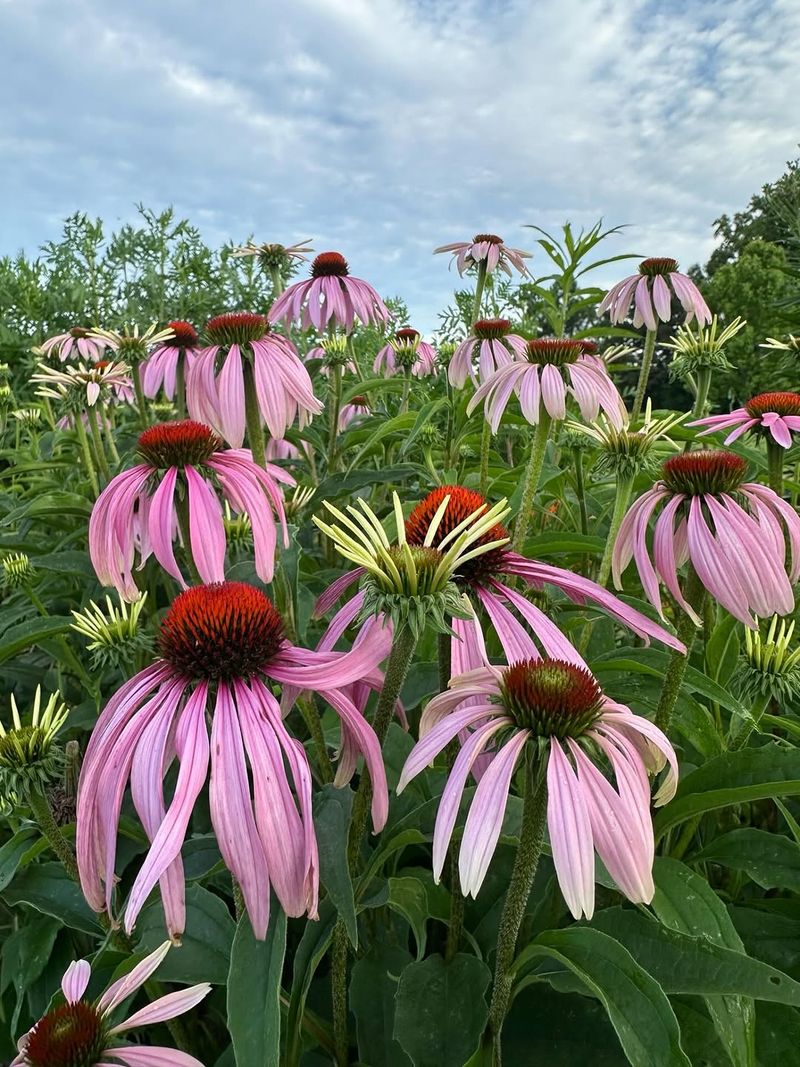
Purple coneflower is basically built for North Carolina summers. As a native perennial, it evolved right alongside the heat, humidity, and even the heavy clay soils found throughout much of the Piedmont and Coastal Plain regions.
Once established, it handles tough conditions with ease, coming back stronger each year without needing much fuss from the gardener.
The blooms are striking and unmistakable, featuring swept-back lavender or pink petals surrounding a bold, spiky orange-brown center cone.
They appear in midsummer and keep going for weeks, drawing in bees, butterflies, and even goldfinches that love to pick at the seed heads as summer winds down.
Leaving the seed heads standing through fall and winter adds structure to the garden and gives birds a natural food source they genuinely appreciate.
Purple coneflower thrives in full sun but tolerates a bit of afternoon shade, which can actually help it stay fresh through the most intense summer heat.
It handles dry spells well once the roots are established, and it pairs beautifully with black-eyed Susans and ornamental grasses for a wildflower-inspired look.
North Carolina gardeners who want a low-maintenance perennial with serious ecological value will find purple coneflower to be an outstanding, season-after-season performer that gets better every year it grows.
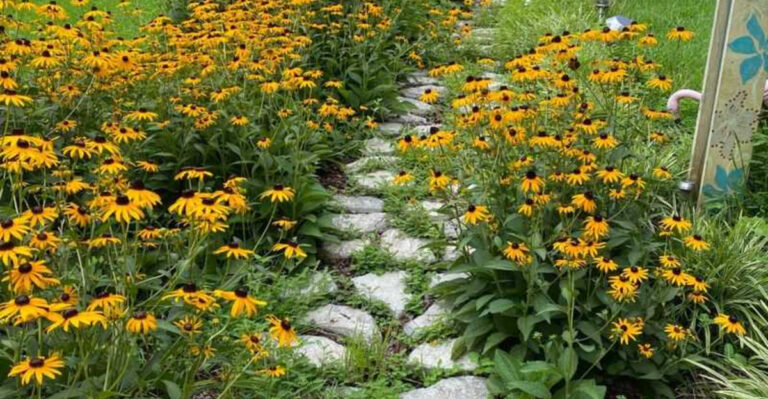
4. Black-Eyed Susan (Rudbeckia hirta)
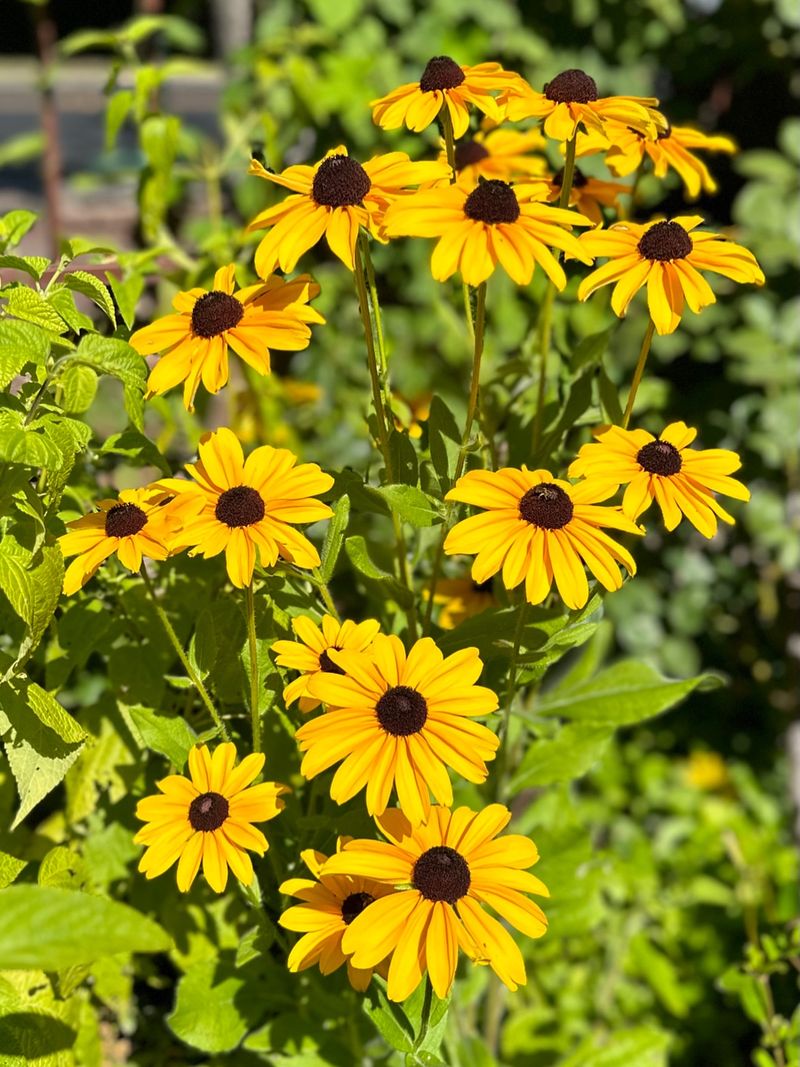
There is something instantly cheerful about a patch of black-eyed Susans in full bloom. Those bright yellow petals surrounding a rich, dark center have become one of the most recognized wildflower looks across the American South, and North Carolina gardens are no exception.
These tough, sun-loving plants bloom from June through September, filling gardens with color right through the hottest stretch of the year.
Black-eyed Susans are remarkably adaptable. They handle poor soil, occasional drought, and the kind of heavy summer humidity that makes many other flowers sulk and slow down.
They grow naturally along roadsides and in open fields across North Carolina, which tells you everything you need to know about their staying power. In a garden setting, they actually perform even better with just a little extra care and good drainage.
Plant them in full sun for the best bloom production, and pair them with purple coneflowers or ornamental grasses for a naturalistic, low-maintenance planting that looks gorgeous all season.
Pollinators swarm these blooms throughout the summer, and the seed heads attract songbirds in fall and winter.
Black-eyed Susans also spread gently over time, filling in gaps and creating a fuller, more lush garden bed year after year. For North Carolina gardeners looking for reliable summer color with almost no effort, this flower delivers every single time.
5. Salvia (Salvia splendens And Heat-Tolerant Types)
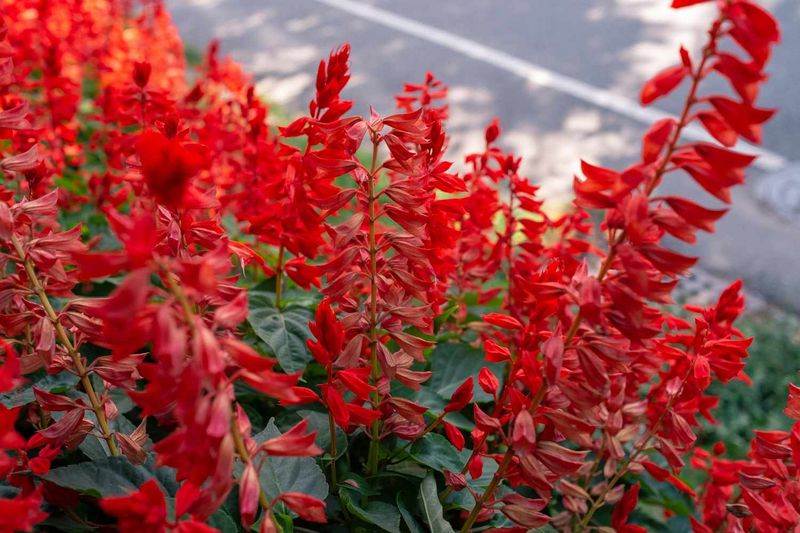
Salvia is a powerhouse in the summer garden, and North Carolina’s heat and humidity barely put a dent in its performance.
With varieties ranging from compact red Salvia splendens to the taller, more elegant blue and purple Salvia nemorosa types, there is a salvia suited for almost every spot in the garden.
All of them share one important trait: they love the sun and keep right on blooming even when temperatures climb into the nineties.
Hummingbirds are completely obsessed with salvia’s tubular flowers, and watching them hover and dart through a planting is one of summer’s great garden pleasures.
Butterflies and bees also visit regularly, making salvia one of the best pollinator-friendly choices for North Carolina landscapes.
The plants hold their upright, spike-like form beautifully, giving the garden a clean, structured look that holds up even in the most intense summer conditions.
For the best results, plant salvia in full sun with well-drained soil and deadhead or trim spent flower spikes to encourage a second and even third round of blooms through the season.
Heat-tolerant varieties like Salvia greggii and Salvia coccinea are especially well suited to North Carolina’s long, steamy summers.
These plants ask for very little and give back an enormous amount of color, wildlife activity, and visual interest from early summer right into the cooler days of fall.
6. Vinca (Catharanthus roseus)
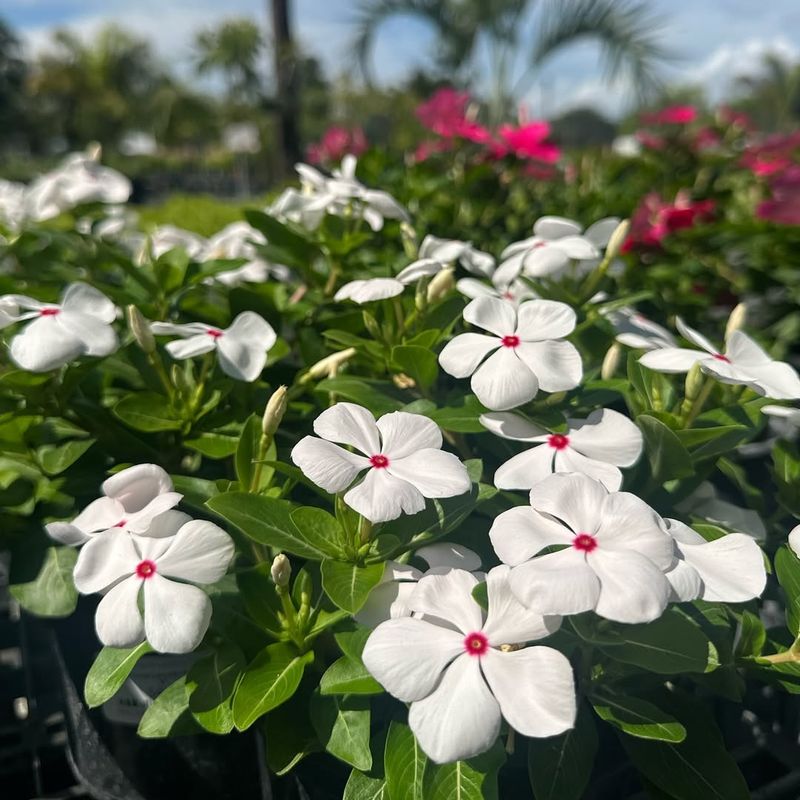
Vinca, also called annual periwinkle, might be the single most reliable warm-season flower for North Carolina gardens.
While other plants wilt and struggle through the peak of summer, vinca just keeps blooming, producing a steady stream of cheerful flowers in shades of pink, white, red, coral, and lavender.
It handles heat and humidity with a kind of effortless confidence that makes it a go-to choice for gardeners across the state.
One of vinca’s biggest advantages is its resistance to disease in hot, wet conditions. Older varieties sometimes struggled with aerial phytophthora in humid climates, but modern breeding has produced new types that are far more resistant and even more floriferous.
Look for newer series like Cora, Titan, or Soiree Kawaii for outstanding performance through North Carolina’s toughest summer stretches. These improved varieties stay compact, branch freely, and rarely need deadheading to keep the flowers coming.
Vinca works beautifully in garden beds, along walkways, or in containers and window boxes where it trails gracefully over the edges. It asks for full sun and good drainage, and once established, it handles dry spells surprisingly well for such a lush-looking plant.
For gardeners who want a flower that looks great in May and still looks great in September without constant attention, vinca is genuinely one of the best options North Carolina summers have to offer.
7. Blanket Flower (Gaillardia pulchella)
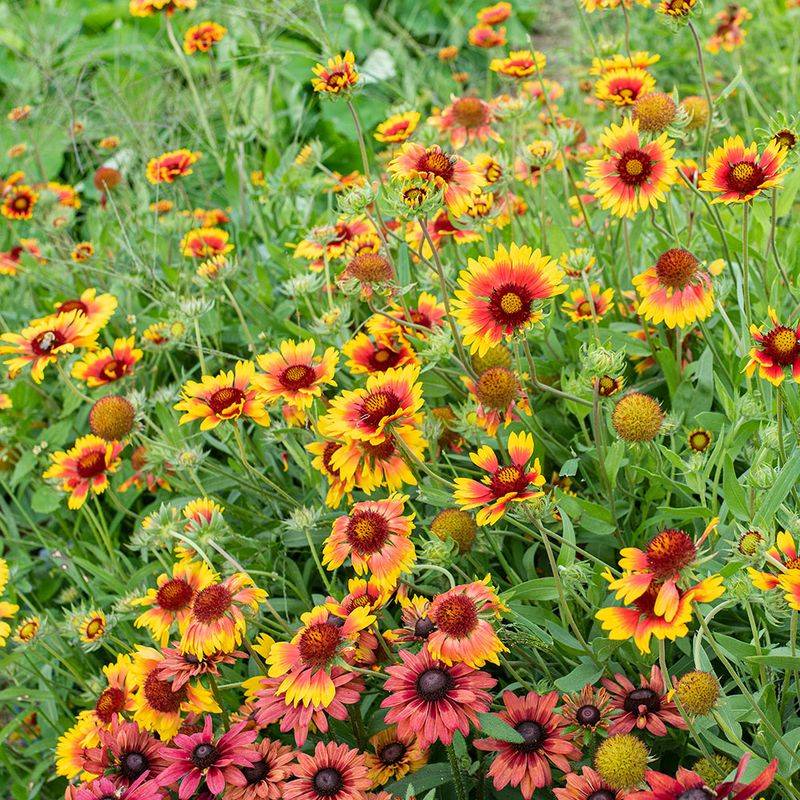
Blanket flower earns its name by spreading bold, warm-toned blooms across the garden like a colorful quilt thrown over the ground. The flowers are a striking mix of red, orange, and yellow, often with banded or two-toned petals that catch the eye from across the yard.
In North Carolina, where summer sun can be relentless, blanket flower practically thrives on the challenge, performing at its best in the hottest and driest conditions.
Poor soil is actually no problem for blanket flower. In fact, overly rich or wet soil tends to make it floppy and short-lived, while lean, sandy, or well-drained soil encourages strong, upright growth and abundant blooms.
This makes it an excellent choice for areas of the yard where other flowers have struggled, including sunny slopes, gravel gardens, or spots near pavement where heat reflects off hard surfaces and bakes the soil below.
Blanket flower blooms from late spring through late summer, and deadheading spent flowers keeps the display going strong. It attracts bees and butterflies consistently throughout the season and holds up beautifully in cut flower arrangements.
As an annual in most of North Carolina, it grows fast and flowers quickly from transplants or even direct-sown seed. For gardeners who want big, bold color in a tough spot with almost zero coddling required, blanket flower is a brilliant and totally underrated choice.
8. Coreopsis (Coreopsis spp.)
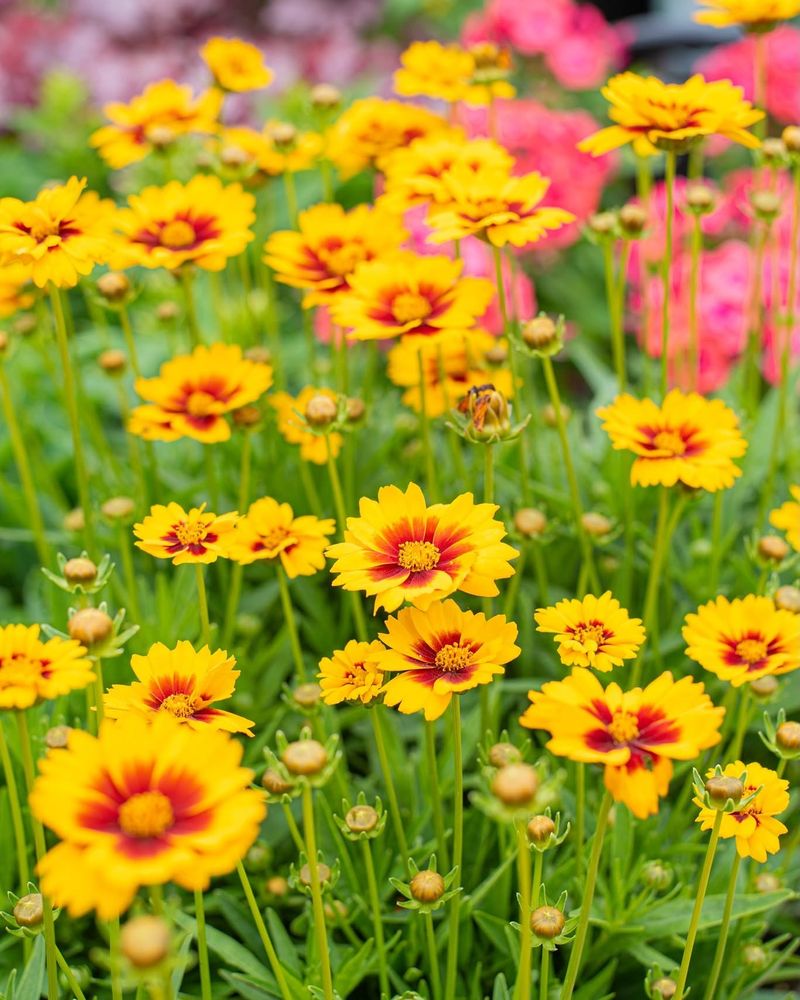
Coreopsis has a natural ease about it that makes gardening feel simple and rewarding. Sometimes called tickseed, this cheerful perennial produces masses of bright yellow, gold, or pink daisy-like flowers on slender stems that sway gently in the summer breeze.
Native coreopsis species are especially well adapted to North Carolina’s climate, having evolved over centuries to handle the region’s heat, humidity, and variable rainfall without skipping a beat.
Full sun is where coreopsis truly shines. Give it a sunny spot with decent drainage, and it will reward you with flowers from late spring through midsummer, often reblooming again in early fall after a light trim.
Unlike some perennials that need constant fertilizing and watering to look their best, coreopsis genuinely prefers to be left alone once established.
Overwatering and too much fertilizer can actually reduce blooming, so a hands-off approach works perfectly in most North Carolina garden situations.
Native species like Coreopsis lanceolata and Coreopsis verticillata are especially tough and long-lived, spreading gradually over time to create full, lush clumps that look more impressive each season.
Butterflies visit the blooms regularly, and the plants attract a variety of beneficial insects throughout the summer.
For North Carolina gardeners who want a low-maintenance, native-friendly perennial that brings consistent color and ecological value, coreopsis is one of the smartest and most satisfying choices available.
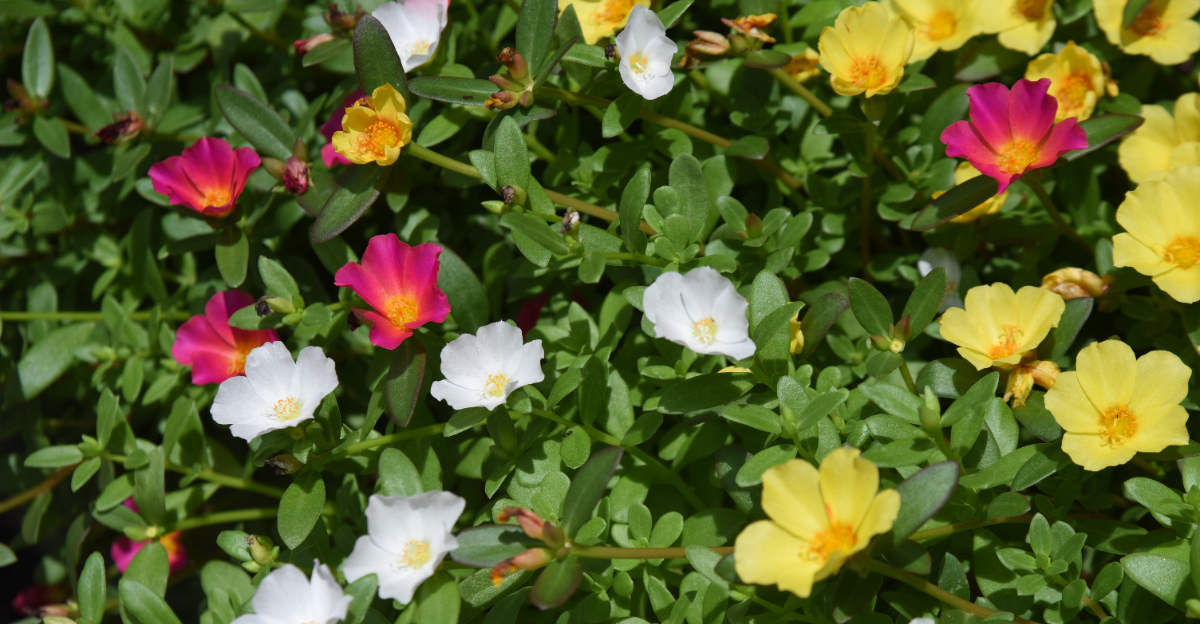
9. Portulaca (Portulaca grandiflora)
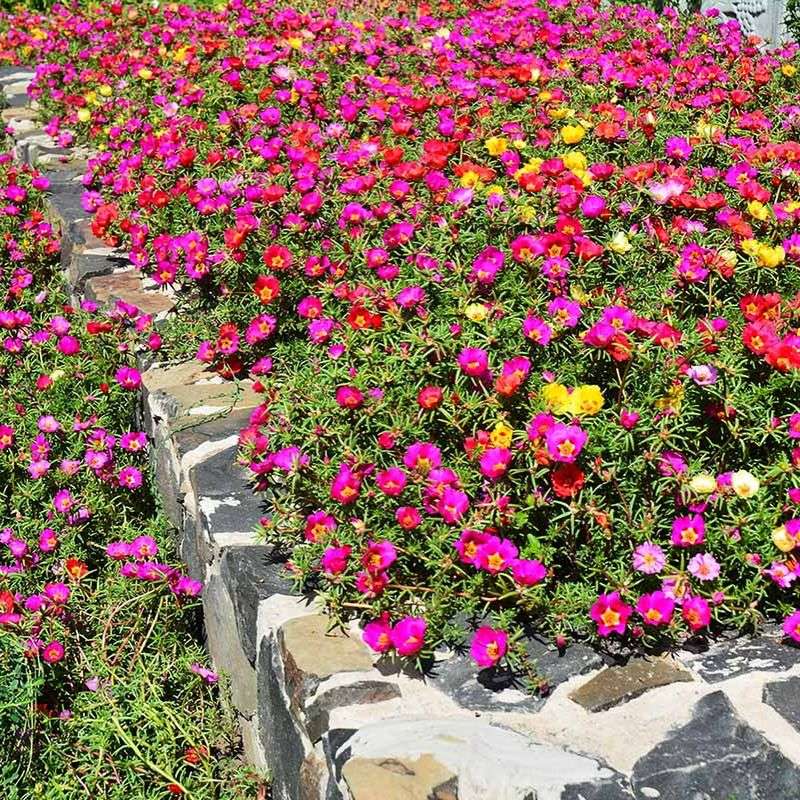
Portulaca, often called moss rose, is the flower that thrives where almost nothing else will. Scorching pavement edges, sandy soil with almost no nutrients, containers baking on a south-facing patio in the middle of a North Carolina August heat wave, portulaca handles all of it without complaint.
Its thick, succulent-like leaves store water efficiently, letting it push through dry spells that would flatten most other flowering annuals completely.
The blooms are surprisingly showy for such a tough little plant. They come in brilliant shades of pink, red, orange, yellow, white, and magenta, often with a silky, almost tissue-paper texture that catches the light beautifully in the morning hours.
Portulaca flowers tend to open fully in bright sunlight and close up in the evening or on cloudy days, which gives the garden a rhythmic, almost animated quality as the day progresses through the summer heat.
In North Carolina, portulaca is a natural fit for rock gardens, container plantings, sidewalk borders, and sloped areas where water drains away quickly.
It spreads low and wide, forming a dense, colorful mat that suppresses weeds and looks stunning all season long with almost no maintenance required.
Direct sow seeds after the last frost or plant transplants in late spring for the quickest results. For sun-drenched spots that need reliable summer color, portulaca is genuinely one of the most impressive performers in the entire garden.