Power Up Your Roses Before Spring Arrives In Pennsylvania

Roses have a reputation for being the stars of the garden, but in Pennsylvania, that big performance starts before spring ever fully shows up.
By the time the weather begins to warm, your roses are already responding to how they were treated in those late winter weeks.
That is why this window matters so much. A little effort before spring arrives can set them up for stronger growth, healthier leaves, and a much better bloom show once the season gets going.
Ignore them too long, and they may spend spring trying to catch up instead of taking off.
The good news is that getting roses ready does not have to feel complicated or overly fussy. A few smart steps can help wake them up the right way, give them a stronger start, and make it easier for them to handle the growing season ahead.
This is the time to think about pruning, feeding, cleanup, and checking for anything winter may have left behind.
If you want fuller plants and more flowers instead of weak growth and disappointment, the work you do now can make all the difference once spring finally settles in.
1. Clean Up Winter Damage And Prepare The Plant
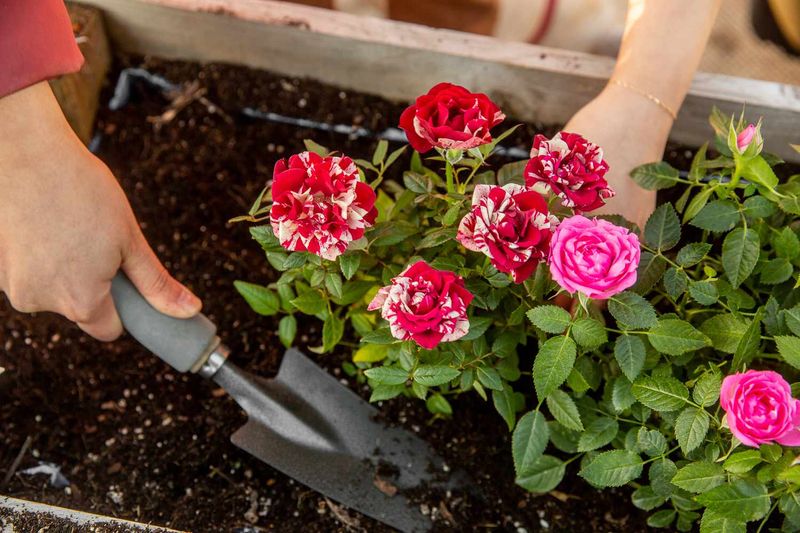
After a long Pennsylvania winter, your rose bushes can look a little rough. That is completely normal.
The first thing you want to do before spring hits full force is clean up all that winter damage so your plants can breathe and grow without anything holding them back.
Start by looking closely at each cane on your rose plant. Dry canes usually look brown, shriveled, or hollow inside when you cut into them.
Use clean, sharp pruning shears to remove any canes that look dry, damaged, or show signs of disease. This step alone makes a big difference in how healthy your plant will be going into the growing season.
Next, clear away any old leaves and debris that have built up around the base of the plant over the winter. Leftover leaves can harbor fungal spores and pests that will cause problems once warmer temperatures arrive.
Tossing that old material into the trash rather than your compost pile is a smart move if you suspect any disease was present last season.
Good airflow around your rose bushes is one of the best defenses against common rose diseases like black spot and powdery mildew. When you remove crowded or dry material, air can move freely through the plant.
This simple cleanup step costs nothing but a little time and effort, yet it pays off with healthier, stronger plants throughout the spring and summer months in Pennsylvania. Starting clean means starting strong.
2. Prune For Stronger Growth And More Blooms
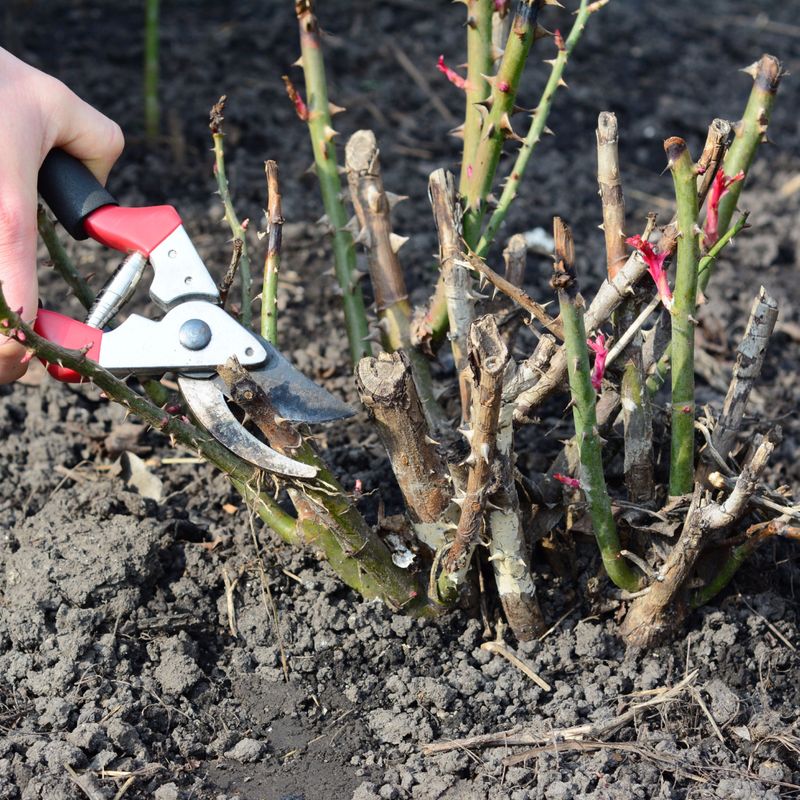
Pruning might sound intimidating, but it is actually one of the most rewarding things you can do for your roses. Think of it like giving your plant a fresh haircut.
When done right, pruning encourages your rose bush to put all its energy into producing strong new stems and beautiful blooms rather than struggling to maintain weak or overcrowded growth.
Your Pennsylvania Garden Changes Every Week. Your Plan Should Too.
Gardening in Pennsylvania changes quickly throughout the season. Every Friday you’ll receive a simple weekly plan showing exactly what to plant, prune, fertilize, harvest, and protect so you never miss the right timing.
In Pennsylvania, the best time to prune roses is in late winter to early spring, right before new growth starts pushing out from the canes. A good rule of thumb is to prune when forsythia bushes start to bloom in your area.
That bright yellow bloom is nature’s way of telling you the timing is just right. Focus on cutting back weak, thin, or crossing branches first. Crossing branches rub against each other and create wounds that invite disease.
After removing those problem canes, step back and look at the overall shape of your plant. You want to encourage an open, vase-like shape that allows sunlight and air to reach the center of the bush.
Always make your cuts at a 45-degree angle about a quarter inch above an outward-facing bud. This angle helps water run off the cut instead of sitting on it.
Sharp, clean tools are a must because ragged cuts take longer to heal. For hybrid tea and floribunda roses, removing up to two-thirds of the plant’s height is common practice.
Proper pruning now sets the stage for a spectacular bloom season across Pennsylvania gardens.
3. Feed Your Roses With The Right Fertilizer

Roses are hungry plants. Once they start waking up from their winter rest and you see those first little green buds pushing out, that is your signal that it is time to feed them.
Getting the nutrients right from the start gives your plants the fuel they need to produce strong stems, lush leaves, and loads of blooms throughout the spring and summer.
The best choice is a balanced fertilizer made specifically for roses. Look for products labeled with numbers like 5-10-5 or similar ratios on the bag.
These fertilizers provide nitrogen for leaf and stem growth, phosphorus for strong root development, and potassium for overall plant health. You can find rose-specific fertilizers at most garden centers throughout Pennsylvania.
One mistake many gardeners make is feeding too early. If you fertilize before the plant shows signs of active growth, the nutrients can leach away before the roots are ready to absorb them.
Patience pays off here. Wait until you see at least a few inches of new growth before applying your first round of fertilizer for the season.
Organic options like compost or well-rotted manure are also excellent choices and release nutrients slowly over time, which is gentler on the plant. If you go the organic route, apply it a bit earlier since it takes longer to break down.
Whichever fertilizer you choose, always follow the package directions and water thoroughly after applying. Consistent feeding throughout the growing season keeps Pennsylvania roses looking their very best from spring right through fall.
4. Refresh And Improve The Soil

Healthy soil is the secret weapon behind every stunning rose garden. You can prune perfectly and fertilize on schedule, but if the soil your roses are growing in is compacted, depleted, or lacking in organic matter, your plants will always struggle to reach their full potential.
Taking a little time to refresh the soil before spring gets going makes a noticeable difference.
Start by adding a generous layer of compost around the base of each rose bush. Compost improves soil structure, adds beneficial microorganisms, and slowly releases nutrients as it breaks down.
Work it gently into the top few inches of soil with a hand trowel or garden fork, being careful not to disturb the roots too much. Pennsylvania soils can vary widely from region to region, so knowing your soil type helps you make the right amendments.
If your soil tends to be heavy clay, adding compost and aged wood chips helps break it up and improves drainage. Sandy soils, on the other hand, benefit from compost because it helps them hold onto moisture and nutrients longer.
Getting a simple soil test through your local Penn State Extension office is a great way to know exactly what your soil needs.
Good soil also helps regulate moisture as spring temperatures begin to rise and fluctuate. Roses prefer a slightly acidic soil with a pH between 6.0 and 6.5.
If your soil is too alkaline, you can add sulfur to bring the pH down. Refreshing the soil every spring keeps your Pennsylvania rose garden productive and vibrant year after year without much extra effort.
5. Mulch To Protect And Retain Moisture
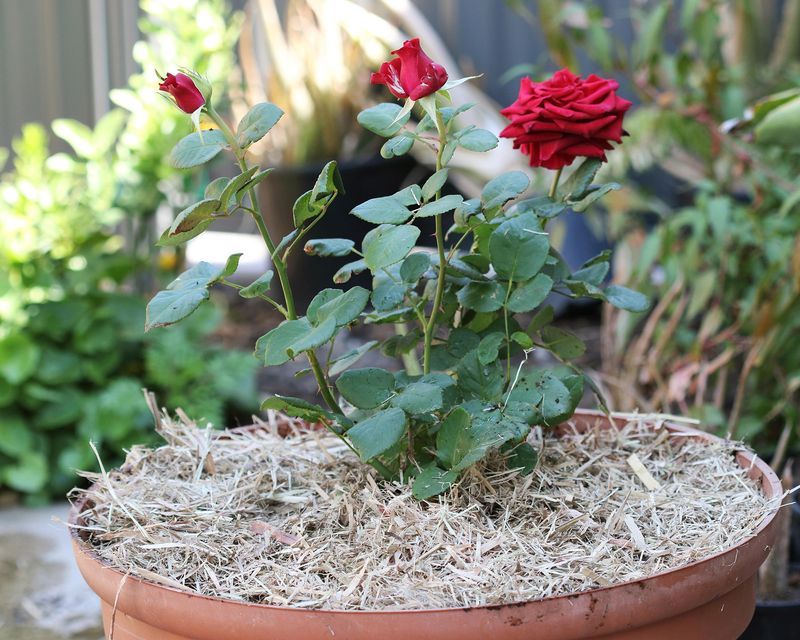
Mulch is one of those simple gardening tools that does a whole lot of work quietly in the background.
Once the soil in your Pennsylvania garden starts to warm up a little after winter, laying down a fresh layer of mulch around your rose bushes is one of the smartest moves you can make.
It protects the roots, keeps moisture in, and cuts down on weeding time all at once. Shredded bark, wood chips, and composted leaves are all excellent mulching materials for roses. Aim for a layer about three to four inches deep around each plant.
Spread the mulch in a wide ring around the base of the bush but keep it a few inches away from the main canes. Piling mulch directly against the stems can trap moisture and create conditions that lead to rot and fungal problems.
One of the biggest benefits of mulching is weed suppression. Weeds compete with your roses for water and nutrients, so keeping them under control without hours of weeding is a real time-saver.
Mulch acts as a barrier that makes it harder for weed seeds to germinate and take hold in your garden beds.
Spring weather in Pennsylvania can be unpredictable, with warm days followed by surprise cold snaps. A good layer of mulch acts as insulation for the root zone, protecting against those temperature swings.
As the mulch breaks down over the season, it also adds organic matter back into the soil. Refreshing your mulch each spring is a low-effort habit that pays big dividends in rose health and beauty all season long.
6. Check For Pests And Prevent Problems Early
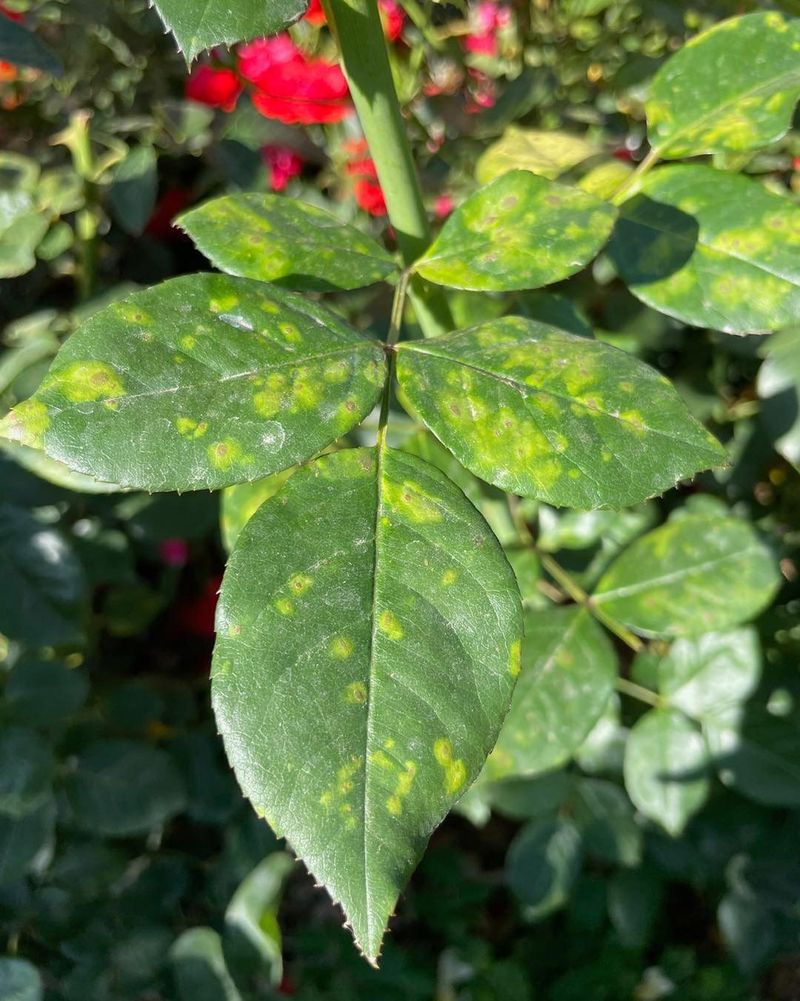
Early spring is prime time for a thorough pest inspection in your Pennsylvania rose garden. Many common rose pests spend the winter tucked into the soil or hiding in plant debris, just waiting for warmer temperatures to wake them back up.
Catching a problem before it gets out of hand is so much easier than trying to manage a full-blown infestation later in the season.
Walk through your garden and take a close look at each rose plant. Check the canes for signs of scale insects, which look like small, crusty bumps attached to the bark.
Look at the soil around the base for grubs or other overwintering larvae. Aphids tend to show up fast once new growth emerges, clustering on tender young shoots and buds, so keep an eye out for those as well.
If you spot early signs of trouble, you have several options. Dormant oil spray applied before new growth fully opens is a highly effective way to smother overwintering pests and their eggs without using harsh chemicals.
Neem oil is another popular organic option that works well against a range of rose pests and can even help prevent fungal diseases like black spot.
Did you know that a healthy, well-fed rose plant is naturally more resistant to pest damage? Keeping up with all the other steps in this guide, from clean pruning to good soil, gives your roses the strength to handle minor pest pressure without much intervention.
Staying proactive in the early weeks of spring in Pennsylvania means you can spend more of the season simply enjoying your beautiful rose garden.