Don’t Cut Back These Plants Too Early In Oregon Spring
Spring in Oregon has a way of making gardeners feel very confident very quickly. The sun comes out, everything starts waking up, and suddenly it is tempting to grab the pruners and clean up every tired-looking plant in sight.
But not so fast. Cutting things back too early can do more harm than good, especially when Oregon weather loves to fake everyone out with a warm week followed by a cold snap, heavy rain, or a surprise frost.
Some plants need that old growth for protection, and others are simply slow to wake up after winter.
Trim too soon, and you could end up damaging fresh growth, losing flowers, or stressing a plant that was doing just fine.
A little patience now can mean a healthier, fuller, better-looking garden later. Sometimes the smartest spring gardening move is leaving a plant alone and resisting the urge to tidy everything up the second the season shifts.
1. Rhododendron
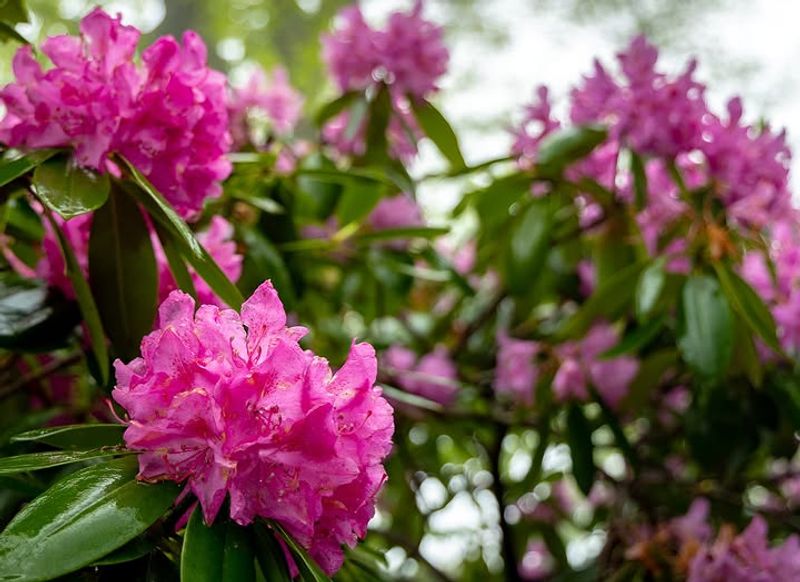
Few sights in an Oregon spring garden are more jaw-dropping than a rhododendron covered in giant clusters of color. These bold, evergreen shrubs are practically a symbol of the Pacific Northwest, and they reward patient gardeners with stunning blooms every year.
Rhododendrons bloom on old wood. That means the flower buds you see opening in spring were actually formed on last year’s branches.
If you cut those branches back in early spring before the flowers open, you are removing those buds completely.
The result? A whole season without flowers.
That is a tough loss after waiting all winter.
In Oregon, rhododendrons typically bloom between April and June depending on the variety and your location. The best time to prune them is right after the flowers fade.
That gives the plant the rest of the growing season to set new buds for next year.
If you need to do light shaping or remove any broken branches, do it carefully and only after blooming. Always avoid heavy pruning in early spring.
Oregon’s mild, wet springs give rhododendrons everything they need to thrive, so just let them do their thing and enjoy the show first.
2. Azalea
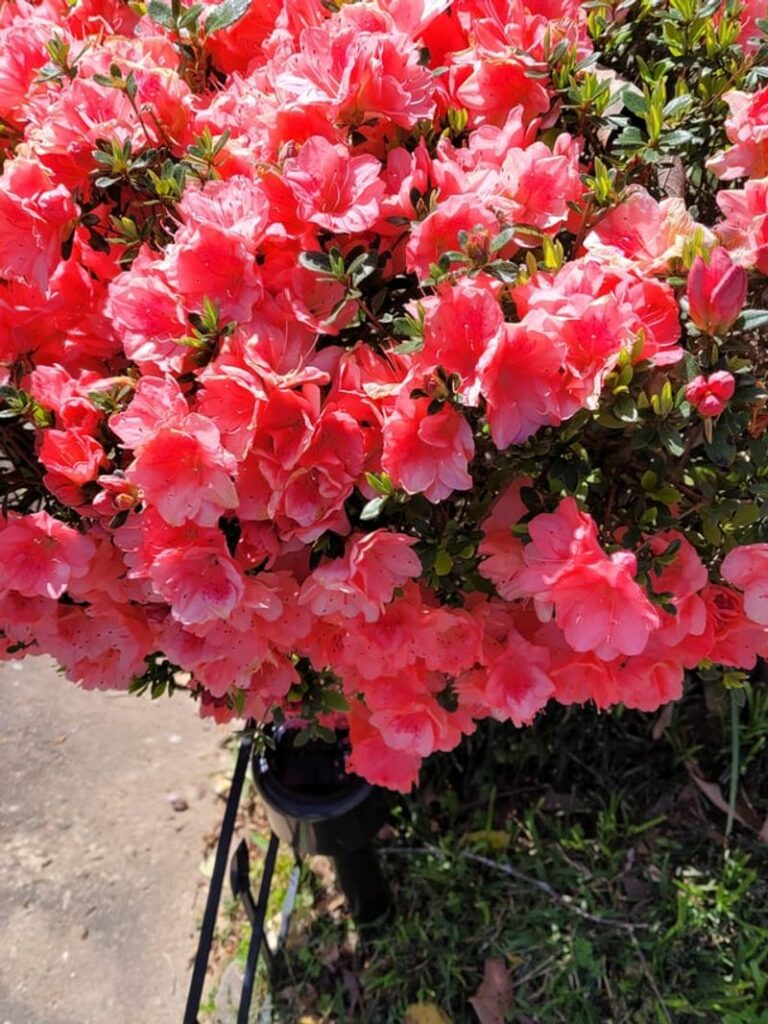
Walk through almost any Oregon neighborhood in spring and you will spot azaleas putting on a serious show. These cheerful shrubs light up gardens with pink, red, orange, white, and purple flowers, and they are a favorite for a reason.
Just like their close cousins the rhododendrons, azaleas bloom on old wood. The buds that produce this spring’s flowers were set last summer and fall.
Pruning them before they bloom means cutting off all that stored potential.
Many Oregon gardeners make the mistake of tidying up their azaleas in late winter or early spring when the garden looks messy after the rainy season. It feels productive, but it can cost you an entire season of color.
Wait until your azalea has fully finished blooming before picking up those shears. In most parts of Oregon, that window falls somewhere between late April and early June.
After the blooms drop, go ahead and shape the plant, remove any crossing branches, and cut back any overly long stems.
Your Oregon Garden Changes Every Week. Your Plan Should Too.
Gardening in Oregon changes quickly throughout the season. Every Friday you’ll receive a simple weekly plan showing exactly what to plant, prune, fertilize, harvest, and protect so you never miss the right timing.
Pruning right after bloom gives the plant plenty of time to grow new wood and set buds before summer ends. A little patience pays off with a gorgeous display year after year.
3. Lilac
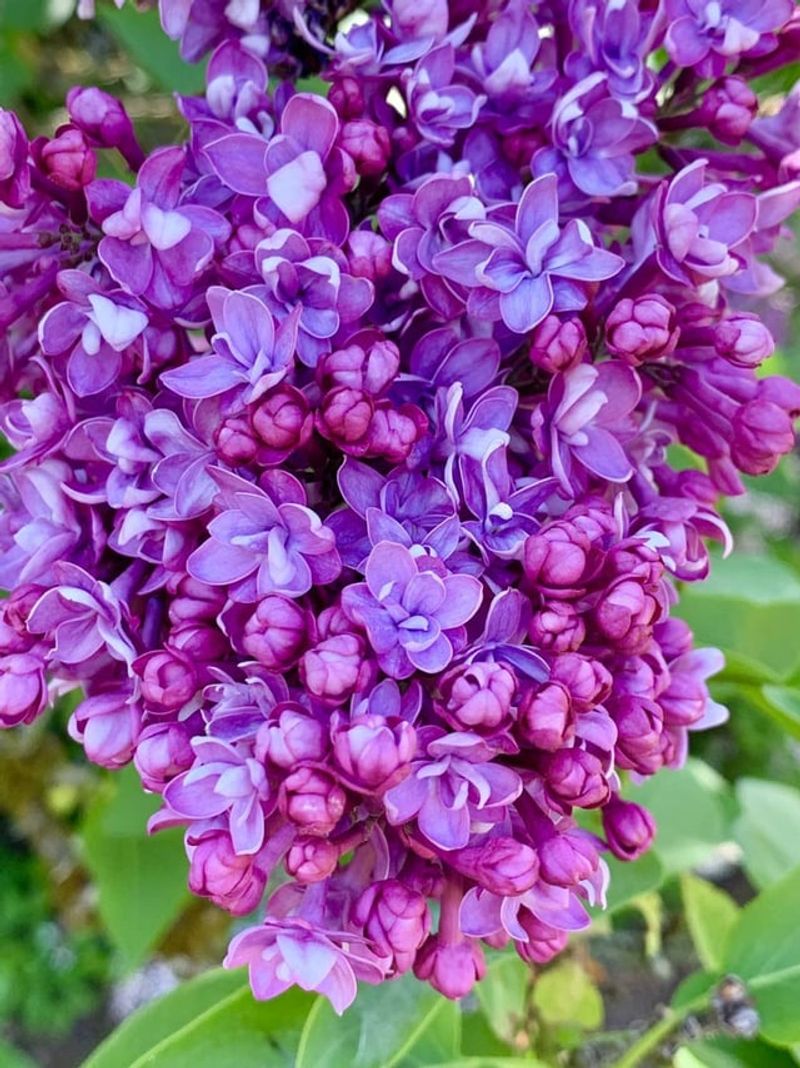
There is something almost magical about the scent of lilacs drifting through an Oregon spring afternoon. These old-fashioned shrubs have been beloved in gardens for generations, and their fragrant purple, white, or pink blooms are worth every bit of waiting.
Lilacs set their flower buds in late summer and early fall, which means those buds are already sitting on the branches all winter long. Pruning in early spring removes exactly what you have been waiting months to enjoy.
Even a light trim in February or March can significantly reduce your bloom count. Oregon’s unpredictable early spring weather already puts enough stress on garden plants, so there is no reason to add to it with an untimely haircut.
The right time to prune lilacs is within a few weeks after they finish blooming, usually by late May or early June in most Oregon regions. At that point, you can remove old or crowded stems, cut back any dead wood, and shape the shrub without affecting next year’s flowers.
Older lilac shrubs especially benefit from gradual renewal pruning done right after bloom. Removing one-third of the oldest stems each year keeps the plant vigorous and blooming well for decades to come.
4. Forsythia
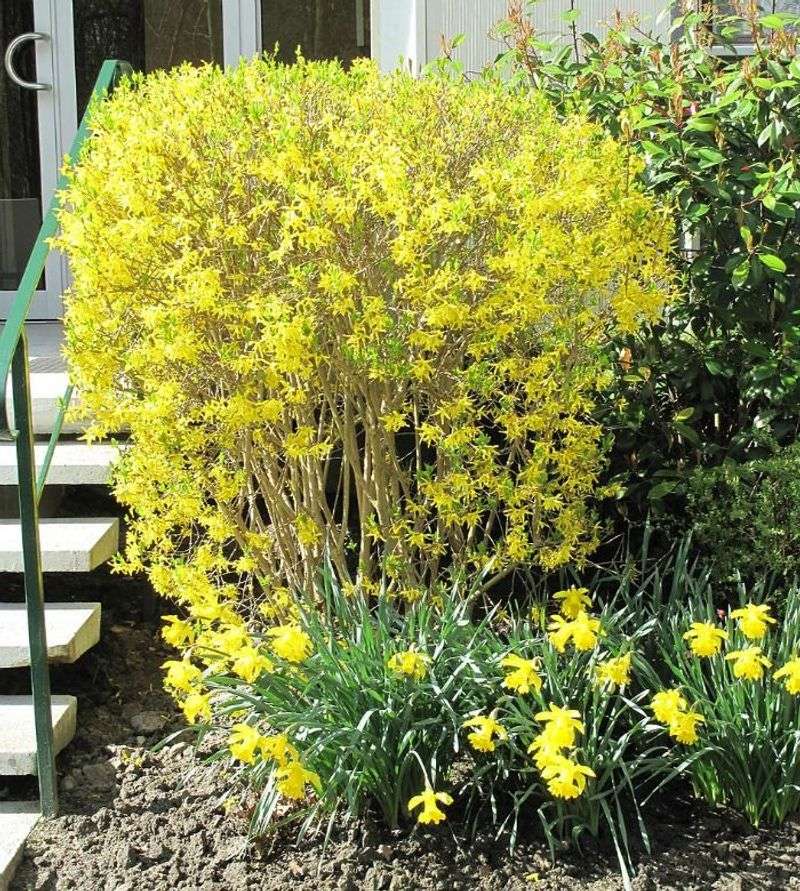
Forsythia is one of the first shrubs to light up an Oregon garden each spring, and those bright yellow flowers on bare branches are a true sign that warmer days are coming. It is bold, cheerful, and almost impossible to miss.
Like many spring bloomers, forsythia flowers on old wood. Those tiny yellow buds have been sitting on the branches since late summer, just waiting for the right conditions to pop open.
Pruning in early spring before they bloom means you will be staring at a bunch of plain green branches all season long instead of that sunny yellow explosion.
Oregon gardeners sometimes prune forsythia in late winter while cleaning up the garden after the wet season. While the intention is good, the timing is off.
Pruning too early removes the very branches that are about to bloom.
Hold off until the flowers have completely finished, which usually happens by late March or early April in the Willamette Valley and other mild Oregon areas. After blooming ends, you can cut back up to one-third of the oldest stems to keep the shrub healthy and open.
Forsythia responds really well to regular post-bloom pruning and will reward you with even more flowers the following year.
5. Bigleaf Hydrangea
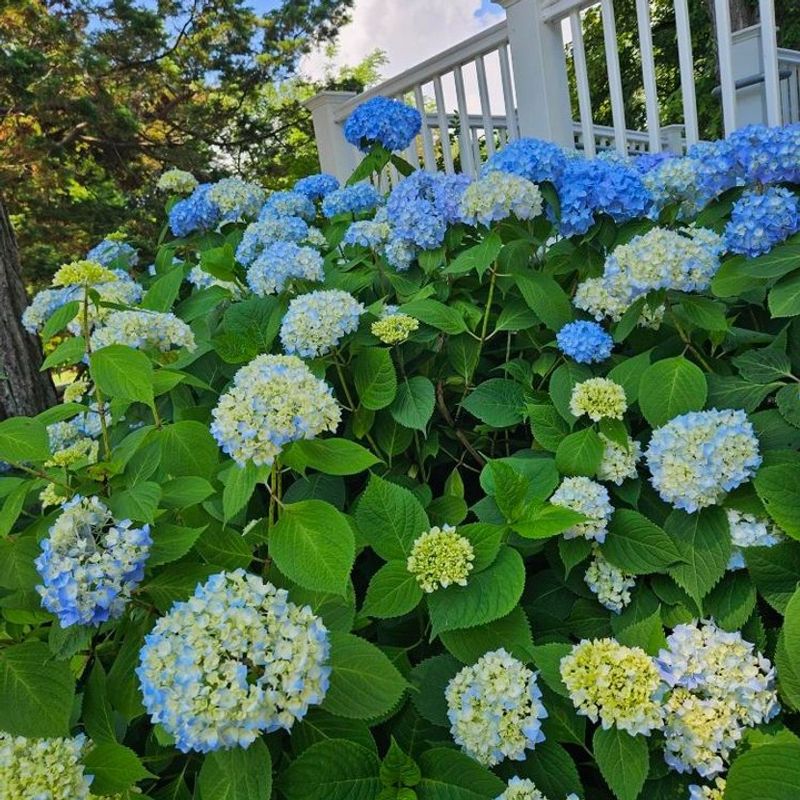
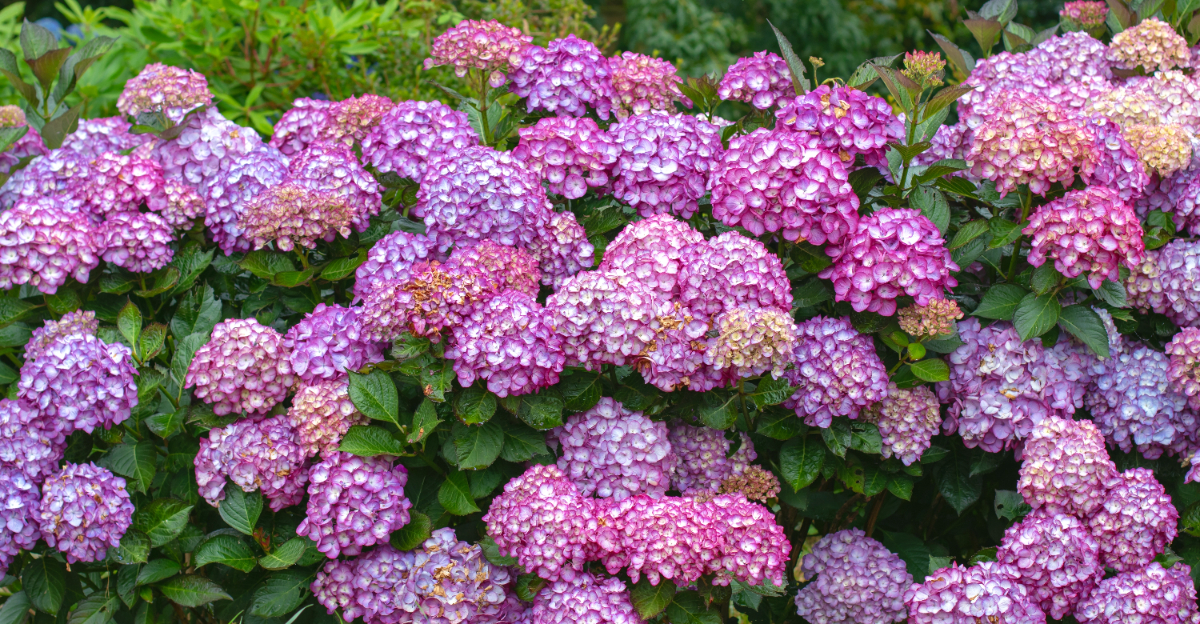
They are some of the most popular flowering shrubs in Oregon gardens. Their big, round flower heads in shades of blue, pink, and purple make them a showstopper from summer into fall.
Here is the tricky part: most bigleaf hydrangeas bloom on old wood. The buds for this year’s flowers are already formed on last year’s stems by the time winter ends.
Cut those stems back in early spring and you are removing the source of your summer blooms.
Oregon’s mild winters can sometimes cause confusion because the plants may look dormant and bare, making gardeners think they need a hard cutback. Resist that urge.
The safest approach is to leave the stems alone through winter and into early spring. You can remove the dried flower heads if you like, but cut just above the first set of healthy buds you can see on the stem.
Wait until new growth is clearly visible before doing any serious pruning.
If you have an older variety that blooms only on old wood, late spring after bloom is the safest pruning window. Newer reblooming varieties like Endless Summer are a bit more forgiving, but even they do best when you avoid heavy early spring cuts in Oregon.
6. Oakleaf Hydrangea
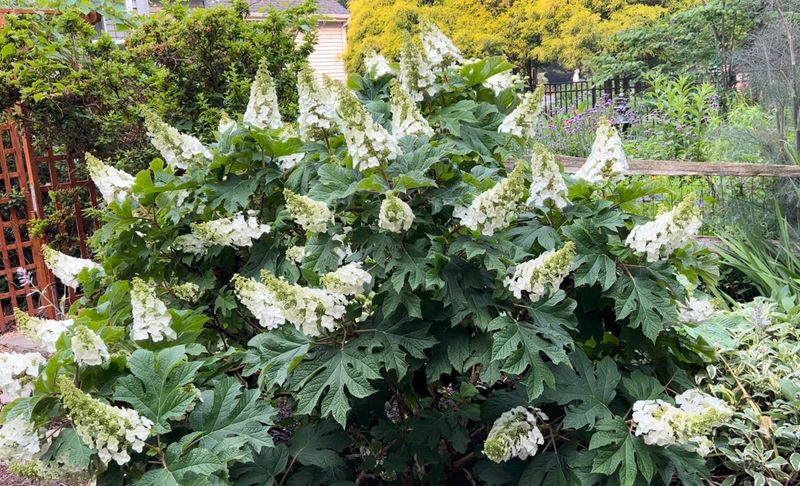
Oakleaf hydrangeas bring a really special look to Oregon gardens. Their large, oak-shaped leaves, cone-like white flower clusters, and stunning fall color make them a four-season standout.
Plus, the peeling cinnamon-colored bark adds winter interest when everything else looks dull.
Like bigleaf hydrangeas, oakleaf hydrangeas bloom on old wood. The flower buds that will open this coming season were set on last year’s growth.
Cutting the plant back hard in early spring means losing those blooms entirely for the year.
Many Oregon gardeners prune too aggressively in spring when trying to shape their shrubs or reduce their size. With oakleaf hydrangeas, that eagerness can backfire in a big way.
The right approach is to wait until after the plant has finished blooming, which is usually sometime in midsummer in most Oregon growing zones. After the flowers fade, you can trim back the stems, remove any weak or crossing branches, and shape the shrub to your liking.
If you need to remove any obviously damaged or broken branches in early spring, that is fine. Just avoid cutting into healthy, budded wood before it has had a chance to bloom.
A little restraint in spring means a beautiful display of those creamy white flower cones all summer long.
7. Daffodil
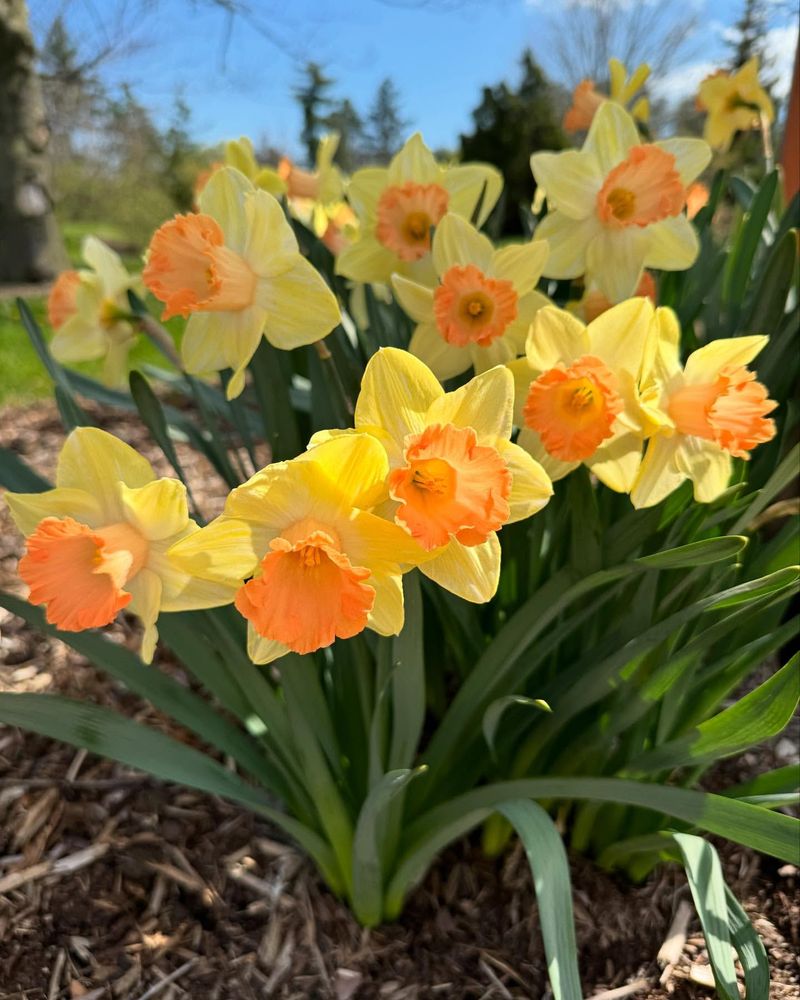
Those cheerful yellow and white flowers pop up reliably every year, often before much else is blooming, and they bring a real sense of energy and renewal to the landscape.
Cutting back daffodil foliage too early is one of the most common mistakes Oregon gardeners make. After the flowers fade, the leaves might look a little untidy, but they are doing something really important.
The green foliage is busy photosynthesizing and sending energy back down into the bulb underground.
That stored energy is what powers next year’s flowers. Remove the leaves too soon and the bulb does not get the fuel it needs to bloom well the following spring.
Let the foliage yellow and die back naturally before removing it. In Oregon’s cool, wet springs, this process can take six weeks or more after the flowers fade.
You can tuck the floppy leaves behind nearby plants or use a rubber band to keep them tidy, but do not cut or braid them tightly.
Braiding foliage actually reduces the leaf surface area and limits how much energy the plant can make. Patience is the key.
Once the leaves are fully yellow and limp, they can be removed without harming the bulb at all.
8. Tulip
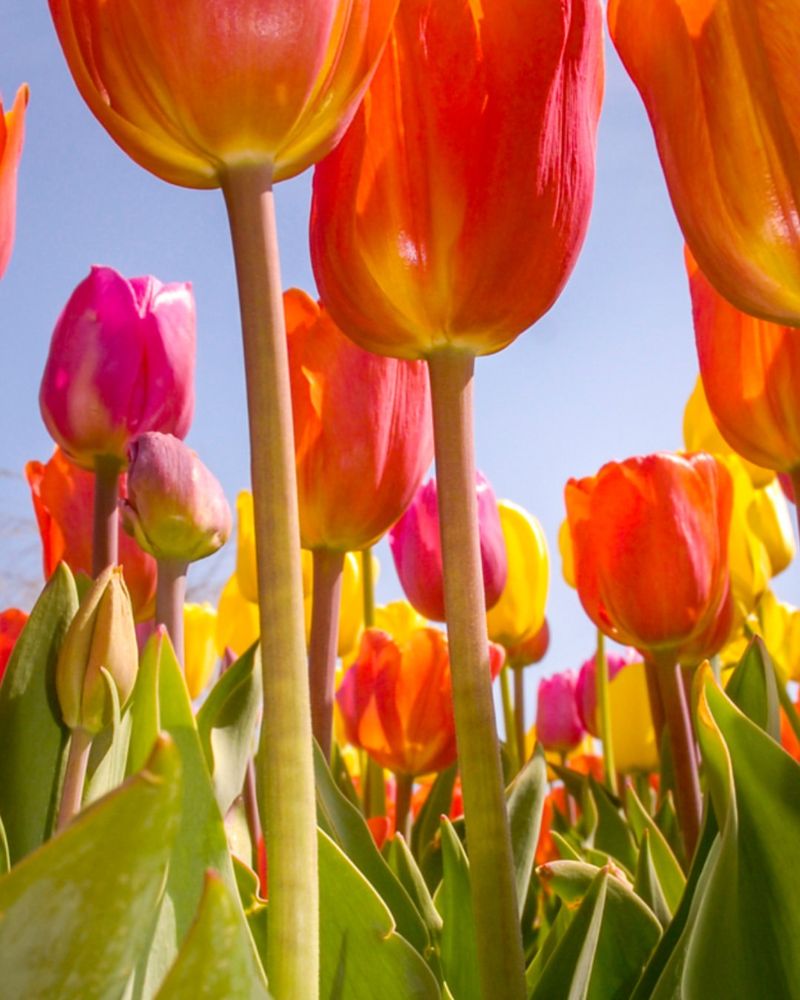
Tulips are a classic spring garden favorite, and Oregon’s cool, moist springs are actually pretty ideal for growing them. From deep reds and purples to bright oranges and soft pinks, tulips bring bold color to any garden bed in April and May.
Just like daffodils, tulips need their foliage left alone after the flowers finish blooming. It might be tempting to cut everything back once the petals drop and the garden looks messy, but the leaves are still hard at work.
After blooming, the tulip plant channels energy back into the bulb through its leaves. That energy is stored underground and used to produce next year’s flower.
Cutting the foliage back too early weakens the bulb and leads to fewer, smaller blooms the following season.
In many Oregon gardens, especially in the cooler coastal and valley regions, tulip foliage can take five to seven weeks after blooming to fully yellow and die back. Let that process happen naturally.
You can plant low-growing annuals or perennials nearby to help camouflage the fading tulip leaves while they finish their job. Once the foliage is completely yellow and has started to flop over on its own, it is safe to remove it.
Your patience will be rewarded with a strong return of blooms next spring.