11 Low-Maintenance Perennials That Thrive In Pennsylvania With Minimal Fuss
Pennsylvania weather has a way of keeping gardeners humble. One week the soil is soggy, the next the sun is beating down, and before long an early frost is back in the picture.
That kind of pattern makes plant choice a big deal. The good news is that many perennials are more than up for it.
Native and well-adapted choices can handle Pennsylvania’s shifting seasons, return year after year, and bring steady color without turning garden care into a full-time job.
Whether you are filling a sunny border, a shady woodland edge, or a dry slope that heats up in July, the right perennial choices can bring long-lasting color and texture without adding much extra work.
1. Wild Bergamot Brings Easy Color And Pollinator Buzz
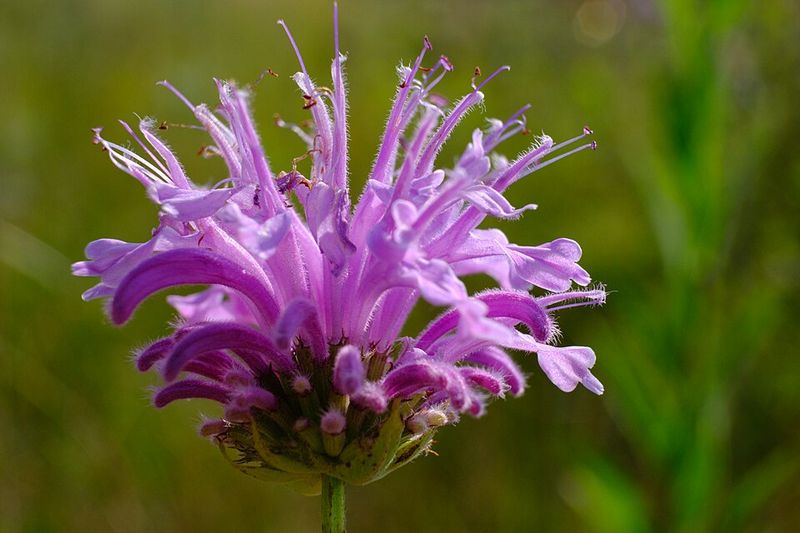
Walk past a patch of wild bergamot on a warm Pennsylvania afternoon and you will hear it before you see it. The steady hum of bees working those lavender-purple blooms is one of summer’s best sounds.
Wild bergamot, known botanically as Monarda fistulosa, is a native prairie and meadow plant that feels completely at home across Pennsylvania’s varied landscape.
It blooms from mid-summer into early fall, filling borders and pollinator gardens with soft color right when many other plants start looking tired. Full sun brings out the best flowering, though it handles part shade without much complaint.
Once established, wild bergamot is remarkably drought-tolerant and rarely needs supplemental watering.
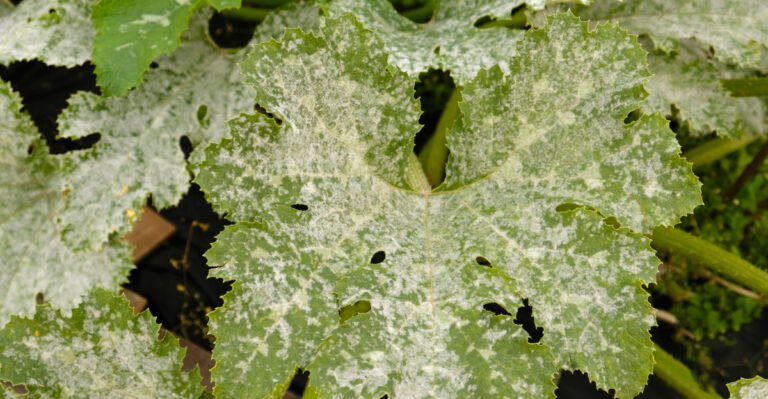
Give plants about 18 to 24 inches of spacing to encourage good air circulation, which helps reduce powdery mildew on the foliage. A light trim after flowering keeps the plant tidy and can encourage a second flush of growth.
Leaving the seed heads standing through fall and winter gives birds a food source and adds quiet texture to the garden during colder months.
Wild bergamot spreads gradually by rhizomes, so dividing clumps every few years keeps it from crowding neighboring plants.
2. Butterfly Weed Lights Up Dry Sunny Spots
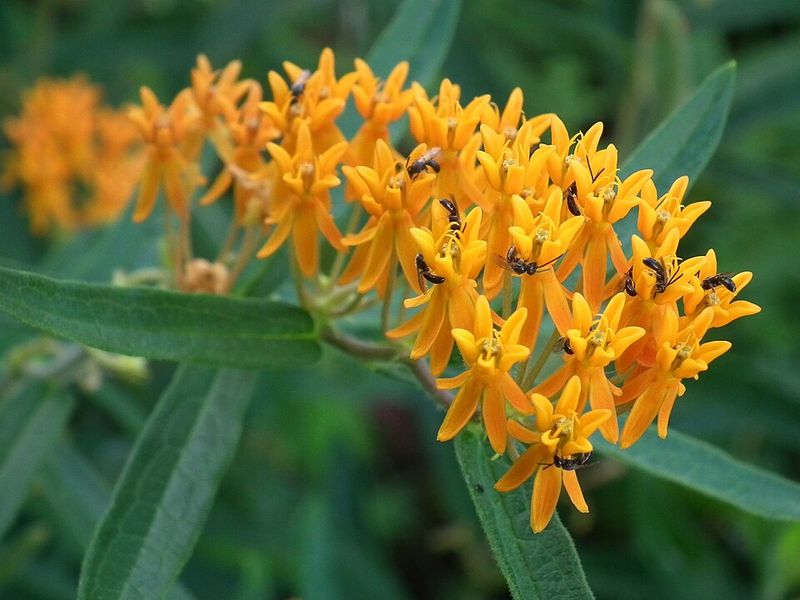
Few plants deliver the kind of eye-catching color that butterfly weed does in a hot, dry Pennsylvania summer.
Those clusters of deep orange flowers practically glow in full sun, and the monarchs, swallowtails, and native bees that flock to them make the plant feel alive in a way that few others can match.
Asclepias tuberosa is one of the toughest native perennials available to Pennsylvania gardeners.
It thrives in well-drained to dry soils and full sun, making it a reliable choice for slopes, gravel beds, and spots where other plants struggle.
Unlike its relative common milkweed, butterfly weed does not spread aggressively, so it stays where you plant it without taking over the bed.
One thing worth knowing is that butterfly weed has a deep taproot, which means it resents being moved once established. Choose its permanent home carefully and leave it alone to settle in.
It is slow to emerge in spring, so mark the spot to avoid accidentally disturbing the crown. After a season or two of getting established, butterfly weed becomes very self-sufficient.
Your Pennsylvania Garden Changes Every Week. Your Plan Should Too.
Gardening in Pennsylvania changes quickly throughout the season. Every Friday you’ll receive a simple weekly plan showing exactly what to plant, prune, fertilize, harvest, and protect so you never miss the right timing.
A light cleanup in early spring before new growth appears is about all the maintenance it really asks for.
3. Blue False Indigo Adds Strong Shape And Lasting Beauty
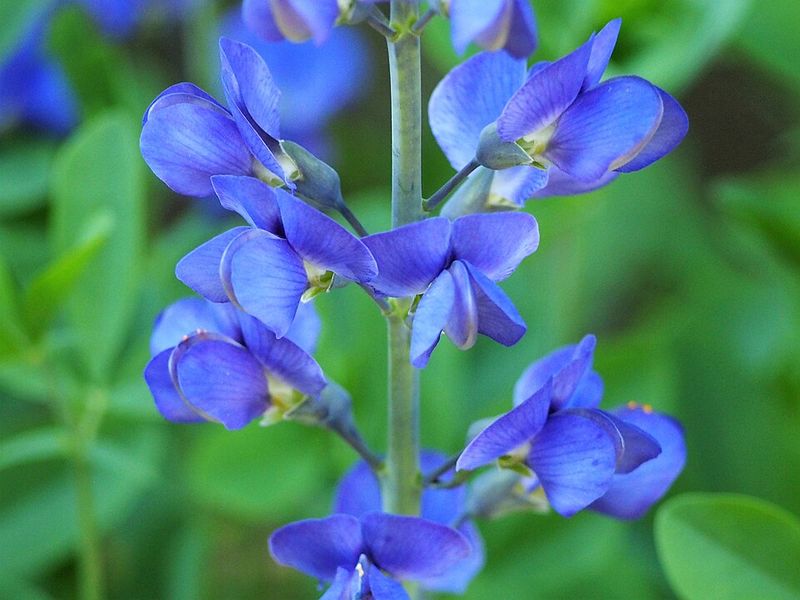
Some perennials quietly blend into a garden, but blue false indigo commands attention from the moment its deep blue-purple flower spikes rise above the border in late spring.
Baptisia australis is a native plant with real architectural presence, and once it settles into a Pennsylvania garden, it behaves like a small shrub more than a typical perennial.
The foliage is blue-green and attractive all season long, even after the flowers fade. Inflated seed pods that follow the blooms turn charcoal black by fall and add a striking ornamental detail that works well in dried arrangements.
Blue false indigo does best in full sun to light shade and tolerates a wide range of soil types, including clay-heavy soils common in many parts of Pennsylvania.
Patience is the main ingredient with this plant. It can take two or three seasons to reach its full size and flowering potential, but the wait is genuinely worth it.
Once established, it is extremely long-lived, drought-tolerant, and rarely bothered by pests or deer. Spacing plants about three feet apart gives them room to develop their full, rounded form.
There is no need to stake or divide it, which makes it one of the most hands-off perennials in any Pennsylvania border.
4. Foamflower Softens Shady Corners With Spring Charm
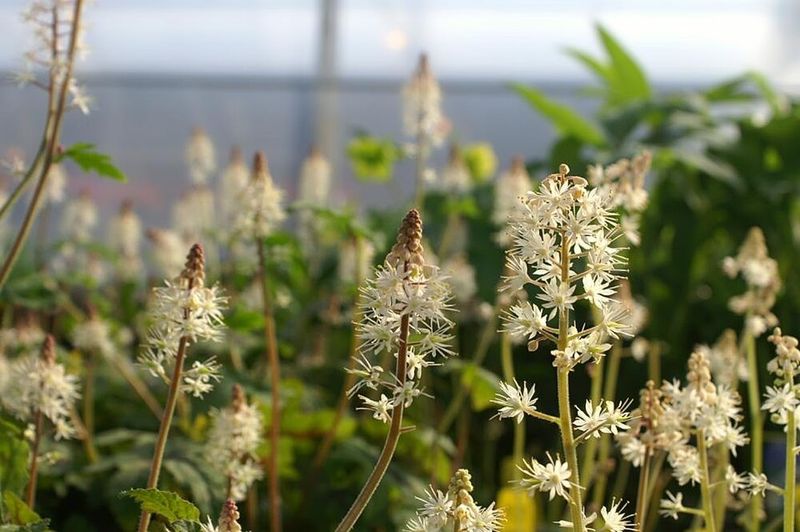
Shady corners can be some of the trickiest spots in a Pennsylvania garden to fill with something that actually looks good.
Foamflower, or Tiarella cordifolia, is one of the most reliable answers to that challenge.
This native woodland perennial produces clouds of tiny white to pale pink flowers on slender spikes in mid-spring, creating a soft, frothy effect that earns it its charming common name.
The heart-shaped leaves are attractive beyond the flowering season too, often showing bronze or burgundy markings that deepen in cooler weather.
Foamflower spreads gently by runners to form low, weed-suppressing mats, making it a practical ground cover under trees or along shaded foundation beds.
It prefers consistently moist, well-drained soil rich in organic matter, which mirrors the woodland floor conditions it naturally grows in.
Part shade to full shade suits it best, and it appreciates protection from harsh afternoon sun in summer. Supplemental watering during dry spells helps it stay healthy, especially in the first season of establishment.
After that, it becomes quite self-sufficient in the right spot. Trim back any ragged foliage in early spring before new growth pushes through.
Foamflower pairs beautifully with hostas, wild ginger, and ferns for a layered, naturalistic shade planting.
5. Wild Blue Phlox Wakes Up Woodland Gardens With Color
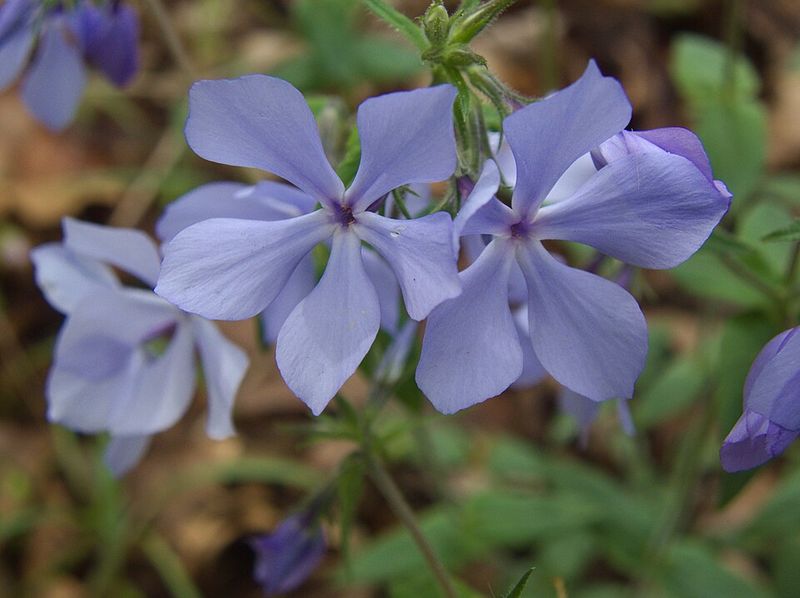
Spring in a Pennsylvania woodland garden gets a whole lot more exciting when wild blue phlox starts to bloom.
Phlox divaricata spreads into loose, fragrant drifts of lavender-blue flowers in April and May, filling the garden with color at a time when most perennials are still just waking up.
That early-season performance alone makes it worth growing.
Wild blue phlox is native to eastern woodlands and feels right at home under deciduous trees, along shaded paths, or at the edge of a naturalized planting. It prefers part shade to full shade and moist, humus-rich soil.
The semi-evergreen foliage forms low mats that help cover bare ground between other shade perennials throughout the growing season.
Hummingbirds and early butterflies are drawn to the flowers, giving the garden some welcome wildlife activity in early spring.
Spacing plants about 12 inches apart allows them to knit together into a groundcover-style planting over time.
Watering during dry summer spells keeps the foliage looking tidy. Wild blue phlox does not spread aggressively, so it rarely becomes a problem in mixed plantings.
A light trim after flowering encourages fresh basal growth and keeps the plant looking neat heading into summer. It combines especially well with wild ginger, foamflower, and Virginia bluebells.
6. Black-Eyed Susan Keeps Summer Borders Bright And Simple
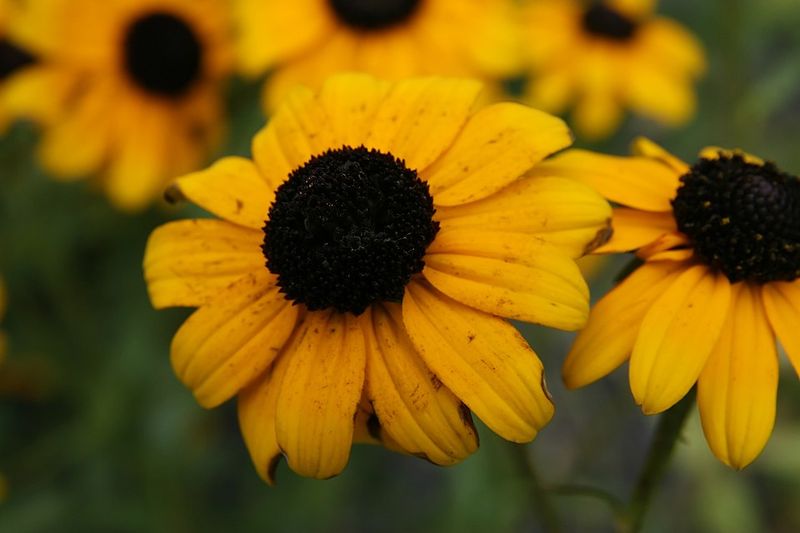
When summer heat settles over Pennsylvania and some plants start to look a little worn out, black-eyed Susan just hits its stride.
Rudbeckia fulgida is one of those dependable workhorses that Pennsylvania gardeners return to year after year, and for good reason.
The cheerful yellow petals surrounding a dark, domed center are practically impossible not to love.
Black-eyed Susan blooms from mid-summer well into fall, providing weeks of color during one of the garden’s most challenging stretches. It thrives in full sun and adapts to a wide range of soil conditions, including clay-heavy ground and dry slopes.
Once established, it handles drought without much fuss and rarely needs supplemental watering except during unusually prolonged dry spells.
This plant self-seeds modestly, which means you may find new plants popping up nearby each season. That is an easy way to fill in gaps or expand a planting without buying more plants.
Removing spent flowers can extend the bloom period slightly, but leaving seed heads through fall and winter provides food for goldfinches and other seed-eating birds.
Dividing clumps every three to four years keeps them vigorous and blooming well.
Spacing plants 18 to 24 inches apart gives them room to spread without overcrowding. Black-eyed Susan pairs naturally with purple coneflower and ornamental grasses in sunny Pennsylvania borders.
7. Purple Coneflower Delivers Long-Lasting Color With Little Fuss
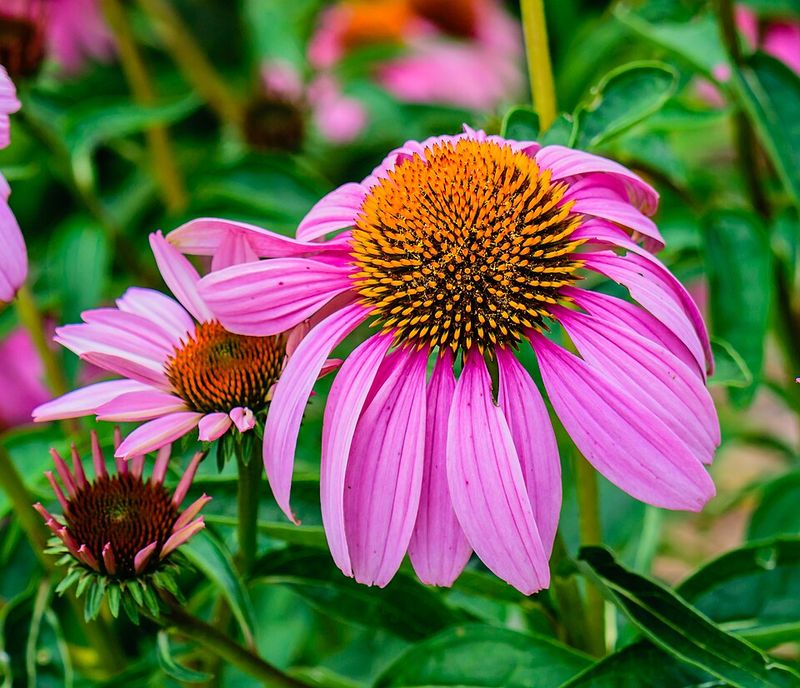
Ask almost any experienced Pennsylvania gardener to name their most reliable summer perennial, and purple coneflower tends to come up quickly.
Echinacea purpurea has earned that reputation honestly.
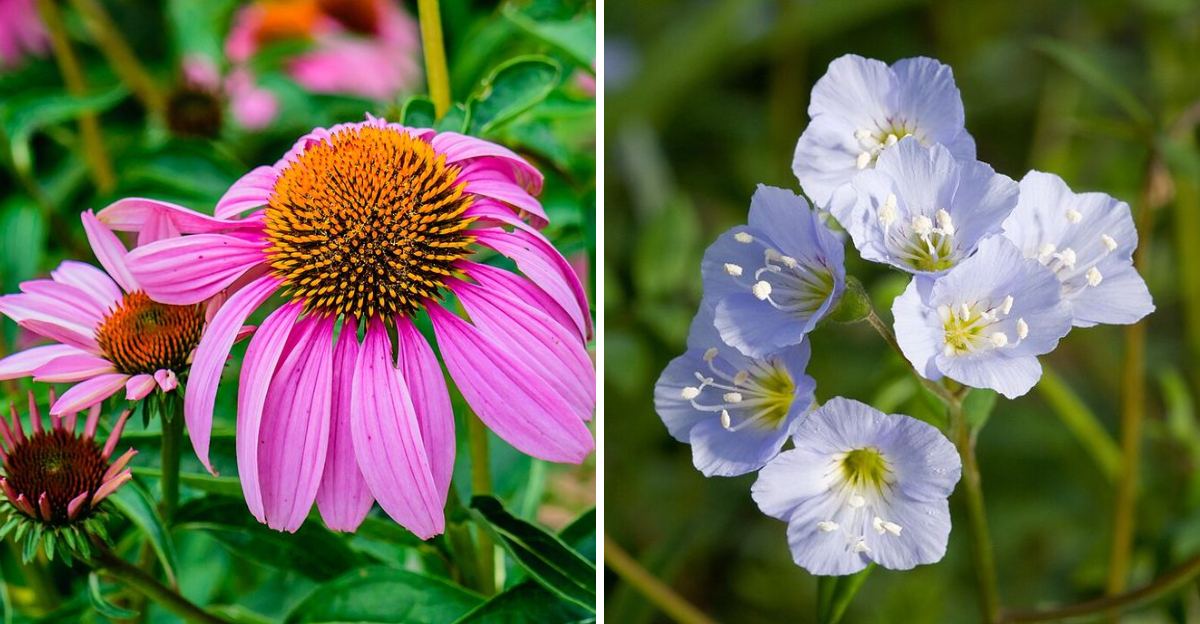
Its rosy-purple petals and raised, spiny orange-brown cones bloom from early summer into fall, and the plant keeps producing new flowers over a remarkably long season.
Purple coneflower does best in full sun but tolerates part shade without completely falling apart. It adapts to a range of soils, handles summer drought reasonably well once established, and is largely unbothered by deer.
Pollinators absolutely love it, from bumblebees to swallowtail butterflies, making it a natural anchor for any Pennsylvania pollinator garden.
One of the best things about purple coneflower is what happens after the blooms fade.
The seed heads are a magnet for goldfinches and other seed-eating birds through fall and winter, so there is real value in leaving them standing rather than cutting everything back in autumn.
Self-seeding is common, and seedlings are easy to relocate or share with neighbors. Space plants about 18 inches apart and water regularly during the first growing season.
After that, they are largely self-sufficient. Dividing clumps every four or five years refreshes their vigor and keeps flowering strong.
8. Golden Alexander Starts The Season With Cheerful Yellow Blooms
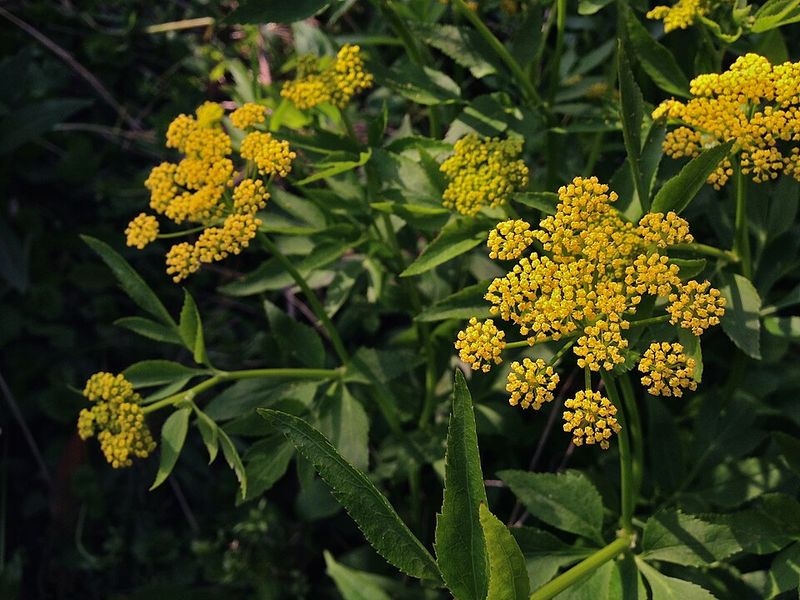
Early spring in Pennsylvania can feel like it drags on forever, which is exactly why golden Alexander deserves a spot in more gardens.
Zizia aurea is one of the earliest native perennials to bloom, sending up flat-topped clusters of bright yellow flowers in April and May when the garden is still mostly waking up.
That early color is genuinely uplifting after a long winter.
Golden Alexander grows well in full sun to part shade and adapts to a surprisingly wide range of soil conditions, including moist or periodically wet soils that frustrate many other plants.
That makes it especially useful in low spots or rain garden plantings where standing water can be an issue in Pennsylvania’s wet spring months.
It typically reaches two to three feet tall and spreads gradually into tidy clumps.
The plant also serves as a host plant for the black swallowtail butterfly, adding ecological value well beyond its ornamental appeal. Early-season native bees and flies rely on its pollen when little else is blooming.
Golden Alexander is largely trouble-free once established, with no significant pest or disease problems to worry about.
A light cleanup in early spring before new growth emerges is all the seasonal care it typically needs.
Space plants about 18 inches apart for a natural-looking drift.
9. Jacob’s Ladder Brightens Quiet Shady Beds
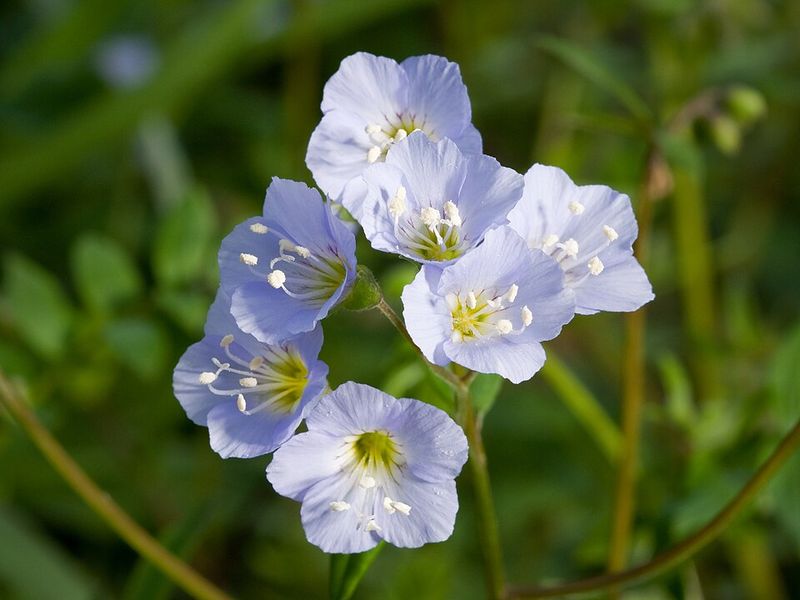
There is something almost delicate about Jacob’s ladder, but do not let that impression fool you.
Polemonium reptans is a sturdy native perennial that handles Pennsylvania’s shady garden spots with quiet confidence.
The finely divided, ladder-like foliage is attractive from the moment it emerges in spring, and the clusters of soft blue-violet bell-shaped flowers that appear in April and May add a cool, refined color that works beautifully under trees or along a shaded walkway.
Jacob’s ladder prefers part shade to full shade and moist, well-drained soil with plenty of organic matter.
It tends to go somewhat dormant in summer heat, so planting it alongside hostas or ferns that fill in later helps maintain visual interest in the bed.
In Pennsylvania gardens with cooler, moister summers, the foliage often stays attractive much longer into the season.
This plant is a good choice for gardeners who want something a little different from the usual shade perennials.
It self-seeds lightly, which helps it naturalize gradually in a woodland or shade garden setting without becoming aggressive.
Spacing plants about 12 to 15 inches apart allows them to form loose, natural-looking groupings. Watering during dry spells in summer keeps the foliage from browning at the edges.
Jacob’s ladder is rarely troubled by deer or common garden pests.
10. Aromatic Aster Carries The Garden Into Fall
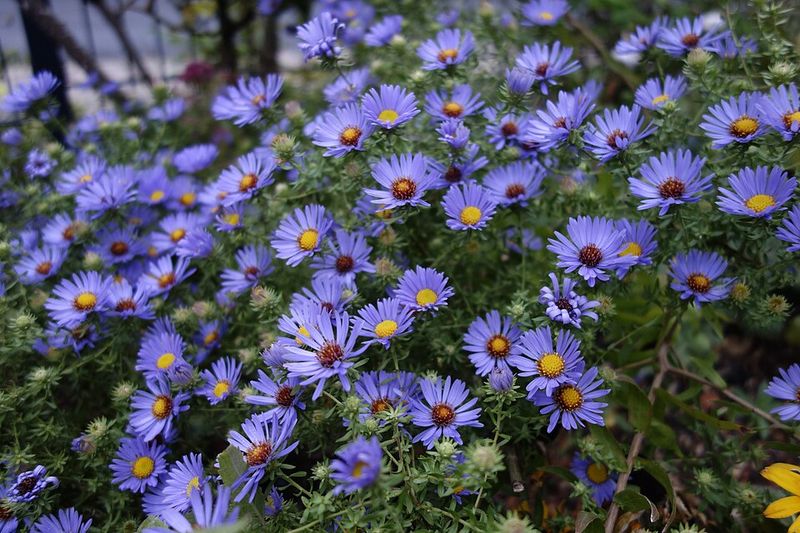
By the time September arrives in Pennsylvania, a lot of summer perennials are starting to look tired and faded. Aromatic aster has the opposite problem.
Symphyotrichum oblongifolium hits its peak right as the season starts to wind down, smothering itself in small violet-blue daisy-like flowers from early fall well into October.
It is one of the most reliable fall-blooming natives you can grow in Pennsylvania.
The plant does best in full sun and well-drained soil, including dry, rocky, or lean conditions where other plants might struggle.
It forms a rounded, bushy mound that typically reaches about two feet tall and wide, making it useful as a low border plant or a mass planting along a sunny slope.
The aromatic foliage is pleasantly fragrant when brushed, which adds a sensory bonus to an already attractive plant.
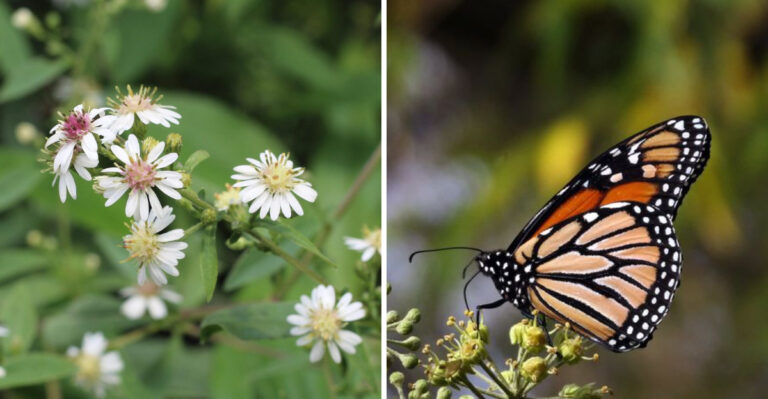
Monarchs and other late-migrating butterflies depend heavily on fall-blooming asters as a nectar source before heading south, so growing aromatic aster connects your Pennsylvania garden to something much larger than the yard itself.
Cutting plants back by about half in late May or early June encourages a more compact, full shape and prevents any flopping later in the season.
Division every few years keeps clumps vigorous. Aromatic aster self-seeds lightly and naturalizes well in meadow-style plantings.
11. Rough Goldenrod Adds Late-Season Color And Wildlife Appeal
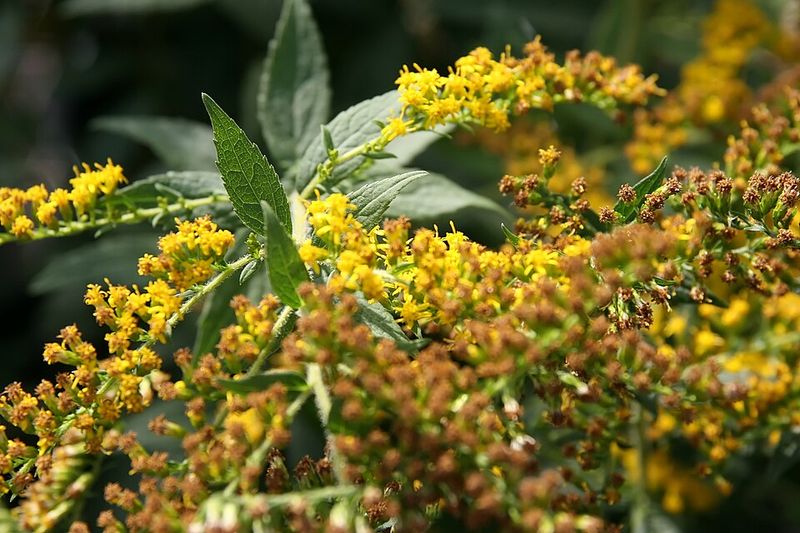
Goldenrod has spent years getting blamed for hay fever it did not cause, and rough goldenrod deserves a proper reputation reset.
Solidago rugosa is a native Pennsylvania plant that produces arching stems covered in bright golden-yellow flower plumes from late summer into fall, and it is one of the most ecologically valuable perennials you can grow in the region.
The real allergy culprit is ragweed, which blooms at the same time but flies under the radar.
Rough goldenrod handles a wider range of conditions than many of its relatives, tolerating moist to wet soils, part shade, and even seasonally flooded areas.
That flexibility makes it useful in rain gardens, low spots, or along pond edges where other plants struggle to establish.
In sunnier, drier spots it still performs well, though it may not reach its full potential height of three to five feet.
The late-season flowers support an impressive number of native bees, wasps, and butterflies that are building up energy reserves before winter. Leaving the seed heads standing benefits birds through the colder months.
Rough goldenrod spreads by rhizomes and can expand over time, so dividing clumps every two or three years keeps it in bounds.
Planting it in a naturalistic border or meadow-style bed where spreading is welcome makes maintenance even easier.
It pairs well with aromatic aster and ironweed for a bold, wildlife-friendly fall display.