How To Grow Mountain Laurel Successfully In Pennsylvania
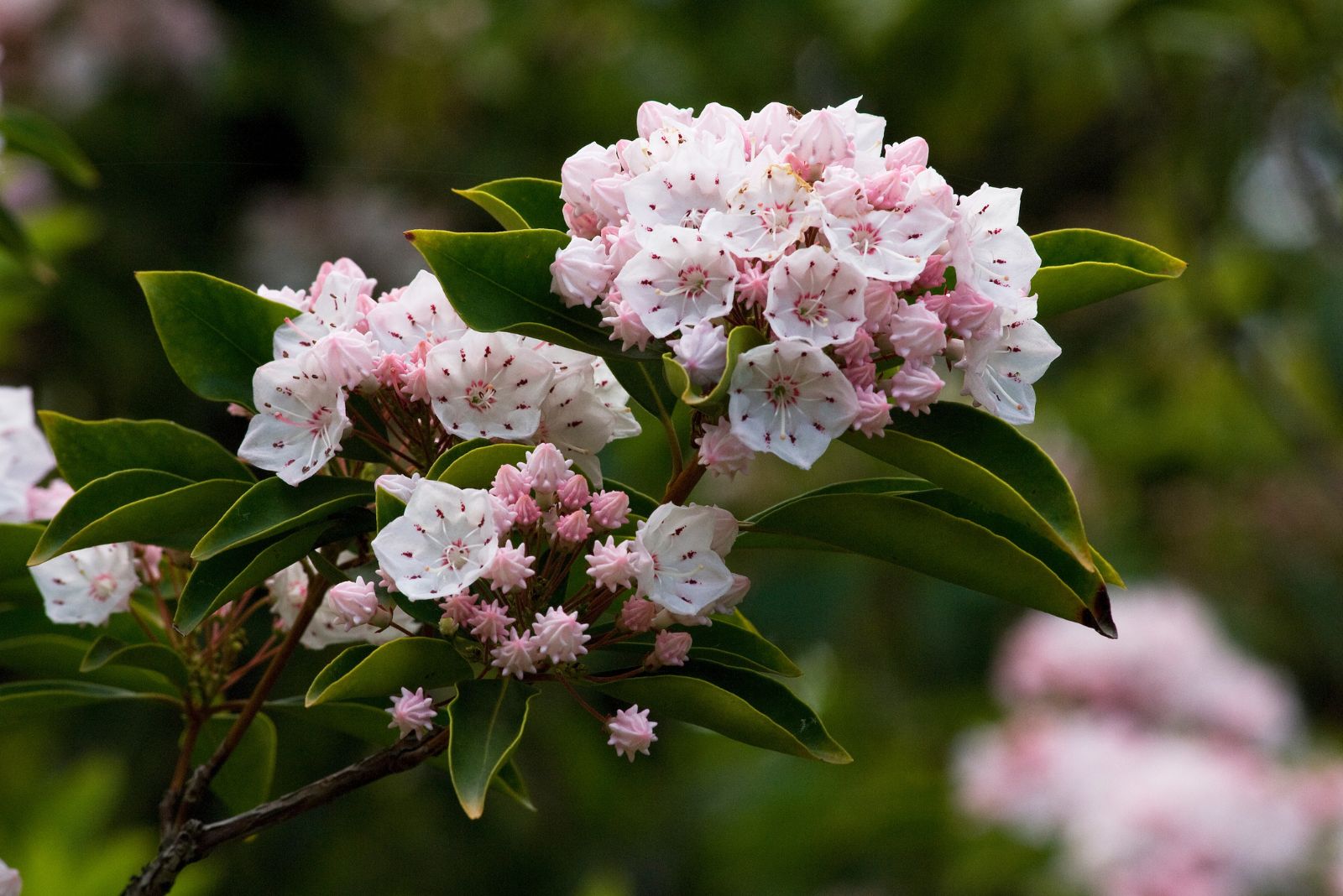
Mountain laurel feels like one of those plants that belongs in Pennsylvania. With its glossy leaves, spring blooms, and natural woodland charm, it has a way of making a yard look more established and more connected to the landscape around it.
When it is happy, it is absolutely stunning. Those clusters of flowers can stop people in their tracks, and the plant itself brings a quiet kind of beauty even when it is not in bloom.
The catch is that mountain laurel can be a little particular, which is why some gardeners struggle with it at first. That does not mean it is hard to grow. It just means it likes the right conditions from the start.
If the soil, light, and planting spot are working in its favor, mountain laurel can settle in beautifully and become one of the most rewarding shrubs in the yard.
In Pennsylvania, that often means thinking a little less about full sun and fast growth and a little more about shade, moisture, and patience.
Once you understand what this native favorite actually wants, it starts making a lot more sense. Give it the right beginning, and mountain laurel can reward you with years of color, structure, and timeless appeal.
1. Choose The Right Location (Shade Is Key)
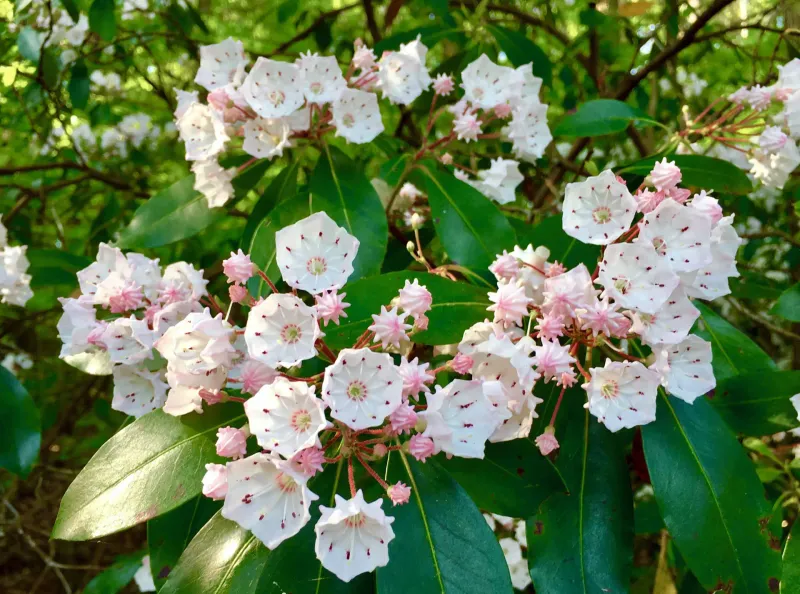
Mountain laurel is a natural woodland plant, so picking the right spot in your Pennsylvania yard makes all the difference. Walk around your property and look for areas that get morning sun but stay shaded during the hot afternoon hours.
That sweet spot of dappled or partial shade is exactly where mountain laurel feels most at home.
Hot afternoon sun, especially during Pennsylvania summers, can scorch the leaves and stress the plant. Spots near the edge of a forest, under tall deciduous trees, or along a shaded fence line work really well.
The plant still needs some light to bloom beautifully, so do not tuck it somewhere completely dark.
Woodland garden settings in Pennsylvania are ideal because they naturally mimic the conditions mountain laurel loves in the wild.
Think about areas near streams, wooded hillsides, or shaded slopes where the canopy breaks just enough to let filtered light through. These spots also tend to stay a little cooler, which the plant appreciates during warm summers.
One common mistake new gardeners make is planting mountain laurel in full, open sun thinking more light means more flowers. It can actually cause the leaves to yellow and the plant to struggle.
Shade really is the secret ingredient here, and getting the location right from day one sets you up for long-term success in Pennsylvania.
2. Plant In Acidic, Well-Drained Soil
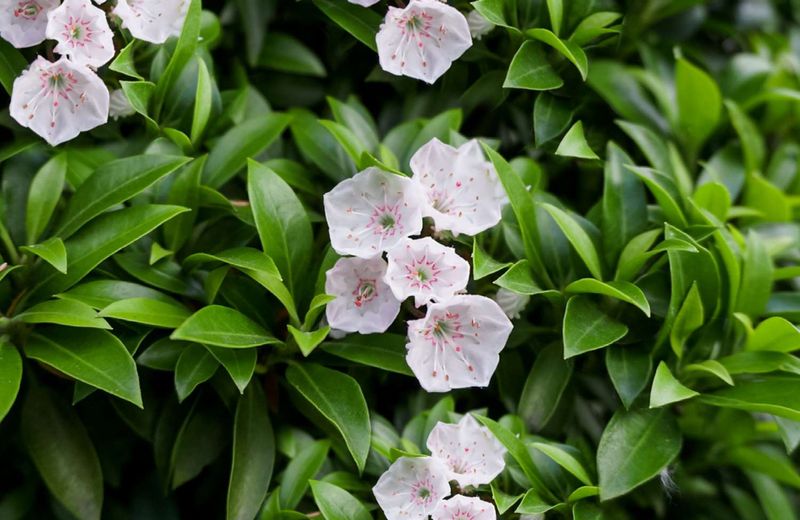
Soil is everything when it comes to mountain laurel, and Pennsylvania gardeners need to pay close attention to pH levels. Mountain laurel thrives in acidic soil with a pH between 4.5 and 6.0.
Before planting, grab a simple soil test kit from your local garden center and check what you are working with.
Heavy clay soil is a big problem for this plant. It holds too much water, suffocates the roots, and can cause serious issues over time.
Your Pennsylvania Garden Changes Every Week. Your Plan Should Too.
Gardening in Pennsylvania changes quickly throughout the season. Every Friday you’ll receive a simple weekly plan showing exactly what to plant, prune, fertilize, harvest, and protect so you never miss the right timing.
If your Pennsylvania yard has clay-heavy soil, you will need to do some prep work before putting your mountain laurel in the ground.
Amending the soil with peat moss, pine bark, or other organic matter helps create the loose, slightly acidic environment mountain laurel craves. Mix these amendments into the existing soil generously before planting.
Some Pennsylvania gardeners also add sulfur to lower the pH if their soil tests closer to neutral.
Well-drained soil is just as important as the right pH. Even if the acidity is perfect, waterlogged roots will cause the plant to struggle.
Raised beds or naturally sloped areas in your Pennsylvania landscape can help with drainage if your yard tends to hold moisture after rain. Getting the soil right before planting is one of the best investments you can make for this gorgeous native shrub.
A little effort upfront means you spend less time troubleshooting later and more time enjoying those incredible spring blooms year after year.
3. Water Consistently But Avoid Soggy Conditions
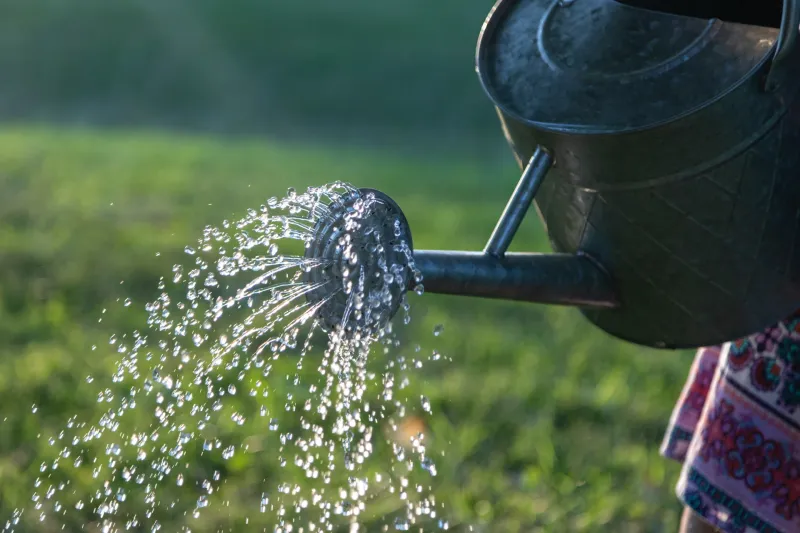
Watering mountain laurel the right way is one of the trickiest parts of growing it successfully in Pennsylvania. Too little water early on stresses the plant.
Too much water creates soggy soil that leads to root rot. Finding that balance is key, especially during the first year after planting.
Right after planting, water the shrub deeply and consistently to help it settle in and build a strong root system.
During dry stretches in Pennsylvania summers, check the soil moisture regularly by pushing a finger about two inches into the ground. If it feels dry at that depth, it is time to water.
Mountain laurel does not handle drought well when it is still getting established. Young plants are especially sensitive to dry spells, so consistent watering during the first growing season is really important.
Once the plant is well established, it becomes more resilient, but it still appreciates a good deep drink during extended dry periods.
Good drainage is absolutely critical. Standing water around the roots is one of the fastest ways to harm a mountain laurel.
If your planting area in Pennsylvania stays wet after heavy rain, consider improving drainage by mixing in more organic matter or choosing a slightly elevated spot. Avoid watering at night, as wet foliage overnight can encourage fungal issues.
Morning watering is always the better choice because the leaves and soil surface have time to dry out during the day. Steady, thoughtful watering habits will keep your mountain laurel looking lush and healthy throughout the Pennsylvania growing season.
4. Mulch To Protect Shallow Roots
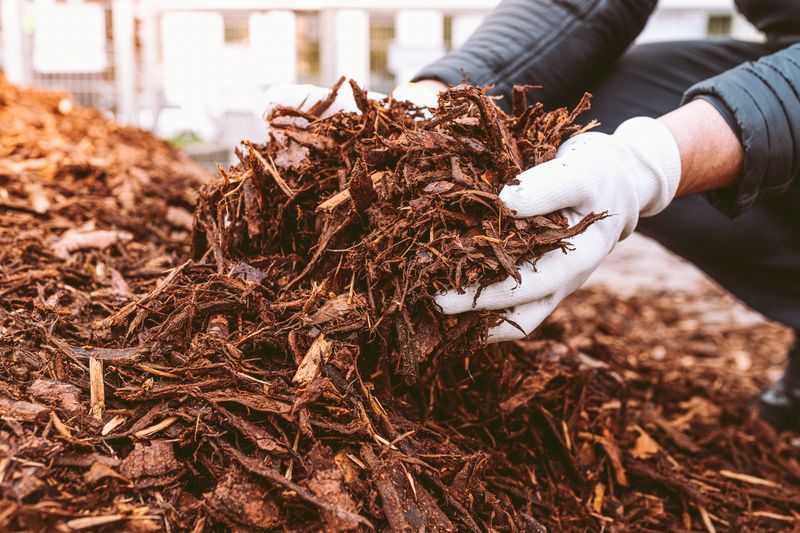
Here is something many gardeners do not realize about mountain laurel: its roots are surprisingly shallow. That means they are much more exposed to temperature swings, moisture loss, and soil compaction than deeper-rooted plants.
Mulching is one of the simplest and most effective things you can do to protect them in Pennsylvania.
Apply a two to three inch layer of organic mulch around the base of the plant, spreading it out to the drip line. Shredded bark, pine needles, or wood chips all work great.
These materials are also slightly acidic as they break down, which is a bonus for mountain laurel’s pH preferences.
During Pennsylvania winters, mulch acts like a cozy blanket for those shallow roots, insulating them from freezing temperatures and frost heave.
In summer, it keeps the soil cool and moist, which mountain laurel absolutely loves. It also helps reduce weeds that compete for nutrients and moisture.
One thing to watch out for is piling mulch directly against the main stem or trunk of the plant. That can trap moisture and create conditions for rot or disease to develop at the base.
Keep the mulch a few inches away from the stem so there is room for air circulation. Refresh the mulch layer once or twice a year, especially in early spring before the growing season kicks off and again in late fall before winter arrives in Pennsylvania.
This small habit pays off big by keeping your mountain laurel healthier, more vibrant, and better protected through every season of the year.
5. Fertilize Lightly (If At All)
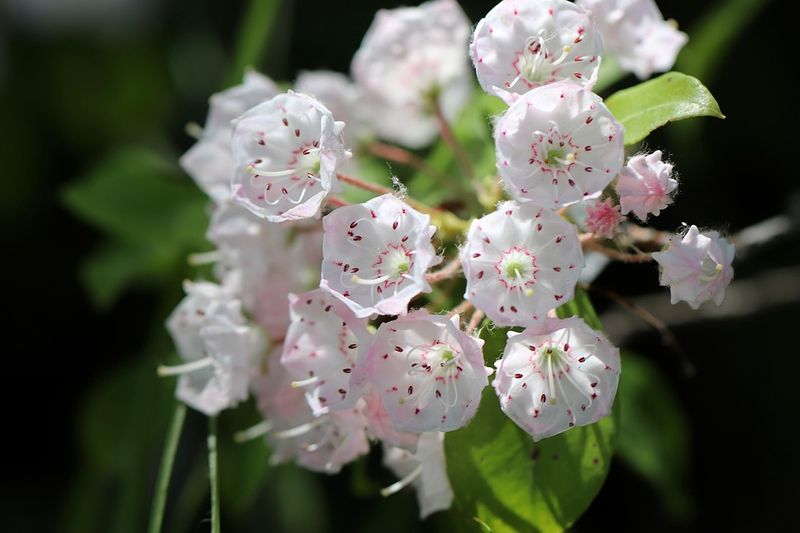
Many new gardeners assume that more fertilizer equals better growth, but mountain laurel is a plant that truly thrives on less. In fact, over-fertilizing is one of the most common mistakes Pennsylvania gardeners make with this shrub.
Heavy feeding can actually cause more harm than good by forcing weak, leggy growth or burning the roots.
Mountain laurel is a native plant that evolved in naturally lean, acidic forest soils. It does not expect or need the kind of nutrient boost you might give a vegetable garden.
If your Pennsylvania soil is already well-amended with organic matter, your mountain laurel may not need any fertilizer at all.
If you do decide to fertilize, choose a product specifically designed for acid-loving plants, such as those formulated for azaleas, rhododendrons, or camellias. These fertilizers are gentler and better matched to mountain laurel’s preferences.
Apply them in early spring, just as new growth begins to emerge, and follow the package directions carefully without going overboard.
Skip the fall fertilizing altogether. Pushing new growth late in the season can leave tender shoots vulnerable to Pennsylvania’s cold winters.
One light feeding in spring is really all this plant ever needs, and many healthy, established mountain laurels do just fine with none at all. If your plant is blooming well and showing deep green foliage, take that as a sign that it is happy and does not need any extra help.
Let the plant guide you rather than following a rigid fertilizing schedule, and you will be rewarded with strong, natural growth season after season.
6. Prune Only After Blooming
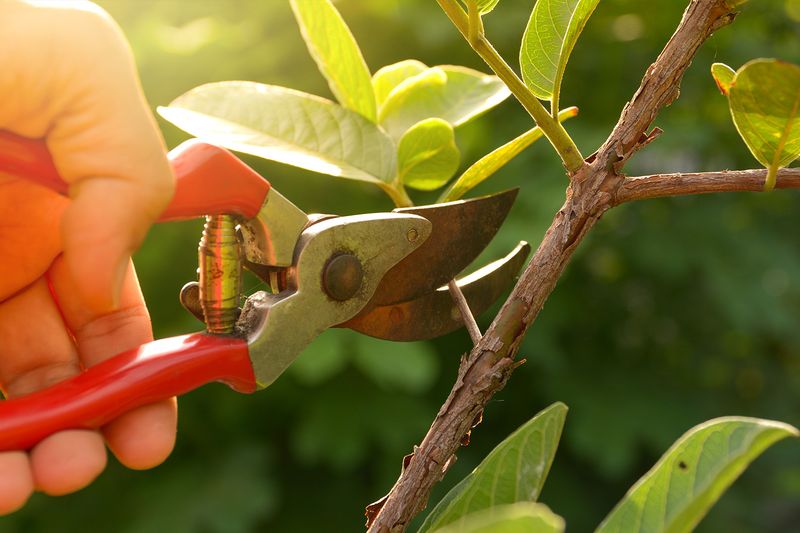
Timing is everything when it comes to pruning mountain laurel, and getting it wrong can mean losing next year’s blooms entirely.
Mountain laurel blooms on old wood, which means the flower buds for next spring are already forming shortly after the current year’s flowers fade.
Prune too late or too aggressively and you cut off those future buds before they ever get a chance.
The best time to prune mountain laurel in Pennsylvania is right after the flowers finish blooming, usually sometime in late June. Start by removing the spent flower clusters, a process called deadheading.
This redirects the plant’s energy away from seed production and toward building stronger buds for the following year’s display.
Beyond deadheading, keep any shaping or trimming light and minimal. Mountain laurel has a naturally beautiful, layered form that rarely needs heavy intervention.
Remove any crossed, damaged, or awkward branches, but resist the urge to cut it back hard into a tight hedge shape. Heavy pruning stresses the plant and can set back its growth significantly.
If your mountain laurel has gotten quite large or leggy over many years in your Pennsylvania landscape, you can do some gradual rejuvenation pruning, but spread it out over two or three seasons rather than doing it all at once. Always use clean, sharp pruning tools to make smooth cuts that heal quickly.
Ragged cuts invite disease and slow recovery. A little careful attention after blooming each year keeps mountain laurel looking its natural best while encouraging the most spectacular flower show possible the following spring throughout Pennsylvania.