The Meaning Behind Seeing Cardinals In Your Michigan Yard
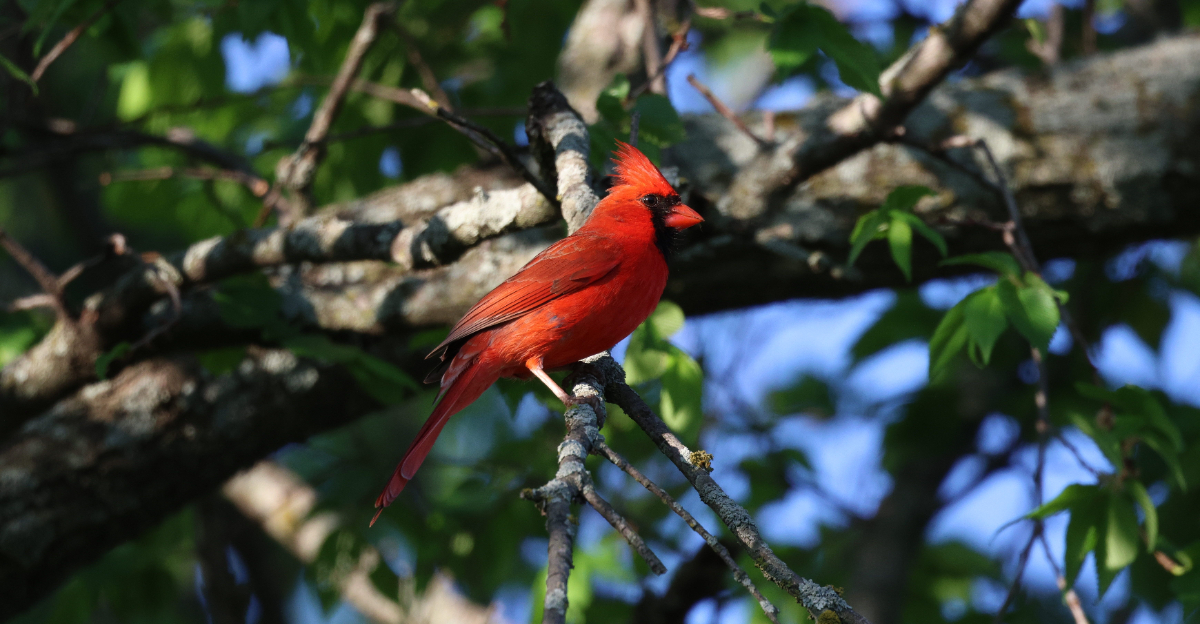
A bright red cardinal can make any Michigan yard feel a little more special. One moment the trees look still and quiet, and the next that flash of color lands like it was meant to be noticed.
For many people, seeing a cardinal feels like more than just spotting another bird. It can bring a sense of comfort, curiosity, or even a feeling that the moment means something deeper.
Some connect cardinals with loved ones, while others see them as signs of hope, strength, or good luck. Their bold color and year round presence only add to that sense of meaning.
In Michigan, where long winters can make the landscape feel dull, a cardinal stands out in a way few birds can. That is part of why so many people stop and wonder what it means when one keeps showing up close to home.
1. A Bright Red Bird Means Your Yard Feels Safe
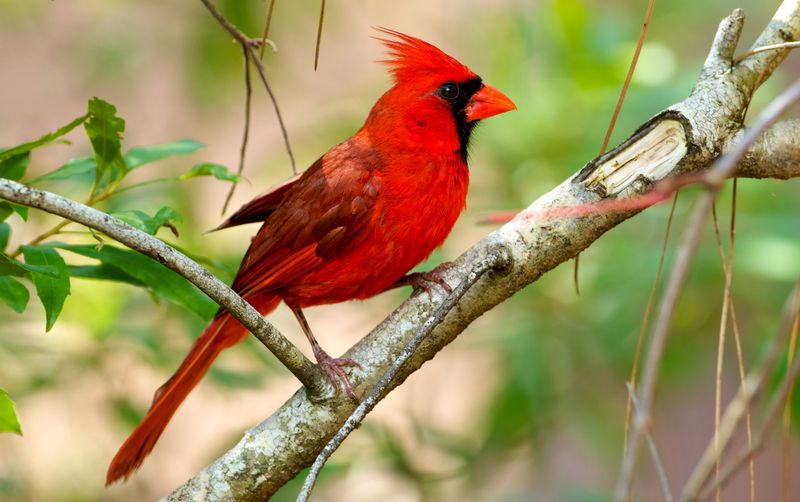
Few sights in a Michigan yard are quite as striking as a male Northern Cardinal sitting bold and bright against a backdrop of green shrubs or fresh snow. That brilliant flash of red is not just beautiful.
It is actually a signal that your outdoor space offers something cardinals genuinely need: safety and cover.
Cardinals are not fans of wide-open spaces with nowhere to hide. They prefer yards with dense shrubs, evergreen trees, brushy edges, and small ornamental plantings where they can tuck away from hawks and other threats in a hurry.
If a cardinal feels comfortable enough to perch out in the open, even briefly, it means the surrounding area gives it enough confidence to do so.
Michigan yards with layered plantings, meaning a mix of taller trees overhead and thick lower shrubs underneath, tend to attract cardinals more consistently.
Plants like arborvitae, spruce, and dense native hedges are especially appealing because they provide cover in all seasons, including the cold Michigan winters when leaves have dropped from other plants.
Seeing a cardinal regularly in your yard is a quiet sign that your landscape is doing something right. The bird is essentially voting with its feet, choosing your space because it feels protected, sheltered, and worth returning to again and again.
2. Winter Visits Show You Have Reliable Food
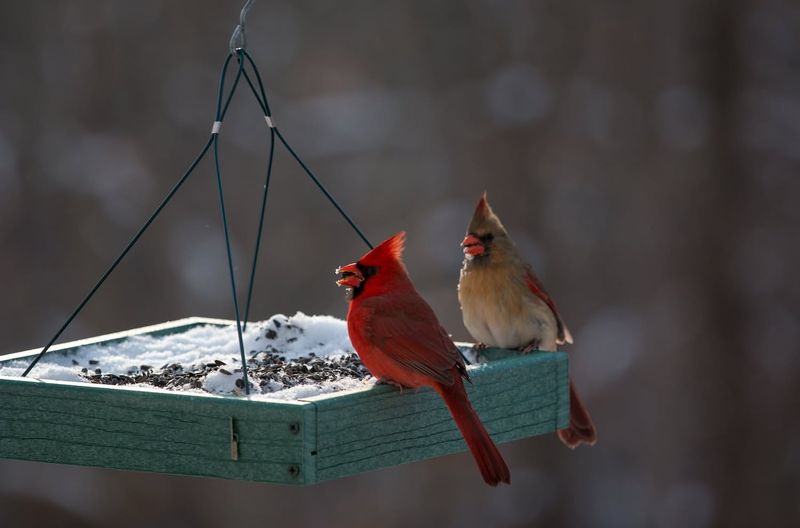
One of the most satisfying things about Michigan winters is watching a cardinal land at your feeder when everything else outside is grey and frozen. Unlike many songbirds that head south when temperatures drop, Northern Cardinals stay in Michigan all year long.
They are true permanent residents of the state, and that makes their winter presence especially meaningful.
When cardinals show up in your yard during December, January, or February, it usually means your space is providing something they can count on. Sunflower seeds are a major draw, and cardinals will visit feeders consistently if black-oil sunflower seeds are available.
But feeders are not the only thing that keeps them around. Berry-producing shrubs like winterberry holly, crabapple, and native viburnums offer natural food that cardinals will forage through during cold months when insects are not available.
Your Michigan Garden Changes Every Week. Your Plan Should Too.
Gardening in Michigan changes quickly throughout the season. Every Friday you’ll receive a simple weekly plan showing exactly what to plant, prune, fertilize, harvest, and protect so you never miss the right timing.
Weed seeds from unmowed patches and sheltered foraging spots near dense cover also make a Michigan yard more appealing through the winter season.
Cardinals tend to move in small flocks during the colder months, so seeing several birds together near your feeders is completely normal behavior.
If cardinals are coming back to your Michigan yard week after week through winter, take it as a sign that your yard is genuinely supporting local wildlife in a real and measurable way. That is something worth feeling good about.
3. More Singing Usually Means Spring Is Near
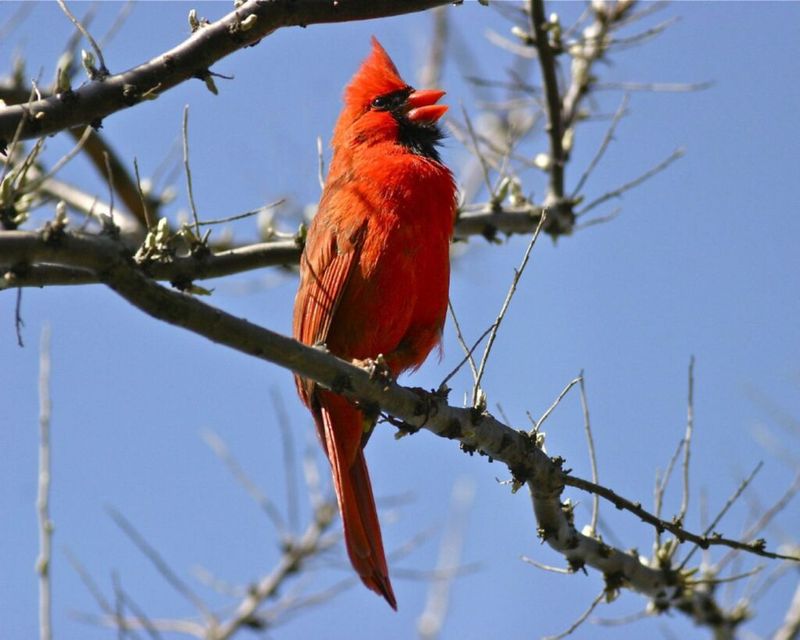
There is something almost electric about hearing a cardinal song cut through the quiet of a cold February morning in Michigan. Long before the snow melts or the first crocuses push up, the male cardinal is already announcing that spring is on its way.
His loud, clear whistle carries farther than most people expect, and once you learn to recognize it, you will start noticing it everywhere.
Male cardinals begin singing more frequently starting in late January and picking up strongly through February, March, and April. The reason is straightforward: they are claiming territory and trying to attract a mate.
A singing male is essentially drawing a boundary around his chosen area and letting other males know the space is taken. The more you hear them in your Michigan yard, the closer breeding season is getting.
Interestingly, female cardinals also sing, which is fairly uncommon among North American songbirds. She sometimes sings from the nest, possibly communicating with her mate about food needs.
Many people in Michigan associate the increasing cardinal song in late winter with the feeling of spring arriving, and that connection is rooted in real bird behavior rather than just folklore.
Paying attention to how often and how loudly the cardinals in your yard are singing can actually give you a reliable early heads-up that warmer days are genuinely close.
4. A Male And Female Together Is A Normal Sight
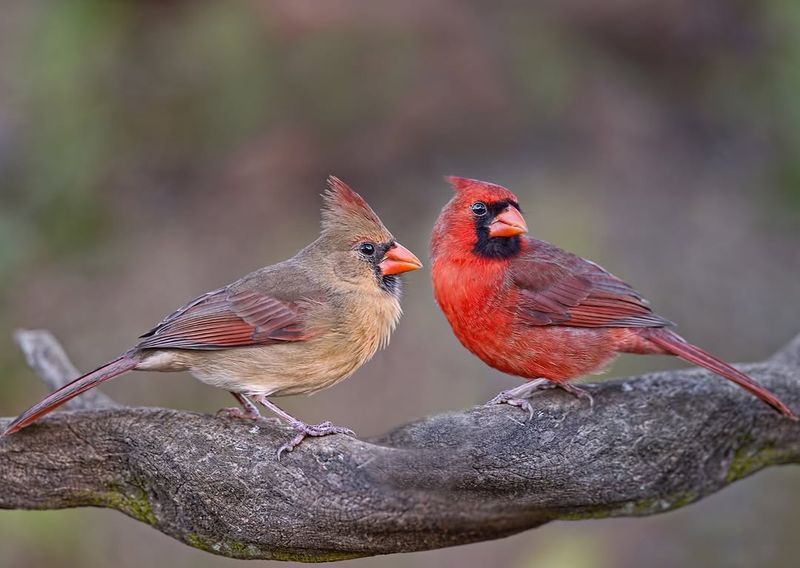
Seeing two cardinals together in your Michigan yard, one vivid red and one a warmer buff-brown, is a moment that tends to catch people off guard the first time. Many people do not immediately recognize the female cardinal because she looks so different from the male.
But that pair foraging near the same shrub or feeder is one of the most natural and common sights a Michigan yard can offer during spring and summer.
Northern Cardinals form pair bonds that often last through a breeding season, and sometimes beyond. The male and female tend to stay in the same general territory, foraging in overlapping areas even when they are not right next to each other.
During the spring and early summer months especially, it is common to spot them moving through the same section of yard within minutes of each other.
Seeing a cardinal pair together is typically a strong indicator that nesting activity is happening somewhere nearby in your Michigan neighborhood.
The male often feeds the female during courtship, passing seeds beak to beak in a behavior called mate feeding, which is genuinely sweet to watch if you catch it.
If you notice a pair visiting your yard regularly, pay attention to the dense shrubs and hedges nearby. There is a good chance a nest is tucked somewhere not far from where you are standing, hidden just out of sight.
5. Thick Shrubs Matter More Than Fancy Feeders
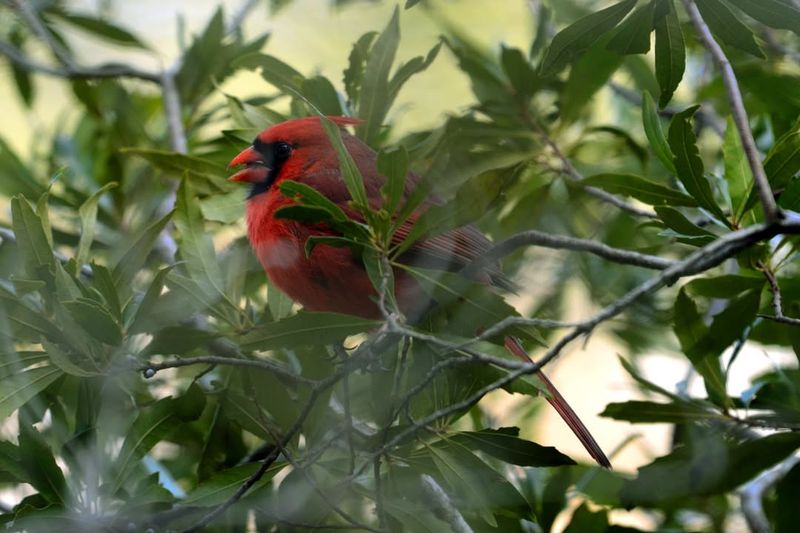
Here is something many Michigan yard owners do not realize at first: cardinals care more about cover than they care about your feeder setup. A yard full of expensive feeders but no dense shrubs or protective plantings will still struggle to hold cardinals for long.
Cover is the real currency when it comes to attracting these birds consistently throughout the year.
Cardinals move in a very specific pattern. They fly from a protected spot to a feeding area, grab what they need, and fly back to cover quickly.
They are not birds that like to linger in the open. Michigan yards with plants like dogwood, viburnum, arborvitae, spruce, and dense native thickets give cardinals the kind of landscape they feel most comfortable navigating.
The closer the cover is to the feeding area, the more often cardinals will use both.
Native plants add an extra layer of value because they also support the insects and berries that cardinals rely on beyond seeds alone.
A yard in Michigan that blends natural shrub layers with a feeder nearby is far more attractive to cardinals than a wide-open lawn with a single pole feeder in the middle.
If you want cardinals to become regulars rather than occasional visitors, focus first on building up your shrub and evergreen coverage. The feeders can come after, and they will work much better once good cover is already in place.
6. Berry And Seed Plants Help Keep Them Around

Cardinals are not picky eaters, but they do have clear preferences, and understanding those preferences can make a real difference in how often they visit your Michigan yard.
Seeds make up a large portion of their diet, with black-oil sunflower seeds being the top choice at feeders.
But the story does not stop there, because what grows in your yard matters just as much as what you put in a feeder.
Native shrubs that produce berries are incredibly valuable for Michigan cardinals, especially in fall and winter when insects are not available.
Winterberry holly, native viburnums, serviceberry, and crabapple are all excellent choices that provide real, natural nutrition.
Cardinals will work through these plants methodically, and a yard with several berry-producing species can support birds even during stretches when feeders run low or freeze over.
During nesting season, which runs from spring through midsummer in Michigan, insects become a much more important part of the cardinal diet.
Adults feed protein-rich caterpillars and beetles to their young nestlings, so a yard that supports insect life through native plantings pulls double duty.
Seed-producing flowers like coneflowers and black-eyed Susans left standing through winter also offer natural foraging opportunities.
Building a yard around both feeders and diverse native plants gives Michigan cardinals a reason to stay close not just for a season, but throughout the entire year in a meaningful and reliable way.
7. A Cardinal In Summer Can Mean Nesting Nearby
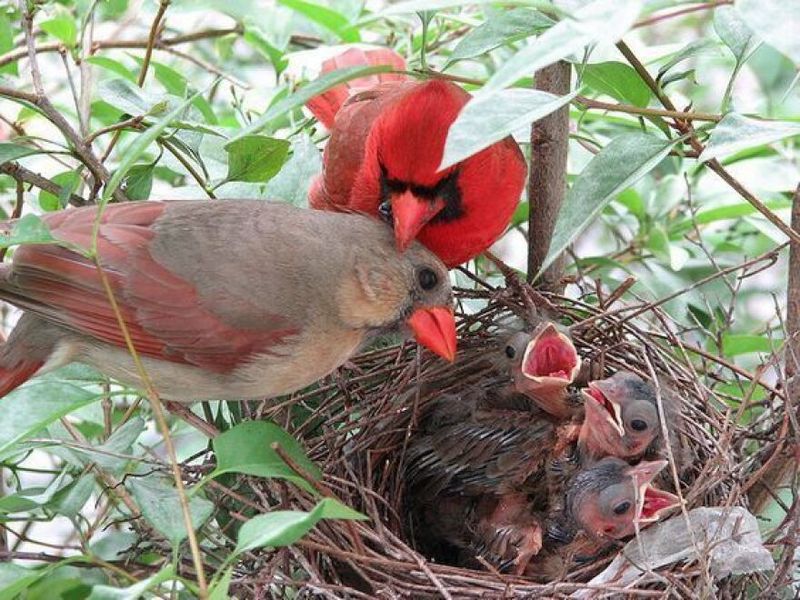
If a cardinal keeps showing up in the same corner of your Michigan yard all through June and July, there is a pretty good chance something important is happening close by.
Summer cardinal activity, especially when a bird returns repeatedly to one specific shrub or hedgerow, is often a clue that a nest is tucked somewhere nearby and the adults are busy raising a family.
Michigan cardinals typically build their nests in dense shrubs, thick ornamental hedges, young cedar trees, and tangled vine patches.
The nest is usually positioned somewhere between three and ten feet off the ground, well hidden inside dense foliage where it is difficult to spot from outside the plant.
The female does most of the nest building, weaving together twigs, bark strips, and grasses into a sturdy cup shape over the course of several days.
Cardinals in Michigan can raise two or even three broods between April and August, which means summer activity near a protected shrub can signal multiple rounds of nesting in the same season.
If you notice a male cardinal making frequent short flights between a feeder and a particular dense shrub, or a female disappearing regularly into the same spot, resist the urge to investigate too closely.
Giving the birds space and keeping that area of your yard quiet and undisturbed is the best thing you can do to support a successful nesting season.
8. Cardinals Thrive In Michigan Neighborhoods For A Reason
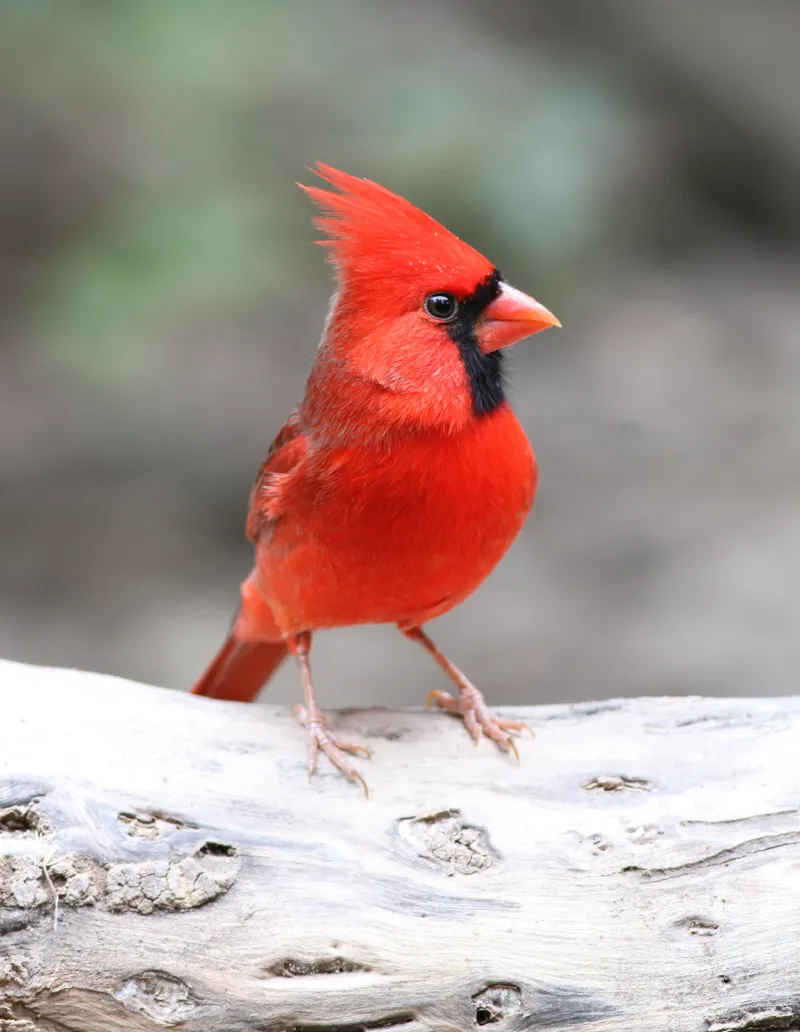
Northern Cardinals are one of the most commonly spotted birds in Michigan neighborhoods, and that is not a coincidence. These birds have adapted remarkably well to the kind of landscape that suburban and residential areas naturally provide.
A typical Michigan neighborhood yard, with its mix of trees, shrubs, feeders, and quieter corners, checks almost every box on a cardinal’s list of needs.
Cardinals do not require deep forests or remote wilderness to thrive. They actually prefer habitat edges, places where open areas meet shrubby or wooded cover, which is exactly what most Michigan neighborhoods create.
A yard that borders a tree line, backs up to a hedgerow, or simply has a good mix of ornamental and native plantings offers the kind of layered environment cardinals seek out naturally.
Access to clean water makes a noticeable difference too. A birdbath placed near shrubby cover, especially one with a gentle dripper or mister, can draw cardinals in even during dry summer stretches when natural water sources get low.
Quiet matters as well. Michigan yards that are not constantly disrupted by heavy foot traffic or roaming pets tend to hold cardinals more reliably over time.
When you put all of these elements together, trees for perching, shrubs for cover, seeds and berries for food, and water for drinking and bathing, your Michigan yard essentially becomes a place cardinals will choose to call home season after season.